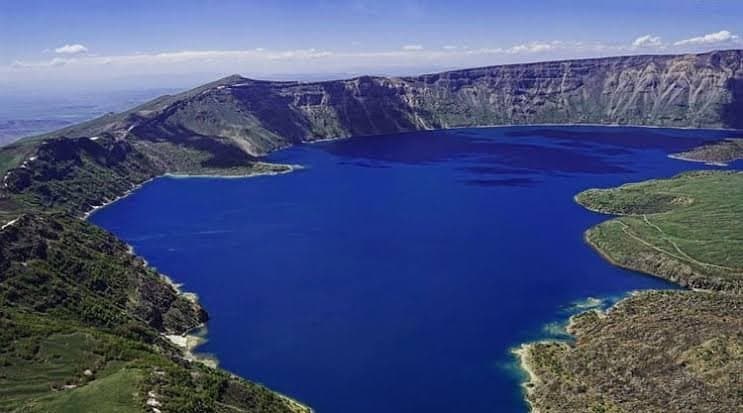
Nemrut Crater Lake Turkey
Ancient colossal statues and stunning crater lakes atop a volcano, offering a surreal journey through history and nature.
Highlights
Must-see attractions

Social
From TikTok & Reddit
Best Time
Clearer roads, milder weather
Nemrut Crater Lake Turkey
Best Time
Clearer roads, milder weather
Highlights
Must-see attractions
Ancient colossal statues and stunning crater lakes atop a volcano, offering a surreal journey through history and nature.
"A surreal landscape with ancient wonders and breathtaking crater lakes, truly unforgettable."
🚗 Access Challenges
Snow can block roads in spring. Check conditions before you go!
🐻 Bear Safety First
Observe bears from a distance. Never feed or approach them.
Highlights
Discover the most iconic attractions and experiences
Colossal Stone Heads
Summit Terraces
Enigmatic fragments of once-towering statues of gods and King Antiochus I, gazing serenely.
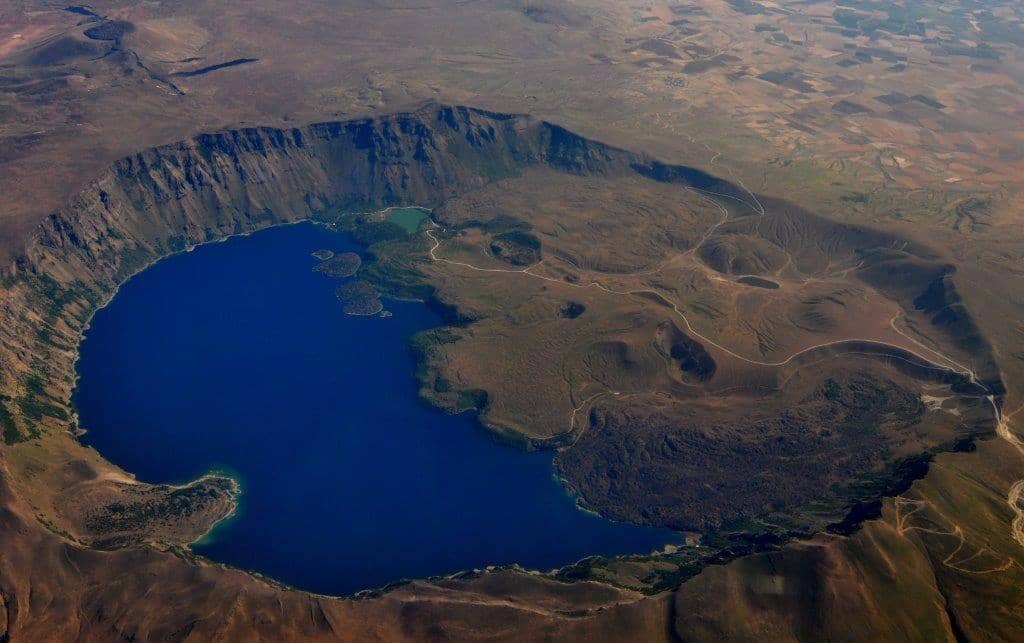
Nemrut Crater Lake
Volcano Caldera
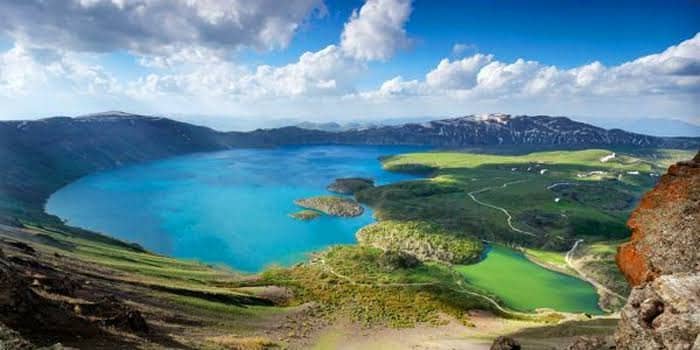
Turkey's largest and the world's second-largest crater lake, a stunning natural wonder.
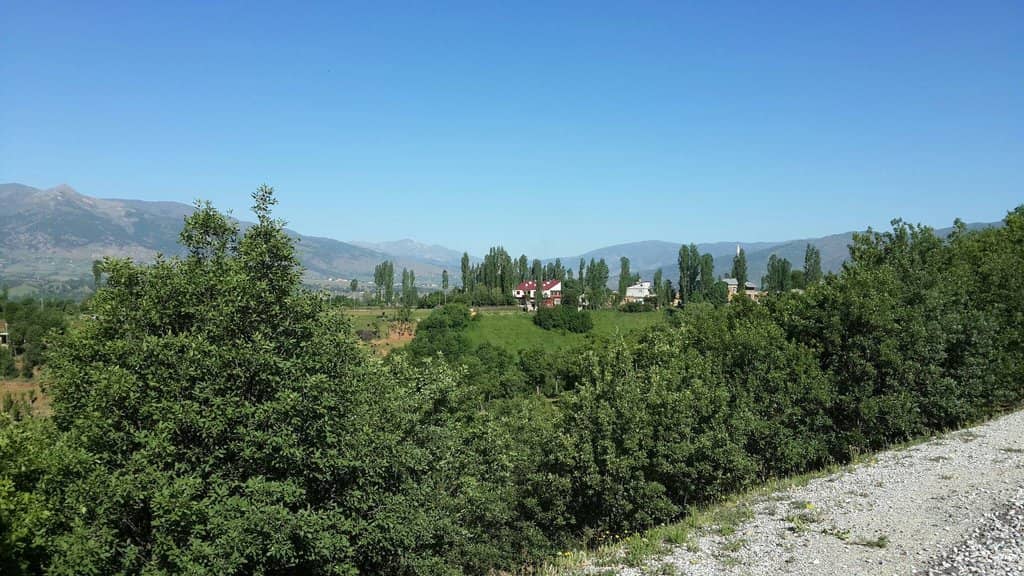
Sunrise/Sunset Spectacle
Summit
Witness the magical interplay of light and shadow on ancient statues and the vast landscape.
Plans like a pro.
Thinks like you
Planning Your Visit
Timing is Everything for Nemrut
Wildlife Encounters & Safety
Best Times
Insider Tips
from TikTok, Instagram & Reddit
🚗 Access Challenges
Snow can block roads in spring. Check conditions before you go!
🐻 Bear Safety First
Observe bears from a distance. Never feed or approach them.
📸 Best Photo Light
Sunrise & sunset offer dramatic views of the statues.
🏕️ Camping in the Crater
An unforgettable experience with wildlife and stars.
Tips
from all over the internet
🚗 Access Challenges
Snow can block roads in spring. Check conditions before you go!
🐻 Bear Safety First
Observe bears from a distance. Never feed or approach them.
📸 Best Photo Light
Sunrise & sunset offer dramatic views of the statues.
🏕️ Camping in the Crater
An unforgettable experience with wildlife and stars.
🧥 Summit Weather
It's cold even in summer! Pack warm layers.
What Travellers Say
Reviews Summary
Mount Nemrut offers a surreal and majestic experience with its ancient colossal statues and stunning crater lakes. Visitors are captivated by the dramatic landscapes, especially during sunrise and sunset, and the unique opportunity to witness brown bears in their natural habitat. While the journey can be challenging and the weather harsh, the historical significance and otherworldly beauty make it an unforgettable destination.
"Mount Nemrut, located in southeastern Turkey and rising to a height of over 2,130 meters, commands a surreal landscape that hosts one of the ancient world’s most bewildering and majestic religious complexes.
The mountain is primarily renowned for its dramatic summit, where the funerary mound and monumental statues built by Antiochus I of Commagene in the first century BCE sit in eternal silence, gazing out over the region’s rugged plateaus and valleys.
The relentless wind and shifting light add an ever-changing character to the site, making sunrise and sunset especially evocative times to visit as the enormous stone heads cast long shadows across the terraces and broken columns.
The history of Mount Nemrut is rooted in the ambition and syncretic vision of Antiochus I, who sought to both proclaim his dynasty’s Persian and Macedonian roots and establish a divine legitimacy for his rule. He commissioned a sanctuary at the mountain’s peak consisting of a large, conical mound of crushed stone, flanked by terraces to the east, west, and north, each bearing colossal seated statues of gods and figures from his own family lineage.
The statues, some originally seated upright at nine meters tall, depict Greco-Persian deities such as Zeus-Oromasdes, Apollo-Mithra, and Heracles-Artagnes, joined by representations of Antiochus himself and, at either end, gigantic guardian animals: a lion and an eagle.
Over time, the heads of these statues toppled to the lower terraces, and today these enigmatic fragments, some standing two meters high, offer haunting faces to visitors, their serene expressions rendered in archaic lines and Hellenistic detail.
The site itself is both an archaeological and a spiritual landmark, embodying the crosscurrents of Greek, Persian, and local Anatolian culture that flourished in the ancient kingdom of Commagene. Antiochus’s vision was expressed in grand processional routes, rows of ancestor stelae with carved reliefs, and bilingual inscriptions that detailed his genealogy and religious philosophy.
While the actual burial chamber of Antiochus remains elusive beneath the stone tumulus, the sanctuary’s design speaks to ambitions of immortality and connection to the divine. It is considered an outstanding example of Hellenistic architectural fusion and a testament to the spiritual aspirations of an era perched between empires.
Despite its isolation, Mount Nemrut’s powerful sense of mystery and the scale of its artistic achievement have drawn travelers and scholars since the site was rediscovered in the late nineteenth century.
The mountain is now a UNESCO World Heritage Site and a national park, with its daunting yet accessible ascent offering both a physical challenge and the reward of gazing upon one of antiquity’s most enigmatic royal monuments.
The climate at the summit is harsh, with cold temperatures well into summer and frequent snow, reminding modern visitors that this remote place was chosen precisely for its dramatic and otherworldly setting.
The enduring aura of Mount Nemrut lies not only in the grandeur of its ruins but also in its unique ability to evoke the forgotten aspirations and cosmic ambitions of an ancient king determined to be remembered among the gods."
A J Bashha
"Mount Nemrut, located in southeastern Turkey, is home to one of the most remarkable ancient monuments of the Hellenistic world.
At its summit, a massive burial mound and colossal statues mark the tomb-sanctuary of King Antiochus I of Commagene (69–34 BCE).
The statues, depicting gods, eagles, lions, and the king himself, once stood upright but now lie scattered across the site.
The enigmatic arrangement and the blend of Greek and Persian influences make Mount Nemrut a site of historical and archaeological intrigue.
Its breathtaking sunrise and sunset views over the statues add to its mystique..."
Nickace Buzzlightyear
"Was there 36 years ago. We camped inside the crater. Besides us there was only one other couple. It was an awesome experience. Wolves, wild horses, stars, the silence, the beautiful nature. Unforgettable!"
Peter Bongers
What People Like
What People Dislike
Frequently Asked Questions
🚇 🗺️ Getting There
Getting to Nemrut Crater Lake from Istanbul is a significant journey. Most travelers fly from Istanbul to Van or Elazig, then arrange ground transportation. Renting a car or hiring a driver is common for the final leg to the mountain. Be aware that roads can be challenging and snow can impede access, especially in spring.
Visiting Mount Nemrut as a day trip from major cities like Istanbul is extremely difficult due to the long travel distances. It's best to plan for at least an overnight stay in the region to fully experience the site and its surroundings.
The most common way to reach the summit is by driving to a designated parking area and then hiking the final stretch. The hike is manageable but can be steep in parts.
Public transportation directly to Nemrut Crater Lake is limited. You'll likely need to take buses to nearby towns like Tatvan or Ahlat and then arrange local transport, such as a taxi or private tour.
Road conditions can vary significantly. While main routes are generally paved, the final ascent to the summit can be rough. Snowfall can make access impossible for parts of the year, so always check local conditions.
🎫 🎫 Tickets & Entry
Yes, there is an entrance fee to access the Mount Nemrut National Park, which includes the crater lake and the ancient monument site. It's advisable to purchase tickets at the entrance.
Mount Nemrut is generally accessible during daylight hours. However, due to weather conditions, especially snow, access can be restricted. It's best to visit during the warmer months.
The admission fee covers the entire Mount Nemrut National Park, including the crater lake and the archaeological site. There are no separate fees for the lake itself.
No, Nemrut Crater Lake is not accessible year-round. Heavy snowfall often closes the roads during winter and early spring. The best visiting season is from late spring to early autumn.
Information on specific discounts is not widely available. It's recommended to inquire at the ticket office upon arrival for any potential concessions for students, seniors, or groups.
🎫 🏞️ Onsite Experience
At Nemrut Crater Lake, you'll find the monumental tomb-sanctuary of King Antiochus I, featuring colossal stone heads of gods and himself, scattered across terraces. The main attraction is also the vast caldera with its stunning crater lakes, including Turkey's largest.
Yes, there is a significant hike from the parking area to the summit where the statues and crater rim are located. The terrain can be uneven and steep in places.
Swimming in Nemrut Crater Lake is generally not recommended or permitted due to its cold temperatures and the protected nature of the site. The focus is on viewing the natural beauty and historical significance.
Nemrut Crater Lake is known for its population of brown bears. Sightings are possible, especially if you stay overnight. You might also see other wildlife like birds of prey. 
Basic facilities, including restrooms and small tea houses or cafes, are available near the summit parking area. It's advisable to bring your own snacks and water, especially if visiting during off-peak times.
📸 📸 Photography
The golden hours around sunrise and sunset offer the most dramatic lighting for photographing the statues and the vast landscape. The changing light creates long shadows and a mystical atmosphere.
A wide-angle lens is great for capturing the scale of the crater and the statues. A telephoto lens can be useful for wildlife photography if you spot bears. Don't forget a sturdy tripod for low-light conditions during sunrise/sunset.
Drone usage regulations can vary. It's essential to check with local authorities or park rangers before flying a drone to ensure compliance with any restrictions.
To convey the scale of the statues, include a person in your shot for comparison, or use a wide-angle lens to emphasize their size against the landscape.
The terraces with the scattered stone heads, the rim of the crater lake, and the panoramic views of the surrounding mountains at sunrise and sunset are the most photogenic spots.
For Different Travelers
Tailored advice for your travel style
👨👩👧 Families with Kids
Be extra vigilant regarding wildlife, especially the bears. Ensure children understand the importance of keeping a safe distance and not disturbing animals. The dramatic landscape and the stories of ancient kings can make for an engaging educational trip, but it's best suited for families with older children who can appreciate the historical and natural significance.
🚗 Adventure & Overland Travelers
+1Camping within the crater is a highly recommended experience for those seeking true immersion. Imagine waking up surrounded by ancient wonders and the possibility of spotting bears. The remote nature of Nemrut adds to its allure for those who crave off-the-beaten-path destinations.
📸 Photographers & History Buffs
Consider staying overnight to capture the site during the golden hours. The historical context of King Antiochus I's ambition for divinity and immortality, coupled with the sheer scale of the construction, provides a rich narrative for exploration and documentation.
Deep Dives
In-depth insights and expert knowledge
The Enigmatic History of Mount Nemrut
The site features a large tumulus (burial mound) surrounded by terraces. Over centuries, earthquakes caused the heads of these magnificent statues to topple, scattering them across the terraces. Today, these serene, fragmented faces, some standing two meters high, offer a haunting and powerful glimpse into the past, embodying the king's ambition for immortality and divine recognition.
Designated a UNESCO World Heritage Site, Mount Nemrut stands as a testament to the spiritual aspirations and architectural fusion of its era. Its remote location was chosen for its dramatic and otherworldly setting, contributing to its enduring aura of mystery and grandeur.
Exploring the Crater Lakes
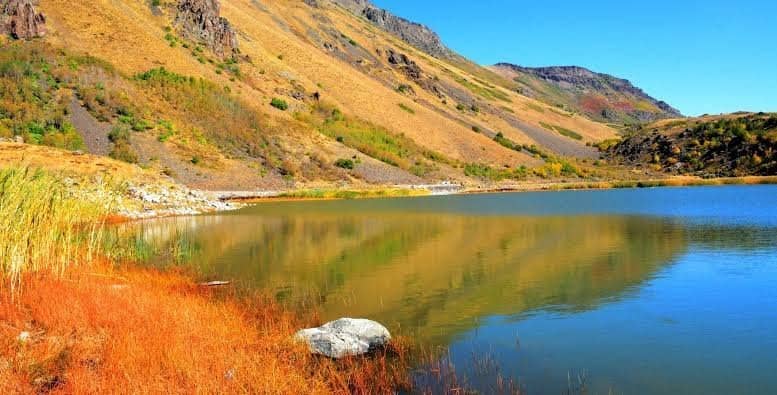
+1These lakes are formed by rainwater and snowmelt accumulating within the volcanic caldera. The water is often a striking blue or green, depending on the depth and mineral content. The sheer scale of the caldera, combined with the serene beauty of the lakes, creates a breathtaking natural landscape that contrasts with the ancient man-made structures on the summit.
Visitors can admire the lakes from the crater rim, often after a hike to the top. The surrounding environment within the crater is also a habitat for wildlife, including the brown bears that are known to inhabit the area.
+1Wildlife Encounters: The Bears of Nemrut
+1While bear encounters are possible, it's crucial to prioritize safety. Visitors are strongly advised to maintain a safe distance, never approach or feed the bears, and avoid any actions that could provoke them. Respecting their space ensures both your safety and the well-being of the animals.
Some travelers have reported seeing bears while camping overnight within the crater or driving through the area. These encounters, though rare, add an unforgettable element to the Nemrut experience, reminding visitors of the wild beauty of this remote region.
+1



Social
from TikTok, Instagram & Reddit