Medieval City Walls and Towers
Step back in time exploring ancient fortifications, from imposing towers to defensive walls, offering a tangible connection to medieval history and br...
Highlights
Must-see attractions

Social
From TikTok & Reddit
Best Time
Fewer crowds, better light
Medieval City Walls and Towers
Best Time
Fewer crowds, better light
Highlights
Must-see attractions
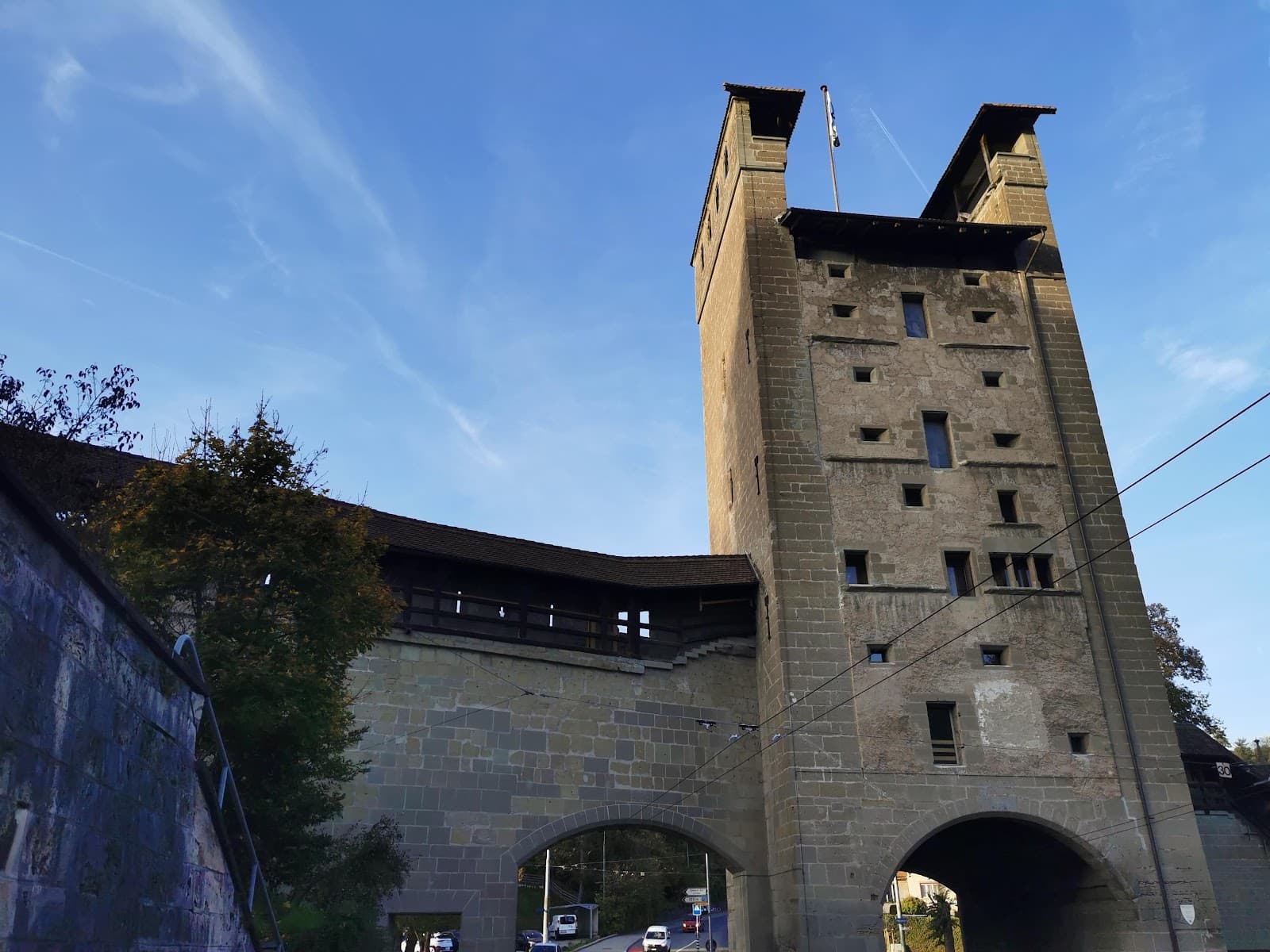
Step back in time exploring ancient fortifications, from imposing towers to defensive walls, offering a tangible connection to medieval history and breathtaking views.
"You can feel like becoming a soldier in the medieval time. A must see!!"
Wear Comfy Shoes! :athletic_shoe:
Cobblestones and stairs are no joke! Sturdy walking shoes are a must for exploring medieval walls and towers.
Book Guided Tours :busts_in_silhouette:
A guided tour can bring history to life, explaining defensive strategies and tower functions.

Highlights
Discover the most iconic attractions and experiences
Patrol Paths and Tower Views
Along the fortifications
Walk the ancient patrol paths and climb towers for breathtaking panoramic views of the surrounding city and landscape.
Historic Gateways
City entrances
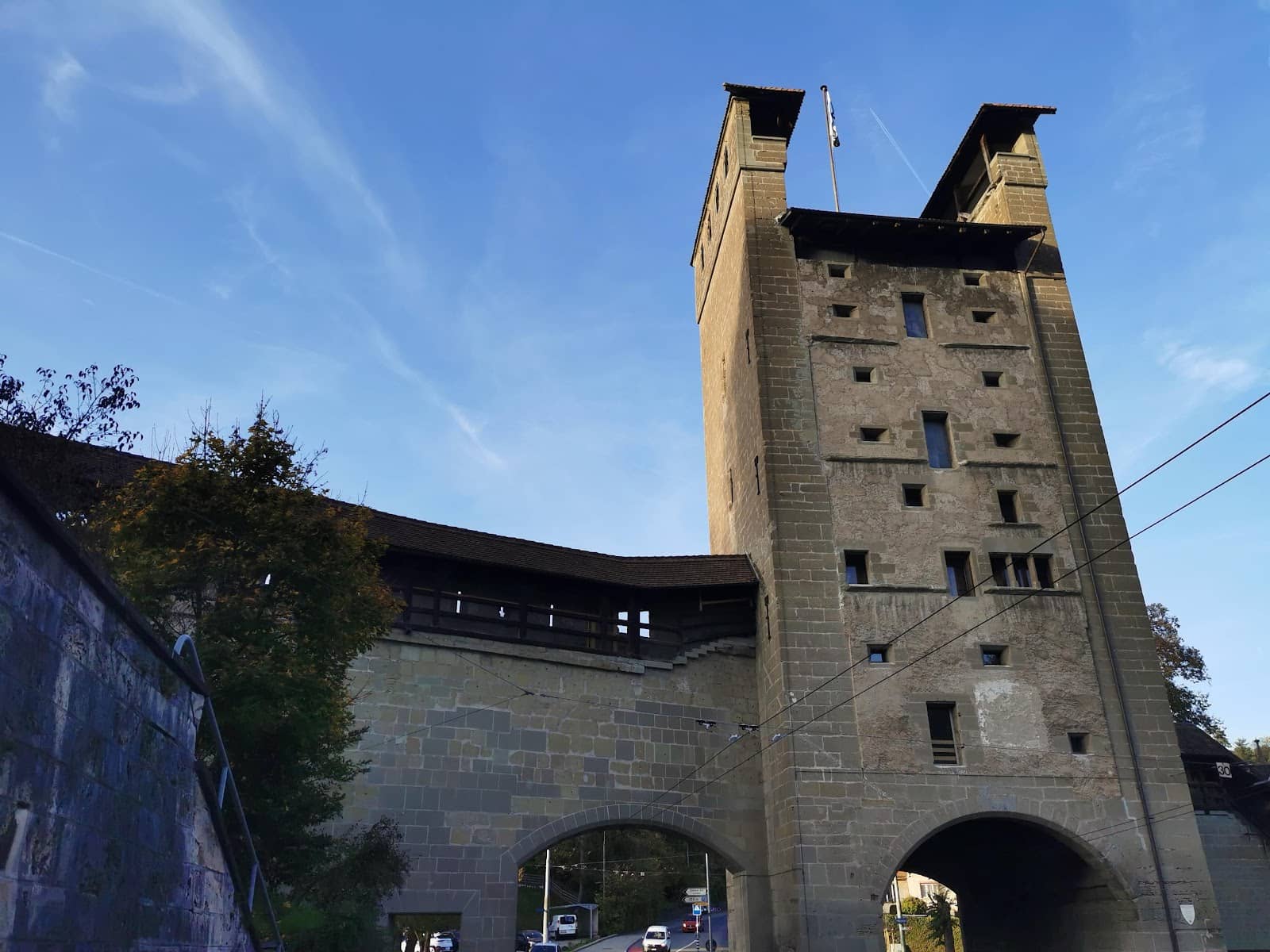
Marvel at imposing medieval gates, once crucial for defense, and imagine soldiers guarding these vital entry points.
Double-Skinned Wall Engineering
Specific castle walls (e.g., Caernarfon)
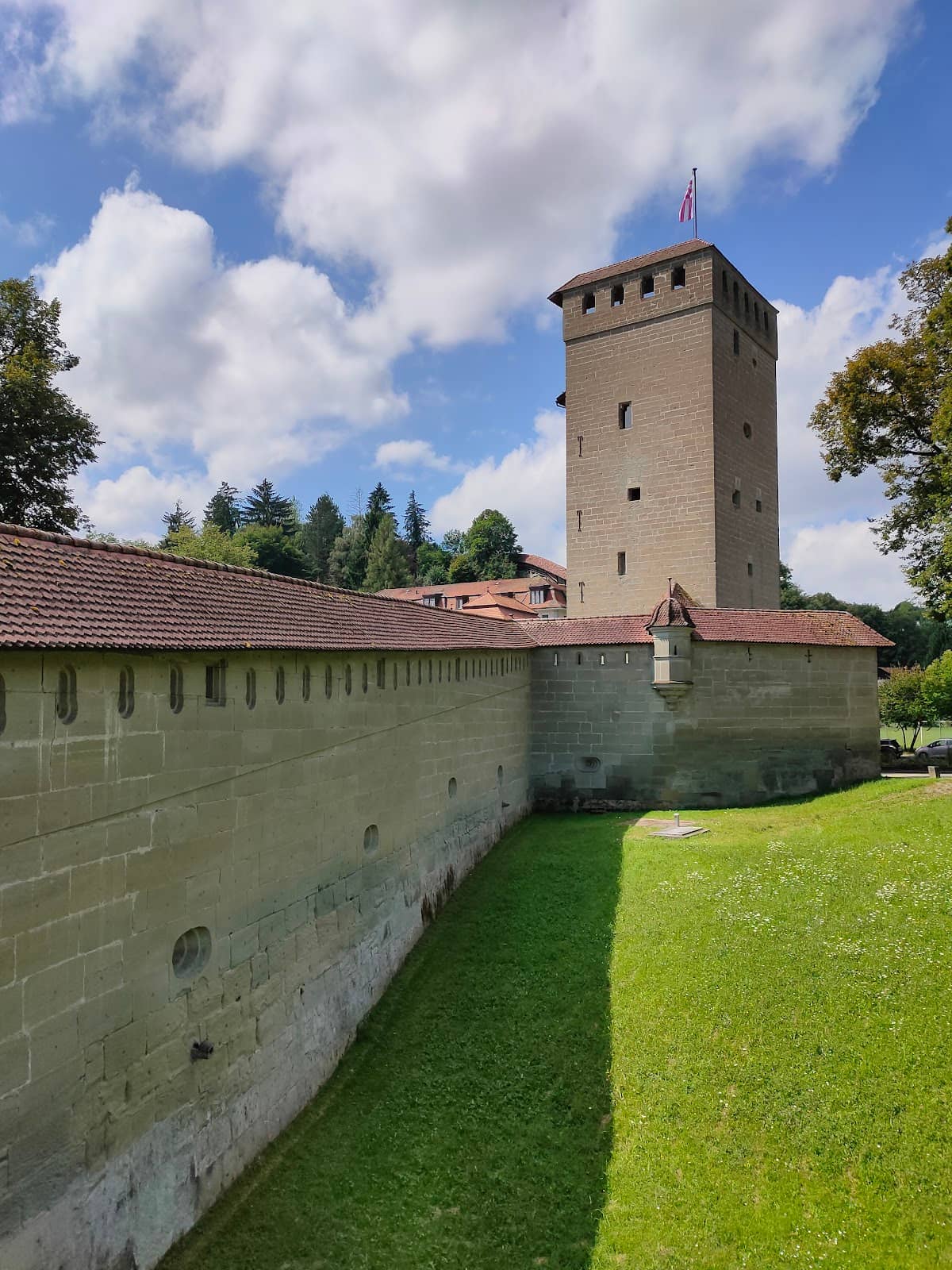
Discover advanced medieval military engineering, like double-skinned walls with internal corridors for defenders.
Underground Bastion Tunnels
Kiek in de Kök, Tallinn
Explore the fascinating underground bastion tunnels connected to medieval towers, offering a glimpse into subterranean defenses.
Plans like a pro.
Thinks like you
Planning Your Visit
Timing Your Visit for Fewer Crowds
Comfortable Footwear is Key
Best Times
Insider Tips
from TikTok, Instagram & Reddit
Wear Comfy Shoes! :athletic_shoe:
Cobblestones and stairs are no joke! Sturdy walking shoes are a must for exploring medieval walls and towers.
Book Guided Tours :busts_in_silhouette:
A guided tour can bring history to life, explaining defensive strategies and tower functions.
Check Tower Access :door:
Not all towers may be open to climb. Check local tourist info for accessibility and opening hours.
Pack Water & Snacks :water_buffalo:
Exploring can take hours. Stay hydrated and fueled, especially on longer wall walks.
Tips
from all over the internet
Wear Comfy Shoes! :athletic_shoe:
Cobblestones and stairs are no joke! Sturdy walking shoes are a must for exploring medieval walls and towers.
Book Guided Tours :busts_in_silhouette:
A guided tour can bring history to life, explaining defensive strategies and tower functions.
Check Tower Access :door:
Not all towers may be open to climb. Check local tourist info for accessibility and opening hours.
Pack Water & Snacks :water_buffalo:
Exploring can take hours. Stay hydrated and fueled, especially on longer wall walks.
Capture the Views :camera_with_flash:
The vistas from the towers are incredible. Don't forget your camera for those postcard-perfect shots!
What Travellers Say
Reviews Summary
Visitors consistently praise the immersive historical experience and impressive architecture of medieval city walls and towers. The opportunity to walk ancient paths and climb towers for panoramic views is a major highlight. However, some find accessibility challenging due to uneven terrain and stairs, and ticket prices can add up for extensive sites.
"Historic wall/ gate to keep enemies out during medieval times."
Francisco Castelo
"You can feel like becoming a soldier in the medieval time."
Shusuke Oyobe
"A must see!!"
Sofras Nikolaos
What People Like
What People Dislike
Frequently Asked Questions
🚇 🗺️ Getting There
Access varies by location. Many medieval city walls are in historic city centers, often accessible by public transport or a short walk from central stations. For specific locations like Caernarfon Castle or Tallinn's Old Town, check local transit maps or ride-sharing options.
Parking can be challenging in historic districts. Look for designated public parking lots or garages slightly outside the immediate wall area. Consider using public transport to avoid parking hassles.
In some cities, like Fribourg, you can walk along the base and even inside the fortifications. In others, you might need to use city streets to move between distinct wall sections or towers.
Yes, often there are designated gates or access points, especially if the walls are part of a castle complex or a preserved historic site. Look for signage indicating entry points.
Tallinn's Old Town is very walkable. The Kiek in de Kök tower and Fat Margaret tower are key landmarks within the city walls, easily reached on foot from most central locations.
🎫 🎫 Tickets & Entry
Entry fees vary greatly. Some sections might be freely accessible public spaces, while others, especially within castles or specific historical sites, require admission tickets. Always check the official website.
Costs can range from free to moderate. Castle complexes or sites with extensive restoration and visitor centers will likely have admission fees. Budget around €10-€20 for ticketed attractions.
Opening hours differ significantly. Many are open during daylight hours, but specific towers or internal museums may have shorter or more restricted schedules. Check ahead, especially during the off-season.
For popular attractions like castles or well-preserved city walls, booking tickets online in advance is often recommended to save time and guarantee entry.
Some locations offer city passes or combined tickets that include access to multiple towers, museums, and other historical sites, which can be cost-effective.
🎫 🧭 Onsite Experience
Expect to see defensive towers, ramparts, battlements, and historic gateways. Many offer incredible city views and insights into medieval architecture and military strategy.
A quick walk might take an hour, but a thorough exploration, including climbing towers and visiting exhibits, can easily take 3-4 hours or even a full day for extensive fortifications.
Accessibility can be limited due to the historic nature of the sites. Uneven surfaces, stairs in towers, and narrow passages can pose challenges. Check specific site information for accessibility details.
Photography is generally allowed and encouraged! The views and architecture are stunning. Some areas might have restrictions for professional shoots.
Many sites have interpretive signs, information panels, and audio guides. Some towers house small museums or exhibits detailing their history and purpose. Guidebooks are also often available.
🍽️ 🍽️ Food & Dining
Historic city centers surrounding medieval walls are usually packed with cafes, restaurants, and pubs offering local cuisine. You'll find plenty of options nearby.
Picnicking is often permitted in public areas around the walls, but check for specific rules regarding eating directly on historic structures or within ticketed castle grounds.
Expect traditional local dishes. In Italy, think pasta and regional specialties; in Estonia, hearty Baltic fare; in France, classic French cuisine. 
Look for local bakeries, street food vendors, or casual cafes slightly away from the main tourist thoroughfares for more affordable meals.
Most European cities now offer vegetarian and vegan choices. It's advisable to check menus online or ask staff when ordering.
📸 📸 Photography
The top of towers offer panoramic cityscapes. Look for dramatic angles of the walls themselves, historic gateways, and any unique architectural details.
Golden hour (shortly after sunrise or before sunset) provides beautiful warm light. Midday can be harsh, but offers good visibility.
Drone regulations vary significantly by country and even by specific historical site. Always check local laws and site-specific rules before flying a drone.
A wide-angle lens is great for capturing the scale of the walls and city views. A zoom lens can be useful for details on distant towers.
Generally yes, but be mindful of lighting conditions inside and any specific signage regarding photography.
For Different Travelers
Tailored advice for your travel style
👨👩👧 Families with Kids
Tip: Choose locations with clear pathways and fewer extremely narrow or steep sections if you have very young children. Consider bringing a stroller for younger ones, though be aware that many historic sites have uneven terrain. Pack snacks and drinks, as exploring can be tiring for little legs.
🚶 Budget Travelers
Tip: Research cities known for their extensive, publicly accessible fortifications. Pack your own lunch and water to save on food costs, and utilize public transport or walking to get around. Look for free walking tours that might cover parts of the historic walls.
📸 Photography Enthusiasts
Tip: Aim for the golden hours around sunrise and sunset for dramatic lighting. Explore different vantage points, including from within the city and from higher ground, to capture the scale and beauty of these historic structures. Don't forget to look for unique textures and patterns in the stonework.
Deep Dives
In-depth insights and expert knowledge
The Engineering Marvels of Medieval Defenses
Beyond the walls themselves, the towers served multiple purposes. They acted as lookout points, providing early warning of approaching enemies, and as strongholds for archers and soldiers. Some towers, like those in Tallinn, were integrated with underground bastion tunnels, offering a hidden network for troop movement and defense, as seen with Kiek in de Kök.
Exploring these structures allows you to appreciate not just their historical significance but also the ingenuity of their builders. From the strategic placement of arrow slits to the robust construction designed to withstand sieges, every element tells a story of survival and defense in a turbulent past.
Experiencing History: Beyond the Stone
Many sites offer guided tours that bring history to life, explaining the purpose of different features and sharing anecdotes about sieges and daily life within the walls. For example, a 3-hour tour in Fribourg allows visitors to walk both the base and the patrol paths of the fortifications, with towers providing historical context.
From the imposing gates that once controlled access to the city, like those in Avignon,
to the strategic vantage points offered by towers, each element contributes to a rich historical narrative. It’s an opportunity to understand the challenges and triumphs of medieval communities and appreciate the enduring legacy of their defensive architecture. The 'City of Towers' Phenomenon
These weren't solely for defense; they also served as symbols of wealth and power for noble families, creating a unique urban skyline unlike any other in Europe.While many of these towers have since been lost to time or dismantled, remnants still stand, offering a glimpse into this unique architectural era. Exploring these surviving towers, like those in Bologna or Tallinn, provides insight into the competitive spirit and urban development of the medieval age.
This concentration of towers created a distinctive urban landscape, shaping the city's identity and offering a visual testament to its historical prosperity and social structure. Visiting these sites allows you to appreciate this fascinating aspect of medieval urban planning and societal dynamics.


Social
from TikTok, Instagram & Reddit