
Longyearbyen Cemetery
A frozen testament to Arctic resilience, this historic cemetery holds stories of miners and pandemic victims, preserved by permafrost.
Highlights
Must-see attractions

Social
From TikTok & Reddit
Best Time
Best light for photos
Longyearbyen Cemetery
Best Time
Best light for photos
Highlights
Must-see attractions
A frozen testament to Arctic resilience, this historic cemetery holds stories of miners and pandemic victims, preserved by permafrost.
"A poignant reminder of life and death at the edge of the world, preserved by the Arctic's unique permafrost."
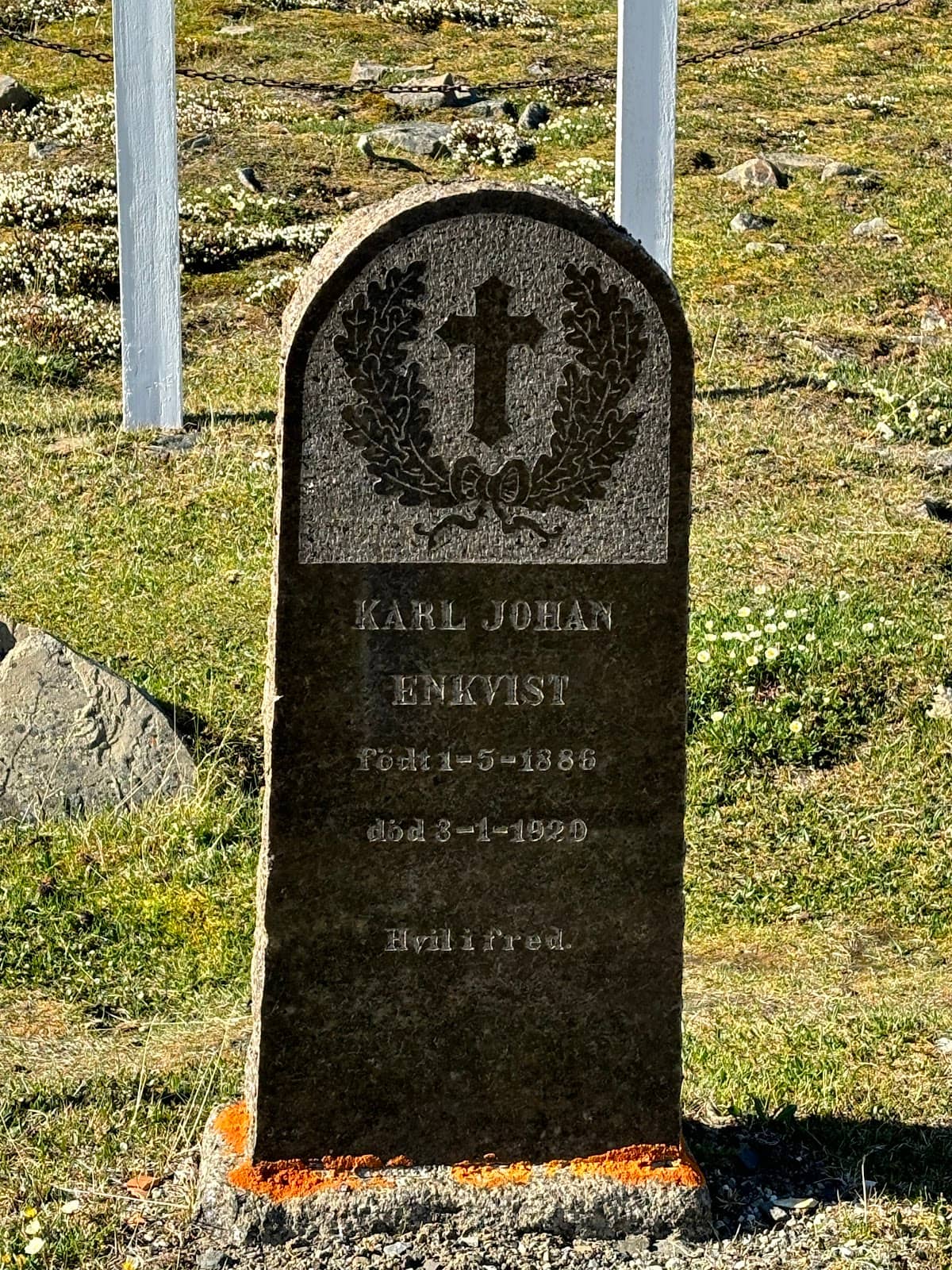
🚶♀️ Walk Respectfully
Tread lightly and avoid disturbing graves. This is a place of remembrance, not a playground.
📸 Photo Etiquette
If taking photos, do so respectfully. Avoid intrusive poses and always be mindful of the solemnity.

Highlights
Discover the most iconic attractions and experiences
The Spanish Flu Victims
Separate row
A somber reminder of the 1918 pandemic, these graves tell a story of fear and rapid burial in the harsh Arctic.
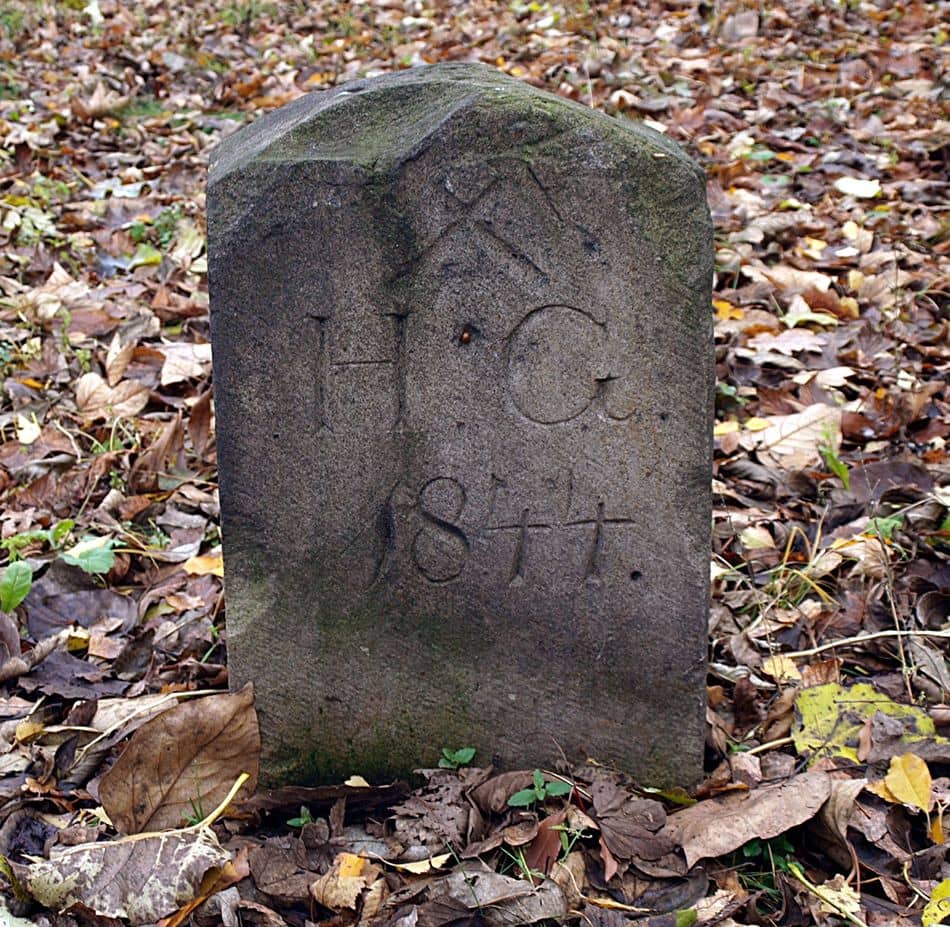
Miner's Graves
Near mine disaster markers
Headstones often detail the mine number where miners tragically lost their lives, a testament to the town's history.

Weathered Crosses and Markers
Throughout the cemetery
Simple, enduring markers stand against the stark Arctic landscape, each a story of survival and hardship.
Plans like a pro.
Thinks like you
Planning Your Visit
Respectful Exploration
A Frozen History Lesson
Best Times
Insider Tips
from TikTok, Instagram & Reddit
🚶♀️ Walk Respectfully
Tread lightly and avoid disturbing graves. This is a place of remembrance, not a playground.
📸 Photo Etiquette
If taking photos, do so respectfully. Avoid intrusive poses and always be mindful of the solemnity.
❄️ Winter Access
While walkable in winter, ensure you have appropriate gear. The cemetery is a quiet, solemn place.
🚫 No New Burials
Understand that new burials are prohibited due to permafrost. The cemetery is closed to new interments.
Tips
from all over the internet
🚶♀️ Walk Respectfully
Tread lightly and avoid disturbing graves. This is a place of remembrance, not a playground.
📸 Photo Etiquette
If taking photos, do so respectfully. Avoid intrusive poses and always be mindful of the solemnity.
❄️ Winter Access
While walkable in winter, ensure you have appropriate gear. The cemetery is a quiet, solemn place.
🚫 No New Burials
Understand that new burials are prohibited due to permafrost. The cemetery is closed to new interments.
What Travellers Say
Reviews Summary
Longyearbyen Cemetery is a deeply moving and historically significant site, offering a unique glimpse into the challenges of Arctic life and the resilience of its early inhabitants. Visitors are struck by the poignant stories of miners and pandemic victims, set against a stark, beautiful landscape. While the cemetery is closed to new burials due to permafrost, its preserved graves serve as a powerful reminder of the past and the impact of climate change.
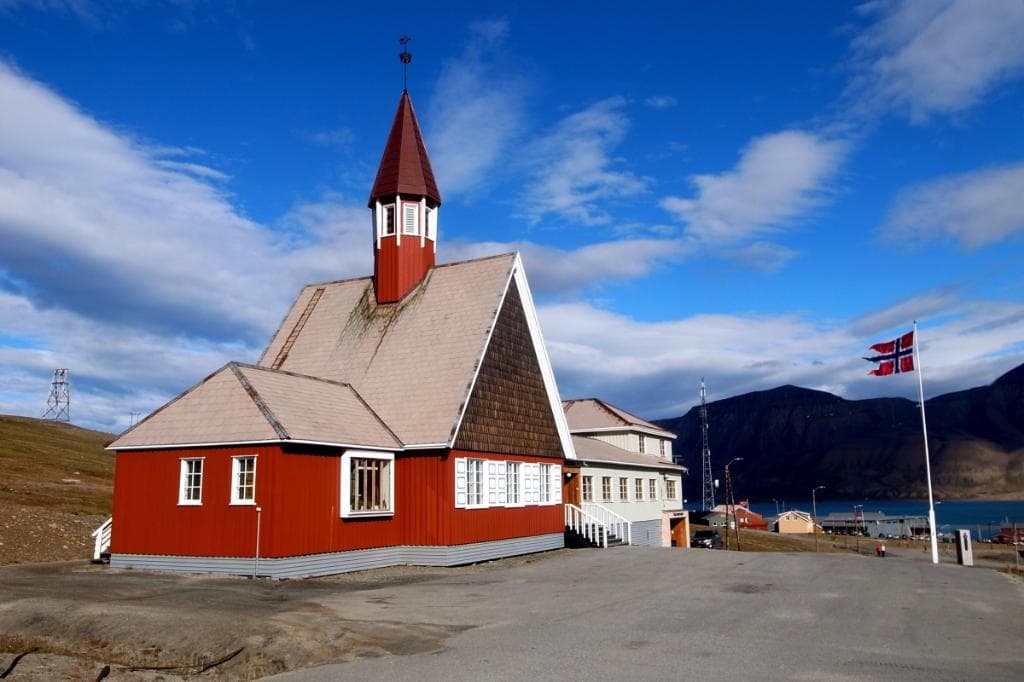
"the old cemetery in Longyearbyen stands as a quiet monument to the tenacity of life at the edge of the world. Established in 1918, it became the final resting place for miners, victims of the Spanish flu, and others who shaped the community’s earliest days—each grave a story of hardship and survival in a place where winter darkness and isolation were constant companions. The cemetery, originally laid out a few hundred meters south of the church, was closed in 2017 due to the growing risk of landslides, a threat magnified by the changing climate; today, its weathered crosses and simple markers remain as protected cultural heritage, a reminder of a time when death was an ever-present part of Arctic life. Among the 34 graves, you’ll find those who perished in mining disasters, wartime casualties, and a separate row dedicated to victims of the 1918 pandemic—buried quickly, out of fear, but now resting under watchful mountains and the silent sky. The old cemetery is not just a collection of names and dates: it’s a testament to how people, even in the harshest conditions, honored their dead with dignity, while the landscape itself—frozen, shifting, and unforgiving—guards their memory. As climate change threatens the stability of these graves, the cemetery endures, a frozen archive of lives lived on the frontier, where every headstone whispers a story of courage and community."
George Benaroya
"I saw it this island was illegal to bury bodies"
Team Snapchat
"You can't be buried there anymore btw"
el kaka
What People Like
What People Dislike
Frequently Asked Questions
🚇 🗺️ Getting There
The cemetery is located a short walk from the town center, typically south of the church. It's easily accessible on foot from most accommodations in Longyearbyen.
Yes, it is walkable in winter, but be prepared for snow and ice. Wear sturdy, waterproof boots and warm clothing.
While there isn't direct car access to the cemetery itself, parking is available in Longyearbyen, and it's a short walk from there.
Longyearbyen is a small town, and most attractions, including the cemetery, are best explored on foot. Public transport is limited.
Walking is the most recommended way to explore Longyearbyen and its surroundings, allowing you to appreciate the unique Arctic landscape.
🎫 🎫 Tickets & Entry
No, Longyearbyen Cemetery is a public space and does not require an entrance fee or ticket. It's open for respectful visitation.
The cemetery is generally accessible during daylight hours. As it's an outdoor site, there are no strict opening or closing times, but it's best visited when there's natural light.
No, the cemetery was closed to new burials in 2017 due to permafrost concerns. It is now a protected cultural heritage site.
Yes, you can take photos, but always do so respectfully. Avoid intrusive poses and be mindful of the solemn nature of the site.
The main restriction is to be respectful. Avoid disturbing graves, littering, or engaging in disruptive behavior.
📸 📸 Photography
Daylight hours offer the best natural light. Consider visiting during the 'golden hour' in summer for softer, more atmospheric shots.
Focus on the historical markers, the stark Arctic landscape, and the quiet atmosphere. Avoid overly staged or disrespectful shots.
The weathered crosses, the names of miners with their mine numbers, and the separate row for Spanish Flu victims are poignant subjects.
Drone usage may be restricted in protected areas. It's advisable to check local regulations before flying a drone in Svalbard.
A wide-angle lens can capture the landscape, while a prime lens might be good for detail shots of the headstones. A sturdy tripod is useful for low-light conditions.
🎫 🌍 About Svalbard
It's illegal to be buried in Longyearbyen because the permafrost prevents bodies from decomposing. This led to bodies being revealed over time, prompting the closure of the cemetery.
Permafrost is ground that remains frozen for at least two consecutive years. In Longyearbyen, it means bodies don't decompose, leading to preservation rather than decay.
Established in 1918, it served as the town's graveyard until its closure in 2017. It holds the remains of miners and victims of the 1918 Spanish Flu.
There are approximately 34 graves in the cemetery, each representing a life lived in the challenging Arctic environment.
It's a protected cultural heritage site and a poignant reminder of the town's history, the resilience of its people, and the impact of climate change.
For Different Travelers
Tailored advice for your travel style
👨👩👧 Families with Kids
Focus on the stories of the miners and the historical context of early Arctic life. The stark beauty of the landscape surrounding the cemetery can also be a point of interest. Keep explanations age-appropriate and emphasize the respectful nature of visiting such a place.
📸 Photographers
Consider visiting during the softer light of the 'golden hour' in summer for atmospheric shots. Remember to always maintain a respectful distance and avoid intrusive photography. The cemetery's isolation and history provide a powerful backdrop for thoughtful, evocative imagery.
Deep Dives
In-depth insights and expert knowledge
The Permafrost Paradox
This phenomenon is not unique to Longyearbyen but is particularly stark here. The town's decision to close the cemetery in 2017 was a proactive measure to protect both the deceased and the living from potential health risks and to preserve the cultural heritage of the site. It highlights the delicate balance between human settlement and the extreme Arctic environment.
Visitors can learn about this fascinating, albeit somber, aspect of Arctic life by observing the cemetery and understanding the scientific and cultural reasons behind its closure. It’s a powerful illustration of how global environmental changes can have very local and profound impacts.
Stories Etched in Stone
The cemetery also holds the remains of those who succumbed to the 1918 Spanish Flu pandemic. Buried quickly out of fear, these individuals are now a part of the town's historical narrative. The separate row dedicated to them serves as a quiet memorial to a global tragedy that reached even this remote corner of the world.
Beyond these specific groups, the cemetery is a testament to the resilience of the early settlers. The simple, weathered markers represent individuals who faced extreme isolation, harsh weather, and the constant challenges of survival. They are a collective monument to the tenacity of the human spirit in one of the planet's most unforgiving landscapes.


Social
from TikTok, Instagram & Reddit