
Surinaams Museum
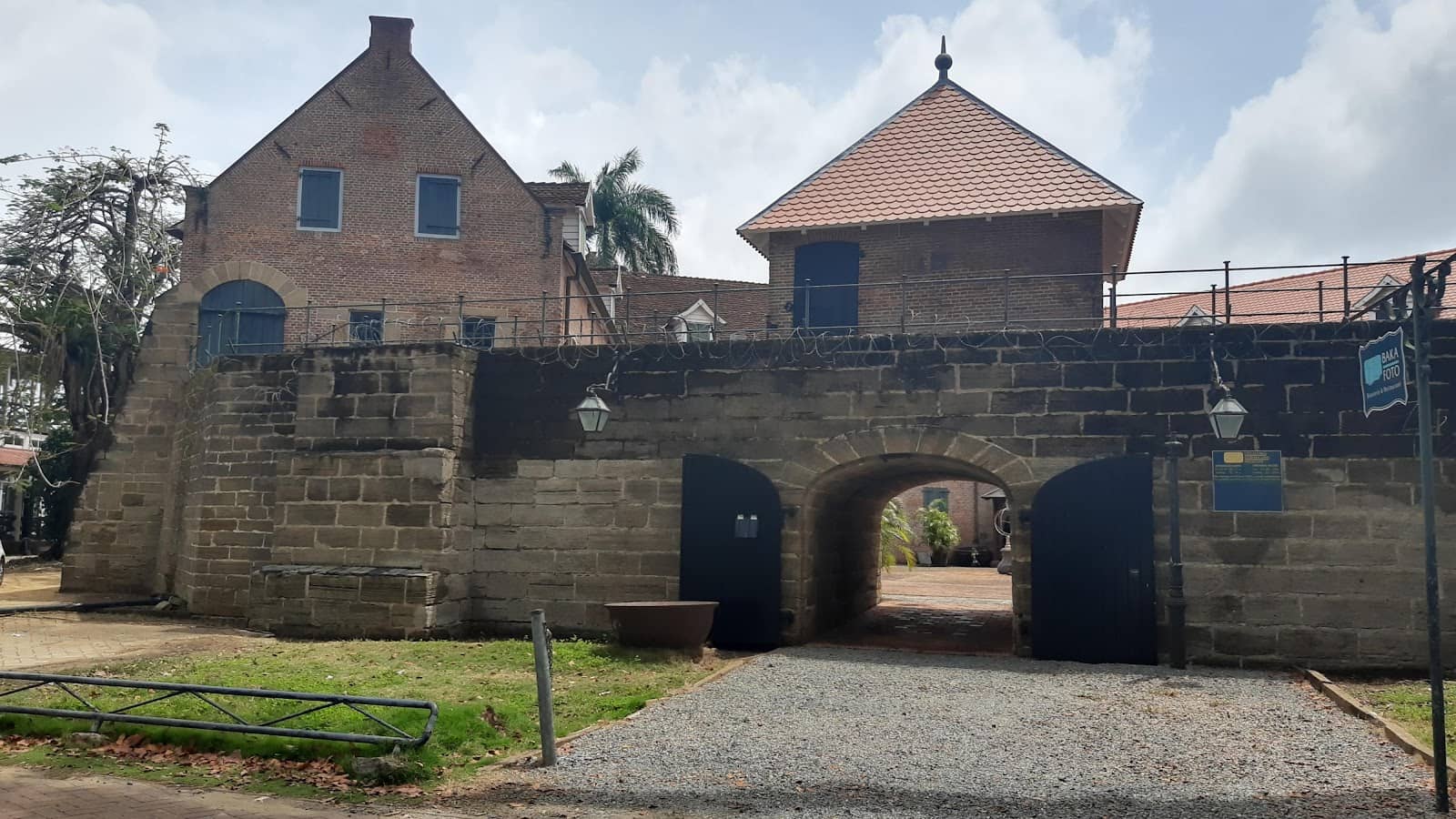
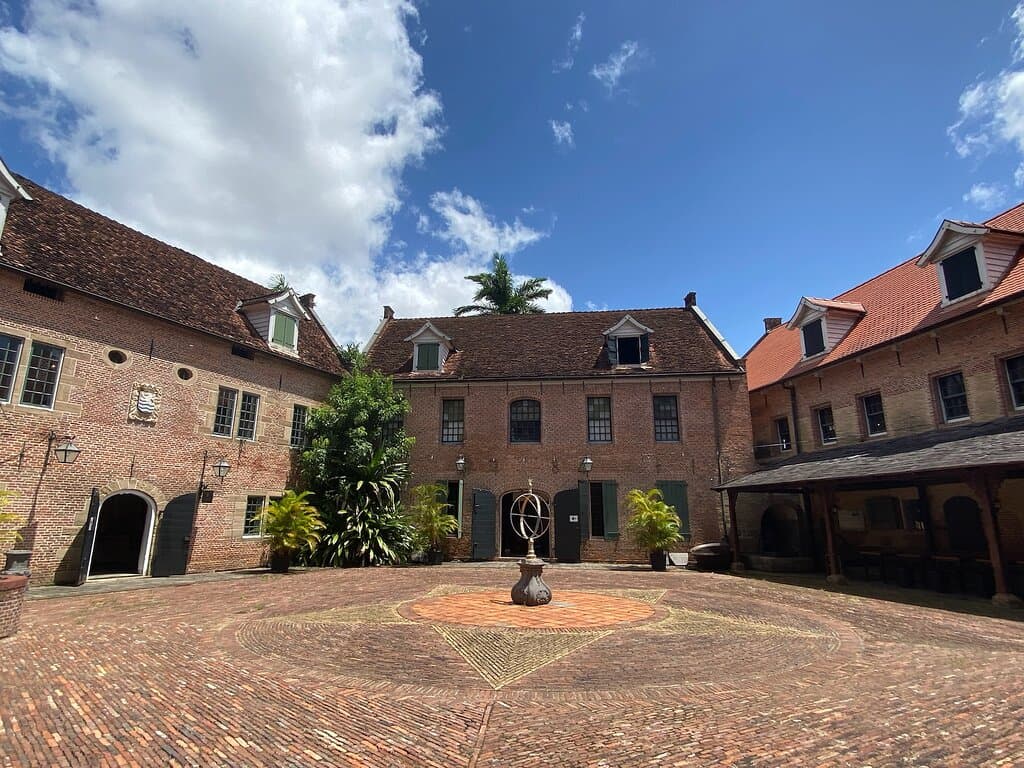
Explore 350 years of Surinamese-Dutch history at the Surinaams Museum, located within the historic Fort Zeelandia.
Highlights
Must-see attractions

Social
From TikTok & Reddit
Best Time
Guided tours available
Surinaams Museum
Best Time
Guided tours available
Highlights
Must-see attractions
Explore 350 years of Surinamese-Dutch history at the Surinaams Museum, located within the historic Fort Zeelandia.
"A great place to see Suriname's history, though most info is in Dutch. "

🗣️ Dutch Language Focus
Be prepared for most info in Dutch. A translation app is your best friend!
🚶♀️ Guided Tour Sundays
Don't miss the Sunday 10:30 AM tour for in-depth history.
Highlights
Discover the most iconic attractions and experiences
Fort Zeelandia History
Surinaams Museum
Explore the historical significance of Fort Zeelandia, a key site in Suriname's past, including its role in the December murders.

Wooden City of Paramaribo
Paramaribo
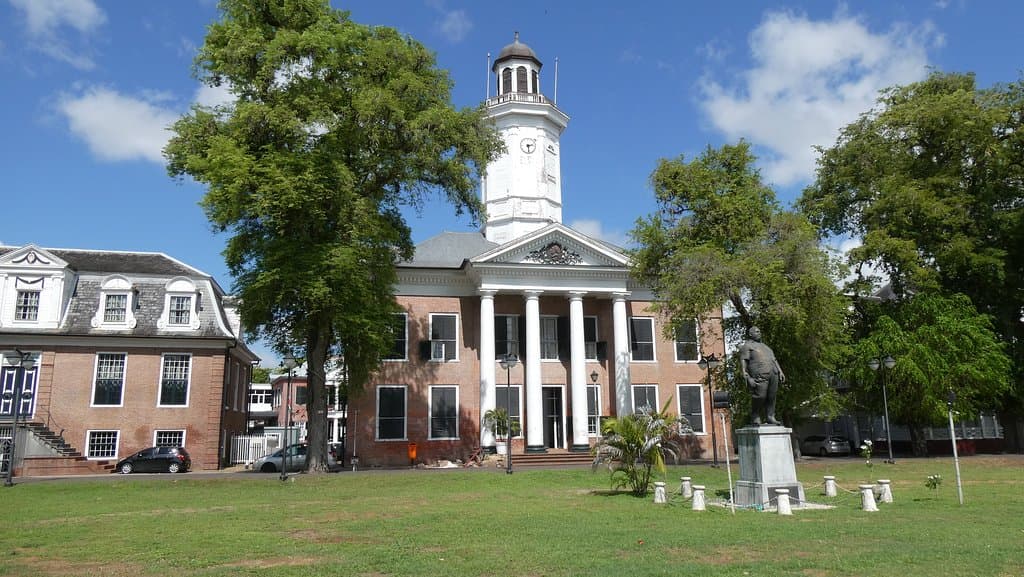
Discover the charm of Paramaribo's wooden city, the oldest of its kind in South America, offering a glimpse into colonial architecture.

Surinamese Culture & Heritage
Surinaams Museum
Immerse yourself in 350 years of Surinamese-Dutch history, experiencing stories that bring the past to life.
Plans like a pro.
Thinks like you
Planning Your Visit
Language Barrier Alert
Best Day for Guided Tours
Best Times
Insider Tips
from TikTok, Instagram & Reddit
🗣️ Dutch Language Focus
Be prepared for most info in Dutch. A translation app is your best friend!
🚶♀️ Guided Tour Sundays
Don't miss the Sunday 10:30 AM tour for in-depth history.
🏛️ Explore Fort Zeelandia
Learn about pivotal moments in Surinamese history here.
🌳 Wooden City Charm
Wander through South America's oldest wooden city.
Tips
from all over the internet
🗣️ Dutch Language Focus
Be prepared for most info in Dutch. A translation app is your best friend!
🚶♀️ Guided Tour Sundays
Don't miss the Sunday 10:30 AM tour for in-depth history.
🏛️ Explore Fort Zeelandia
Learn about pivotal moments in Surinamese history here.
🌳 Wooden City Charm
Wander through South America's oldest wooden city.
🍽️ On-site Dining
Enjoy a meal at the museum's restaurant.
What Travellers Say
Reviews Summary
Visitors praise the Surinaams Museum for its historical significance and the opportunity to explore Fort Zeelandia and Paramaribo's charming wooden city. However, the primary language of exhibits being Dutch can be a barrier for non-Dutch speakers, requiring translation tools or guided tours for full comprehension. +2
"Great museum, however most of the information is only available in Dutch."
Paul Rhius
"The oldest part of Paramaribo, the wooden city of South America. Great to visit. Safe and clean. With beautiful and peaceful people."
Vincentius Roue Kenswil
"Nice place to visit. Inside there are a restaurant. Super recommended"
Felipe Luciano
What People Like
What People Dislike
Frequently Asked Questions
🚇 🗺️ Getting There
The Surinaams Museum is located within Fort Zeelandia in Paramaribo. You can reach it by taxi or local bus. Many visitors find walking around the historic city center convenient.
Parking can be challenging in the historic center of Paramaribo. It's often best to use taxis or public transport, or be prepared to walk a short distance from designated parking areas.
While ride-sharing apps are becoming more common, traditional taxis are still the most reliable option for getting around Paramaribo.
Paramaribo's historic inner city is a UNESCO World Heritage site. Walking is ideal for soaking in the colonial architecture and vibrant atmosphere.
Fort Zeelandia itself is a major attraction. You can also explore the Waterkant area, the Presidential Palace, and the bustling markets nearby.
🎫 🎫 Tickets & Entry
The museum is open for visits, and there's a guided tour every Sunday at 10:30 AM. Specific daily hours can vary, so it's good to check locally or upon arrival.
Information on ticket prices isn't widely available online, but it's generally considered an affordable attraction. It's best to inquire upon arrival or check local listings.
Advance booking is typically not required for general entry. However, for the Sunday guided tour, arriving a bit early is recommended.
There is no strict dress code, but dressing respectfully is advised, especially when visiting historical and cultural sites. Comfortable walking shoes are recommended.
Photography policies can vary. It's usually permitted for personal use, but flash photography or professional filming might be restricted. Always check for signage or ask staff.
🎫 🏛️ Onsite Experience
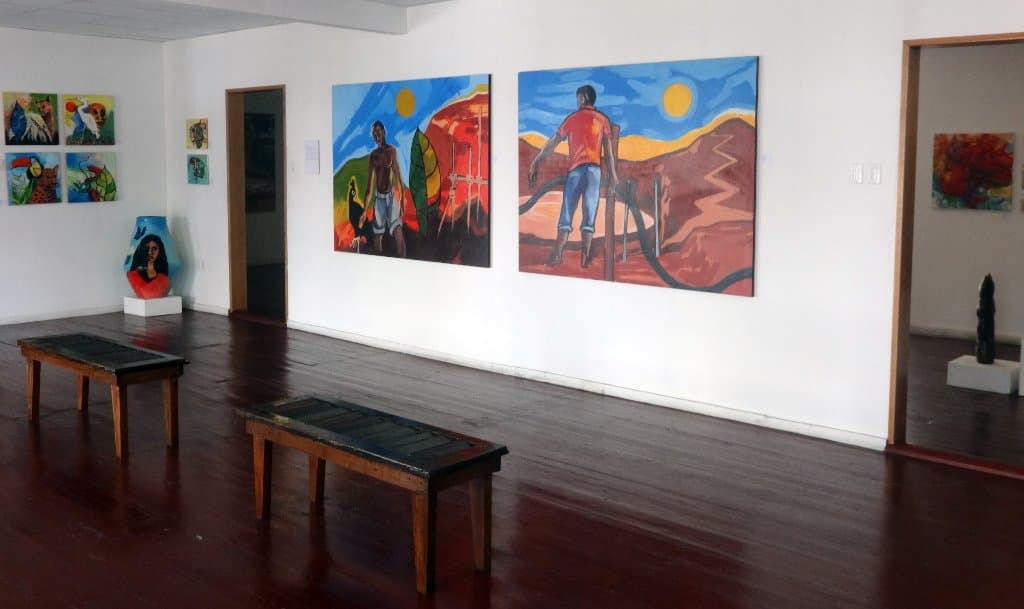
The museum showcases 350 years of Surinamese-Dutch history, covering topics like the currency, slavery, the December murders, and the history of Fort Zeelandia itself.
Unfortunately, most of the information and exhibits are primarily in Dutch. Visitors who don't speak Dutch may find it helpful to use a translation app or join a guided tour if available in English.
The museum aims to make history 'lived' rather than just displayed, suggesting an immersive experience. Specific interactive elements would depend on current exhibitions.
While the historical content might be more suited for older children and adults, the museum offers a valuable educational experience. The guided tour could be particularly engaging.
Allow at least 1-2 hours to explore the exhibits and understand the historical context. If you plan to take the guided tour, add extra time for that.
🍽️ 🍽️ Food & Dining
Yes, there is a restaurant located inside the museum premises, making it convenient for visitors to have a meal during their visit.
The restaurant offers a selection of dishes, providing a good opportunity to sample local cuisine or enjoy a meal before or after exploring the exhibits.
Paramaribo's historic center has numerous restaurants and cafes offering diverse culinary experiences, from local Surinamese dishes to international cuisine.
Specific dietary options are not detailed, but it's common for restaurants in Paramaribo to offer a variety of dishes. It's advisable to check the menu or ask the staff.
Don't miss trying dishes like Roti, Pom, Moksi Alesi, and various Indonesian and Chinese-influenced meals, reflecting Suriname's diverse cultural heritage.
📸 📸 Photography
Generally, personal photography is allowed, but it's always best to check for specific signage or ask museum staff about any restrictions, especially regarding flash photography.
The historic architecture of Fort Zeelandia, the waterfront views, and the charming streets of Paramaribo's wooden city offer numerous picturesque opportunities.
Drone usage is often regulated in urban areas and near historical sites. It's crucial to check local aviation laws and obtain any necessary permits before flying a drone.
A versatile lens (like a 24-70mm equivalent) is great for capturing both wide architectural shots and details. A wide-angle lens is useful for the historic streets.
Non-flash photography is usually permitted for personal use to avoid damaging artifacts. Always confirm with museum staff if unsure.
For Different Travelers
Tailored advice for your travel style
👨👩👧 Families with Kids
To make the visit more engaging for younger visitors, consider bringing a translation app to help explain exhibits, or focus on the architectural aspects of the buildings. The on-site restaurant provides a convenient option for a family meal. For a more interactive experience, look for cultural performances or events happening in Paramaribo that might be more engaging for children.
🏛️ History Buffs
+1Beyond the museum, exploring the wooden city of Paramaribo provides a living museum of colonial architecture. Understanding the historical context of this UNESCO World Heritage site will enrich your appreciation of Suriname's past. Don't miss opportunities to learn about the diverse cultural influences that have shaped the nation, from indigenous roots to indentured labor migrations.
🚶♀️ Solo Travelers
Paramaribo's historic center is safe and walkable, making it easy to explore Fort Zeelandia and the wooden city independently. Engaging with locals, even with limited language, can be a rich experience. Consider joining the Sunday guided tour for a structured way to learn and potentially connect with other travelers.
Deep Dives
In-depth insights and expert knowledge
The Historical Significance of Fort Zeelandia
+1The museum itself is dedicated to bringing this history to life, moving beyond static displays to create an immersive experience. Visitors can learn about the economic foundations of Suriname, the diverse cultural influences that have blended over time, and the ongoing journey of the nation. The exhibits aim to foster a deeper connection with the past, encouraging reflection on how history continues to influence contemporary Suriname.
While the primary language for exhibits is Dutch, the sheer historical weight of Fort Zeelandia is palpable. For those interested in colonial history, military fortifications, or the intricate socio-political development of a South American nation, a visit here is essential. It provides a crucial context for understanding Suriname's unique identity and its place in the world.
Exploring Paramaribo's Wooden City
The wooden structures, a testament to early construction techniques and available materials, have survived for centuries, creating a distinctive and charming atmosphere. This architectural heritage is a significant part of Suriname's identity and a major draw for visitors. The city's layout and buildings offer insights into its development as a colonial port and administrative center.
Beyond the visual appeal, exploring the wooden city is an experience in itself. It's a place where you can feel the pulse of local life, discover hidden courtyards, and appreciate the resilience of these historic buildings. Many of these structures now house shops, cafes, and residences, integrating the past seamlessly into the present.
Cultural Tapestry of Suriname
The museum's exhibits delve into the historical interactions and developments that have shaped Surinamese society. Understanding the nuances of this cultural fusion is key to appreciating the country's identity. This includes exploring the impact of different languages, religions, and customs that coexist harmoniously.
Beyond the museum, experiencing this cultural tapestry firsthand is highly recommended. Sample the diverse culinary scene, listen to the infectious rhythms of Kaseko and Kawina music, and engage with the warm and welcoming Surinamese people. This immersive approach offers a deeper understanding and appreciation of the nation's vibrant heritage.

Social
from TikTok, Instagram & Reddit