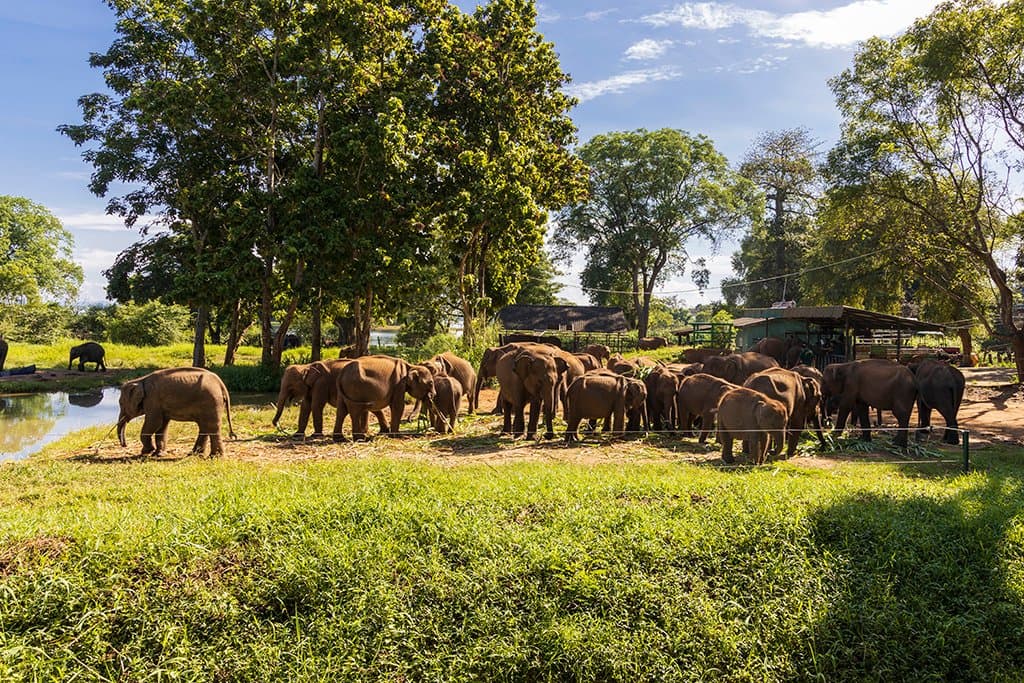
Elephant Transit Home Udawalawe
A sanctuary for orphaned baby elephants, offering a heartwarming glimpse into their rehabilitation and journey back to the wild.
Highlights
Must-see attractions

Social
From TikTok & Reddit
Best Time
See active baby elephants
Elephant Transit Home Udawalawe
Best Time
See active baby elephants
Highlights
Must-see attractions
A sanctuary for orphaned baby elephants, offering a heartwarming glimpse into their rehabilitation and journey back to the wild. 
"It's an amazing and much needed initiative for the sadly orphaned baby elephants. "
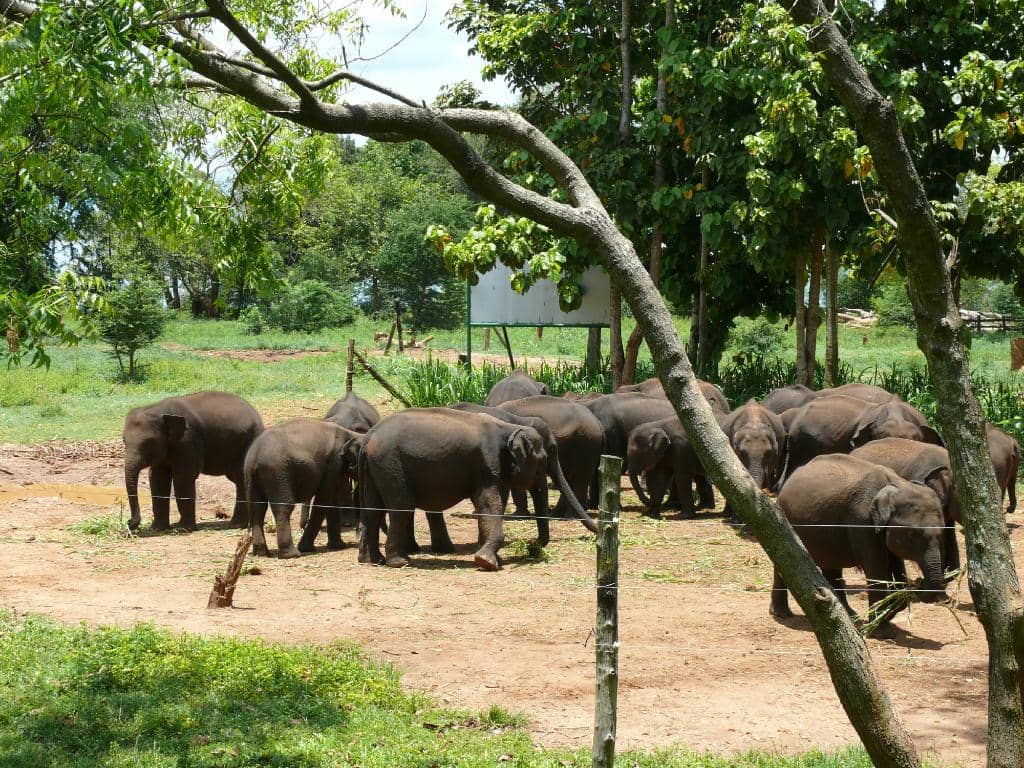
🎯 Right Side Viewing is Key
Sit on the right side of the viewing platform for the best chance to see bottle-feeding of the calves. :camerawithflash:
⏰ Check Feeding Schedules
Feeding times are crucial! Arrive a bit before to get a good seat. Schedules can vary. :alarm_clock:

Highlights
Discover the most iconic attractions and experiences
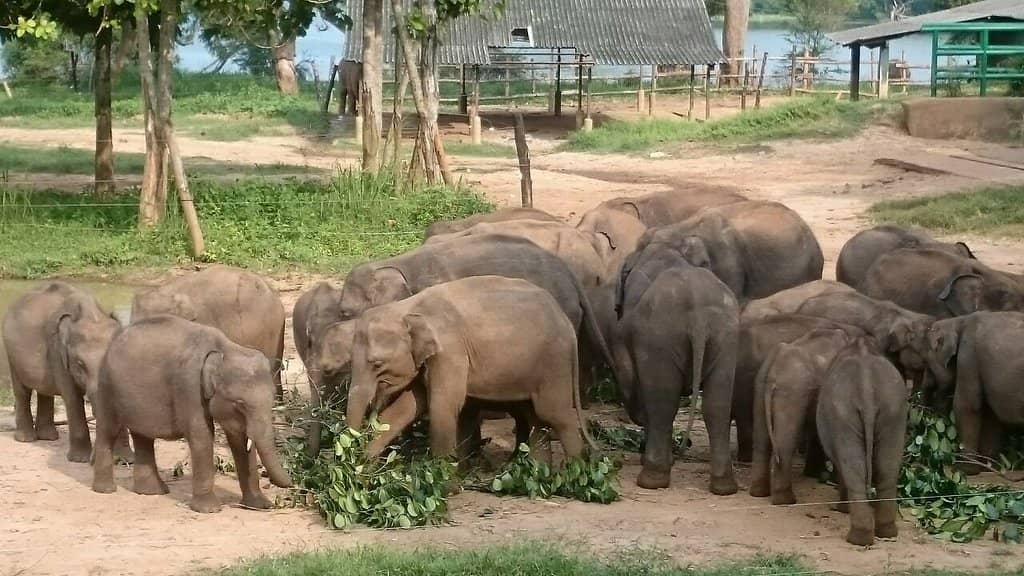
Baby Elephant Feeding Time
Viewing Platform
Witness orphaned calves eagerly trot for their milk bottles – a heartwarming spectacle of rehabilitation and hope.
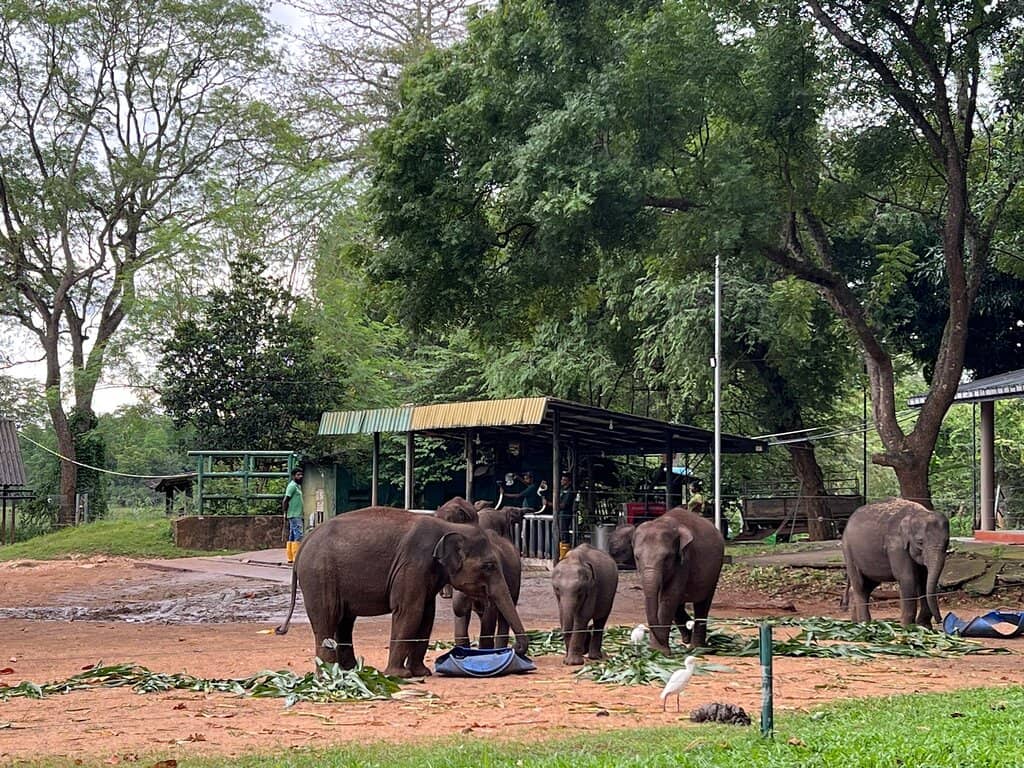
Rehabilitation in Action
Viewing Platform & Grounds
Observe elephants of all ages receiving care, from playful calves to injured individuals, all on their path to rejoining the wild.
Informative Museum
Onsite
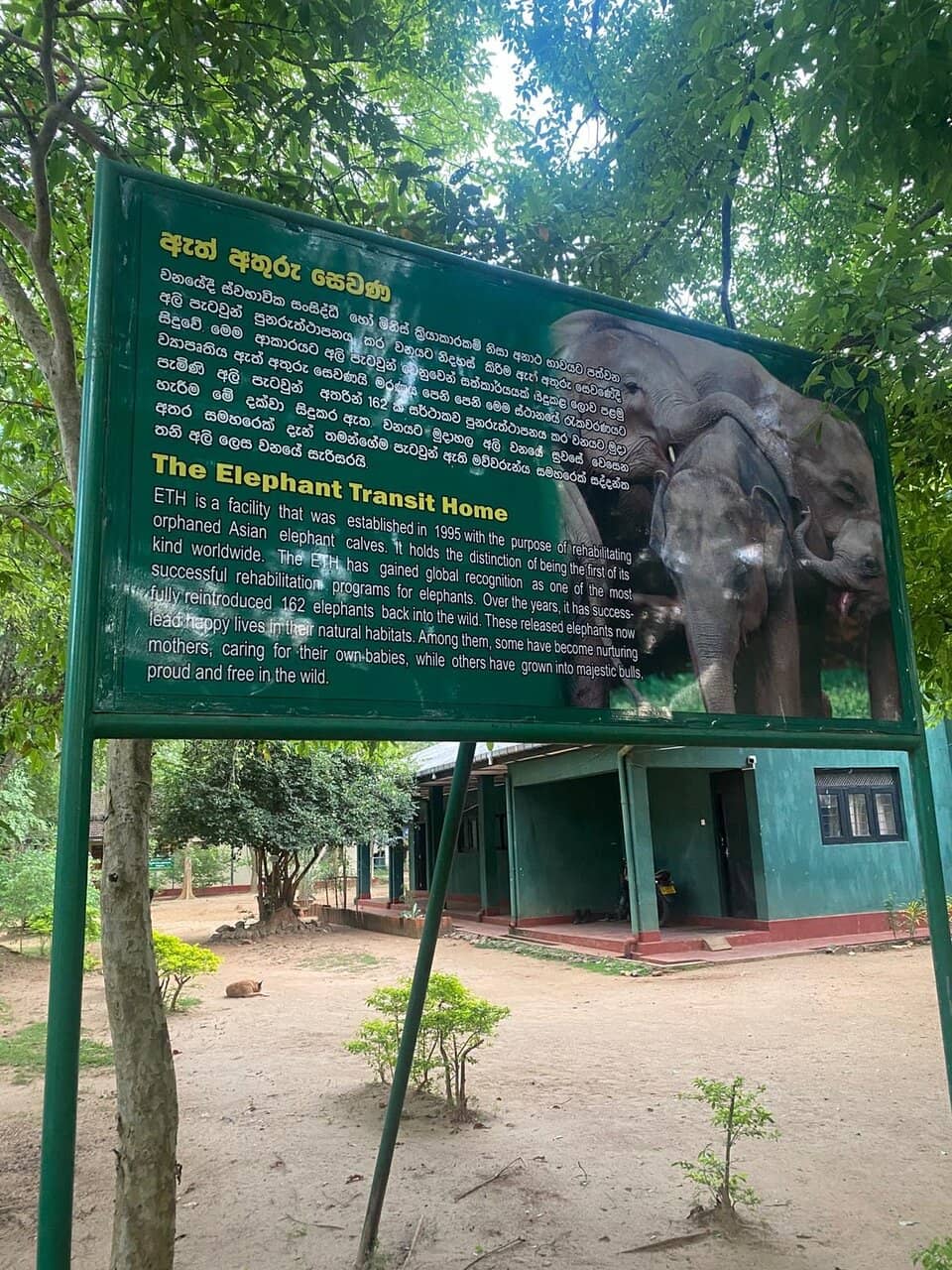
Learn about the history of the Elephant Transit Home and the challenges faced by elephants in Sri Lanka.
Plans like a pro.
Thinks like you
Planning Your Visit
Timing Your Visit for Feeding Frenzy
Ethical Viewing, Not Interaction
Best Times
Insider Tips
from TikTok, Instagram & Reddit
🎯 Right Side Viewing is Key
Sit on the right side of the viewing platform for the best chance to see bottle-feeding of the calves. :camerawithflash:
⏰ Check Feeding Schedules
Feeding times are crucial! Arrive a bit before to get a good seat. Schedules can vary.
🚫 No Touching, Just Watching
Observe from the platform; direct interaction is not permitted to ensure elephant welfare.
🛍️ Souvenir Shop Hours
The souvenir shop might close early, so plan your visit if you want to buy mementos. :gift:
Tips
from all over the internet
🎯 Right Side Viewing is Key
Sit on the right side of the viewing platform for the best chance to see bottle-feeding of the calves. :camerawithflash:
⏰ Check Feeding Schedules
Feeding times are crucial! Arrive a bit before to get a good seat. Schedules can vary.
🚫 No Touching, Just Watching
Observe from the platform; direct interaction is not permitted to ensure elephant welfare.
🛍️ Souvenir Shop Hours
The souvenir shop might close early, so plan your visit if you want to buy mementos. :gift:
📏 Gentle Guidance Only
Staff use a gentle stick only to guide elephants, prioritizing their well-being. :herb:
What Travellers Say
Reviews Summary
Visitors consistently praise the Elephant Transit Home for its heartwarming mission of rescuing and rehabilitating orphaned elephants. The feeding times are a highlight, offering an adorable and touching spectacle. Many appreciate the ethical approach, focusing on preparing elephants for the wild rather than for tourist entertainment. While some note minor inconveniences like early shop closures, the overall experience is described as unforgettable and highly recommended for its conservation efforts.
"Visiting the Elephant Transit Home was an unforgettable and heartwarming experience. Located near Udawalawe, this sanctuary is dedicated to rescuing, rehabilitating, and releasing elephants back into the wild. What makes it truly special is that the elephants here are not kept for display or rides, but genuinely cared for with the goal of giving them a second chance at life.
During my visit, I had the chance to see baby elephants being bottle-fed and cared for by the staff. Watching them play together, stumble around, and eagerly wait for their milk was both adorable and touching. I also saw a few injured and disabled elephants who were receiving medical treatment and rehabilitation. Despite their hardships, they were given a safe environment filled with care and dignity.
The experience was not only enjoyable but also educational. The staff explained the challenges elephants face in Sri Lanka, from habitat loss to injuries caused by human conflict. It was inspiring to see how much effort is dedicated to protecting these incredible animals.
Standing there, watching the baby elephants slowly regain their strength and confidence, I felt a deep respect for the mission of the Elephant Transit Home. It is a place of hope, compassion, and resilience. For anyone visiting Sri Lanka, this is a must-see destination—not just for the beauty of the elephants, but also for the meaningful conservation work being done here."
林奕辰
"It's an amazing and much needed initiative for the sadly orphaned baby elephants.
It was great to see that the elephants who spend a few years here are able to then integrate into the wild once they're old enough. Very happy to support them and see these adorable elephants (from a distance).
There is also an informative museum about elephants and the ETH’s history.
Don’t miss it if you go to Udawawala."
Pavi AK
"We visited the Elephant Transit Home in Udawalawa on 6th September, and it was a truly wonderful experience. The center does an amazing job rescuing, rehabilitating, and caring for orphaned baby elephants before releasing them back into the wild. Watching the feeding time was both heartwarming and educational, and we appreciated how well the staff manages everything to keep the elephants safe and minimize unnecessary human interaction.
It’s inspiring to see such a genuine effort in wildlife conservation. This visit not only gave us joy but also deep respect for the hard work carried out here. Highly recommended for anyone visiting Udawalawa."
Lanka Adventure Holidays (Amila Udayantha Bandara)
What People Like
What People Dislike
Frequently Asked Questions
🚇 🗺️ Getting There
The Elephant Transit Home Udawalawe is located near Udawalawe National Park in Sri Lanka. It's easily accessible by car or tuk-tuk from nearby towns. Many safari tours also include a stop here.
From Galle, it's about a 2-hour drive. From Colombo, it's a longer journey, typically 4-5 hours. Consider it as a stop en route to or from Udawalawe National Park.
While public buses run to Udawalawe town, getting directly to the Transit Home might require a tuk-tuk or short taxi ride from the bus stop. It's advisable to check local bus routes and schedules in advance.
Yes, many safari operators in the Udawalawe area include a visit to the Elephant Transit Home as part of their package, especially for morning or afternoon safaris.
The Elephant Transit Home is generally open for viewing during specific feeding times. It's best to check the latest schedule as it can vary.
🎫 🎫 Tickets & Entry
There is typically a small entrance fee to access the viewing area. This fee directly supports the care and rehabilitation of the elephants.
Advance booking is usually not required for general entry to the viewing platform. You can purchase tickets upon arrival.
Yes, visits are centered around the scheduled feeding times for the baby elephants. These are the best times to see them active and eager for milk.
Generally, standard photography is allowed from the viewing platform without an additional fee. However, it's always good to confirm on-site.
Absolutely! Donations are crucial for the center's work. You can usually donate at the entrance or through their official channels.
🎫 🐘 Onsite Experience
You'll see orphaned baby elephants being cared for, bottle-fed, and playing. There's also an informative museum about elephant conservation.
No, direct interaction like touching or feeding is not allowed to ensure the elephants' welfare and prepare them for the wild. You observe from a viewing platform.
The raised viewing platform offers the best vantage point. Sitting on the right side is recommended for seeing the bottle-feeding of calves.
A visit typically lasts about 1-2 hours, including time to watch a feeding session and explore the small museum.
Yes, it's a wonderful and educational experience for children, offering a chance to see young elephants up close in a caring environment.
📸 📸 Photography Tips
Feeding times are the most active and photogenic moments. The afternoon light can also be quite good for capturing clear shots.
Photography is generally permitted from the viewing platform. However, be mindful of other visitors and avoid using flash directly at the animals.
A telephoto lens is recommended to get close-up shots of the elephants from the viewing platform, as you cannot get too near.
The viewing area has a wire fence, which can sometimes hamper photography. Try to shoot through the gaps or use a lens that can minimize the fence's appearance.
The moment the calves are brought through the gate for feeding, and their playful interactions, are prime photo opportunities.
For Different Travelers
Tailored advice for your travel style
👨👩👧 Families with Kids
Consider visiting in the afternoon when the crowds might be slightly thinner. The on-site museum also offers simple explanations that can engage younger minds. It's a memorable outing that combines fun with a valuable lesson in animal welfare.
❤️ Wildlife Enthusiasts & Conservationists
+1 The ethical approach, focusing on minimal human interference and gentle guidance, is commendable and aligns with best practices in wildlife rehabilitation. Engage with the information provided in the museum to understand the broader context of elephant conservation in Sri Lanka. Your visit and any donations directly support these vital efforts, making it a truly impactful stop on your Sri Lankan journey.
Deep Dives
In-depth insights and expert knowledge
The Mission: Rehabilitation and Release
+2Visitors can witness this process firsthand from a dedicated viewing platform. The feeding times are particularly heartwarming, showcasing the calves' eagerness for milk and their playful interactions. This approach ensures that the elephants develop the necessary social bonds and survival skills to thrive independently. The center emphasizes minimal human intervention, using gentle guidance rather than force, to respect the elephants' natural behaviors and prepare them for a wild existence.
The ETH also houses an informative museum detailing the history of the center and the ongoing challenges faced by Sri Lanka's elephant population, including habitat loss and human-wildlife conflict. By supporting the ETH through visits and donations, you contribute directly to crucial conservation efforts aimed at protecting these magnificent creatures.
A Day at the Transit Home: What to Expect
Beyond the feeding spectacle, take time to explore the small museum on-site. It provides valuable insights into the ETH's work, the elephants' stories, and the broader conservation landscape in Sri Lanka. While the focus is on observation, the experience is deeply rewarding, offering a profound connection to these gentle giants and the dedicated people working to protect them. Remember that the souvenir shop may have limited hours, so plan accordingly if you wish to purchase a memento.
It's important to remember that this is a sanctuary focused on rehabilitation. While you can observe the elephants closely, direct contact is not permitted. This ethical approach ensures that the elephants remain wild and are not habituated to humans, which is crucial for their eventual release back into the wild.



Social
from TikTok, Instagram & Reddit