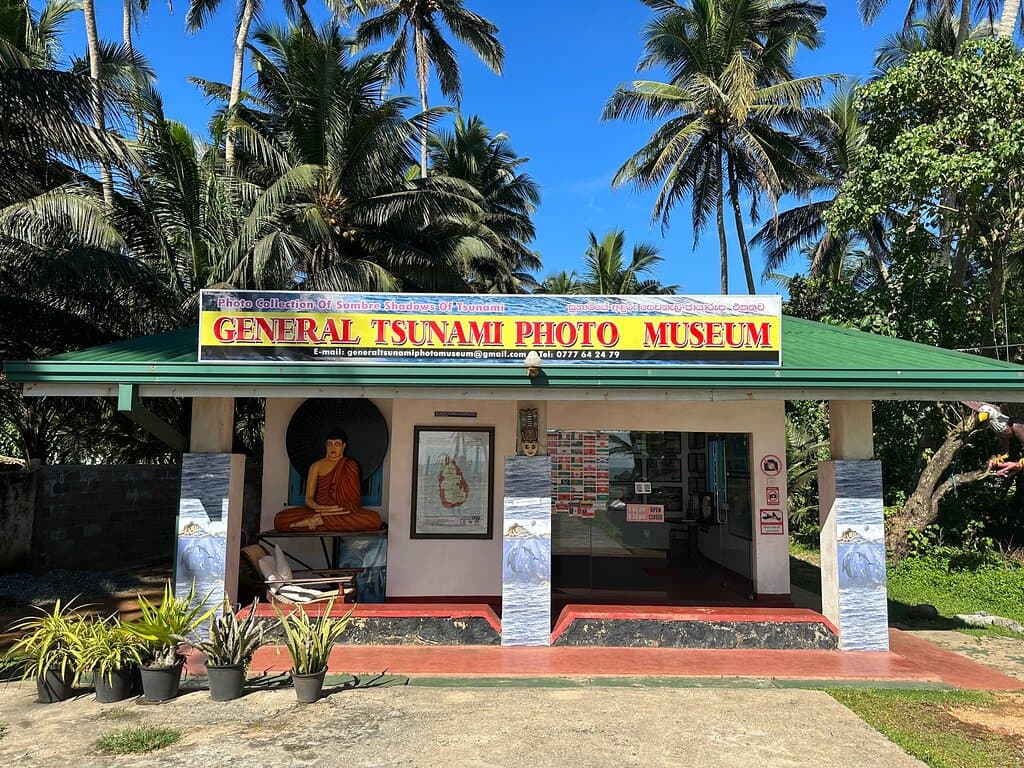
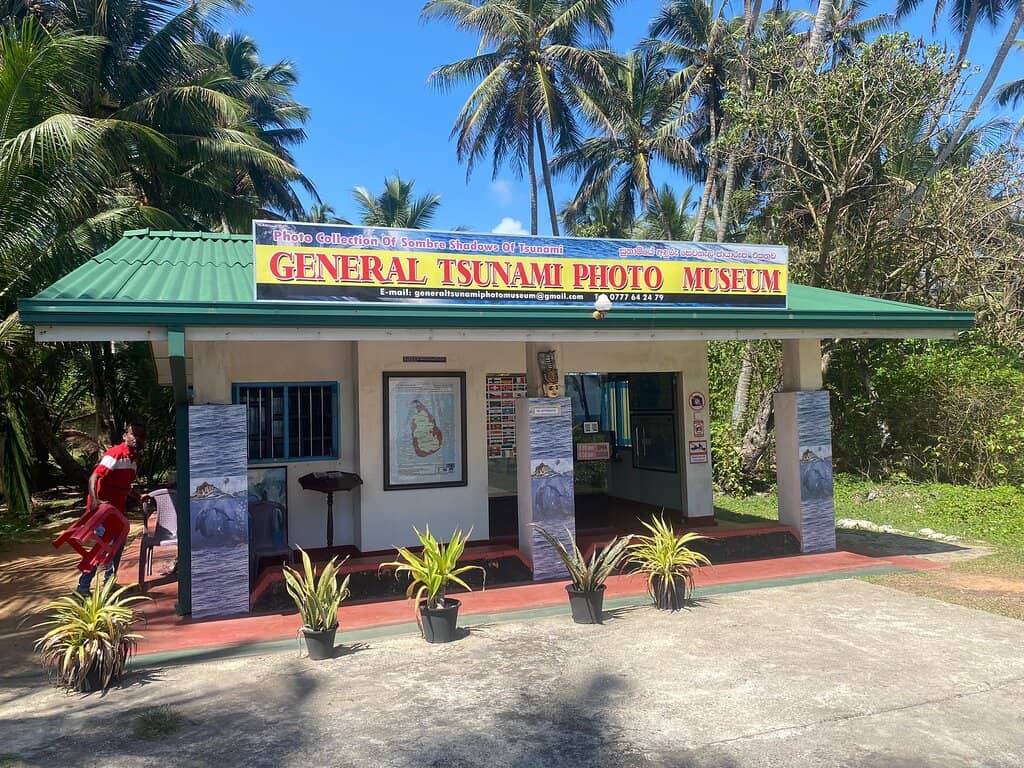
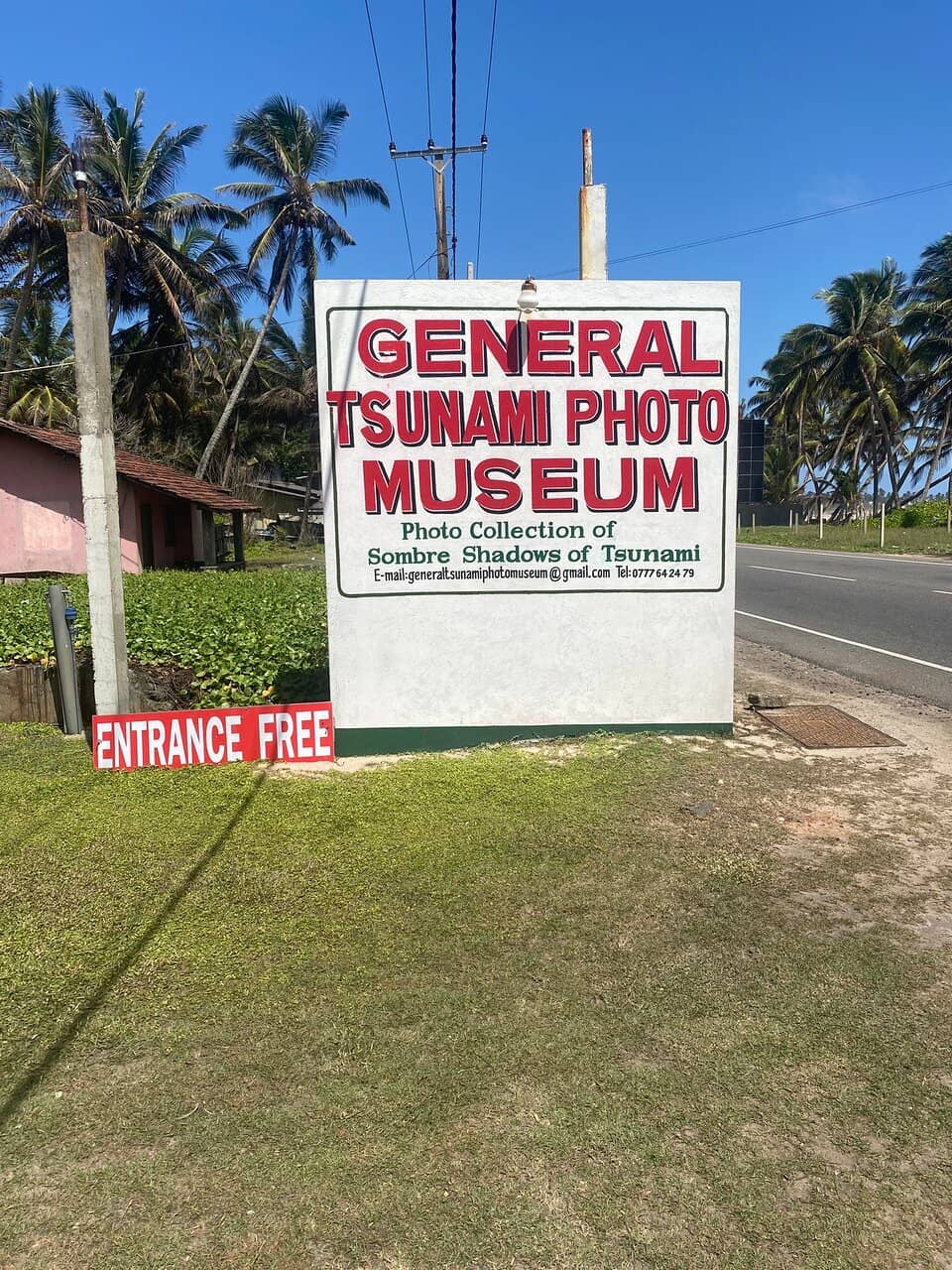
Tsunami Photo Museum Telwatta
A somber memorial showcasing harrowing photographs and personal accounts of the devastating 2004 tsunami.
Highlights
Must-see attractions
Social
From TikTok & Reddit
Best Time
Fewer crowds, more reflective atmosphere
Tsunami Photo Museum Telwatta
Best Time
Fewer crowds, more reflective atmosphere
Highlights
Must-see attractions
A somber memorial showcasing harrowing photographs and personal accounts of the devastating 2004 tsunami.
"A must visit place to stop for a moment and rethink about life."
Be Prepared for Emotional Content
Some photos and stories are very distressing. Approach with respect and be ready for an emotional experience. :sob:
Consider a Guided Tour
Survivors often share powerful personal stories. Their insights add immense value to the visit. :bustsinsilhouette:
Highlights
Discover the most iconic attractions and experiences
Harrowing Tsunami Photographs
Exhibition Hall
See powerful, often distressing images that capture the devastating impact of the 2004 tsunami.
Survivor's Personal Accounts
Guided Tours
Hear firsthand stories from survivors, offering a deeply personal and moving perspective on the tragedy.
Educational Exhibits on Tsunamis
Information Displays
Learn about the science behind tsunamis and the specific events of December 26, 2004.
Plans like a pro.
Thinks like you
Planning Your Visit
Understand the Museum's Purpose
Manage Expectations & Support Ethically
Best Times
Insider Tips
from TikTok, Instagram & Reddit
Be Prepared for Emotional Content
Some photos and stories are very distressing. Approach with respect and be ready for an emotional experience. :sob:
Consider a Guided Tour
Survivors often share powerful personal stories. Their insights add immense value to the visit. :bustsinsilhouette:
Manage Donation Expectations
Be aware of potential donation pressure. Support ethically if you choose to donate. :moneywithwings:
Allow Ample Time
Take your time to absorb the exhibits and reflect on the history. It's a place for contemplation. :clock1:
Tips
from all over the internet
Be Prepared for Emotional Content
Some photos and stories are very distressing. Approach with respect and be ready for an emotional experience. :sob:
Consider a Guided Tour
Survivors often share powerful personal stories. Their insights add immense value to the visit. :bustsinsilhouette:
Manage Donation Expectations
Be aware of potential donation pressure. Support ethically if you choose to donate. :moneywithwings:
Allow Ample Time
Take your time to absorb the exhibits and reflect on the history. It's a place for contemplation. :clock1:
Respectful Attire Recommended
Dress modestly out of respect for the solemn nature of the memorial. :dress:
What Travellers Say
Reviews Summary
The Tsunami Photo Museum Telwatta offers a powerful and moving experience, with many visitors finding the photographs and survivor accounts deeply impactful and educational. However, some reviews raise concerns about aggressive donation tactics and the owner's conduct, suggesting a need for caution and ethical consideration when visiting.
"I rarely leave reviews, but my experience at the General Tsunami Photo Museum was by far the worst I’ve ever had. I visited about 3 months ago, and I want to strongly warn others before they waste their time and money here.
The so-called “owner” is manipulative and completely untrustworthy. He can barely explain anything about the tsunami, yet pretends to be some kind of survivor collecting donations “for the village children.” During my visit, he even put on a fake crying act while pointing at an old cloth on the wall, claiming it was all he had left after the tsunami. The whole thing felt staged and dishonest.
The pressure to donate was aggressive and nonstop. He kept pushing me to put money in his box, but I later found out the truth from locals: this place is nothing but a scam. Tuk-Tuk drivers confirmed that he pays them small commissions to bring tourists in, but he cheats them too—lying about how much visitors actually donate and pocketing almost everything for himself. Multiple drivers openly complained about him.
Worse still, I was told he even had a case where he harassed a foreign woman, and it only ended after he begged for forgiveness at the police station. That says everything you need to know about his character.
This museum gives you no real information about the tsunami, no genuine history, and absolutely no respect for the tragedy or the victims. It exists only to squeeze money from tourists under false pretenses.
⚠ Warning to all travelers and expats: Do not waste your time or money here. This place is a massive scam, exploiting both visitors and the community. If you truly want to support locals, donate directly to reputable charities—not this fraudulent museum."
Martijn Willem
"Visiting the Tsunami Museum in Sri Lanka was a very moving experience. Lal, who guided us through the museum is a survivor of the 2004 tsunami, and he shared his story with such honesty and kindness. He welcomed us warmly, and although his memories are painful, he spoke with incredible strength. I highly recommend taking the time to visit!"
Phine Raap
"A must visit place in Peraliya near Hikkaduwa to stop for a moment and rethink about life. They explain in detail about how tsunamis occur, what happened on 26th December 2004 and how they overcame or are still overcoming it. Wish them all the very best."
RISHAV DEY
What People Like
What People Dislike
Frequently Asked Questions
🚇 🗺️ Getting There
The museum is located in Peraliya, near Hikkaduwa, Sri Lanka. Many visitors arrive by tuk-tuk or private car from Hikkaduwa or Galle. If you're coming from further afield, you can take a bus or train to Hikkaduwa and then arrange local transport. Some tuk-tuk drivers may offer to take you there as part of a tour, but be sure to clarify the arrangement beforehand.
Limited parking is usually available near the museum entrance, especially for tuk-tuks and private vehicles. It's advisable to arrive early if you are driving yourself.
Yes, you can take a bus or train to Hikkaduwa. From Hikkaduwa, it's a short tuk-tuk ride to the museum. Check local bus routes for direct access if available.
🎫 🎫 Tickets & Entry
The museum's operating hours can vary, but it is generally open daily. It's recommended to check locally or confirm with your accommodation for the most up-to-date information before your visit.
There is typically an entrance fee, and donations are also encouraged. Some reviews mention aggressive donation requests, so be prepared for this aspect of the visit.
Advance booking is generally not required for the Tsunami Photo Museum. You can usually purchase tickets upon arrival.
Information on accessibility can be limited. Given the nature of the exhibits, some areas might be challenging. It's best to inquire directly about specific accessibility needs.
📸 📸 Photography
Photography policies can vary. While some visitors have shared photos online,+1 it's always best to check for signage or ask staff upon entry. Out of respect for the solemn nature of the exhibits, some areas may prohibit photography.
The exterior of the museum and some of the more general exhibits might be suitable for photos. However, focus on experiencing the exhibits respectfully rather than solely for photography.
🎫 🤔 Onsite Experience
The museum is designed to be a somber and moving memorial. Visitors often describe it as 'tense,' 'goosebumps-inducing,' and 'distressing' due to the powerful imagery and personal accounts.
You can expect to see a collection of photographs documenting the 2004 tsunami, personal artifacts, and educational displays explaining the event. Some exhibits are deeply harrowing.
Due to the distressing nature of the exhibits, it may not be suitable for young children. Parents should use their discretion based on their child's sensitivity.
Most visitors spend between 1 to 2 hours at the museum to fully absorb the exhibits and reflect on the experience.
Basic facilities like restrooms are usually available. It's advisable to carry your own water, especially during warmer months.
🎫 💰 Support & Donations
Donations are a primary source of support. However, be aware that some reviews suggest aggressive donation tactics. If you wish to support tsunami relief efforts ethically, consider donating directly to reputable charities.
Information regarding the tax-deductibility of donations is not readily available. It's best to inquire directly with the museum management if this is a concern.
For Different Travelers
Tailored advice for your travel style
👨👩👧 Families with Kids
If you do decide to visit with older children, consider preparing them beforehand by explaining the nature of the museum and the event it commemorates. Focus on the aspects of resilience and remembrance rather than solely on the destruction. It might be beneficial to accompany them closely and be available to answer questions or provide comfort.
🚶 Solo Travelers & Backpackers
Be prepared for the emotional weight of the museum. It's a place that encourages introspection. For those on a budget, consider negotiating tuk-tuk fares if arranging transport from nearby towns like Hikkaduwa. Also, be mindful of the donation requests and decide your level of contribution based on your comfort and ethical considerations.
Deep Dives
In-depth insights and expert knowledge
The Impact of the 2004 Tsunami
The museum serves as a poignant reminder of this catastrophic event. Through its collection of photographs and personal accounts, it aims to educate visitors about the tsunami's impact, the resilience of the survivors, and the importance of disaster preparedness. The exhibits are designed to evoke a sense of remembrance and reflection, ensuring that the lessons learned from this tragedy are not forgotten.
Many visitors find the experience deeply moving, with some describing it as 'tense' and 'goosebumps-inducing.' The personal stories shared by survivors, like Lal who guided some visitors, offer a profound human connection to the event, highlighting the strength and courage of those who endured it.
Navigating Visitor Experiences and Ethical Considerations
However, a significant concern raised by some visitors and locals pertains to the museum's management and donation practices. One review strongly warns of manipulative behavior and aggressive donation requests, suggesting the museum might be exploiting tourists. Tuk-tuk drivers have reportedly corroborated these claims, indicating that the owner may pocket a large portion of the donations.
Given these mixed reviews, it's advisable for visitors to approach the museum with awareness. While the intention of memorializing the tsunami is commendable, it's important to be discerning about donation requests. If you wish to contribute to tsunami relief efforts, consider researching and donating to established, reputable charities that directly support affected communities.



Social
from TikTok, Instagram & Reddit