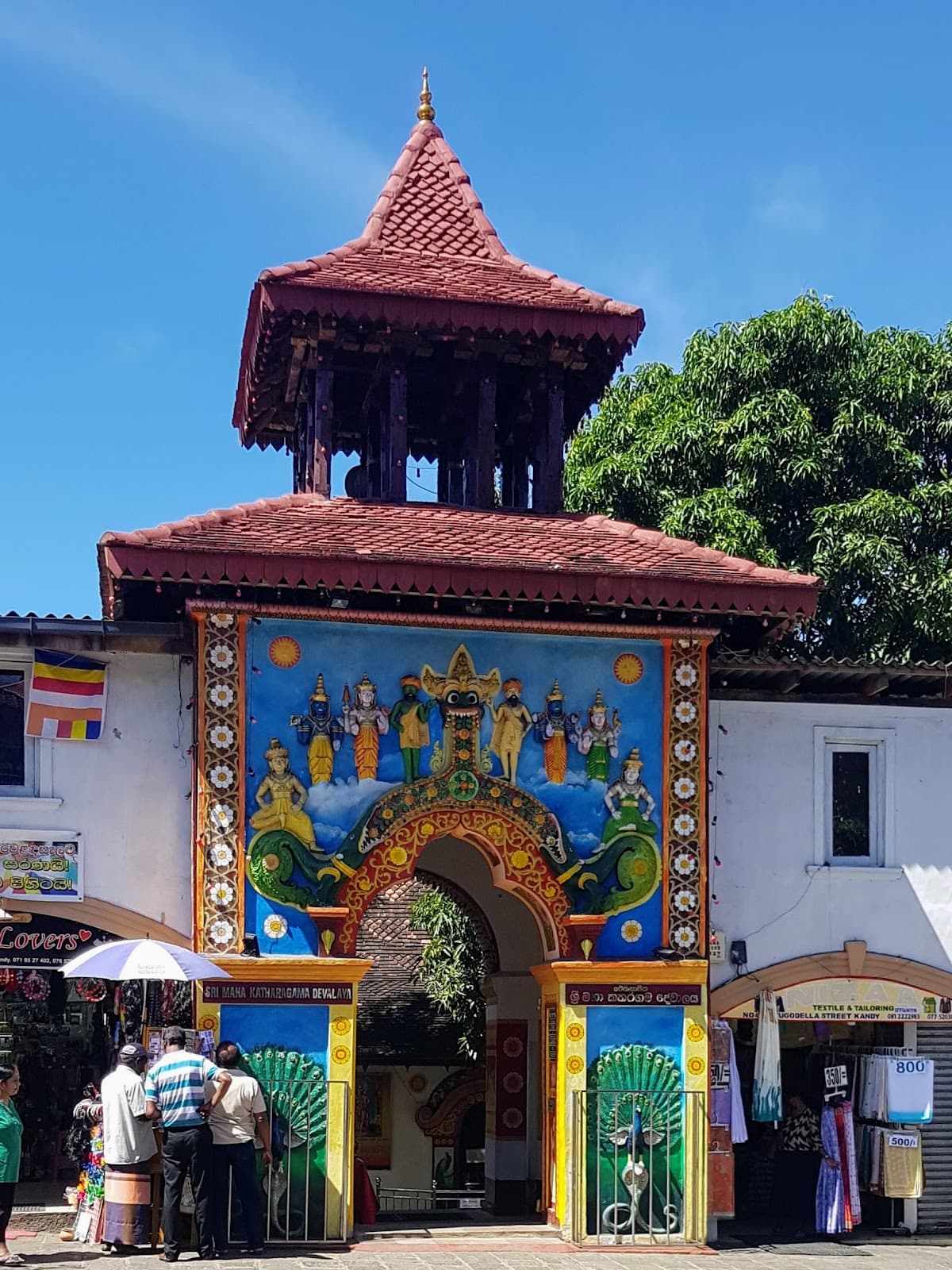
Kataragama Devale Kandy
A sacred site embodying religious harmony, revered by Buddhists, Hindus, and Muslims, especially during the vibrant Esala Perahera festival.

Highlights
Must-see attractions

Social
From TikTok & Reddit
Best Time
Witness the grand Esala Perahera
Kataragama Devale Kandy
Best Time
Witness the grand Esala Perahera
Highlights
Must-see attractions
A sacred site embodying religious harmony, revered by Buddhists, Hindus, and Muslims, especially during the vibrant Esala Perahera festival.
"A unique spiritual hub where diverse faiths converge, offering a glimpse into Sri Lanka's rich cultural tapestry."
Modest Dress Code
Cover shoulders & knees. White is often preferred. :dress:
Beware of Scams
Some reviews warn of tourist scams; be cautious with donations. :moneybag:
Highlights
Discover the most iconic attractions and experiences
The Main Shrine Room
Main shrine
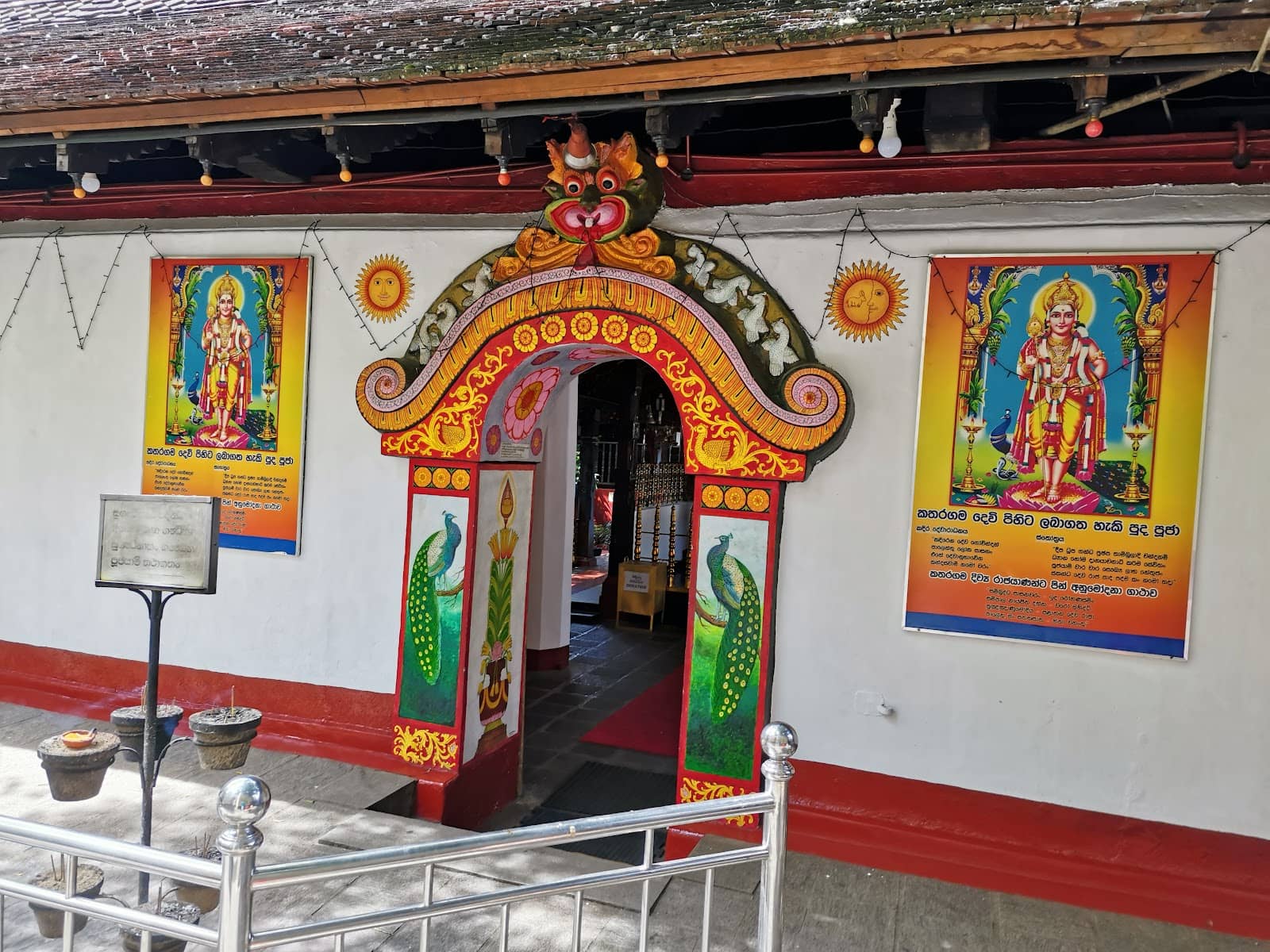
Witness the presiding deity, Sri Murugan (Kataragama Deviyo), venerated by many faiths.
Interfaith Harmony
Temple precincts
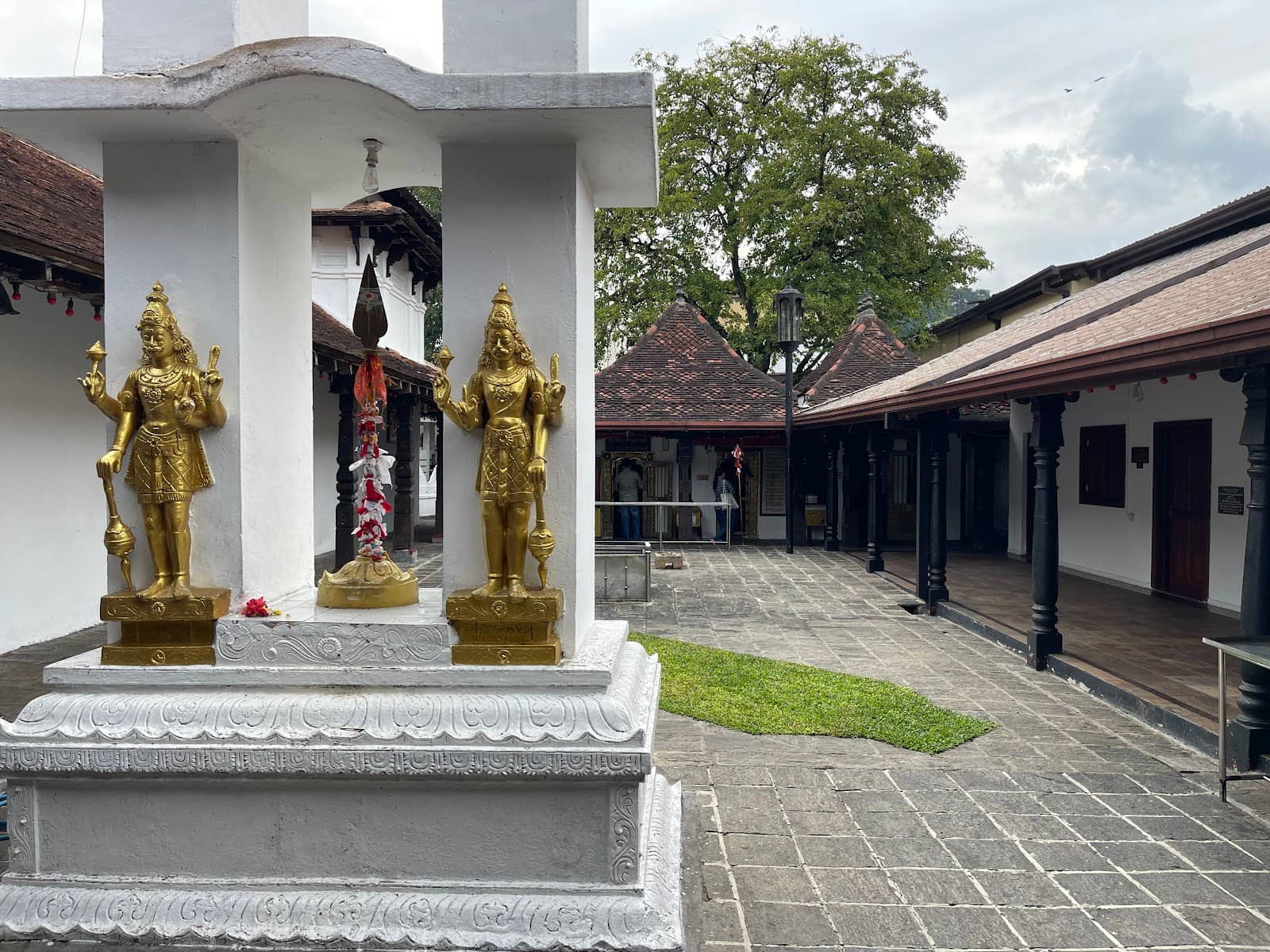
See shrines for Buddha, Ganesha, and Vishnu, showcasing religious coexistence.
Esala Perahera Festival
Kataragama town
Experience the vibrant torchlit procession, fire-walking, and water-cutting ceremonies.
Plans like a pro.
Thinks like you
Planning Your Visit
Respectful Attire is Key
Festival Times Mean Crowds
Best Times
Insider Tips
from TikTok, Instagram & Reddit
Modest Dress Code
Cover shoulders & knees. White is often preferred. :dress:
Beware of Scams
Some reviews warn of tourist scams; be cautious with donations. :moneybag:
Festival Buzz
July's Esala Perahera is a must-see, but expect huge crowds. :fireworks:
Respect All Faiths
This site honors multiple religions; be mindful of all practices. :pray:
Tips
from all over the internet
Modest Dress Code
Cover shoulders & knees. White is often preferred. :dress:
Beware of Scams
Some reviews warn of tourist scams; be cautious with donations. :moneybag:
Festival Buzz
July's Esala Perahera is a must-see, but expect huge crowds. :fireworks:
Respect All Faiths
This site honors multiple religions; be mindful of all practices. :pray:
Capture the Spectacle
The Perahera offers incredible photo ops, especially at night. :camera:
What Travellers Say
Reviews Summary
Kataragama Devalaya is a deeply revered spiritual site in Sri Lanka, celebrated for its interfaith significance and the vibrant Esala Perahera festival. Visitors are drawn to its unique blend of Buddhist, Hindu, and Muslim traditions. However, some travelers caution about potential tourist scams and advise being discerning with donations.
"This Hindu kovil dedicated to the Tamil God Sri Murugan, also known as Sri Skanda is venerated by the largely Sinhala Buddhist devotees in the area as Nuwara Maha Kataragama Devalaya, transcending religious beliefs and ethnicity.
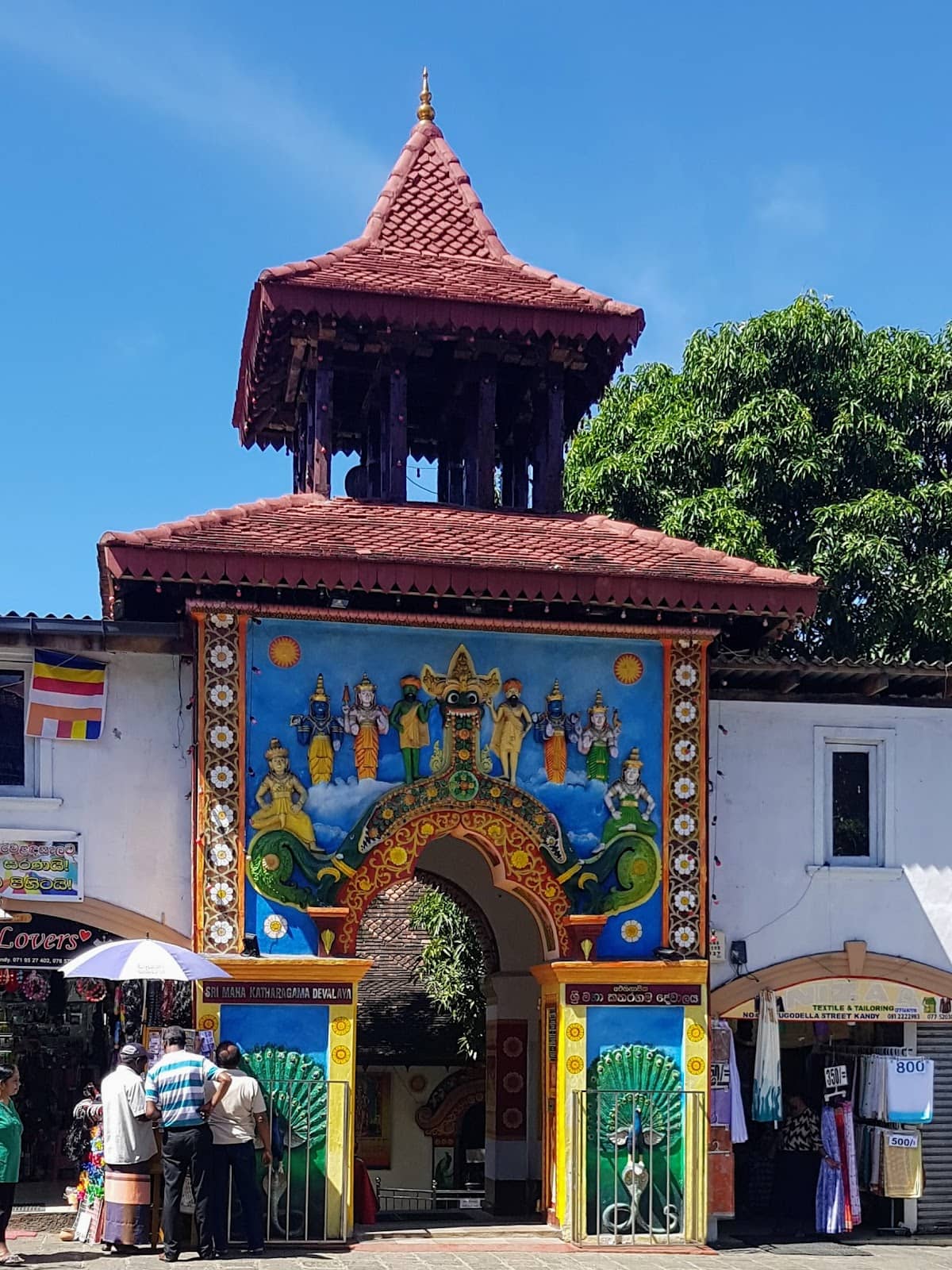
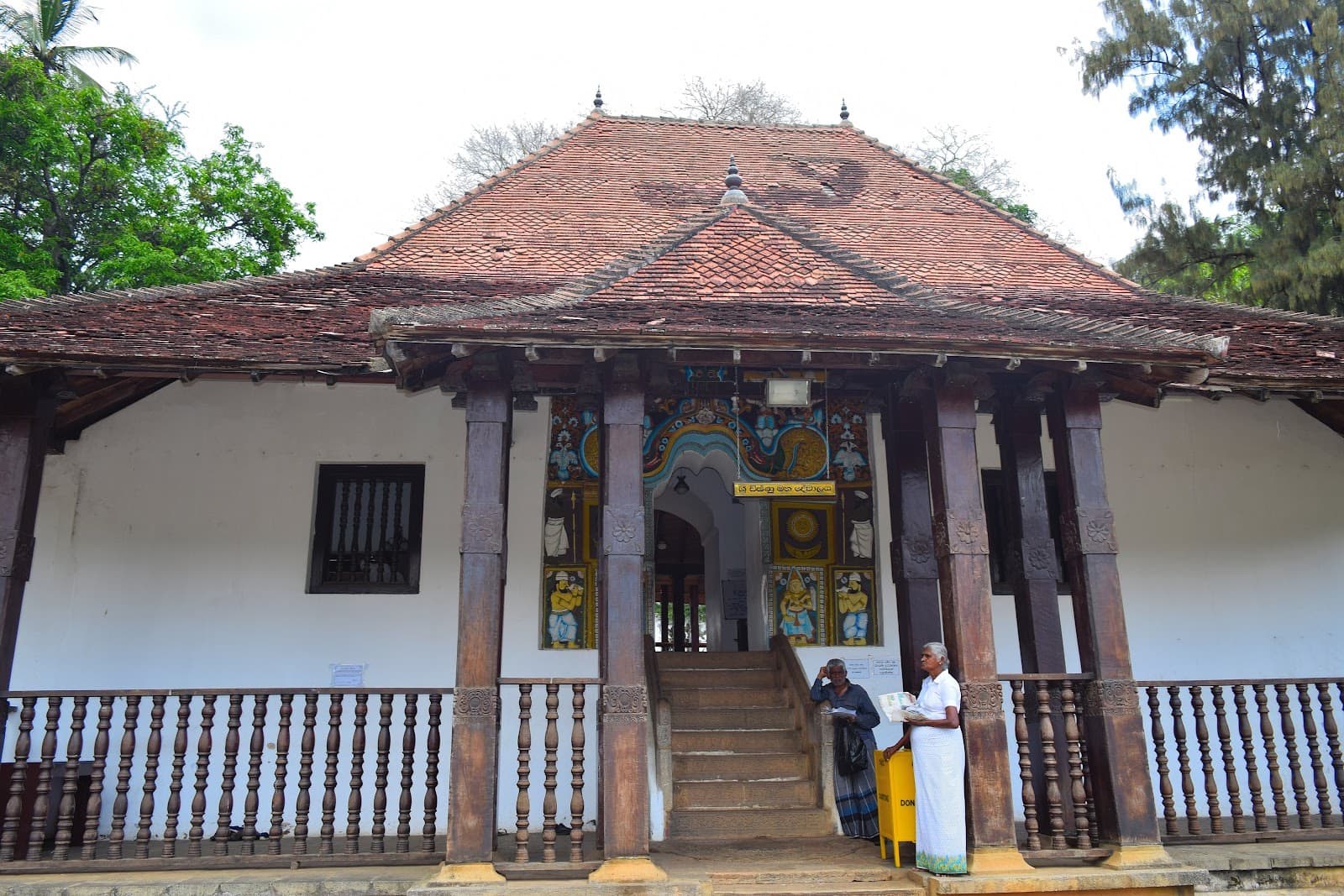
As you step into the kovil precincts from colourful entrance you enter the main shrine room where Sri Murugan (Kataragama Deviyo) is the presiding deity. The rituals are conducted by Hindu priests.
To the left is a shrine of the Buddha and a Bodhi Tree an important symbol of Buddhism.
There are shrines dedicated to Lord Ganesha (Gana Deviyo to the Buddhists) and Lord Vishnu (Saman Deviyo to the Buddhists) underlying the close links between the two great religions."
Adrian Corera
"Definitely wouldn’t pay to go inside after reading some very bad reviews about tourists scams. I don’t like the dishonesty and falsely proclaiming things to tourists to entice them in and/or to donate. It ruins what would be a beautiful experience for foreigners who are looking to enjoy the culture and spiritual side of Sri Lanka. Best to look at the temple from the outside for free."
Lauren
"Kataragama is one of Sri Lanka’s 16 principal places of Buddhist pilgrimage, and is also an important shrine for other religions – the Kataragama God predates the Buddha of 2500 years ago, and was originally inherited (in some form) from the indigenous Vedda forest dwellers.
To complicate things further, there’s a Muslim shrine tucked amongst the foliage, and the Tamil Hindus revere the site as the home of their own warrior God, Skanda.
Festival time in July each year is when things really hot up, and the jungle transforms under the weight of serious religious frenzy. The festivities begin on the first night with a flag-hoisting ceremony. Each following night, after the ritual puja, white-clad kapurala shaman-priests perform a complex, carefully choreographed ritual in which the Kataragama God is depicted as emerging from his Maha Devale residence. He then rides in a grand torchlit procession upon a beautifully-decorated elephant to visit his sweetheart, the jungle princess Valli, and returns without being seen.
Meanwhile, during this performance, hundreds of devotees, dressed in their dhotis and ceremonial markings, turn up with huge earthenware vessels on their heads. Constant shouts of ‘Haro Hara’ remind everyone of their presence. The holy ash and camphor inside these pots is carefully emptied out onto the floor outside the temples, for them to roll across (and to be washed off later).
The area in front of the main temple is cleared and laboriously covered in a layer of burning tamarind firewood (about 2O feet square). At about 4 am when the fire walkers’ river ablutions are complete, hundreds of cleansed pilgrims slowly make their way, barefoot, across the burning ash. No one is burned.
Things get even more colourful on the last night of the festival – the night of the full moon. This ends with the “water-cutting” ceremony, which is enacted the morning after the Maha Perahera. The holy casket (believed to contain the secret of the God’s birth) is dipped in the Manik Ganga sacred river, followed by thousands of pilgrims who submerge themselves with their arms raised and to the shouts of ‘Haro Hara’."
Prasad Lokubalasuriya
What People Like
What People Dislike
Frequently Asked Questions
🚇 🗺️ Getting There
The Kataragama Devalaya in Kandy is located in the commercial area on 'Kotugodella Vidiya'. You can reach it by local bus or taxi from Kandy city center. 
No, while both are significant, the Kataragama Devalaya in Kandy is one of the 'Hatara Devale' (Four Shrines) in Kandy, distinct from the more famous Ruhunu Maha Kataragama Devalaya in the south.
Most visitors arrive in Kandy via train or bus from Colombo. The journey offers scenic views of Sri Lanka's countryside.
Parking can be challenging in the busy commercial area of Kandy. It's advisable to use public transport or a tuk-tuk to get close to the Devale.
Yes, ride-sharing apps are available in Kandy and can be a convenient way to reach the Devale, especially if you're unfamiliar with the area. :iphone:
🎫 🎫 Tickets & Entry
Entry to the Devale precincts is generally free, allowing visitors to observe from the outside. However, some reviews suggest caution regarding donations and potential scams inside.
The Devalaya is typically open daily, but specific timings for rituals can vary. It's best to visit during daylight hours for a general experience.
While the procession itself is a public spectacle, prime viewing spots might require tickets or arrangements made in advance, especially during the peak festival days.
Donations are accepted, but be mindful of the advice from some reviews regarding transparency and potential tourist-focused solicitations.
Photography is usually permitted in the outer areas, but it's respectful to avoid taking photos during active prayer rituals or inside the main shrine rooms.
🎫 🧭 Onsite Experience
Modest attire is essential. Cover your shoulders and knees. Many visitors wear white or traditional Sri Lankan clothing.
It's a sacred site venerated by Buddhists, Hindus, and Muslims, dedicated to God Kataragama (Murugan), symbolizing religious harmony in Sri Lanka.
Rituals are conducted by Hindu priests, and the site also features shrines for Buddhist deities, reflecting its interfaith nature.
The fire-walking ceremony is a deeply spiritual act performed by devotees. It's not an activity for tourists to participate in.
'Haro Hara' is a devotional chant often heard during religious processions and festivals at Kataragama, expressing reverence.
🍽️ 🍽️ Food & Dining
Yes, being in a commercial area, there are numerous local eateries and restaurants offering Sri Lankan cuisine near the Devale.
You can find authentic Sri Lankan dishes like rice and curry, kottu roti, and various street food options.
Sri Lankan cuisine is rich in vegetarian dishes, so you'll easily find plenty of options.
Given the presence of a Muslim shrine, you can find Halal food options in the vicinity.
It's generally recommended to drink bottled water to avoid any stomach issues.
📸 📸 Photography
The colorful entrance, the interfaith shrines, and the general temple architecture offer great photographic opportunities.
Yes, the Perahera is a visually stunning event, perfect for photography, especially the illuminated processions at night. +1
It's respectful to refrain from taking photos inside the main shrine rooms or during active religious ceremonies. Always be mindful of devotees.
A versatile lens for general shots and a telephoto lens for capturing details during the Perahera would be beneficial. A tripod can help with low-light shots.
Drone usage is typically restricted in religious sites and crowded public areas. Check local regulations before flying a drone.
For Different Travelers
Tailored advice for your travel style
👨👩👧 Families with Kids
While the spiritual aspects are profound, focus on the visual elements like the temple architecture and the processions. Be mindful of the crowds, especially during festivals, and keep a close eye on children. Some reviews mention potential scams, so it's wise to be cautious with any unsolicited offers or donation requests.
🙏 Devout Pilgrims
It's advisable to arrive with a spirit of reverence and respect. Dress in traditional pilgrimage attire, often white, and be prepared for large gatherings. The energy and devotion of fellow pilgrims can be deeply inspiring.
📸 Culture Enthusiasts & Photographers
Focus on capturing the essence of interfaith harmony and the unique traditions. The Esala Perahera, with its illuminated processions and traditional dancers, is a photographer's dream. Remember to be respectful and avoid intrusive photography, especially during prayer times.
Deep Dives
In-depth insights and expert knowledge
The Significance of Kataragama Devale
Historically, the Kataragama deity is believed to have roots in indigenous Vedda beliefs, later integrated into Hindu and Buddhist traditions. This syncretism makes the site particularly fascinating. The presence of a Buddhist shrine and a Bodhi Tree alongside Hindu deities like Ganesha and Vishnu underscores the deep-rooted connections and mutual respect between these religions in Sri Lanka.
During the annual Esala Perahera festival, the Devalaya becomes the focal point of immense religious fervor. This grand procession, featuring elaborate costumes, music, and traditional rituals like fire-walking, draws devotees and tourists alike, showcasing a vibrant display of faith and culture.
Navigating the Esala Perahera Festival
A highlight of the Perahera is the fire-walking ceremony, where devotees, after ritual purification, walk barefoot across a bed of burning embers. This act of devotion is believed to be a test of faith and a way to seek blessings. The 'Haro Hara' chant echoes through the night, adding to the electrifying atmosphere.
The festival concludes with the 'water-cutting' ceremony, where a sacred casket is dipped into the Manik Ganga river. This event signifies the end of the festivities and is followed by thousands of pilgrims immersing themselves in the river. Attending the Perahera offers an unparalleled glimpse into Sri Lanka's rich cultural and spiritual heritage, though it requires navigating large crowds and planning accommodations well in advance.
Understanding Interfaith Significance
This interfaith aspect is not merely a modern phenomenon but has deep historical roots. The deity of Kataragama is ancient, predating Buddhism, and has been venerated by various communities, including the indigenous Vedda people. This long history of shared reverence has fostered an environment where different religious traditions can coexist and even complement each other within the same sacred space.
Visitors often remark on the unique atmosphere of unity and devotion that permeates the Devalaya. It's a place where people from all walks of life and religious backgrounds come together to seek blessings, making it a truly special destination for understanding Sri Lanka's diverse cultural tapestry.


Social
from TikTok, Instagram & Reddit