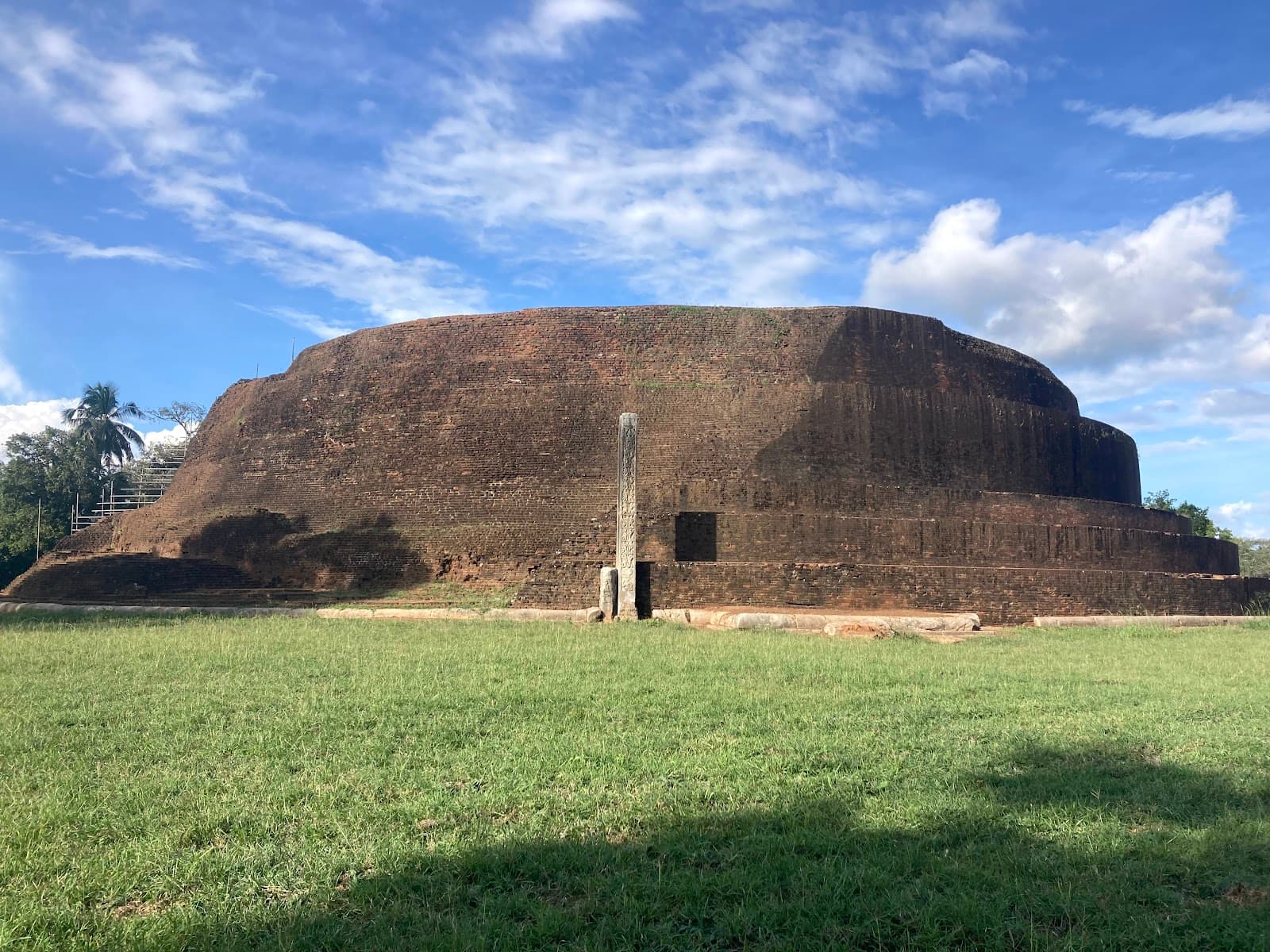
Dakkhina Stupa
A 2nd-century BC brick stupa in Anuradhapura, Sri Lanka, believed to mark King Dutugamunu's cremation site and historically known as King Ellalan's to...
Highlights
Must-see attractions

Social
From TikTok & Reddit
Best Time
Beat the heat and crowds
Dakkhina Stupa
Best Time
Beat the heat and crowds
Highlights
Must-see attractions
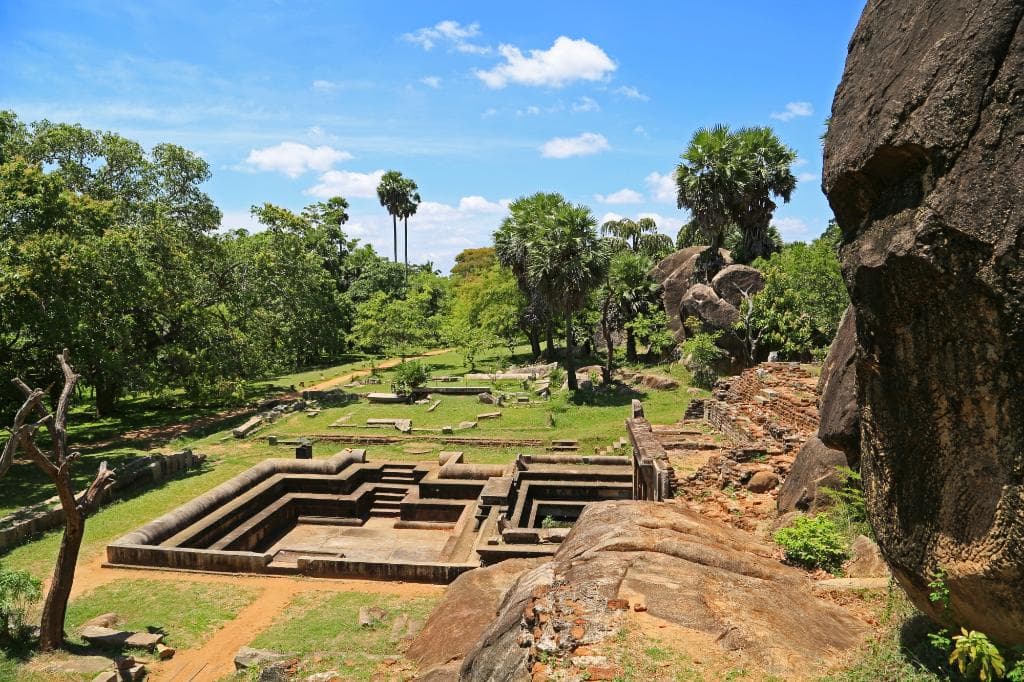
A 2nd-century BC brick stupa in Anuradhapura, Sri Lanka, believed to mark King Dutugamunu's cremation site and historically known as King Ellalan's tomb.
"It seems like real ancient ruins, one can tell it used to be much larger."
Wear Comfortable Shoes
You'll be doing a lot of walking to explore the vast ancient city. :athletic_shoe:
Allocate Plenty of Time
Anuradhapura is a huge UNESCO site; don't rush your visit to Dakkhina Stupa and surrounding ruins. :clock1:
Highlights
Discover the most iconic attractions and experiences
Dakkhina Stupa's Ancient Bricks
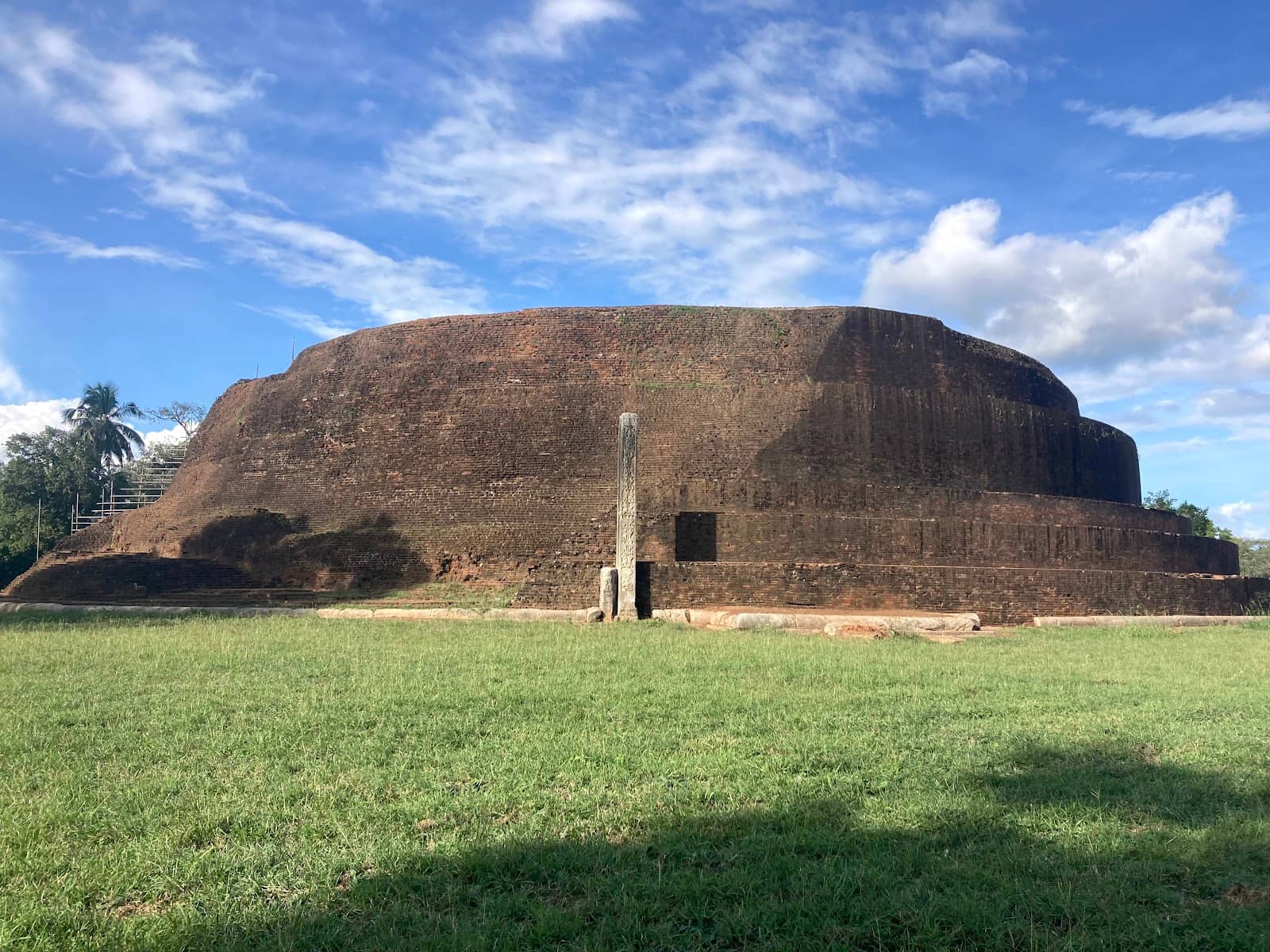
A significant 2nd-century BC brick stupa, believed to mark King Dutugamunu's cremation site. Its ancient structure evokes a powerful sense of history.
The Grounding Feel
Visitors often describe a profound sense of peace and connection to the past when visiting this ancient site. It's a place for quiet contemplation.
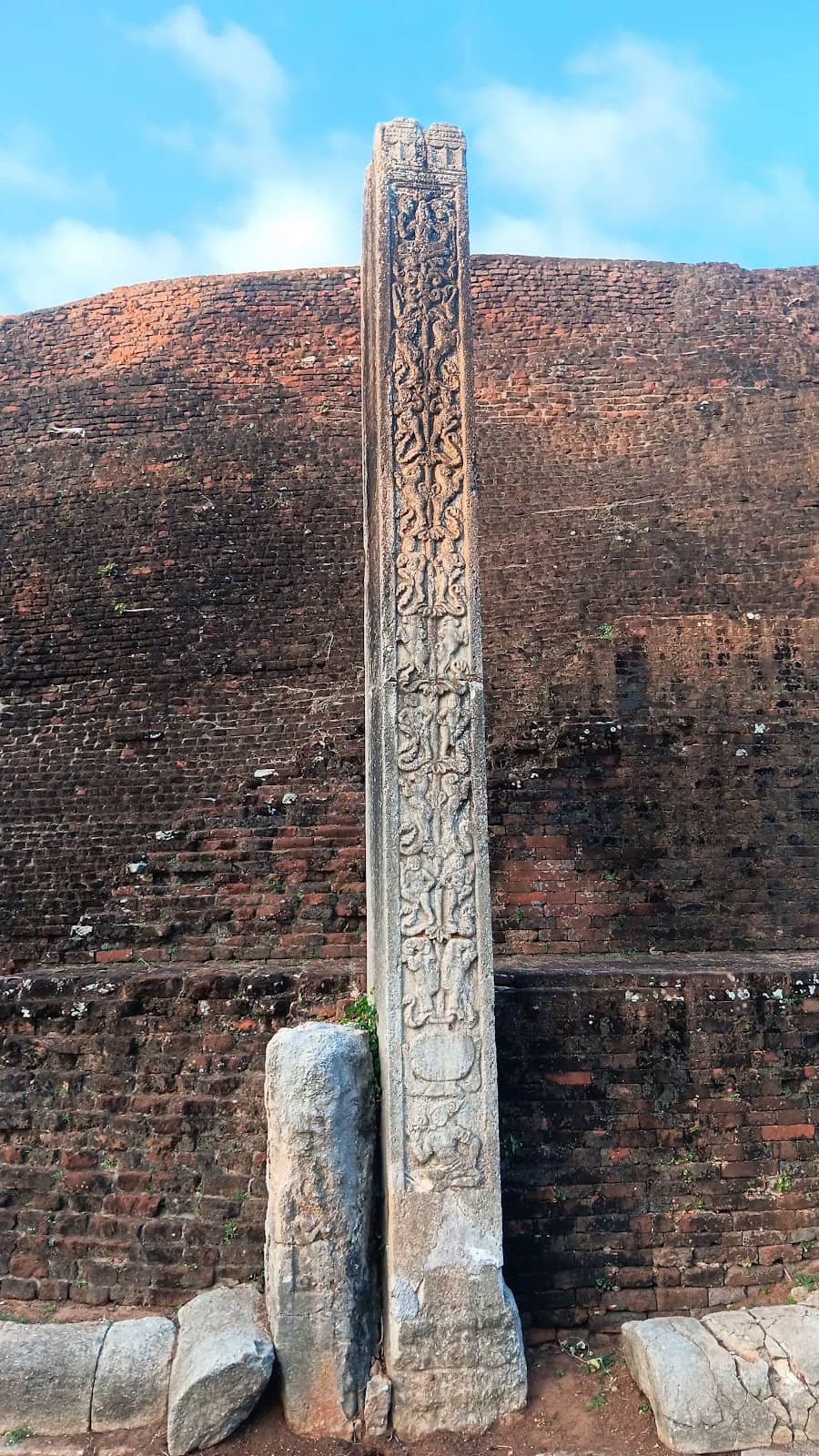
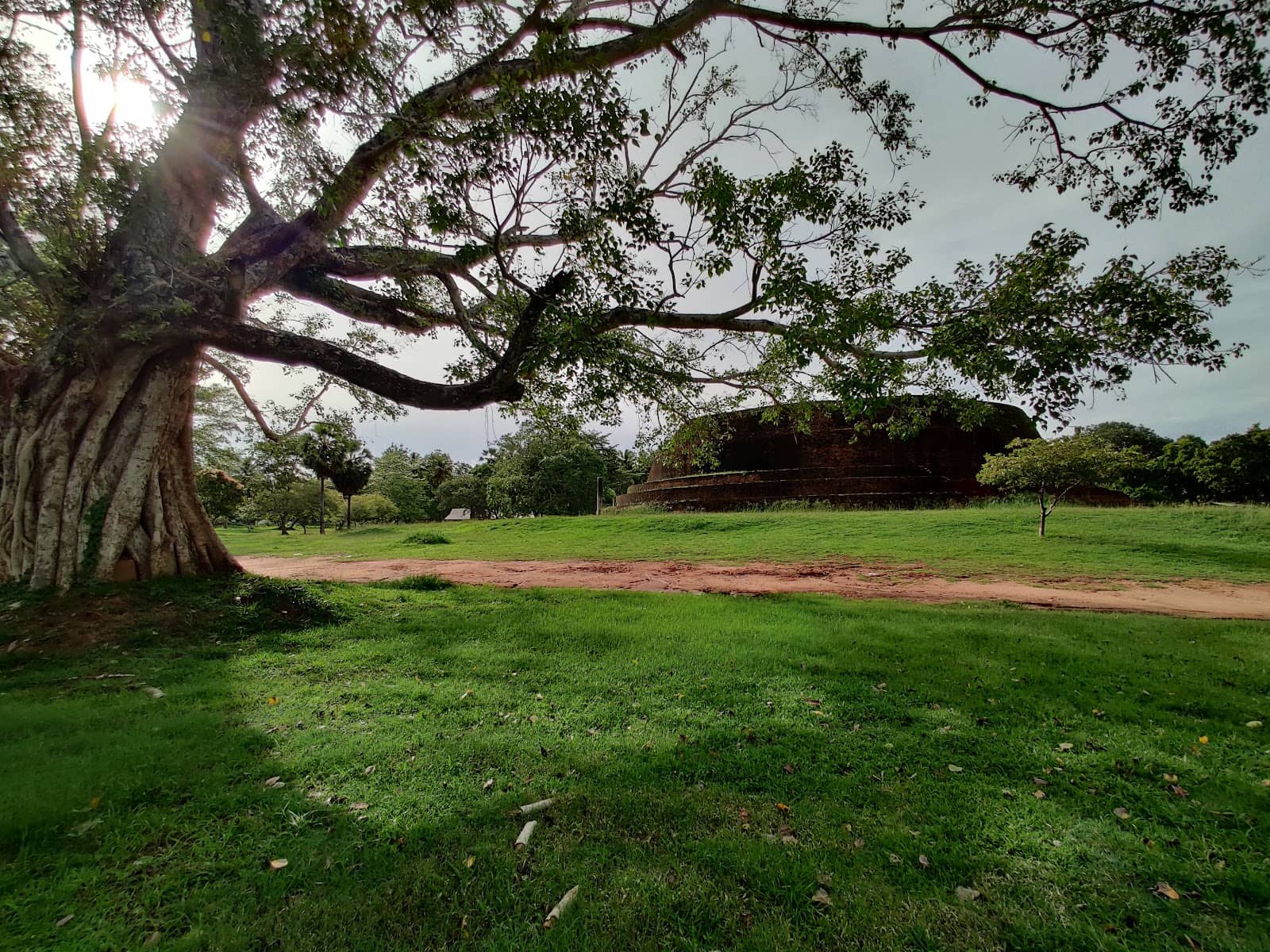
Carved Pillars and Bodhi Tree
Discover a remarkably carved pillar and a large, ancient Bodhi tree on the grounds, adding to the site's spiritual and natural beauty.
Plans like a pro.
Thinks like you
Planning Your Visit
Timing Your Visit to Dakkhina Stupa
Exploring the Ancient City
Best Times
Insider Tips
from TikTok, Instagram & Reddit
Wear Comfortable Shoes
You'll be doing a lot of walking to explore the vast ancient city. :athletic_shoe:
Allocate Plenty of Time
Anuradhapura is a huge UNESCO site; don't rush your visit to Dakkhina Stupa and surrounding ruins. :clock1:
Visit During Golden Hour
Sunset offers beautiful lighting for photos of the stupa and ancient ruins. :camerawithflash:
Respect the Sacred Site
Remember this is a significant religious and historical location. Dress modestly and be mindful of your behavior. :pray:
Tips
from all over the internet
Wear Comfortable Shoes
You'll be doing a lot of walking to explore the vast ancient city. :athletic_shoe:
Allocate Plenty of Time
Anuradhapura is a huge UNESCO site; don't rush your visit to Dakkhina Stupa and surrounding ruins. :clock1:
Visit During Golden Hour
Sunset offers beautiful lighting for photos of the stupa and ancient ruins. :camerawithflash:
Respect the Sacred Site
Remember this is a significant religious and historical location. Dress modestly and be mindful of your behavior. :pray:
What Travellers Say
Reviews Summary
Visitors find Dakkhina Stupa to be a significant historical site within the vast Anuradhapura ancient city, offering a grounding and contemplative experience. While its exact historical identity is debated, its ancient brick structure and connection to legendary kings are compelling. Some find the ruins to be less visually dramatic than other stupas in the complex.
"A UNESCO site at Anuradhapura, it was the political and religious capital that flourished for 1,300 years, was abandoned after an invasion in 993. I do not know how you loose a site like this but it was apparently hidden away in dense jungle for many years, the splendid site, with its palaces, monasteries and monuments, is now accessible once again. Leave lots of time to explore and admire."
Ross Daniels
"I really liked this spot, it seems like real ancient ruins , one can tell it used to be much larger. Lots of birds hopping all over and pla to threatening to grow out through the cracks.
Very grounding feel.
Has one very nice carved pillar.
And one nice large Bodi tree."
Leaf LaRay
"Dakkhina Stupa is a 2nd-century BC large brick Stupa in Anuradhapura, Sri Lanka.
The Stupa was identified to have been built to mark the site of cremation of King Dutugamunu (In 161 BC – 137 BC). The structure was identified in 1946 as Dakkhina Stupa by the eminent archaeologist Mr. Senarath Paranavithana.
This structure was for centuries locally known as the tomb stone of king Ellalan, known as Elara Sohona, which was worshipped by Tamils and Sinhalese.
should visit. It is located on the way to Jaya Sri maha bodhi at mahamewuna uyana."
Hansani Eranga
What People Like
What People Dislike
Frequently Asked Questions
🚇 🗺️ Getting There
Dakkhina Stupa is located within the ancient city of Anuradhapura, a UNESCO World Heritage site. You can reach Anuradhapura by bus or train from major cities like Colombo. Once in Anuradhapura, you can hire a tuk-tuk or a taxi to take you to the ancient city and specifically to Dakkhina Stupa. Many visitors explore the ancient city on foot or by bicycle.
Dakkhina Stupa is situated on the way to the Jaya Sri Maha Bodhi within the Mahamewuna Uyana. While it's part of a larger complex, signage within the ancient city should help guide you. It's often mentioned in conjunction with other key sites, making it discoverable.
Many travelers find that renting a bicycle or hiring a tuk-tuk for the day is the most convenient way to explore the vast ancient city of Anuradhapura, including Dakkhina Stupa. Walking is also an option for shorter distances.
🎫 🎫 Tickets & Entry
Yes, as Dakkhina Stupa is part of the Anuradhapura ancient city, which is a UNESCO World Heritage site, an entrance ticket is required. It's advisable to purchase your ticket at the main entrance to the archaeological park.
The ancient city of Anuradhapura, including Dakkhina Stupa, is generally open from early morning until late evening. However, it's best to check the official timings upon arrival or with your accommodation to ensure you can visit during daylight hours for the best experience.
As Dakkhina Stupa is a significant historical and religious site, it's important to dress modestly. This means covering your shoulders and knees. It's a sign of respect for the local culture and religious practices.
📸 📸 Photography
The 'golden hour' around sunrise and sunset provides the most beautiful lighting for photographs of Dakkhina Stupa and the surrounding ancient ruins. Early mornings also offer fewer crowds, allowing for unobstructed shots.
Generally, photography is allowed at Dakkhina Stupa and within the ancient city. However, always be respectful, especially in areas with active religious practices. Avoid using flash photography inside any enclosed structures if present.
🎫 🏛️ History & Significance
Dakkhina Stupa is a large brick stupa dating back to the 2nd century BC. It's believed to have been built to mark the cremation site of King Dutugamunu. For centuries, it was locally known as the tombstone of King Ellalan (Elara Sohona).
While traditionally believed to be King Ellalan's tomb, archaeological research in the mid-19th century suggested it might not be. It was later identified as the stupa of the ancient Dakini Vihara. This reclassification is considered controversial by some.
The name 'Dakkhina' is believed to relate to the Dakini Vihara, an ancient monastery. The stupa's association with cremation sites also aligns with the concept of 'dakkhina' which can refer to offerings or funeral rites.
For Different Travelers
Tailored advice for your travel style
👨👩👧 Families with Kids
While Dakkhina Stupa itself might be more about historical contemplation, the broader ancient city has elements that can capture a child's interest, such as the ancient irrigation systems and the sheer scale of the ruins. Ensure children are dressed respectfully, covering shoulders and knees, as it is a sacred site.
🚶 Solo Travelers
Consider hiring a local guide for a day to gain deeper insights into the history and significance of the various monuments. Renting a bicycle is also a great way to explore at your own pace and discover hidden corners of the ancient city. Weekdays are ideal for a more peaceful and personal experience.
Deep Dives
In-depth insights and expert knowledge
The Historical Identity of Dakkhina Stupa
However, in the mid-19th century, archaeologist James Fergusson questioned this identification. Later, eminent archaeologist Mr. Senarath Paranavithana identified the structure in 1946 as the Dakkhina Stupa, associated with the ancient Dakini Vihara. This reclassification remains a point of discussion and historical debate in Sri Lankan archaeology.
Regardless of its precise historical designation, the stupa's substantial brick structure and its location within the sacred Mahamewuna Uyana make it a significant monument of the Anuradhapura period, offering a tangible link to the past.
Exploring the Ancient City of Anuradhapura
Visitors often describe the site as having a 'grounding feel,' with remnants of its former grandeur still palpable amidst the ruins. The site was hidden by dense jungle for centuries, adding to its mystique upon rediscovery. Exploring the city requires ample time and comfortable footwear, as the distances between key monuments can be significant.
Key attractions within the ancient city include the Ruwanweliseya, Jetavanaramaya, Abhayagiri Dagoba, and the sacred Jaya Sri Maha Bodhi tree. The sheer scale and historical depth of Anuradhapura make it a must-visit for anyone interested in Sri Lanka's rich cultural heritage.


Social
from TikTok, Instagram & Reddit