Palacio de Santaella
A stunning 16th-century Renaissance and Baroque palace in Écija, famed for its ornate Plateresque facade and elegant courtyards.
Highlights
Must-see attractions

Social
From TikTok & Reddit
Best Time
Best chance for public access
Palacio de Santaella
Best Time
Best chance for public access
Highlights
Must-see attractions
A stunning 16th-century Renaissance and Baroque palace in Écija, famed for its ornate Plateresque facade and elegant courtyards.
"An architectural gem preserving original elements, reflecting the splendor of Écija's nobility."
🤝 Seek an Invitation
Access is often by invitation from a Tennis Club member. A friendly concierge might offer a brief tour if available.
📅 Check for Events
Look for special exhibitions or concerts hosted at the palace for public viewing opportunities.
Highlights
Discover the most iconic attractions and experiences
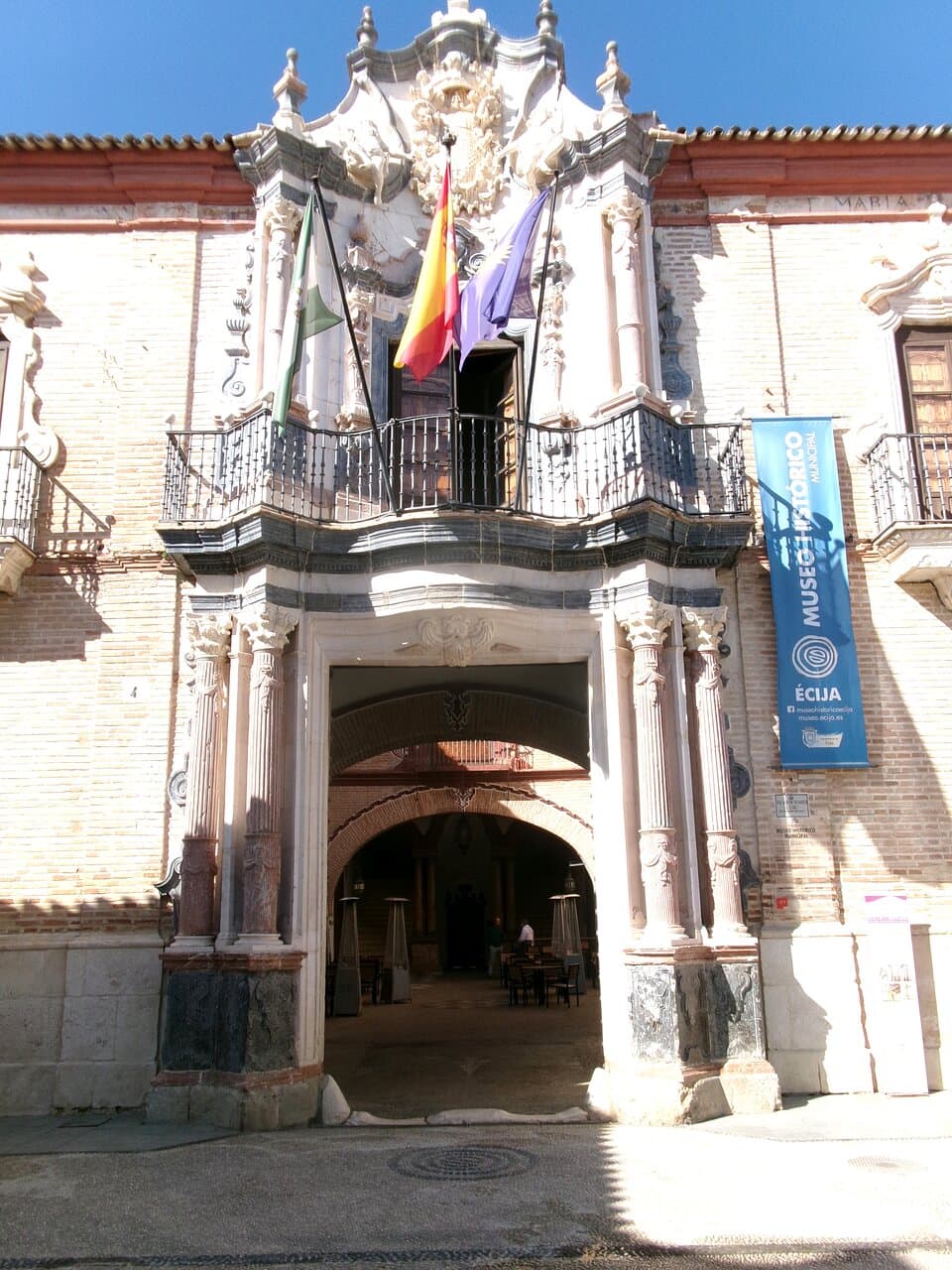
Plateresque Facade
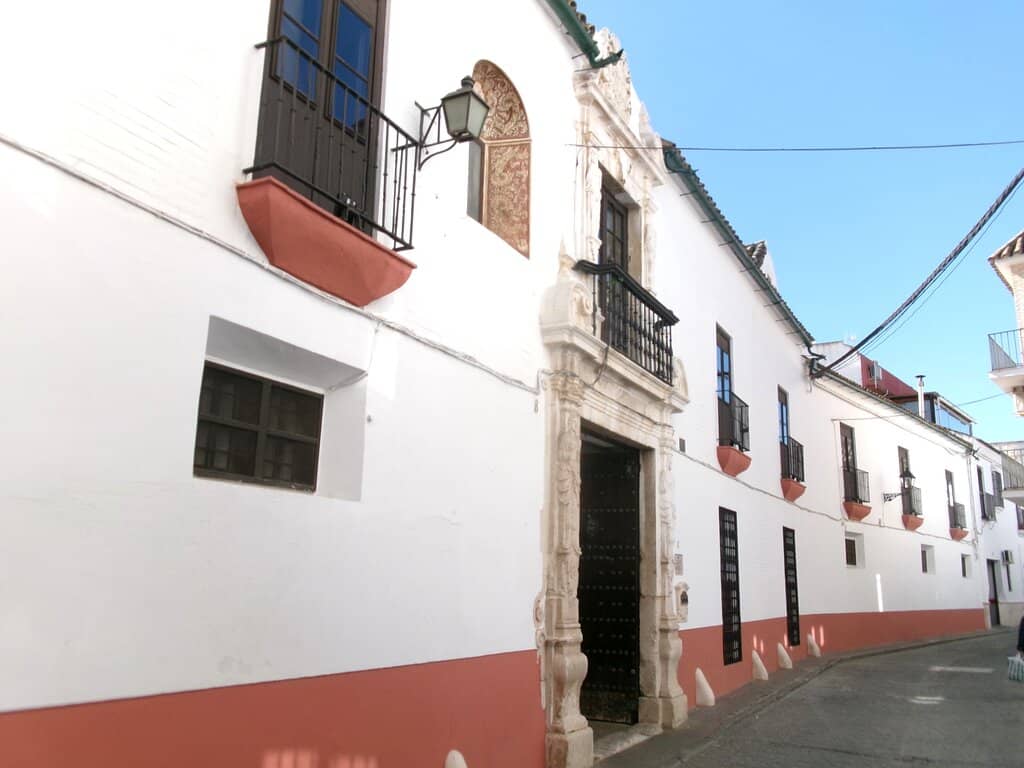
Admire the intricate stone carvings and ornamental details of this 18th-century masterpiece, featuring unique caryatid figures.
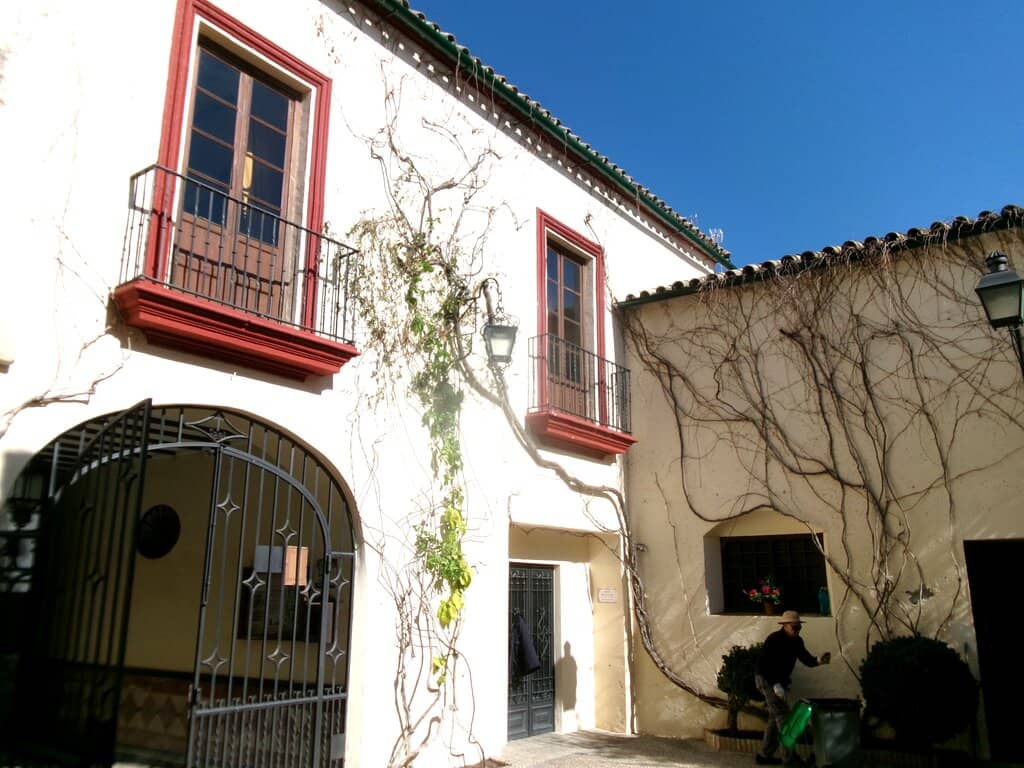
Elegant Interior Courtyard
Step into a serene space with marble columns, glazed galleries, and a beautiful Moorish-style staircase, a true architectural gem.
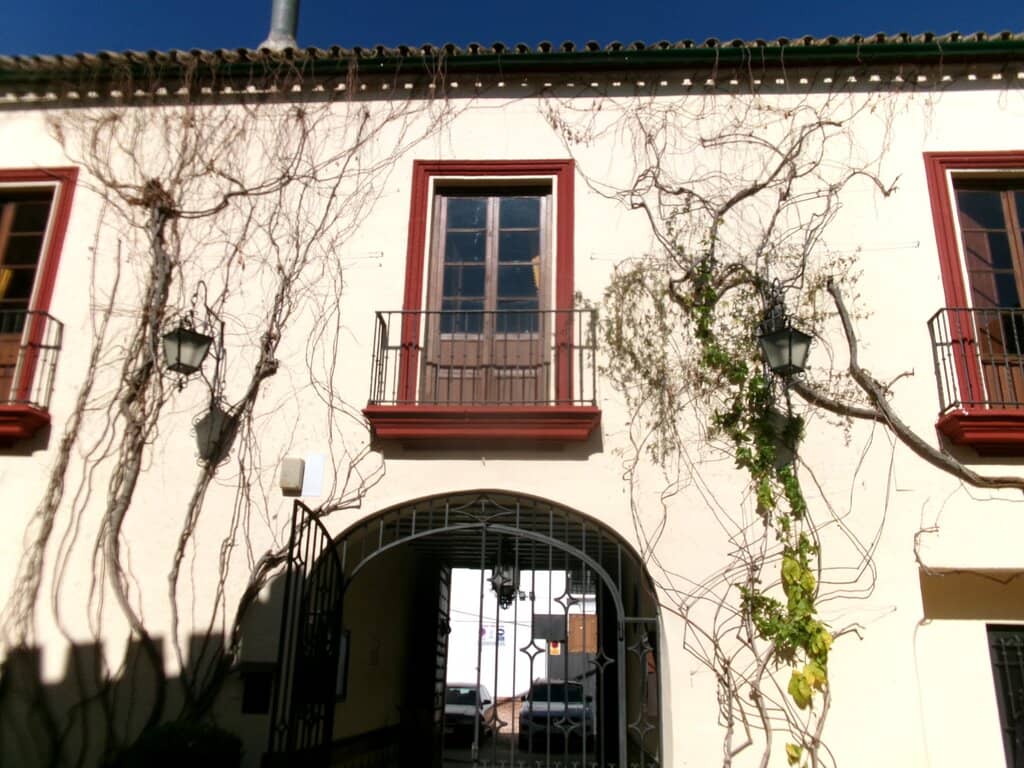
Moorish-Style Staircase
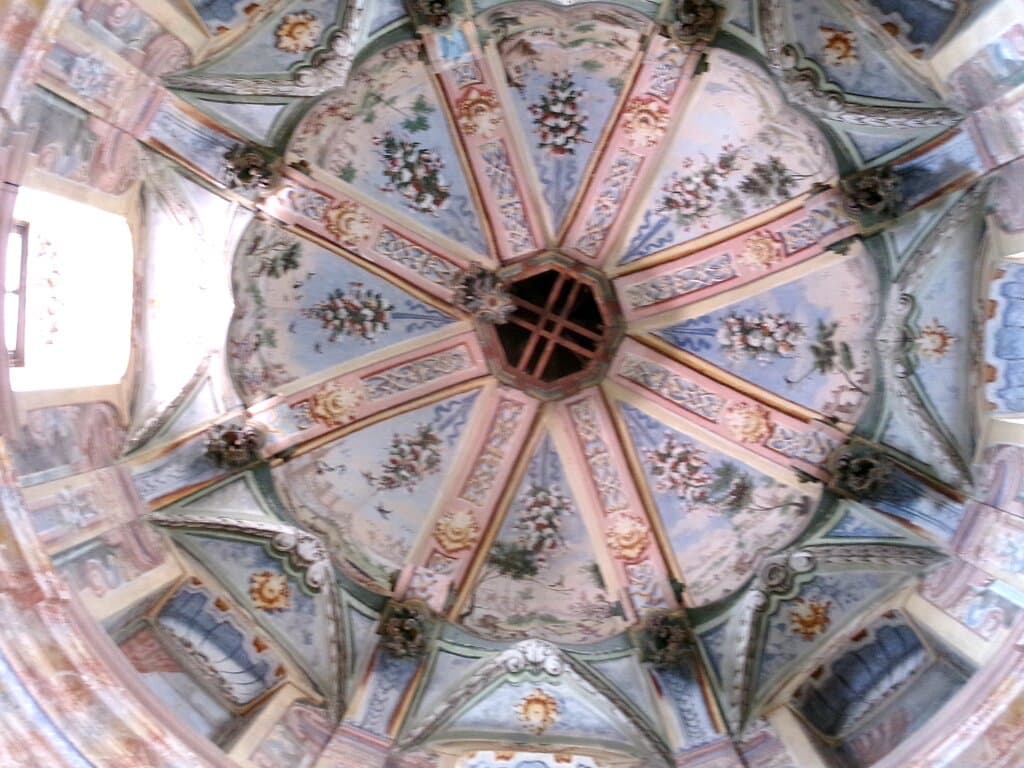
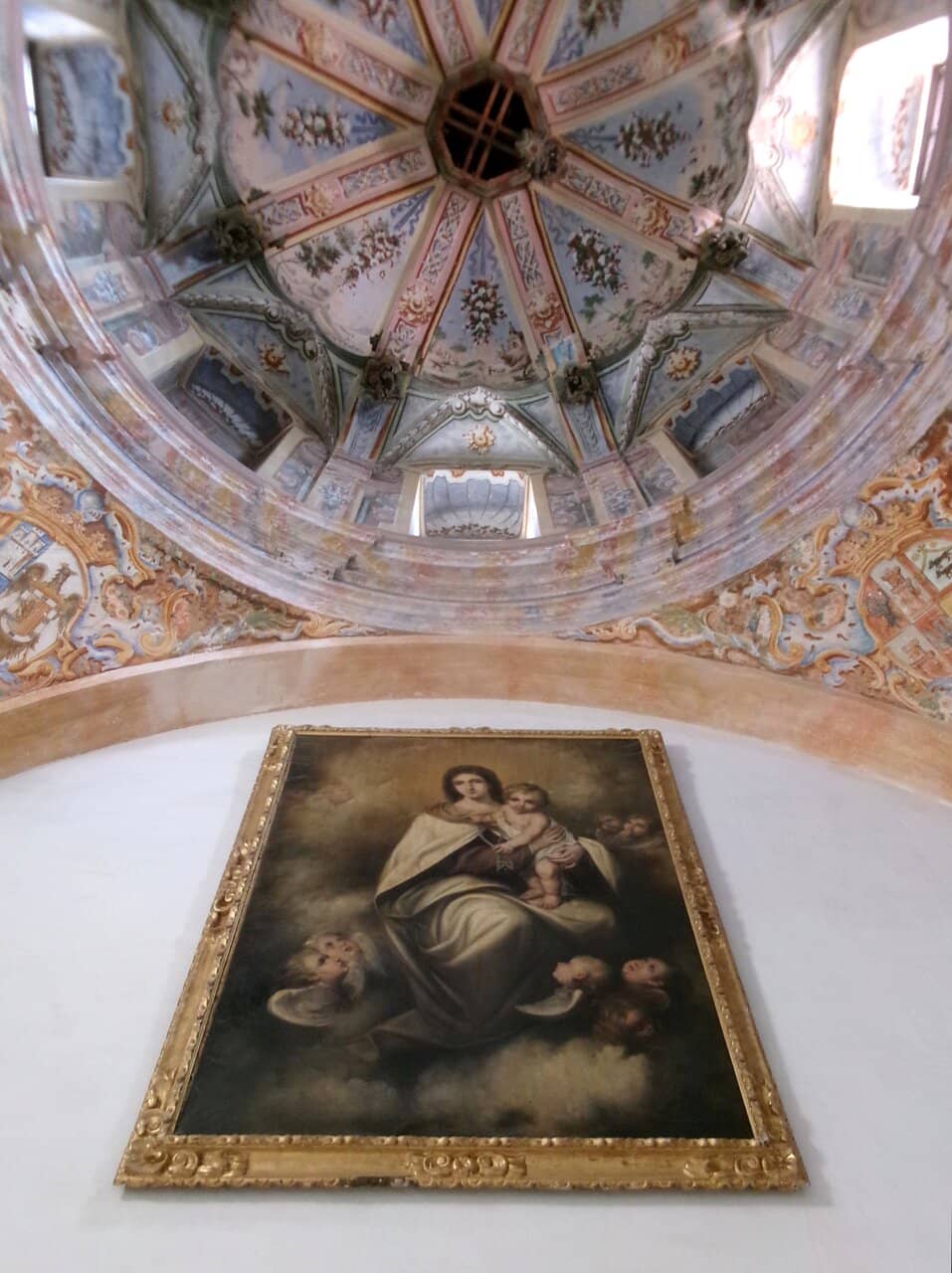
Ascend a magnificent staircase with two flights, topped by a dome adorned with vibrant 18th-century pictorial motifs.
Plans like a pro.
Thinks like you
Planning Your Visit
Access & Hours
Architectural Significance
Best Times
Insider Tips
from TikTok, Instagram & Reddit
🤝 Seek an Invitation
Access is often by invitation from a Tennis Club member. A friendly concierge might offer a brief tour if available.
📅 Check for Events
Look for special exhibitions or concerts hosted at the palace for public viewing opportunities.
📸 Admire the Details
Focus on the ornate facade, courtyards, and the stunning staircase for memorable photos.
Tips
from all over the internet
🤝 Seek an Invitation
Access is often by invitation from a Tennis Club member. A friendly concierge might offer a brief tour if available.
📅 Check for Events
Look for special exhibitions or concerts hosted at the palace for public viewing opportunities.
📸 Admire the Details
Focus on the ornate facade, courtyards, and the stunning staircase for memorable photos.
What Travellers Say
Reviews Summary
Palacio de Santaella is lauded as an architectural gem, praised for its magnificent 16th-century Renaissance and Baroque design, particularly its ornate Plateresque facade and elegant interior courtyard. While access is limited due to its private nature as a Tennis Club, those who manage to visit, often by invitation, find it a well-preserved and beautiful example of Écija's noble civil architecture.
"The Santaella Palace is a magnificent 16th-century Renaissance building, notable for its impressive Plateresque façade and elegant interior courtyard. This stately building preserves original architectural elements of great historical value, including marble columns, semicircular arches, and a beautiful Moorish-style staircase. The palace is an excellent example of Écija's civil architecture of the period, reflecting the splendor and wealth of the local nobility. An architectural gem that deserves a visit."
Alicia Fernández
"The Santaella Palace is one of Écija's most stately civil buildings. Of Baroque origin, its stone and brick façade features an elegant gateway flanked by columns and a wrought-iron balcony. Upon entering, one discovers a central courtyard with marble columns and glazed galleries that provide access to the rooms. These rooms still retain wooden coffered ceilings, hydraulic tile floors, and some frescoes that recall the splendor of Écija's nobility. The main staircase leads to the main floor, where the rooms are arranged around the light-filled courtyard. Although it currently houses offices and not all the rooms are open to the public, strolling through its courtyards and corridors allows one to imagine the lives of the Marquesses and appreciate the city's Baroque civil architecture."
Sergio Sevilla
"Palace with an elegant exterior, in principle not open to the general public."
Andres Vol
What People Like
What People Dislike
Frequently Asked Questions
🚇 🗺️ Getting There
Palacio de Santaella is located in Écija, Spain. If you're driving, there is likely street parking available nearby. Public transport options within Écija might be limited, so check local bus routes if not arriving by car.
Écija is a historic city, and while it has public transport, direct access to the palace might require a short walk from the nearest bus stop. It's best to check local Écija transport schedules.
🎫 🎫 Tickets & Entry
Generally, access is restricted as it houses a Tennis Club and private residences. Visits are typically by invitation from a member or during special events.
As it's a private club, there are no standard public opening hours. Check for any advertised events or exhibitions that might grant public access.
Entry is usually free if you are invited by a member or attend a free event. For ticketed events, prices will vary.
If visiting for a specific event, booking in advance is highly recommended, especially for popular exhibitions or concerts.
🎫 🏛️ Onsite Experience
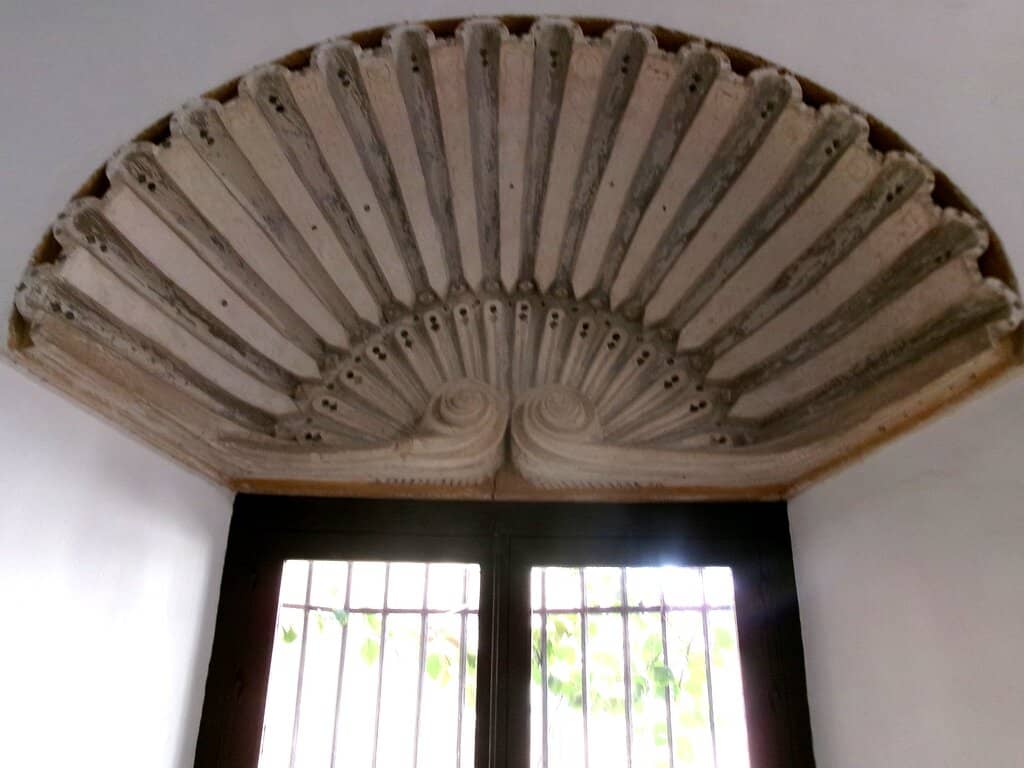
Inside, you can admire original architectural elements like marble columns, semicircular arches, glazed galleries, wooden coffered ceilings, and hydraulic tile floors. The main staircase and its dome are particularly noteworthy.
Yes, the palace's ornate facade, elegant courtyards, and detailed interiors offer excellent photographic opportunities.
The palace showcases Renaissance and Baroque architecture, with a notable Plateresque facade and Moorish influences in its design.
Official guided tours for the general public are rare. However, if you are invited by a member, they or a friendly concierge might offer a brief informal tour.
🍽️ 🍽️ Food & Dining
The palace houses a Tennis Club, which may have dining facilities. One review mentioned a restaurant with a fine wine list.
For Different Travelers
Tailored advice for your travel style
🏛️ Architecture Enthusiasts
Appreciate the details like wooden coffered ceilings and hydraulic tile floors that speak to the palace's historical significance as a noble residence. The connection to other Baroque mansions in Écija offers a broader understanding of the region's architectural evolution.
🎾 Tennis Club Members & Guests
Take the opportunity to explore the architectural details that make this palace so special, from the facade to the staircase. Your access allows for a more intimate appreciation of this historical gem.
Deep Dives
In-depth insights and expert knowledge
Architectural Marvels of Palacio de Santaella
Upon entering, visitors are greeted by an elegant interior courtyard, a common element in Andalusian palaces designed for light and ventilation. This courtyard features marble columns and glazed galleries, providing access to the various rooms. The palace also preserves original elements such as wooden coffered ceilings and hydraulic tile floors, offering a glimpse into the grandeur of its past. The Moorish-style staircase is particularly impressive, with two flights leading to the upper floor, capped by a dome richly decorated with 18th-century pictorial motifs.
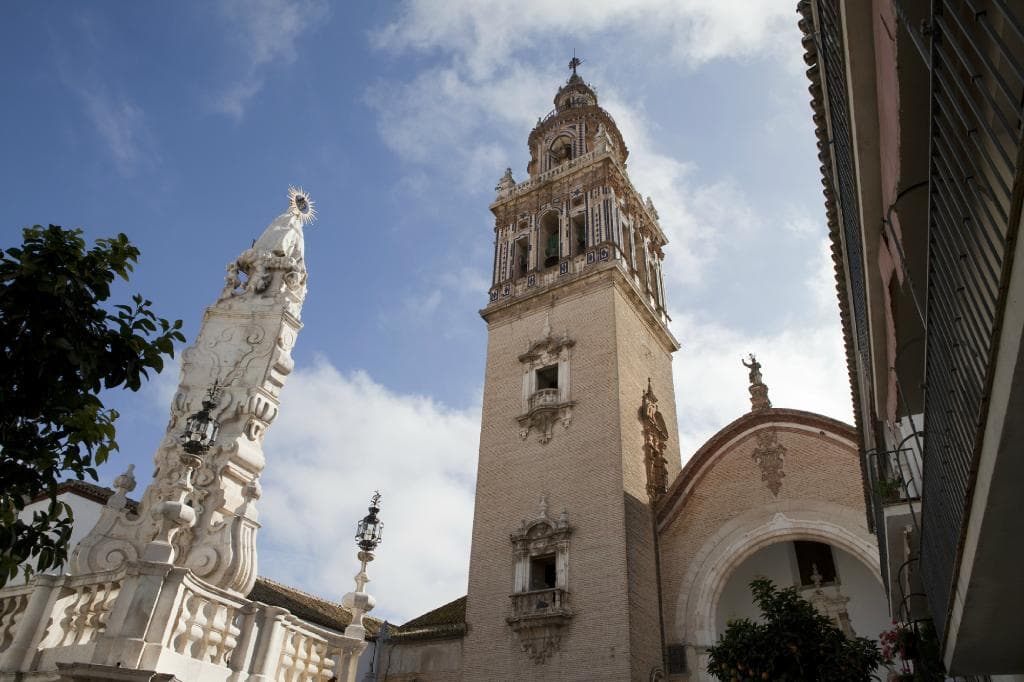
The palace's design is closely related to other notable Baroque mansions in Écija, suggesting a shared workshop or influence among master builders. The presence of a street altarpiece dedicated to the Virgin of Valvanera on one side of the facade further adds to its charm and historical context, showcasing the religious and artistic sensibilities of the era.
Access and Visitor Experience
Despite the limited public access, those who have managed to visit often speak highly of the experience. A friendly concierge may sometimes offer informal tours, providing insights into the palace's history and architecture. This personal touch can make the visit feel exclusive and memorable. Reviews suggest that even a brief walkthrough of the courtyards and corridors allows one to appreciate the historical splendor and imagine the lives of the former nobility.
For those without a direct invitation, keeping an eye out for special events, exhibitions, or concerts hosted at the palace is the best alternative. These occasions are sometimes opened to the public and offer a rare opportunity to admire the palace's architectural gems. TikTok videos have showcased such events, highlighting the palace's role as a venue for cultural activities.

Social
from TikTok, Instagram & Reddit