Iglesia de Santiago
A Gothic-Mudejar masterpiece in Écija, boasting a striking brick tower, intricate altarpieces, and devotional chapels.
Highlights
Must-see attractions

Social
From TikTok & Reddit
Best Time
Fewer crowds, peaceful atmosphere
Iglesia de Santiago
Best Time
Fewer crowds, peaceful atmosphere
Highlights
Must-see attractions
A Gothic-Mudejar masterpiece in Écija, boasting a striking brick tower, intricate altarpieces, and devotional chapels.
"A must-see for understanding Sevillian Mudéjar architecture and its artistic treasures."
📸 Capture the Details
Don't miss the intricate carvings and altarpieces. The light streaming through stained glass is magical. :camerawithflash:
🚶♂️ Explore the Atrium
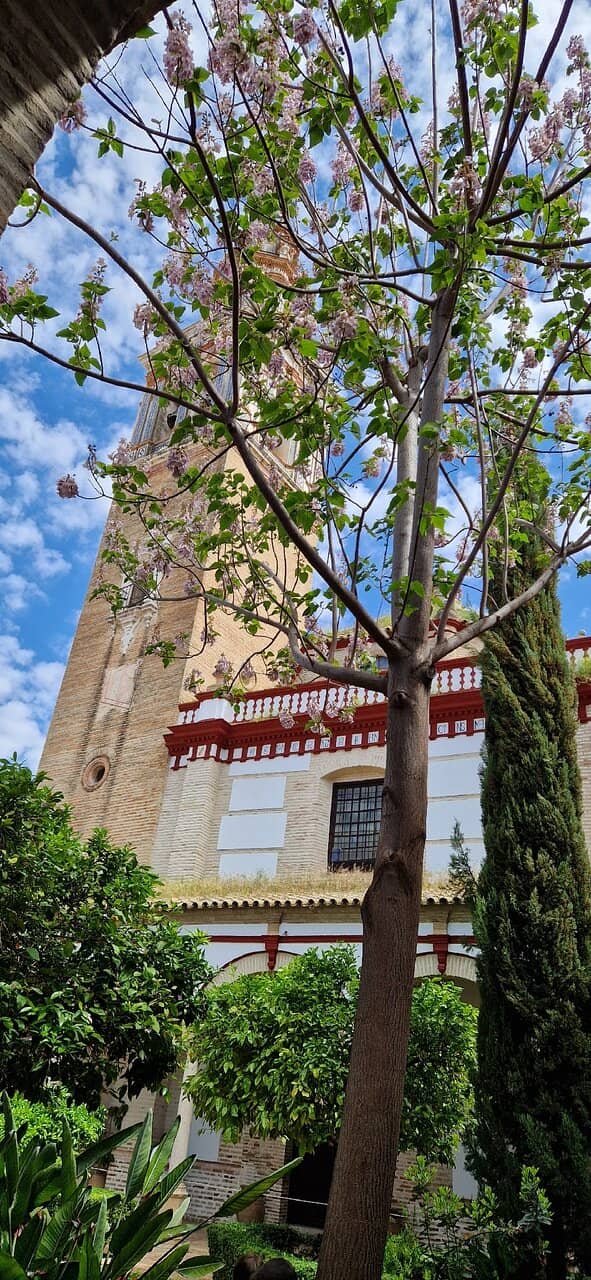
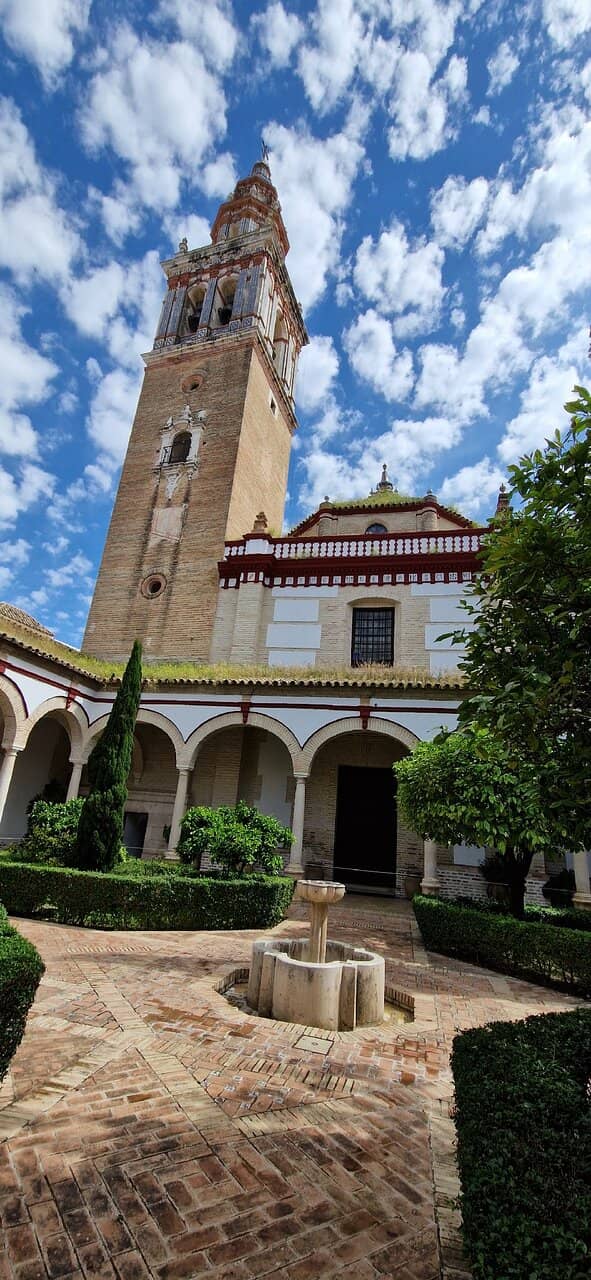
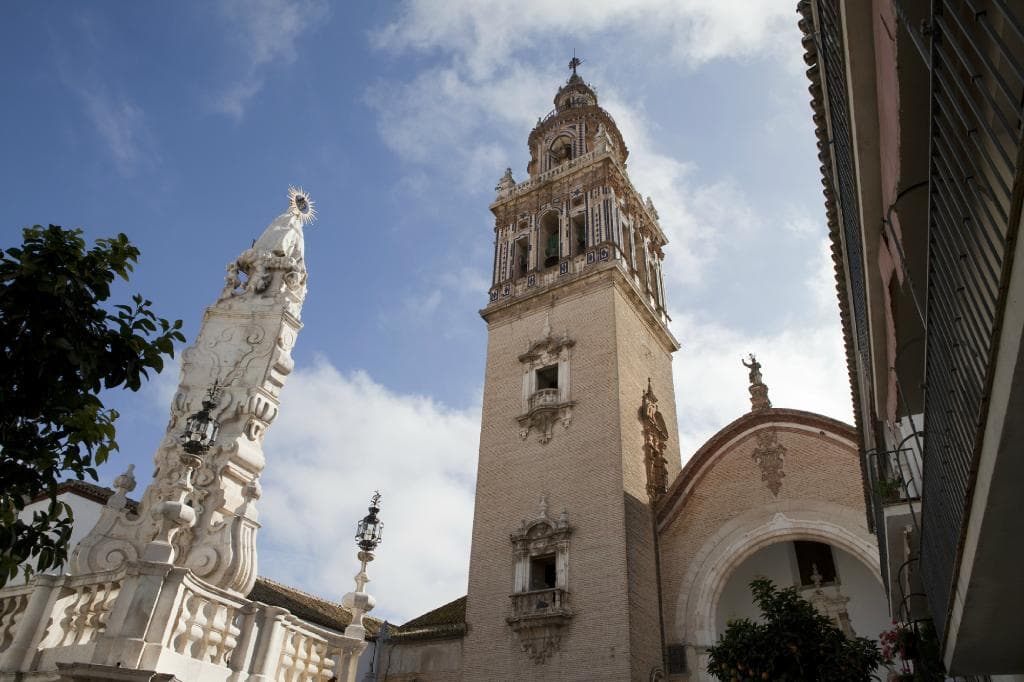
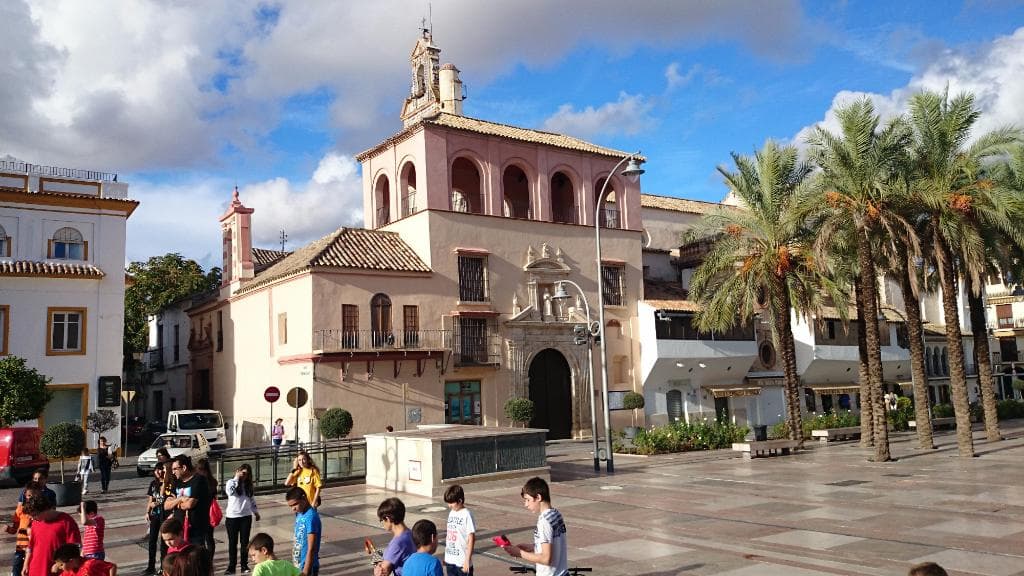
The entrance atrium offers a great vantage point for photos of the iconic bell tower. :camerawithflash:
Highlights
Discover the most iconic attractions and experiences
Gothic-Mudejar Tower
Exterior
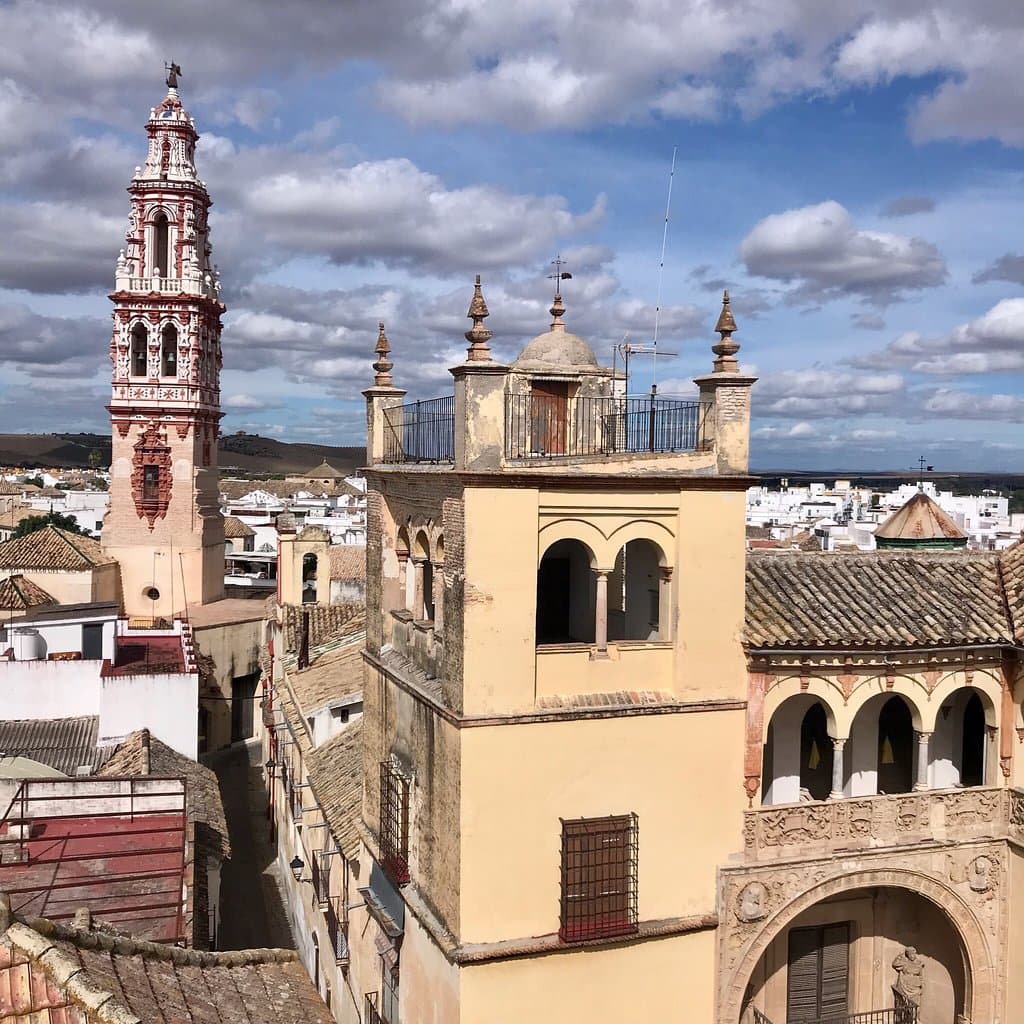
A slender, brick and ceramic tower that dominates the neighborhood, a hallmark of Écija's architecture.
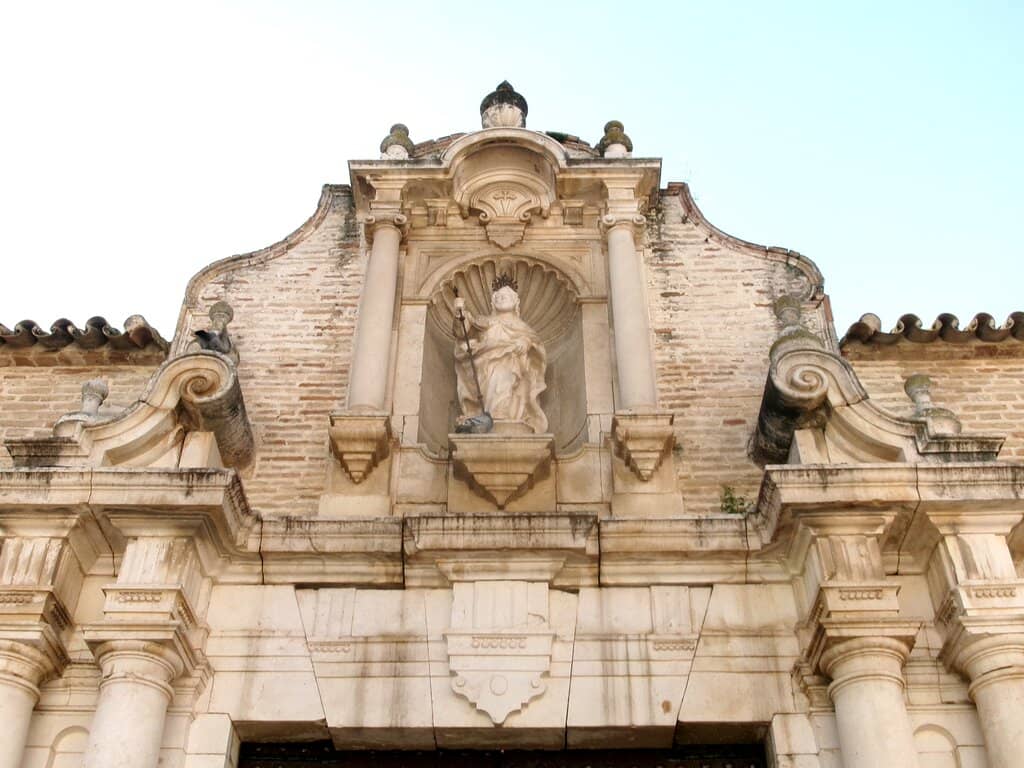
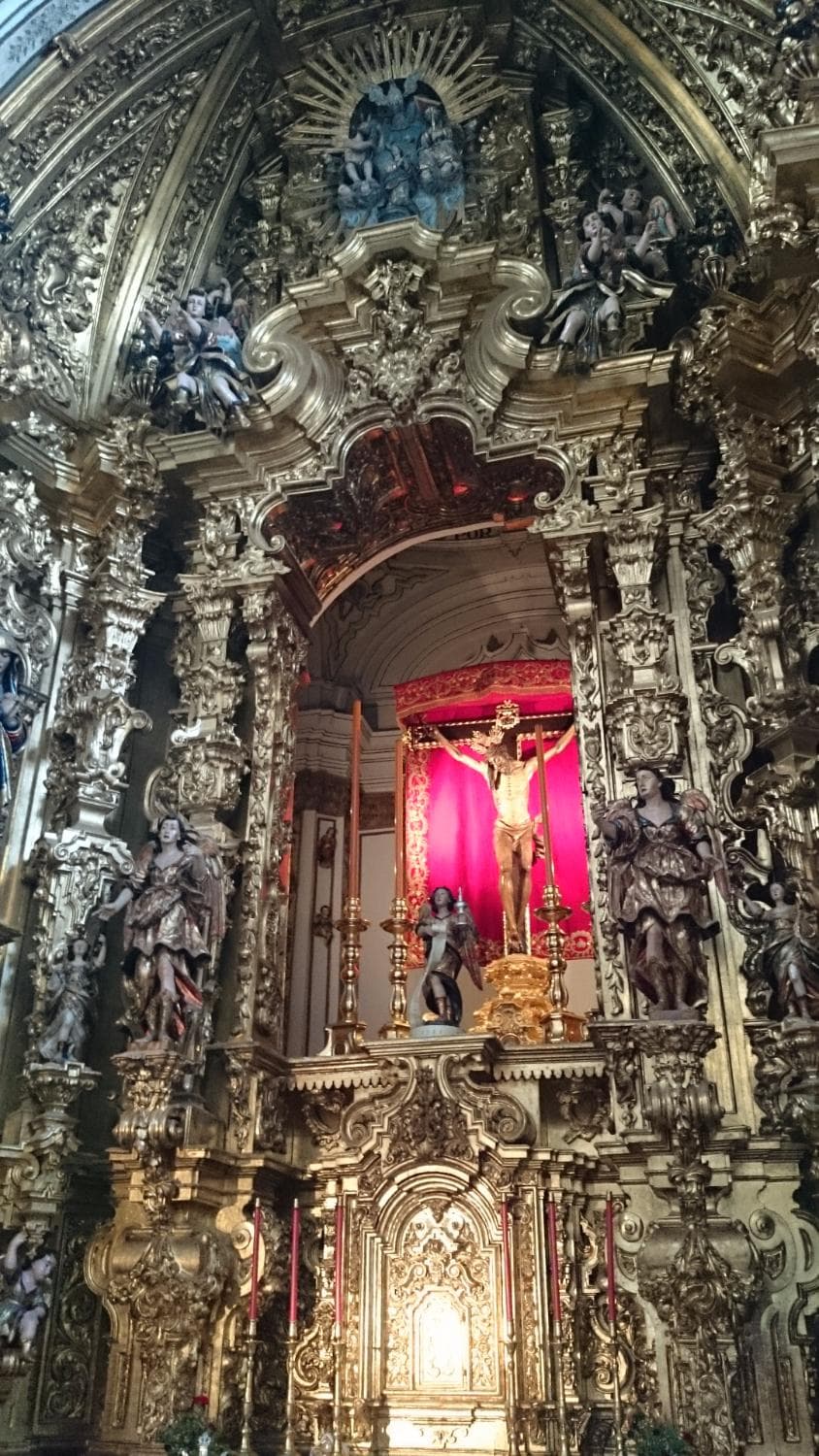
Main Altarpiece
Interior
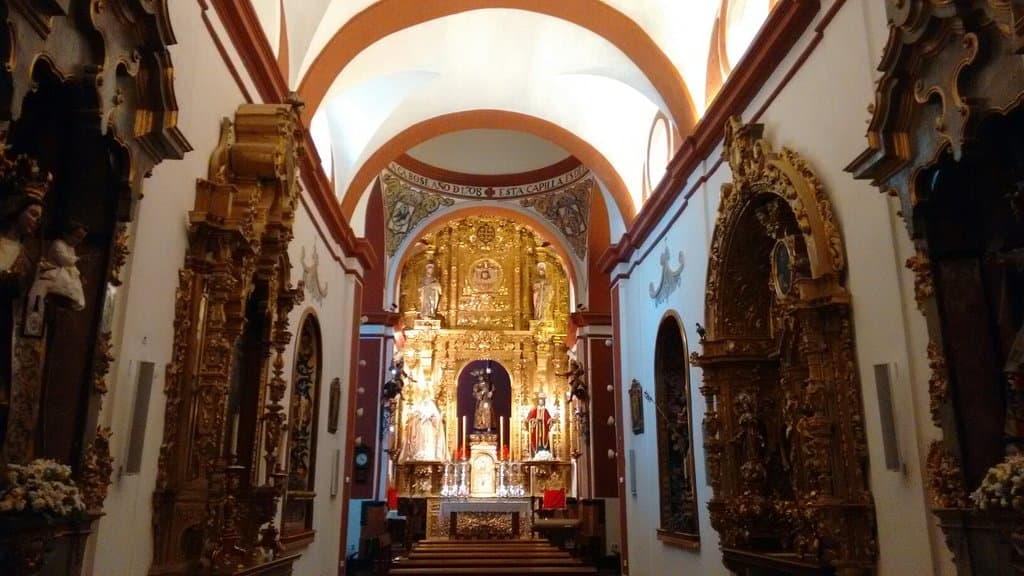
A harmonious blend of paintings and sculptures, illuminated to showcase its Renaissance beauty.
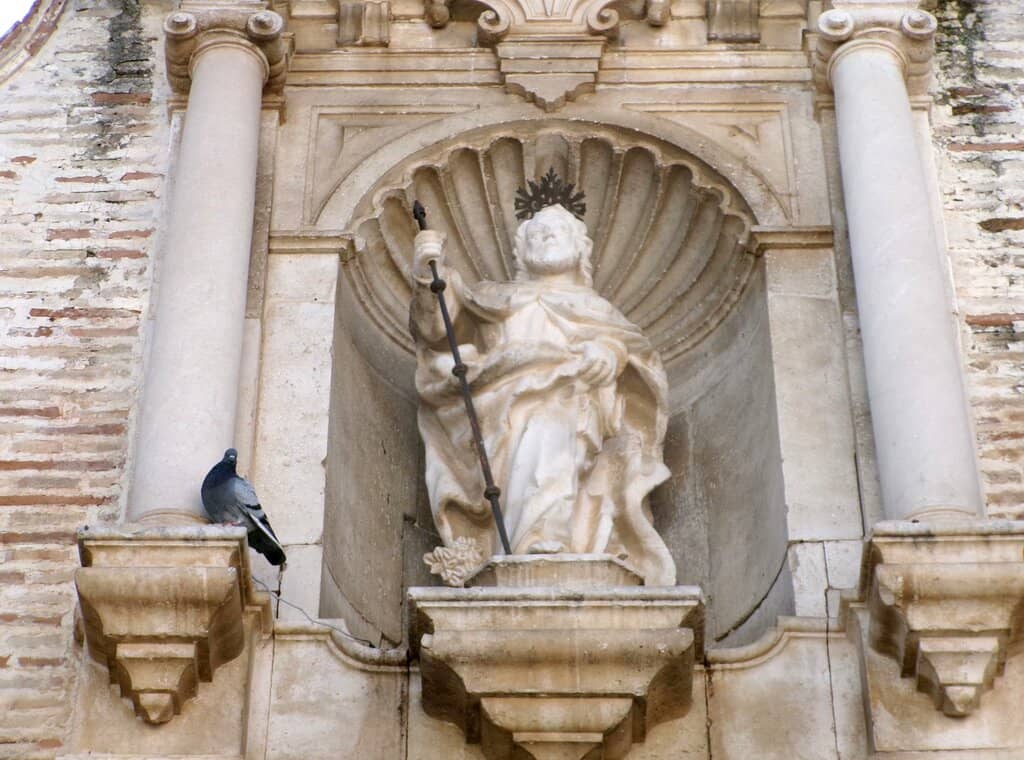
Baroque Side Chapels
Interior
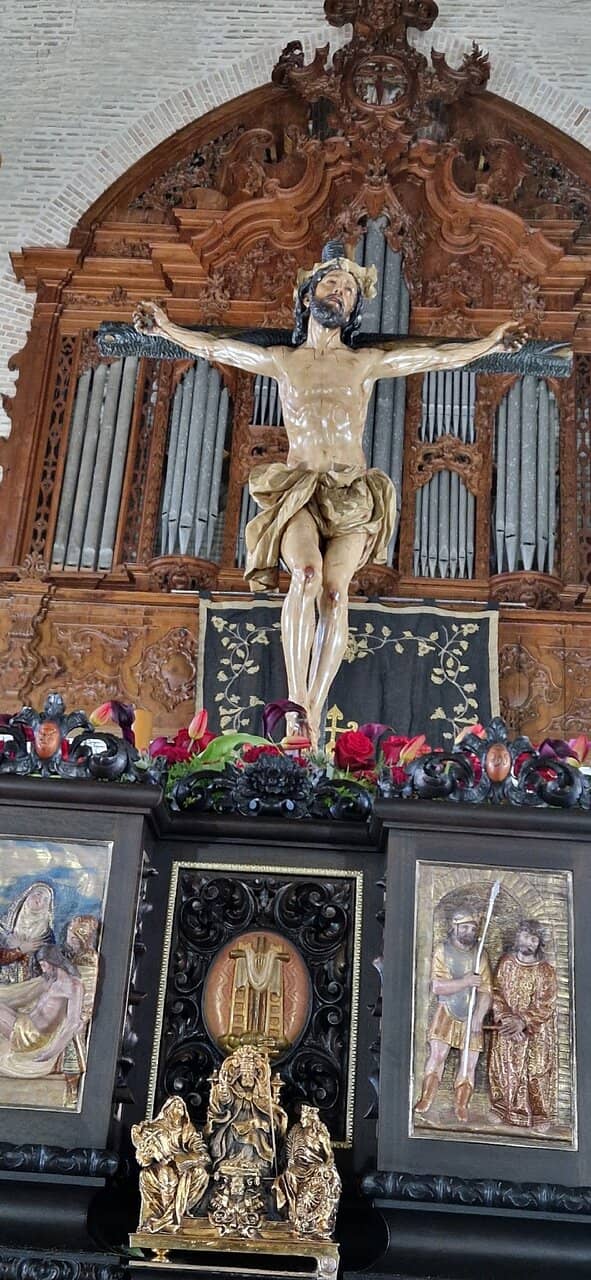
Home to beautifully carved 16th-century Christ and statues of local devotion like Our Lady of Grace.
Plans like a pro.
Thinks like you
Planning Your Visit
Timing Your Visit
Architectural Gems
Best Times
Insider Tips
from TikTok, Instagram & Reddit
📸 Capture the Details
Don't miss the intricate carvings and altarpieces. The light streaming through stained glass is magical. :camerawithflash:
🚶♂️ Explore the Atrium
The entrance atrium offers a great vantage point for photos of the iconic bell tower. :camerawithflash:
⏳ Allow Ample Time
To truly appreciate the art and architecture, dedicate at least an hour to your visit. :stopwatch:
🙏 Respectful Visit
Remember it's an active place of worship. Maintain a quiet and respectful demeanor inside. :pray:
Tips
from all over the internet
📸 Capture the Details
Don't miss the intricate carvings and altarpieces. The light streaming through stained glass is magical. :camerawithflash:
🚶♂️ Explore the Atrium
The entrance atrium offers a great vantage point for photos of the iconic bell tower. :camerawithflash:
⏳ Allow Ample Time
To truly appreciate the art and architecture, dedicate at least an hour to your visit. :stopwatch:
🙏 Respectful Visit
Remember it's an active place of worship. Maintain a quiet and respectful demeanor inside. :pray:
What Travellers Say
Reviews Summary
Visitors consistently praise Iglesia de Santiago for its stunning Gothic-Mudejar architecture, particularly its iconic tower and intricate brickwork. The interior altarpieces and devotional statues are highlighted as significant artistic treasures, offering a rich historical and cultural experience. While generally free to enter, some note that checking opening hours is advisable due to active services.
"A Gothic-Renaissance brick church with two beautiful altarpieces and a Baroque side chapel with a statue of Our Lady of Grace. Another chapel features a statue of Our Lady of the Shepherdess and a beautifully carved 16th-century Christ. A visit is highly recommended. The entrance has a beautiful atrium from which the bell tower, typical of Ecija, can be clearly seen."
Angel Garcia Lacuesta
"The Church of Santiago in Écija is a beautiful Mudéjar-Gothic temple. Its slender tower dominates the neighborhood and combines brick and ceramic. The interior is striking, with a coffered wooden ceiling, wide pointed arches, and a Baroque altarpiece dedicated to the Apostle James. Along the nave are chapels with images of local devotion and altarpieces from various periods, from the Renaissance to the Baroque. The choir and organ are well preserved, and the light streaming through the stained-glass windows creates a serene atmosphere. It is a must-see for anyone wanting to understand Sevillian Mudéjar architecture."
Sergio Sevilla
"It belongs to the 15th-century Gothic-Mudejar style. Its main altarpiece, where paintings and sculptures alternate harmoniously, is a marvel. The altarpiece is illuminated. The carvings are very beautiful. The current tower was built between 1757 and 1766. It is one of the most typical in the city, with its large brick body decorated with tiles of local influence."
Katy Sánchez
What People Like
What People Dislike
Frequently Asked Questions
🚇 🗺️ Getting There
Iglesia de Santiago is located in the heart of Écija. If you're arriving by car, there are parking options nearby, though navigating narrow city streets can be tricky. Public transport options within Écija are limited, so walking from your accommodation or a central point is often the easiest way to reach it.
While Écija has some bus services, direct routes to Iglesia de Santiago might be infrequent. It's best to check local bus schedules or consider a taxi for convenience if you're not staying centrally.
🎫 🎫 Tickets & Entry
Generally, entry to Iglesia de Santiago is free, as it is an active church. However, there might be specific times or areas that require a ticket for guided tours or special exhibitions. It's always wise to check for any updates before your visit.
Opening hours can vary, especially on Sundays and holidays due to services. It's recommended to check the church's official website or local tourist information for the most up-to-date hours to avoid disappointment.
You can visit during mass, but it's important to be respectful and quiet. Some areas might be restricted during services. If you wish to explore freely, it's best to visit outside of mass times.
📸 📸 Photography
Photography is usually permitted inside Iglesia de Santiago for personal use, but without flash to protect the artwork and maintain a peaceful atmosphere. Some areas or specific exhibits might have restrictions, so observe any signage.
The exterior tower and the atrium offer excellent photo opportunities. Inside, focus on the illuminated main altarpiece, the detailed carvings, and the play of light from the stained-glass windows.
🎫 🏛️ Architecture & Art
Iglesia de Santiago is a prime example of Gothic-Mudejar architecture, dating back to the 15th-17th centuries. It features a blend of Gothic structure with Mudejar decorative elements, particularly in its brickwork and ceramic details.
The church boasts several significant artworks, including Gothic-Renaissance altarpieces, a Baroque altarpiece dedicated to Saint James, and chapels with statues of local devotion like Our Lady of Grace and Our Lady of the Shepherdess. The 16th-century Christ carving is also noteworthy.
The tower, built between 1757 and 1766, is one of Écija's most typical. It's characterized by its large brick body adorned with local tiles, making it a distinctive feature of the city's skyline.
For Different Travelers
Tailored advice for your travel style
Art & Architecture Enthusiasts
Take your time to explore the coffered wooden ceilings and the play of light through the stained-glass windows. The Montero Chapel and the devotional statues in the side chapels are also key points of interest. Consider bringing a sketchbook or camera to capture the intricate details.
History Buffs
Delve into the history of the altarpieces, which span from the Renaissance to the Baroque periods, each reflecting the artistic trends and religious fervor of its time. The presence of statues of local devotion also offers insight into the enduring traditions and community life of Écija.
Deep Dives
In-depth insights and expert knowledge
Architectural Fusion: Gothic-Mudejar Masterpiece
The interior further elaborates on this blend. You'll find wide, pointed Gothic arches supporting a striking coffered wooden ceiling, a common feature in Mudejar design. The interplay of light and shadow within the nave, enhanced by the stained-glass windows, creates a serene and contemplative atmosphere. This architectural approach not only makes the church visually stunning but also offers a deep dive into the historical and cultural influences that shaped the region.
Beyond the primary style, the church also incorporates elements from the Renaissance and Baroque periods, particularly in its altarpieces and chapels. This layering of styles reflects the church's long history and continuous evolution, making it a rich site for anyone interested in art history and architectural development.
Artistic Treasures Within
Several side chapels house significant devotional images. Notably, you'll find a beautifully carved 16th-century Christ and statues of local importance, such as Our Lady of Grace and Our Lady of the Shepherdess. These pieces are not only artistically valuable but also hold deep cultural and religious significance for the local community.
The Montero Chapel is another highlight, showcasing Renaissance artistry. The presence of a well-preserved choir and organ further adds to the church's artistic and historical appeal, providing a glimpse into its musical heritage.

Social
from TikTok, Instagram & Reddit