Centro Cultural El Salvador
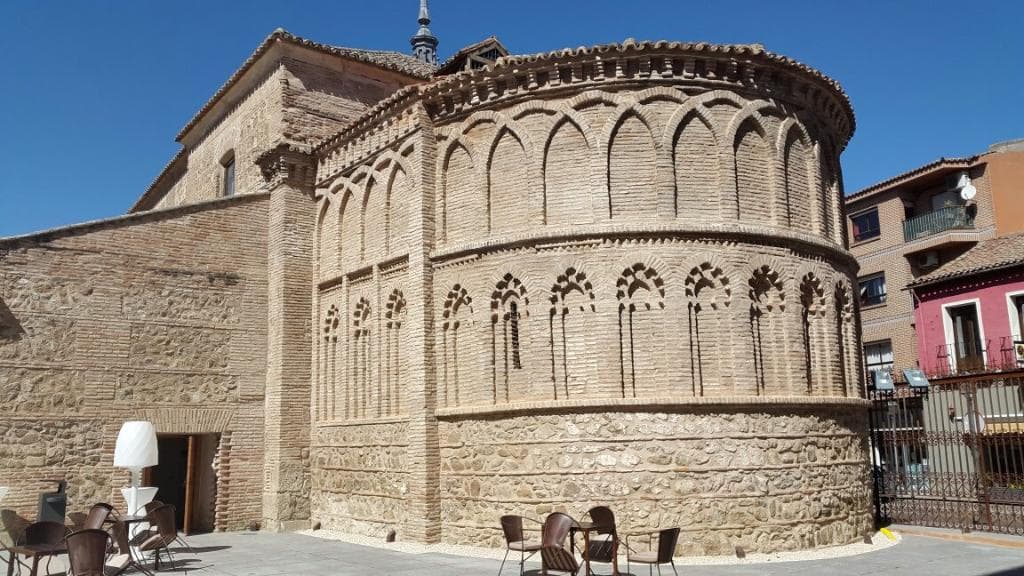
A beautifully restored 12th-century Mudejar church, now a vibrant cultural center hosting events and exhibitions.
Highlights
Must-see attractions

Social
From TikTok & Reddit
Best Time
More events and lively atmosphere
Centro Cultural El Salvador
Best Time
More events and lively atmosphere
Highlights
Must-see attractions
A beautifully restored 12th-century Mudejar church, now a vibrant cultural center hosting events and exhibitions.
"A cultural exhibition center with exceptional charm and tranquility."
📅 Check Event Listings
Visit their website or social media for upcoming concerts, exhibitions, and talks. Many are free!
👟 Wear Comfortable Shoes
You'll be doing a lot of exploring and admiring the architecture.
Highlights
Discover the most iconic attractions and experiences
Mudejar Apse
Main Hall
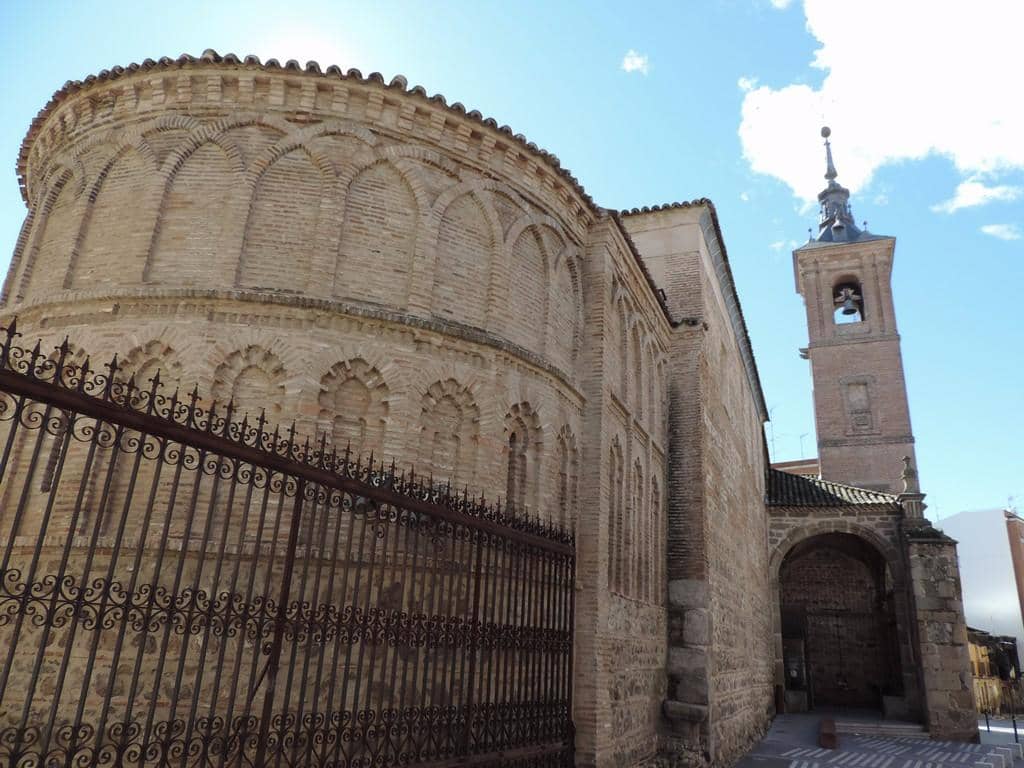
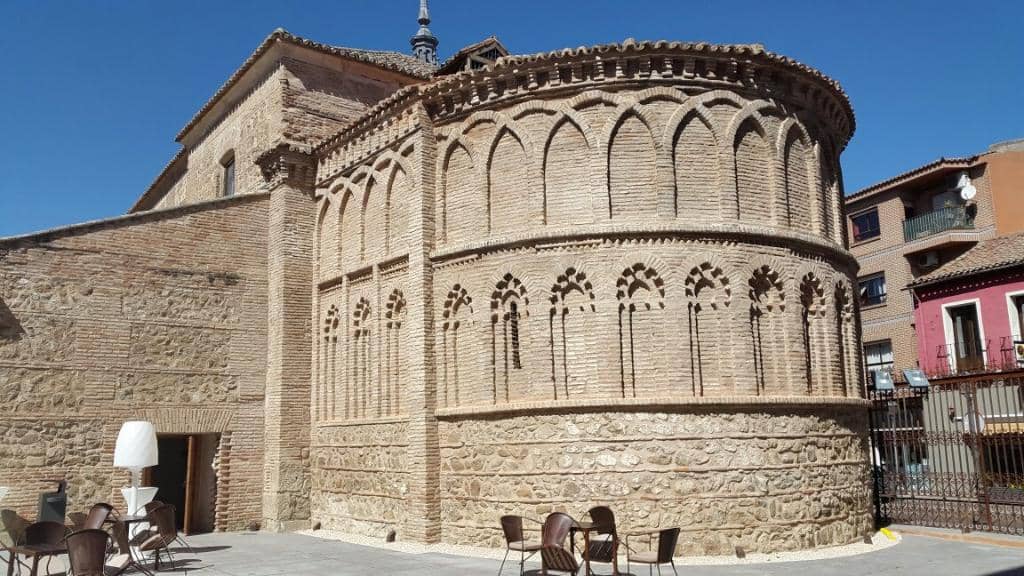
Marvel at the spectacular 12th-century brick Mudejar apse with its intricate lobed and interlaced arches.

Renaissance Tower
Exterior
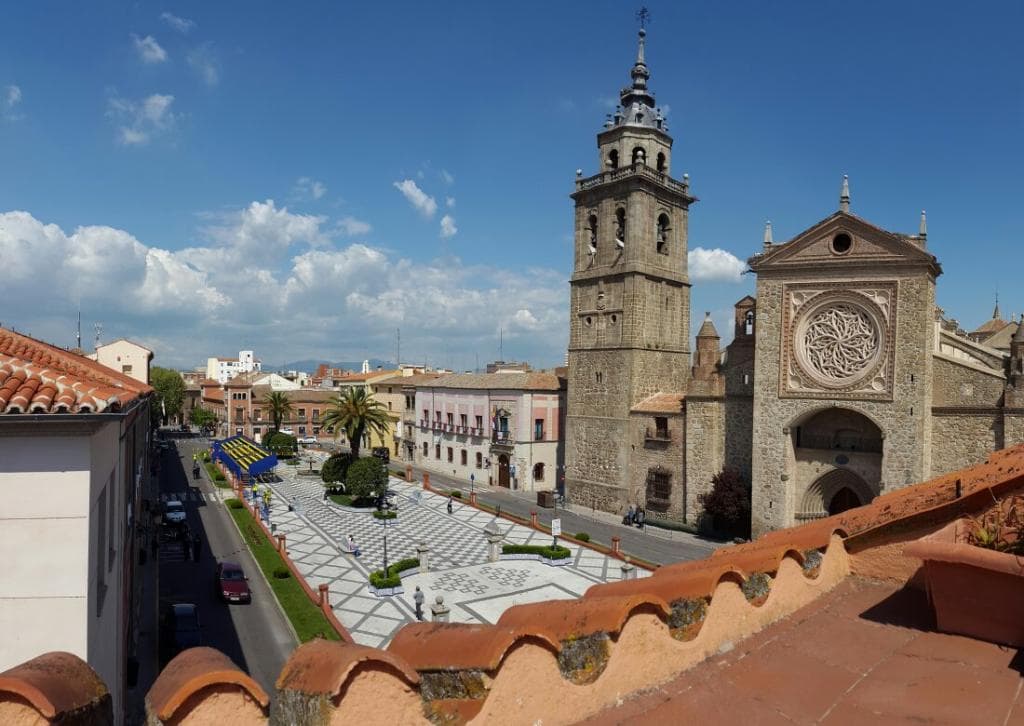
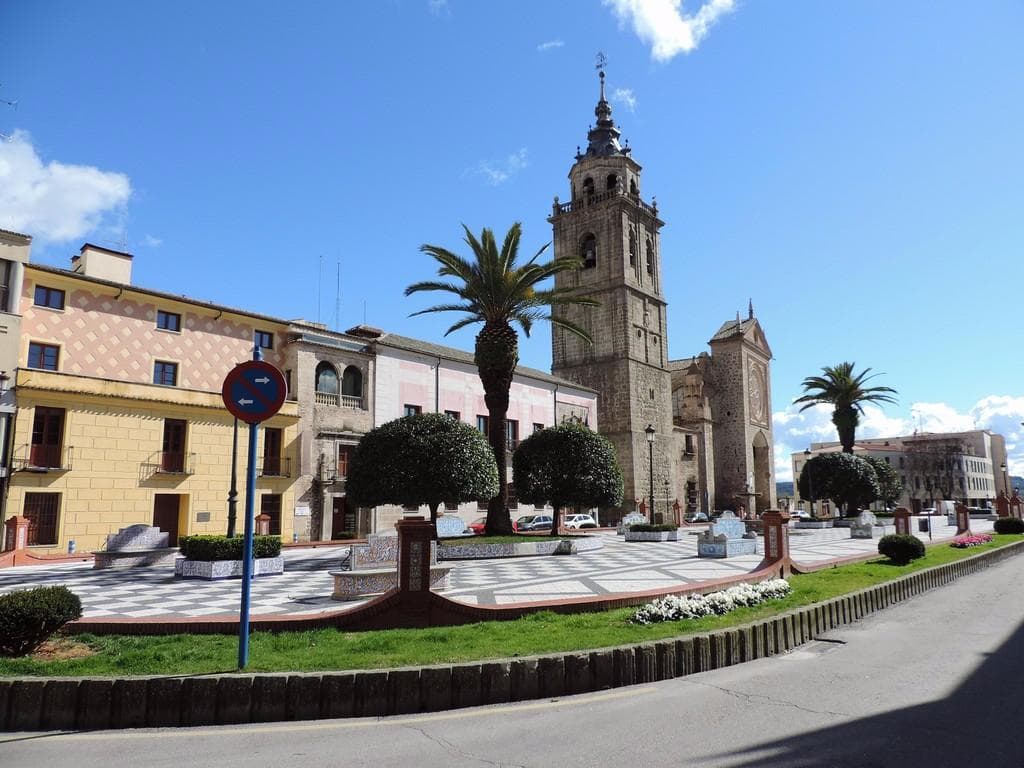
Admire the historic tower, a blend of medieval masonry, Baroque brickwork, and an 18th-century spire.
16th-Century Coffered Ceiling
Interior
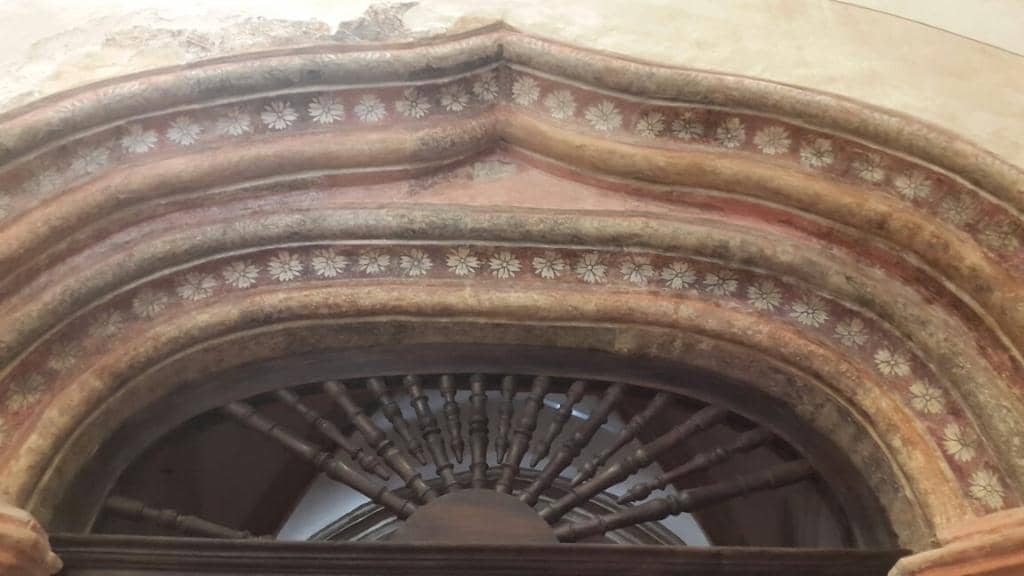
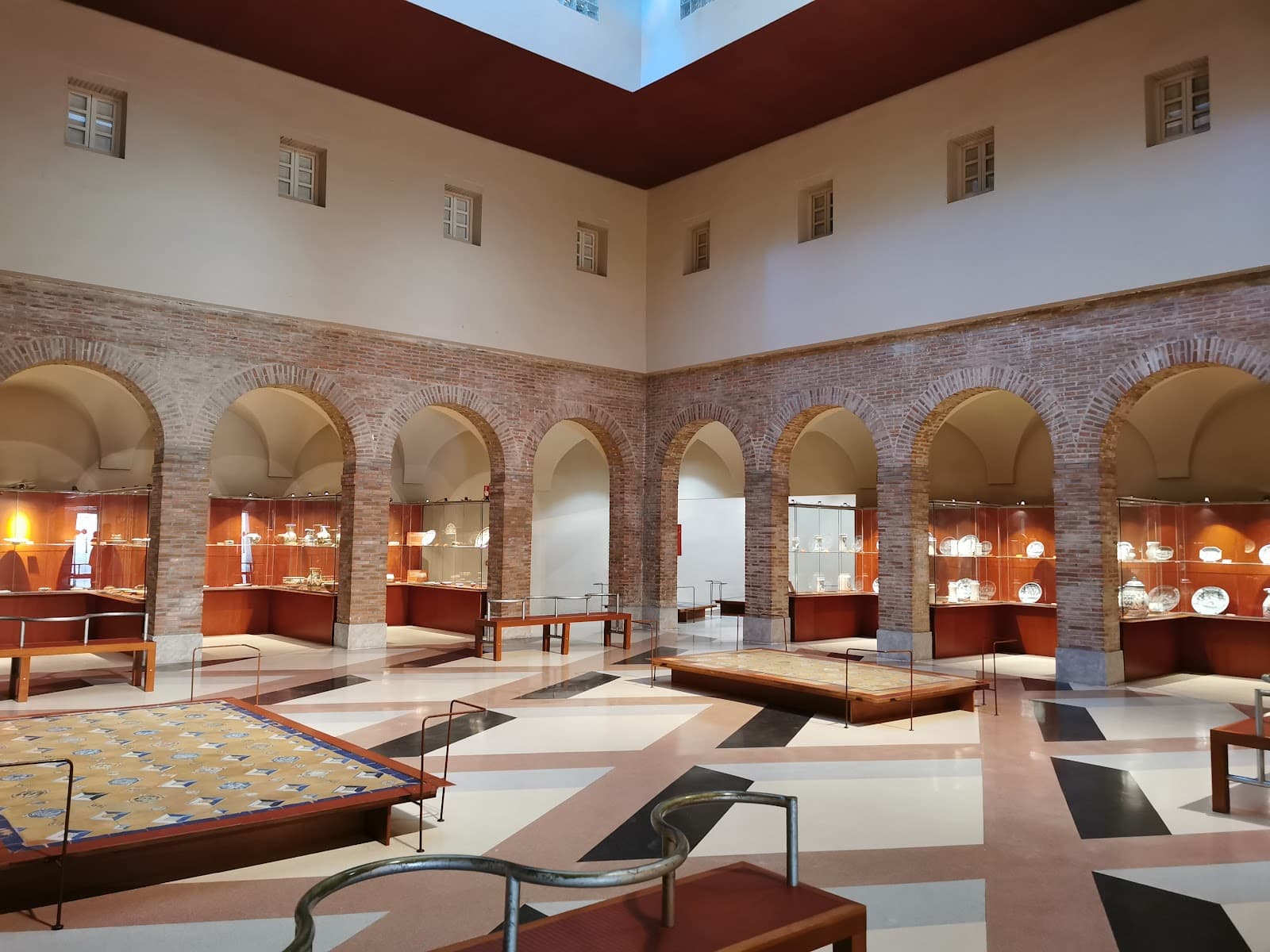
Gaze up at the original wooden coffered ceiling from 1570, adorned with Talavera ceramic panels.
Plans like a pro.
Thinks like you
Planning Your Visit
Check Event Schedules
Historical Significance
Best Times
Insider Tips
from TikTok, Instagram & Reddit
📅 Check Event Listings
Visit their website or social media for upcoming concerts, exhibitions, and talks. Many are free!
👟 Wear Comfortable Shoes
You'll be doing a lot of exploring and admiring the architecture.
📸 Capture the Details
The Mudejar apse and ceramic panels are incredibly photogenic.
🕰️ Verify Opening Hours
Hours can vary depending on events. Confirm before your visit.
Tips
from all over the internet
📅 Check Event Listings
Visit their website or social media for upcoming concerts, exhibitions, and talks. Many are free!
👟 Wear Comfortable Shoes
You'll be doing a lot of exploring and admiring the architecture.
📸 Capture the Details
The Mudejar apse and ceramic panels are incredibly photogenic.
🕰️ Verify Opening Hours
Hours can vary depending on events. Confirm before your visit.
What Travellers Say
Reviews Summary
Visitors praise Centro Cultural El Salvador for its exceptional charm, tranquility, and the preservation of its historical Mudejar architecture. It's appreciated as a versatile space hosting a variety of cultural events, from concerts to exhibitions. Some visitors note that its heritage status should be protected from private rentals.
"A cultural exhibition center with exceptional charm and tranquility. Concerts, talks, exhibitions, activities... a lovely place to relax and unwind."
Rafael MEDINA SANCHEZ
"The Church of El Salvador, in Talavera de la Reina, is one of the oldest churches in the city. Documents date back to the late 12th century and preserve a spectacular brick Mudejar apse with lobed and interlaced arches on a masonry plinth, considered one of the finest examples of Toledo Mudejar architecture.
Its Renaissance tower was renovated and finished in later centuries, and the interior features a 16th-century wooden coffered ceiling (1570), along with Talavera ceramic panels from the same century depicting the Evangelists and plant motifs.
In the 18th century, the Baroque-Rococo altarpiece by Pedro de Luna was installed, gilded by the Talavera master Luis Salcedo, now preserved in the parish church of Parrillas. The church was also a courtroom in the Middle Ages, reinforcing its historical importance as a meeting point for the city.
Currently, following its restoration, it functions as a lower cultural space, where exhibitions and activities open to the public are held."
Daniel Bartolomé Marchena
"The Church of El Salvador in Talavera de la Reina, also known as El Salvador de los Caballeros, is one of the city's oldest and most emblematic churches. Built in the 12th century, this church is a magnificent example of the Gothic-Mudéjar style, characterized by its impressive brick apse with interlaced and lobed arches.
Historically, the church held great importance, as it served as the seat of the Castilian Court during the High Middle Ages, where justice was administered to the city's inhabitants. Its current coffered ceiling dates from around 1570, and during the 17th and 18th centuries, the church was rich in religious imagery.
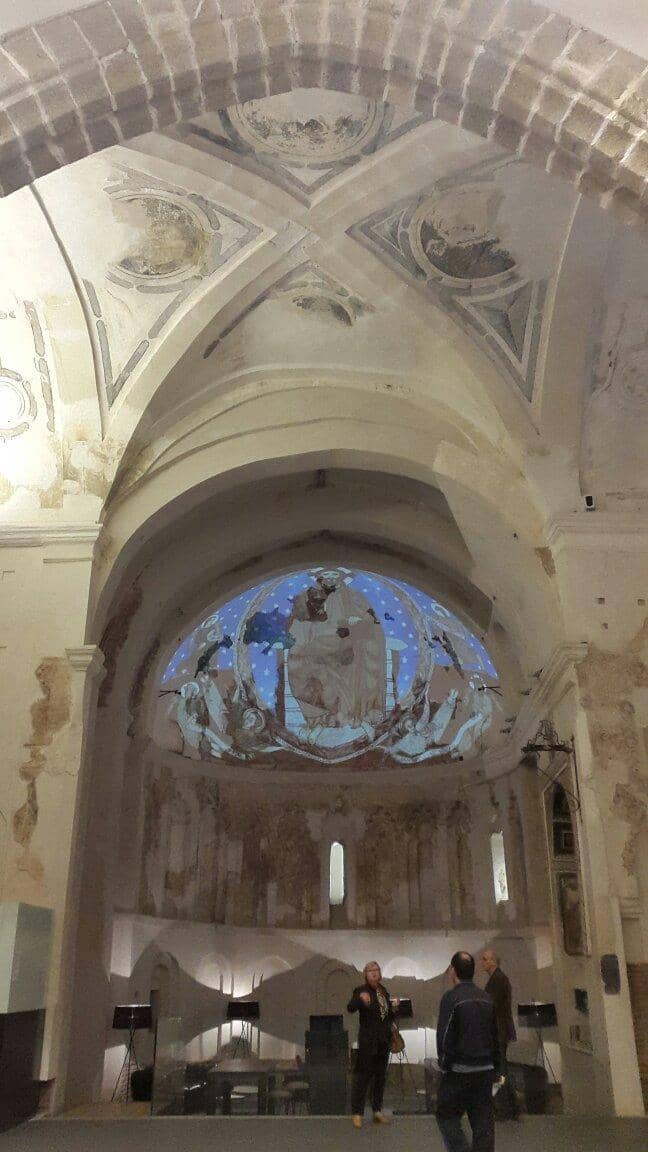
In 1981, the church ceased to function as a place of worship and, after extensive restoration, reopened in 2015 as a cultural center. During the restoration, a 12th-13th century Pantocrator was discovered in the apse, and lighting effects allow visitors to appreciate what the original looked like."
Pueblos y Patrimonio
What People Like
What People Dislike
Frequently Asked Questions
🚇 🗺️ Getting There
Centro Cultural El Salvador is located on the former Corredera del Cristo in Talavera de la Reina. If you're arriving by car, there is usually street parking available nearby. Public transport options might include local buses; check local routes for the most convenient stops.
While specific bus routes can change, Talavera de la Reina has a public bus system. It's advisable to check the latest local bus schedules and routes that serve the area near Corredera del Cristo for the most up-to-date information.
Depending on your starting point, you can often walk to the Centro Cultural El Salvador from the main city center if you enjoy a stroll. Alternatively, local taxis or ride-sharing services are readily available for a quicker journey.
🎫 🎫 Tickets & Entry
Entry to the Centro Cultural El Salvador is often free, especially for general viewing of the architecture. However, specific events like concerts or special exhibitions may require tickets. It's best to check their official schedule or social media for event-specific admission details.
The opening hours can vary significantly as it functions as a cultural space that hosts various events. It's crucial to check the specific schedule for the day you plan to visit, as it might be closed to the public if a private event is taking place.
While the building itself and its historical features are generally accessible without a fee, ticket prices may apply for concerts, workshops, or temporary exhibitions. Always confirm the admission policy for any specific event you wish to attend.
For ticketed events, booking online is often the most convenient method. Check the Centro Cultural El Salvador's official website or their social media pages for links to ticketing platforms or direct booking information.
Yes, the Centro Cultural El Salvador can be rented for private events. However, some visitors express concern about the heritage site being used for private functions. Inquire directly with the venue for rental policies and availability.
🎫 🏛️ Onsite Experience
The main highlights include the stunning 12th-century Mudejar apse with its intricate brickwork, the Renaissance tower, and the 16th-century wooden coffered ceiling featuring Talavera ceramic panels. A 12th-13th century Pantocrator was also discovered in the apse.
The center hosts a diverse range of events, including concerts, talks, exhibitions, and family activities. It's a vibrant space for local artists and community groups. +2
Generally, photography for personal use is allowed, but it's always a good idea to check for any specific restrictions, especially during events or exhibitions. Some areas might have limitations to protect the artwork or artifacts.
Originally a church dating back to the 12th century, it was also a medieval courtroom. After ceasing to be a place of worship, it was restored and reopened as a cultural center in 2015, preserving its rich architectural and historical heritage.
While official guided tours might not be consistently offered, the historical information provided on-site and the architectural details themselves offer a rich experience. You can often find information about the building's history through exhibits or event programs.
🍽️ 🍽️ Food & Dining
Typically, cultural centers like this do not have in-house restaurants or cafes. You'll likely need to explore the surrounding areas of Talavera de la Reina for dining options, from local tapas bars to more formal restaurants.
It's generally not permitted to consume outside food and drinks within exhibition spaces or event halls to preserve the cleanliness and integrity of the venue. Check for designated areas if available.
📸 📸 Photography
The Mudejar apse with its unique arches is a prime photography spot. The exterior of the historic tower and the interior details like the coffered ceiling and ceramic panels also offer great photographic opportunities.
Drone usage is typically restricted in urban areas and historical sites due to privacy and safety regulations. It's highly unlikely that drone photography would be permitted without special authorization.
For Different Travelers
Tailored advice for your travel style
👨👩👧 Families with Kids
🏛️ History Buffs
🎶 Art & Music Lovers
Deep Dives
In-depth insights and expert knowledge
Architectural Marvel: A Blend of Styles
Beyond the apse, the building showcases other significant periods. The Renaissance tower adds a different architectural dimension, while the 16th-century wooden coffered ceiling inside, adorned with Talavera ceramic panels depicting evangelists and floral motifs, offers a glimpse into the decorative arts of the era. The discovery of a 12th-13th century Pantocrator during restoration further highlights the site's deep historical layers.
Originally serving as a church and even a medieval courtroom, its transformation into a cultural center in 2015 after extensive restoration has preserved its historical essence while making it accessible for contemporary enjoyment. Visitors can appreciate the building's journey through time, from its religious and judicial past to its current role as a vibrant hub for arts and culture.
From Sacred Space to Cultural Hub
In 1981, the church ceased its religious functions, and after a period of closure and subsequent restoration, it was deconsecrated in 2014 and reopened as a cultural center in 2015. This revitalization allows the public to engage with its historical architecture and enjoy a variety of cultural events.
Today, the center is a lively space hosting concerts, talks, exhibitions, and family activities. This new chapter ensures that the building continues to serve the community, albeit in a different capacity, preserving its heritage while fostering contemporary artistic expression.

Social
from TikTok, Instagram & Reddit