Monastery of Sant Cugat
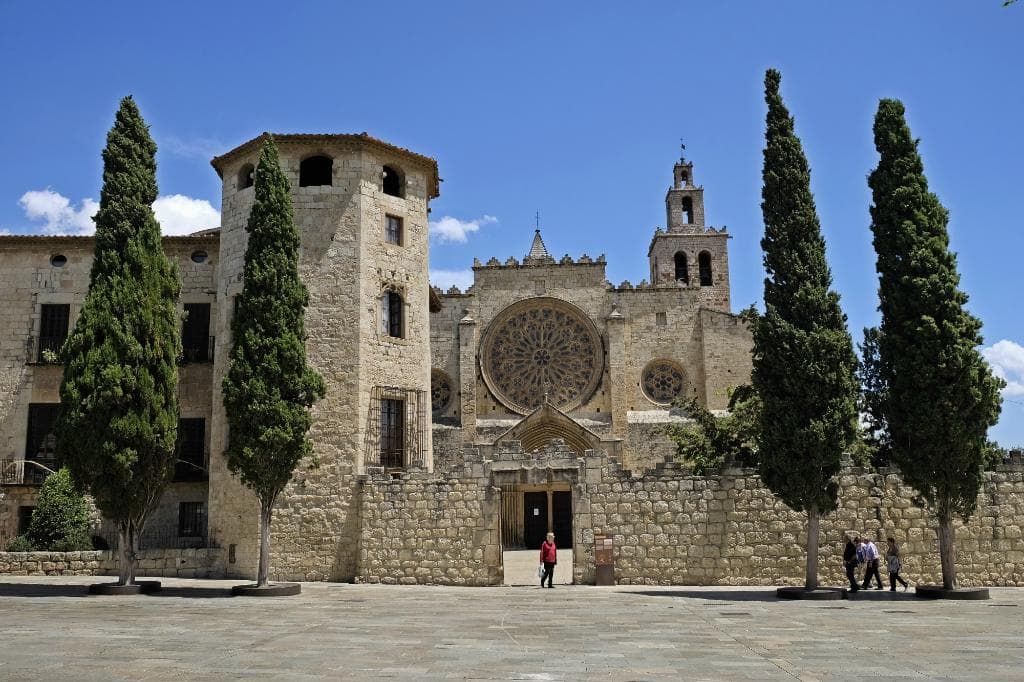
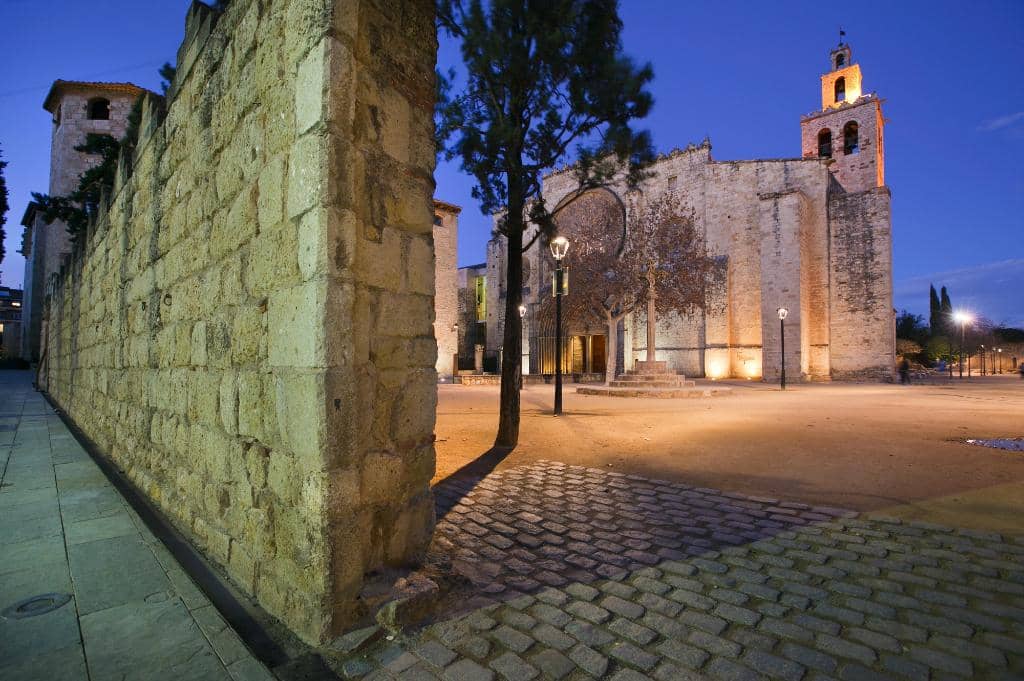
A 9th-century Benedictine abbey, famed for its Romanesque cloister with 144 unique carved capitals.
Highlights
Must-see attractions

Social
From TikTok & Reddit
Best Time
Fewer crowds, peaceful exploration
Monastery of Sant Cugat
Best Time
Fewer crowds, peaceful exploration
Highlights
Must-see attractions
A 9th-century Benedictine abbey, famed for its Romanesque cloister with 144 unique carved capitals.
"A hidden gem rich in history and architectural beauty, the stunning Romanesque cloister is a must-visit."
Free Church Entry
The church itself is free to enter, offering a glimpse of its grandeur. Be respectful as it's still used for worship. :pray:
Cloister & Museum Fees
Access to the cloister and museum usually requires a ticket. Check hours and prices beforehand. :ticket:
Highlights
Discover the most iconic attractions and experiences
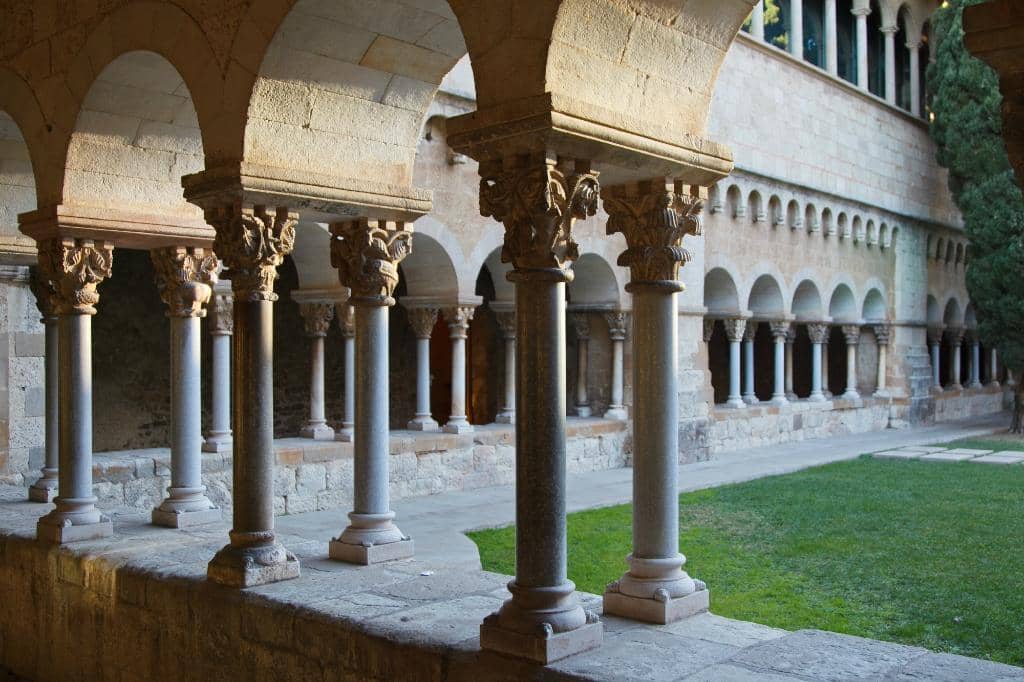
The Romanesque Cloister
Monastery of Sant Cugat
Marvel at 144 uniquely carved capitals, a jewel of Romanesque sculpture and one of Europe's best-preserved.
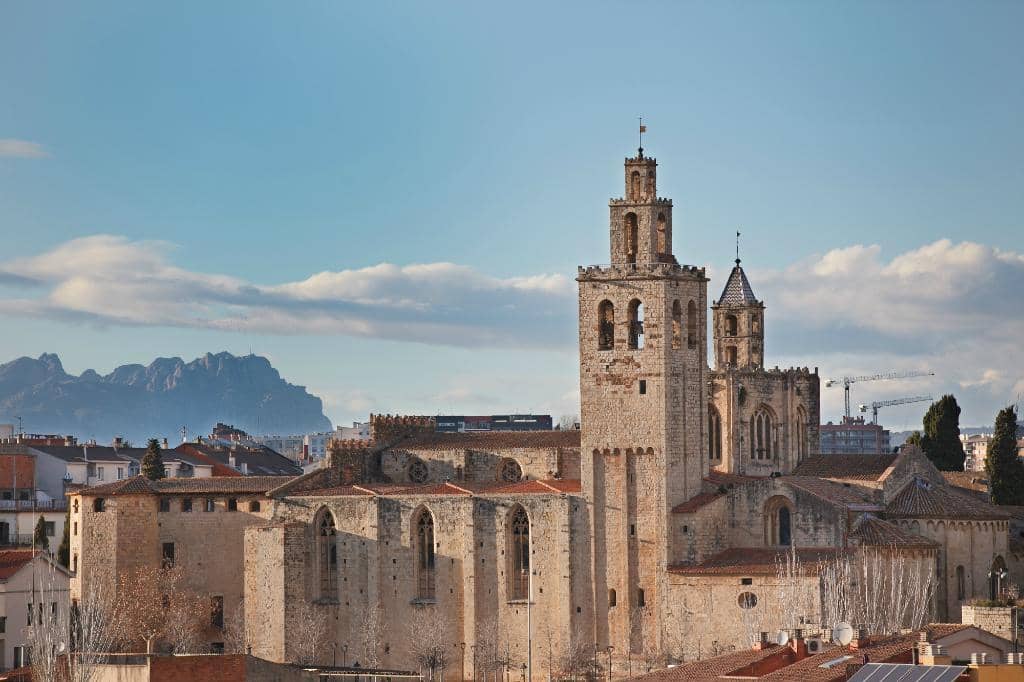
The Monastery Church
Monastery of Sant Cugat
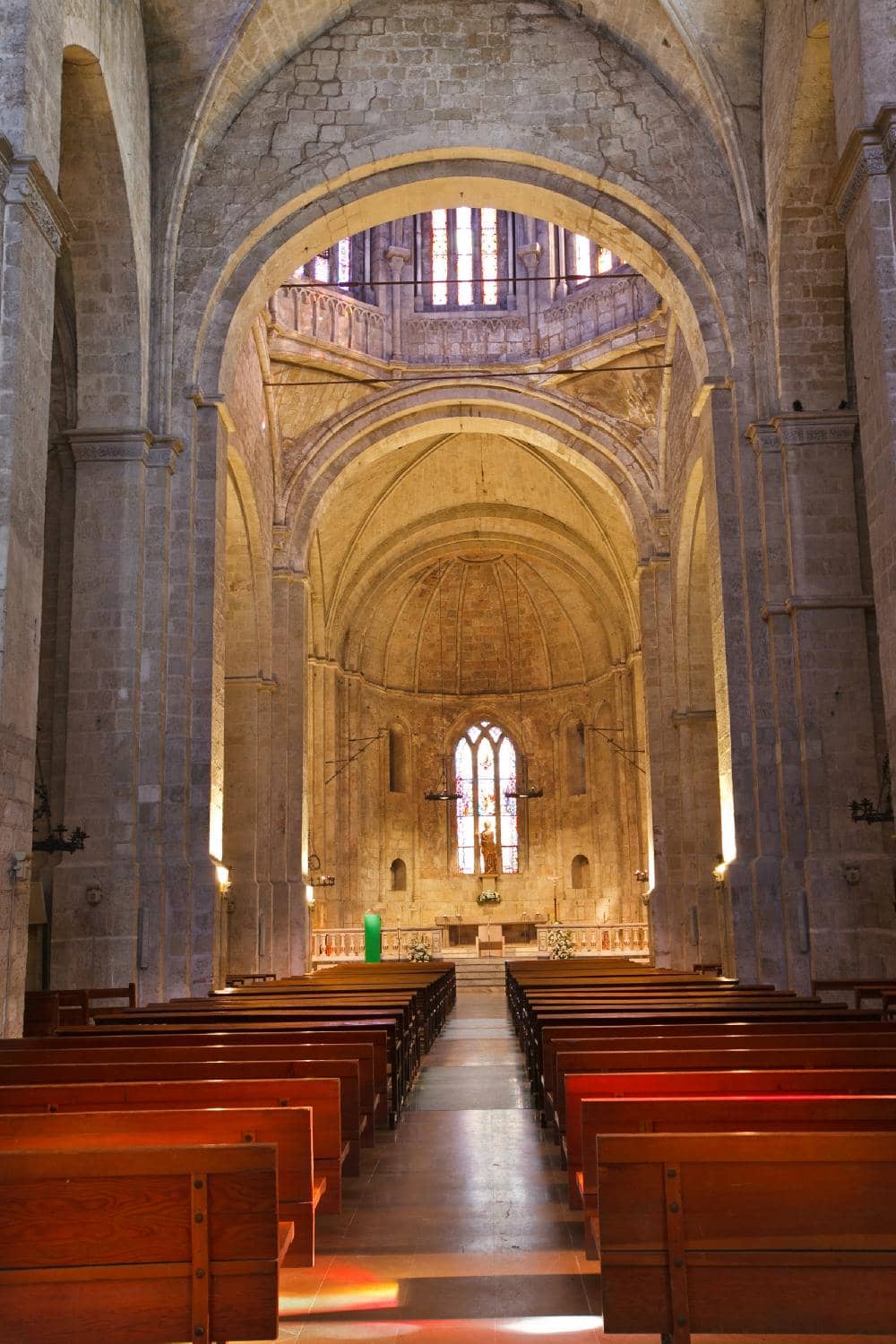
Experience the transition from Romanesque to Gothic architecture in this exquisite and well-maintained place of worship.
Museum of Sant Cugat
Within the cloister
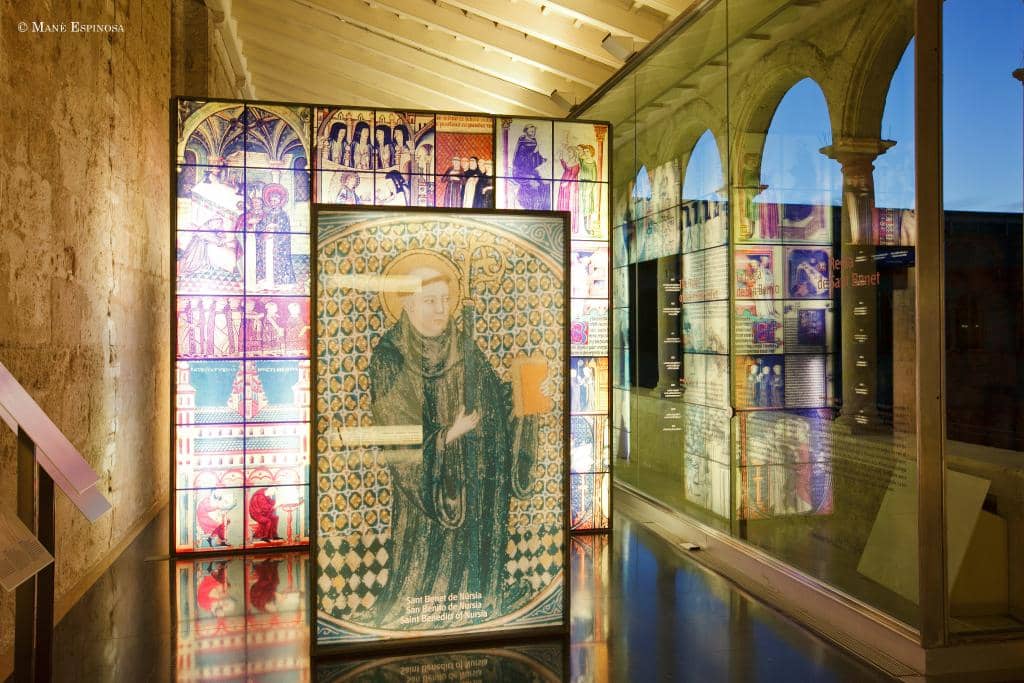
Discover artifacts and learn about the monastery's rich past, offering a deeper understanding of its historical significance.
Plans like a pro.
Thinks like you
Planning Your Visit
Beat the Crowds for a Serene Experience
Immerse Yourself in History
Best Times
Insider Tips
from TikTok, Instagram & Reddit
Free Church Entry
The church itself is free to enter, offering a glimpse of its grandeur. Be respectful as it's still used for worship. :pray:
Cloister & Museum Fees
Access to the cloister and museum usually requires a ticket. Check hours and prices beforehand. :ticket:
Meditative Cloister Walk
Take time to walk around the cloister and feel the peace and serenity of the ancient space. :walking:
Appreciate the Capitals
Each of the 144 capitals is carved differently. Look closely at the intricate details! :magnifyingglasstilted_left:
Tips
from all over the internet
Free Church Entry
The church itself is free to enter, offering a glimpse of its grandeur. Be respectful as it's still used for worship. :pray:
Cloister & Museum Fees
Access to the cloister and museum usually requires a ticket. Check hours and prices beforehand. :ticket:
Meditative Cloister Walk
Take time to walk around the cloister and feel the peace and serenity of the ancient space. :walking:
Appreciate the Capitals
Each of the 144 capitals is carved differently. Look closely at the intricate details! :magnifyingglasstilted_left:
Consider an Audio Guide
Enhance your visit with an audio guide to learn about the monastery's fascinating history and art. :iphone:
What Travellers Say
Reviews Summary
Visitors consistently praise the Monastery of Sant Cugat for its stunning Romanesque cloister, intricate carvings, and rich historical significance. Many highlight the peaceful atmosphere and architectural beauty as major draws, making it a captivating escape. While the church offers free entry, access to the cloister and museum is typically ticketed.
"The cutest little town to stroll around! The monastery is very beautiful and worth the visit!"
irina Toyne
"We walked around the monastery and it was just amazing. Beautifully built, a lot of locals come here to chill and admire the architecture. If you’re looking for something spiritual, this place would be one of them."
Alejandro Perez
"The Monastery of Sant Cugat is a hidden gem rich in history and architectural beauty. The stunning Romanesque cloister, intricate carvings, and peaceful atmosphere make it a must-visit. Walking through its ancient halls, you can feel the weight of centuries of history. The serene gardens and detailed stonework add to the experience, offering a tranquil escape from the bustle of modern life. Whether you're a history enthusiast or simply seeking a beautiful place to explore, the Monastery of Sant Cugat is truly captivating and well worth the visit."
Edson Costa Junior
What People Like
What People Dislike
Frequently Asked Questions
🚇 🗺️ Getting There
The Monastery of Sant Cugat is easily accessible from Barcelona. You can take the FGC train (Ferrocarrils de la Generalitat de Catalunya) from Plaça Catalunya or other central stations in Barcelona towards Terrassa or Sabadell. Get off at the 'Sant Cugat' station. From there, it's a short walk to the monastery. The journey typically takes around 20-30 minutes.
Yes, there are parking options available in Sant Cugat. Several public parking lots are located near the monastery, though they may have fees. If you're driving, it's advisable to check for the nearest parking facilities upon arrival.
Absolutely! The Monastery of Sant Cugat is a perfect day trip from Barcelona. Its proximity and ease of access make it a popular choice for visitors looking to explore historical sites outside the city center.
The most convenient way to travel to Sant Cugat for sightseeing is by the FGC train from Barcelona. It's efficient, avoids traffic, and drops you close to the main attractions, including the monastery.
Yes, the FGC train line is the primary public transport option. The 'Sant Cugat' station is well-connected to Barcelona's city center, making it very easy to reach the monastery via public transport.
🎫 🎫 Tickets & Entry
Entry to the main church of the Monastery of Sant Cugat is generally free, allowing visitors to admire its architecture and atmosphere. However, access to the cloister and the museum typically requires a paid ticket. It's recommended to check the official website for the most current pricing and opening hours.
The opening hours can vary, especially for the cloister and museum sections. The church may have different hours than the rest of the complex. It's best to consult the official website of the Monastery of Sant Cugat for the most accurate and up-to-date information on visiting times.
While the church is free, it's advisable to check if tickets for the cloister and museum can be purchased online in advance, especially during peak tourist seasons or for special exhibitions. This can save you time and guarantee entry.
Information on discounts for students, seniors, or groups is usually available on the official website. It's worth checking for any special offers or passes that might be applicable to your visit.
Guided tours are often available and can greatly enhance your understanding of the monastery's history and art. While not always mandatory, booking a tour in advance is recommended, especially if you want a more in-depth experience. Audio guides are also an option for self-guided exploration.
🎫 🏛️ Onsite Experience
The absolute must-see is the Romanesque cloister with its 144 uniquely carved capitals, considered a masterpiece of medieval sculpture. The monastery church, showcasing architectural transitions, and the Museum of Sant Cugat are also highly recommended for a comprehensive visit. +1
Yes, the Monastery of Sant Cugat is incredibly photogenic, especially the cloister with its detailed carvings and the church's interior. The natural light filtering through the rose window can create stunning shots. Remember to be respectful of ongoing services. 
To fully appreciate the monastery, including the church, cloister, and museum, allocate at least 1.5 to 2 hours. If you plan to take your time exploring the details or attend a guided tour, you might want to set aside 3 hours.
Restroom facilities are typically available within the monastery complex. While there might not be a full-service cafe inside, the town of Sant Cugat, located just outside the monastery, offers numerous cafes and restaurants for refreshments.
Accessibility can vary within historical sites. While some areas might be accessible, certain parts, like stairs in older sections, might pose challenges. It's advisable to contact the monastery directly or check their website for specific accessibility information.
🍽️ 🍽️ Food & Dining
There are no restaurants directly inside the Monastery of Sant Cugat itself. However, the surrounding town of Sant Cugat del Vallès is filled with excellent dining options, from traditional Catalan cuisine to modern cafes and tapas bars, offering a wide variety of choices for visitors.
Near the monastery, you can find authentic Catalan cuisine, including dishes like 'pa amb tomàquet' (bread with tomato), 'escudella i carn d'olla' (a hearty stew), and various seafood and meat specialties. Tapas bars are also abundant, offering a great way to sample local flavors.
Yes, Sant Cugat offers a range of dining options to suit different budgets. Look for local bakeries for quick bites, 'menú del día' (set lunch menus) which are often very affordable, or smaller tapas bars for a more economical meal.
While there might not be designated picnic areas directly within the monastery grounds, you can often find pleasant spots in nearby parks or public squares in Sant Cugat town for a picnic. Enjoying local produce from a market can be a delightful experience.
The town of Sant Cugat has many charming cafes and bars. Exploring the streets around the monastery will reveal numerous local establishments perfect for a coffee break, a glass of wine, or some delicious tapas.
📸 📸 Photography
The Romanesque cloister is undoubtedly the prime spot for photography, with its intricate capitals and serene atmosphere. The church's interior, especially the rose window when sunlight streams through, and the exterior architecture also offer fantastic photo opportunities.
Photography is generally allowed inside the Monastery of Sant Cugat, particularly in the cloister and church. However, it's crucial to be mindful of any restrictions, especially during religious services, and to avoid using flash photography that could disturb visitors or damage artwork.
The best time for photography is often during the morning or late afternoon when the light is softer and less harsh. The morning light can beautifully illuminate the cloister, while the late afternoon sun can create dramatic effects with the church's rose window.
Absolutely! The 144 uniquely carved capitals in the cloister are a photographer's dream, each telling a story. Also, look for the transition points between Romanesque and Gothic styles in the church, and the impressive rose window.
Drone photography is generally restricted in and around historical sites and urban areas due to privacy and safety regulations. It's highly unlikely that drone usage would be permitted over the Monastery of Sant Cugat. Always check local drone laws before flying.
For Different Travelers
Tailored advice for your travel style
👨👩👧 Families with Kids
+1While the church might require quiet respect, the cloister and museum offer more interactive potential. Consider bringing a small notebook for kids to sketch their favorite carvings or imagine life as a monk. The town of Sant Cugat also offers parks and open spaces nearby for children to run around after exploring the monastery.
🏛️ History Buffs & Architecture Enthusiasts
Utilizing an audio guide is highly recommended to fully grasp the historical context and the significance of the various architectural elements. Exploring the church's transition from Romanesque to Gothic, and understanding the monastery's role as a former center of power in Catalonia, will provide a deeply rewarding experience.
🚶♀️ Solo Travelers Seeking Tranquility
Take advantage of the free entry to the church for moments of quiet contemplation, and consider an audio guide to deepen your understanding without the need for a group. The surrounding town of Sant Cugat also offers a pleasant environment for a solo stroll, with cafes to relax in and enjoy the local ambiance.
Deep Dives
In-depth insights and expert knowledge
The Jewel of Romanesque Sculpture: The Cloister
Walking through the arcaded walkways of the cloister offers a sense of profound peace and historical immersion. The intricate stonework, combined with the tranquil atmosphere, invites contemplation and appreciation for the craftsmanship of centuries past. Many visitors describe the experience as deeply spiritual and meditative, a true escape from the modern world.
It's worth noting that the cloister is often a ticketed area, separate from the free entry to the church. This ensures its preservation and allows for a more focused visitor experience. Taking your time to examine each capital can reveal new details and stories with every pass.
A Journey Through Architectural Styles
The church itself is a prime example of this transition. While retaining Romanesque foundations, it exhibits significant Gothic influences, particularly in its soaring arches and ribbed vaults. The rose window in the church is a notable feature, casting beautiful light patterns when the sun shines through, a moment often highlighted by visitors.
Beyond the church and cloister, exploring the monastery complex can reveal further architectural nuances. The Museum of Sant Cugat, housed within the cloister, further contextualizes these architectural elements by displaying artifacts and historical information that shed light on the monastery's development and its role in the region's history.
Manifesta 15: Art Meets History
+1The 'Cure and Care' cluster of Manifesta 15 found its main home here, transforming the monastery into a space for dialogue and reflection on contemporary societal themes. This initiative brought a new dimension to the visitor experience, blending historical exploration with cutting-edge artistic expression.
While Manifesta 15 has concluded, its presence highlights the monastery's ongoing relevance as a cultural hub, capable of hosting diverse events and exhibitions that engage both local and international audiences. It underscores the site's adaptability and its importance beyond its religious and historical significance.
Social
from TikTok, Instagram & Reddit