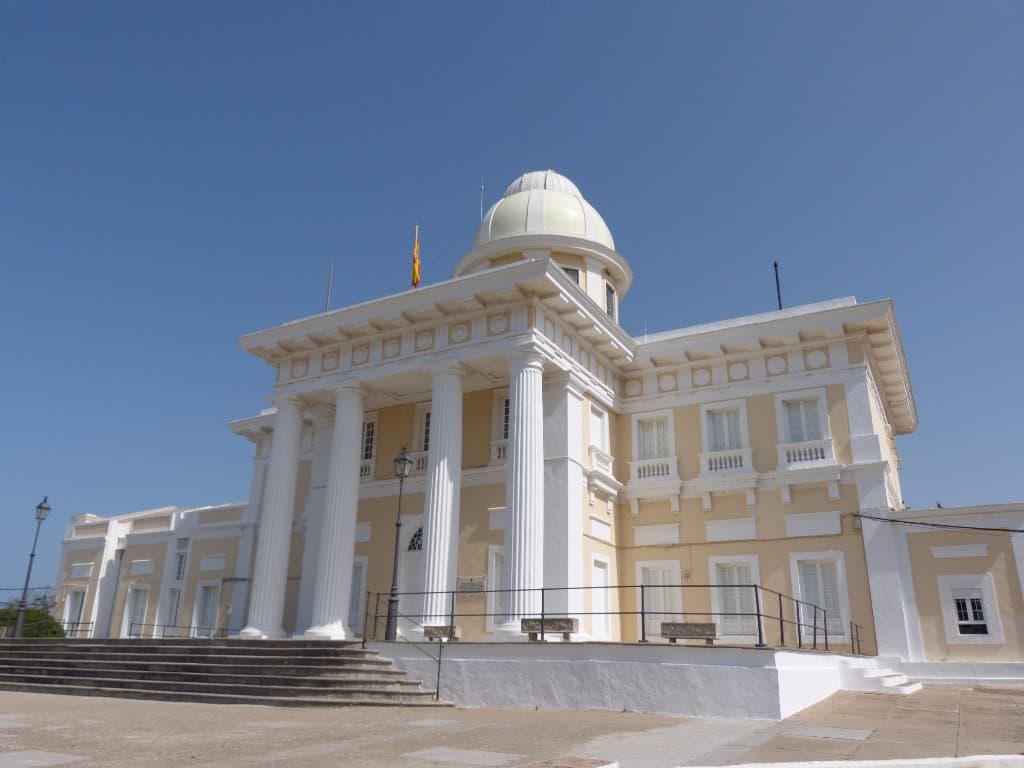
Real Instituto y Observatorio de la Armada
Explore Spain's maritime scientific heritage at this historic observatory, home to antique instruments and the significant Meridian Hall.
Highlights
Must-see attractions

Social
From TikTok & Reddit
Best Time
Fewer crowds, more peaceful
Real Instituto y Observatorio de la Armada
Best Time
Fewer crowds, more peaceful
Highlights
Must-see attractions
Explore Spain's maritime scientific heritage at this historic observatory, home to antique instruments and the significant Meridian Hall.
"A fascinating glimpse into Spain's astronomical and naval history."
Wear Comfortable Shoes
You'll be doing a lot of walking around the grounds and buildings. :athletic_shoe:
Check Opening Hours
Hours can vary seasonally. Always confirm before your visit. :clock1:
Highlights
Discover the most iconic attractions and experiences
The Meridian Hall
Main Building
Stand at the historic Meridian Hall, a significant point in astronomical history.
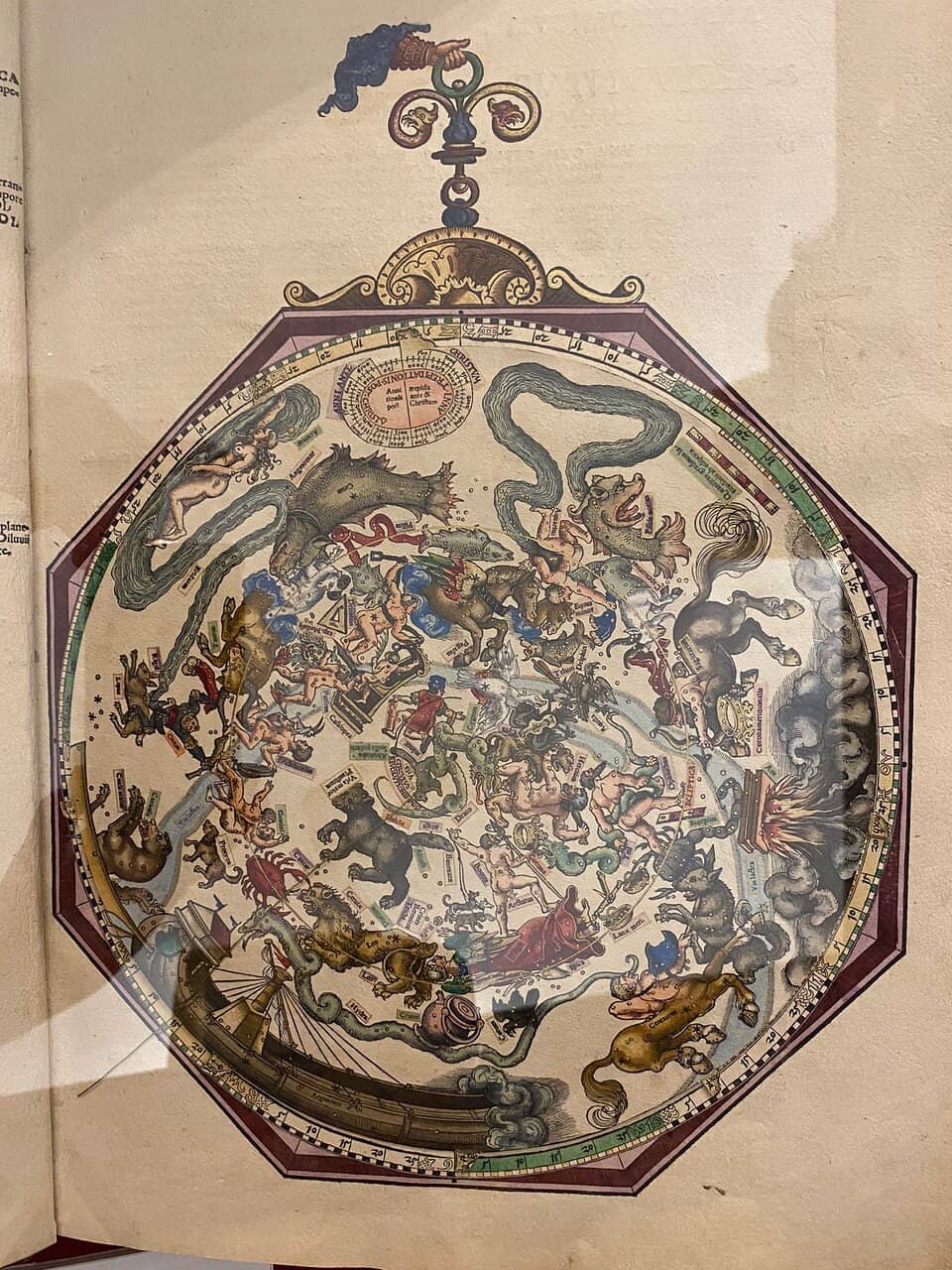
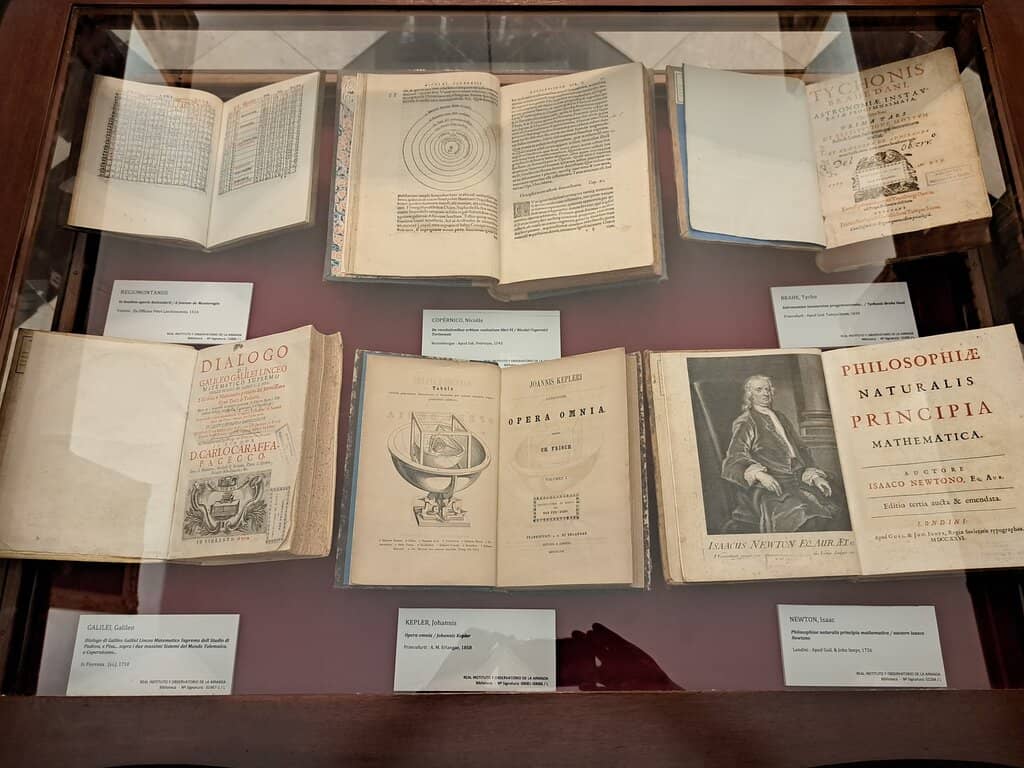
Astronomical Instruments
Museum Galleries
Marvel at antique telescopes and scientific instruments that shaped our understanding of the cosmos.
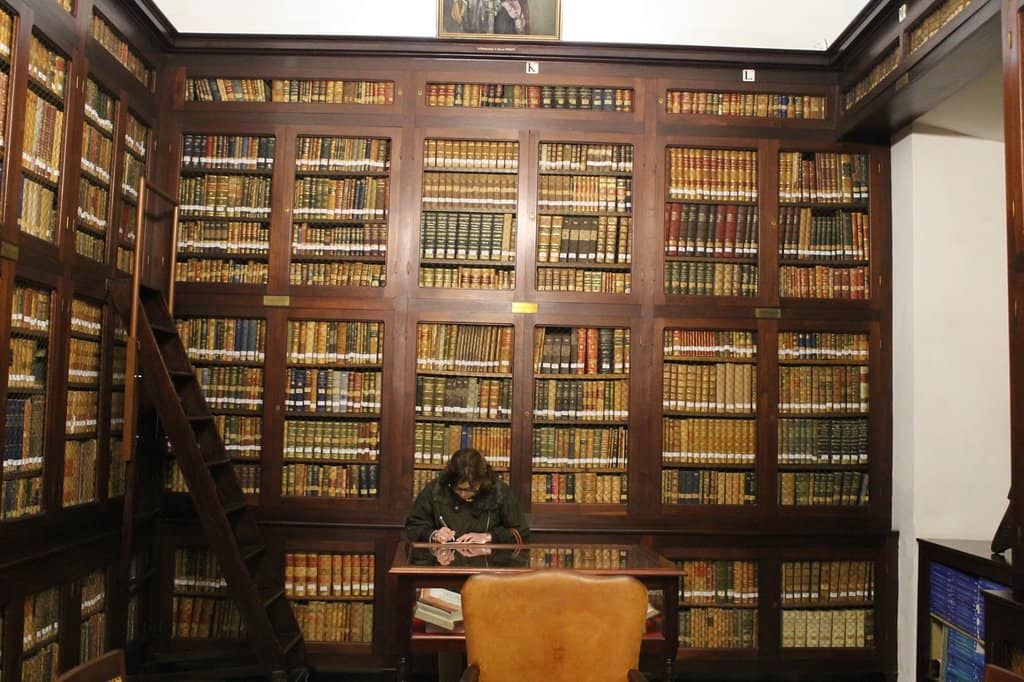
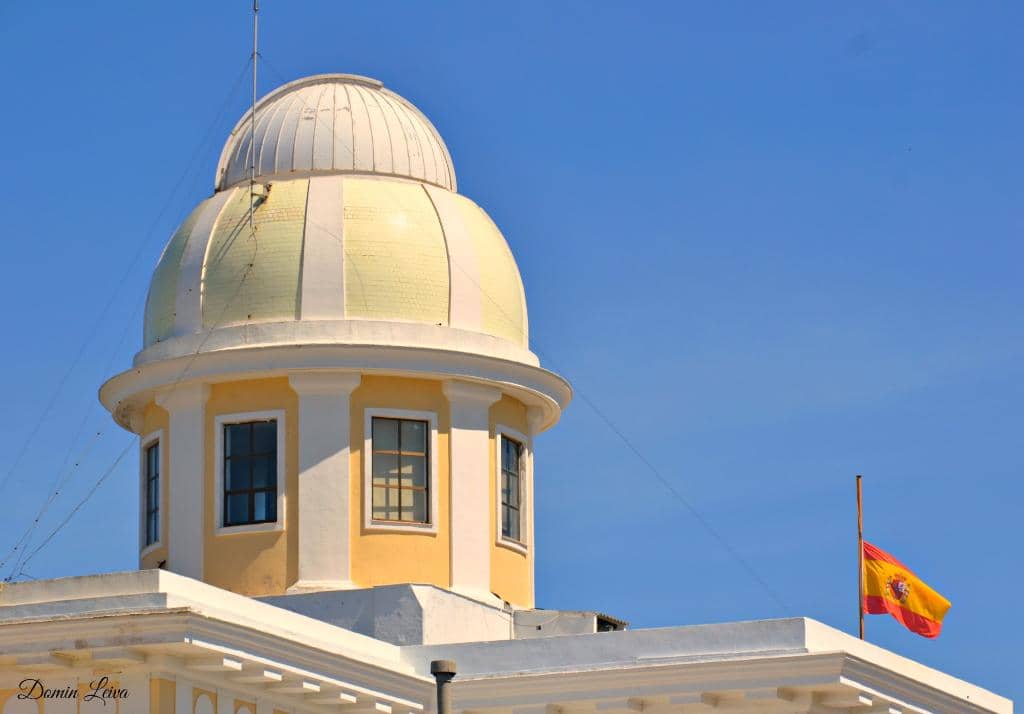
The Observatory Dome
Observatory Tower
Gaze up at the iconic observatory dome, a symbol of scientific exploration and discovery.
Plans like a pro.
Thinks like you
Planning Your Visit
Plan Your Visit to the Royal Institute and Observatory
Navigating the Observatory Grounds
Best Times
Insider Tips
from TikTok, Instagram & Reddit
Wear Comfortable Shoes
You'll be doing a lot of walking around the grounds and buildings. :athletic_shoe:
Check Opening Hours
Hours can vary seasonally. Always confirm before your visit. :clock1:
Book Tickets Online
Consider booking in advance to secure your spot and skip lines. :ticket:
Bring a Camera
Capture the historic architecture and scientific marvels. :camerawithflash:
Tips
from all over the internet
Wear Comfortable Shoes
You'll be doing a lot of walking around the grounds and buildings. :athletic_shoe:
Check Opening Hours
Hours can vary seasonally. Always confirm before your visit. :clock1:
Book Tickets Online
Consider booking in advance to secure your spot and skip lines. :ticket:
Bring a Camera
Capture the historic architecture and scientific marvels. :camerawithflash:
What Travellers Say
Reviews Summary
Visitors often praise the Real Instituto y Observatorio de la Armada for its rich historical significance and impressive collection of antique scientific instruments. The unique architecture and the opportunity to learn about Spain's maritime scientific heritage are frequently highlighted as major draws. Some visitors note that while informative, the experience can be quite focused on historical detail, which might require a specific interest to fully appreciate.
What People Like
What People Dislike
Frequently Asked Questions
🚇 🗺️ Getting There
The observatory is accessible by car, with parking available nearby. Public transport options might include local buses; check local transit schedules for the most up-to-date routes and times. It's located in San Fernando, Cádiz, Spain.
Information regarding dedicated parking facilities can vary. It's advisable to check the official website or local listings for the most current parking availability and any associated fees.
Local bus services often connect San Fernando to surrounding areas. Researching specific bus lines that stop near the Real Instituto y Observatorio de la Armada is recommended for public transport users.
San Fernando is well-connected by road. If arriving from further afield, flying into Jerez Airport (XRY) or Seville Airport (SVQ) and then taking a train or rental car is a common approach.
Given its location, driving or taking a taxi/ride-share service directly to the observatory might be the most convenient option for many visitors.
🎫 🎫 Tickets & Entry
Admission fees can vary. It's best to consult the official website of the Real Instituto y Observatorio de la Armada for the most accurate and up-to-date pricing information for general entry and any special exhibitions.
While not always mandatory, booking tickets online in advance is often recommended, especially during peak tourist seasons or for specific guided tours, to guarantee entry and potentially save time.
Opening hours are subject to change and can differ based on the season. Always check the official website for the most current operating times before planning your visit.
Guided tours can offer a deeper insight into the history and science of the observatory. Inquire directly with the institution or check their website for tour schedules and booking information.
There is generally no strict dress code, but comfortable attire and footwear are advised, as you'll be exploring historical buildings and grounds.
🎫 🧭 Onsite Experience
Visitors can explore historical astronomical instruments, learn about the observatory's scientific contributions, and admire the unique architecture, including the Meridian Hall and observatory domes.
A typical visit can last between 2 to 3 hours, allowing ample time to explore the exhibits and grounds. However, you can extend your stay if you're particularly interested in the scientific history.
While the historical and scientific nature might appeal more to older children and adults, younger visitors can still appreciate the grand instruments and unique setting. Check for any specific family-oriented programs.
Basic visitor facilities such as restrooms are usually available. Information about gift shops or cafes should be checked on the official website.
Photography is generally permitted for personal use, but restrictions may apply in certain areas or for specific exhibits. Always observe signage and ask staff if unsure.
🍽️ 🍽️ Food & Dining
On-site dining facilities are not always available at historical institutions. It's recommended to check the official website for any information on cafes or restaurants within the premises.
San Fernando offers a variety of restaurants and tapas bars serving local Andalusian cuisine. Exploring the town center will provide numerous choices for lunch or dinner.
Picnicking policies can vary. It's best to confirm with the observatory's management whether outside food and beverages are permitted on the grounds.
Expect fresh seafood, traditional Spanish dishes, and local specialties like 'tortillitas de camarones' (shrimp fritters) and various tapas.
Many Spanish restaurants are increasingly offering vegetarian and vegan dishes. It's advisable to check menus online or ask staff when dining out.
📸 📸 Photography
The Meridian Hall, the grand staircases, the exterior architecture, and the historical instruments offer excellent photographic opportunities. The observatory dome itself is also a striking subject.
While personal photography is usually allowed, flash photography might be prohibited in certain areas to protect delicate artifacts. Always adhere to posted signs.
Early mornings or late afternoons can provide beautiful natural light for photography, creating dramatic shadows and highlighting the architectural details.
Tripod usage might be restricted to avoid obstructing other visitors or damaging the premises. It's wise to check the official policy regarding tripods.
A versatile lens (like a 24-70mm) is useful for capturing both architectural details and wider shots. A wide-angle lens can be great for interiors. A prime lens can be good for low-light conditions.
For Different Travelers
Tailored advice for your travel style
👨👩👧 Families with Kids
🤓 History Buffs & Science Enthusiasts
Deep Dives
In-depth insights and expert knowledge
A Glimpse into Astronomical History
Visitors can explore the Meridian Hall, a key area where astronomical observations were meticulously recorded. The collection of antique astronomical instruments, including telescopes, astrolabes, and chronometers, offers a tangible connection to the past. These tools not only showcase the technological advancements of their time but also highlight the dedication and precision required by the astronomers and navigators who used them. The architecture of the observatory itself is also noteworthy, designed to facilitate scientific work and stand the test of time.
Understanding the context of its creation—during an era of significant naval expansion and global exploration—enhances the appreciation of the observatory's importance. It was a hub of innovation, contributing to Spain's maritime endeavors and scientific knowledge. A visit here is more than just sightseeing; it's an educational journey into the heart of scientific discovery and its practical applications.
Exploring the Observatory's Architecture and Layout
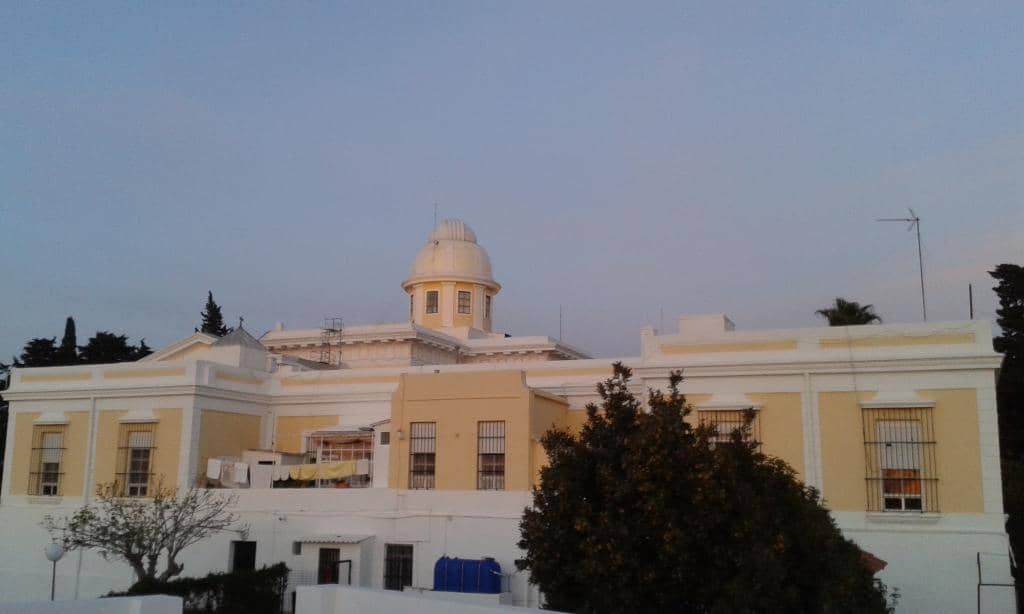
Key areas within the complex include the Meridian Hall, a historically significant space for astronomical measurements, and various galleries that display the extensive collection of scientific instruments. The grounds themselves are part of the experience, offering a sense of the scale and purpose of the institution. Walking through the observatory, one can appreciate the blend of scientific utility and architectural aesthetics, a testament to the era's approach to scientific institutions.
When planning your visit, consider the spatial layout to maximize your exploration. Familiarize yourself with the location of the main exhibits and historical rooms. Comfortable footwear is essential, as you'll likely be traversing different sections of the complex. The overall atmosphere is one of quiet contemplation and historical significance, inviting visitors to step back in time and imagine the scientific work that once took place here.

Social
from TikTok, Instagram & Reddit