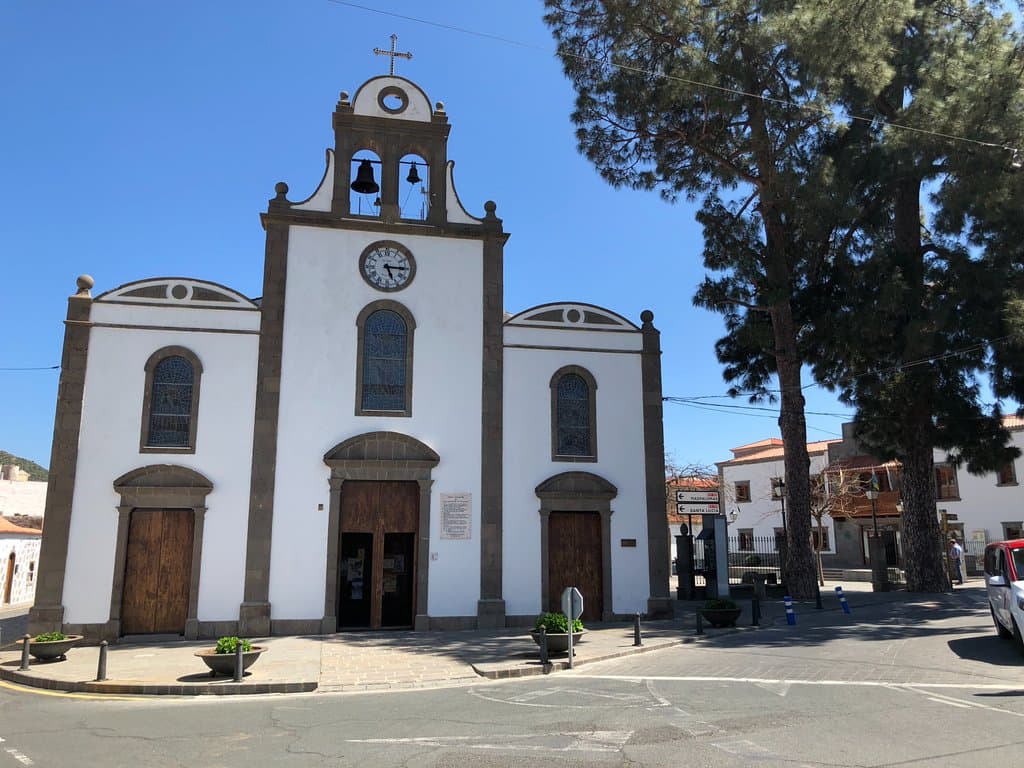
Iglesia de San Bartolomé
A spiritual and historical cornerstone, often featuring remarkable religious art and serving as a vibrant community hub.
Highlights
Must-see attractions

Social
From TikTok & Reddit
Best Time
Experience vibrant celebrations
Iglesia de San Bartolomé
Best Time
Experience vibrant celebrations
Highlights
Must-see attractions
A spiritual and historical cornerstone, often featuring remarkable religious art and serving as a vibrant community hub.
"Simple but very pretty, conveying peace and tranquility in its charming surroundings."
Check for Events
Look for local festivals or concerts; they add a unique cultural layer to your visit.
Appreciate the Art
Research the history of artworks like the pulpit to deepen your understanding.
Highlights
Discover the most iconic attractions and experiences
The Pulpit by Luján Pérez
Interior
A 1810 masterpiece by Gran Canarian sculptor Luján Pérez, showcasing intricate religious artistry.
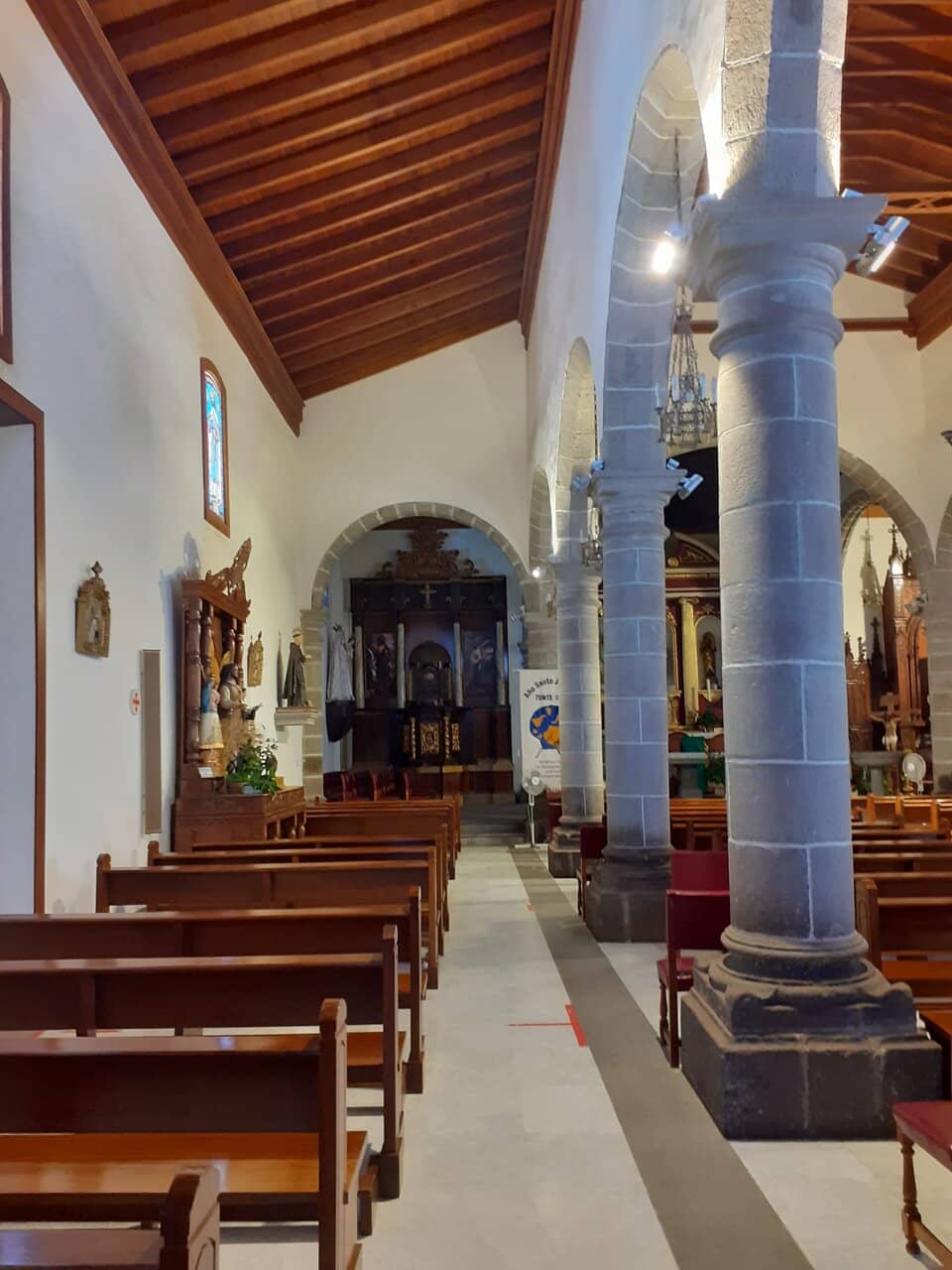
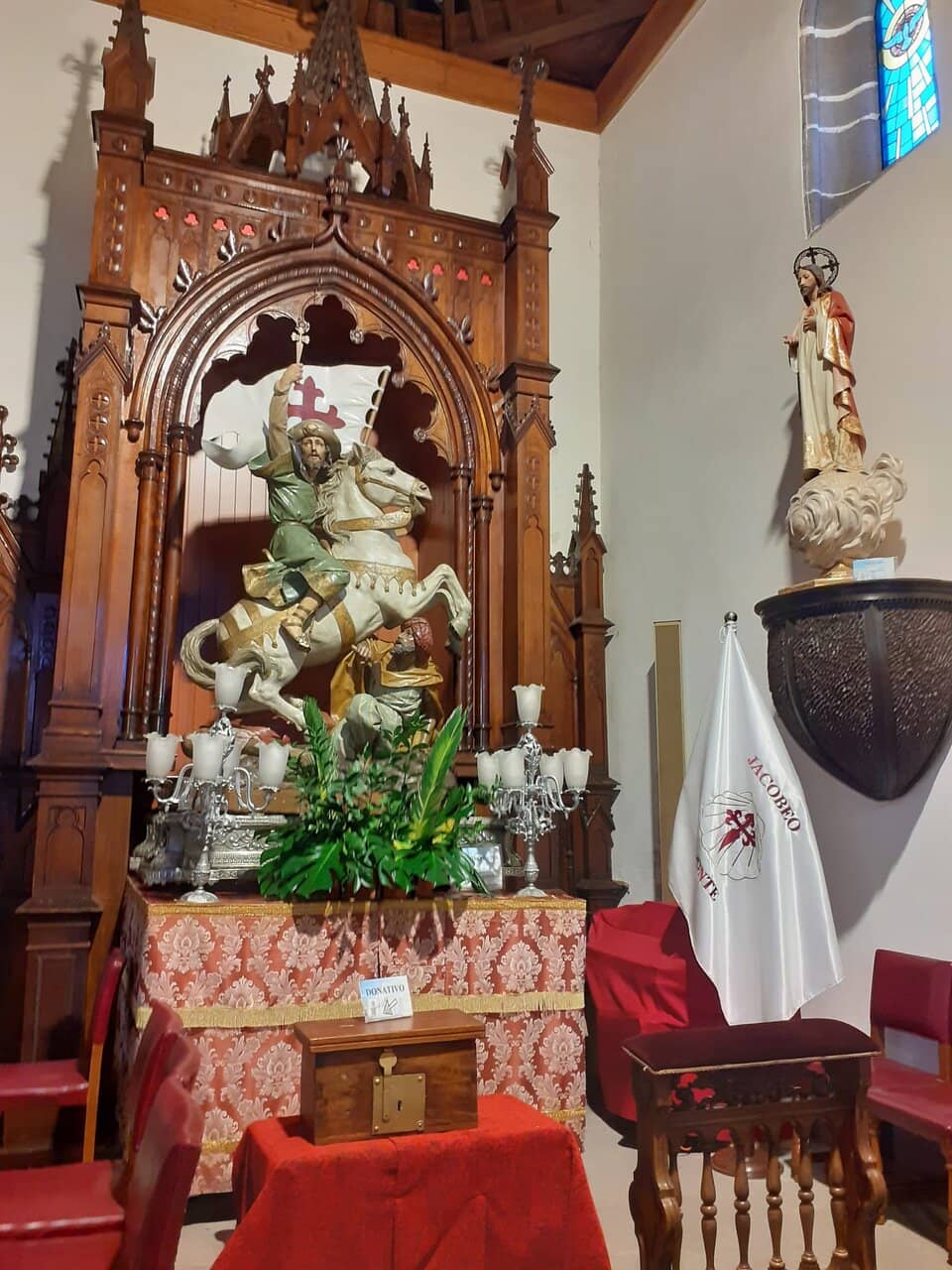
Chapel of Dolores
Side Chapel
Features a striking painting of souls depicting hell and purgatory, offering a unique artistic perspective.
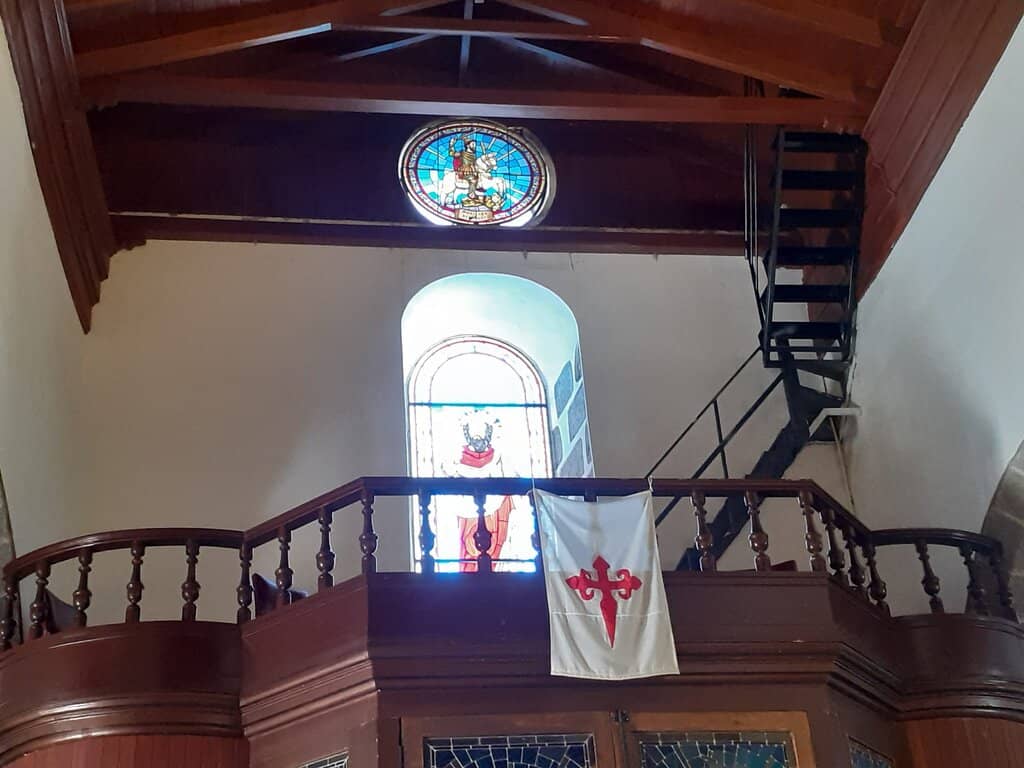
Exterior Architecture
Facade
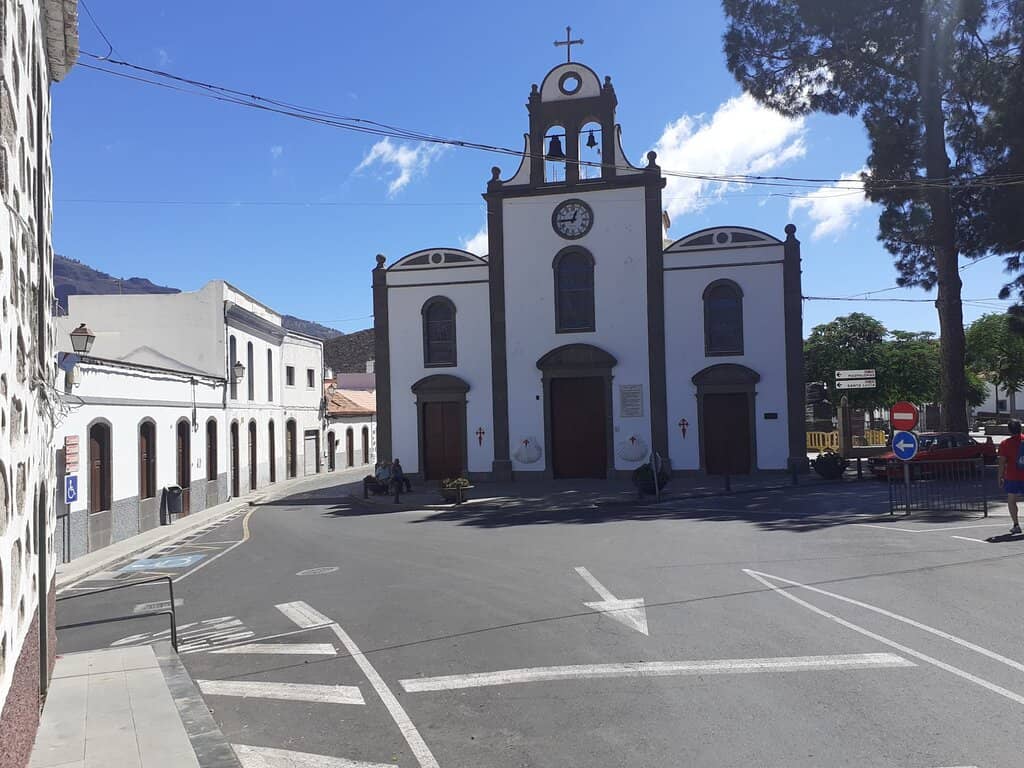
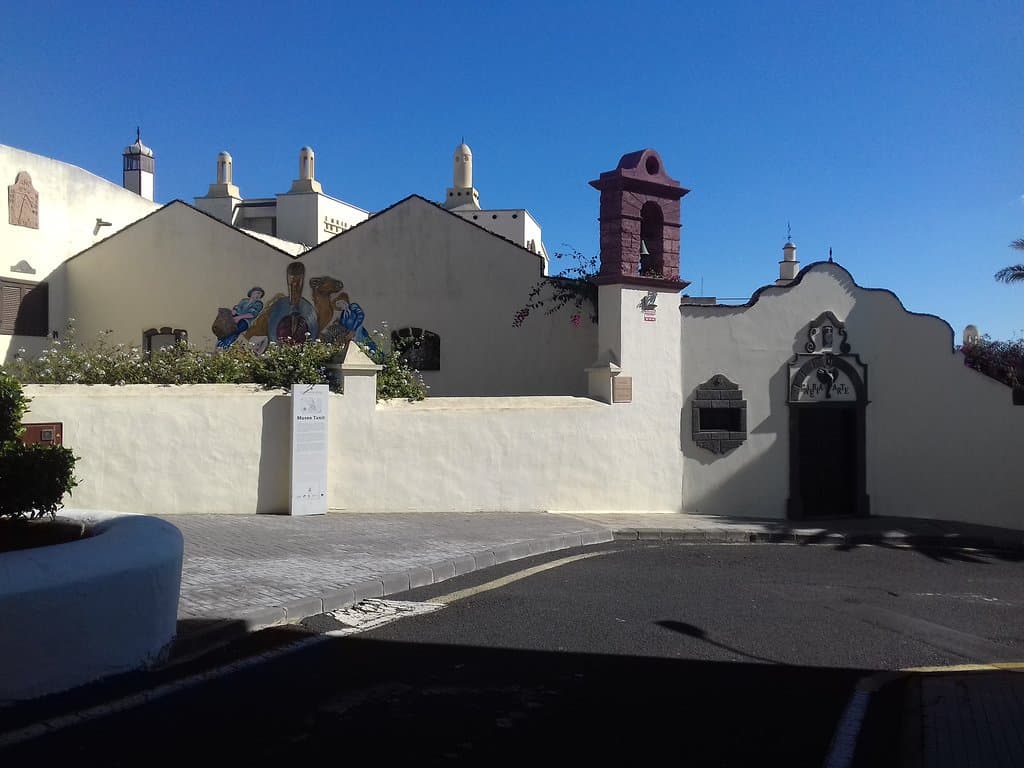
A peculiar and colorful facade that stands out, especially in smaller towns, often noted for its simple beauty.
Plans like a pro.
Thinks like you
Planning Your Visit
Timing Your Visit
Understanding the Art
Best Times
Insider Tips
from TikTok, Instagram & Reddit
Check for Events
Look for local festivals or concerts; they add a unique cultural layer to your visit.
Appreciate the Art
Research the history of artworks like the pulpit to deepen your understanding.
Explore the Surroundings
Many churches are in charming town squares with fountains and historic buildings.
Quiet Contemplation
Visit during off-peak hours for a more serene and reflective experience.
Tips
from all over the internet
Check for Events
Look for local festivals or concerts; they add a unique cultural layer to your visit.
Appreciate the Art
Research the history of artworks like the pulpit to deepen your understanding.
Explore the Surroundings
Many churches are in charming town squares with fountains and historic buildings.
Quiet Contemplation
Visit during off-peak hours for a more serene and reflective experience.
What Travellers Say
Reviews Summary
Visitors often find the Iglesia de San Bartolomé to be a simple yet pretty structure, particularly appreciated for its peaceful surroundings and integration into charming town squares. The historical significance, especially concerning its art and community role, is frequently highlighted, though some may find the exterior architecture peculiar. The affordability of nearby dining options is also a plus.
"We only saw it from the outside, simple but very pretty. Next to it is the San Bartolomé theater and town hall, with its beautiful fountain. The surroundings of the square are very pretty, conveying peace and tranquility."
Israel Muñoz Rodríguez
"The parish of San Bartolomé dates back to the 18th century. Due to the small size of the old hermitage, Don Francisco
Tomas Guerra Clavijo, known as
Mayor Guerra, a prominent figure in this municipality and military governor of the island, mobilized the neighborhood and, through a popular subscription, requested donations to build a new building.
In 1787, Mayor Guerra, who had achieved considerable prestige and economic and military power, proposed the creation of a parish encompassing the towns of Tias and San Bartolomé and requested that his son Cayetano, who had been ordained a priest and served in the main church of Teguise, be appointed as parish priest. The creation of this parish would entail entering into litigation with Teguise because it would reduce the benefits that the municipality obtained. The Gran Canarian sculptor Luján Pérez created the pulpit for the Church of San Bartolomé in 1810.
The remains of Major Guerra rest alongside those of his wife in the Chapel of Dolores in the Church of San Bartolomé."
Monica Aller
"Nice and quiet. The church and theater are right next to each other. We went to a concert, but it was canceled, so I can't comment on the interior. The town is nice, and the prices in restaurants are half those in seaside resorts."
Marek Mazurkiewicz
What People Like
What People Dislike
Frequently Asked Questions
🚇 🗺️ Getting There
Access varies by location. For example, in Sitges, it's accessible via local transport or a scenic walk.
Always check local transport options for the specific town you're visiting.
Parking availability depends heavily on the town. Larger cities might have paid parking, while smaller villages may offer street parking. It's advisable to research parking in the specific area beforehand.
Yes, in many locations, public transport is a viable option. For instance, in Spain, churches are often central to towns and accessible by bus routes.
While not always advertised, local tourist offices or religious organizations might offer guided tours, especially for historically significant churches. Inquire locally upon arrival.
Renting a car offers the most flexibility for exploring multiple locations, especially in regions like Matarraña.
🎫 🎫 Tickets & Entry
Most parish churches like Iglesia de San Bartolomé are free to enter for worship and general visits. However, some may charge a small fee for specific areas or during special exhibitions.
Opening hours can vary significantly by location and season. It's best to check the specific church's website or contact local tourist information for the most accurate times. Some may close midday.
Churches are typically open on Sundays for religious services. Visiting outside of service times is usually possible, but it's wise to confirm the schedule to avoid disruption.
While general entry is usually free, certain areas or temporary exhibitions might have a fee. This is more common in larger cathedrals or churches with significant historical artifacts.
For events like concerts, tickets are usually purchased through event organizers or local ticketing platforms. Check local event listings or the church's bulletin board for details.
🎫 ⛪ Onsite Experience
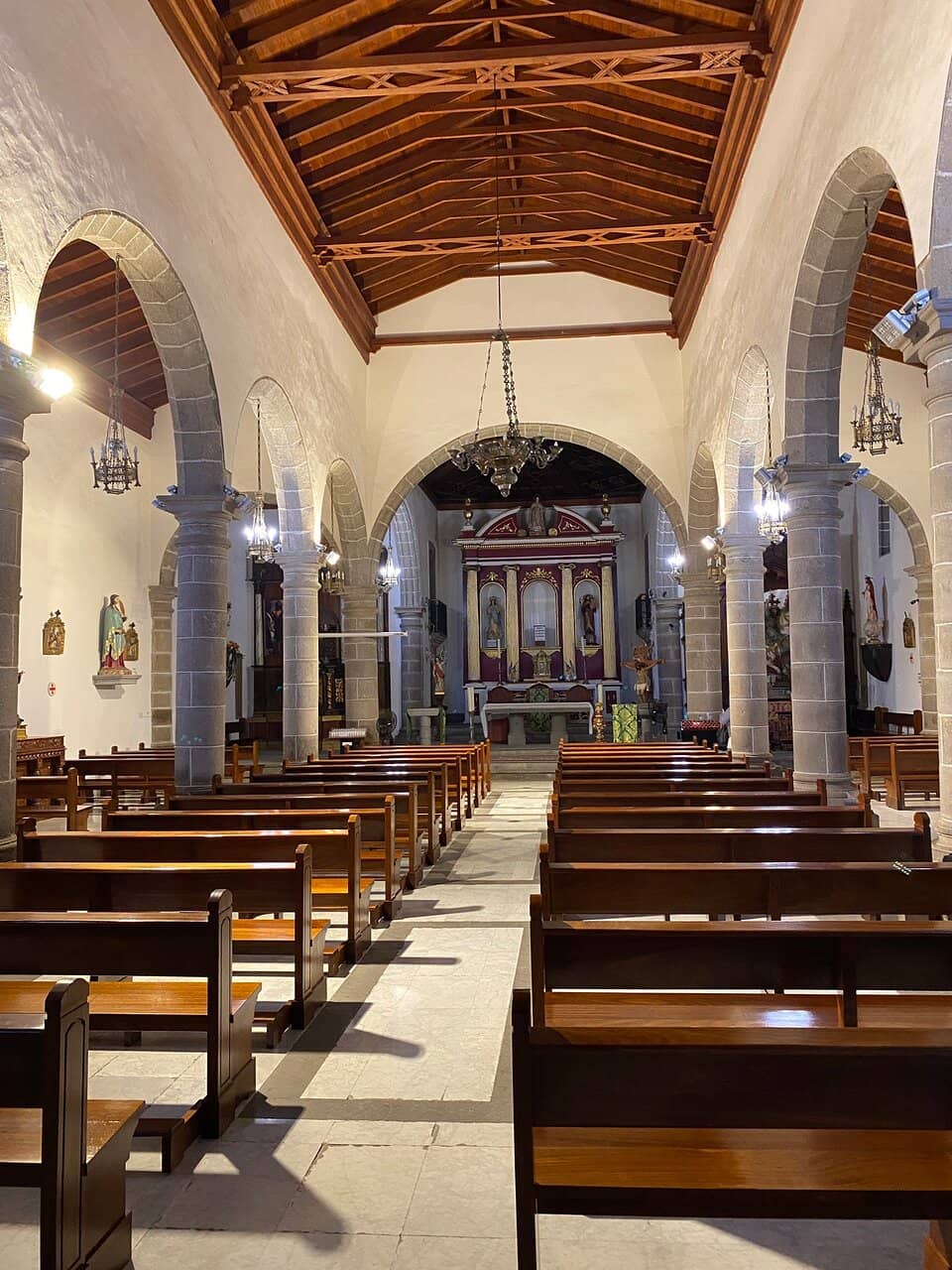
Inside, you can often find beautiful altarpieces, religious art, and historical architectural elements. Don't miss the pulpit by Luján Pérez and the Chapel of Dolores with its unique painting.
Photography policies vary. Many churches allow photography without flash, but it's always best to look for signage or ask a church official to be sure.
San Bartolomé (Saint Bartholomew) was one of the twelve apostles of Jesus. He is often depicted as being flayed alive, a martyrdom that inspires much of the art associated with him. +2
Some churches house historical artifacts, such as the remains of prominent figures like Mayor Guerra in the Church of San Bartolomé in Lanzarote. Research the specific church for its unique historical connections.
Architectural styles vary greatly depending on the location and age of the church. Some are Romanesque,
🍽️ 🍽️ Food & Dining
Yes, churches are often located in town centers, which usually have restaurants and cafes nearby. Prices in smaller towns can be significantly lower than in tourist resorts.
Expect local cuisine. In Spain, this could range from tapas to regional specialties. In smaller towns, the dining experience is often more authentic and affordable.
Cafes are commonly found in town squares or main streets, offering coffee, pastries, and light snacks, perfect for a break during your visit.
While traditional local restaurants might have limited options, larger towns or those with more tourist infrastructure are more likely to offer vegetarian or vegan dishes. It's always good to ask.
Eating in the town square can be a delightful experience, offering a chance to soak in the local atmosphere. Prices might be slightly higher than off-square, but the ambiance is often worth it.
📸 📸 Photography
The facade, especially its unique colors, is a great subject. Drone shots can capture the church's setting within its town or landscape.
Photography policies vary. Many churches allow non-flash photography for personal use. Always check for signs or ask permission to ensure you're following the rules.
Drone usage is often restricted in urban areas and around religious sites due to privacy and safety concerns. Always check local regulations before flying a drone.
Golden hour (early morning or late afternoon) often provides the best light for exterior shots, creating dramatic shadows and warm tones.
Look for hidden details like the 'secret' medieval tombstone in Logroño
For Different Travelers
Tailored advice for your travel style
👨👩👧 Families with Kids
⛪ Religious Pilgrims & History Buffs
📸 Photographers & Art Enthusiasts
+1 The golden hour light can dramatically enhance exterior shots. Inside, focus on capturing the intricate details of religious art, such as the pulpit or the evocative paintings in side chapels.Deep Dives
In-depth insights and expert knowledge
The Artistry of San Bartolomé
Beyond these specific pieces, the overall architecture and interior design of various San Bartolomé churches contribute to their unique character. From the peculiar and colorful facades noted in some locations
each church tells a story of its history and the community it serves. The presence of historical figures, like Mayor Guerra, whose remains rest in the Lanzarote church, adds another layer of historical significance, connecting the spiritual space to the local heritage.Many of these churches also serve as venues for cultural events, such as concerts, further highlighting their role in community life.
The ecumenical service attended by an Anglican Archbishop at a Catholic basilica of San Bartolomé underscores the broader spiritual and interfaith connections these sites can foster.Community and Celebrations
These festivals are not just religious observances but also crucial social events that bring people together.Beyond annual festivals, churches like San Bartolomé play a role in significant life events. They are frequently chosen as venues for weddings, with families celebrating these joyous occasions within their sacred walls.
+2 The presence of the church in the town square, often alongside the town hall and theater, makes it a central point for civic and social life.Furthermore, the historical context of these churches is deeply intertwined with the communities they serve. The construction of the parish in San Bartolomé, Lanzarote, for example, was a significant undertaking driven by local mobilization and popular subscription, demonstrating the community's commitment to their spiritual center.


Social
from TikTok, Instagram & Reddit