San Julián y Santa Basilisa Church
A Romanesque church from 1107, transformed by Baroque art, this hidden gem offers a peaceful glimpse into Salamanca's deep history and artistic herita...
Highlights
Must-see attractions

Social
From TikTok & Reddit
Best Time
Fewer crowds, peaceful atmosphere
San Julián y Santa Basilisa Church
Best Time
Fewer crowds, peaceful atmosphere
Highlights
Must-see attractions
A Romanesque church from 1107, transformed by Baroque art, this hidden gem offers a peaceful glimpse into Salamanca's deep history and artistic heritage.
"A true treasure not well known even by the people of Salamanca themselves despite the compendium of more than eight and a half centuries of history."
🤫 A Local Secret
This church is a hidden gem, often overlooked by tourists. Enjoy its tranquility and historical depth.
🖼️ Art Lover's Paradise
Seek out the exceptional 'Inmaculada' painting and the Baroque Holy Week sculptures.
Highlights
Discover the most iconic attractions and experiences
Romanesque North Doorway
Exterior
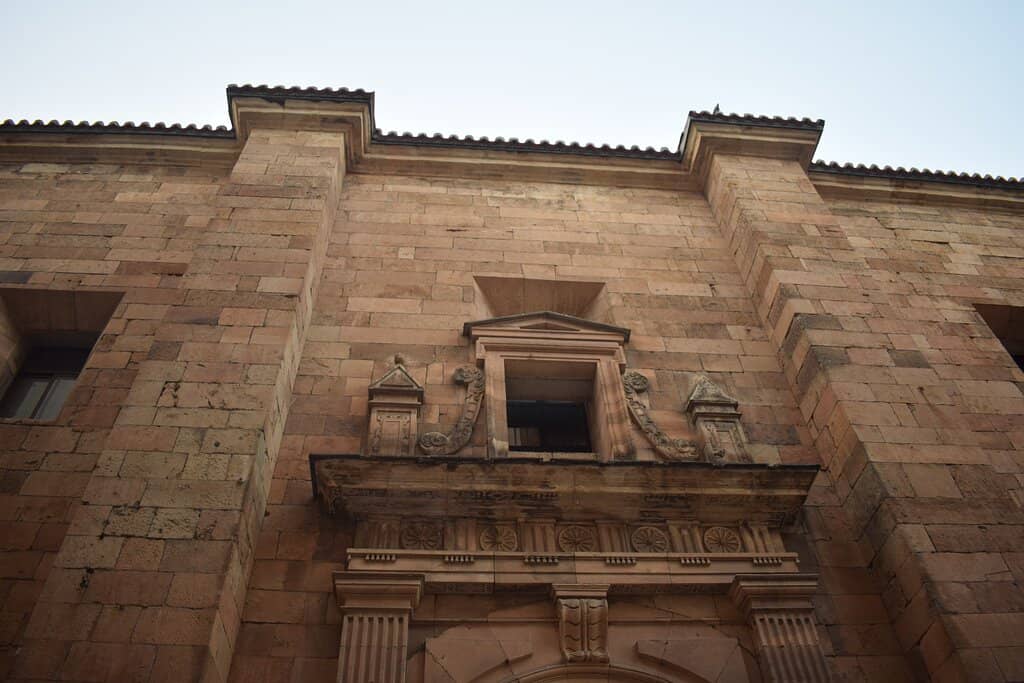
Admire the original 1107 doorway with sculpted archivolts, corbels, and animal decorations, a testament to its Romanesque roots.
José Antolínez's 'Inmaculada'
Main Altarpiece
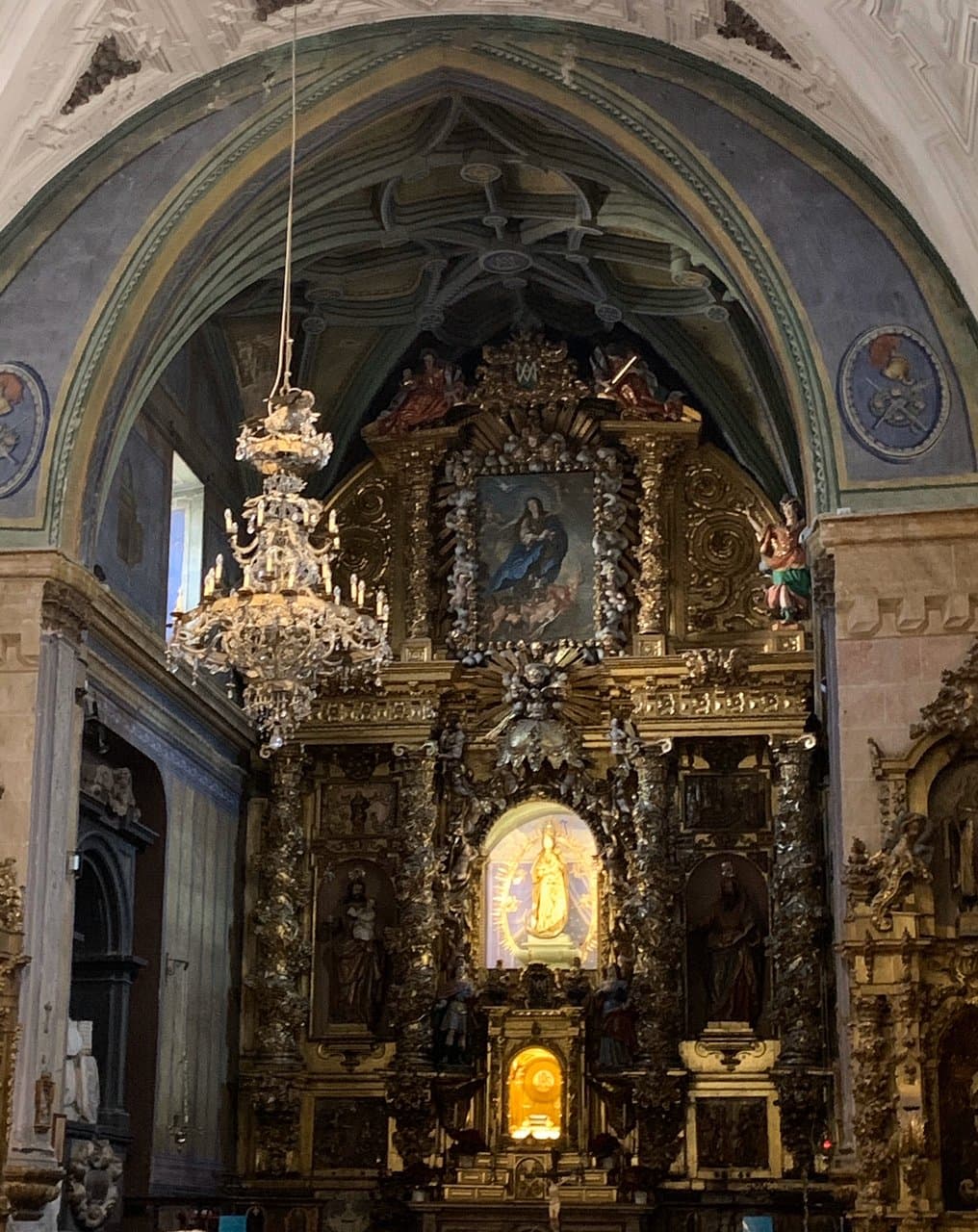
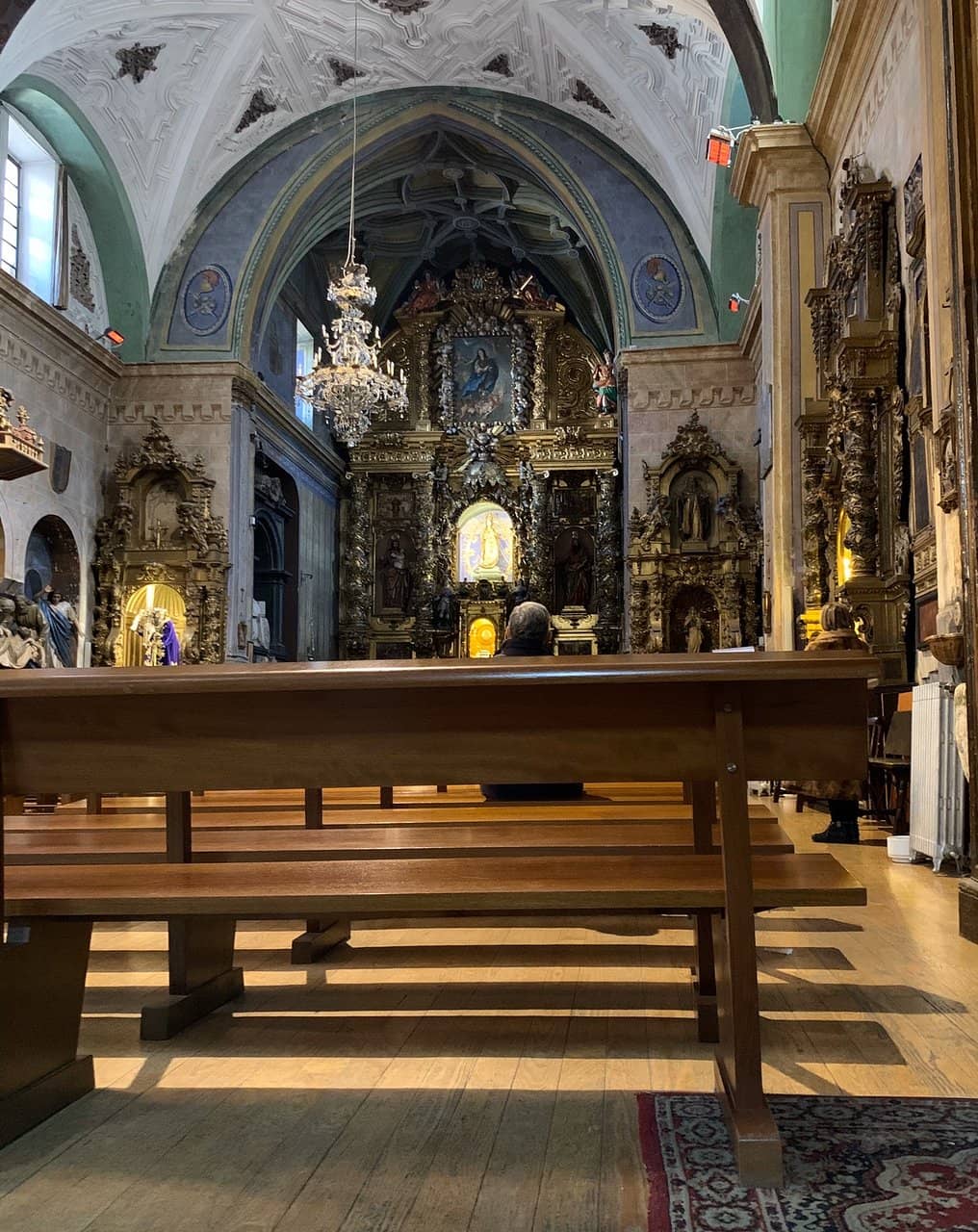
Be captivated by this exquisite 1662 Baroque painting, considered superior to many museum pieces.
Baroque Holy Week Passage
Interior
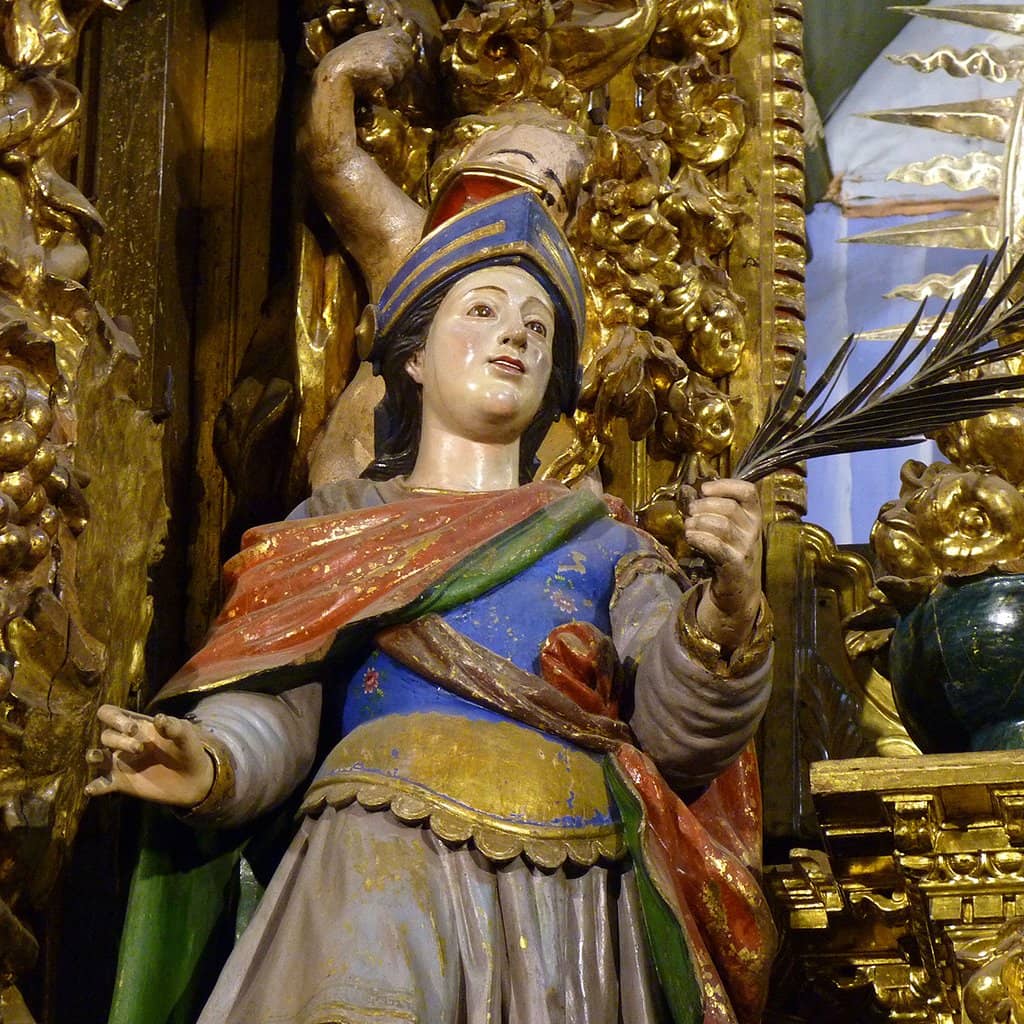
Marvel at the life-size 18th-century sculptures depicting Jesus carrying the cross, originally part of a larger procession.
Plans like a pro.
Thinks like you
Planning Your Visit
Discover Salamanca's Hidden Romanesque Gem
Uncover Artistic Masterpieces
Best Times
Insider Tips
from TikTok, Instagram & Reddit
🤫 A Local Secret
This church is a hidden gem, often overlooked by tourists. Enjoy its tranquility and historical depth.
🖼️ Art Lover's Paradise
Seek out the exceptional 'Inmaculada' painting and the Baroque Holy Week sculptures.
🏛️ Romanesque Roots
Don't miss the original north doorway, a stunning example of 12th-century Romanesque architecture.
🚶♀️ City Center Charm
Its secluded location in the heart of Salamanca adds to its unique appeal.
Zaragoza or Salamanca? 6 day itinerary in central Spain
Tips
from all over the internet
🤫 A Local Secret
This church is a hidden gem, often overlooked by tourists. Enjoy its tranquility and historical depth.
🖼️ Art Lover's Paradise
Seek out the exceptional 'Inmaculada' painting and the Baroque Holy Week sculptures.
🏛️ Romanesque Roots
Don't miss the original north doorway, a stunning example of 12th-century Romanesque architecture.
🚶♀️ City Center Charm
Its secluded location in the heart of Salamanca adds to its unique appeal.
What Travellers Say
Reviews Summary
Visitors praise San Julián y Santa Basilisa Church as a hidden treasure, appreciating its deep history and artistic masterpieces, particularly the 'Inmaculada' painting. Its quiet, secluded atmosphere in the city center is a significant draw for those seeking a more intimate cultural experience.
"A true treasure not well known even by the people of Salamanca themselves despite the compendium of more than eight and a half centuries of history that its walls contain. It is one of the oldest repopulation churches in Salamanca, just a fact to give you an idea of what you can find inside: founding of the parish in 1107.
Magnificent is its main altarpiece (1652-1664) crowned by the great and almost unknown Inmaculada (1667) by the Madrid baroque painter José Antolínez, far superior to that of the Prado Museum, the Lázaro Galdiano Collection or the Munich Pinacoteca, and one of the few outside of museums.
Collection of carvings from the 14th century, beautiful marble tomb of the first Count of Francos, Dr. Francisco Ramos del Manzano. Great baroque Holy Week passage by José de Lara Domínguez "Churriguera" with five life-size images, all from the 18th century... from the central image of the Nazarene of 1716 to the Virgin, the second for Antonio Hernández's passage in 1796. However, originally the passage was truly impressive: it had eight images as it was the encounter of Jesus the Nazarene carrying his cross and helped by the Cyrenean meeting the Daughters of Jerusalem... The streets The narrow streets of that Salamanca and the difficulty of maneuvering led to the elimination of three images and two yards of length (approx. 1.64 m.)."
Francisco José Jaspe y Anido
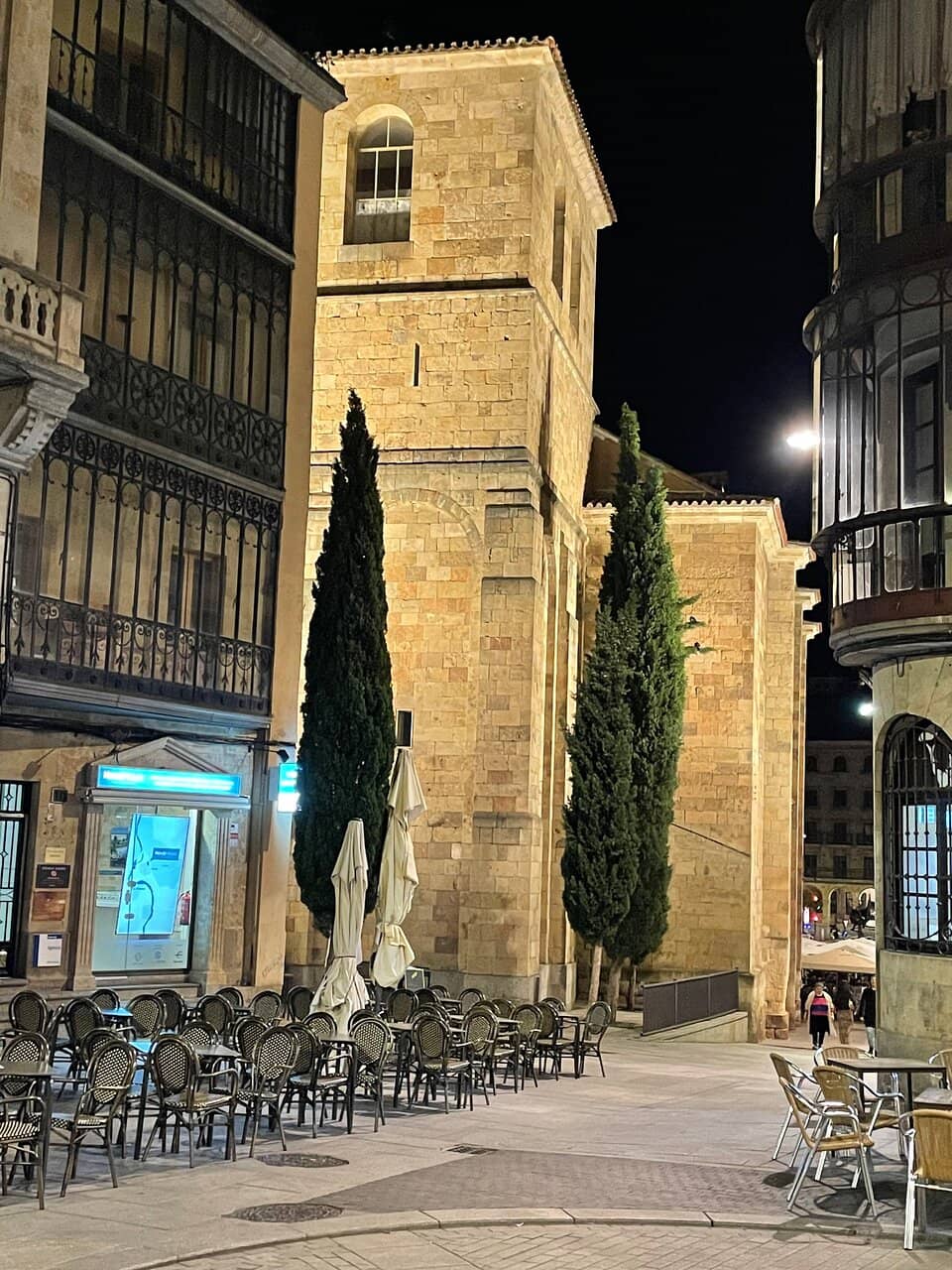
"The church was built in the year 1107, within the repopulation process carried out in the city by King Alfonso VI of León and directed by his son-in-law Raymond of Burgundy. However, the original temple would have undergone important renovations later, at the end of the 16th century. From its first Romanesque period it preserves the north doorway with sculpted archivolts, corbels and animal decoration, from later remodeling comes the Gothic-style interior vault. At the foot there is a tower whose base is Romanesque, the upper part comes from the 17th century."
Carlos Gago Dorna
"Romanesque temple from 1107 underwent several transformations during the 17th and 18th centuries. It has maintained the north façade since its origin. Inside the 15th century altarpiece the Virgin of Remedies is represented, along with Saint John and Saint Basilisa.
Buried inside is Doctor Francisco Ramos del Manzano, who was a jurist, professor at the University of Salamanca and preceptor of Charles II."
MARIA JOSE
What People Like
What People Dislike
Frequently Asked Questions
🚇 🗺️ Getting There
The church is located in the heart of Salamanca's city center, making it easily accessible on foot from most major attractions. If arriving by public transport, look for bus routes that stop near the Plaza Mayor.
Parking in the city center can be challenging. It's recommended to use public parking garages located a short walk from the church, such as the Plaza Mayor underground parking.
Absolutely! It's a short stroll from the Plaza Mayor and the Salamanca Cathedral, making it easy to incorporate into your sightseeing itinerary.
🎫 🎫 Tickets & Entry
Entry to the church is typically free, as it is an active place of worship. However, it's always a good idea to check for any special event closures.
Opening hours can vary, especially outside of peak tourist season. It's best to check local listings or inquire at a nearby tourist information center for the most up-to-date times.
Visitors are generally welcome to enter outside of mass times to admire the architecture and art. If you wish to attend mass, respectful attire and behavior are expected.
While general entry is free, there might be a small fee for specific guided tours or temporary exhibitions if they are being held.
📸 📸 Photography
Photography is usually permitted for personal use, but flash photography is often discouraged to protect the artwork and maintain a peaceful atmosphere. Always look for signage or ask a church official.
The main altarpiece with the 'Inmaculada' painting and the Romanesque north doorway are prime photo opportunities. The Gothic interior vault also offers beautiful perspectives.
Drone photography is generally not permitted in and around churches and historical sites due to privacy and safety regulations.
🎫 🏛️ Onsite Experience
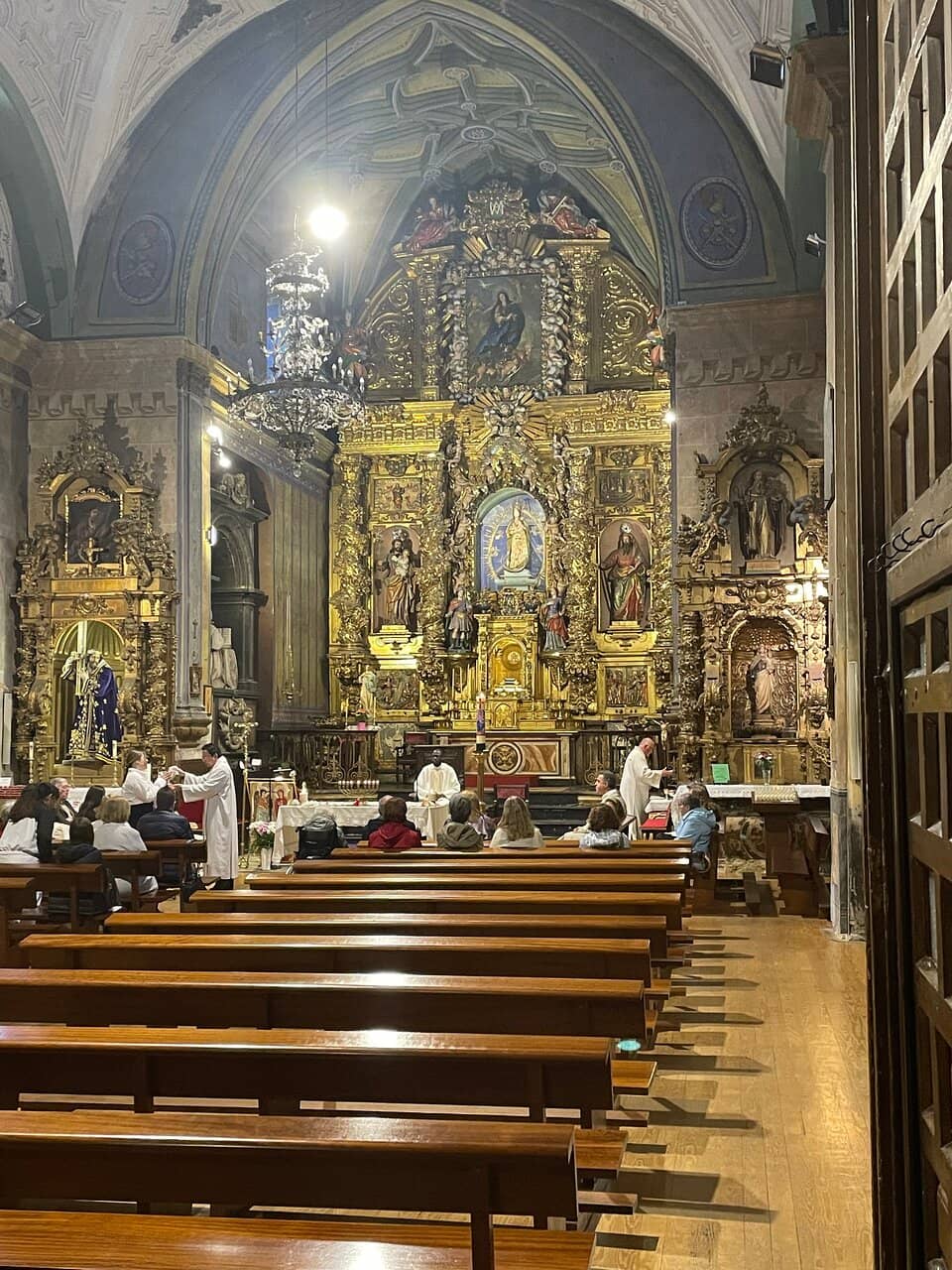
Founded in 1107, it's one of Salamanca's oldest repopulation churches, showcasing Romanesque origins with significant Baroque transformations. It holds centuries of history within its walls.
Key highlights include the Romanesque north doorway, the magnificent main altarpiece with Antolínez's 'Inmaculada', 14th-century carvings, and the tomb of Dr. Francisco Ramos del Manzano.
The main areas of the church are generally accessible, but some older sections or uneven flooring might pose challenges. It's advisable to contact the church directly for specific accessibility information.
While there may not be extensive signage, the church's historical significance is evident in its architecture and art. Consider a guided tour if available for deeper insights.
For Different Travelers
Tailored advice for your travel style
👨👩👧 Families with Kids
Focus on pointing out the animal decorations on the Romanesque doorway and the life-size figures in the Holy Week passage, which can capture a child's imagination. The church's central location makes it easy to combine with other family-friendly activities in Salamanca.

🏛️ History Buffs
Delve into the Baroque transformations and the significance of the José Antolínez 'Inmaculada'. The tomb of Dr. Francisco Ramos del Manzano also provides a fascinating biographical element, connecting the church to prominent figures in Salamanca's academic and legal history.
🎨 Art Aficionados
Beyond this masterpiece, explore the 14th-century carvings and the detailed 18th-century Holy Week sculptures. The blend of Romanesque, Gothic, and Baroque styles within a single structure offers a rich visual experience for those appreciating diverse artistic periods.
Deep Dives
In-depth insights and expert knowledge
A Journey Through Time: Romanesque to Baroque
Over the centuries, the church underwent significant transformations, particularly in the 17th and 18th centuries. These renovations introduced Baroque elements, most notably the magnificent main altarpiece (1652-1664). This altarpiece is crowned by the exceptional painting of the 'Inmaculada' (1667) by José Antolínez, a work widely praised for its quality and often considered superior to other works by the artist found in major museums. The interior vault also showcases Gothic influences from later remodeling.
The church also houses a notable Baroque Holy Week passage by José de Lara Domínguez, featuring five life-size 18th-century images. Originally more extensive, it depicted the encounter of Jesus with the Cyrenean and the Daughters of Jerusalem. These layers of history make San Julián y Santa Basilisa a rich site for understanding the evolution of religious architecture and art in Salamanca.
Artistic Treasures Within
The church also preserves a collection of 14th-century carvings, adding to its historical artistic value. Visitors can also admire the marble tomb of Dr. Francisco Ramos del Manzano, a distinguished jurist and professor at the University of Salamanca. The 18th-century Holy Week passage offers a dramatic visual narrative, with its life-size figures conveying the solemnity of the Passion.
Even the 15th-century altarpiece features the Virgin of Remedies alongside Saints John and Basilisa, showcasing a blend of artistic styles and periods. These diverse artworks contribute to the church's reputation as a treasure trove of Spanish art, often appreciated by those who seek out less-crowded cultural experiences.


Social
from TikTok, Instagram & Reddit