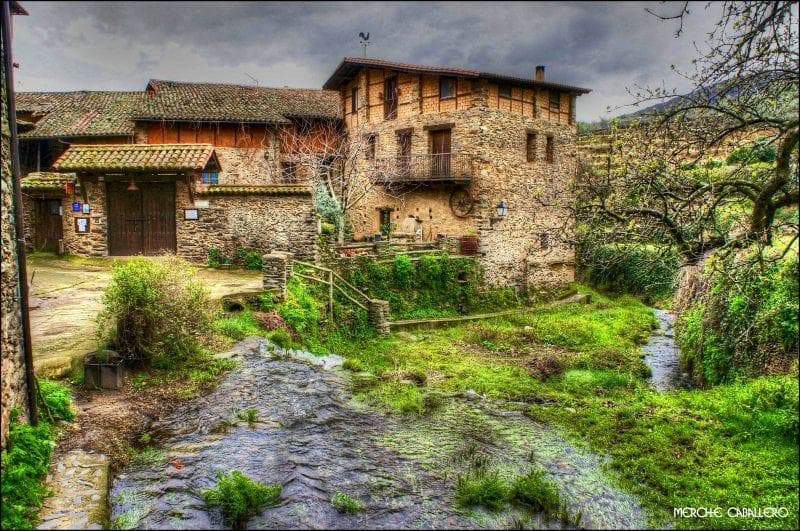
Museo de la Villa Romana de El Molino de Aceite
Step back in time at a beautifully preserved 18th-century olive mill, offering a taste of tradition and local passion.
Highlights
Must-see attractions

Social
From TikTok & Reddit
Best Time
More locals present
Museo de la Villa Romana de El Molino de Aceite
Best Time
More locals present
Highlights
Must-see attractions
Step back in time at a beautifully preserved 18th-century olive mill, offering a taste of tradition and local passion.
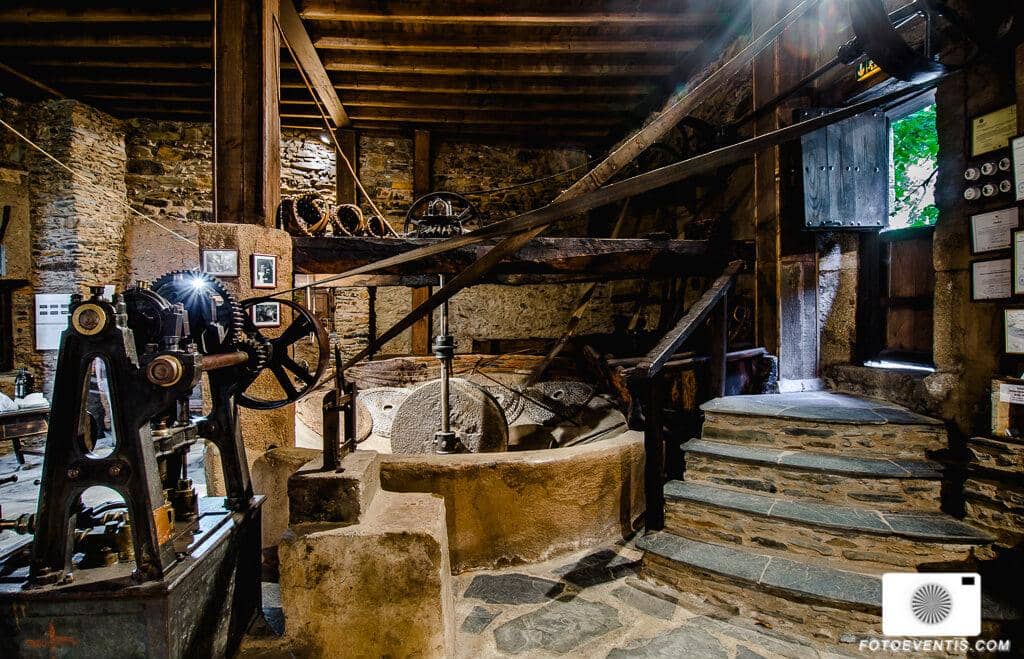
"A visit to the Robledillo de Gata Oil Museum is profoundly interesting. You step inside a real olive mill, preserved with such care that if water were to flow through the mill again tomorrow, it would work perfectly."
🤝 Engage with the Owners
The passion of the owners is infectious! Ask questions; they love sharing their knowledge and history.
🍯 Taste the Local Delicacies
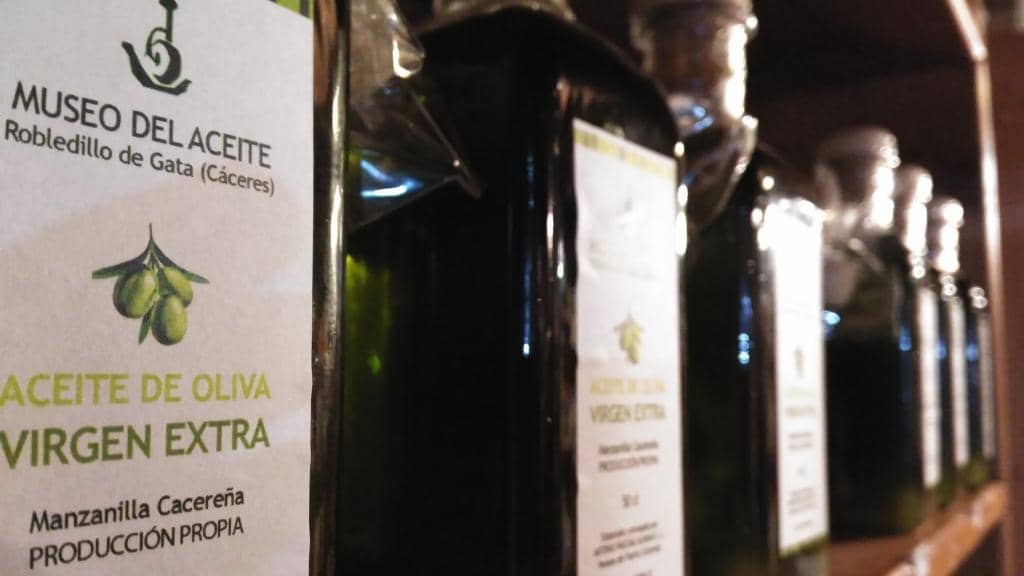
Don't miss the olive oil tasting and the artisanal sausages – they're a highlight for many visitors.
Highlights
Discover the most iconic attractions and experiences
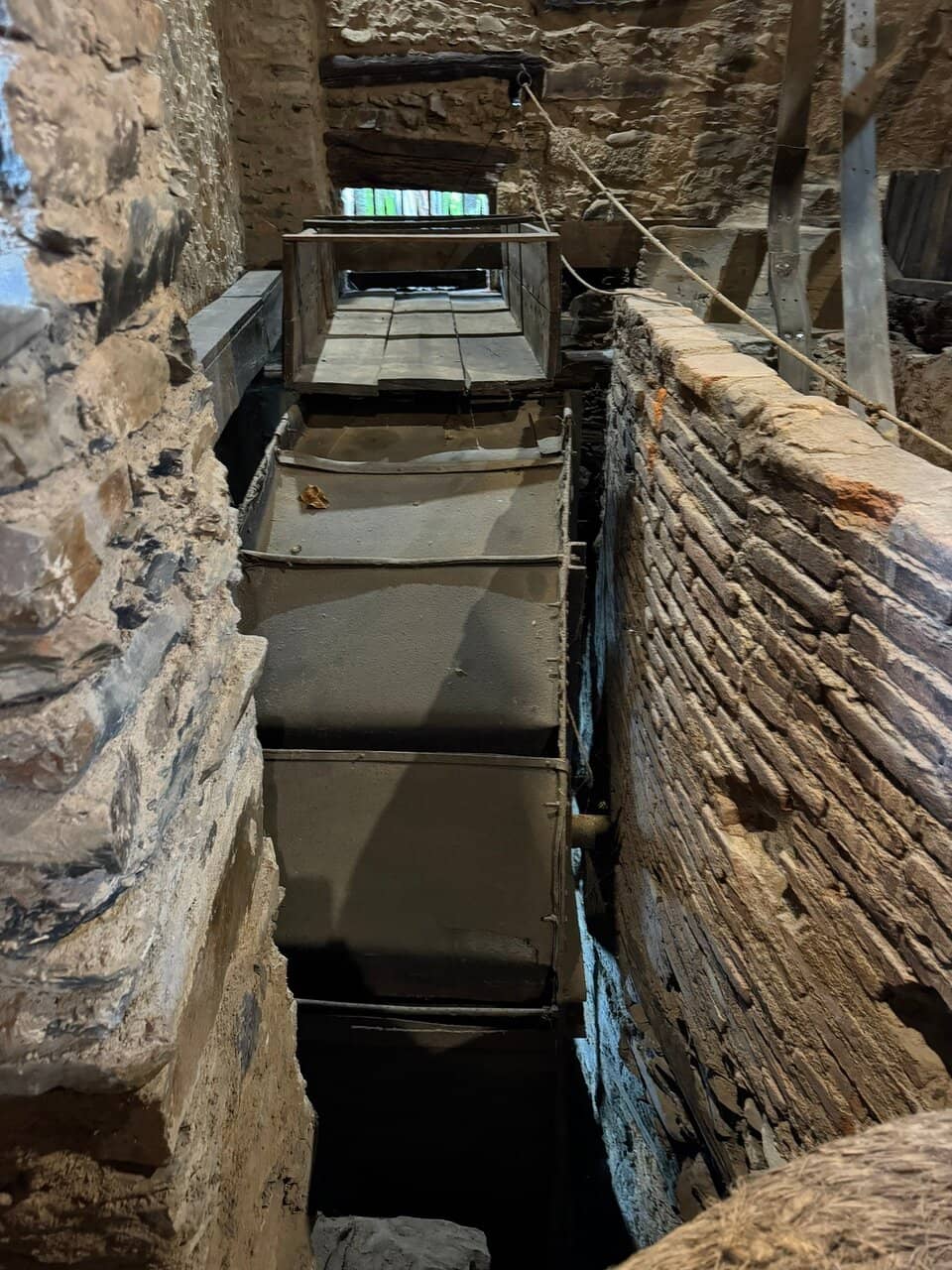
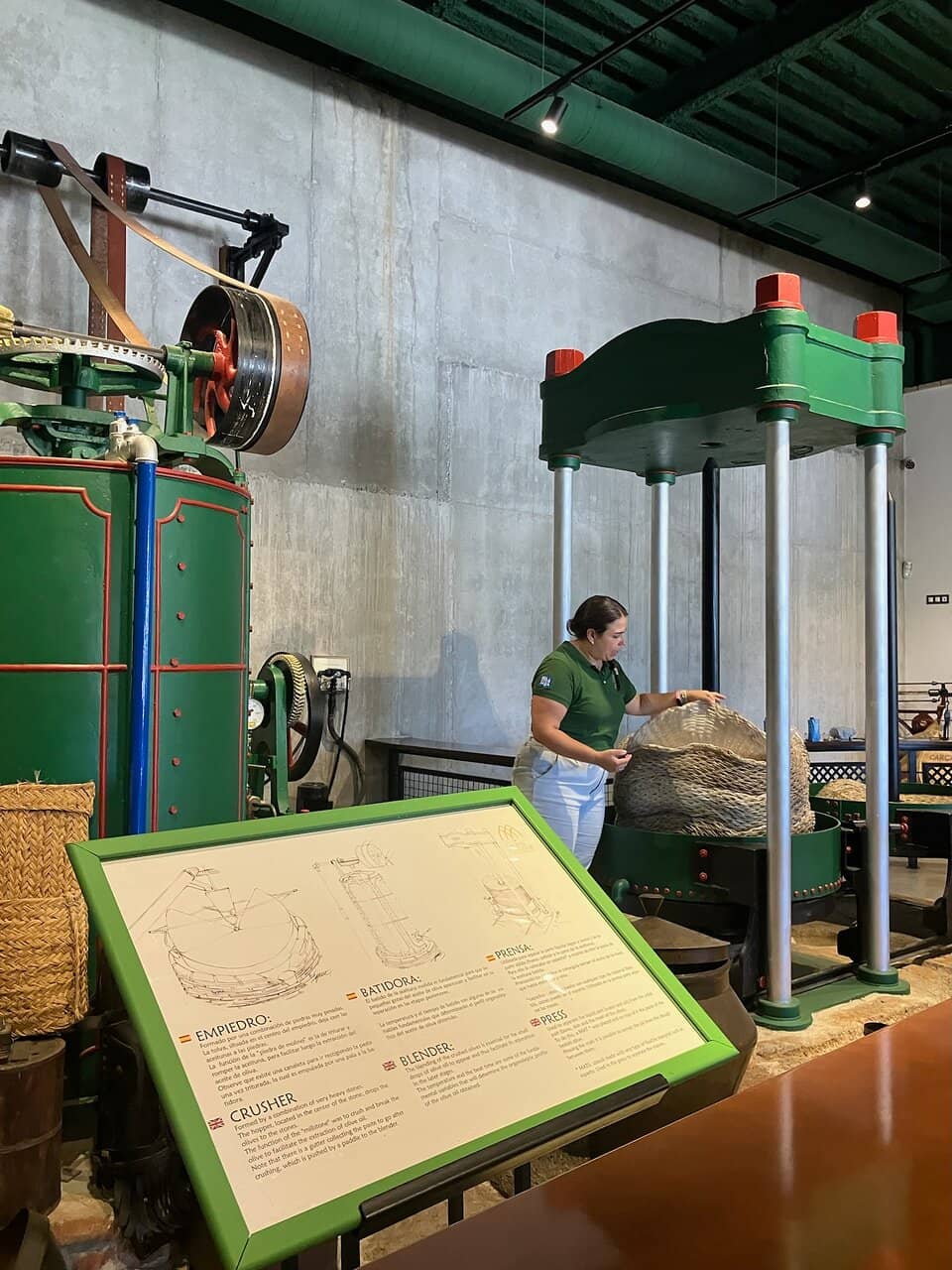
The Ancient Olive Mill
Main exhibition area
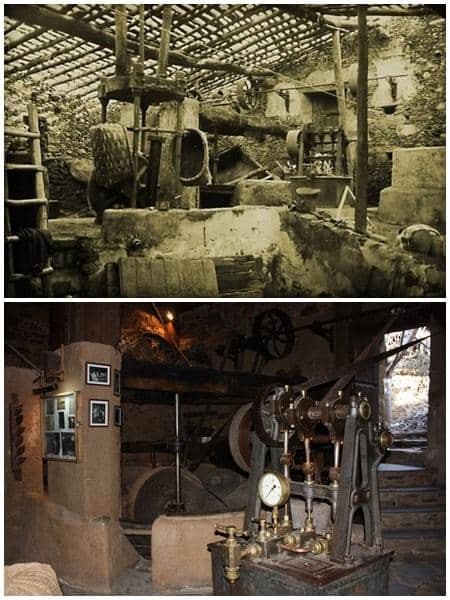
Step into a perfectly preserved 18th-century olive mill, a tangible link to centuries of tradition.
Olive Oil Tasting Experience
Shop/Tasting area
Savor the rich flavors of locally produced olive oil, guided by experts who teach you to appreciate its nuances.
Local Produce Shop
Entrance/Shop
Discover artisanal sausages, local wines, and award-winning olive oil, perfect for souvenirs or gifts.
Plans like a pro.
Thinks like you
Planning Your Visit
Embrace the Local Charm
Support a Local Treasure
Best Times
Insider Tips
from TikTok, Instagram & Reddit
🤝 Engage with the Owners
The passion of the owners is infectious! Ask questions; they love sharing their knowledge and history.
🍯 Taste the Local Delicacies
Don't miss the olive oil tasting and the artisanal sausages – they're a highlight for many visitors.
💰 Support the Museum
Your visit fee helps preserve this gem. Buying products is a great way to contribute further.
🕰️ Allow Ample Time
While small, the experience is rich. Take your time to absorb the history and enjoy the tasting.
Tips
from all over the internet
🤝 Engage with the Owners
The passion of the owners is infectious! Ask questions; they love sharing their knowledge and history.
🍯 Taste the Local Delicacies
Don't miss the olive oil tasting and the artisanal sausages – they're a highlight for many visitors.
💰 Support the Museum
Your visit fee helps preserve this gem. Buying products is a great way to contribute further.
🕰️ Allow Ample Time
While small, the experience is rich. Take your time to absorb the history and enjoy the tasting.
What Travellers Say
Reviews Summary
Visitors overwhelmingly praise the museum for its authentic preservation of an 18th-century olive mill and the passionate, personal guidance from its owners. The olive oil tasting and local products are consistently highlighted as exceptional. While most reviews are glowing, a few negative comments mention issues with communication and perceived pressure, though these are outliers compared to the widespread positive sentiment.
"Great museum, small but delightful"
thomas de jong
"Julio showed us the mill and how it worked, lending us his time and knowledge, and his brother provided us with wonderful service in the shop. We bought olive oil, which I have to say was fantastic. We also tried the sausage, which lasted us two nights, so I don't think I need to say more, haha. We haven't tried the wild boar and venison chorizo yet, but I imagine it's more of the same. Thank you for making sure that these important things aren't missed. We'll be back."
Mi rinconcito con arte
"I believe the best way to travel is always with humility. Sometimes it seems that every relationship should be reduced to a simple client-supplier exchange, but I prefer to see it differently: like the day a man decided to dedicate his fortune to preserving something valuable, so that others can enjoy it.
Julio isn't a professional guide, but he welcomes you warmly and affectionately, proudly sharing the history of his town and its museum. It's clear he's passionate about what he does.
A visit to the Robledillo de Gata Oil Museum is profoundly interesting. You step inside a real olive mill, preserved with such care that if water were to flow through the mill again tomorrow, it would work perfectly. What you pay isn't so much an entrance fee as a way to contribute to the upkeep of this little treasure.
A journey into the past, made with love and to be remembered. Highly recommended."
Francisco Fernández
What People Like
What People Dislike
Frequently Asked Questions
🚇 🗺️ Getting There
The museum is located in Robledillo de Gata, Cáceres, Spain. Driving is the most common way to reach this rural area. Parking is usually available nearby, but check local conditions upon arrival.
Public transport options to smaller towns like Robledillo de Gata can be limited. It's advisable to check regional bus schedules in advance or consider carpooling if traveling with others.
The journey typically involves scenic routes through Extremadura. GPS navigation is recommended, and be prepared for winding country roads as you approach the village.
Larger towns in the region might offer more frequent bus services. You could potentially use these as a base and arrange local transport or a taxi to Robledillo de Gata.
Roads are generally well-maintained but can be narrow and winding, especially as you get closer to the village. Drive cautiously and enjoy the picturesque scenery.
🎫 🎫 Tickets & Entry
The cost is often described as a contribution towards the upkeep of the museum rather than a strict entrance fee. Prices are generally reasonable and considered a good value for the experience.
Booking in advance is usually not necessary, especially outside of peak tourist seasons. However, for groups or specific requests, it might be wise to contact them beforehand.
Opening hours can vary, and it's best to check directly with the museum or their social media pages for the most up-to-date information, as they are often run by locals with flexible schedules.
Explanations are often given spontaneously by the passionate owners when visitors arrive, rather than on a strict schedule. Arriving when others are present can enhance the experience.
Information on specific discounts isn't widely advertised. It's recommended to inquire directly upon arrival, though the overall contribution is generally affordable for most visitors.
🎫 🧭 Onsite Experience
You'll explore a beautifully preserved 18th-century olive mill, learn about traditional olive oil production, and often participate in a tasting session.
Yes, children can find the historical machinery fascinating. The interactive explanations and tasting can also be engaging for younger visitors.
A visit can range from 1 to 2 hours, depending on how much time you spend exploring, listening to the explanations, and enjoying the tasting.
Photography is generally permitted, allowing you to capture the unique historical machinery and atmosphere. Always be respectful of the space and other visitors.
The atmosphere is intimate and authentic, offering a genuine glimpse into the past. The preserved machinery creates a powerful sense of history.
🍽️ 🍽️ Food & Dining
The museum has a shop where you can purchase local products like artisanal sausages and, of course, their excellent olive oil. There isn't a full restaurant on-site.
Absolutely! An olive oil tasting is a key part of the experience, allowing you to sample and appreciate the different varieties before making a purchase.
Besides olive oil, visitors often rave about the artisanal sausages, including wild boar and venison chorizo, as well as other regional specialties.
Robledillo de Gata is a small village, so dining options might be limited to local bars or small eateries. It's advisable to check for available restaurants in the village or nearby larger towns.
The olive oil is consistently praised for its fantastic quality and delicious taste, making it a highly recommended purchase.
📸 📸 Photography
Capture the intricate details of the ancient olive press machinery, the textures of the stone walls, and the vibrant colors of the local products in the shop.
The lighting can be atmospheric, so experiment with different angles and settings. The well-preserved machinery offers many visually interesting elements.
Generally, photography is allowed, but it's always good practice to be mindful of other visitors and ask if unsure about specific areas.
A camera with good low-light performance or a smartphone with a night mode can be beneficial. Natural light filtering in can create beautiful shots.
Yes, you can capture the tasting experience, but focus on the presentation and the enjoyment of the participants.
For Different Travelers
Tailored advice for your travel style
👨👩👧 Families with Kids
Consider making the visit a sensory adventure. The olive oil tasting can be a fun way for kids to explore different flavors (under supervision, of course!), and the shop offers a chance to see and perhaps purchase local treats. While there aren't specific play areas, the sheer novelty of the old mill and the engaging stories from the staff can keep children entertained and educated. Remember to manage expectations regarding the pace; it's more about absorbing the atmosphere and learning than a fast-paced attraction.
🍷 Foodies & Culinary Enthusiasts
Beyond the tasting, the museum's shop is a treasure trove of artisanal Spanish products. Visitors consistently rave about the exceptional quality of the olive oil, often described as 'fantastic' and 'delicious.' Don't overlook the local sausages, including wild boar and venison varieties, which are also highly recommended. These products offer a genuine taste of Extremadura and make for perfect, authentic souvenirs or gifts for fellow food lovers.
Deep Dives
In-depth insights and expert knowledge
The Art of Traditional Olive Oil Production
What makes this museum particularly special is its authenticity. It's not a sterile, modern replica, but a genuine working mill that, with a bit of imagination (or perhaps even a bit of actual water), could theoretically function again. This tangible connection to the past is what resonates most with visitors. The explanations provided by the passionate locals bring the machinery to life, detailing the labor-intensive steps and the ingenuity involved in extracting the highest quality oil.
Beyond the machinery, the museum highlights the cultural significance of olive oil in Spain. It's more than just a food product; it's a cornerstone of the Mediterranean diet and a symbol of heritage. The visit often culminates in an olive oil tasting, where you learn to discern the subtle notes and aromas, appreciating the nuances that differentiate various oils. This educational aspect, combined with the historical context, makes for a truly enriching experience.
A Community-Driven Preservation Effort
Visitors frequently highlight the warm and personal welcome they receive. The owners and staff are not just employees; they are custodians of history, eager to share their knowledge and stories with genuine enthusiasm. This personal touch transforms a typical museum visit into a memorable interaction. Many reviews mention specific individuals, like Julio, who go above and beyond to make visitors feel welcome and informed, sharing insights that go beyond a standard script.
This community-driven approach also extends to the products sold in the museum's shop. The artisanal olive oil, sausages, and other local delicacies are not just commodities; they represent the continuation of traditional practices and the bounty of the region. Purchasing these items is seen by many as a way to directly support the preservation efforts and to take home a piece of authentic local culture. It’s a symbiotic relationship where visitors contribute to the museum’s survival while enjoying high-quality, locally produced goods.
Social
from TikTok, Instagram & Reddit