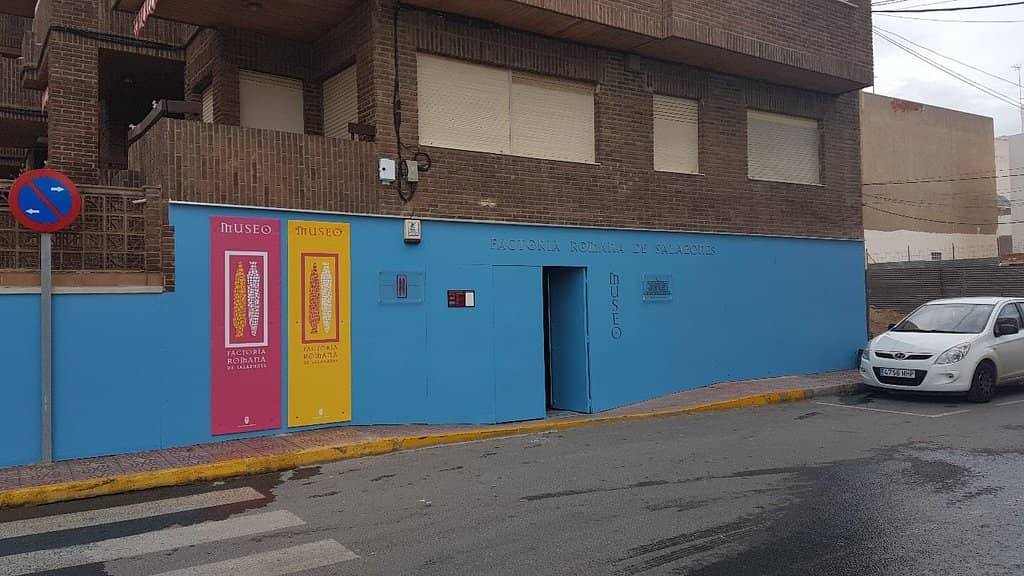
Roman Fish Salting Factory Museum
Discover ancient Roman fish salting techniques and unearthed artifacts in this fascinating, free museum. A quick dive into history!
Highlights
Must-see attractions

Social
From TikTok & Reddit
Best Time
Fewer crowds, better viewing
Roman Fish Salting Factory Museum
Best Time
Fewer crowds, better viewing
Highlights
Must-see attractions
Discover ancient Roman fish salting techniques and unearthed artifacts in this fascinating, free museum. A quick dive into history!
"A great free museum with interesting artefacts and an excellent insight into Roman occupation. "
Translate Info Boards
Use your phone's camera translator for Spanish signs. Pictures and artifacts tell a story too! :iphone:
Embrace the Dim Light
The lighting adds atmosphere but can be challenging. Take your time to observe the details. :flashlight:
Highlights
Discover the most iconic attractions and experiences
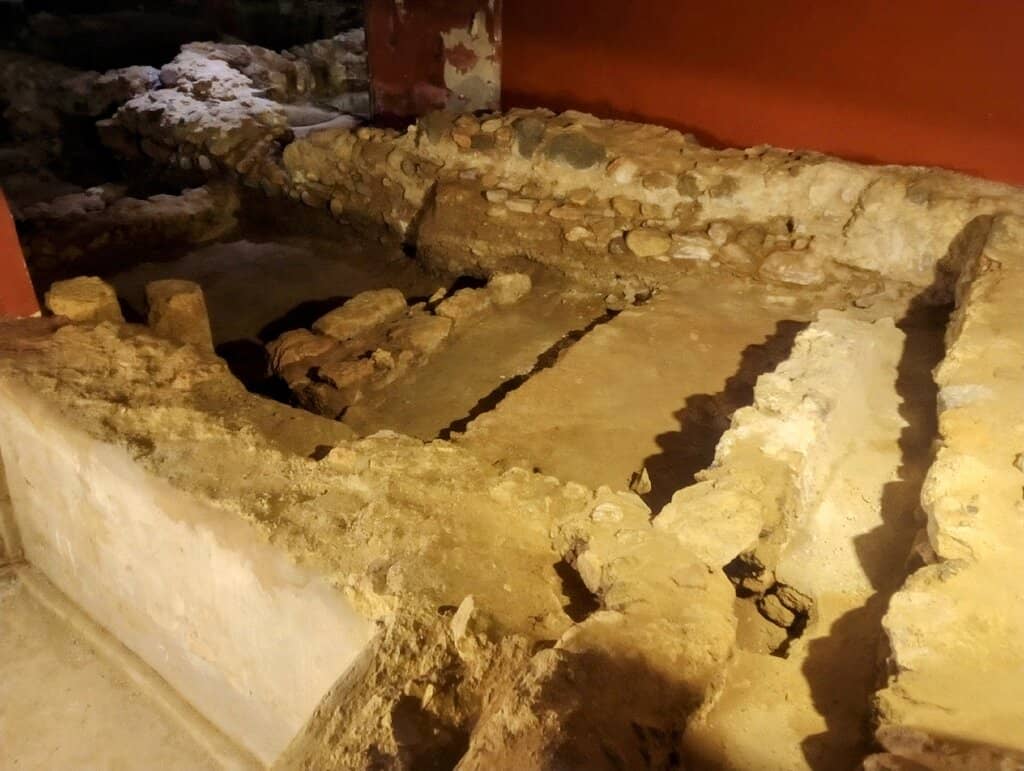
Roman Fish Salting Tanks
Main exhibition area
Discover ancient Roman methods of preserving fish and other goods. A fascinating glimpse into daily life centuries ago.
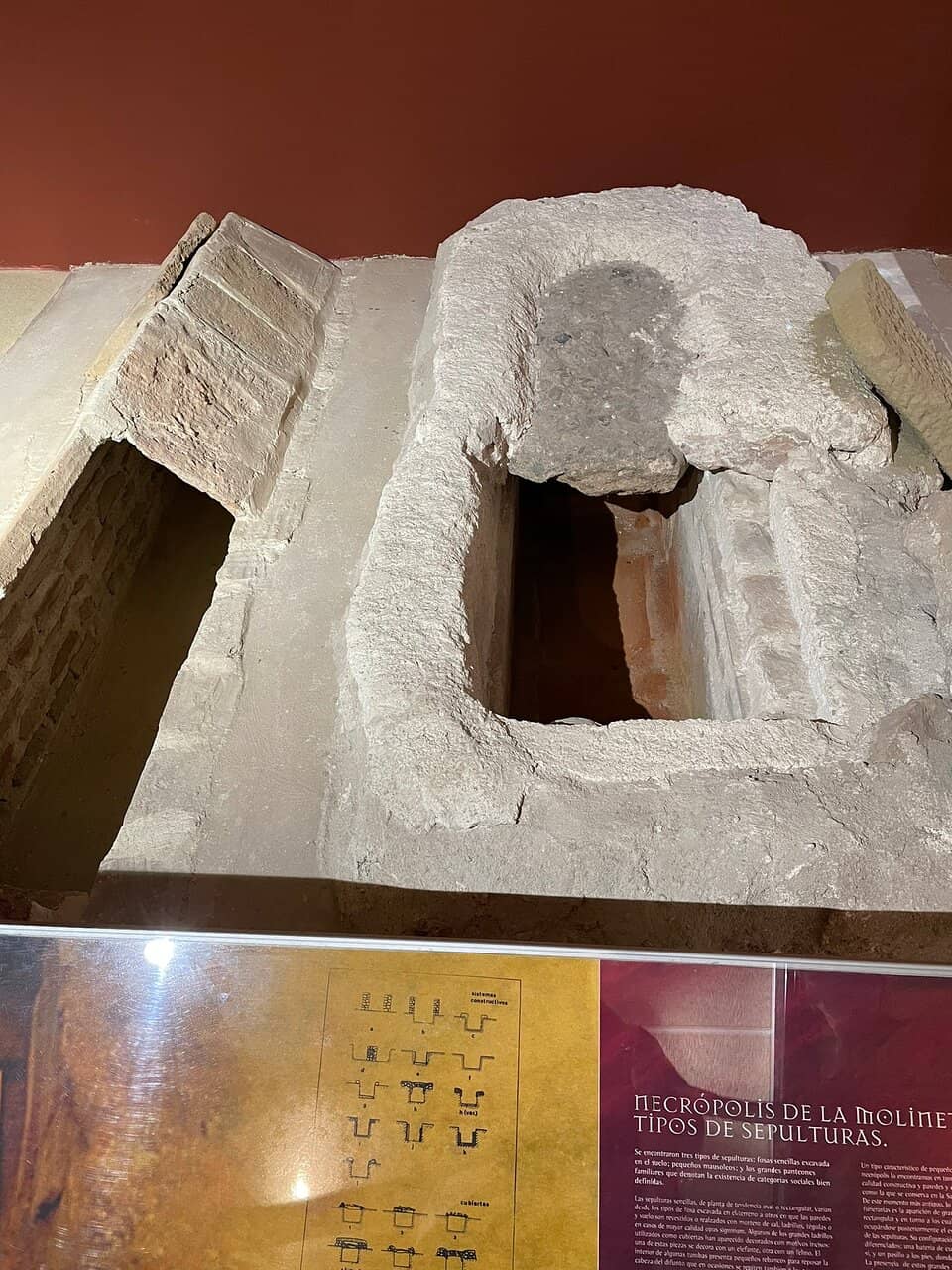
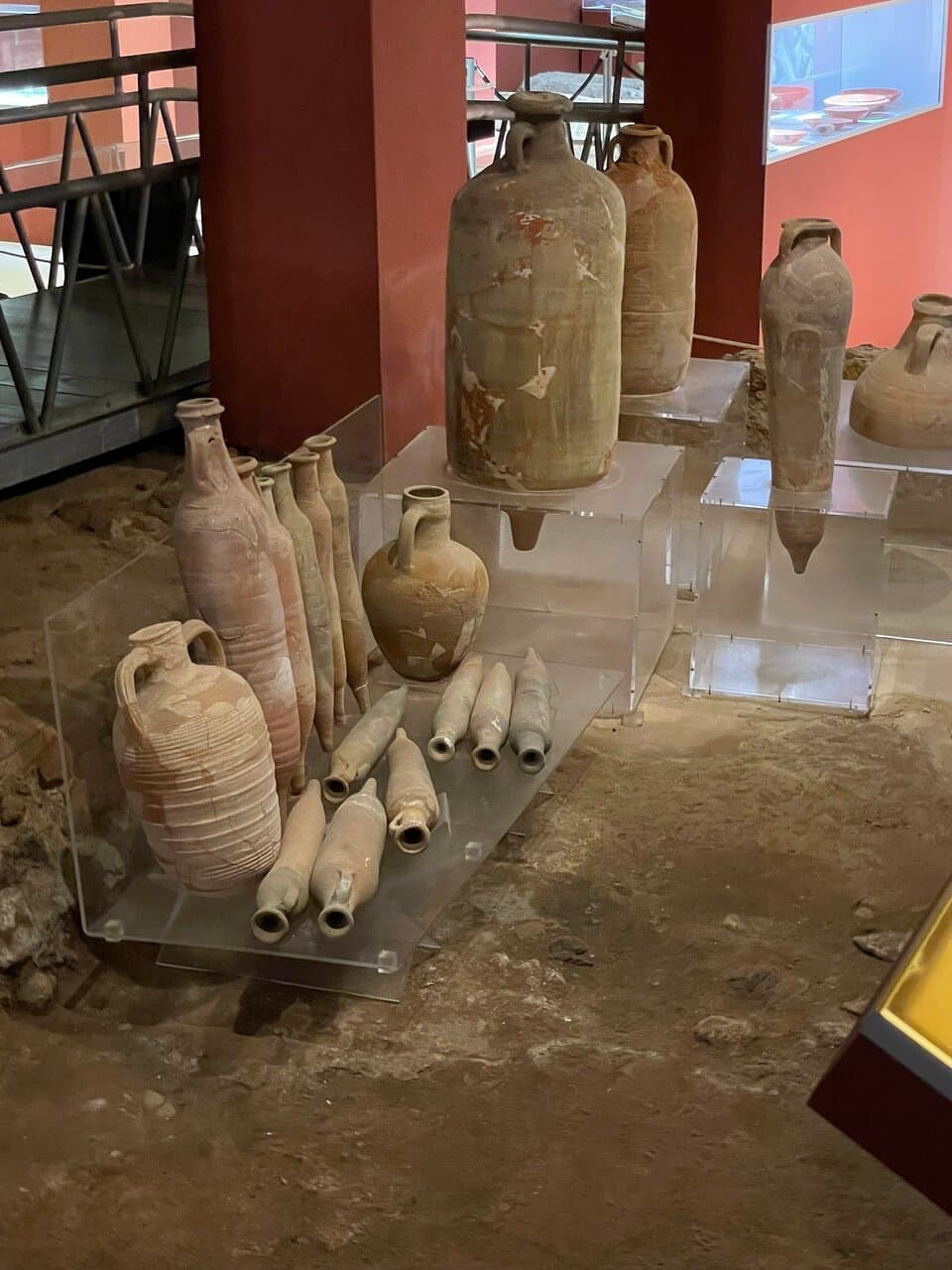
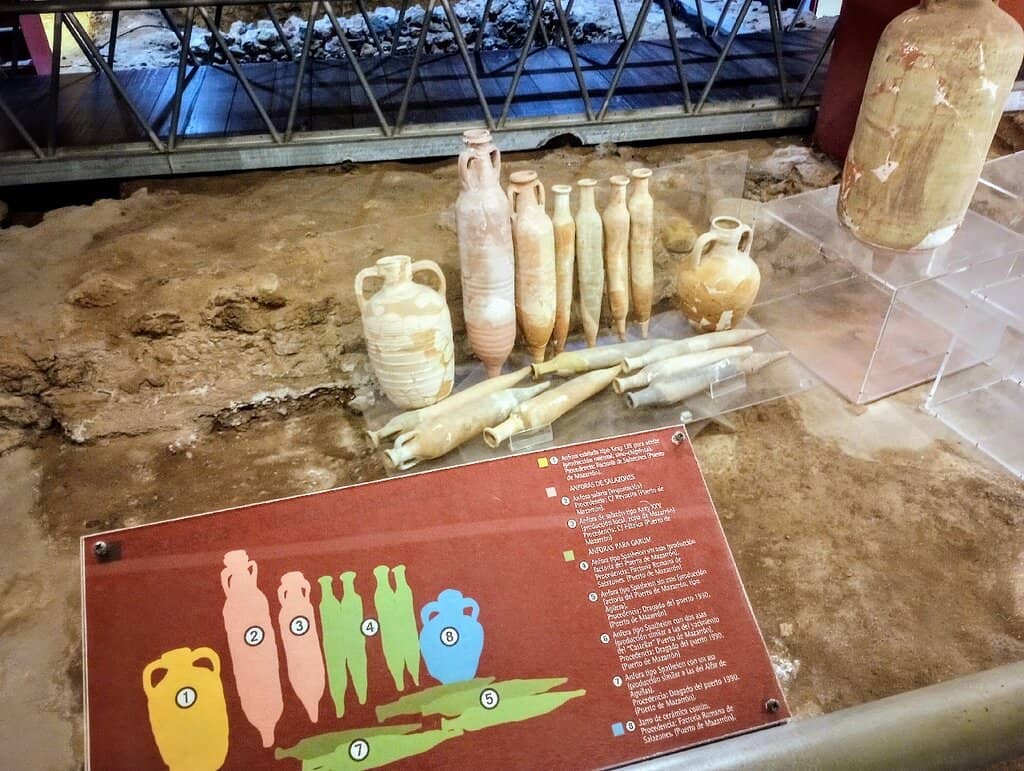
Excavated Artifacts
Display cases
See a diverse collection of items unearthed during excavations, offering insights into Roman occupation and trade.
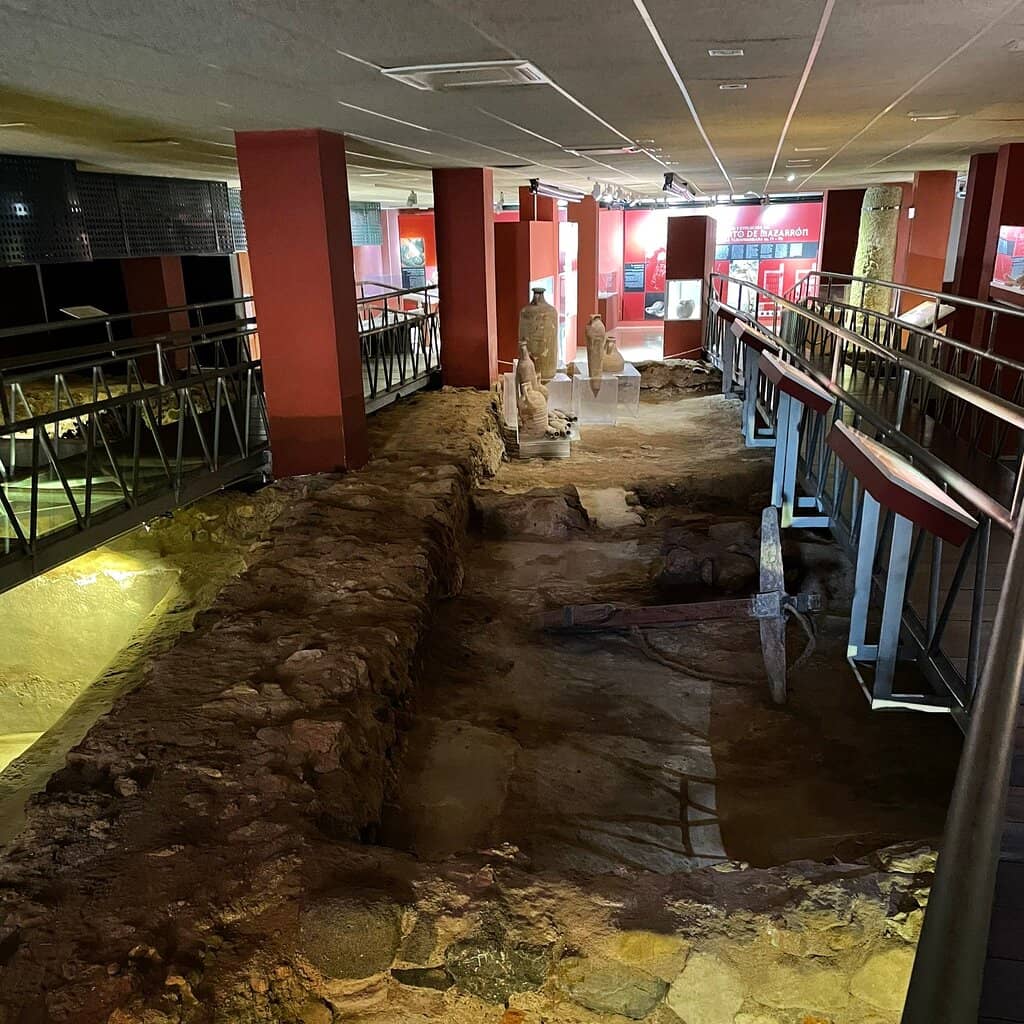
Apartment Block Foundation
Basement level
An intriguing sight: the preserved foundation of a modern apartment building built directly above the ancient ruins.
Plans like a pro.
Thinks like you
Planning Your Visit
Free Entry, Spanish Only
Dim Lighting & Quick Visit
Best Times
Insider Tips
from TikTok, Instagram & Reddit
Translate Info Boards
Use your phone's camera translator for Spanish signs. Pictures and artifacts tell a story too! :iphone:
Embrace the Dim Light
The lighting adds atmosphere but can be challenging. Take your time to observe the details. :flashlight:
Free Admission Gem
Enjoy this interesting historical site without spending a dime! A great budget-friendly option. :moneywithwings:
Short & Sweet Visit
Perfect for a quick cultural stop. The tour is concise but packed with history. :clock1:
Tips
from all over the internet
Translate Info Boards
Use your phone's camera translator for Spanish signs. Pictures and artifacts tell a story too! :iphone:
Embrace the Dim Light
The lighting adds atmosphere but can be challenging. Take your time to observe the details. :flashlight:
Free Admission Gem
Enjoy this interesting historical site without spending a dime! A great budget-friendly option. :moneywithwings:
Short & Sweet Visit
Perfect for a quick cultural stop. The tour is concise but packed with history. :clock1:
What Travellers Say
Reviews Summary
Visitors find the Roman Fish Salting Factory Museum to be an interesting and free historical site, offering a glimpse into ancient Roman preservation techniques and unearthed artifacts. While the Spanish-only information and dim lighting are noted drawbacks, the unique exhibits and the juxtaposition of ancient ruins with modern structures make it a worthwhile quick visit for history enthusiasts.
"Very friendly and interesting visit. It’s all in Spanish but the pictures and artefacts tell the story"
Jane Druce
"a great free museum with interesting artefacts"
Jake Rubens
"An excellent insight into Roman occupation and how they farmed, shipped and preserved meats and oils. There's also a fantastic assortment of items that were found during the excavation of the basement of this town building."
Damian Cooper
What People Like
What People Dislike
Frequently Asked Questions
🚇 🗺️ Getting There
The museum is typically located in the city center and is accessible by public transport. Check local bus routes or consider walking if you're nearby. Specific directions will depend on your starting point.
Parking availability can be limited in central areas. It's advisable to check for nearby public parking garages or utilize public transportation to avoid parking hassles.
🎫 🎫 Tickets & Entry
The museum offers free admission, making it a very accessible historical site.
Opening hours can vary, so it's best to check the official website or local listings before your visit. Generally, it's open during typical daytime hours on weekdays.
As admission is free, advance booking is usually not required. However, for group visits, it's always a good idea to inquire about any specific procedures.
🎫 🧭 Onsite Experience
While the artifacts are interesting, the dimly lit environment and Spanish-only information might be less engaging for very young children. Older children interested in history could find it fascinating.
Most visitors find the tour to be quite short, often around 30-60 minutes, making it ideal for a quick exploration of Roman history.
Accessibility can be a concern in older historical sites. It's recommended to contact the museum directly to inquire about ramp access or elevator availability if needed.
Photography policies can vary. It's best to look for signage or ask staff if photos are permitted, especially without flash, to avoid disturbing the exhibits or other visitors.
🍽️ 🍽️ Food & Dining
The museum itself typically does not have a restaurant or cafe. However, being located in a central area, you'll likely find numerous cafes and restaurants nearby to enjoy a meal or snack.
📸 📸 Photography
Focus on capturing the unique texture of the salting tanks and the details of the excavated artifacts. The juxtaposition of the ancient ruins with the modern building foundation above can also make for interesting shots.
Flash photography is generally discouraged or prohibited in historical sites to protect artifacts. Always check for signs or ask permission before using flash.
For Different Travelers
Tailored advice for your travel style
👨👩👧 Families with Kids
Older children or teens might appreciate the unique archaeological finds and the concept of ancient food preservation. The sight of the modern building foundation above the ruins can also spark curiosity. It's best suited for families looking for a brief, informative experience rather than an extended, interactive one.
💰 Budget Travelers
Combine your visit with exploring the surrounding area on foot and enjoying affordable local eateries nearby. The short duration of the visit also means you can fit it into a busy itinerary without a significant time commitment, saving you money on other activities.
Deep Dives
In-depth insights and expert knowledge
Understanding Roman Fish Salting
Visitors can observe the structural remnants of the salting facilities, which often included large stone or brick tanks. These tanks would have been used for brining fish or other products like garum (a fermented fish sauce). The museum's collection may also include tools, pottery, and other items related to the processing and storage of these goods, painting a vivid picture of Roman economic activity.
The insight into how Romans managed food preservation is particularly striking, especially considering the limitations of technology at the time. It highlights their ingenuity and the importance of this industry to their society and economy. The museum serves as a window into this often-overlooked aspect of Roman life.
Navigating the Museum Experience
Another aspect frequently mentioned is the dim lighting throughout the museum. While this can contribute to an atmospheric feel, it can also make it challenging to get a clear view of the exhibits. Visitors are advised to take their time and observe carefully. The overall visit is described as relatively short, making it a good option for those with limited time or looking for a brief historical interlude.
The unique feature of the modern apartment building's foundation being preserved above the ancient ruins is also a point of interest for many. This juxtaposition of old and new offers a peculiar visual and a reminder of the layers of history present in the location.


Social
from TikTok, Instagram & Reddit