Iglesia de la Compañía Nuestra Señora de la Calle
A 16th-century Jesuit church in Palencia, renowned for its dazzling Baroque golden interior and as the shrine of the city's patron saint.
Highlights
Must-see attractions

Social
From TikTok & Reddit
Best Time
Fewer crowds, peaceful atmosphere
Iglesia de la Compañía Nuestra Señora de la Calle
Best Time
Fewer crowds, peaceful atmosphere
Highlights
Must-see attractions
A 16th-century Jesuit church in Palencia, renowned for its dazzling Baroque golden interior and as the shrine of the city's patron saint.
"A beautiful and very well-kept church, a hidden gem in Palencia."
🤫 Respectful Silence
Maintain quiet inside for prayer and reflection. Benches are clean and well-preserved. :pray:
✨ Admire the Details
Don't miss the side altarpieces with gospel scenes and the 15th-century Virgin Mary. :sparkles:
Highlights
Discover the most iconic attractions and experiences
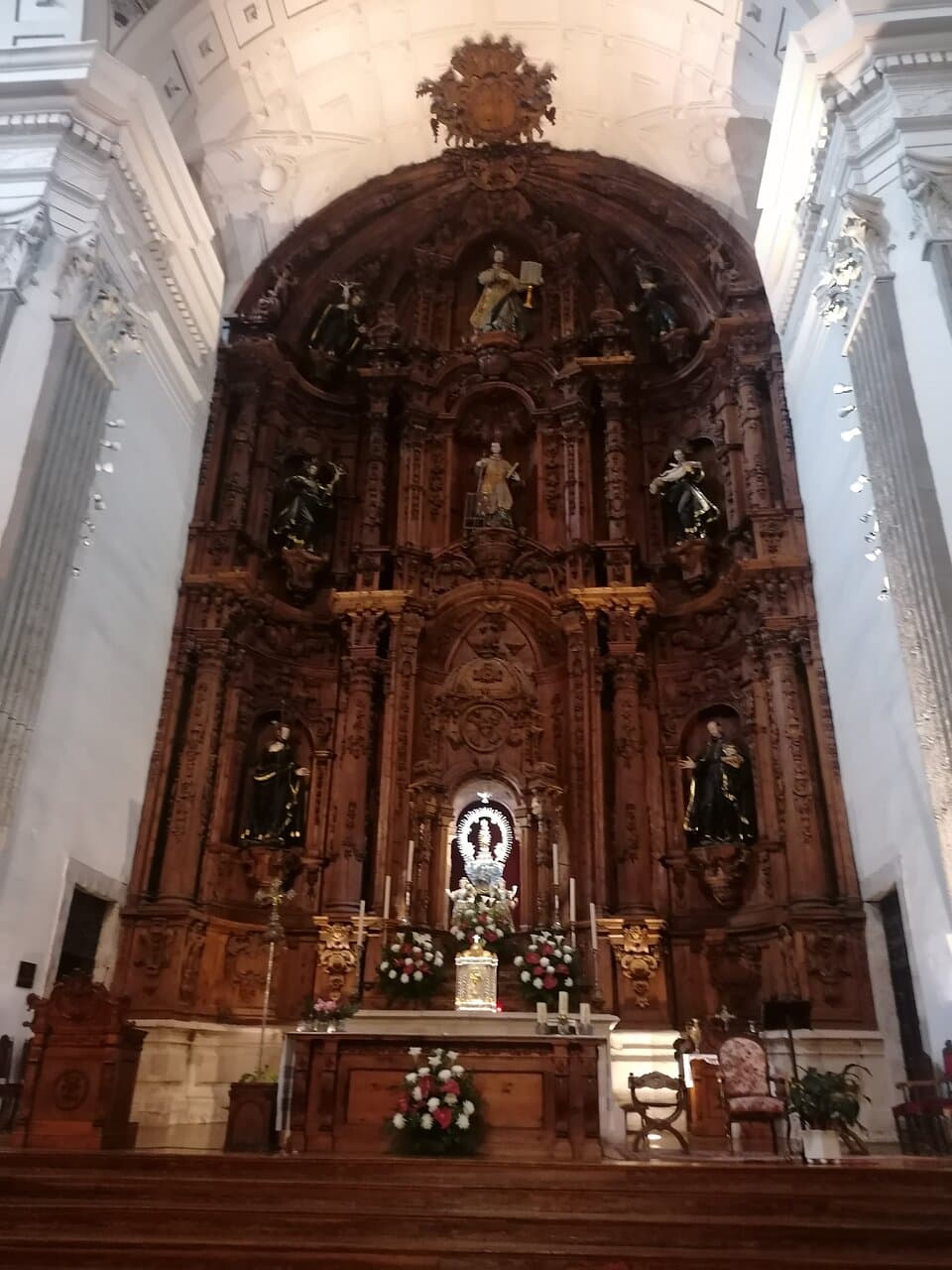
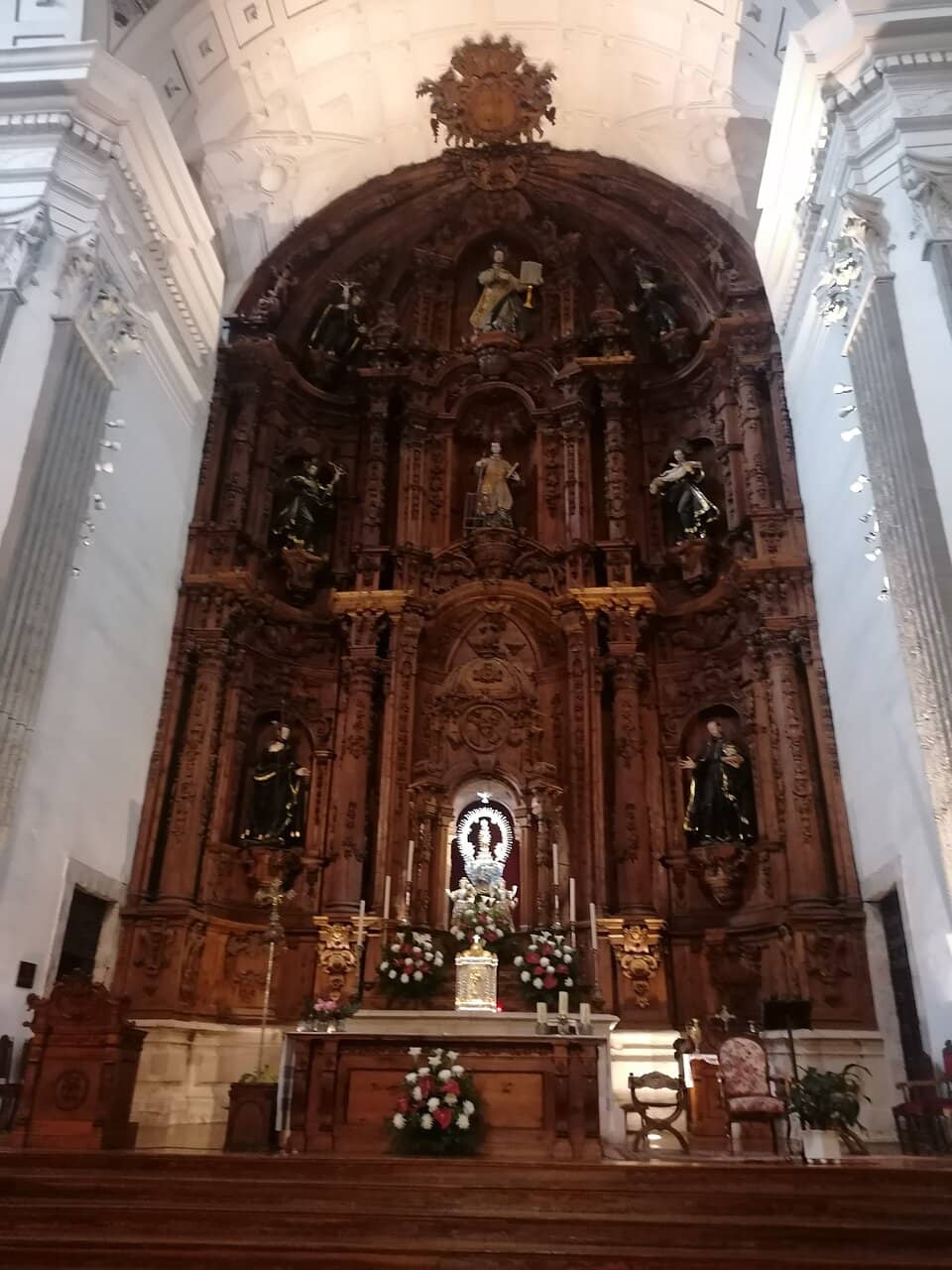
Baroque Golden Interior
Main Nave
Marvel at the dazzling gold-leaf adorned altarpieces and intricate carvings, a testament to Baroque artistry.

Main Altarpiece
Altar
Admire the mid-18th-century masterpiece by Pedro de Bahamonde, featuring saints of the Order.

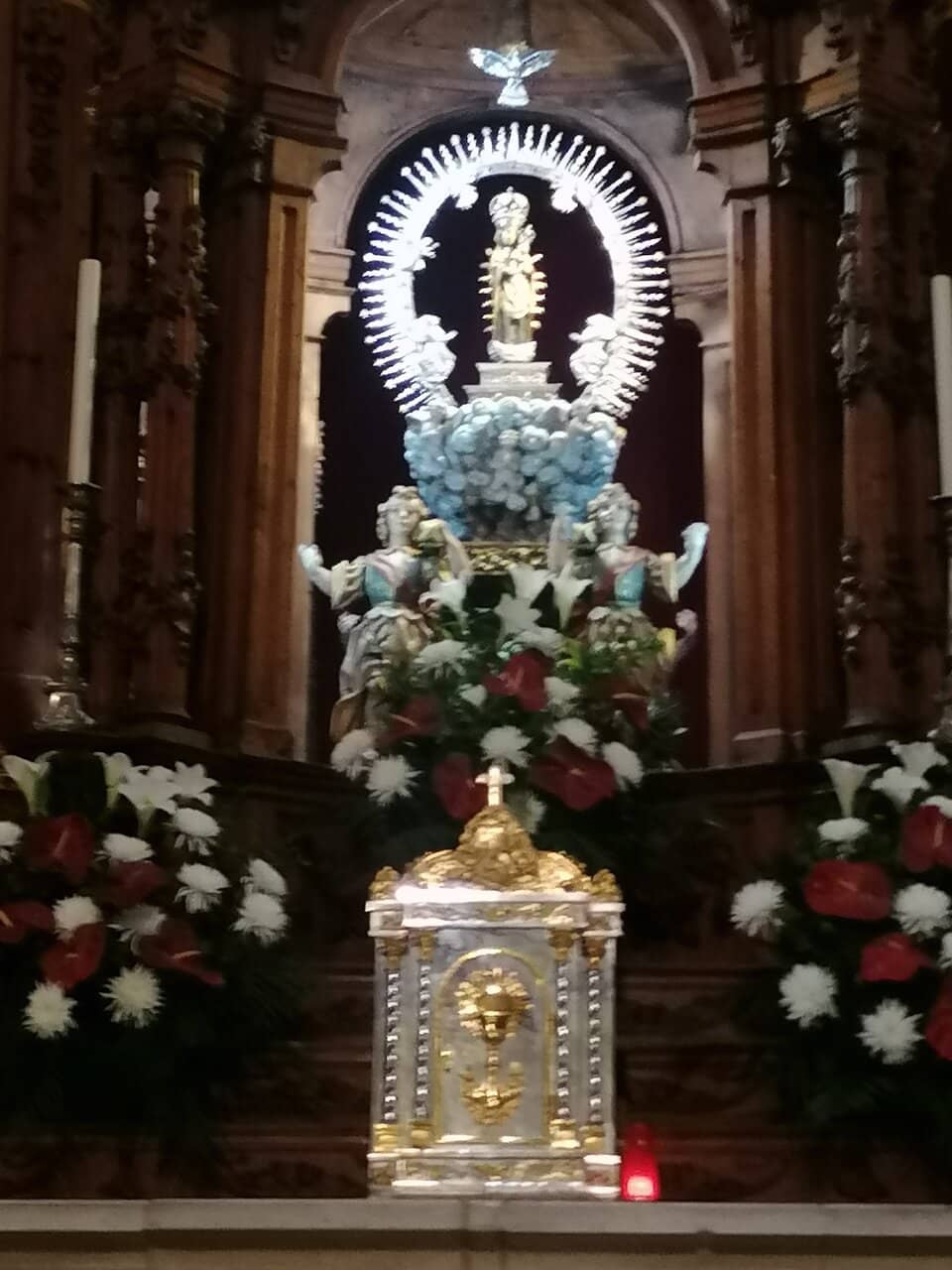
Image of the Virgin of the Street
Shrine
See the revered image of 'La Morenilla,' the patron saint of the city, celebrated on February 2nd.
Plans like a pro.
Thinks like you
Planning Your Visit
Timing Your Visit
Understanding Its Significance
Best Times
Insider Tips
from TikTok, Instagram & Reddit
🤫 Respectful Silence
Maintain quiet inside for prayer and reflection. Benches are clean and well-preserved. :pray:
✨ Admire the Details
Don't miss the side altarpieces with gospel scenes and the 15th-century Virgin Mary. :sparkles:
🚶♀️ Explore the Historic Center
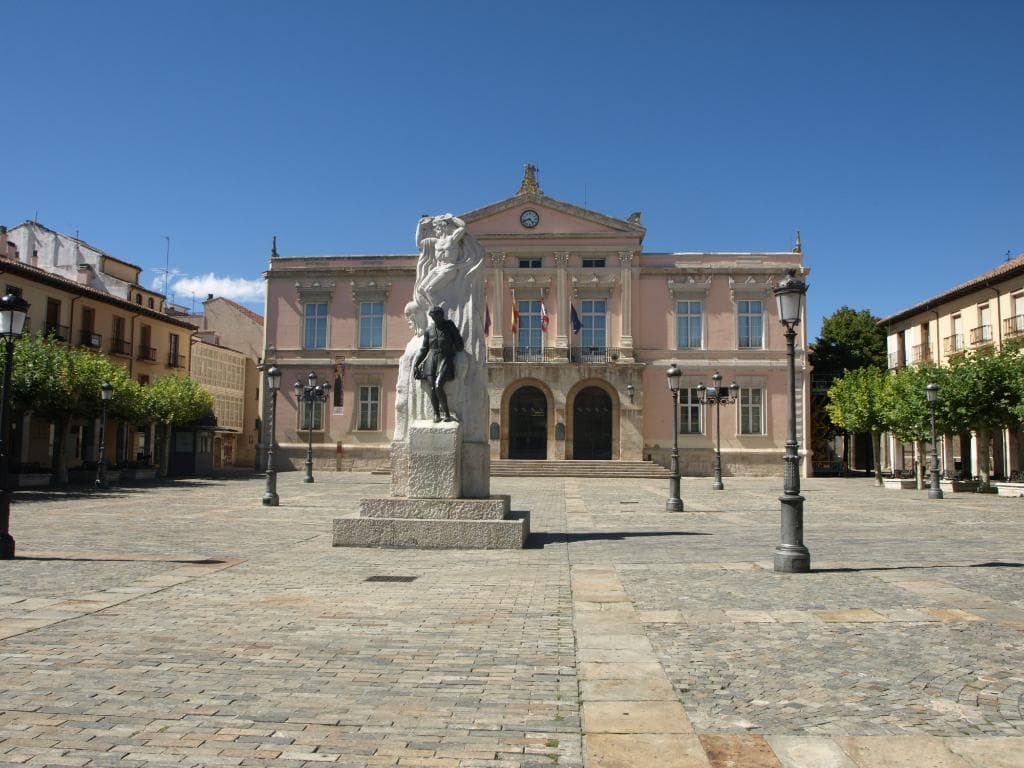
Located in Plaza de Isabel II, it's a great starting point for exploring Palencia's historic heart. :city_sunrise:
Tips
from all over the internet
🤫 Respectful Silence
Maintain quiet inside for prayer and reflection. Benches are clean and well-preserved. :pray:
✨ Admire the Details
Don't miss the side altarpieces with gospel scenes and the 15th-century Virgin Mary. :sparkles:
🚶♀️ Explore the Historic Center
Located in Plaza de Isabel II, it's a great starting point for exploring Palencia's historic heart. :city_sunrise:
What Travellers Say
Reviews Summary
Visitors praise the church's stunning and well-preserved Baroque interior, particularly the golden altarpieces and the image of the Virgin of the Street. Its historical significance as a former Jesuit church and current shrine is also noted. Some feel it deserves more publicity for its cultural importance.
""The church was built by the Society of Jesus between 1584 and 1599, hence its popular name as the Church of "The Society".
It was originally dedicated to Saint Lawrence. After the Order's expulsion from Spain in 1767,the building became a parish church and shrine when the image of the city's patron saint, the Virgin of the Street, better known as "La Morenilla", was placed inside. Its feast day is celebrated every 2nd of February. In the closing decades of the 19th century, the Diocesan Seminary was built as an annex to the building.
The highlights of the church's interior include a magnificent main altarpiece, made in the mid-18th century by Pedro de Bahamonde, which includes images of Saint Lawrence and other saints of the Order, such as Saint Francis Xavier and Saint Ignatius of Loyola.
Seat of the Brotherhood of the Most Holy Christ of Mercy,an image made by Juan de Valmaseda in the 16th Century.
It has been declared an Asset of Cultural Interest and a Historic-Artistic Monument."
Mark Auchincloss
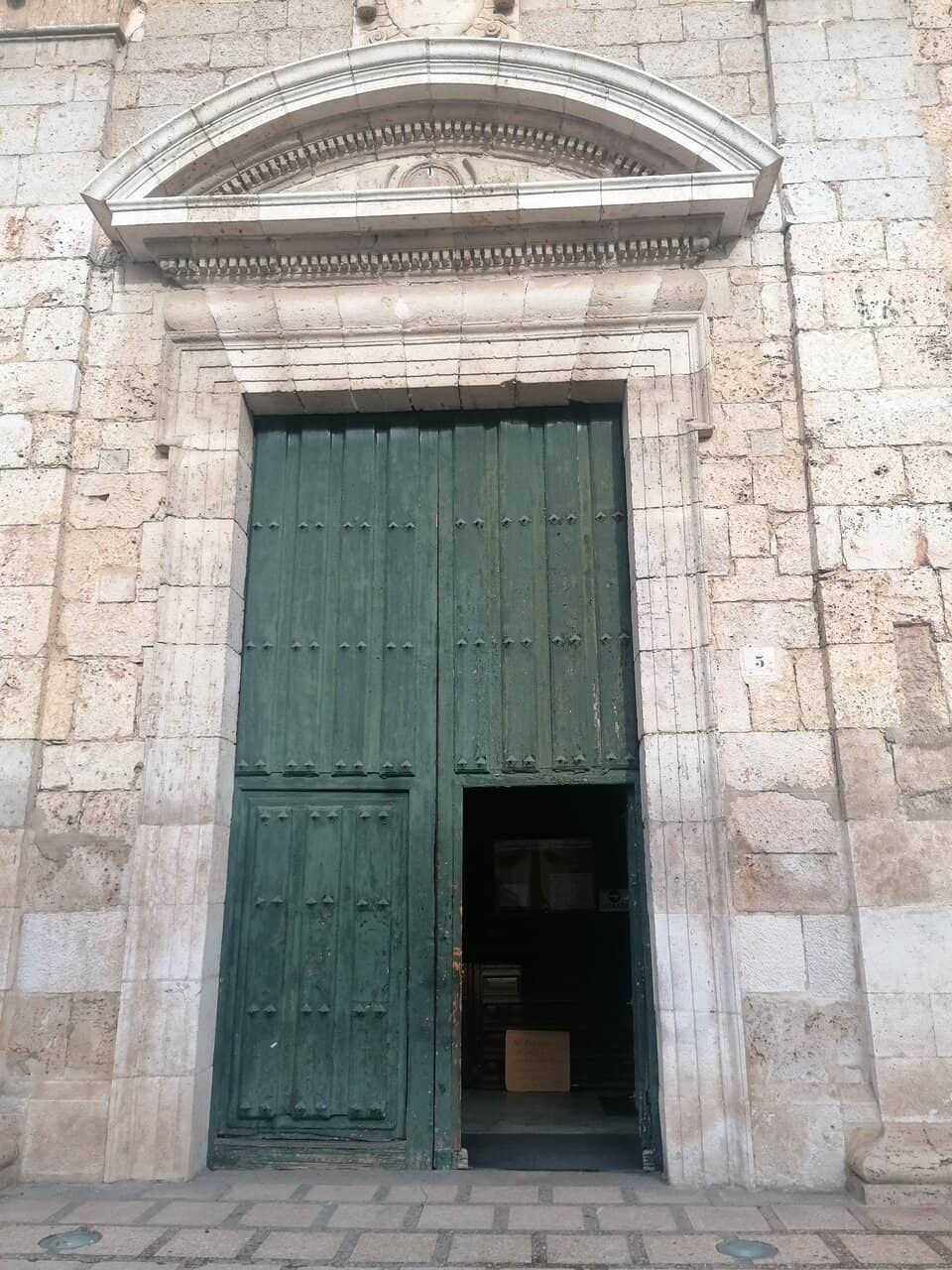
"Built in the late 16th century by architects of the Society of Jesus, the church features a single nave with three bays, with its characteristic facade.
The main altar is Baroque in style, with Rococo influences."
Maguel
"A beautiful church, but I think it should be given more publicity because it houses the patron saint of Palencia. Also known as the Company. Declared a Cultural Heritage Site."
Eva María Galán Sempere
What People Like
What People Dislike
Frequently Asked Questions
🚇 🗺️ Getting There
The church is conveniently located in the historic center of Palencia, specifically in Plaza de Isabel II. It's easily accessible by foot if you're already exploring the city center. Public transport options will likely drop you nearby, with a short walk to the plaza. :bus:
Parking in historic city centers can be challenging. Look for public parking garages or street parking in designated areas a short walk away. :car:
🎫 🎫 Tickets & Entry
Entry to the church is generally free, as it's a place of worship. However, donations are often appreciated to help with its upkeep. :moneybag:
Opening hours can vary, especially around religious holidays. It's best to check local listings or inquire locally for the most up-to-date times. Many visitors find it open during typical daytime hours on weekdays. :clock:
Photography is usually permitted, but it's essential to be respectful. Avoid using flash, especially during services, and be mindful of other visitors. :camerawithflash:
🎫 🧭 Onsite Experience
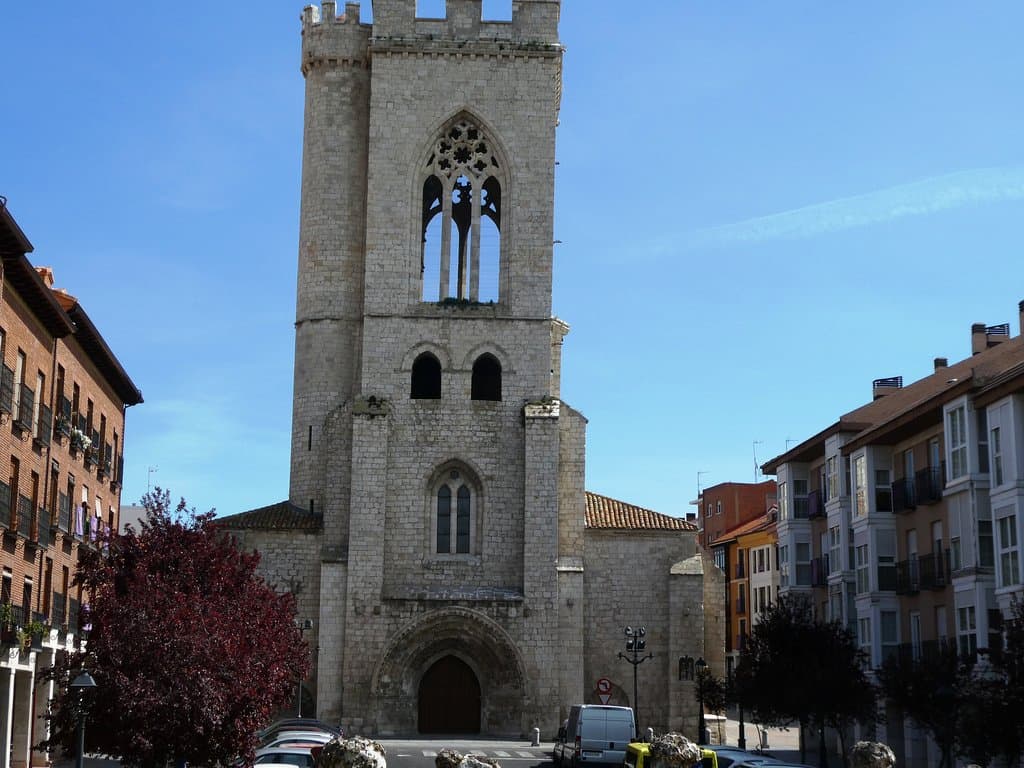
The church features a Renaissance style with a single nave, and its interior showcases Baroque and Rococo influences, particularly in its altarpieces. :building_construction:
The Virgin of the Street, also known as 'La Morenilla,' is the patron saint of Palencia. Her image was placed in the church after the Order's expulsion, and her feast day is celebrated on February 2nd. :saint:
While official guided tours might not always be advertised, local guides or church volunteers may be available to offer insights. Inquire at the church or local tourist information centers. :guide_dog:
The church has a wooden floor, which can be easier to navigate than cobblestones. However, accessibility can vary, so it's advisable to check in advance if you have specific needs. :wheelchair:
🍽️ 🍽️ Food & Dining
Yes, being in the historic center, you'll find numerous restaurants, cafes, and tapas bars in the vicinity of Plaza de Isabel II, offering a variety of local and international cuisine. :forkandknife:
📸 📸 Photography
The ornate interior, especially the main altarpiece and side chapels, offers stunning photographic opportunities. The austere facade also provides a contrast. Late afternoon light can enhance the golden hues inside. :camera:
For Different Travelers
Tailored advice for your travel style
👨👩👧 Families with Kids
⛪️ Religious & History Enthusiasts
Deep Dives
In-depth insights and expert knowledge
Architectural Marvels and Artistic Treasures
The true highlight of the church's interior is its magnificent main altarpiece, a mid-18th-century creation by Pedro de Bahamonde. This masterpiece is a symphony of gold leaf, intricate carvings, and religious imagery, featuring prominent figures like Saint Lawrence, Saint Francis Xavier, and Saint Ignatius of Loyola. Beyond the main altar, visitors can also admire several side altarpieces that depict scenes from the Gospels in oil paintings, adding further depth to the church's artistic collection. The 15th-century image of the Virgin Mary and a 17th-century wooden High Altarpiece, presided over by Saint Ignatius, are also points of significant artistic and historical interest.
This blend of architectural styles and artistic treasures makes the church a vital cultural asset. It has been declared an Asset of Cultural Interest and a Historic-Artistic Monument, underscoring its importance in preserving Spain's rich heritage. The presence of the Brotherhood of the Most Holy Christ of Mercy, with its 16th-century image by Juan de Valmaseda, further adds to the church's spiritual and historical significance.
A Shrine of Faith and History
Following the expulsion, the building transitioned into a parish church and became a revered shrine when the image of the city's patron saint, the Virgin of the Street (known affectionately as 'La Morenilla'), was enshrined within its walls. The celebration of her feast day on February 2nd continues to be an important local tradition. In the late 19th century, the Diocesan Seminary was established as an annex, further integrating the church into the city's religious and educational fabric. The proclamation of the Virgen de la Calle as Patron Saint of the city in 1948 solidified its status as a spiritual heart for Palencia.

Social
from TikTok, Instagram & Reddit