
Convento de San Pablo
A historic Dominican convent and parish church in Palencia, showcasing a blend of late Gothic and Neoclassical architecture with significant artistic ...
Highlights
Must-see attractions

Social
From TikTok & Reddit
Best Time
Fewer crowds, peaceful atmosphere
Convento de San Pablo
Best Time
Fewer crowds, peaceful atmosphere
Highlights
Must-see attractions
A historic Dominican convent and parish church in Palencia, showcasing a blend of late Gothic and Neoclassical architecture with significant artistic treasures.
"An important historical and religious monument with rich Gothic and Neoclassical architecture."

📸 Capture the Architecture
The blend of Gothic and Neoclassical styles offers fantastic photo opportunities. Look for unique angles!
🚶♂️ Explore Nearby Park
The convent is conveniently located near a park, perfect for a relaxing stroll after your visit.

Highlights
Discover the most iconic attractions and experiences
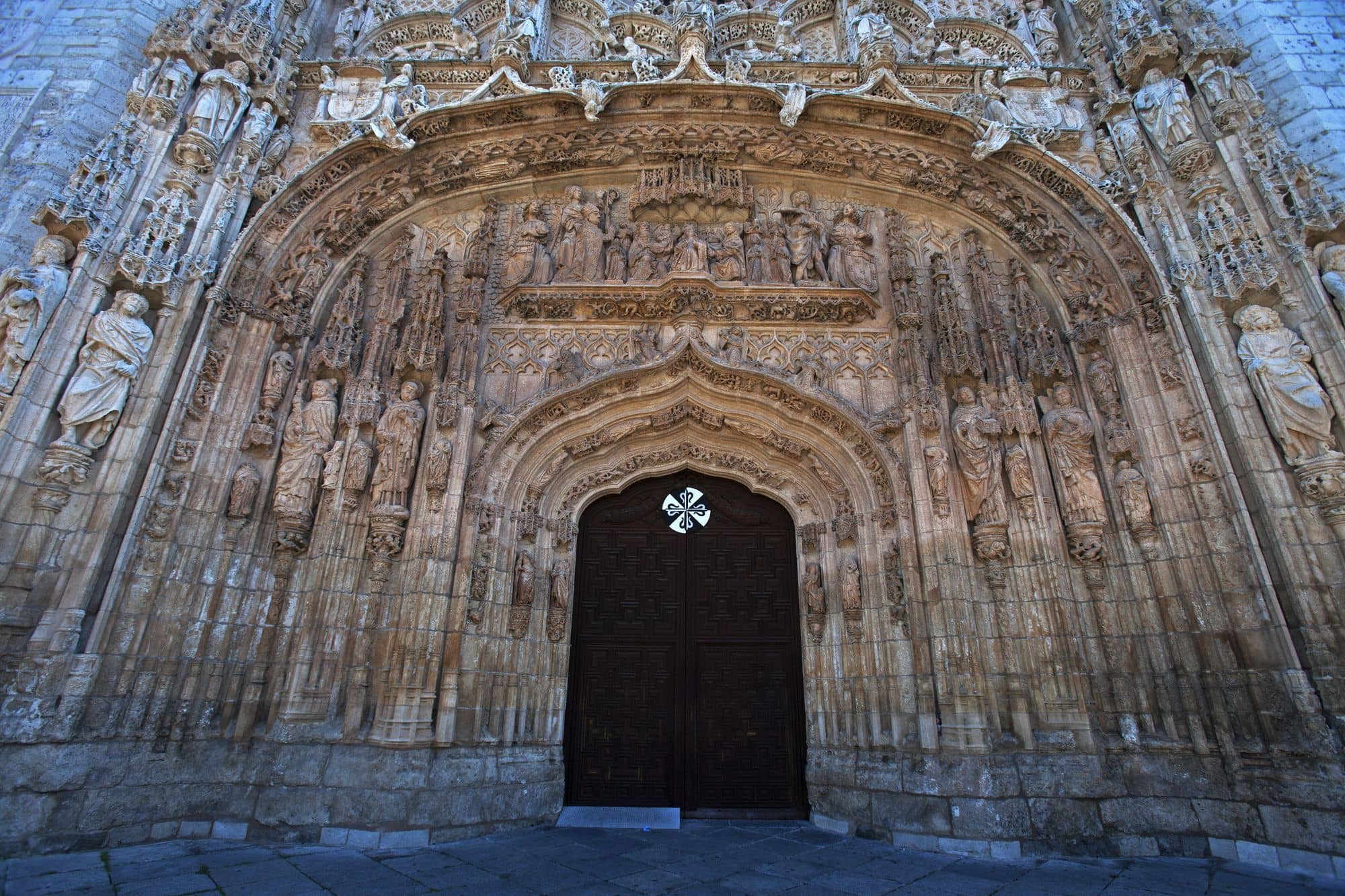
Late Gothic Side Portal
Exterior
A stunning example of 15th-century Gothic artistry, showcasing intricate details and craftsmanship.
Neoclassical Main Façade
Exterior
An 18th-century addition that contrasts with the Gothic elements, offering a grand and imposing entrance.

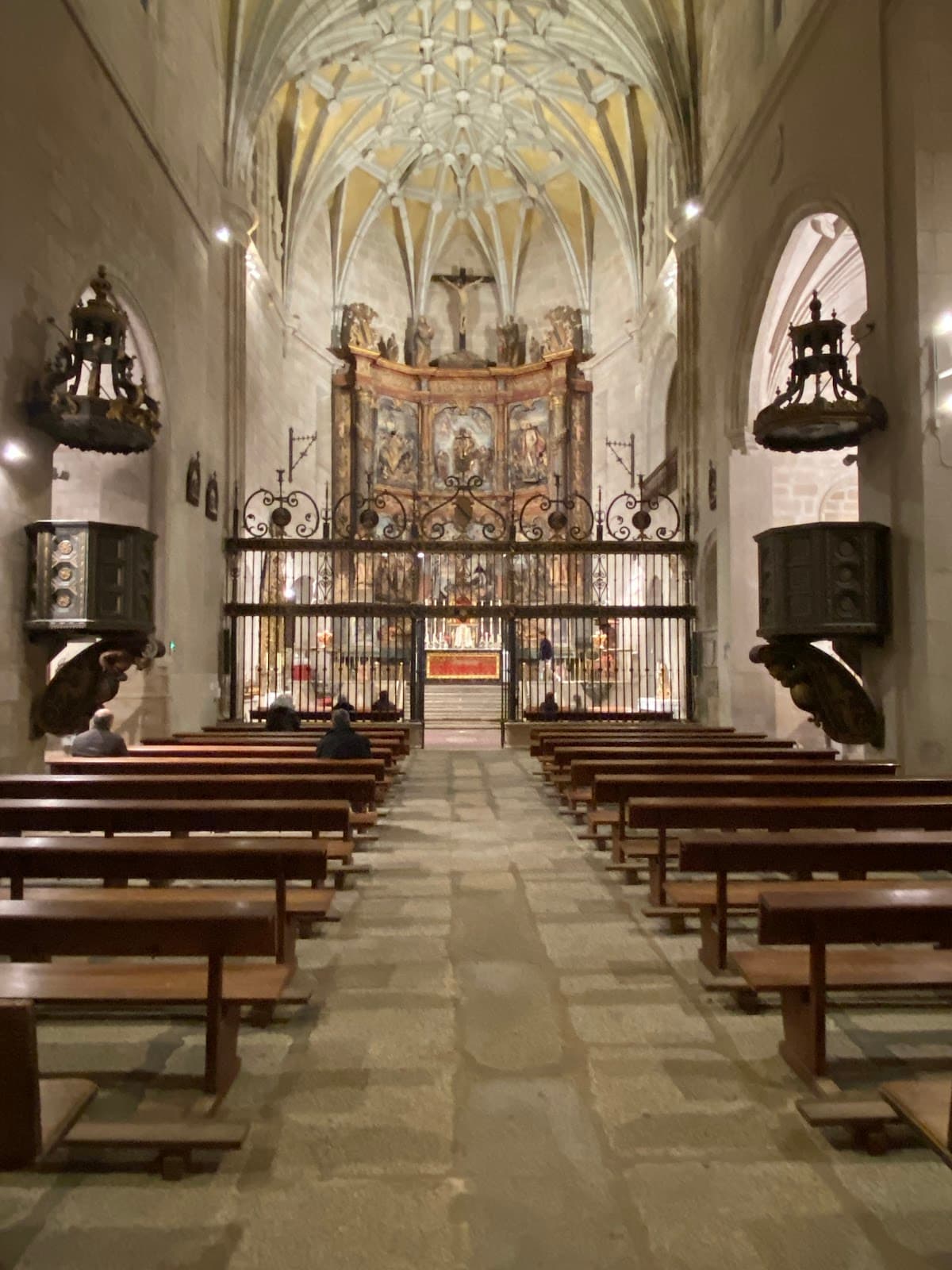
Plateresque Main Altarpiece
Interior
A masterpiece by Felipe Vigarny, this altarpiece is a highlight of the church's rich interior decoration.
Tomb of the Marquises of Poza
Interior
An exquisite work attributed to the Berruguete school, adding historical depth to the sacred space.
Plans like a pro.
Thinks like you
Planning Your Visit
Timing is Key for the Best Views
Understand Its Multifaceted History
Best Times
Insider Tips
from TikTok, Instagram & Reddit
📸 Capture the Architecture
The blend of Gothic and Neoclassical styles offers fantastic photo opportunities. Look for unique angles!
🚶♂️ Explore Nearby Park
The convent is conveniently located near a park, perfect for a relaxing stroll after your visit.
🙏 Respect Sacred Space
Remember it's an active parish church. Be mindful of services and maintain a respectful demeanor.
📚 Learn its History
Understand its past as a convent, barracks, and church to fully appreciate its significance.
Tips
from all over the internet
📸 Capture the Architecture
The blend of Gothic and Neoclassical styles offers fantastic photo opportunities. Look for unique angles!
🚶♂️ Explore Nearby Park
The convent is conveniently located near a park, perfect for a relaxing stroll after your visit.
🙏 Respect Sacred Space
Remember it's an active parish church. Be mindful of services and maintain a respectful demeanor.
📚 Learn its History
Understand its past as a convent, barracks, and church to fully appreciate its significance.
What Travellers Say
Reviews Summary
Visitors generally find the Convento de San Pablo to be an important historical and religious monument in Palencia, appreciating its rich Gothic and Neoclassical architecture and significant interior artworks. Its active role as a parish church and Dominican residence adds to its living history, though some may find the exterior austere.
"Ok"
Jorge L. Rosado Palomero
"Built between the 14th and 16th centuries, it features a late Gothic 15th-century side portal and an 18th-century Neoclassical main façade. Inside, the main altarpiece, a Plateresque work by Felipe Vigarny, and the tomb of the Marquises of Poza, from the Berruguete school, are notable."
Maguel
"The Convent of San Pablo, in the city of Palencia, is the headquarters and religious house of the Dominican Order, with its convent church built in the late Gothic style between the 14th and 16th centuries. Today, the convent remains linked to the Dominicans, and they reside in a modern annex building, while the church holds regular worship as a parish church. The temple has side and devotional chapels, such as the Lignum Crucis chapel, which houses several altarpieces and valuable carvings. It is an important historical and religious monument in Palencia."
Anecdonet (anécdotas y viajes)
What People Like
What People Dislike
Frequently Asked Questions
🚇 🗺️ Getting There
The Convento de San Pablo is located in Palencia, Spain. It's easily accessible within the city, often walkable from other central attractions. If arriving by public transport, check local bus routes for stops near the convent.
While direct parking at the convent might be limited, there are usually parking areas and street parking available in the vicinity of the city center. Consider public transport or walking if possible.
Yes, Convento de San Pablo is a great addition to a day trip to Palencia. Its central location makes it easy to combine with other city sights.
🎫 🎫 Tickets & Entry
Opening hours can vary as it's an active church and Dominican residence. It's best to check the most current schedule closer to your visit, especially for specific areas or museum sections.
Entry to the church for worship is typically free. However, if there are specific museum sections or exhibitions, there might be a small admission fee. It's advisable to confirm on-site or via their official channels.
For general visits to the church, advance booking is usually not required. However, for guided tours or special events, it's always a good idea to check if reservations are recommended or necessary.
The convent is still home to the Dominican Order. Access to residential or private areas is generally restricted, but the church and sometimes cloistered areas may be accessible during specific times.
📸 📸 Photography
Photography rules can vary. Generally, non-flash photography for personal use is permitted in the church, but it's always best to look for signage or ask a church official if you're unsure.
The exterior, with its contrasting Gothic and Neoclassical facades, is very photogenic. Inside, the altarpiece and architectural details offer great opportunities. The nearby park also provides lovely vantage points.
Drone usage is typically regulated in urban areas and around historical monuments. Always check local regulations and obtain necessary permits before flying a drone.
🎫 🏛️ History & Architecture
Convento de San Pablo features a rich architectural history, with its church built in the late Gothic style (14th-16th centuries) and a notable 18th-century Neoclassical main façade.
Founded in the 13th century by Santo Domingo de Guzmán, it was a significant Dominican house. It has also served as a barracks for Napoleon's troops, adding to its complex historical narrative.
The main altarpiece inside the church is a significant Plateresque work by Felipe Vigarny, and the tomb of the Marquises of Poza is attributed to the Berruguete school.
The Lignum Crucis chapel within the church houses several altarpieces and valuable carvings, making it a point of interest for its religious artifacts and artistic merit.
For Different Travelers
Tailored advice for your travel style
👨👩👧 Families with Kids
Consider focusing on the visual aspects – the grand façade, the intricate details of the altarpiece, and the high ceilings. Keep the visit relatively brief to maintain children's attention, and perhaps frame it as a visit to a 'historic castle' or 'old church' to make it more relatable.
⛪ Religious Pilgrims & History Buffs
History enthusiasts will appreciate the convent's layered past, from its founding by Santo Domingo de Guzmán to its use by Napoleonic troops. The blend of Gothic and Neoclassical architecture, along with the notable artworks by Vigarny and the Berruguete school, makes it a prime destination for studying Spanish religious and architectural history.
Deep Dives
In-depth insights and expert knowledge
Architectural Evolution
Later, in the 18th century, a Neoclassical main façade was added, creating a fascinating juxtaposition of styles. This blend of Gothic grandeur and Neoclassical elegance makes the convent a compelling study for architecture enthusiasts. The side portal, dating from the 15th century, is another exquisite example of Gothic artistry that shouldn't be missed.

Beyond its religious function, the convent has a varied past. It was once a significant Dominican house and, during the Napoleonic era, was even used as a barracks by French troops. Today, the Dominicans reside in a modern annex, while the historic church continues to serve as a parish church, maintaining its spiritual and community role.
Artistic Treasures Within
Another notable piece is the tomb of the Marquises of Poza, attributed to the renowned Berruguete school. This funerary monument adds a layer of historical narrative and artistic excellence to the sacred space. The Lignum Crucis chapel is also a repository of valuable religious artifacts, housing several altarpieces and significant carvings that are of great interest to those exploring the site's spiritual heritage.
These artistic elements, combined with the architectural splendor, make the Convento de San Pablo a destination that offers a rich cultural and historical experience. The preservation of these works allows visitors to connect with the past and appreciate the artistic legacy left by generations of craftsmen and artists.


Social
from TikTok, Instagram & Reddit