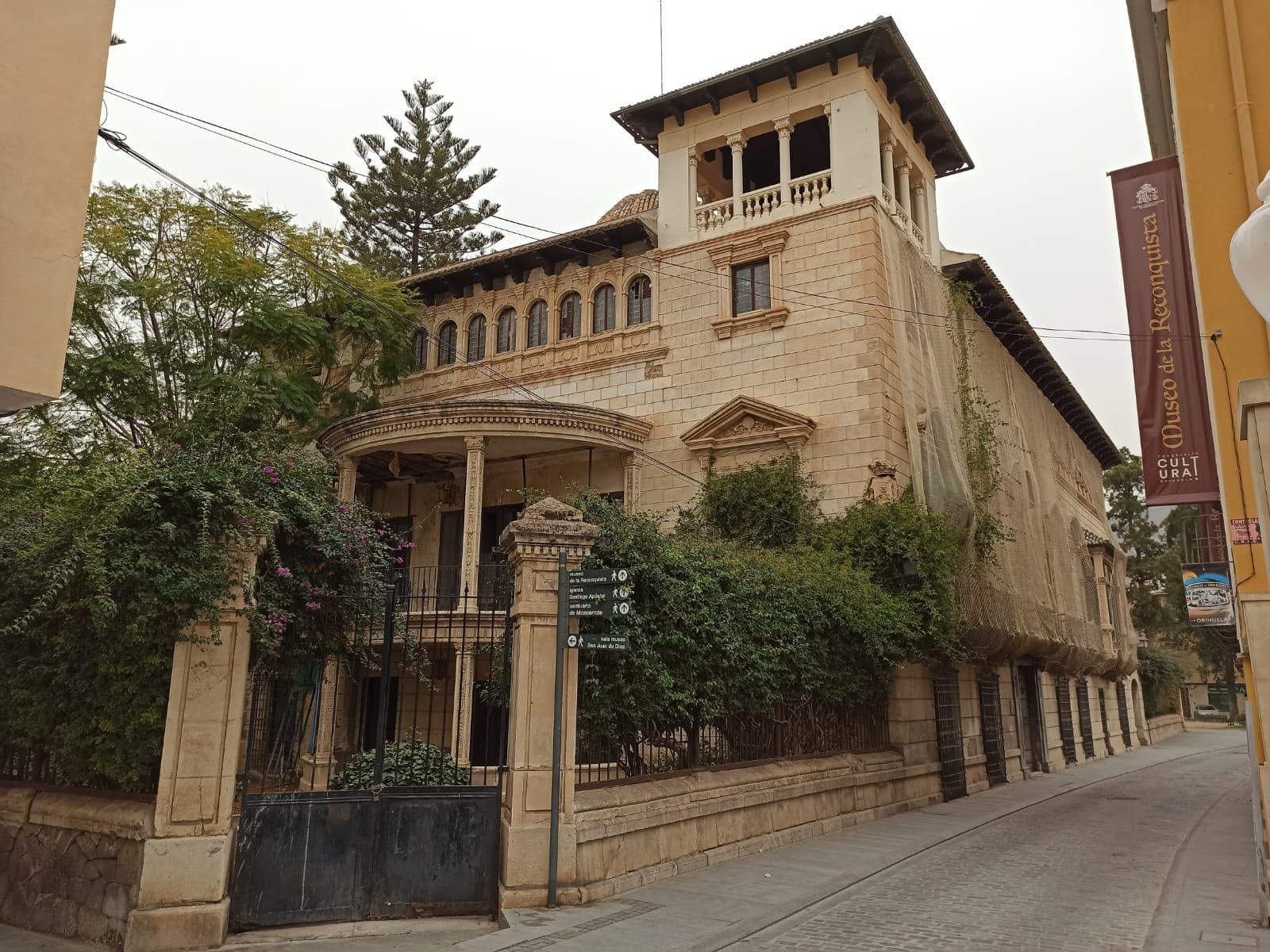
Palacio Rubalcava
A stunning 18th-century palace in Orihuela, recently rehabilitated, showcasing diverse architectural styles and rich historical collections.
Highlights
Must-see attractions

Social
From TikTok & Reddit
Best Time
To experience its renewed glory
Palacio Rubalcava
Best Time
To experience its renewed glory
Highlights
Must-see attractions
A stunning 18th-century palace in Orihuela, recently rehabilitated, showcasing diverse architectural styles and rich historical collections.
"A shame this palace is in this state of repair. A total lack of concern from the Orihuela City Council."
Confirm Opening Hours
Rehabilitation efforts mean access may be limited. Always check official sources before planning your visit. :ticket:
Appreciate Architectural Details
The palace boasts diverse interior styles. Take time to notice the unique decor in each room. :camerawithflash:
Highlights
Discover the most iconic attractions and experiences
Baroque Palace Architecture
Exterior and interior
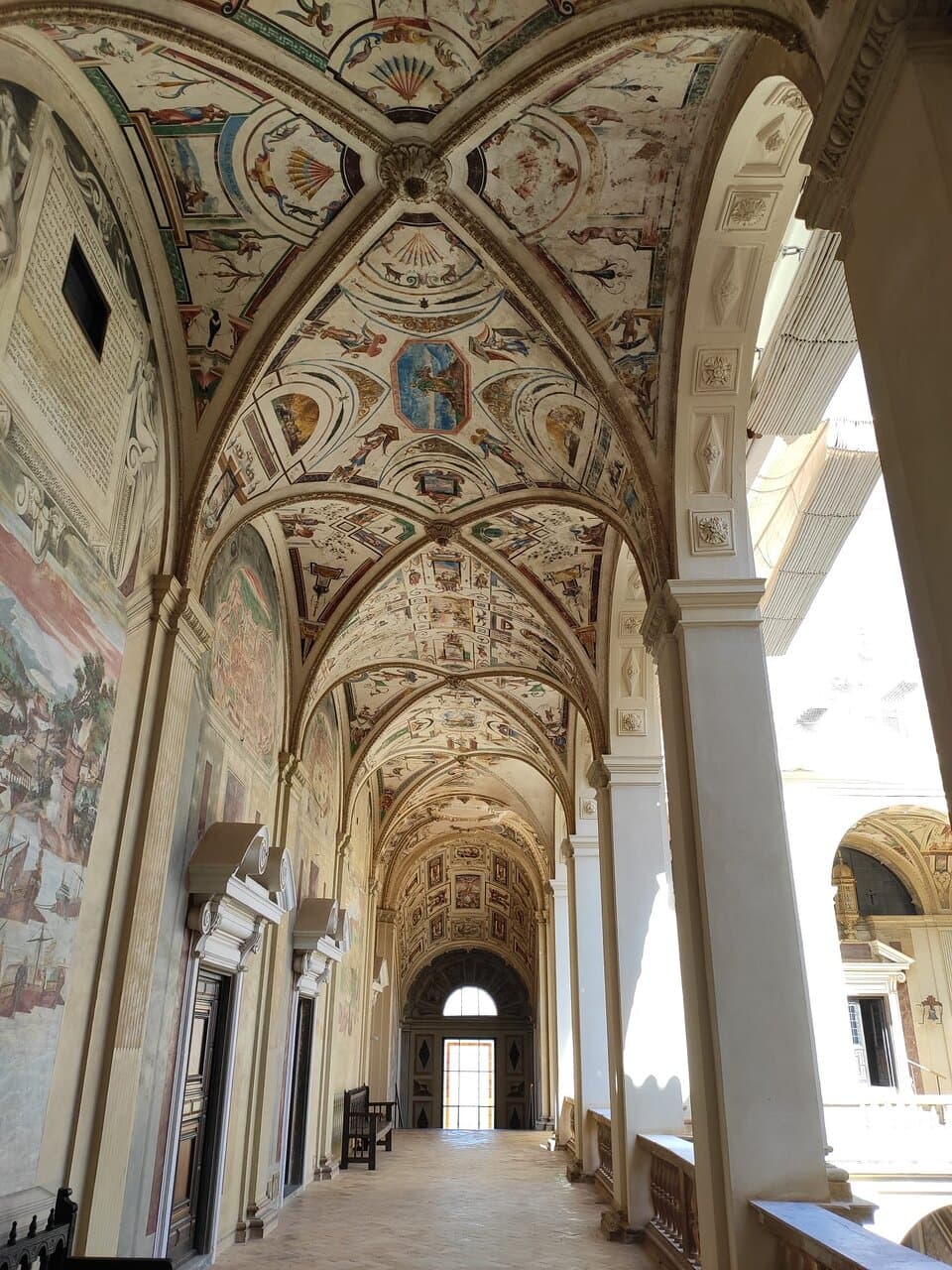
Admire the 18th-century architecture, a blend of styles reflecting Orihuela's historical importance.
Diverse Interior Styles
Various rooms
Explore rooms decorated in Neo-Gothic, Rococo, and Empire styles, showcasing a rich collection of furniture and ceramics.
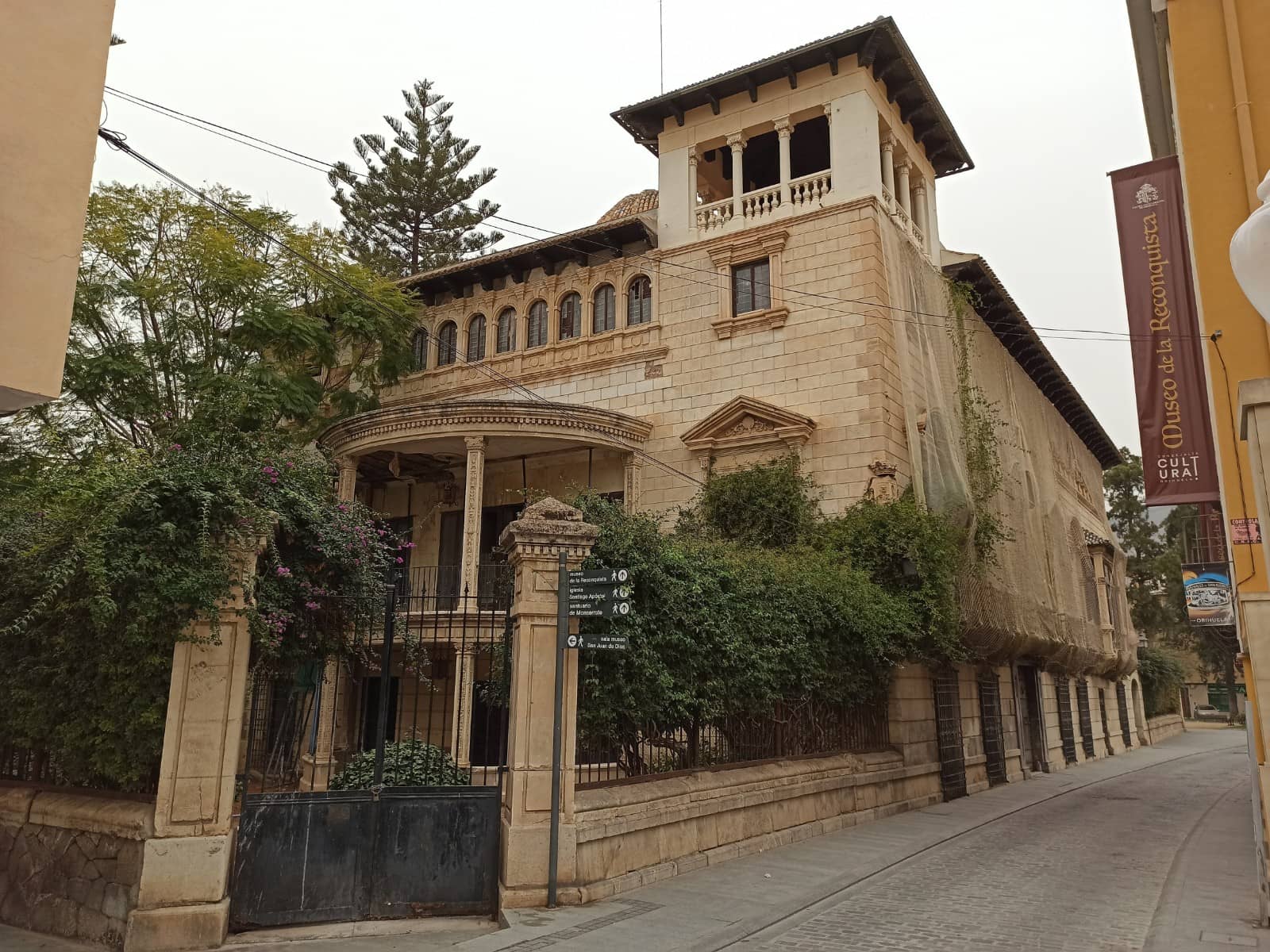
Historical Gardens
Gardens
Once a venue for events, these gardens offer a glimpse into the palace's past social life and architectural beauty.
Plans like a pro.
Thinks like you
Planning Your Visit
Check for Reopening Status
Understand its Historical Significance
Best Times
Insider Tips
from TikTok, Instagram & Reddit
Confirm Opening Hours
Rehabilitation efforts mean access may be limited. Always check official sources before planning your visit. :ticket:
Appreciate Architectural Details
The palace boasts diverse interior styles. Take time to notice the unique decor in each room. :camerawithflash:
Research its History
Understanding its past as a private residence and its architectural evolution enriches the visit. :book:
Tips
from all over the internet
Confirm Opening Hours
Rehabilitation efforts mean access may be limited. Always check official sources before planning your visit. :ticket:
Appreciate Architectural Details
The palace boasts diverse interior styles. Take time to notice the unique decor in each room. :camerawithflash:
Research its History
Understanding its past as a private residence and its architectural evolution enriches the visit. :book:
What Travellers Say
Reviews Summary
Reviews highlight Palacio Rubalcava's architectural beauty and diverse interior styles, noting its historical significance. However, many express disappointment over its previous state of abandonment and perceived lack of upkeep by the City Council, lamenting its potential being unrealized.
"Beautiful palace, now owned by the City Council, which has abandoned it, a disgrace to the city and the Valencian Community"
W melampo
"Rubalcava Palace.
Its construction was completed in the 1930s, although it has some later additions. It was built imitating the style of Orihuela's Baroque palaces (the main floor is accessed from a hallway lit by a neo-Baroque dome and via a marble staircase with a tiled plinth).
The different rooms on this floor have been given clearly differentiated, ambiances consistent with their function. For example, the chapel is in the Neo-Gothic style; the Black Room features sober furniture (some in Castilian and Renaissance styles); the ballroom is in the Rococo style; the Green Room is in the Empire style, etc.
Of particular note is an important collection of furniture from a wide range of periods and styles, including Renaissance, Recoco, Empire, Queen Anne, Provençal, Castilian, etc.
It also houses an interesting collection of ceramics, mainly from Manises, spice racks, platters, plates, salvillas, etc.
Among the multitude of paintings preserved in the palace, several with religious themes from the 17th and 18th centuries stand out."
Bienvenido MILE
"Closed and abandoned. It's a shame this palace is in this state of repair. A total lack of concern from the Orihuela City Council."
Rafael Vergel
What People Like
What People Dislike
Frequently Asked Questions
🚇 🗺️ Getting There
Palacio Rubalcava is located in the historic center of Orihuela. You can reach Orihuela by car via the AP-7 or A-7 highways. Once in Orihuela, the palace is within walking distance of most central parking areas. Public transport options include buses from nearby cities.
Several public parking lots are available in the vicinity of Orihuela's historic center, which is where Palacio Rubalcava is situated. It's advisable to check for the closest available parking upon arrival.
🎫 🎫 Tickets & Entry
Palacio Rubalcava has undergone extensive rehabilitation. It's crucial to check the official Orihuela City Council website or local tourism information for the most up-to-date opening hours and any access restrictions following its renovation. 
Information regarding ticket purchases will likely be available once the palace fully reopens. It's recommended to check the official Orihuela tourism portal for any advance booking requirements or if entry is free.
Recent updates indicate that the rehabilitation works are in their final stages. While it was previously closed for renovations, it is expected to reopen soon. Confirm its status before visiting.
🎫 🏛️ Onsite Experience
Palacio Rubalcava was built in the 1930s, imitating the Baroque palaces of Orihuela. Its interior features diverse styles, including Neo-Gothic, Rococo, and Empire, reflecting different room functions.
Visitors can expect to see a collection of furniture from various periods (Renaissance, Rococo, Empire, etc.), ceramics, and paintings, particularly religious themes from the 17th and 18th centuries.
Information on guided tours will likely be released closer to or upon the palace's full reopening. Check with Orihuela's tourism office for details on available tours and languages.
Given the historical nature of the building and its recent rehabilitation, accessibility details should be confirmed with the Orihuela City Council. Modern renovations often include improved accessibility.
📸 📸 Photography
Photography policies can vary for historical buildings. It's best to check for any restrictions upon entry. Generally, personal photography is allowed, but commercial shoots might require permission.
The palace's diverse interior styles, the neo-Baroque dome, marble staircase, and the gardens are all picturesque. Capture the unique ambiance of each decorated room.
For Different Travelers
Tailored advice for your travel style
👨👩👧 Families with Kids
It's advisable to check for any specific family-friendly programming or accessibility information once the palace fully reopens. The gardens, when accessible, could offer a pleasant space for a brief respite. Confirming opening hours and any potential restrictions is key for a smooth family visit.
🏛️ History Enthusiasts
The palace's collection of period furniture, ceramics, and 17th- and 18th-century paintings are significant artifacts. Exploring these elements allows for a deep dive into the decorative arts and cultural influences of the eras represented.
Deep Dives
In-depth insights and expert knowledge
The Rehabilitation of Palacio Rubalcava
+1The rehabilitation project focuses on preserving the palace's architectural integrity while updating it for modern use. This includes restoring its diverse interior styles, from the Baroque influences to the Neo-Gothic chapel and Rococo ballroom. The goal is to create a space that honors its past while serving the community's future needs.
With the works nearing completion, the palace is poised to reopen, offering a renewed experience for visitors. This revitalization is seen as a crucial step in enhancing Orihuela's cultural heritage and providing a valuable asset to the city.
Architectural and Interior Splendor
Inside, each room is designed with a distinct ambiance reflecting its intended function. You'll find a Neo-Gothic chapel, a 'Black Room' with sober, period furniture, a lavish Rococo ballroom, and an Empire-style 'Green Room.' This eclectic mix showcases a rich collection of furniture spanning Renaissance, Rococo, Empire, Queen Anne, and Provençal styles, among others.
Beyond furniture, the palace also houses an interesting collection of ceramics, primarily from Manises, including spice racks, platters, and plates. An array of paintings, many with religious themes from the 17th and 18th centuries, further adorns the interiors, contributing to the palace's historical and artistic richness.




Social
from TikTok, Instagram & Reddit