
Edificio de Correos y Telégrafos
Grand early 20th-century buildings, often still active post offices, showcasing stunning architecture and historical significance.

Highlights
Must-see attractions

Social
From TikTok & Reddit
Best Time
Fewer crowds, better photos
Edificio de Correos y Telégrafos
Best Time
Fewer crowds, better photos
Highlights
Must-see attractions
Grand early 20th-century buildings, often still active post offices, showcasing stunning architecture and historical significance.
"Very interesting, these buildings are architectural gems that offer a glimpse into the past."

📸 Capture the Details
Don't just photograph the exterior; explore the interior for stunning architectural details and unique design elements.
🕰️ Check Opening Hours
Verify public access times as many are still active post offices. Some may have limited hours or specific tour schedules.

Highlights
Discover the most iconic attractions and experiences
Grand Facade
Exterior
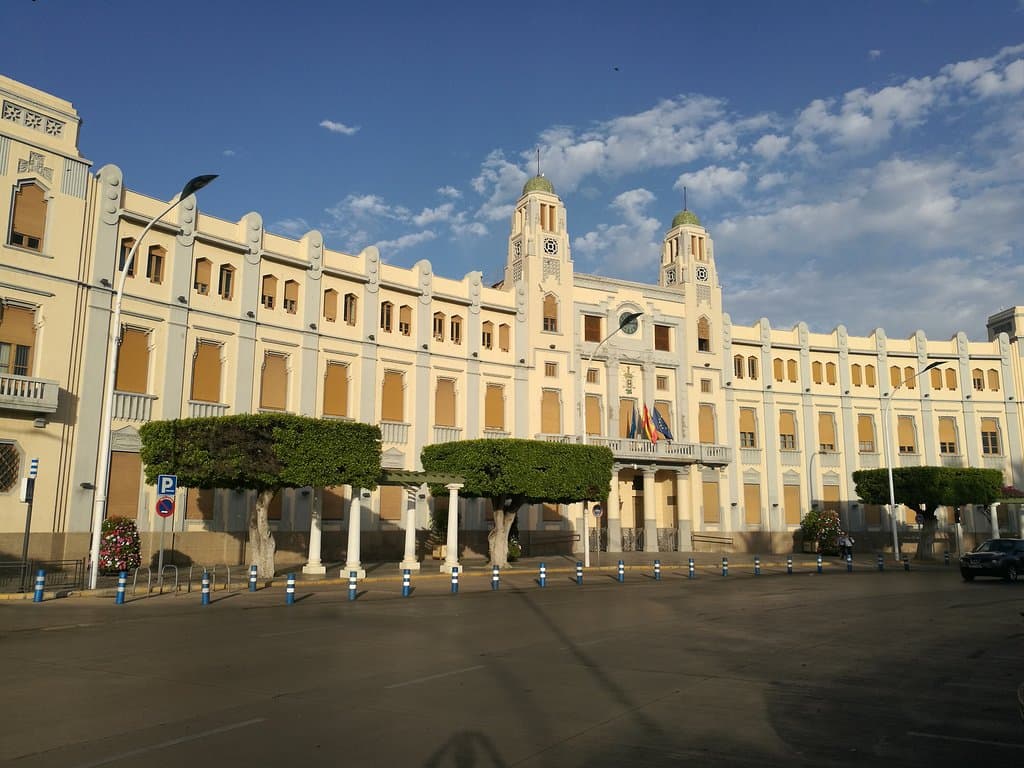
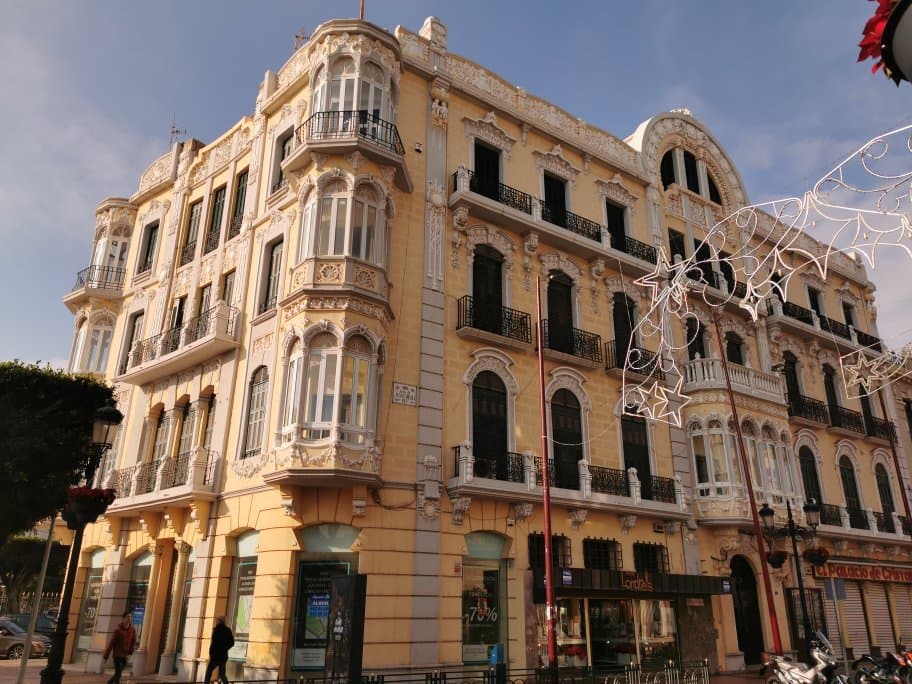
Admire the stunning architecture, often a blend of historical and modern styles, showcasing intricate details and imposing structures.

Historic Interiors
Lobby and main halls
Step inside to experience the grandeur of the past, with ornate ceilings, marble floors, and original design elements.

Architectural Details
Throughout the building
Look for unique sculptures, carvings, and decorative elements that tell a story of the building's history and craftsmanship.
Plans like a pro.
Thinks like you
Planning Your Visit
Timing Your Visit
Architectural Appreciation
Best Times
Insider Tips
from TikTok, Instagram & Reddit
📸 Capture the Details
Don't just photograph the exterior; explore the interior for stunning architectural details and unique design elements.
🕰️ Check Opening Hours
Verify public access times as many are still active post offices. Some may have limited hours or specific tour schedules.
🚶♂️ Explore the Surroundings
These buildings are often in central, historic areas. Take time to explore the neighborhood before or after your visit.
🧐 Look for Local History
Some locations have unique local stories or even small museums within them, like the Philatelic Museum in San José.
Tips
from all over the internet
📸 Capture the Details
Don't just photograph the exterior; explore the interior for stunning architectural details and unique design elements.
🕰️ Check Opening Hours
Verify public access times as many are still active post offices. Some may have limited hours or specific tour schedules.
🚶♂️ Explore the Surroundings
These buildings are often in central, historic areas. Take time to explore the neighborhood before or after your visit.
🧐 Look for Local History
Some locations have unique local stories or even small museums within them, like the Philatelic Museum in San José.
What Travellers Say
Reviews Summary
Visitors find these historic post office buildings to be architecturally fascinating and often appreciate their continued functionality. Many are impressed by the grand interiors and historical details, viewing them as significant landmarks. However, some may find access limited or wish for more extensive historical exhibits.
"Very interesting."
Juan Daniel Díez González
What People Like
What People Dislike
Frequently Asked Questions
🚇 🗺️ Getting There
Most Edificios de Correos y Telégrafos are located in city centers and are easily accessible by public transport. Check local transit maps for the specific city you are visiting. Many are within walking distance of major landmarks. 
Parking can be challenging in central urban areas. It's often best to use public transportation or look for nearby parking garages. Some locations might have limited street parking.
Accessibility can vary greatly. While many have ramps or elevators, older buildings may have limitations. It's advisable to check with the specific location beforehand if you have mobility concerns.
The Edificio de Correos y Telégrafos in Valencia is centrally located near the Plaza del Ayuntamiento. It's easily reachable by metro, bus, or on foot if you're exploring the city center.
Yes, the Edificio de Correos y Telégrafos in Barcelona is a notable landmark. It's situated in a prime location, making it accessible for visitors exploring the city's core.
🎫 🎫 Tickets & Entry
Generally, entering the main halls of these historic post office buildings is free as they often still function as active post offices. However, if there are specific museums or exhibitions within, separate tickets may be required.
Opening hours vary by location and whether it's an active post office or a historical monument. Weekday business hours are common, but it's best to check the specific hours for the city you're visiting.
The main areas of the Edificio de Correos y Telégrafos in Malaga are typically accessible without a fee, as it's a functional post office. Special exhibits or tours might incur a charge.
Yes, the Philatelic Museum is located on the first floor of the Edificio de Correos y Telégrafos in San José, Costa Rica. It has specific opening hours and a small entrance fee, often just the cost of a postcard.
Availability of guided tours depends on the specific location. Some cities offer historical tours that may include these buildings. It's recommended to check local tourism websites or inquire at the building itself.
🎫 🏛️ Onsite Experience
Inside, you'll find impressive architecture, grand lobbies, and often historical artifacts. Some locations may house museums or art installations, offering a glimpse into postal history and local heritage.
Photography is usually permitted in public areas for personal use, but check for any specific restrictions, especially in areas with sensitive operations or exhibits.
There's a local legend or mystery surrounding the lions at the Edificio de Correos y Telégrafos in Veracruz, with some people recalling them before 1990, though historical accounts differ.
The Edificio de Correos y Telégrafos in Valencia is a prime example of early 20th-century architecture, built between 1915 and 1922, showcasing a grand and ornate design.
Yes, many of these buildings are still active post offices, so you can often send mail or purchase stamps from them, adding a unique touch to your correspondence.
For Different Travelers
Tailored advice for your travel style
👨👩👧 Families with Kids
Encourage kids to spot interesting details on the facade or inside, turning the visit into a treasure hunt. Remember to check opening hours, as some parts might have limited access during busy postal operations.📸 Photography Enthusiasts
+2 Aim for weekday mornings to avoid crowds and capture the best light. Pay attention to architectural details, leading lines, and the interplay of light and shadow. Don't forget to explore different angles and perspectives, both from the exterior and interior, to create a compelling portfolio.🏛️ History Buffs
+1 Look for any historical markers or information panels. If a museum is present, dedicate ample time to explore its exhibits. Consider visiting during off-peak hours to fully absorb the historical ambiance and details. Deep Dives
In-depth insights and expert knowledge
Architectural Marvels of the Early 20th Century
+2These structures were not merely places for mail; they were civic centers and statements of modernity. Architects often incorporated symbolic elements, such as sculptures, reliefs, and decorative motifs, reflecting the identity and aspirations of the cities they served. The interiors typically boast soaring ceilings, grand staircases, and spacious lobbies designed to impress visitors and facilitate the efficient handling of mail and telegraph services. Even today, many of these buildings retain their original splendor, offering a tangible connection to the past.
+2Beyond the Mail: Hidden Gems and Local Lore
This offers a unique opportunity to delve into a specific aspect of communication history. Such hidden gems transform a visit from a simple architectural appreciation to an educational and engaging experience.Furthermore, these historic buildings are often steeped in local lore and intriguing stories. The Edificio de Correos y Telégrafos in Veracruz, Mexico, is associated with a curious mystery about its iconic lions, sparking debates about collective memory and the Mandela effect.
These anecdotes add a layer of cultural richness, inviting visitors to explore not just the physical structure but also the narratives that surround it. Engaging with these stories can provide a deeper understanding of the building's place within the community's identity.
Social
from TikTok, Instagram & Reddit