Museo Nacional de Aeronáutica
Explore Spain's rich aviation history with a vast collection of aircraft, from early autogyros to military jets. Free entry!
Highlights
Must-see attractions

Social
From TikTok & Reddit
Best Time
Fewer crowds, more space to explore
Museo Nacional de Aeronáutica
Best Time
Fewer crowds, more space to explore
Highlights
Must-see attractions
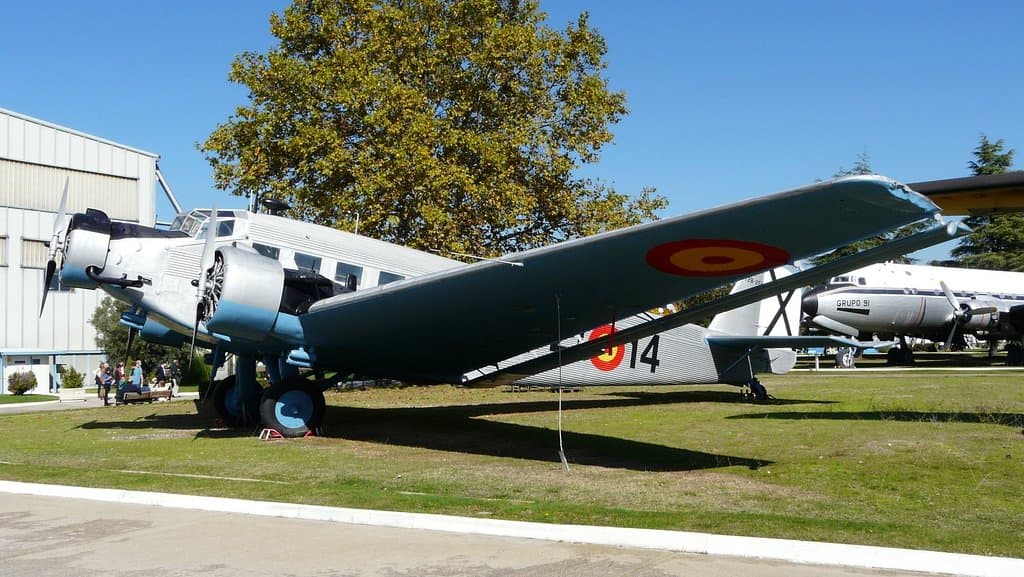
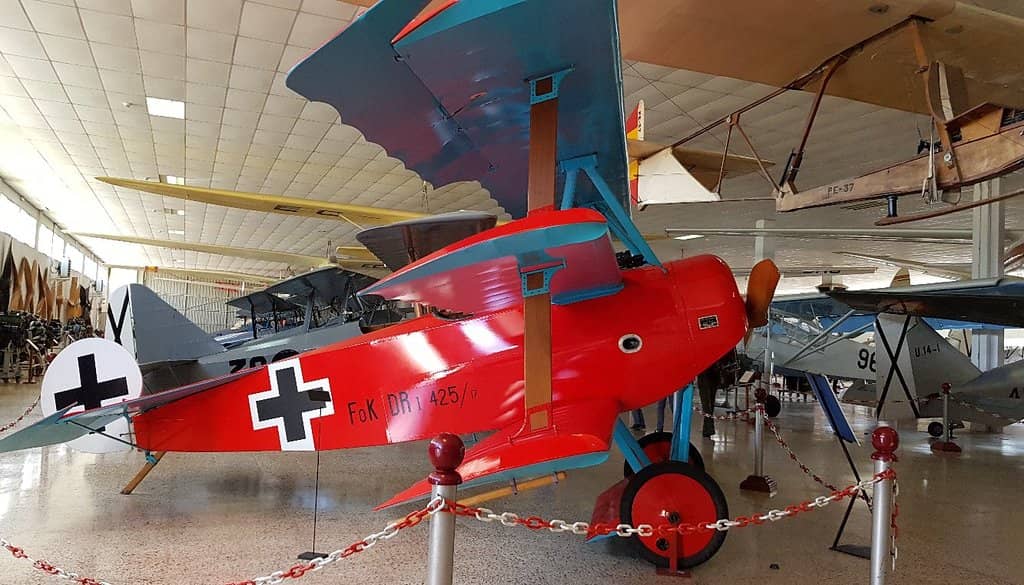
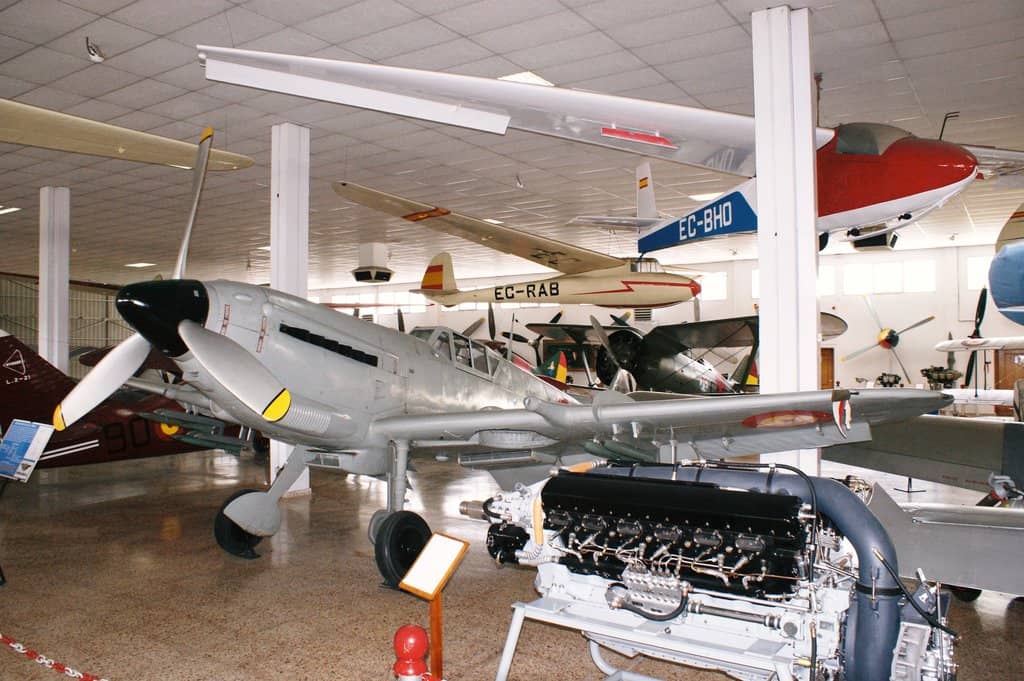
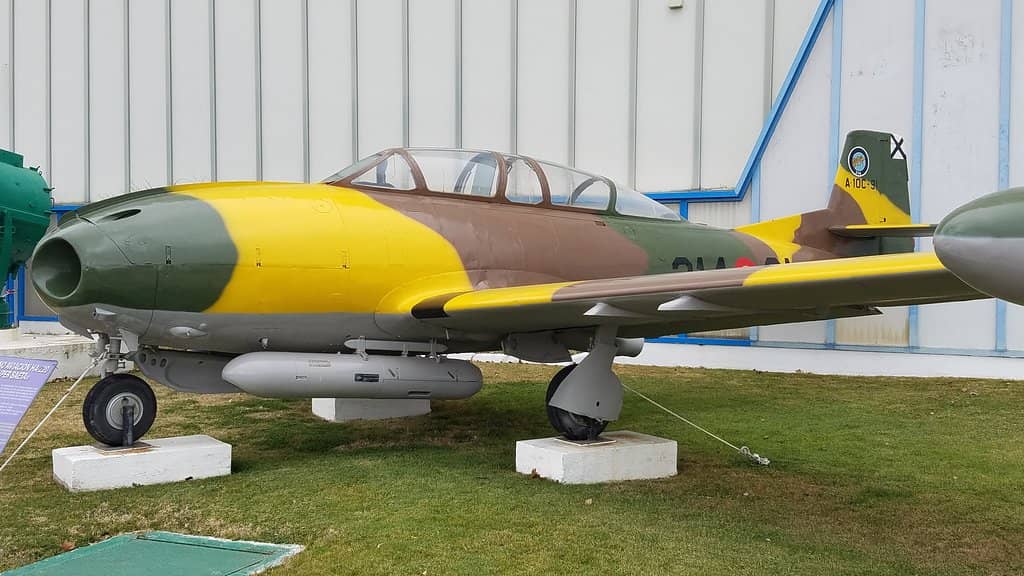
Explore Spain's rich aviation history with a vast collection of aircraft, from early autogyros to military jets. Free entry!
"One of the best sights in Madrid and free entrance."
🎯 Free Admission!
Entry is completely free! Save your euros for souvenirs or a coffee.
📱 Bring Your Phone!
Interactive exhibits, especially in the astronautics section, rely on AR. Your phone is key!
Highlights
Discover the most iconic attractions and experiences
Historic Spanish Aircraft
Hangars
Explore a vast collection of aircraft, including iconic Spanish designs and those used throughout its history.
Franco's Dragon Rapide
Hangar
See the actual aircraft that transported Franco to Spain, marking a pivotal moment in history.
Cierva Autogyros
Hangar
Discover the innovative autogyros, a Spanish contribution to aviation and precursors to helicopters.
Interactive Space Exhibits
Astronautics Section
Engage with augmented reality and interactive displays about space exploration and astronaut life.
Plans like a pro.
Thinks like you
Planning Your Visit
Free Entry, Big Rewards
Getting There & Timing
Best Times
Insider Tips
from TikTok, Instagram & Reddit
🎯 Free Admission!
Entry is completely free! Save your euros for souvenirs or a coffee. +1
📱 Bring Your Phone!
Interactive exhibits, especially in the astronautics section, rely on AR. Your phone is key!
🚌 Easy Public Transport
Take Metro Line 10 to Cuatro Vientos, then a short bus ride (512/538/539) or walk. +1
🗺️ Grab a Map
The museum is vast; a map helps you navigate the hangars and exhibits efficiently.
Tips
from all over the internet
🎯 Free Admission!
Entry is completely free! Save your euros for souvenirs or a coffee. +1
📱 Bring Your Phone!
Interactive exhibits, especially in the astronautics section, rely on AR. Your phone is key!
🚌 Easy Public Transport
Take Metro Line 10 to Cuatro Vientos, then a short bus ride (512/538/539) or walk. +1
🗺️ Grab a Map
The museum is vast; a map helps you navigate the hangars and exhibits efficiently.
👟 Comfortable Shoes
You'll be doing a lot of walking across large hangars and outdoor areas.
What Travellers Say
Reviews Summary
Visitors are consistently impressed by the Museo Nacional de Aeronáutica, often describing it as much better than expected. The extensive collection of historic aircraft, particularly those related to Spanish aviation, is a major draw. Many highlight the free entry as exceptional value, making it a top recommendation for both locals and tourists interested in aerospace and history.
"Much better than expected! A very interesting aviation museum with several hangars and outdoor exhibitions. One hangar was closed today but everything else was open and was a really great collection of old and never aircrafts. One of the best sights in Madrid and free entrance."
Kim Siefert
"I hadn’t been here in over 10 years and was really impressed by the changes. Now there are 7 hangars full of aviation gems and memorabilia. If you’re into planes, especially Spanish aviation, it’s a fantastic place to explore. You’ll see aircraft built in Spain, both licensed and original designs like the famous La Cierva autogyro. Definitely worth a visit!"
Donald Nelson
"À superb presentation of some unusual types of historic aeroplane. Don’t be put off by the distance from the city centre as it’s easy to Uber. And it’s free - excellent coffee!"
Paul Beaver
What People Like
What People Dislike
Frequently Asked Questions
🚇 🗺️ Getting There
The easiest way is to take Metro Line 10 to Cuatro Vientos station. From there, you can take a short bus ride on lines 512, 538, or 539, which will drop you off very close to the museum. Alternatively, it's a manageable walk from the metro station. +2
It's located a bit outside the city center, approximately 10.5 km along the Autovía A-5. While it requires a bit of travel, many visitors find it well worth the journey, especially considering the free entry. +1
Yes, driving is an option. The museum is located off the Autovía del Suroeste (A-5) at Km 10.5. There is parking available for visitors. +1
Several bus lines serve the area, including 511, 512, 513, 514, 516, 518, 521, 522, 523, 528, and 539. Lines 512, 538, and 539 are frequently mentioned as convenient from Cuatro Vientos metro. +1
Yes, using ride-sharing services like Uber or a taxi is a convenient way to reach the museum, especially if you prefer not to navigate public transport. It's often recommended as an easy option.
🎫 🎫 Tickets & Entry
The best part? Admission to the Museo Nacional de Aeronáutica is completely FREE! This makes it an incredibly accessible and popular attraction for all visitors. +2
No, you do not need to make a reservation to visit the museum. It's open to the public, and you can simply show up during operating hours.
The museum is typically open from Tuesday to Sunday, from 10:00 AM to 2:00 PM. It's always a good idea to double-check the official hours before your visit, as they can sometimes change. +2
Yes, the museum is closed on Mondays. It is open on Tuesdays, Wednesdays, Thursdays, Fridays, Saturdays, and Sundays. +1
No special requirements are needed for entry. It's open to everyone, and you can explore the vast collection freely. +1
🎫 ✈️ Onsite Experience
You'll find an extensive collection of over 160 aircraft across 7 hangars, showcasing the history of Spanish aviation, from early autogyros to military jets. There's also an astronautics section with interactive displays. +2
Given the size of the museum and its extensive collection, it's recommended to allocate at least 2 to 3 hours to fully explore and appreciate everything.
Absolutely! Children are often fascinated by the large aircraft, and the interactive astronautics section provides engaging elements. It's a great family outing. +1
While official guided tours might not always be advertised, the museum provides maps to help you navigate. The sheer scale of the exhibits makes self-exploration very rewarding.
Yes, photography is generally allowed inside the museum, allowing you to capture the impressive aircraft. However, always be mindful of any specific signage regarding photography restrictions in certain areas.
🍽️ ☕ Food & Dining
Currently, there are no on-site dining facilities within the museum itself. It's advisable to bring your own snacks and water or plan to eat before or after your visit.
The museum is located in an area with limited dining options directly adjacent. It's best to have a meal in central Madrid before heading out or plan to return to the city for food.
While not explicitly stated, it's generally acceptable to bring your own water and perhaps a light snack, especially given the lack of facilities. However, avoid eating in exhibition halls.
📸 📸 Photography
The sheer number of aircraft, both inside the hangars and potentially outdoors, offers countless photo opportunities. The unique designs and historical context make every shot interesting.
Drone photography is generally not permitted inside museums or at active air bases like the one the museum is located on. Always check specific regulations.
While general photography is allowed, it's always wise to look for any signage indicating restricted areas or specific rules regarding flash photography.
Visitors often capture wide shots of the hangars filled with planes, close-ups of cockpit details, and the iconic aircraft like Franco's Dragon Rapide. The astronautics section also offers fun, interactive photo ops.
For Different Travelers
Tailored advice for your travel style
👨👩👧 Families with Kids
✈️ Aviation Enthusiasts
🏛️ History Buffs
Deep Dives
In-depth insights and expert knowledge
A Journey Through Spanish Aviation History
One of the most compelling aspects is the collection of aircraft tied to pivotal moments in Spanish history. This includes Franco's Dragon Rapide, the plane that transported him to initiate the Spanish Civil War, offering a tangible link to a turbulent past. The museum also showcases the ingenuity of Spanish inventors like Juan de la Cierva and his groundbreaking autogiros, which were precursors to modern helicopters.
Beyond iconic planes, the museum delves into the complexities of Spain's 20th century. Exhibits touch upon the Civil War, the post-war isolation of the Francoist regime, and the influence of foreign engineers. It provides an objective narrative through these flying machines, telling a story of resilience and technological development against challenging political backdrops.
Exploring the Cosmos: Astronautics at the Museum
This section is particularly noted for its interactive elements and augmented reality (AR) features. Visitors are encouraged to bring their mobile phones, as these technologies are integral to the experience. You can virtually interact with planets, simulate space missions, and learn about astronaut life in a dynamic and fun way.
The astronautics exhibits aim to make space science accessible and exciting, allowing visitors to feel like they are part of a space mission. It's a modern addition that complements the historical aircraft, offering a forward-looking perspective on human achievement in flight and beyond.
Navigating the Museum: Tips for a Smooth Visit
Wear comfortable shoes as you'll be doing a considerable amount of walking. The sheer scale of the aircraft and the layout of the hangars mean you'll be on your feet for a good portion of your visit.
Given that the museum is free, it can attract a good number of visitors, especially on weekends. If you prefer a more tranquil experience, consider visiting during weekday mornings. Arriving early in the day, regardless of the day, is also a good strategy to avoid the largest crowds.
Social
from TikTok, Instagram & Reddit