Church of Santa María de la Asunción y del Manzano
A magnificent Late Gothic church in Hondarribia, showcasing centuries of history, architectural evolution, and resilient construction.
Highlights
Must-see attractions

Social
From TikTok & Reddit
Best Time
Fewer crowds, peaceful atmosphere
Church of Santa María de la Asunción y del Manzano
Best Time
Fewer crowds, peaceful atmosphere
Highlights
Must-see attractions
A magnificent Late Gothic church in Hondarribia, showcasing centuries of history, architectural evolution, and resilient construction.
"Amazing history and one of my favorite churches we got to tour. "
Arrive early for quiet
Beat the crowds by visiting early in the morning for a more peaceful experience. :clock1:
Admire the wooden doors
Don't miss the rickety, hollow hardwood doors; they add to the cathedral's unique feel. :door:
Highlights
Discover the most iconic attractions and experiences
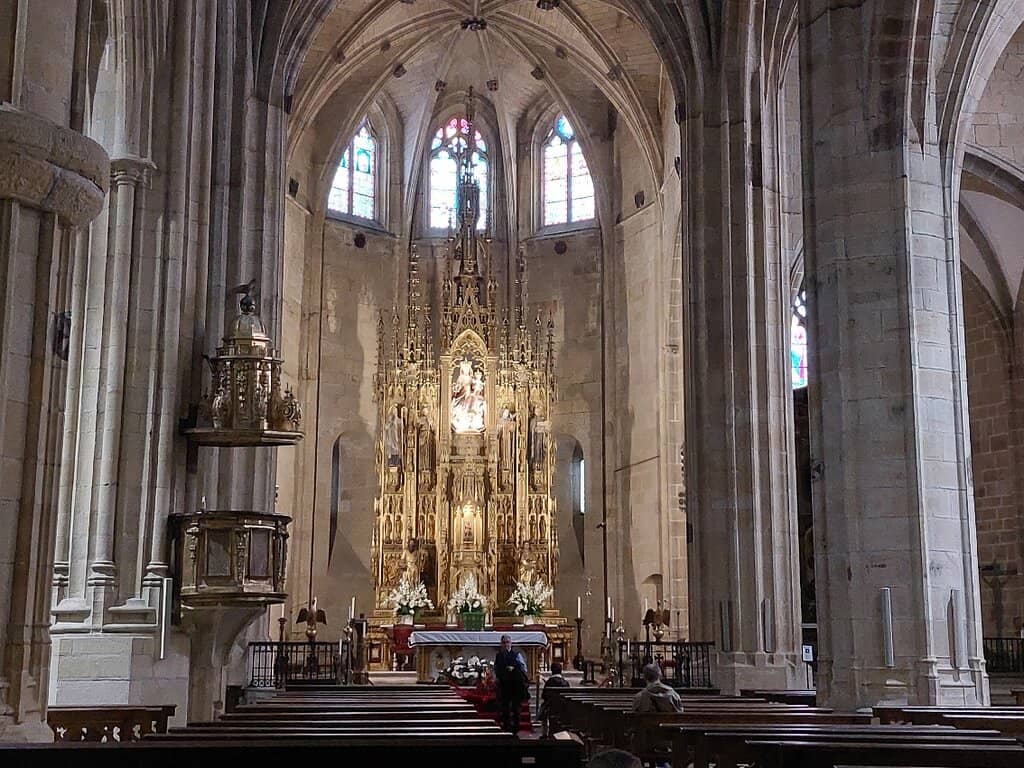
Late Gothic Architecture
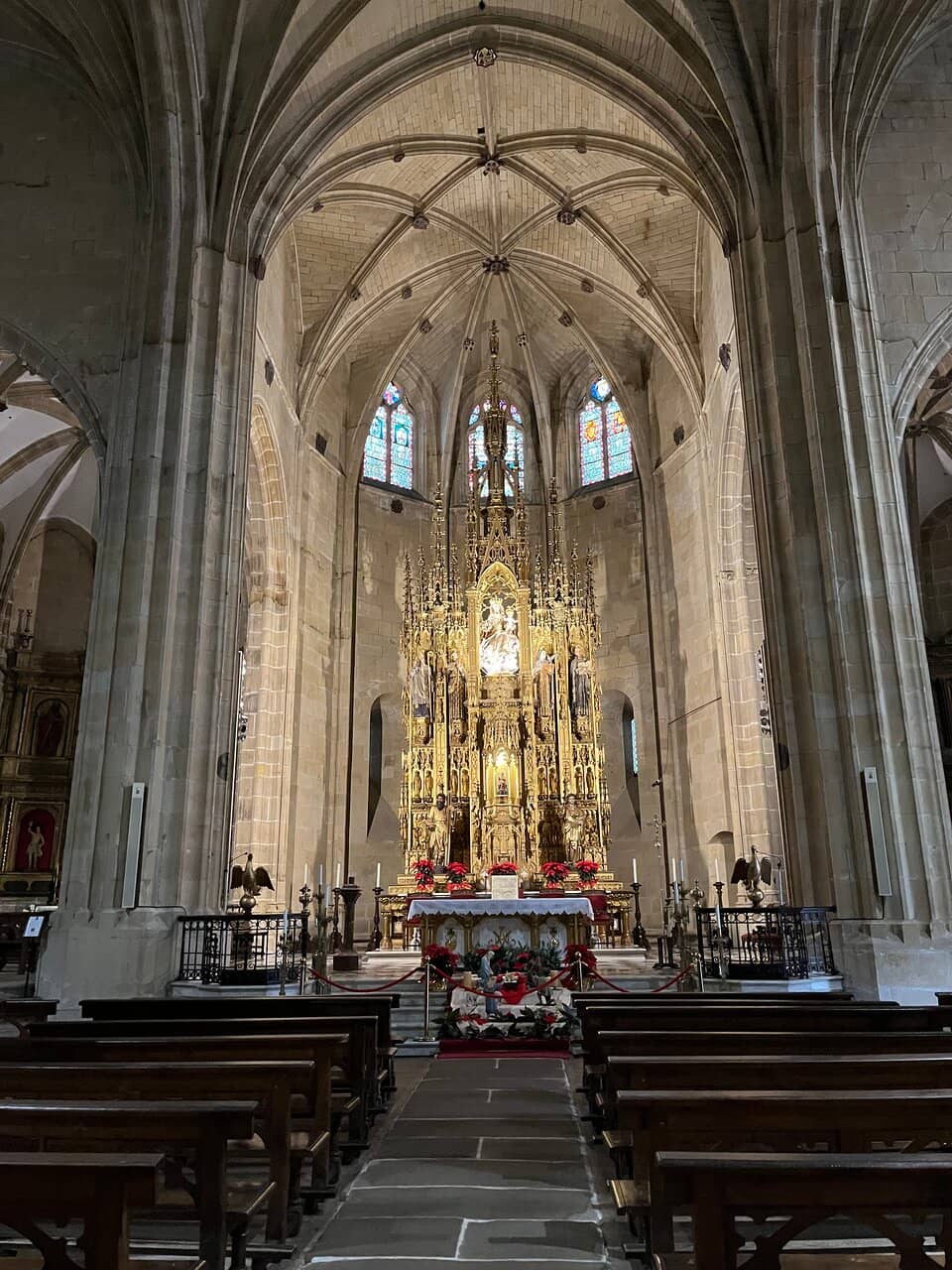
Marvel at the spacious three-nave design, a transitional style towards the Basque Renaissance 'hall church'.
Historical Significance
Explore a church built over medieval walls and Romanesque remnants, reflecting centuries of history.
Intricate Details
Discover the excellent detail throughout the church, from its pillars to its grand entrance.
Plans like a pro.
Thinks like you
Planning Your Visit
Timing is Key for a Peaceful Visit
Embrace the History and Architecture
Best Times
Insider Tips
from TikTok, Instagram & Reddit
Arrive early for quiet
Beat the crowds by visiting early in the morning for a more peaceful experience. :clock1:
Admire the wooden doors
Don't miss the rickety, hollow hardwood doors; they add to the cathedral's unique feel. :door:
Look for seasonal displays
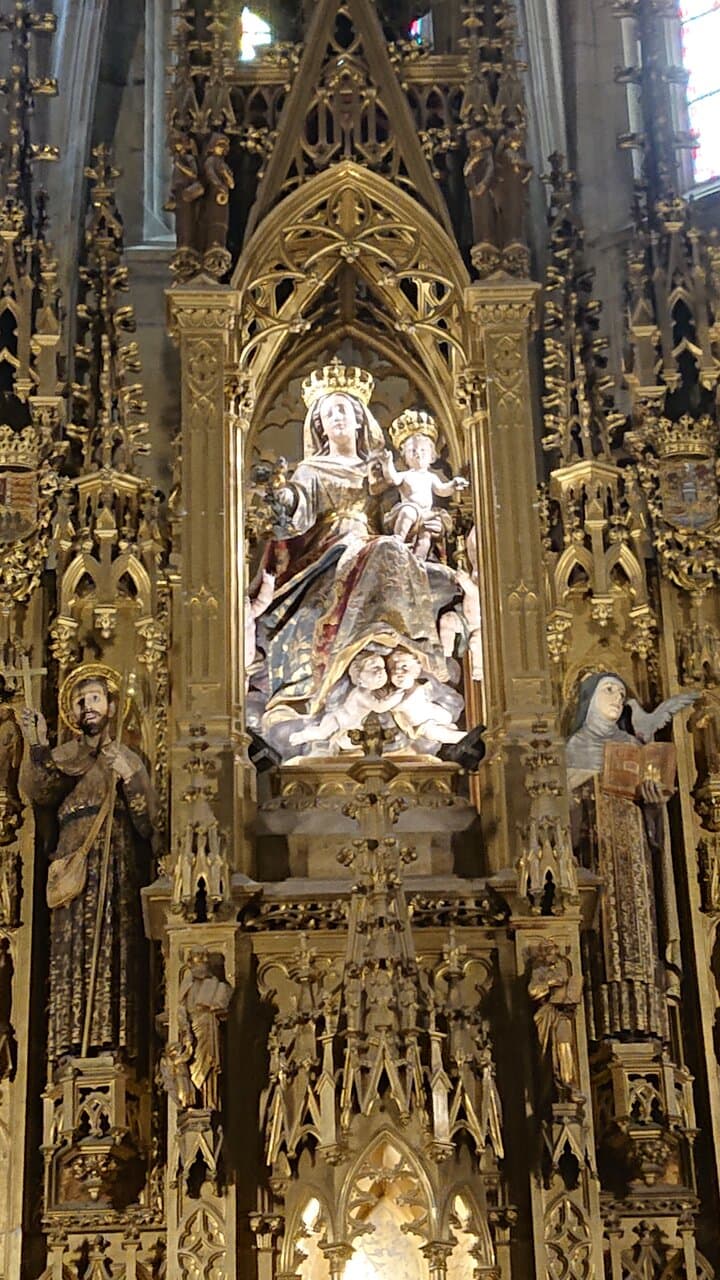
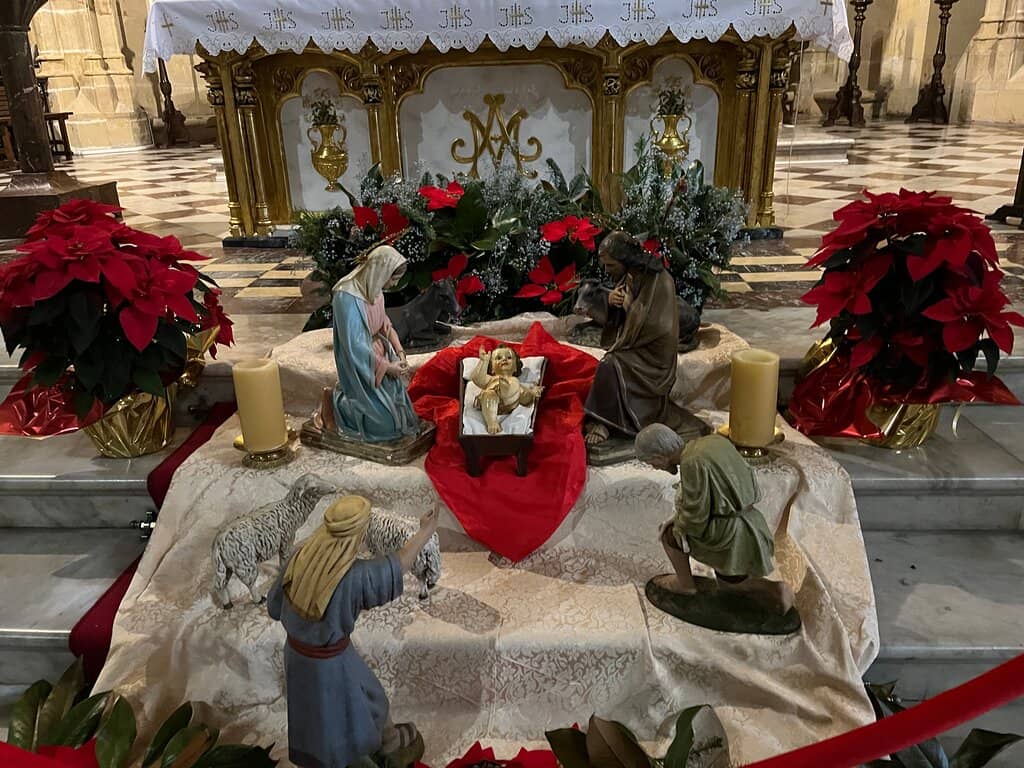
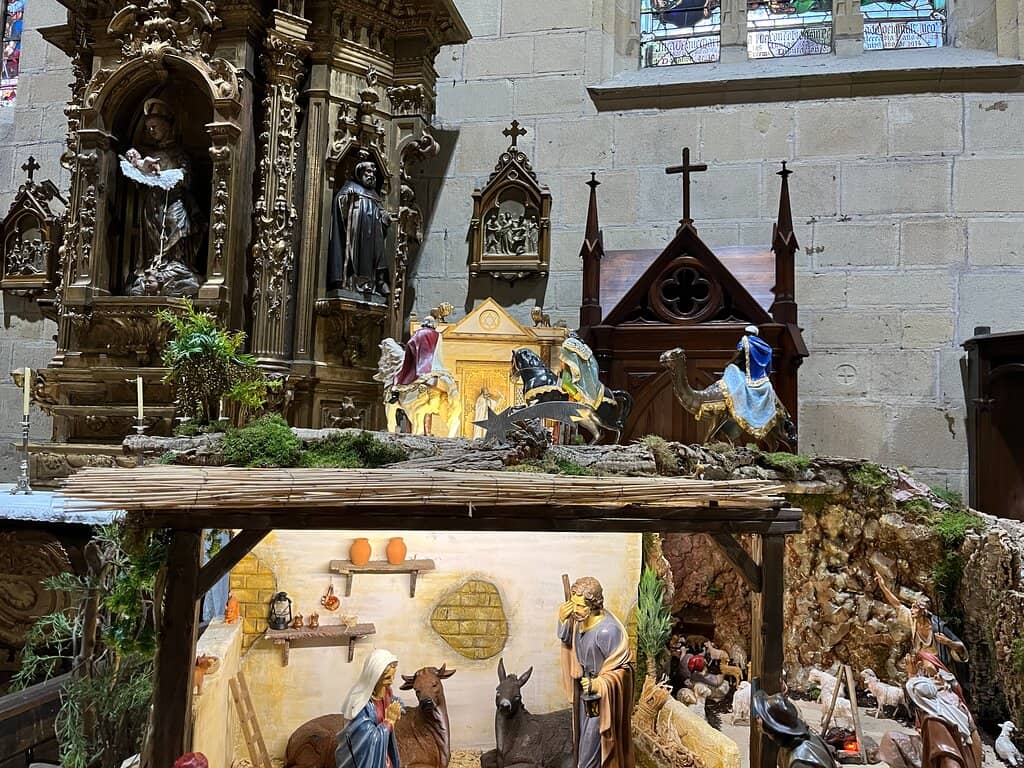
Check for special exhibits like the 'Belen' (nativity scenes) during December. :christmas_tree:
Take your time inside
There's much to see; allow ample time to appreciate the architecture and details. :camerawithflash:
Tips
from all over the internet
Arrive early for quiet
Beat the crowds by visiting early in the morning for a more peaceful experience. :clock1:
Admire the wooden doors
Don't miss the rickety, hollow hardwood doors; they add to the cathedral's unique feel. :door:
Look for seasonal displays
Check for special exhibits like the 'Belen' (nativity scenes) during December. :christmas_tree:
Take your time inside
There's much to see; allow ample time to appreciate the architecture and details. :camerawithflash:
What Travellers Say
Reviews Summary
Visitors consistently praise the Church of Santa María de la Asunción y del Manzano for its stunning Late Gothic architecture and the intricate details found throughout its spacious interior. Many appreciate its historical significance and the unique feel of its aged wooden doors. While generally free to enter, some note that it can get crowded during peak times.
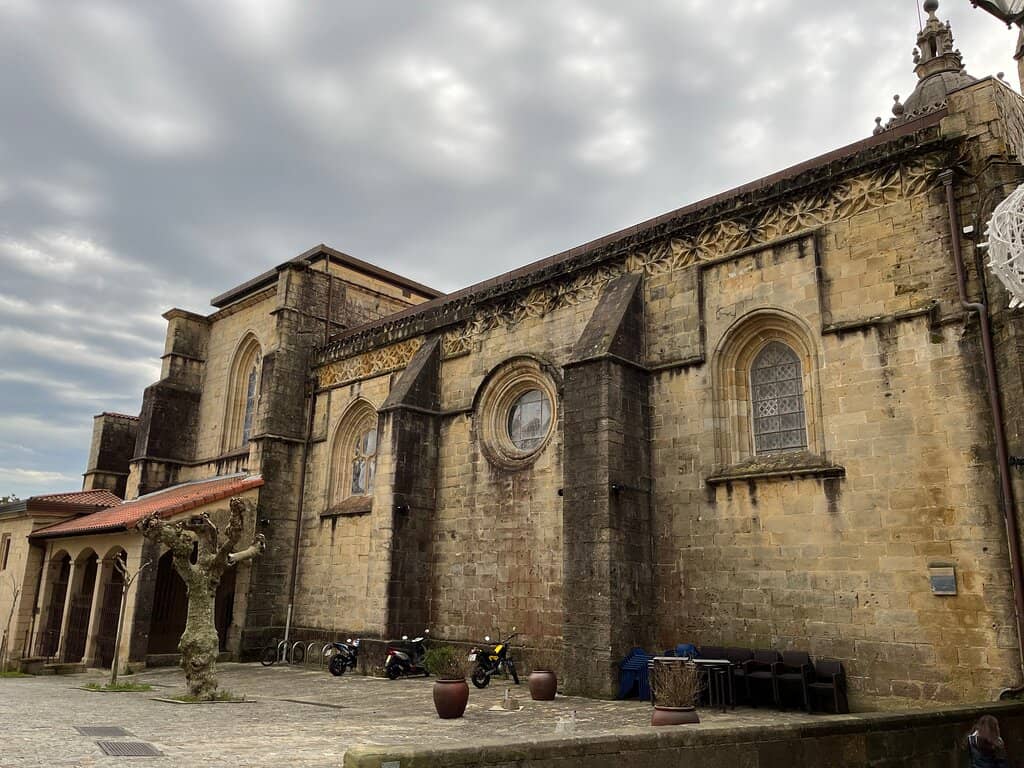
"The Parish Church of Fuenterrabía, dedicated to Santa María de la Asunción y del Manzano, stands as a testament to Late Gothic architecture, constructed in the 15th and 16th centuries upon medieval walls and the remnants of a Romanesque predecessor. This spacious and beautiful church, measuring 44 by 28 meters internally, features three naves of similar width divided by eight cylindrical pillars, showcasing a transitional design towards the Basque Renaissance "hall church" style. Its construction, commencing in 1474, faced significant delays due to the political and military upheavals of the era, including the conquest of Navarre and various sieges, which even led to the diversion of building materials for fortifications. The initial phase concluded with its consecration in 1549, with the building process starting from the apse and progressing westward. Subsequent centuries saw the addition of a Renaissance main entrance, a sacristy, and a prominent Baroque tower built upon an integrated, pre-existing tower house that was later removed from the church's interior. Further modifications included the construction of the choir and later minor alterations, culminating in a 1910 restoration that aimed to restore the building's original aesthetic by removing Baroque additions."
Manuel Gonzalez Vazquez
"Amazing history and one of my favorite churches we got to tour. The hard wood doors m, rickety and hollow, add to the overall feel of this cathedral. Beautiful and amazing to consider the sacrifice and details of this great city."
Josiah Dahlstrom
"Stunning church, with lots to view inside I've added a few photos but much more to see in person so make it a must do on your list."
Steven Clark
What People Like
What People Dislike
Frequently Asked Questions
🚇 🗺️ Getting There
The church is centrally located in Hondarribia, making it easily accessible on foot within the charming old town. If arriving by car, look for public parking areas nearby. Many visitors find it a pleasant walk from the main areas of the town.
Hondarribia has bus services that connect to nearby towns and cities. From the bus stop, it's a short walk to the historic center where the church is located. Check local bus schedules for the most convenient routes.
🎫 🎫 Tickets & Entry
No, there is generally no entrance fee to visit the Church of Santa María de la Asunción y del Manzano. It's a functioning parish church, and visitors are welcome to enter and explore its beauty.
As a working church, hours can vary. It's best to visit during daylight hours when services are not in session. Weekday mornings and late afternoons are often good times for a peaceful visit.
While you can enter during mass, it's respectful to remain quiet and observe the service. For a thorough exploration of the architecture, it's advisable to visit outside of mass times.
📸 📸 Photography
Photography is generally permitted inside the church, but it's always good practice to be discreet and respectful, especially during services. Avoid using flash photography, which can be disruptive.
The wide naves and the detailed pillars offer great perspectives. The main entrance and the altar area are also visually striking. Capture the grandeur of the architecture and any special seasonal displays.
🎫 🏛️ History & Architecture
The church is a prime example of Late Gothic architecture, with transitional elements towards the Basque Renaissance 'hall church' style. It was constructed in the 15th and 16th centuries.
Construction began in 1474 but was significantly delayed by political and military events. It was built upon medieval walls and a Romanesque predecessor, showcasing a long and complex building history.
The interior features three naves of similar width, divided by eight cylindrical pillars. The spaciousness and the blend of architectural styles are particularly noteworthy.
For Different Travelers
Tailored advice for your travel style
👨👩👧 Families with Kids
Keep the visit concise for younger attention spans, focusing on a few key features like the tall pillars or the impressive doors. The surrounding old town of Hondarribia is also very walkable and picturesque, making it a pleasant area to explore before or after your church visit.
🏛️ History Buffs
Delve into the details of its delayed construction, influenced by the region's turbulent past. The church's transformation through centuries, including its 1910 restoration, offers a rich narrative of preservation and architectural adaptation. Don't miss the chance to appreciate the craftsmanship and the historical context that shaped this significant landmark.
Deep Dives
In-depth insights and expert knowledge
Architectural Journey: From Gothic to Renaissance
What makes this church particularly intriguing is its layered history. It stands on the foundations of earlier structures, including medieval walls and a Romanesque predecessor, hinting at centuries of continuous worship and development on this site. The construction process itself was a testament to resilience, marked by significant delays due to the turbulent political and military climate of the era. Materials were even diverted for defensive fortifications, underscoring the challenges faced by its builders.
Over the centuries, the church continued to evolve with additions like a Renaissance main entrance, a sacristy, and a prominent Baroque tower. A significant restoration in 1910 aimed to recapture its original aesthetic by removing later Baroque embellishments, further highlighting the church's enduring architectural narrative.
A Testament to Resilience: The Church's Construction
These external pressures led to substantial delays and even necessitated the diversion of building materials for crucial defensive fortifications. This meant that the church's progress was slow and arduous, with the initial phase only concluding with its consecration in 1549. The construction method, starting from the apse and moving westward, reflects the practical challenges and phased approach required.
Despite these difficulties, the dedication of the community and artisans resulted in the magnificent structure we see today. The church stands not only as a religious edifice but also as a symbol of the town's enduring spirit and its ability to overcome adversity through centuries of history.
Social
from TikTok, Instagram & Reddit