Sierra de San Vicente El Piélago
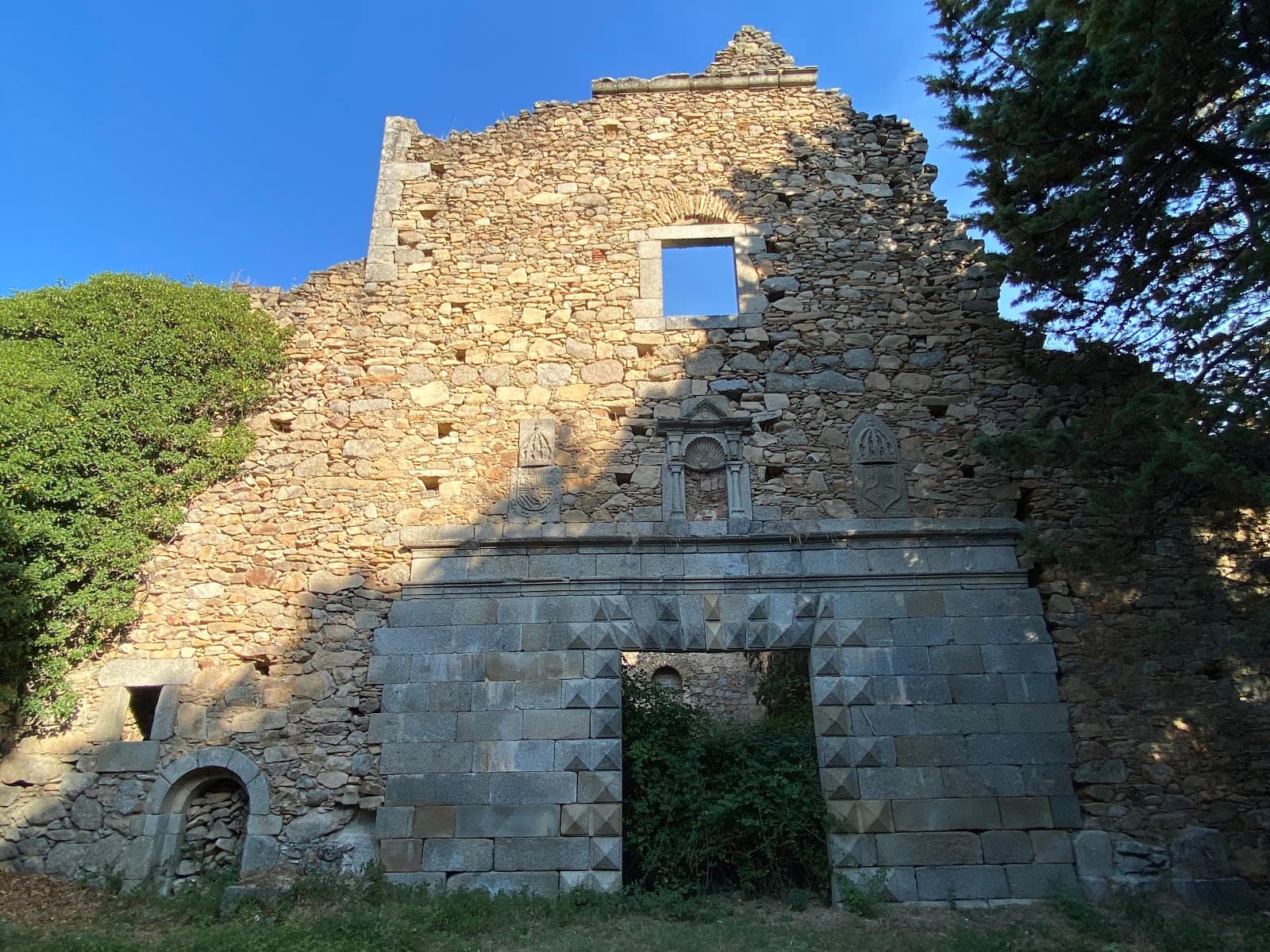
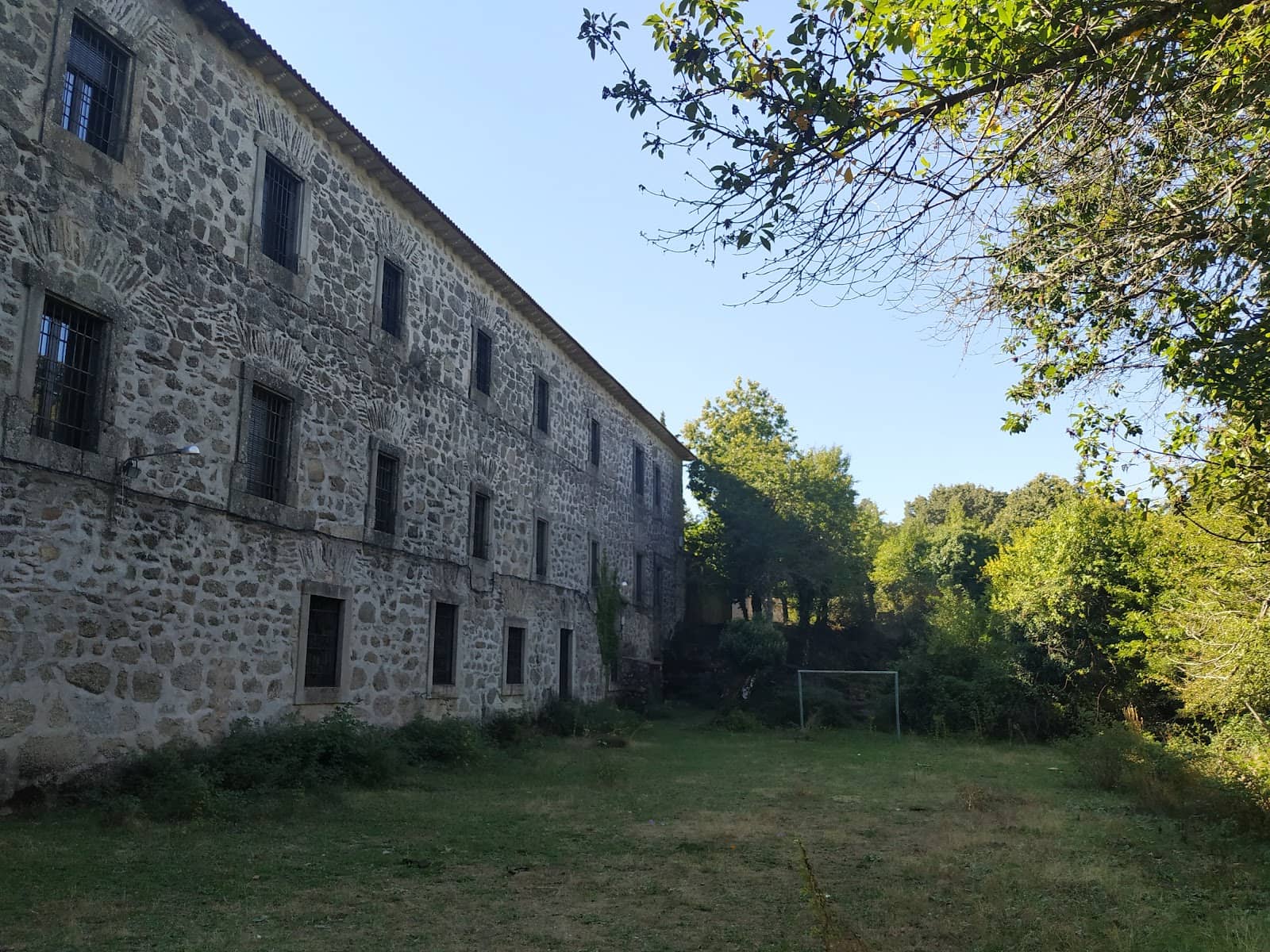
Explore the atmospheric 17th-century ruins of the Royal Carmelite Convent, nestled within a serene and gorgeous forest setting.
Highlights
Must-see attractions

Social
From TikTok & Reddit
Best Time
Best for exploring outdoors
Sierra de San Vicente El Piélago
Best Time
Best for exploring outdoors
Highlights
Must-see attractions
Explore the atmospheric 17th-century ruins of the Royal Carmelite Convent, nestled within a serene and gorgeous forest setting.
"A shame that the interior of the building is inaccessible, and above all, that it's in a state of total neglect."

Wear Sturdy Shoes
The terrain can be uneven and overgrown. Comfortable, closed-toe shoes are a must for exploring the ruins and forest paths. :athletic_shoe:
Respect the Ruins
Many visitors note the state of neglect. Please be mindful and do not disturb the historical structures. :pray:
Highlights
Discover the most iconic attractions and experiences
Convent Ruins
Main structure
Explore the atmospheric 17th-century convent ruins, a testament to its former grandeur amidst a serene forest setting.
Surrounding Forest
Around the convent
Wander through the gorgeous forest that envelops the convent, offering a peaceful and scenic natural backdrop.

Hermitage of Virgen del Piélago
Near the convent
Discover the site of the original hermitage, where Francisco de Raudona sought isolation, adding a layer of spiritual history.
Plans like a pro.
Thinks like you
Planning Your Visit
Prepare for a Historic Ruin
Respect the Site's Condition
Best Times
Insider Tips
from TikTok, Instagram & Reddit
Wear Sturdy Shoes
The terrain can be uneven and overgrown. Comfortable, closed-toe shoes are a must for exploring the ruins and forest paths. :athletic_shoe:
Respect the Ruins
Many visitors note the state of neglect. Please be mindful and do not disturb the historical structures. :pray:
Bring Insect Repellent
The forest setting means mosquitoes and other insects can be present, especially in warmer months. :bug:
Check for Access
Interior access is often restricted. Enjoy the exterior and surrounding nature. :camerawithflash:
Tips
from all over the internet
Wear Sturdy Shoes
The terrain can be uneven and overgrown. Comfortable, closed-toe shoes are a must for exploring the ruins and forest paths. :athletic_shoe:
Respect the Ruins
Many visitors note the state of neglect. Please be mindful and do not disturb the historical structures. :pray:
Bring Insect Repellent
The forest setting means mosquitoes and other insects can be present, especially in warmer months. :bug:
Check for Access
Interior access is often restricted. Enjoy the exterior and surrounding nature. :camerawithflash:
What Travellers Say
Reviews Summary
Visitors are drawn to the Sierra de San Vicente El Piélago for its atmospheric 17th-century convent ruins set within a beautiful forest. Many appreciate the historical significance and the serene natural surroundings, finding it a picturesque and tranquil spot. However, a significant drawback is the state of neglect and inaccessibility of the interior, which leaves many feeling disappointed by the lack of preservation.
"Also known as the Royal Carmelite Convent of the Holy Desert of Piélago or the Royal Convent of Santa María de los Ángeles del Piélago, this is a Catholic church built in the 17th century by Francisco de San Vicente. It was built next to the now ruined hermitage of the Virgen del Piélago, the place where Francisco de Raudona isolated himself to fulfill the ideals of the Discalced Carmelites. The site acquired great importance, being under the protection of Charles II and his descendants. The religious who lived there lived off the profits obtained from the various mills and wells built near the convent. After the Mendizábal Confiscation and the French invasion, the convent fell into ruin. Many of its pieces ended up in various churches and places of worship throughout Spain. At the end of the last century, the cloister and some of its outbuildings were renovated, which are currently abandoned, along with its ruined church."
Jörge
"It is a place full of history, and the convent is surrounded by brambles inside; it should at least be cleared so that this place of worship can be enjoyed."
Armando Lopez
"Very beautiful, in the middle of a gorgeous forest. Another victim of the ill-fated Mendizabal."
Álex Navajas
What People Like
What People Dislike
Frequently Asked Questions
🚇 🗺️ Getting There
The convent is located in a forest setting. Driving is the most common method. Check local maps for the best route, as public transport options may be limited. Parking availability can vary.
Parking can be limited and may depend on the season and day of the week. It's advisable to arrive early if possible.
The convent is situated within a forest, suggesting potential hiking trails. Research local hiking routes beforehand to plan your trek. :hiking_boot:
🎫 🎫 Tickets & Entry
Generally, no tickets are required for the exterior and surrounding grounds, as it's a historical site in a natural area. However, interior access is restricted.
As much of the site is in ruin and inaccessible, there are no official opening hours. The surrounding forest is accessible during daylight hours.
Unfortunately, the interior of the church and most of the convent buildings are inaccessible and in a state of ruin. Visitors can explore the exterior and the grounds.
There is typically no entrance fee for viewing the exterior of the ruins and exploring the surrounding forest.
🎫 🧭 Onsite Experience
You can explore the atmospheric ruins of the 17th-century Royal Carmelite Convent, admire its exterior architecture, and wander through the beautiful, albeit overgrown, surrounding forest.
Yes, the ruins and the natural setting offer many picturesque opportunities for photography, especially for those interested in historical architecture and nature. :camerawithflash:
The convent is largely in ruin, with brambles and vegetation growing inside. While historically significant, it's in a state of neglect.
Guided tours are generally not available due to the inaccessible nature of the interior and the site's condition.
Expect a serene, natural environment within a forest, with the striking visual of historical ruins. It's a place for quiet contemplation and appreciation of history and nature.
🍽️ 🍽️ Food & Dining
No, there are no dining facilities at the convent itself. It's a historical ruin in a natural setting.
You'll need to travel to nearby towns or villages for dining options. Pack a picnic to enjoy amidst the natural beauty if you plan to spend a significant amount of time. :sandwich:
📸 📸 Photography
The exterior of the ruins, especially with the forest backdrop, offers great photographic potential. Look for interesting architectural details and the interplay of nature and stone. :camerawithflash:
Access to the interior is restricted, so interior photography is generally not possible. Focus on the exterior and the surrounding landscape.
Early morning or late afternoon light can create dramatic shadows and highlight the textures of the ruins and the forest.
For Different Travelers
Tailored advice for your travel style
👨👩👧 Families with Kids
Emphasize the historical aspect by telling stories about the convent's past. Ensure children wear appropriate footwear for uneven terrain and are supervised closely, especially near any unstable structures. The adventure of exploring a 'ruined castle' in the woods can be exciting for older children. :child:
🚶♀️ History Buffs & Photographers

Research the history of the Discalced Carmelites and Francisco de San Vicente beforehand to enrich your visit. The surrounding forest also provides a beautiful natural frame for your shots. Be prepared for limited interior access, so plan your photographic approach around the exterior and accessible areas. :camerawithflash:
🌿 Nature Lovers
While exploring, be mindful of the natural environment. The overgrowth is part of the site's current character, so embrace the wild beauty. It's an excellent spot for a quiet retreat and a chance to disconnect from the hustle and bustle. :evergreen_tree:
Deep Dives
In-depth insights and expert knowledge
A Glimpse into History
The site suffered significantly during the Mendizábal Confiscation and the subsequent French invasion, leading to its decline and ruin. Many of its valuable artifacts were dispersed to churches across Spain. Despite efforts to renovate parts of the cloister and outbuildings in the late 20th century, the church and much of the convent remain abandoned and in a state of disrepair, overgrown with vegetation.
Visitors today can still appreciate the historical significance of the site, imagining its past grandeur amidst the serene forest. The story of its rise and fall is a poignant reminder of the impact of historical events on architectural heritage.
Exploring the Natural Surroundings
While the convent itself is in a state of ruin, the surrounding woodlands are a significant part of the visitor experience. The dense vegetation, though sometimes encroaching on the ruins, contributes to the site's wild and atmospheric charm. It's an ideal location for a peaceful walk or a picnic, allowing visitors to soak in the natural beauty.
Be prepared for uneven terrain and potentially overgrown paths. Wearing appropriate footwear is recommended for exploring the forest and the perimeter of the ruins. The natural beauty is a key draw for many visitors, offering a stark contrast to the man-made structures. :evergreen_tree:
The State of Neglect and Preservation
There's a strong sentiment that the owner should be obligated to maintain the property, given its cultural interest and historical importance. The inaccessibility of the interior and the general state of disrepair are frequently cited as major drawbacks.
Despite these concerns, the site still holds a certain allure for those interested in history and atmospheric ruins. The hope for better preservation and potential future access is a common wish among those who visit.


Social
from TikTok, Instagram & Reddit