Palacio Episcopal
A historic Renaissance palace in Cáceres, featuring a striking facade and a tranquil courtyard, offering a glimpse into the region's past.
Highlights
Must-see attractions

Social
From TikTok & Reddit
Best Time
Fewer crowds, peaceful exploration
Palacio Episcopal
Best Time
Fewer crowds, peaceful exploration
Highlights
Must-see attractions
A historic Renaissance palace in Cáceres, featuring a striking facade and a tranquil courtyard, offering a glimpse into the region's past.
"Impressive building in the heart of Cáceres' historic center, featuring a monumental cushioned entrance."
Free Courtyard Access
Enjoy the beautiful porticoed courtyard with free admission! :ticket:
Rear Facade View
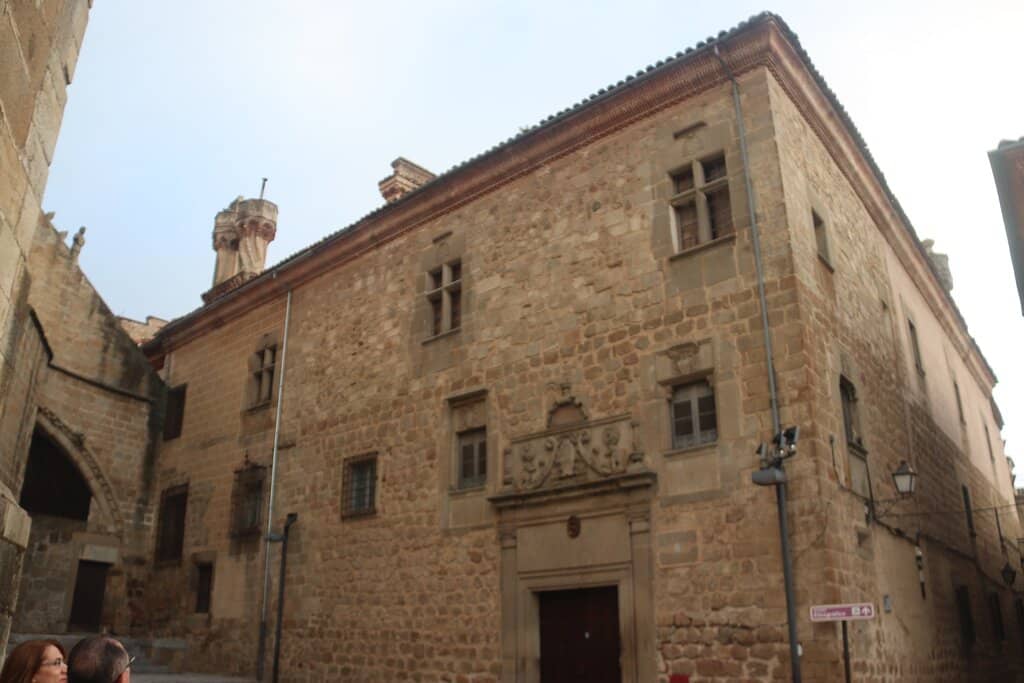
For the best view of the rear facade, head to the wall overlooking it. :camerawithflash:
Highlights
Discover the most iconic attractions and experiences
Renaissance Facade
Plaza de Santa María
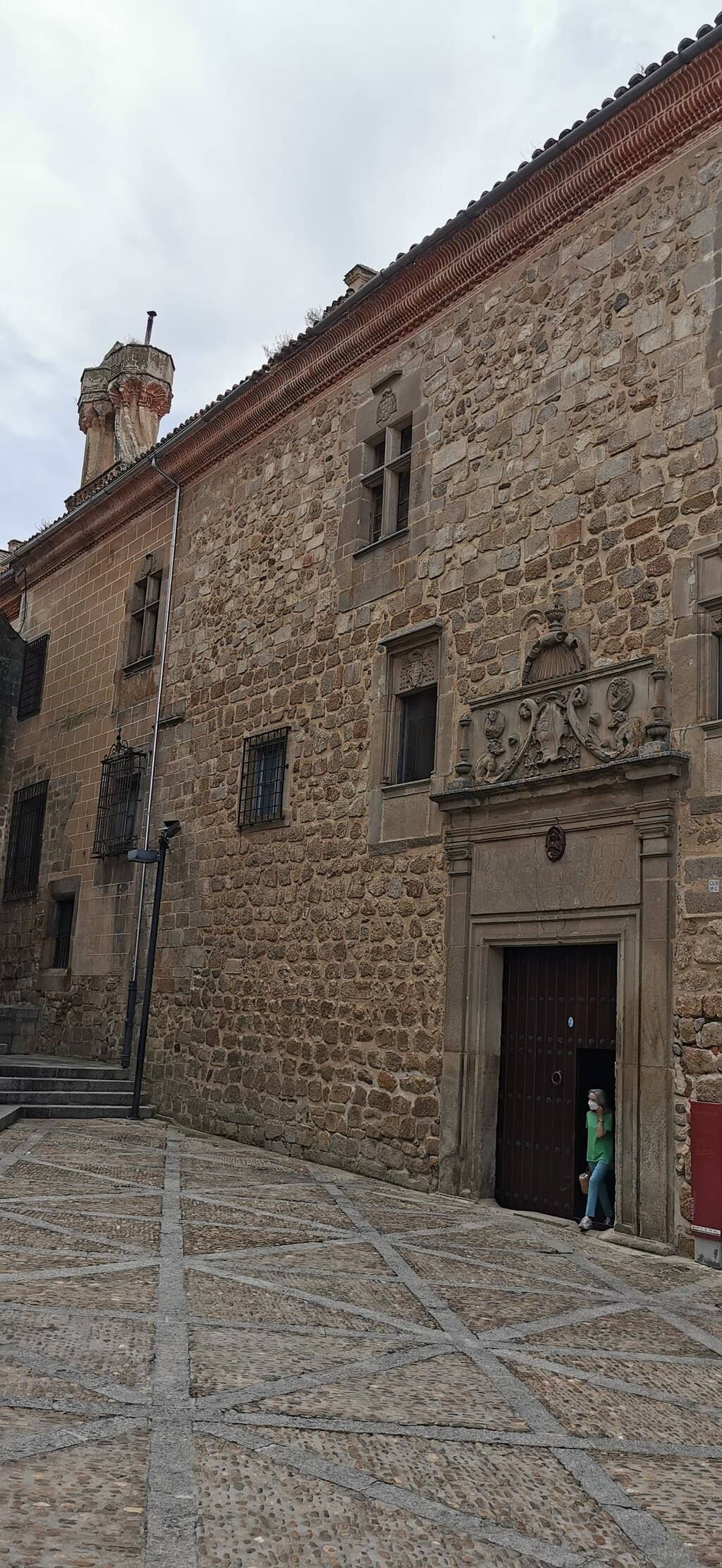
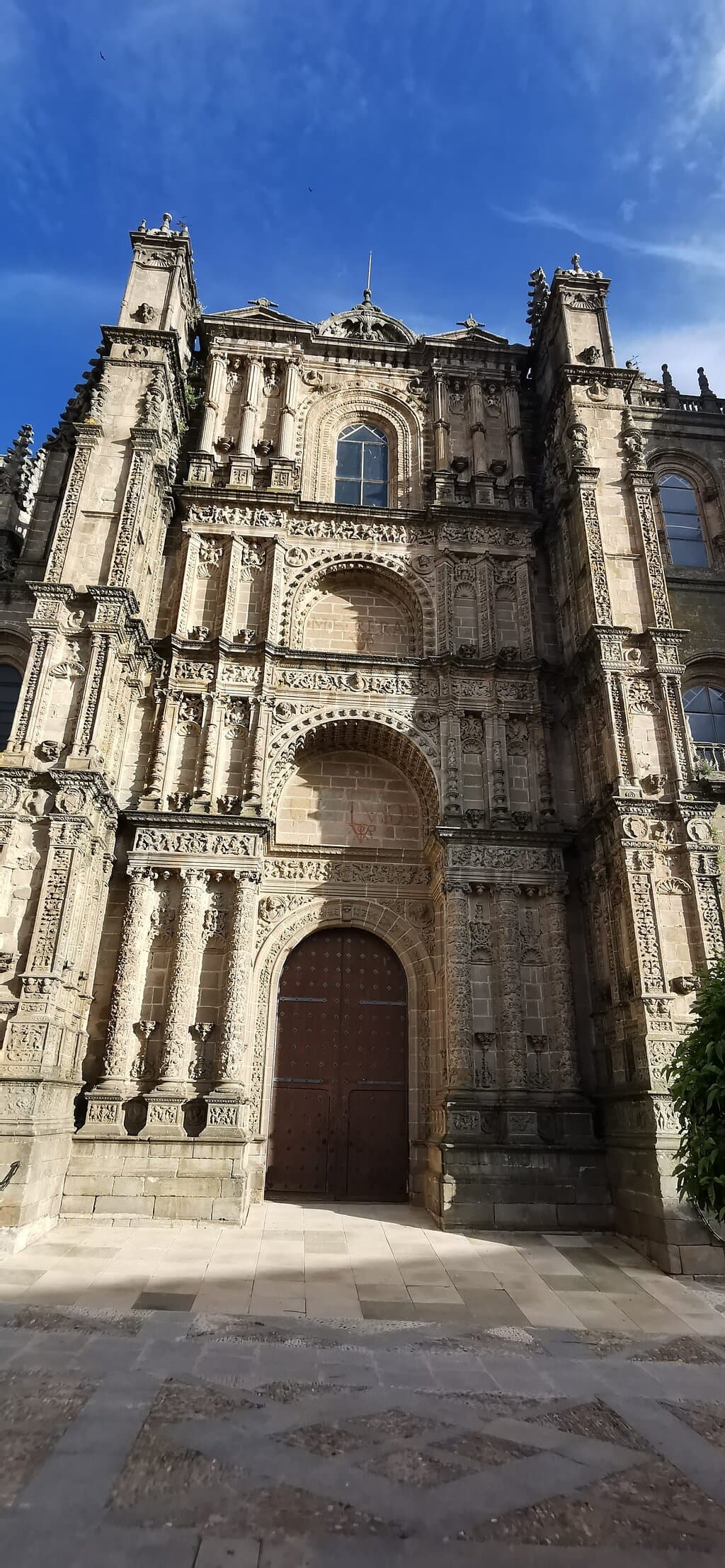
Admire the 1587 Renaissance portal with its semicircular arch, columns, and intriguing medallions of American Indians.
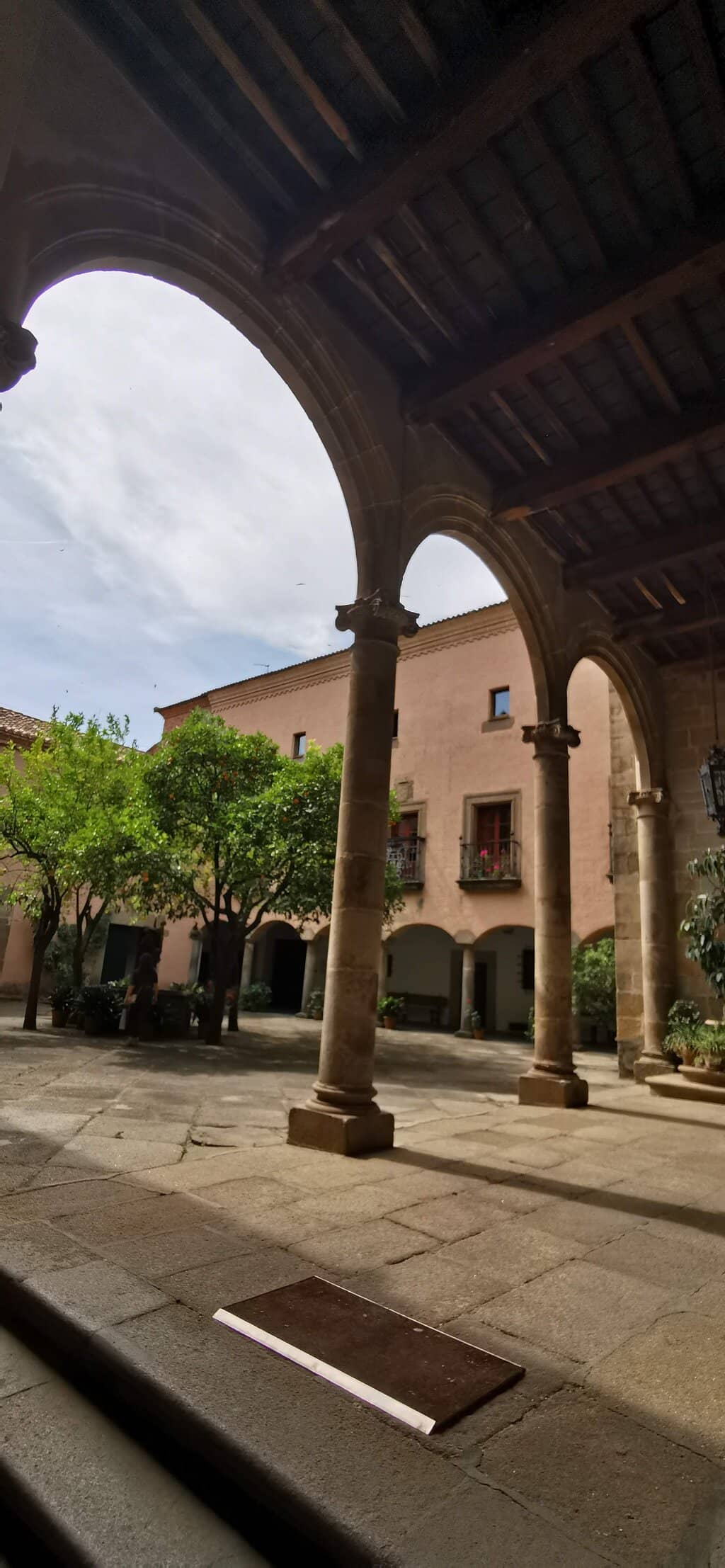
Porticoed Courtyard
Interior
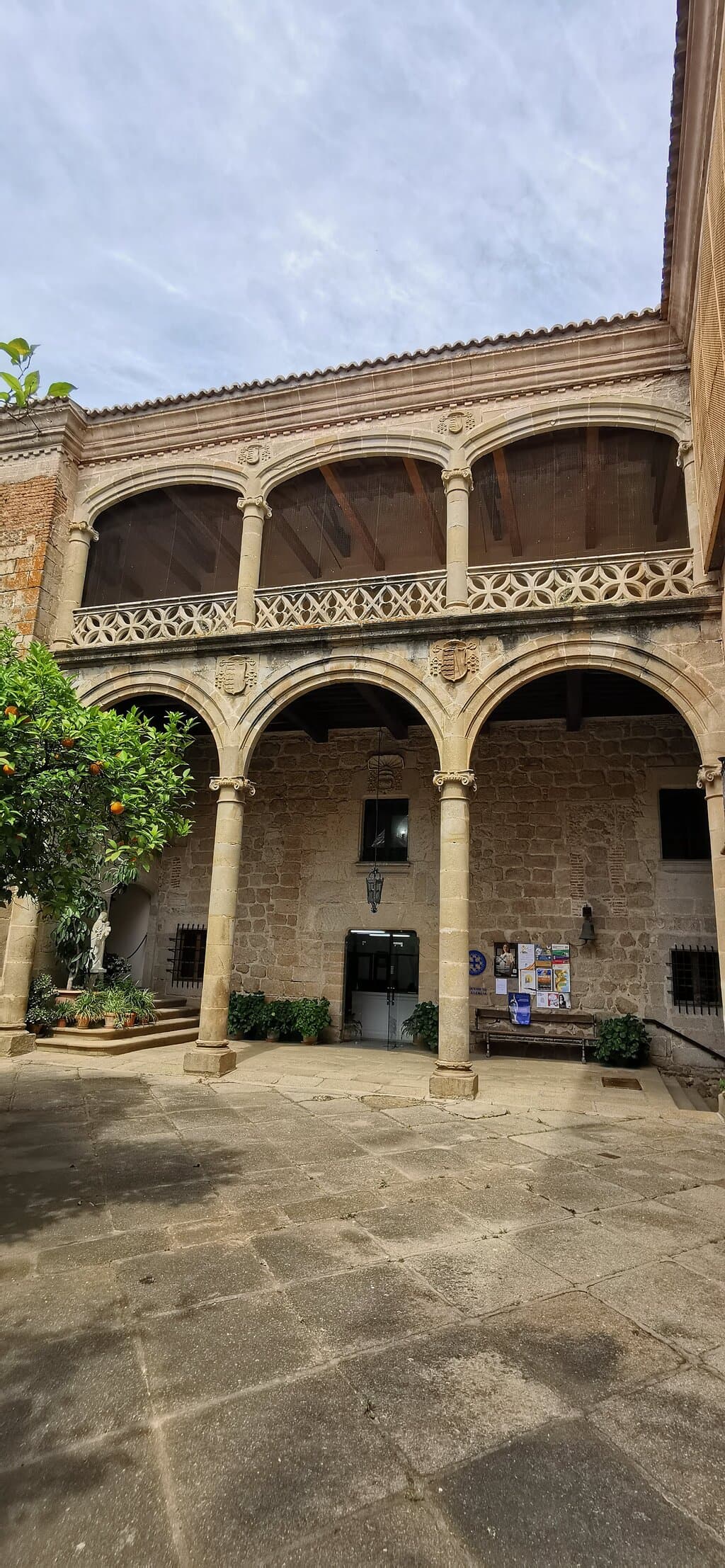
Step into the serene courtyard, often free to visit, adorned with episcopal coats of arms.
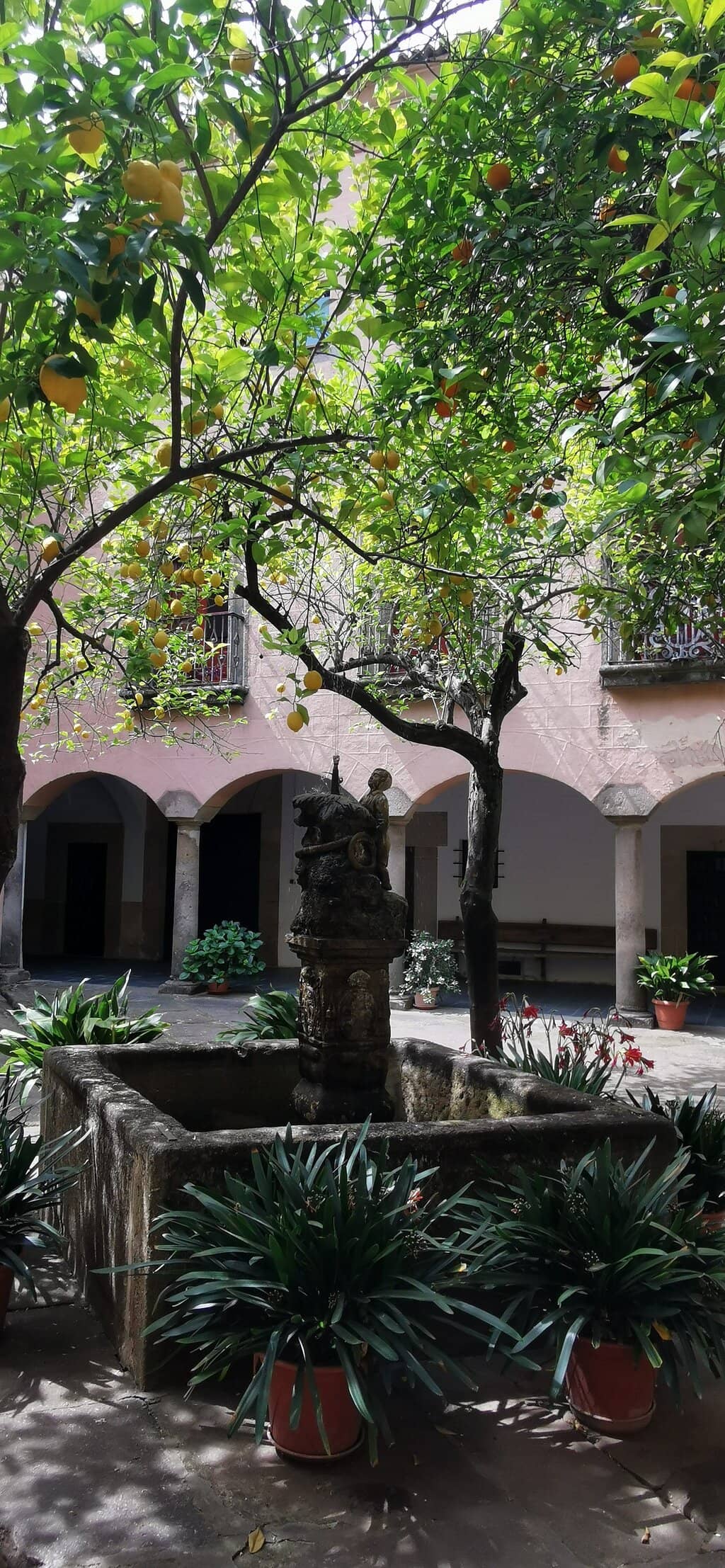
Bishop Galarza's Coat of Arms
Above central window
Spot the distinctive coat of arms of Bishop Pedro García de Galarza, a key figure in the palace's construction.
Plans like a pro.
Thinks like you
Planning Your Visit
Timing Your Visit
Exploring the Courtyard
Best Times
Insider Tips
from TikTok, Instagram & Reddit
Free Courtyard Access
Enjoy the beautiful porticoed courtyard with free admission! :ticket:
Rear Facade View
For the best view of the rear facade, head to the wall overlooking it. :camerawithflash:
Historical Significance
King Philip II stayed here in 1583! Learn about its rich history. :scroll:
Unique Door Knocker
Don't miss the impressive door and its elaborate doorknob on the facade. :door:
Tips
from all over the internet
Free Courtyard Access
Enjoy the beautiful porticoed courtyard with free admission! :ticket:
Rear Facade View
For the best view of the rear facade, head to the wall overlooking it. :camerawithflash:
Historical Significance
King Philip II stayed here in 1583! Learn about its rich history. :scroll:
Unique Door Knocker
Don't miss the impressive door and its elaborate doorknob on the facade. :door:
What Travellers Say
Reviews Summary
Visitors praise the Palacio Episcopal for its impressive Renaissance facade and the serene, often free-to-access, porticoed courtyard. The unique historical details, like the American Indian medallions and Bishop Galarza's coat of arms, are frequently highlighted. While the interior access might be limited to the courtyard for free, its architectural beauty and historical significance make it a worthwhile stop in Cáceres' historic center.
"Located in the historic center of Cáceres, opposite the cathedral.
The oldest part of this palace dates back to the 13th century, and the most modern to the 17th century.
This elegant palace is located on one side of the Plaza de Santa María. It was rebuilt by Bishop Pedro García de Galarza at the end of the 16th century, and his coat of arms can be seen above the central window on the second floor. Its semicircular arched doorway with double ashlar bolstering is notable, flanked by two medallions depicting an American Indian man and woman. It also consists of two additional doorways: one from the former San Pedro Seminary, founded in the 17th century by the same Bishop Galarza and moved here after its demolition; and another on Calle del Arco de la Estrella. The location of this beautiful building, whose rear facades overlooked the parapet wall and the Puerta Nueva, was the subject of legal disputes with the Marquis of Quinta de la Enjarada over the opening and remodeling of the Arco de la Estrella to allow passage for his carriages. In 1583, King Philip II stayed at this palace on his return to Spain after being crowned King of Portugal. Recommendations: The best view of the rear façade of the Palace is from the wall."
Juan José Barraso
"Located in the Plaza de Santa María, in the heart of the World Heritage City, the Episcopal Palace, or Bishopric, as it is known, of the current Diocese of Coria-Cáceres, stands on a site that until 1261 had been occupied by a series of shops. Its main façade, in the Renaissance style, faces the Plaza de Santa María. This 1587 portal features a semicircular arch with two rows of quoined ashlars framed by two columns. Within the complex, two medallions with figures of what appear to be two American Indians, a man and a woman, convey the region's participation in the colonization of the Americas. The upper frieze bears the name of Pedro García de Galarza, the bishop of the Diocese of Coria (currently Coria-Cáceres), under whose command the palace was built. Crowning the central window, surrounded by quoined ashlars, like the rest, appears the coat of arms of Galarza. Inside, there is a porticoed courtyard dotted with various episcopal coats of arms. The rear façade of the monumental building faces the Estrella parapet and is in the Renaissance style. Dating back to the 16th century, it belonged to the main entrance to the San Pedro Seminary, built outside the city walls. The doorway is very similar to that in Santa María Square, except that instead of the Indians, it features two allegorical female figures: one carrying a sword and scales (justice) and the other a column (fortress). During its reconstruction, two very similar ashlars bearing the letters EC and EG from the inscription above were relocated, so that the words "Calarça" and "Goria" are read instead of "Galarça" and "Coria." In 1583, King Philip II stayed in this palace upon his return from his coronation as King of Portugal."
Salvador Vaquero
"Facade with an elaborate shield and impressive door and doorknob. Inside you can visit the porticoed courtyard, with free admission."
Jquimmauri
What People Like
What People Dislike
Frequently Asked Questions
🚇 🗺️ Getting There
The Palacio Episcopal is located in the historic center of Cáceres, opposite the cathedral, on Plaza de Santa María. It's easily accessible on foot if you're already exploring the old town. Public transport options will depend on your starting point within the city, but walking is highly recommended to soak in the atmosphere.
Parking in the historic center of Cáceres can be challenging due to its pedestrianized nature. It's best to park in designated public parking lots on the outskirts of the old town and walk to the palace. Consider using a navigation app to find the nearest available parking.
🎫 🎫 Tickets & Entry
The porticoed courtyard of the Palacio Episcopal often has free admission, allowing visitors to admire its architecture. However, if there are special exhibitions or specific areas open for tours, there might be an entrance fee. It's advisable to check locally for current access policies.
Opening hours can vary, especially for specific exhibitions or if the palace is used for official functions. The courtyard is generally accessible during daylight hours. For the most up-to-date information, it's recommended to inquire locally or check the official website of the Diocese of Coria-Cáceres if available.
Sundays are often popular days for sightseeing, so expect a moderate crowd. The courtyard should be accessible, but it's always a good idea to confirm specific hours for any temporary exhibits or events that might be taking place.
🎫 🏛️ Onsite Experience
Inside, you can explore the porticoed courtyard, which is a highlight. The palace also features impressive doorways, including one with medallions depicting American Indians, and the coat of arms of Bishop Galarza. The rear facade offers a different perspective, especially when viewed from the wall.
Absolutely! The Renaissance facade, the courtyard with its arches and coats of arms, and the unique door knocker are all excellent subjects for photography. The rear facade also offers interesting photographic opportunities, particularly from the wall.
While some historical buildings may have small gift shops, it's not explicitly mentioned for the Palacio Episcopal. You might find local crafts or souvenirs in the surrounding historic center of Cáceres.
The Palacio Episcopal showcases Renaissance architecture, particularly evident in its main facade and the 1587 portal. The building also incorporates elements from its older sections dating back to the 13th century and later additions.
🍽️ 🍽️ Food & Dining
The Palacio Episcopal itself is a historical building and likely doesn't house restaurants. However, Cáceres' historic center, where the palace is located, is brimming with excellent restaurants and tapas bars offering traditional Extremaduran cuisine. You'll find plenty of options just a short walk away.
Cáceres is known for its delicious Extremaduran cuisine. Expect dishes featuring Iberian pork, lamb, game, and local cheeses like Torta del Casar. Tapas culture is also very strong here, offering a great way to sample various local flavors.
📸 📸 Photography
The main facade on Plaza de Santa María, especially the elaborate entrance and medallions, is a prime photo spot. The porticoed courtyard offers beautiful architectural shots. Don't forget to capture the rear facade from the nearby wall for a different perspective.
Photography is generally permitted in public areas like the courtyard. However, if there are specific exhibitions or private areas open, photography rules might apply. It's always best to be mindful of any signage or ask for clarification.
For Different Travelers
Tailored advice for your travel style
👨👩👧 Families with Kids
🏛️ History Buffs
Deep Dives
In-depth insights and expert knowledge
Architectural Significance
Beyond the main facade, the palace features a porticoed courtyard that offers a tranquil space to appreciate the building's structure. This courtyard is often accessible to the public and is a highlight for many visitors. The rear facade, which overlooks the parapet wall and the Puerta Nueva, also presents an interesting architectural study. This side features another doorway, originally from the San Pedro Seminary, which is similar to the main entrance but depicts allegorical female figures representing justice and fortress instead of the American Indian motifs. These details highlight the palace's evolution and its historical context.
It's worth noting that the palace's location and modifications were sometimes subject to disputes, such as those with the Marquis of Quinta de la Enjarada regarding access for carriages. This history adds another layer to understanding the building's development. The palace also holds the distinction of hosting King Philip II in 1583, a testament to its importance during that era. The blend of architectural styles and historical events makes the Palacio Episcopal a significant landmark in Cáceres.
Historical Connections
A significant historical event associated with the palace is the stay of King Philip II in 1583. The king resided here upon his return to Spain after being crowned King of Portugal. This royal visit underscores the palace's status and importance within the region during that era. The palace also served as a site for the San Pedro Seminary, founded in the 17th century, further cementing its role in the religious and educational life of Cáceres.
The palace's history is also intertwined with the city's development, including legal disputes over modifications to the surrounding area, such as the remodeling of the Arco de la Estrella. These events paint a picture of a living, evolving historical monument that has witnessed centuries of change and played a role in significant historical moments.



Social
from TikTok, Instagram & Reddit