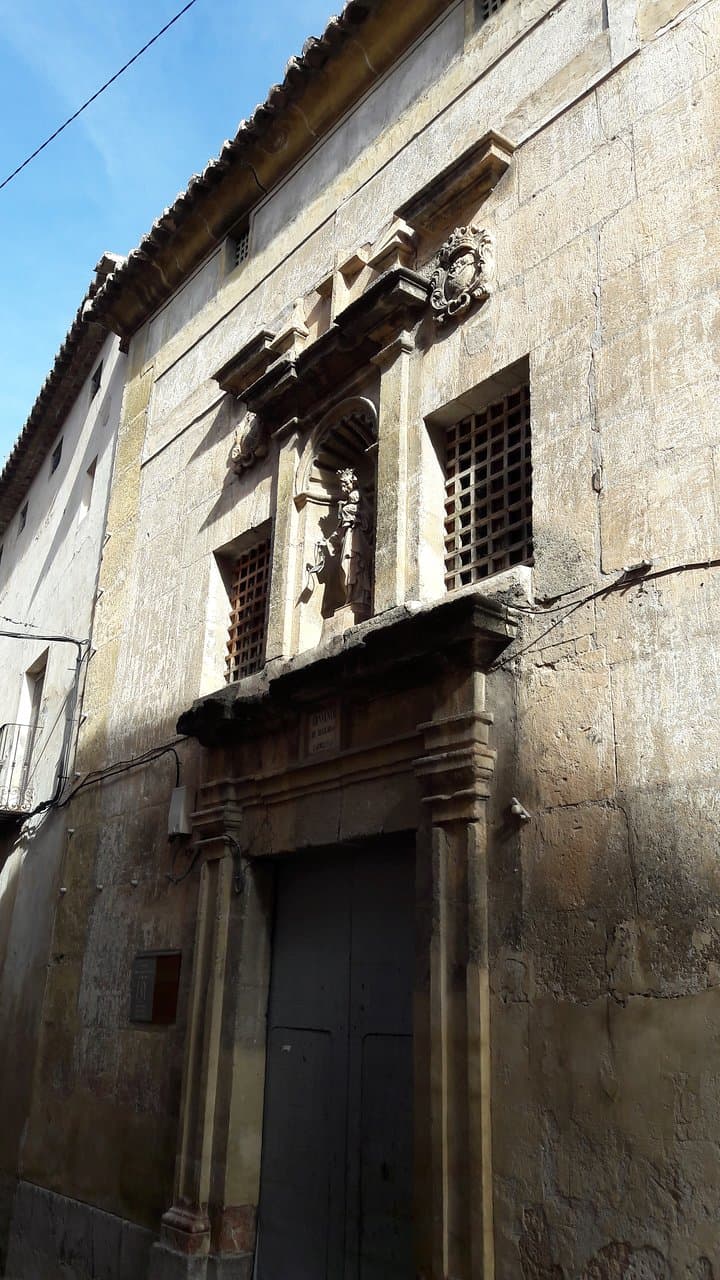
Convento e Iglesia de San José Carmelitas
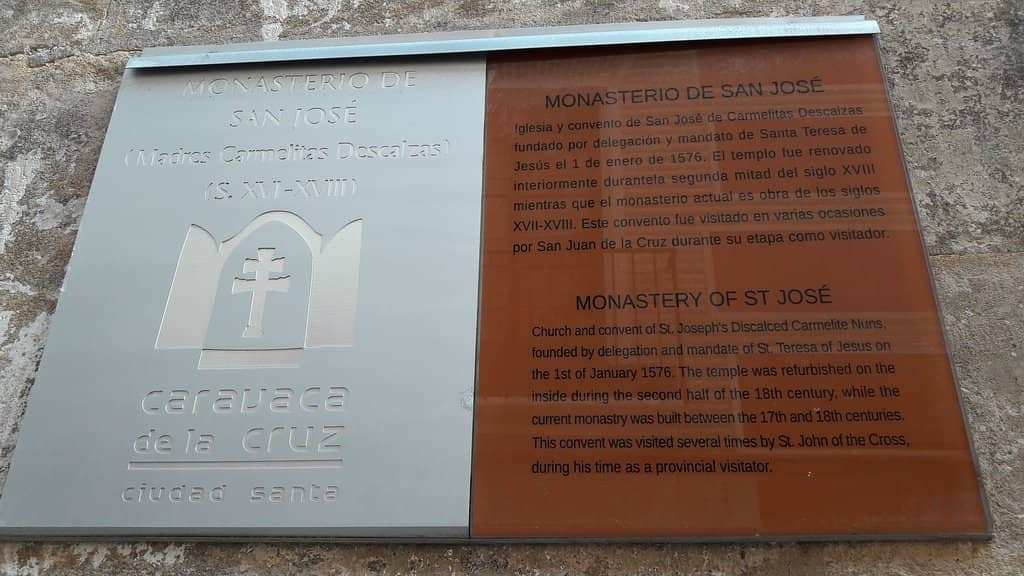
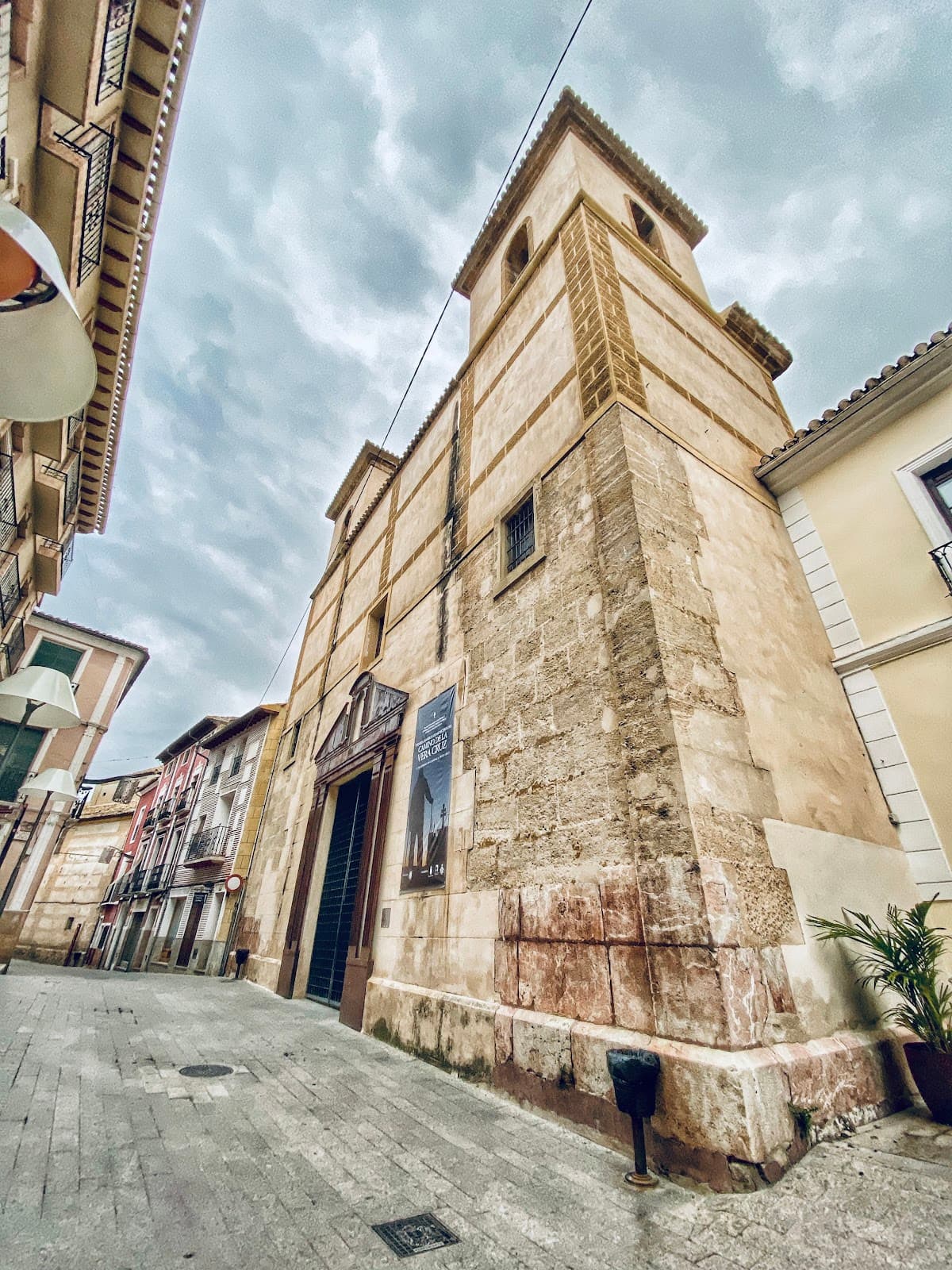
A historic 16th-century convent and 18th-century Rococo church, a testament to Carmelite history and Spanish Baroque architecture.
Highlights
Must-see attractions

Social
From TikTok & Reddit
Best Time
Fewer crowds, peaceful atmosphere
Convento e Iglesia de San José Carmelitas
Best Time
Fewer crowds, peaceful atmosphere
Highlights
Must-see attractions
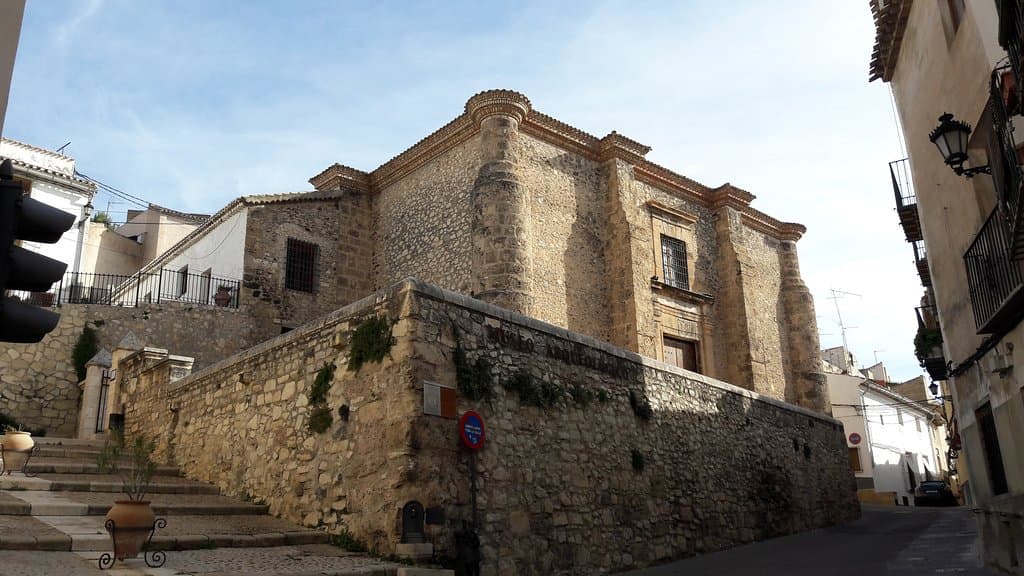
A historic 16th-century convent and 18th-century Rococo church, a testament to Carmelite history and Spanish Baroque architecture.
"A beautiful hidden church, it's a shame it hasn't been cared for and restored."
🙏 Be Respectful
Appreciate the history and effort; treat this nearly 500-year-old site with care.
✨ Look for Rococo Details
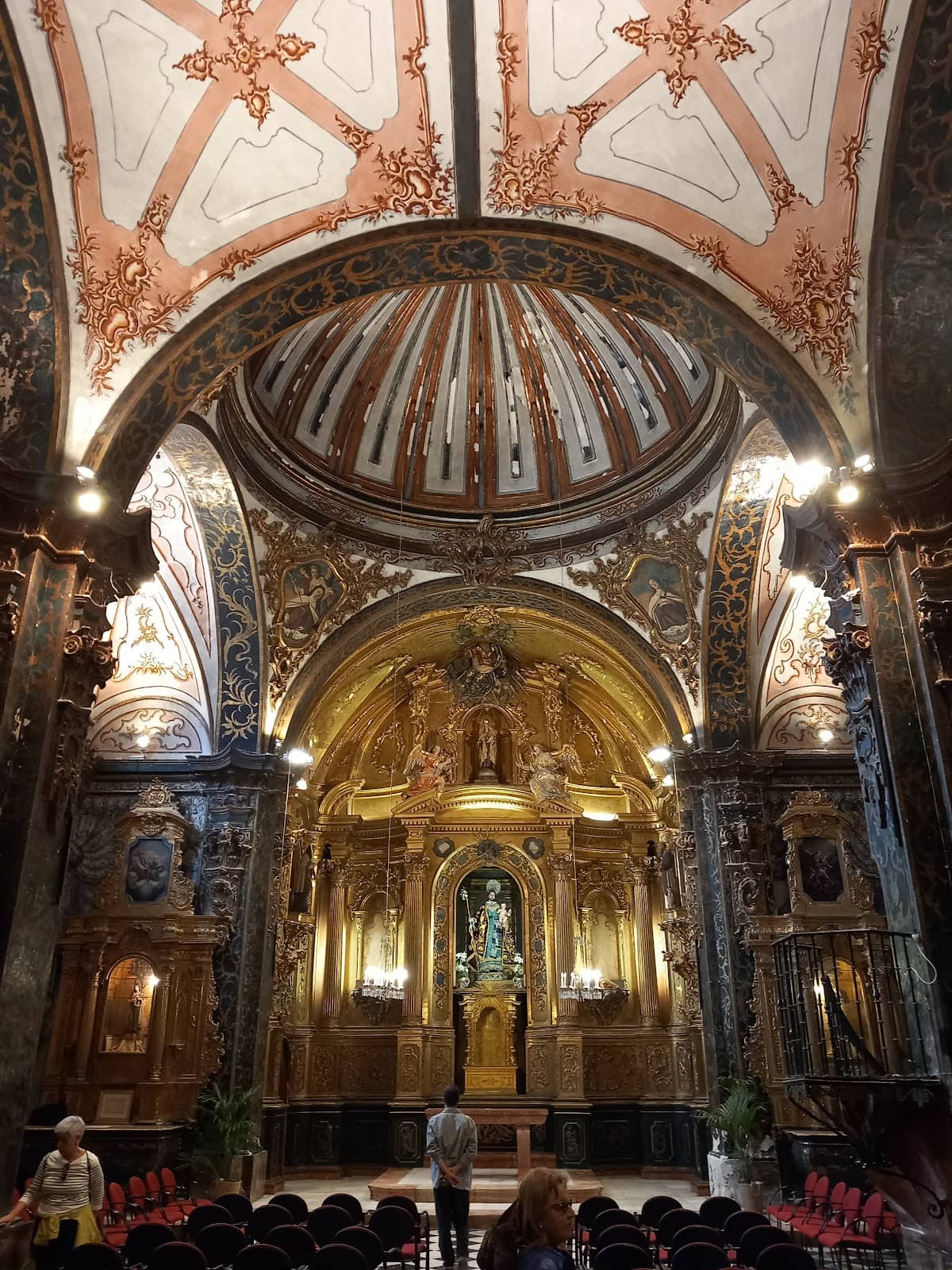
The 18th-century church boasts beautiful Rococo interiors and a dome with Carmelite saints.
Quick Facts
Rating
4.4 · 7 reviews
Type
Place of Worship
Highlights
Discover the most iconic attractions and experiences
Rococo Church Interior
Main Church
Admire the 18th-century Rococo style, featuring a single nave, Latin cross floor plan, and a dome decorated with Carmelite saints.

16th-Century Wrought Iron Lattices
Choir Area
See the original wrought iron lattices enclosing the high and low choir sections, a testament to the convent's early construction.
Carmelite Courtyard
Convent Cloister
Explore the central courtyard or cloister, surrounded by numerous rooms and outbuildings of the convent section.
Plans like a pro.
Thinks like you
Planning Your Visit
Respectful Visits
Hidden Gem Status
Best Times
Insider Tips
from TikTok, Instagram & Reddit
🙏 Be Respectful
Appreciate the history and effort; treat this nearly 500-year-old site with care.
✨ Look for Rococo Details
The 18th-century church boasts beautiful Rococo interiors and a dome with Carmelite saints.
🚶♀️ Explore the Convent
Wander through the numerous rooms and outbuildings arranged around the central courtyard.
📸 Capture the Lattices
Don't miss the intricate 16th-century wrought iron lattices in the choir area.
Tips
from all over the internet
🙏 Be Respectful
Appreciate the history and effort; treat this nearly 500-year-old site with care.
✨ Look for Rococo Details
The 18th-century church boasts beautiful Rococo interiors and a dome with Carmelite saints.
🚶♀️ Explore the Convent
Wander through the numerous rooms and outbuildings arranged around the central courtyard.
📸 Capture the Lattices
Don't miss the intricate 16th-century wrought iron lattices in the choir area.
What Travellers Say
Reviews Summary
Visitors find the Convento e Iglesia de San José Carmelitas to be a historically significant and architecturally interesting site, particularly appreciating its Rococo church interior and Carmelite heritage. Some reviewers express a desire for improved maintenance and restoration to better preserve its nearly 500-year legacy.
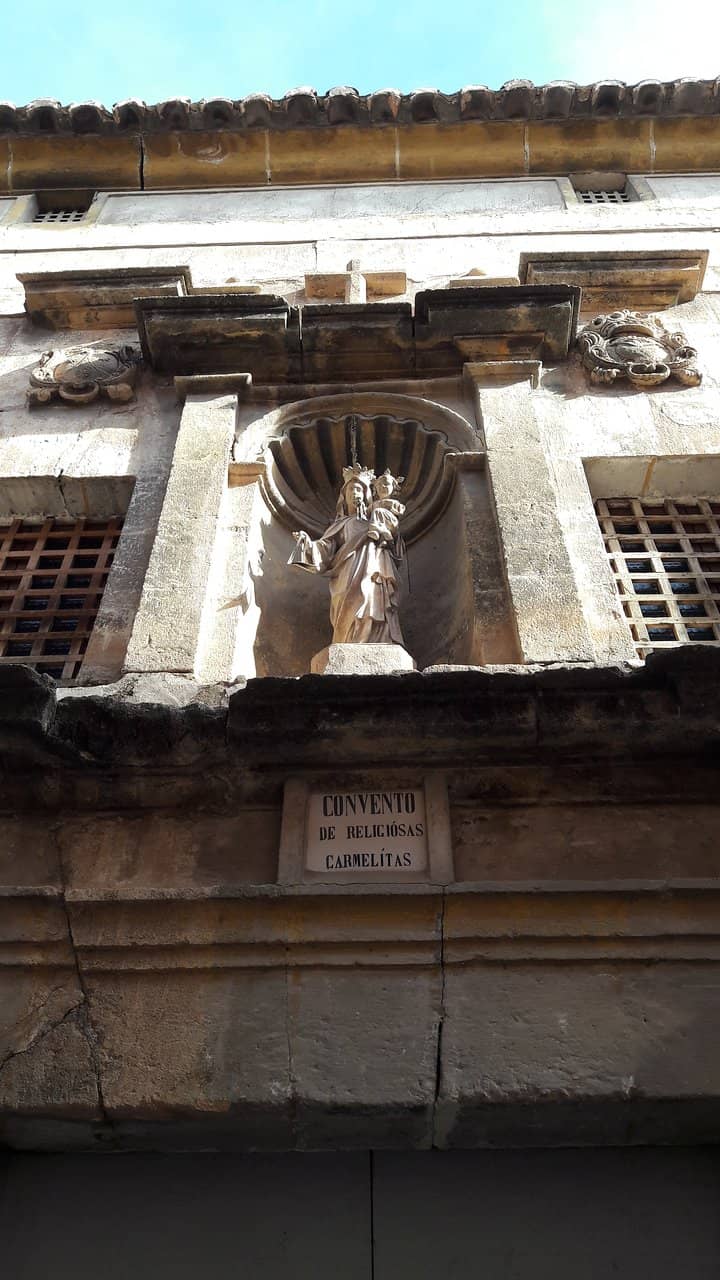
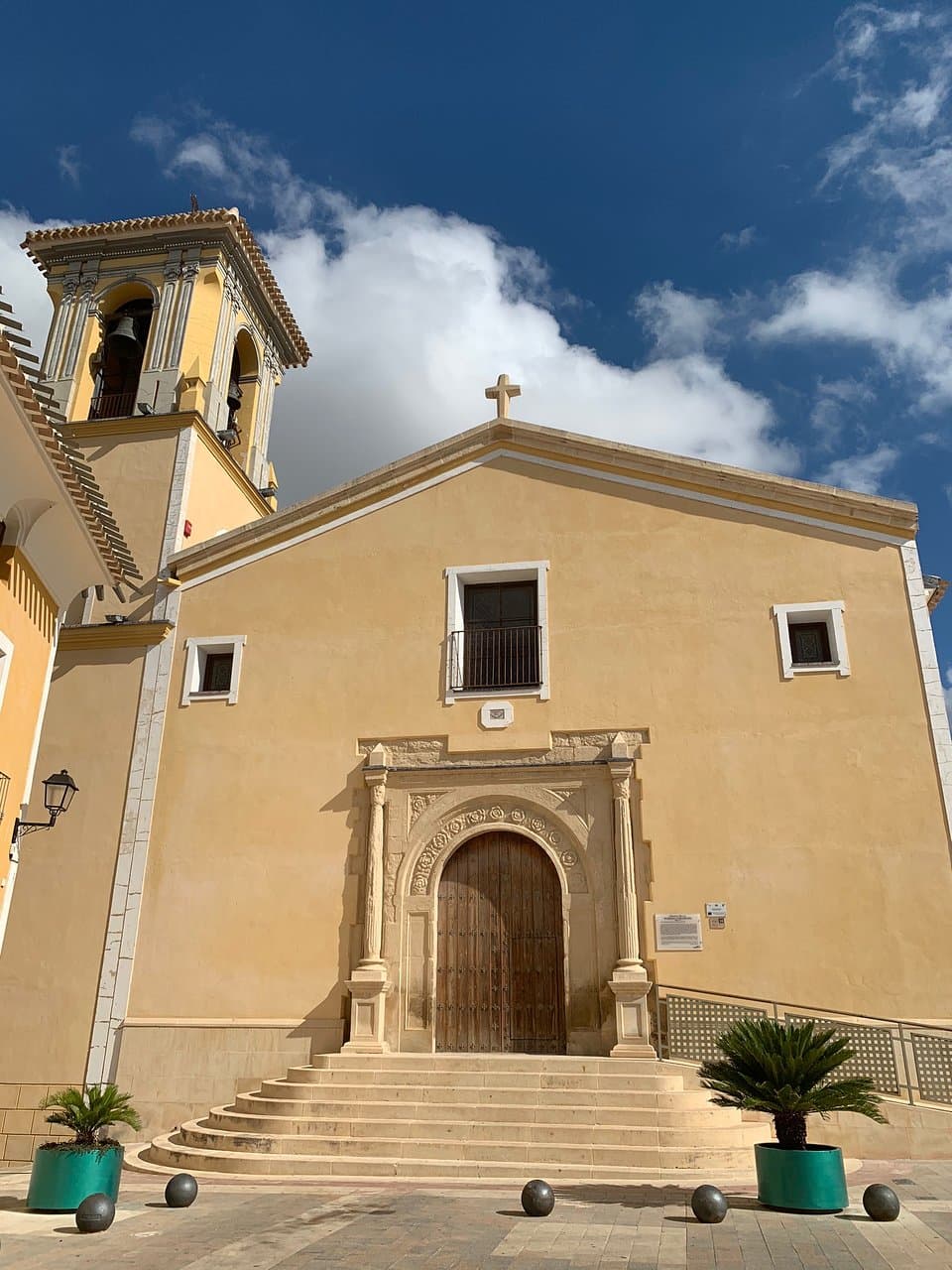
"A Baroque-style Catholic church built in the 16th century and founded by Saint Teresa of Jesus. The convent underwent various renovations throughout the 17th and 18th centuries, giving it its current appearance. The church is in the Rococo style, built in the 18th century on the remains of an old hermitage dedicated to Saint Joseph. It has a single nave with a Latin cross floor plan, with side chapels covered by barrel vaults with lunettes. The transept is covered by a dome on pendentives decorated with Carmelite saints and rocailles. The choir is located at the foot and has two sections, high and low, enclosed by 16th-century wrought iron lattices. The exterior features a single bell gable located on the Epistle side, as well as its 18th-century doorway. The convent section is made up of numerous rooms and outbuildings, arranged around a central courtyard or cloister."
Jörge
"This convent should be better cared for or spruced up as much as possible... because it was built with great effort and limited resources. It's a gift to Caravaca and, in that sense, should be respected. The least it can do is to keep it well-maintained and be a good resting place for pilgrims or visitors... it's been there for almost 500 years. Keep it up, with a little effort, everything will work out."
MANU ORTEGA
"A convent that, since its founding, they wanted to demolish it with the cry of "more nuns to feed them." Thank goodness that era is over and people change (or at least they should)."
Manuel Martínez
What People Like
What People Dislike
Frequently Asked Questions
🚇 🗺️ Getting There
The convent is located in Caravaca de la Cruz, in the Region of Murcia, Spain. It's accessible by car, and there are local buses that serve the town. Parking may be available nearby, but it's advisable to check local signage.
The convent is a significant landmark within Caravaca de la Cruz. Following signs for the historic center or churches should lead you to its general vicinity.
🎫 🎫 Tickets & Entry
Information on ticket requirements is not widely available, but many historical churches and convents in Spain offer free entry or request a small donation. It's best to check locally upon arrival.
Opening hours can vary, especially for religious sites. It's recommended to check with local tourist information or inquire directly at the site for the most up-to-date hours.
While the church may be free to enter, donations are often appreciated to help with its upkeep.
🎫 🧭 Onsite Experience
The church is primarily in the Rococo style, built in the 18th century. It features a single nave with a Latin cross floor plan and a dome decorated with Carmelite saints.
The convent section includes numerous rooms and outbuildings arranged around a central courtyard or cloister. You can also see the choir area with its historic wrought iron lattices.
Some visitors have noted that the convent could benefit from more care and restoration, despite its historical significance.
As a historic convent founded by Saint Teresa of Jesus, it holds significance for pilgrims, offering a place for reflection.
📸 📸 Photography
Photography policies can vary. It's generally advisable to be discreet and respectful, especially during services. Check for any posted signs regarding photography.
The Rococo interior of the church, the dome with its decorations, and the historic wrought iron lattices in the choir are popular subjects for photography.

Social
from TikTok, Instagram & Reddit