Museo Villa Romana El Molino de Aceite de Oliva
Explore centuries of olive oil production, from Roman villas to modern mills, and taste the region's finest oils.
Highlights
Must-see attractions

Social
From TikTok & Reddit
Best Time
Fewer crowds, peaceful exploration
Museo Villa Romana El Molino de Aceite de Oliva
Best Time
Fewer crowds, peaceful exploration
Highlights
Must-see attractions
Explore centuries of olive oil production, from Roman villas to modern mills, and taste the region's finest oils.
"A magnificent place and a spectacular oil, you can't leave Cabra without visiting it."
Don't Miss the Oil Tasting
Many visitors rave about the chance to taste the spectacular oil produced here. :olive:
Wear Comfortable Shoes
You'll be walking through historical sites and exhibits, so comfy footwear is a must. :athletic_shoe:
Highlights
Discover the most iconic attractions and experiences
Ancient Olive Oil Mill
Main exhibition hall
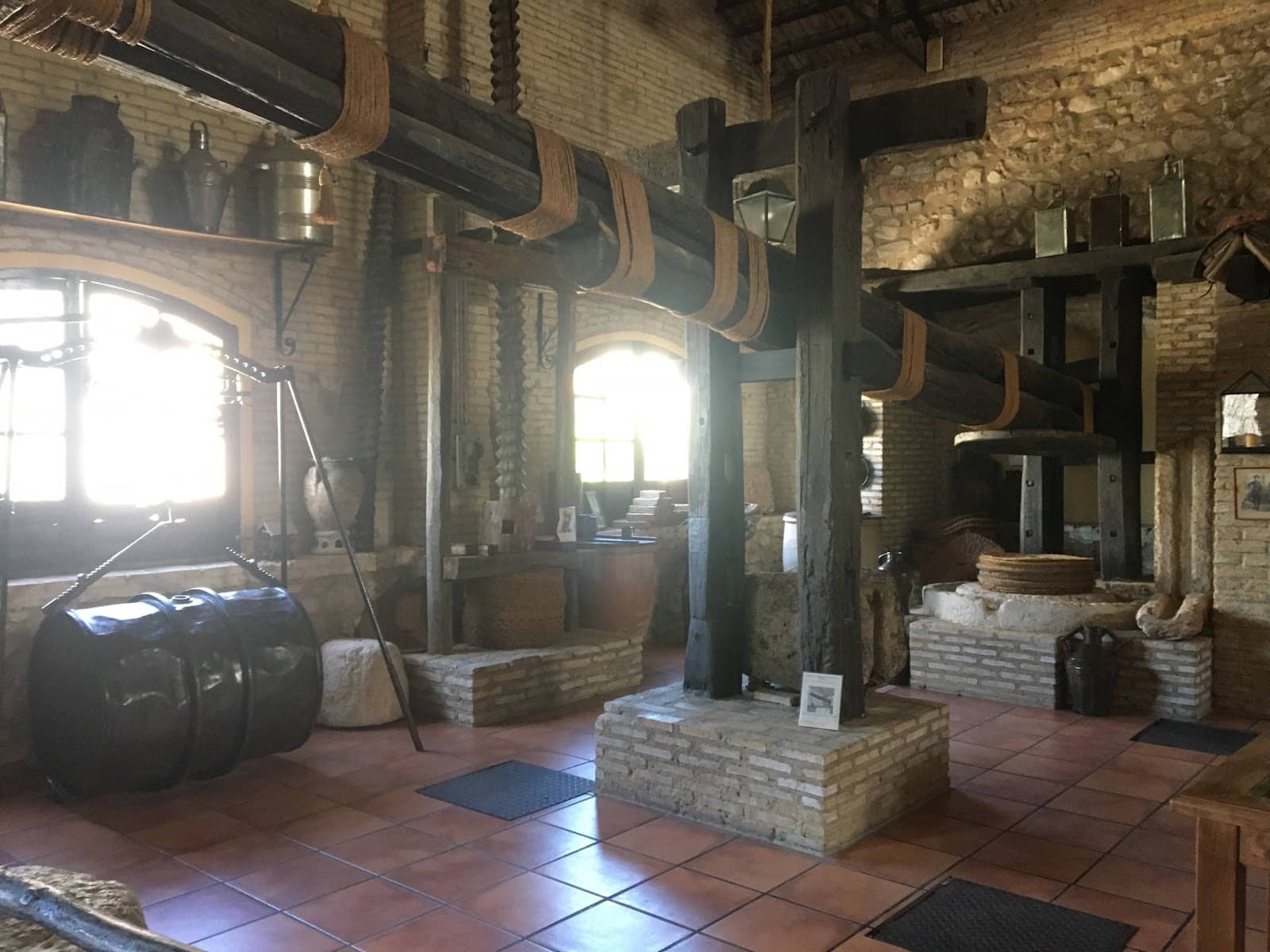
Witness the impressive restoration of a historic olive oil mill, showcasing traditional production techniques.
Roman Villa Remains
Archaeological site
Explore remnants of a Roman villa, offering a glimpse into ancient life and agricultural practices.
Modern Olive Oil Production
Demonstration area
See how olive oil is made today with modern equipment and learn about the quality of extra virgin olive oil.
Plans like a pro.
Thinks like you
Planning Your Visit
Timing Your Visit
Understanding the Experience
Best Times
Insider Tips
from TikTok, Instagram & Reddit
Don't Miss the Oil Tasting
Many visitors rave about the chance to taste the spectacular oil produced here. :olive:
Wear Comfortable Shoes
You'll be walking through historical sites and exhibits, so comfy footwear is a must. :athletic_shoe:
Allow Ample Time
To truly appreciate the history, dedicate at least 2-3 hours to explore the museum and grounds. :clock:
Check for Special Events
The venue hosts events and has a cute function room, perfect for gatherings. :party_popper:
Tips
from all over the internet
Don't Miss the Oil Tasting
Many visitors rave about the chance to taste the spectacular oil produced here. :olive:
Wear Comfortable Shoes
You'll be walking through historical sites and exhibits, so comfy footwear is a must. :athletic_shoe:
Allow Ample Time
To truly appreciate the history, dedicate at least 2-3 hours to explore the museum and grounds. :clock:
Check for Special Events
The venue hosts events and has a cute function room, perfect for gatherings. :party_popper:
What Travellers Say
Reviews Summary
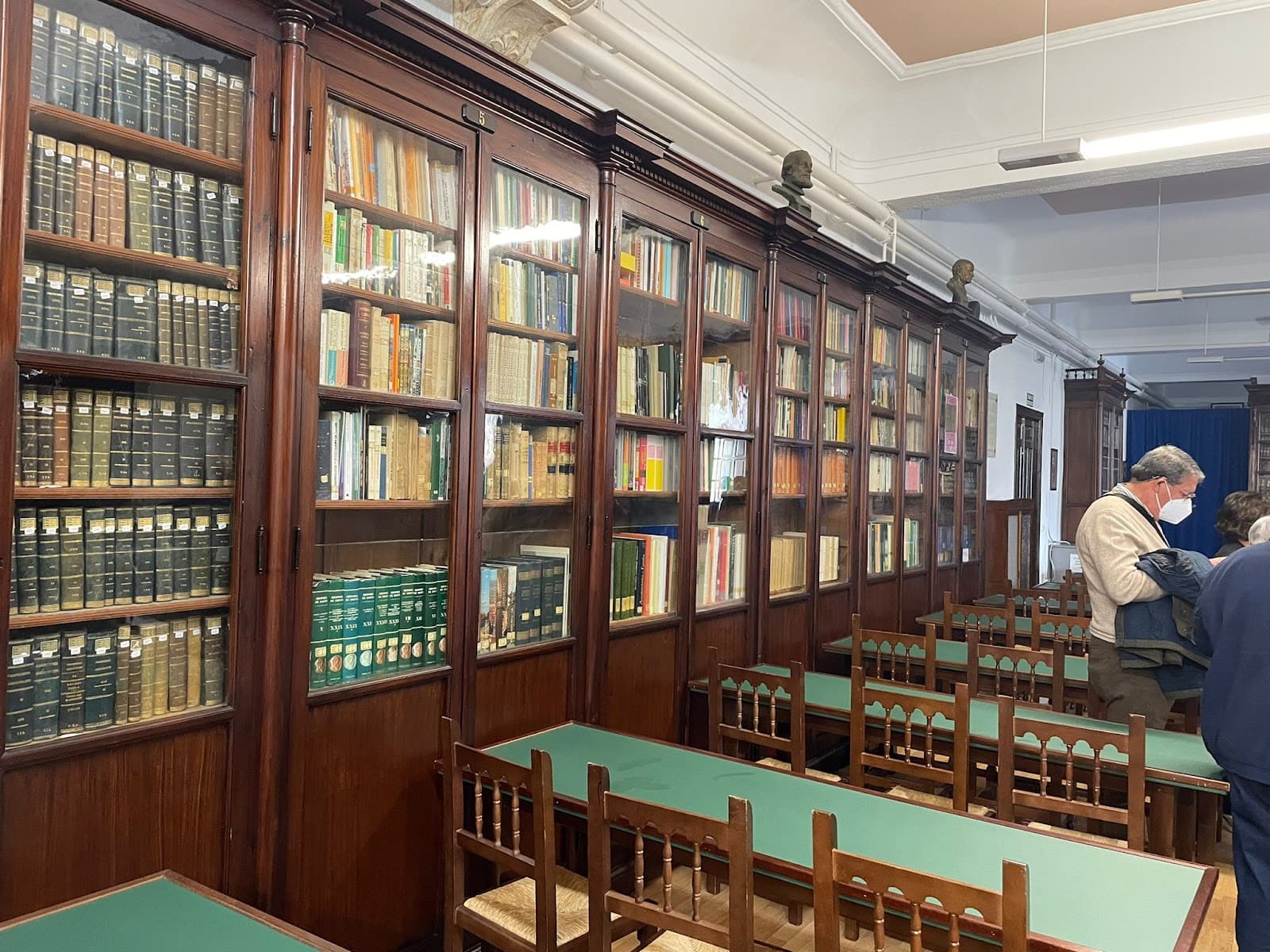
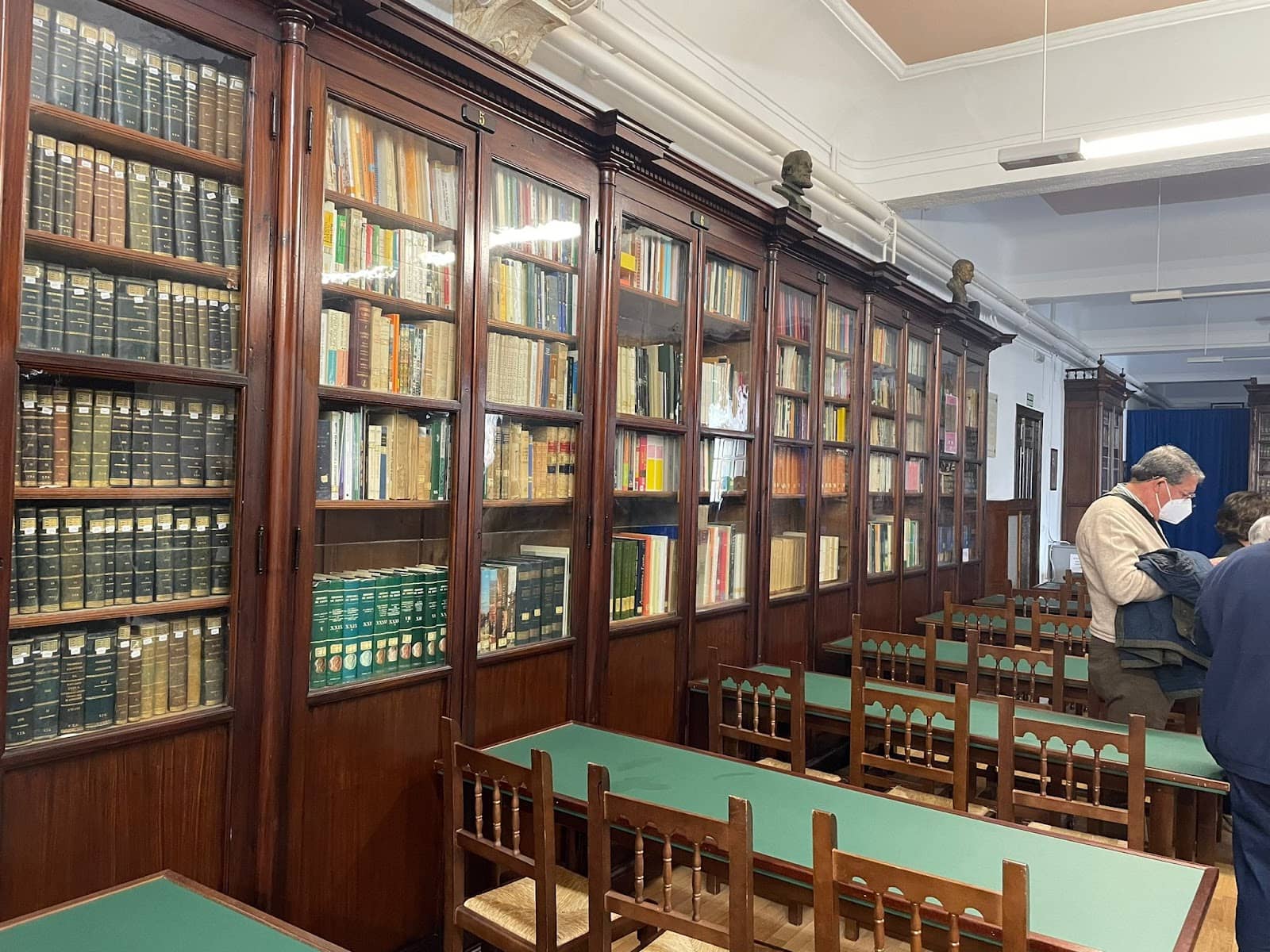
Visitors consistently praise Museo Villa Romana El Molino de Aceite de Oliva as a magnificent and historically rich destination, highlighting its transformation from a wine cellar to an olive oil museum. Many consider it an unmissable stop in Cabra, appreciating the spectacular oil and the cool, well-decorated venue. Some note it's a cute function room, adding to its charm.
"A former wine cellar, transformed into an olive oil mill, and finally a magnificent Olive Oil Museum.
Museum and buildings steeped in history.
You can't leave Cabra without visiting it."
Simon H.
"A very cute function room, right in the village. The decor is very cool."
Javi Lupiáñez
"A magnificent place and a spectacular oil"
Jose Bobis
What People Like
What People Dislike
Frequently Asked Questions
🚇 🗺️ Getting There
The museum is located in Cabra, Spain. If driving, there is usually parking available nearby. Public transport options might be limited, so checking local bus schedules in advance is recommended.
The museum is a well-known landmark in Cabra. Follow signs for the 'Museo del Aceite' or 'Molino Viejo' once you are in the town center.
The closest major airports are Seville Airport (SVQ) and Malaga Airport (AGP), both of which are a few hours' drive away. Consider renting a car for easier access.
🎫 🎫 Tickets & Entry
Opening hours can vary seasonally. It's best to check the official website or contact the museum directly for the most up-to-date information on operating times.
Admission fees are typically reasonable. Check the museum's official channels for current ticket prices and any potential discounts for specific groups.
While often not strictly necessary, purchasing tickets in advance can sometimes save time, especially during peak tourist seasons. Inquire with the museum about online booking options.
Yes, guided tours are often available and highly recommended to gain a deeper understanding of the exhibits and the history of olive oil production.
🎫 🧭 Onsite Experience
You can explore ancient Roman villa remains, a restored olive oil mill with traditional machinery, and exhibits on modern olive oil production. There's also a tasting area.
Yes, children can find the historical machinery and the process of making olive oil fascinating. It's an educational and engaging experience for families.
Typically, museums like this have a gift shop where you can purchase local olive oil, souvenirs, and related products.
Photography policies can vary. It's generally allowed for personal use, but flash photography might be restricted to protect the exhibits. Always check for signage.
🍽️ 🍽️ Food & Dining
While the museum itself might not have a full restaurant, there's often a tasting area for olive oil. You can find local restaurants and cafes in the town of Cabra.
Cabra's cuisine features traditional Andalusian dishes, with a strong emphasis on olive oil. Expect hearty stews, local meats, and fresh produce.
Absolutely! The museum is a fantastic place to purchase high-quality local olive oil, often directly from the producers.
For Different Travelers
Tailored advice for your travel style
👨👩👧 Families with Kids
Tips for families: Wear comfortable shoes as there's a lot to explore. Consider bringing a small notebook for kids to sketch their favorite machines. The tasting experience can also be a fun, albeit brief, activity for older children to participate in, introducing them to different flavors.
🧑🏫 History Buffs & Culture Enthusiasts
Beyond the machinery, the museum provides context on the socio-economic importance of olive oil throughout history. It’s a chance to connect with the land and the people who have shaped this vital industry. The comprehensive exhibits ensure a rich and informative visit for any history enthusiast.
Deep Dives
In-depth insights and expert knowledge
The History of Olive Oil Production
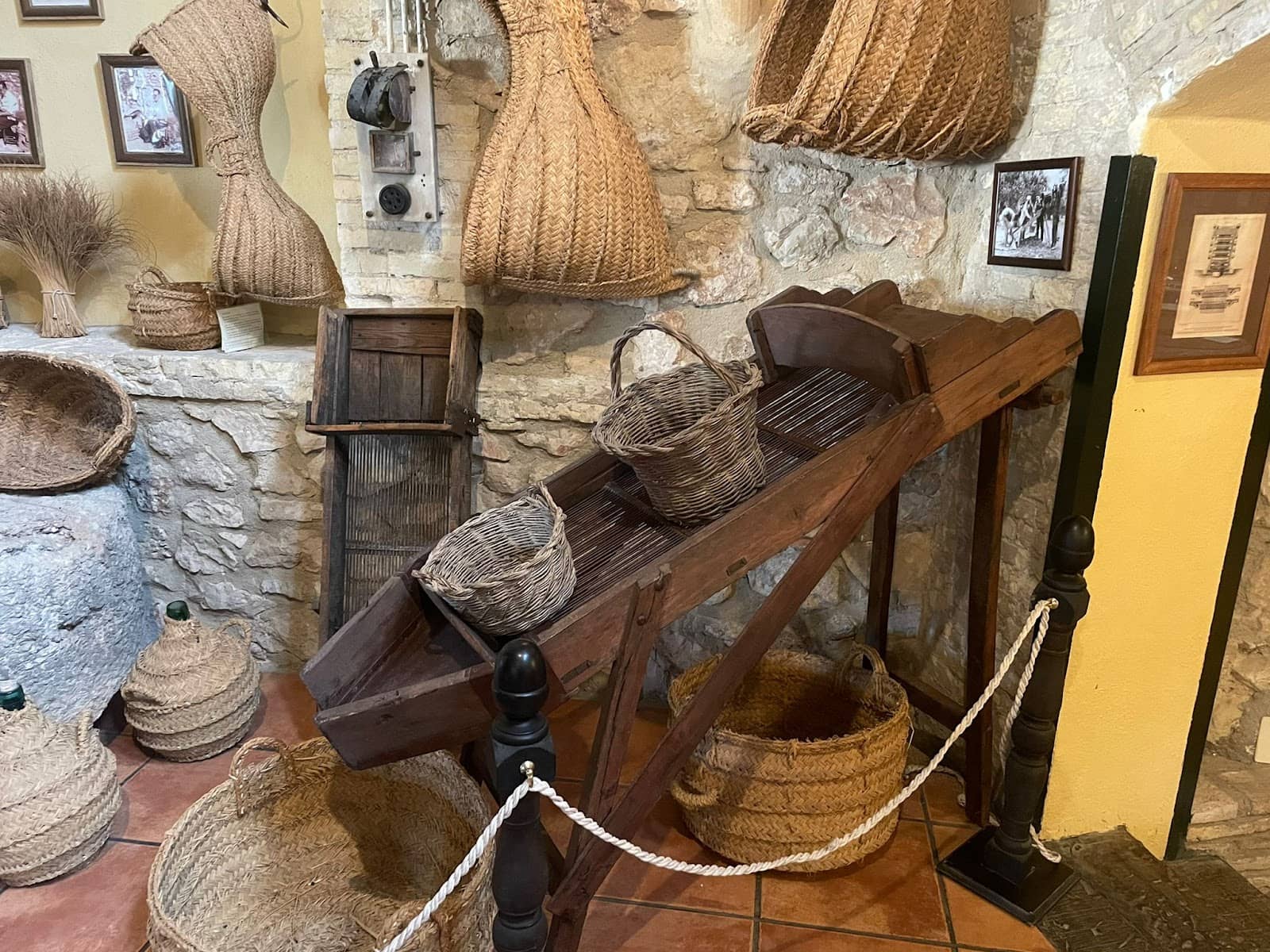
The museum then transitions to the 'Molino Viejo' (Old Mill), a beautifully restored olive oil mill. This section provides a tangible understanding of how production scaled up over centuries, with more sophisticated machinery and processes. Visitors can marvel at the preserved equipment and imagine the labor involved. It’s a fascinating look at agricultural ingenuity before industrialization.
Finally, the museum connects the past to the present by demonstrating modern olive oil production. This includes insights into the cultivation of olive trees, harvesting techniques, and the advanced methods used today to produce high-quality extra virgin olive oil. The emphasis is on the continuity of tradition and the pursuit of excellence in olive oil making.
Experiencing the 'Spectacular Oil'
Many visitors recommend taking your time during the tasting. Pay attention to the color, viscosity, and the distinct notes – from peppery and fruity to herbaceous. This experience elevates the museum visit from purely historical to a sensory journey. It’s a chance to appreciate the culmination of centuries of agricultural practice and modern expertise.
Don't hesitate to ask questions during the tasting. The staff are usually knowledgeable and passionate about their product. Purchasing a bottle of the oil you enjoyed is a perfect way to take a piece of this Andalusian heritage home with you.
Social
from TikTok, Instagram & Reddit