
Palacio de Camposagrado
A magnificent 17th-century Asturian Baroque palace, renowned for its two distinct and richly decorated facades.
Highlights
Must-see attractions

Social
From TikTok & Reddit
Best Time
Best light for facade viewing
Palacio de Camposagrado
Best Time
Best light for facade viewing
Highlights
Must-see attractions
A magnificent 17th-century Asturian Baroque palace, renowned for its two distinct and richly decorated facades.
"One of the places you can't miss when wandering through Avilés' historic center."

Admire Both Facades
Don't miss the distinct styles of the square-facing and wall-integrated facades. :camerawithflash:
Check for Events
The palace sometimes hosts cultural events, offering glimpses inside or unique exterior views. :ticket:
Highlights
Discover the most iconic attractions and experiences
Baroque Facade
Camposagrado Square
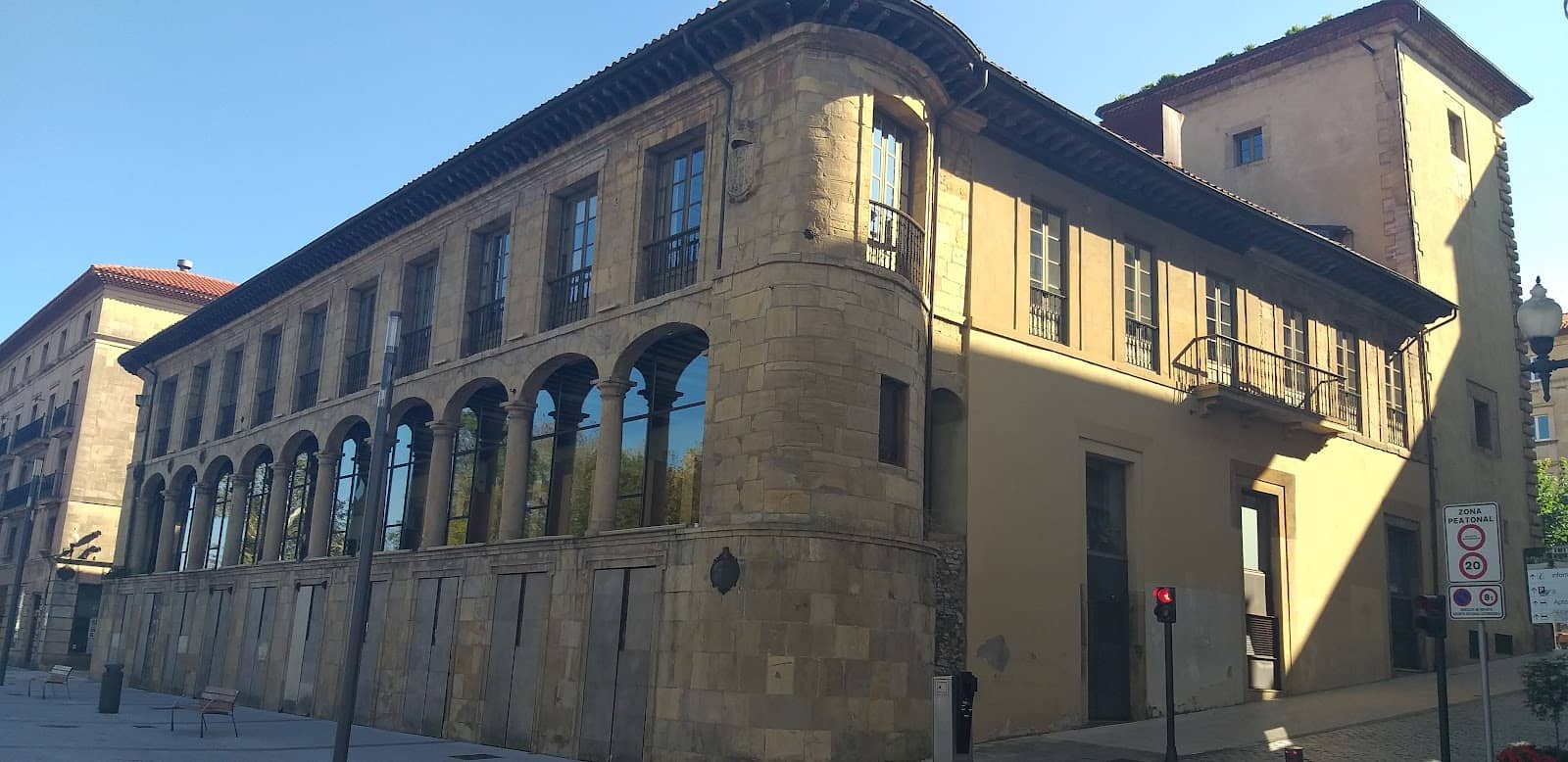
A lavishly decorated 17th-century Baroque masterpiece with towers and the family coat of arms.
Historic City Wall Integration
Muralla Street side
See how the palace merges with the ancient Avilés city wall, showcasing defensive architectural elements.

Architectural Details
Exterior
Admire the unique blend of defensive features and Baroque ornamentation, including columns and balconies.
Plans like a pro.
Thinks like you
Planning Your Visit
Access & Interior Views
Best Viewing Angles
Best Times
Insider Tips
from TikTok, Instagram & Reddit
Admire Both Facades
Don't miss the distinct styles of the square-facing and wall-integrated facades. :camerawithflash:
Check for Events
The palace sometimes hosts cultural events, offering glimpses inside or unique exterior views. :ticket:
Wander Aimlessly
Explore Avilés' historic center; stumbling upon this palace is part of the charm. :walking:
Photography Focus
The exterior details are a dream for artists and photographers. :artist_palette:
Tips
from all over the internet
Admire Both Facades
Don't miss the distinct styles of the square-facing and wall-integrated facades. :camerawithflash:
Check for Events
The palace sometimes hosts cultural events, offering glimpses inside or unique exterior views. :ticket:
Wander Aimlessly
Explore Avilés' historic center; stumbling upon this palace is part of the charm. :walking:
Photography Focus
The exterior details are a dream for artists and photographers. :artist_palette:
What Travellers Say
Reviews Summary
Visitors consistently praise Palacio de Camposagrado for its beautiful and well-preserved facades, calling it a standout building in Avilés' historic center. Its architectural significance as a representation of Asturian Baroque is highly appreciated, though the restricted interior access is a common point of note.
"A beautiful building with a well-preserved façade.
One of the places you can't miss when wandering through Avilés' historic center, which is one of the best ways to see the city center... wandering aimlessly, stumbling across the various buildings within."
Jose Miguel Sánchez
"It's possibly the building that most impresses me in the city of Avilés.
Located in Camposagrado Square, the Camposagrado Palace is a magnificent palace representative of 17th-century Asturian Baroque architecture, the work of the Avilés architect Francisco Menéndez Camina.
Its two main façades were built in the 17th century. The one facing Camposagrado Square was designed and built between 1693 and 1696. The construction, which reflects the lavishly decorated Baroque style, features two towers, taller than the rest of the building, and the family coat of arms above the central balcony.
Inside, the monumental stone staircase stands out, as the building was renovated to house apartments on the upper floors and shops on the ground floor, resulting in the disappearance of all interior elements.
Today it houses the Higher School of Art of the Principality of Asturias, which is part of the Ministry of Education and Science of the Principality of Asturias. Access is currently restricted."
Raúl Ramos Solar
"A beautiful example of Asturian Baroque civil architecture, the interior is highly remodeled and modern, so its main attraction is its facades.
It's part of the "unknown" historic center of Avilés, which surprised me with its interest and its more than pleasant walk."
Fernando Rodriguez
What People Like
What People Dislike
Frequently Asked Questions
🚇 🗺️ Getting There
Palacio de Camposagrado is located in the historic center of Avilés, easily accessible by walking from most central points. If arriving by car, look for nearby parking garages. Public transport options to Avilés are also available, with buses and trains connecting to major cities in Asturias.
Absolutely! The palace is a key part of Avilés' charming historic center, which is best explored on foot. You'll discover many other beautiful buildings and streets as you wander.
The most rewarding approach is to wander through Avilés' old town. You'll likely stumble upon the palace, making the discovery part of the experience.
🎫 🎫 Tickets & Entry
Currently, access to the interior of Palacio de Camposagrado is restricted as it houses the Higher School of Art of the Principality of Asturias. Visitors can admire its impressive facades from the outside.
Official interior tours are not typically available due to its current use. However, guided walking tours of Avilés' historic center may include exterior views and historical context of the palace.
As the palace is not open to the public for general visits, there are no specific opening hours. You can view its exterior at any time.
There is no admission fee to view the exterior of Palacio de Camposagrado, as it is a prominent building within the public historic center of Avilés.
📸 📸 Photography
The best photo opportunities are from Camposagrado Square for the main Baroque facade and from the streets on the other sides to capture its integration with the old city walls.
Yes, photography of the exterior is generally allowed and encouraged, especially for its architectural beauty.
Daytime offers the best natural light to capture the details of the facades. Golden hour can also provide beautiful, warm light.
🎫 🏛️ Architecture & History
Palacio de Camposagrado is a prime example of 17th-century Asturian Baroque civil architecture, known for its lavish decoration and imposing facades.
The palace's main facades were constructed in the 17th century, with specific work on the Camposagrado Square facade dating between 1693 and 1696.
The palace was designed by Avilés architect Francisco Menéndez Camina, with contributions likely from his son as well.
It was the residence of the Marquis of Camposagrado and its construction reflects the wealth and status of noble families in 17th-century Avilés. Its integration with the city wall also highlights its defensive past.
For Different Travelers
Tailored advice for your travel style
👨👩👧 Families with Kids
🎨 Art & Architecture Enthusiasts

Deep Dives
In-depth insights and expert knowledge
Architectural Marvel: A Tale of Two Facades
In contrast, the facade that was once integrated with the old Avilés city wall offers a different historical narrative. This side exhibits a more defensive character, with features like loopholes on the lower floor and wide galleries on the middle floor supported by Tuscan columns. This blend of defensive architecture with later Baroque embellishments makes the palace a fascinating study in historical layering and adaptation.
While the interior has been significantly remodeled to house modern facilities, the exterior of Palacio de Camposagrado remains a testament to its rich past and architectural significance, making it a must-see for anyone exploring Avilés.
From Noble Residence to Art School
Today, the palace plays a vital role in the city's cultural and educational landscape. It is home to the Higher School of Art of the Principality of Asturias, part of the Ministry of Education and Science. This modern function means that while the exterior is a preserved historical gem, the interior is dedicated to artistic education and is not generally accessible to the public.




Social
from TikTok, Instagram & Reddit