Church of Santa María la Real
A stunning example of Isabeline Gothic architecture, this church boasts a magnificent facade and rich interior art, symbolizing Aranda de Duero's hist...
Highlights
Must-see attractions

Social
From TikTok & Reddit
Best Time
Fewer crowds, peaceful exploration
Church of Santa María la Real
Best Time
Fewer crowds, peaceful exploration
Highlights
Must-see attractions
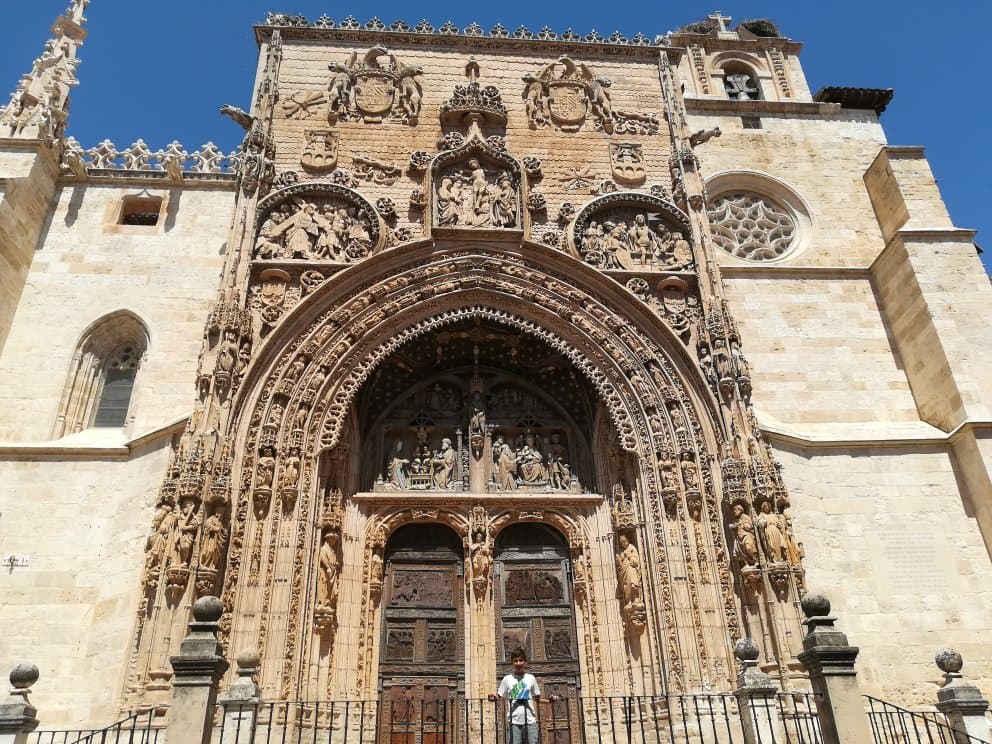
A stunning example of Isabeline Gothic architecture, this church boasts a magnificent facade and rich interior art, symbolizing Aranda de Duero's historical prosperity.
"The exterior is spectacular, very well preserved, and all its Gothic features are clearly visible. The interior is equally beautiful."
Admire the Detailed Facade
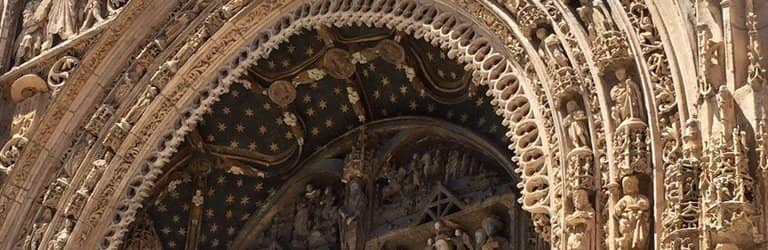
Take time to appreciate the incredibly detailed Gothic facade; its features are remarkably well-preserved .
Don't Miss the Interior Art
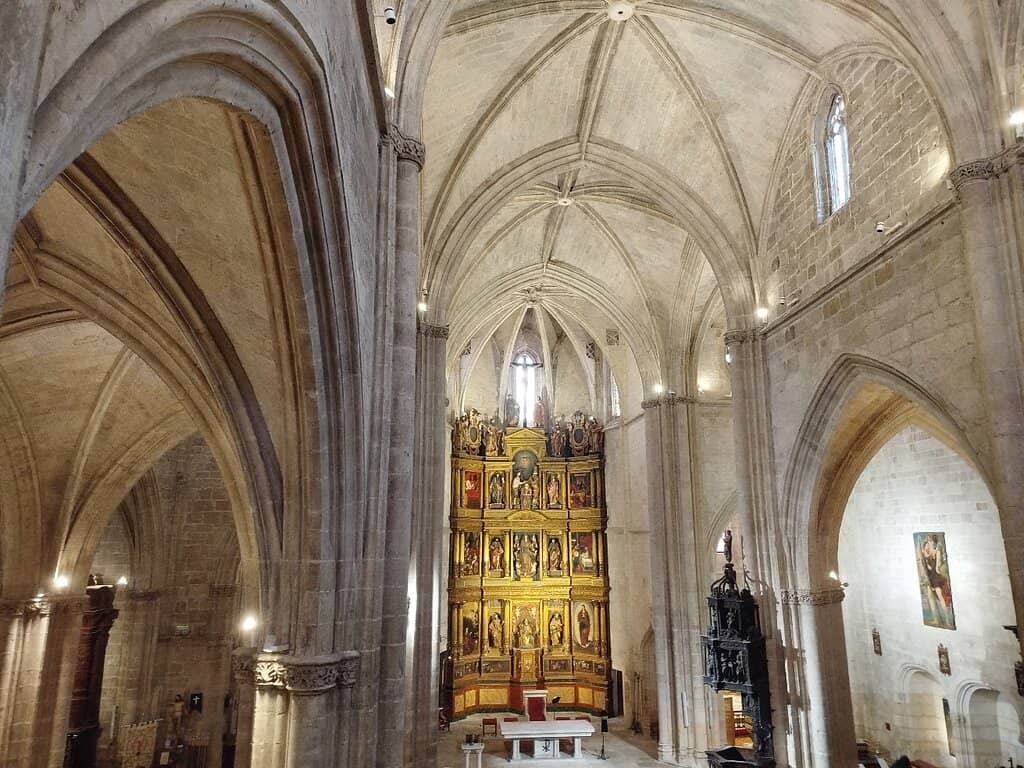
The interior boasts impressive works by Renaissance masters, including the high altarpiece .
Highlights
Discover the most iconic attractions and experiences
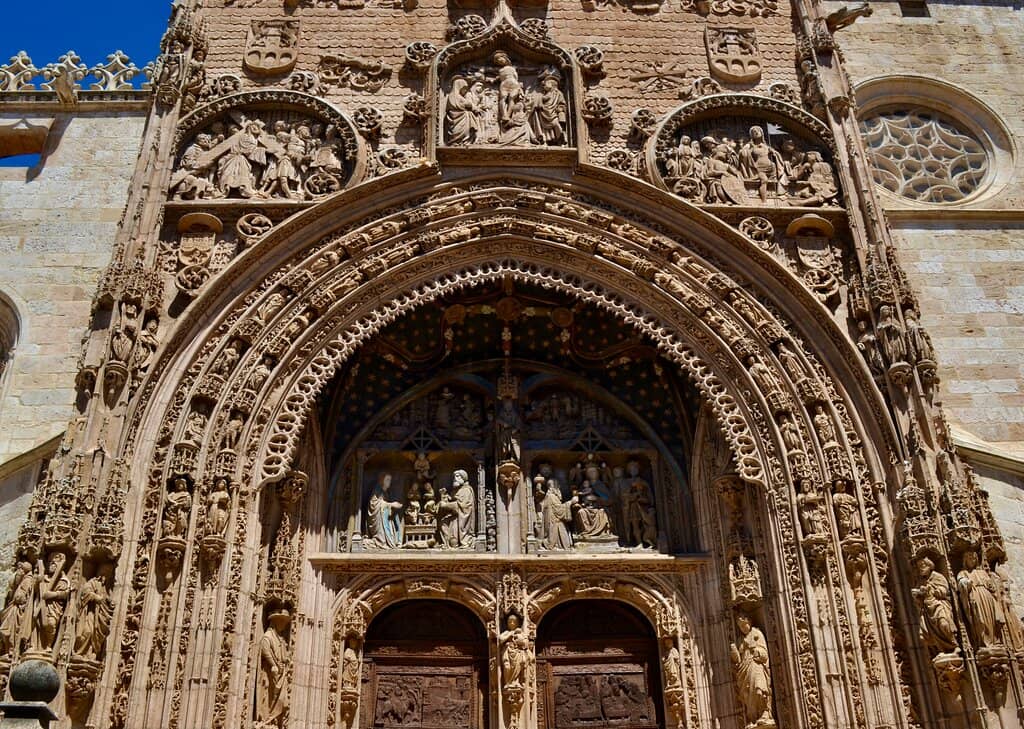
Magnificent Gothic Facade
Exterior
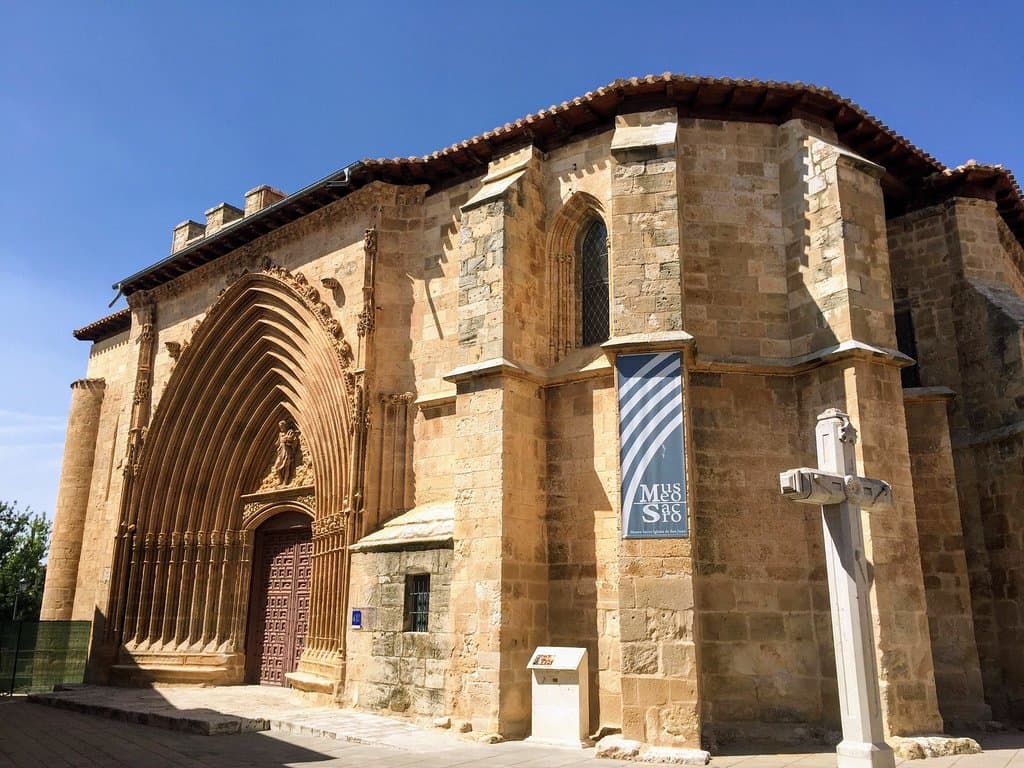
A breathtaking display of Gothic architecture with intricate carvings and figures, showcasing its historical significance.
High Altarpiece
Interior
A stunning 16th-century masterpiece by Simón de Colonia, blending polychrome sculpture and painting.
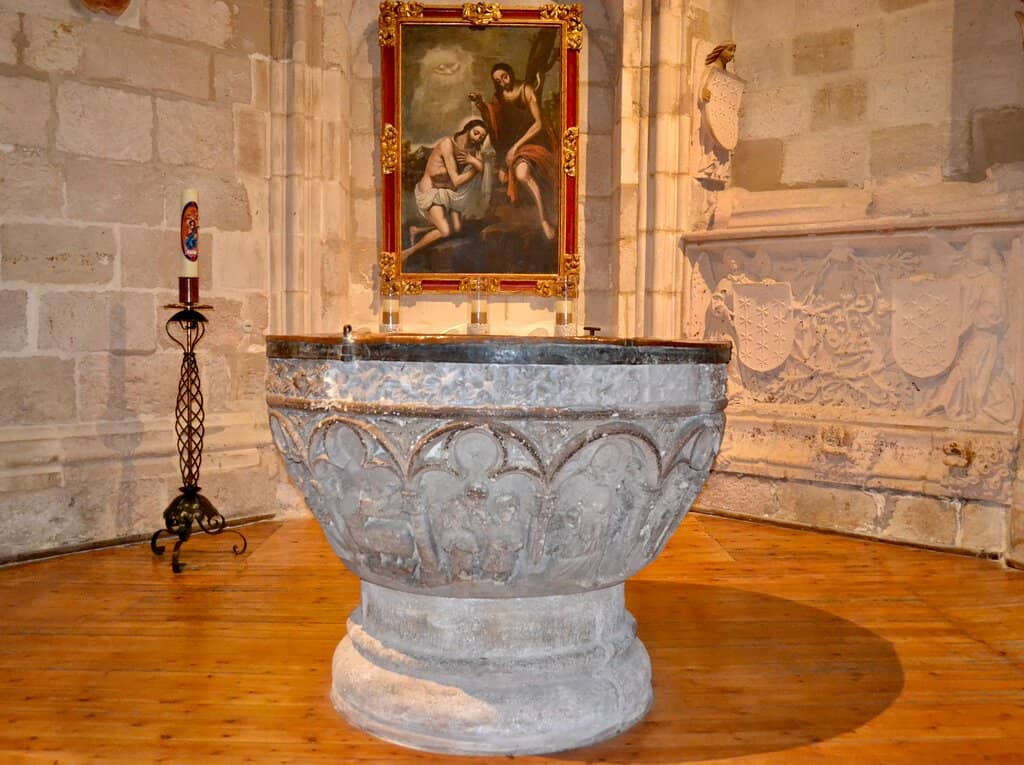
Sacristy and Chapel of the Rosary
Interior
Discover notable altarpieces and religious goldwork, offering a glimpse into Renaissance artistry.
Plans like a pro.
Thinks like you
Planning Your Visit
Timing Your Visit for the Best Experience
Understanding the Entrance Fee
Best Times
Insider Tips
from TikTok, Instagram & Reddit
Admire the Detailed Facade
Take time to appreciate the incredibly detailed Gothic facade; its features are remarkably well-preserved.
Don't Miss the Interior Art
The interior boasts impressive works by Renaissance masters, including the high altarpiece.
Look for the Sundial
Curious about the sundial on the exterior? It's a unique feature worth spotting.
Support Preservation Efforts
A small 2 euro fee contributes to the church's upkeep and preservation.
Tips
from all over the internet
Admire the Detailed Facade
Take time to appreciate the incredibly detailed Gothic facade; its features are remarkably well-preserved.
Don't Miss the Interior Art
The interior boasts impressive works by Renaissance masters, including the high altarpiece.
Look for the Sundial
Curious about the sundial on the exterior? It's a unique feature worth spotting.
Support Preservation Efforts
A small 2 euro fee contributes to the church's upkeep and preservation.
Learn About Its History
Built on a Romanesque site, it symbolizes Aranda de Duero's prosperity from wine trade.
What Travellers Say
Reviews Summary
Visitors consistently praise the Church of Santa María la Real for its spectacular and well-preserved Gothic facade, with many noting the intricate details that make it a standout monument. The interior is equally admired for its beautiful artworks, including a notable high altarpiece. The small entrance fee is seen as a worthwhile contribution to maintaining this historical gem.
"The church was built between the end of the 15th and the beginning of the 16th centuries, during the Late Gothic period (Isabeline Gothic style).
It replaced an earlier Romanesque temple located on the same site, a symbol of the rise of Aranda de Duero, a prosperous city thanks to the wine trade and its strategic position in Castile.
High altarpiece: created by Simón de Colonia and enriched in the 16th century, it combines polychrome sculpture and painting.
Works by masters of the Spanish Renaissance (Pedro de Guadalupe, Pascual de Mena, among others).
The sacristy and the Chapel of the Rosary contain notable examples of altarpieces and religious goldwork."
G “Sage” Sage
"Magnificent Gothic facade with a large number of siguras, those that remain further inside preserve part of the original polychrome. Worth a visit"
Jquimmauri
"I was very pleasantly surprised; the exterior is spectacular, very well preserved, and all its Gothic features are clearly visible. The interior is equally beautiful. I highly recommend a visit."
MJ D’.
What People Like
What People Dislike
Frequently Asked Questions
🚇 🗺️ Getting There
The church is centrally located in Aranda de Duero, making it easily accessible on foot if you're already in the town center. If arriving by car, look for public parking areas nearby. Public transport options to Aranda de Duero are available from larger cities in the region, from where you can then walk or take a local taxi to the church.
Yes, there are usually public parking options available in the vicinity of the church in Aranda de Duero. It's advisable to look for designated parking zones to avoid any issues.
Absolutely! Aranda de Duero is a popular destination for day trips, especially for those interested in history and architecture. The Church of Santa María la Real is a primary attraction that can be easily explored within a few hours.
🎫 🎫 Tickets & Entry
Opening hours can vary, so it's best to check locally or online before your visit. Generally, churches are open during daylight hours, but specific times for tourist access might differ. Some sources suggest it's open during daylight hours.
There is a small entrance fee of 2 euros per person to support the maintenance and preservation of the church. This is a modest price for the historical and artistic value you'll experience.
For general visits, booking tickets in advance is usually not necessary. You can typically purchase your ticket upon arrival at the church. However, for group tours or special events, it's always a good idea to inquire beforehand.
While the main areas of the church are generally accessible, some older historical sites may have limitations. It's recommended to contact the church directly or check their official website for the most accurate accessibility information.
📸 📸 Photography
Photography is generally permitted inside the church, but it's always respectful to check for any specific signage or ask a local attendant. Be mindful of flash photography, as it can be disruptive and potentially damage delicate artworks.
The magnificent Gothic facade is a prime spot for exterior photography.+1 Inside, the high altarpiece and the detailed carvings in the sacristy and Chapel of the Rosary offer stunning photographic opportunities.
While general photography is usually allowed, avoid using flash inside to protect the artwork. Some areas might have specific restrictions, so always be observant of posted signs or staff instructions.
🎫 🏛️ History & Architecture
The church is a prime example of Isabeline Gothic style, a late Gothic architectural period in Spain characterized by rich ornamentation and intricate detailing. Construction took place between the late 15th and early 16th centuries.
It was built during a period of prosperity for Aranda de Duero, largely due to its wine trade and strategic location in Castile. The church replaced an earlier Romanesque temple, with its tower being the only remaining part of the original structure.
The construction was supported by the Catholic Monarchs (Reyes Católicos) and the Bishop of Osma, Fray Alonso Enríquez, reflecting its importance during their reign.
Yes, the high altarpiece was created by Simón de Colonia, and the church features works by masters of the Spanish Renaissance such as Pedro de Guadalupe and Pascual de Mena.
For Different Travelers
Tailored advice for your travel style
👨👩👧 Families with Kids
🏛️ History Buffs & Architecture Enthusiasts
📸 Photographers
Deep Dives
In-depth insights and expert knowledge
The Splendor of Isabeline Gothic
Visitors will find the magnificent Gothic facade particularly striking, adorned with a multitude of figures and intricate carvings that have been remarkably preserved.
Beyond the facade, the interior continues to impress with its artistic treasures. The high altarpiece, a significant work by Simón de Colonia, is a highlight, enriched with polychrome sculpture and painting from the 16th century. Furthermore, the sacristy and the Chapel of the Rosary house notable examples of altarpieces and religious goldwork, showcasing the artistic prowess of masters like Pedro de Guadalupe and Pascual de Mena.
Aranda de Duero's Prosperity and the Church's Rise
The church was built on the site of an earlier Romanesque temple, with only the tower remaining from that original structure. The decision to construct a grand new church reflected the town's growing importance and its citizens' desire for a monumental place of worship that mirrored their status. The support from the Reyes Católicos and the Bishop of Osma further underscores the church's significance as a symbol of both religious devotion and civic pride.
This historical context enriches the visitor's experience, allowing them to appreciate the church not just as a beautiful building, but as a tangible representation of Aranda de Duero's historical trajectory. The intricate details and grand scale of the church serve as a lasting legacy of a prosperous era, making it a must-visit for anyone interested in the history and culture of the Ribera del Duero region.
Social
from TikTok, Instagram & Reddit