Palacio Arzobispal
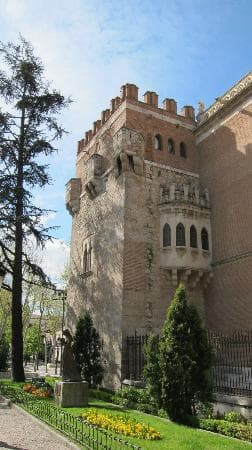
A stunning neocolonial palace showcasing viceregal religious art and historic episcopal residences.
Highlights
Must-see attractions

Social
From TikTok & Reddit
Best Time
Fewer crowds, better photos
Palacio Arzobispal
Best Time
Fewer crowds, better photos
Highlights
Must-see attractions
A stunning neocolonial palace showcasing viceregal religious art and historic episcopal residences.
"A true gem of Lima's historic center, blending art, history, and architecture."
🎟️ Combo Ticket Value
Consider the combo ticket for access to both the Palacio Arzobispal and the Cathedral Museum.
📸 Photography Etiquette
Photography is generally allowed without flash. Be respectful of the religious nature of some areas.
Highlights
Discover the most iconic attractions and experiences
Virreinal Religious Art Collection
First Floor
Discover a rich collection of religious art from convents and churches, showcasing colonial artistry.
Archbishop's Residence Rooms
Second Floor
Explore the historic dining room, chapel, and offices, offering a glimpse into past episcopal life.
Neocolonial Architecture
Exterior and Interior
Admire the stunning neocolonial style, featuring carved balconies and colonial influences.
Plans like a pro.
Thinks like you
Planning Your Visit
Timing is Key for the Best Experience
Understand the Palace's Dual Nature
Best Times
Insider Tips
from TikTok, Instagram & Reddit
🎟️ Combo Ticket Value
Consider the combo ticket for access to both the Palacio Arzobispal and the Cathedral Museum. 
📸 Photography Etiquette
Photography is generally allowed without flash. Be respectful of the religious nature of some areas.
🚶♀️ Explore the Surroundings
The palace is centrally located in Lima's historic center, perfect for a day of exploration.
🕰️ Check Opening Hours
Hours can vary, especially on Sundays. It's best to confirm before your visit.
Tips
from all over the internet
🎟️ Combo Ticket Value
Consider the combo ticket for access to both the Palacio Arzobispal and the Cathedral Museum.
📸 Photography Etiquette
Photography is generally allowed without flash. Be respectful of the religious nature of some areas.
🚶♀️ Explore the Surroundings
The palace is centrally located in Lima's historic center, perfect for a day of exploration.
🕰️ Check Opening Hours
Hours can vary, especially on Sundays. It's best to confirm before your visit.
What Travellers Say
Reviews Summary
Visitors praise the Palacio Arzobispal for its stunning neocolonial architecture and the impressive collection of viceregal religious art. Many appreciate the opportunity to explore the historic rooms of the archbishop's residence and the value of the combined ticket with the Cathedral Museum. Some note that photography rules should be strictly followed.
What People Like
What People Dislike
Frequently Asked Questions
🚇 🗺️ Getting There
The Palacio Arzobispal is located in the historic center of Lima, Peru. It's easily accessible by taxi or public transport. Many visitors combine a visit with other nearby attractions like the Plaza Mayor and the Cathedral.
Parking in the historic center of Lima can be challenging. It's recommended to use ride-sharing services or public transport, or to look for paid parking garages in the vicinity.
Yes, the Palacio Arzobispal is within walking distance of many key attractions in Lima's historic center, including the Plaza de Armas and the Cathedral.
🎫 🎫 Tickets & Entry
The entrance fee for the Palacio Arzobispal is S/ 15.00 for adults and S/ 5.00 for students. A combined ticket for the Cathedral and Palacio Arzobispal costs S/ 20.00.
The Palacio Arzobispal is typically open from Tuesday to Sunday, 9:00 AM to 1:00 PM and 2:00 PM to 5:00 PM. On Sundays, hours are 9:00 AM to 12:00 PM and 1:00 PM to 5:00 PM. It's advisable to check current hours before visiting.
Advance booking is generally not required for the Palacio Arzobispal, but it's always a good idea to check their official website or social media for any updates, especially during peak tourist seasons.
As it is a religious and historical site, modest dress is recommended. Avoid overly revealing clothing.
🎫 🏛️ Onsite Experience
Inside, you'll find a significant collection of colonial religious art on the first floor and the former living quarters of the archbishop, including a dining room and chapel, on the second floor.
Photography is permitted inside the Palacio Arzobispal, but without the use of flash to protect the artifacts.
A visit to the Palacio Arzobispal usually takes about 1 to 1.5 hours, depending on your interest in the art and historical details.
Information on guided tours is not widely available online, but it's possible that some are offered. Inquire upon arrival or check their official channels.
📸 📸 Photography
The intricately carved balconies and the grand facade of the Palacio Arzobispal are excellent for exterior shots. Inside, the art collection and the historic rooms offer unique photographic opportunities.
While general photography is allowed without flash, it's always best to be mindful of any specific signage or staff instructions regarding photography, especially in sensitive areas.
For Different Travelers
Tailored advice for your travel style
👨👩👧 Families with Kids
+1Ensure children are aware of the respectful behavior expected in a religious and historical site. The ticket prices are quite reasonable, especially the student rate, making it an accessible option for families.
+1🏛️ History Buffs & Art Enthusiasts
The neocolonial architecture itself, with its distinctive balconies, is a major draw, showcasing the blend of influences that define Lima's historic center. +1Exploring the former living quarters of the archbishop provides a tangible connection to the past. The Biblioteca Oscar Yanes adds another layer of historical and literary interest.
This destination offers a comprehensive look at a crucial period in Peruvian history, making it highly rewarding for dedicated enthusiasts.Deep Dives
In-depth insights and expert knowledge
Architectural Heritage of the Palacio Arzobispal
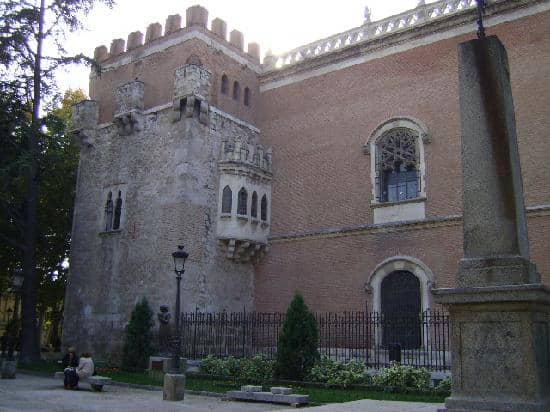
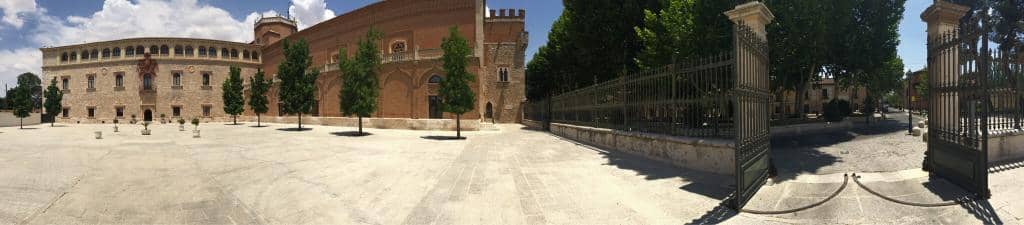
He masterfully blended neocolonial aesthetics with virreinal influences, creating a structure that is both grand and historically resonant. The palace stands on a site originally designated by Francisco Pizarro in 1535, underscoring its deep historical roots. Its distinctive carved balconies and elegant design have made it a landmark in Lima's cityscape, influencing subsequent architectural trends. This architectural style is a key reason why the Palacio Arzobispal is a significant attraction for those interested in Peruvian architecture and history. The careful restoration and preservation efforts ensure that visitors can appreciate the intricate details and the historical narrative embedded within its walls. The building's design not only reflects its past but also its ongoing role as a significant cultural and religious site.
Visitors often remark on the beauty of the palace's exterior, particularly its balconies, which are a hallmark of colonial-era architecture in Lima. The interior spaces, such as the archbishop's former residence, offer a more intimate look at the history and daily life associated with the palace. The blend of historical significance and architectural beauty makes it a must-see for any visitor to Lima's historic center.
The Art Within: A Religious and Historical Journey
This collection provides a profound insight into the artistic and spiritual life of colonial Peru.The second floor offers a glimpse into the historical living quarters of the archbishop. Here, you can wander through rooms that were once central to the archdiocese's operations, such as the dining room, chapel, and offices. These spaces are preserved to reflect their historical appearance, allowing visitors to imagine the lives of those who worked and resided there.
The Biblioteca Oscar Yanes, a private library recently converted into public heritage, also adds another layer of cultural significance to the palace. These collections are not just aesthetically pleasing; they are vital historical documents that tell the story of faith, power, and art in Peru's past. The Palacio Arzobispal serves as a custodian of this heritage, offering an educational and moving experience for all who visit.
+1
Social
from TikTok, Instagram & Reddit