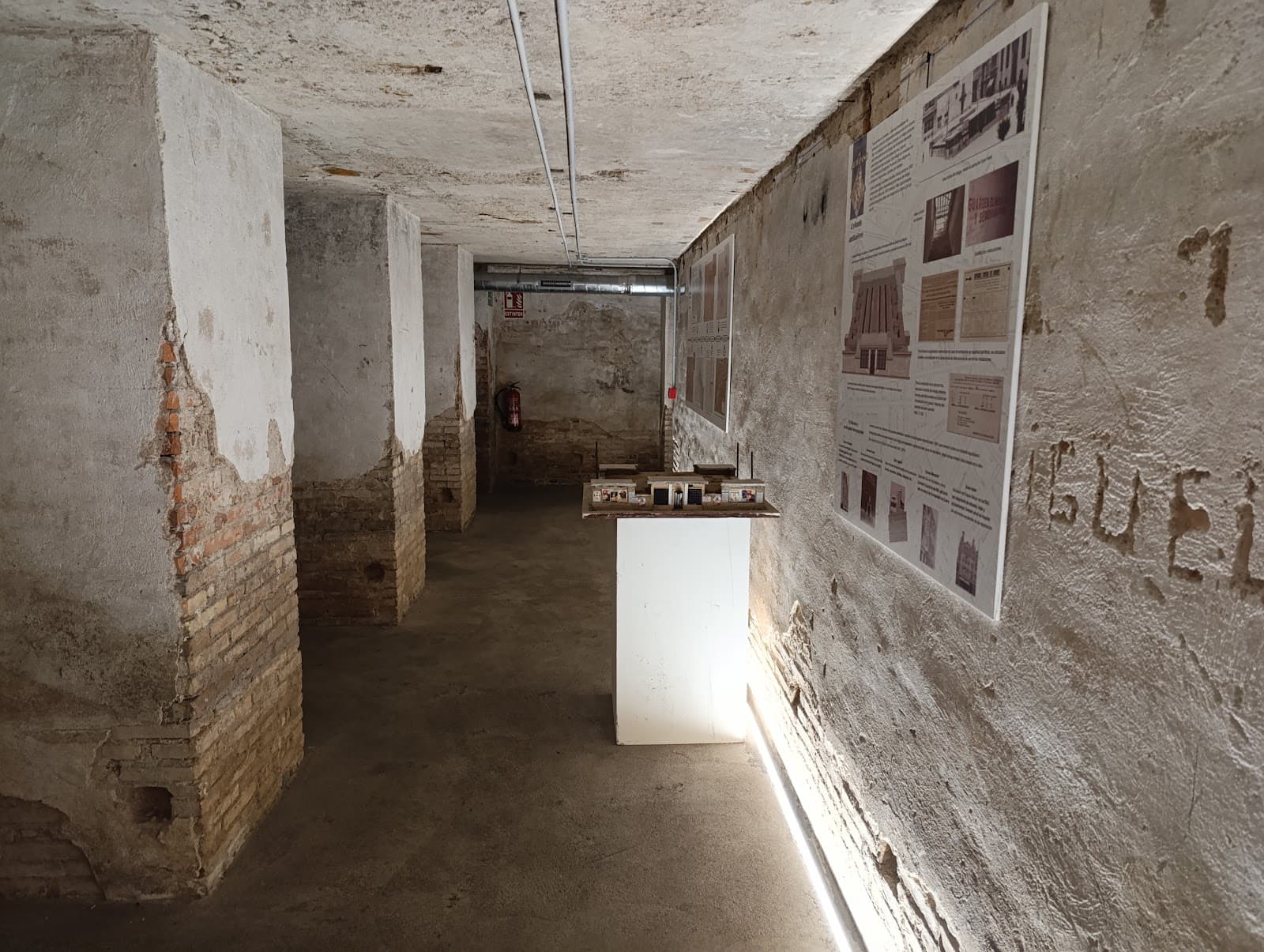
Refugios Antiaéreos de la Guerra Civil
Step back in time into Spain's Civil War past. Explore underground refuges built for survival, offering a poignant glimpse into history.
Highlights
Must-see attractions

Social
From TikTok & Reddit
Best Time
Cooler underground escape
Refugios Antiaéreos de la Guerra Civil
Best Time
Cooler underground escape
Highlights
Must-see attractions
Step back in time into Spain's Civil War past. Explore underground refuges built for survival, offering a poignant glimpse into history.
"A really interesting historical site. Many thanks for the tour which was very informative."
🎯 Book Guided Tours Ahead
Essential for understanding history. Book in advance, especially for small groups. :ticket:
👟 Wear Comfortable Shoes
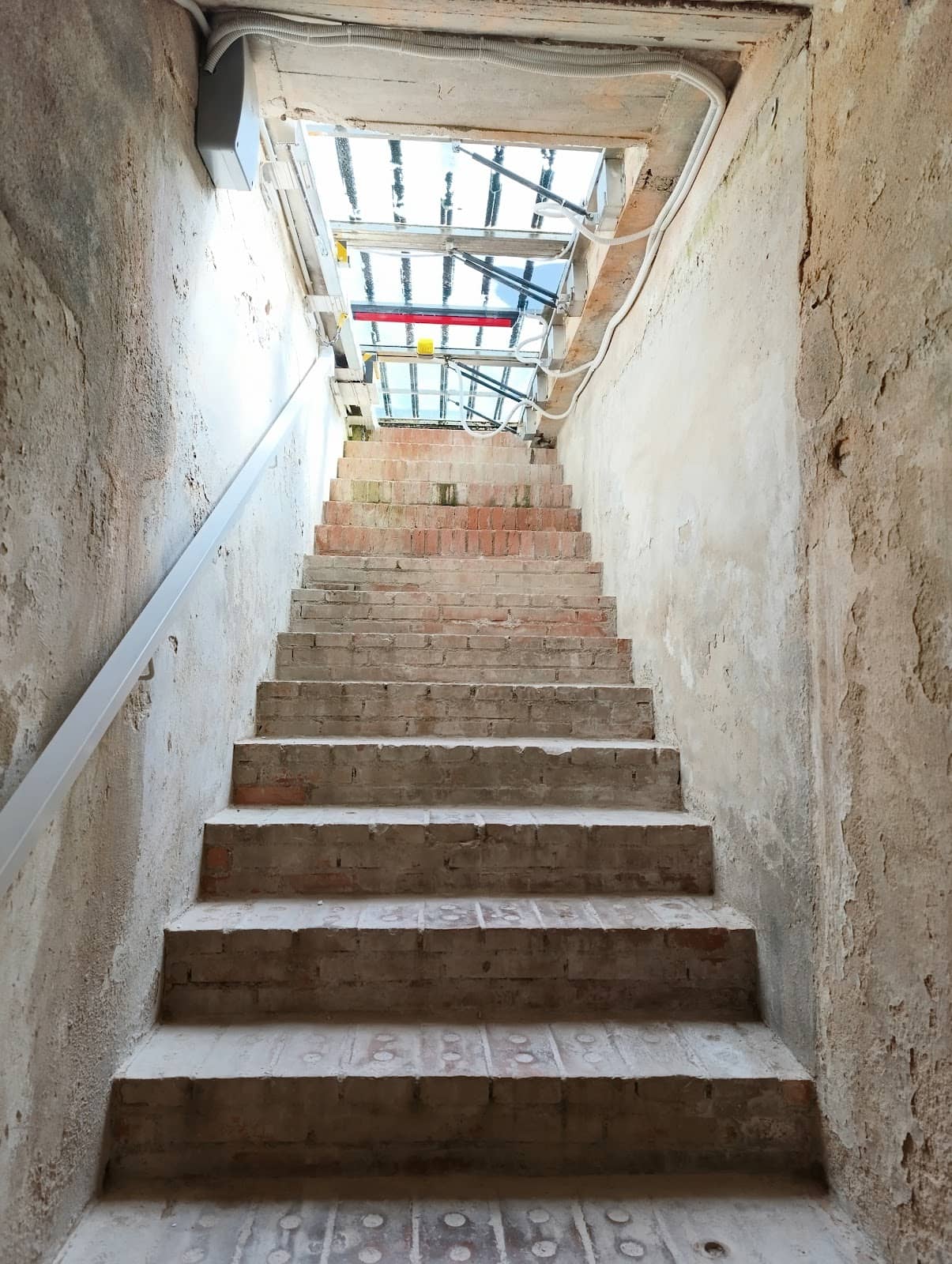
Navigate uneven paths and stairs safely. Closed-toe shoes are a must. :athletic_shoe:

Highlights
Discover the most iconic attractions and experiences
Original 1937 Markings
Various locations
See authentic signs and markings from the Spanish Civil War era, offering a tangible connection to the past.
Underground Networks
Almería, Valencia, Barcelona
Explore extensive subterranean networks designed to protect thousands from aerial bombardments.
 +1
+1
Restored Historical Spaces
Various locations
Witness meticulously restored refuges that preserve the atmosphere and historical significance of these wartime structures.
Plans like a pro.
Thinks like you
Planning Your Visit
Book in Advance for Guided Tours
Comfortable Footwear is Key
Best Times
Insider Tips
from TikTok, Instagram & Reddit
🎯 Book Guided Tours Ahead
Essential for understanding history. Book in advance, especially for small groups. :ticket:
👟 Wear Comfortable Shoes
Navigate uneven paths and stairs safely. Closed-toe shoes are a must. :athletic_shoe:
💧 Stay Hydrated
Underground can be warm. Bring water, especially during warmer months. :droplet:
📱 Check Opening Hours
Hours can vary. Confirm with local tourist offices or websites before visiting.
Tips
from all over the internet
🎯 Book Guided Tours Ahead
Essential for understanding history. Book in advance, especially for small groups. :ticket:
👟 Wear Comfortable Shoes
Navigate uneven paths and stairs safely. Closed-toe shoes are a must. :athletic_shoe:
💧 Stay Hydrated
Underground can be warm. Bring water, especially during warmer months. :droplet:
📱 Check Opening Hours
Hours can vary. Confirm with local tourist offices or websites before visiting.
🧐 Look for Local History
Many refuges offer insights into local wartime events and community life. :books:
What Travellers Say
Reviews Summary
Visitors consistently praise the air raid shelters as fascinating historical sites, highlighting the informative and engaging guided tours. Many appreciate the opportunity to learn about local history and the resilience of people during the Civil War. The cool underground temperatures are also a welcome feature during warmer months. While generally well-received, some visitors note the potentially intimidating nature of the sites due to their historical context.
"A really interesting historical site. Many thanks for the tour which was very informative"
Bill Apter
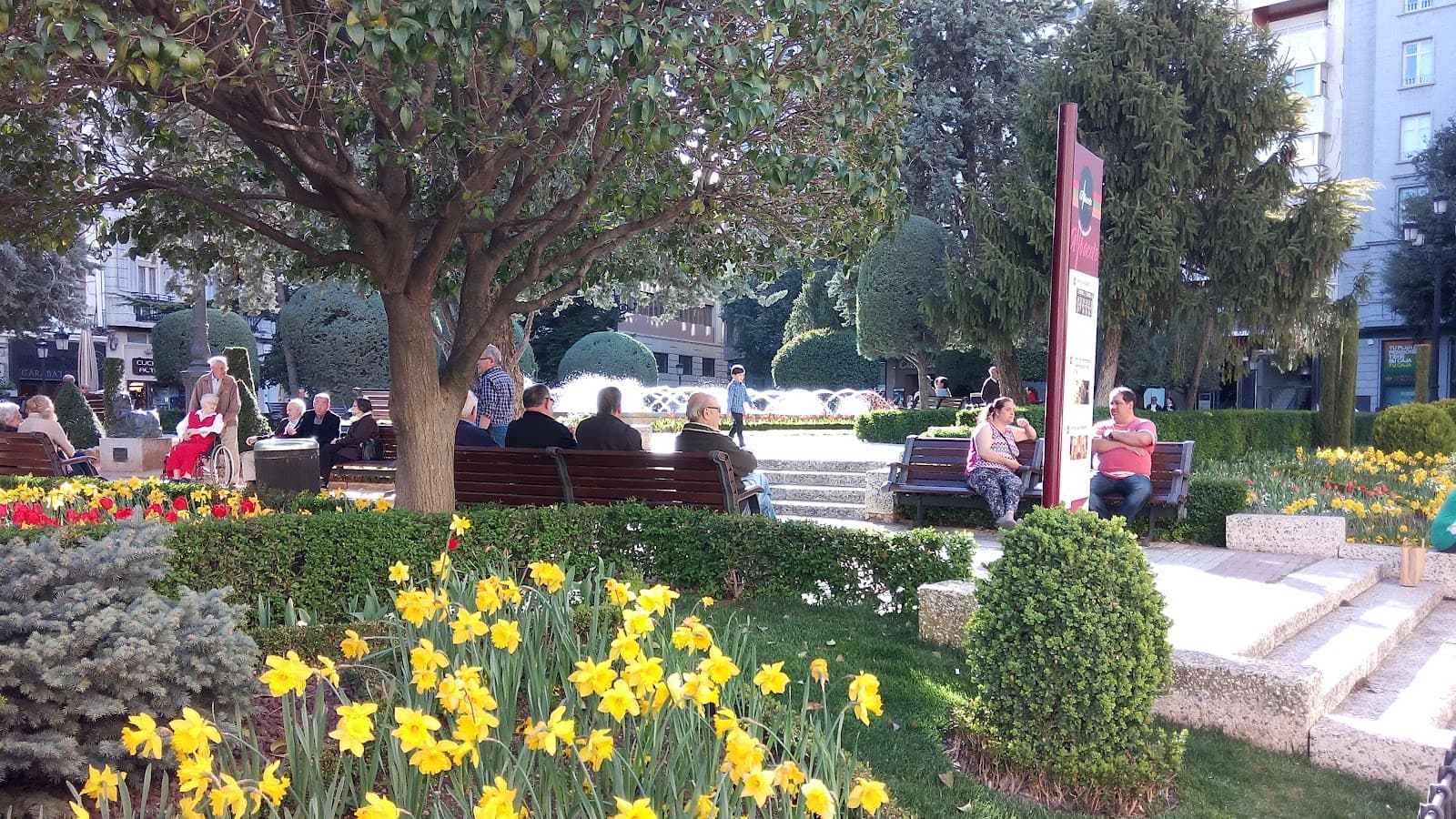
"A very interesting museum with exhibits not just about the place, but the surrounding buildings as well. The two young women who showed me around were very professional, knowledgeable, and enthusiastic. Who would know what lies under this pretty park? Thank you for the insight into your city's history."
Helen Alman
"Regular"
Francisco Sanchez
What People Like
What People Dislike
Frequently Asked Questions
🚇 🗺️ Getting There
The locations of these historical sites vary across Spain. Many are found in city centers, often near historical landmarks or parks. Some are integrated into museums or tourist information centers. For example, shelters in Alicante are located in Plaza Séneca and Plaza Balmis,
Yes, public transport is often a convenient way to reach the general vicinity of many air raid shelters, especially in larger cities like Valencia
Yes, several regions and cities have notable Civil War air raid shelters. Almería boasts an extensive network designed by Guillermo Langle,
While some shelters might be accessible independently, many offer guided tours that are highly recommended for a comprehensive understanding of their history and significance. Tours often provide access to areas not visible otherwise.
The refuges and lime kilns in Quijorna, Madrid, can be reached by bus. Travelers have mentioned taking the bus to get there for an excursion.
🎫 🎫 Tickets & Entry
Many of the guided tours for Civil War air raid shelters are free, which is a significant plus for budget travelers. For instance, some guided visits are mentioned as being free of charge. However, it's always wise to confirm pricing with the specific site or local tourist office, as some may have nominal fees or require donations.
It is highly recommended to book tickets or tours in advance, especially if you are traveling as a small group or during peak season. Some visitors have successfully booked tours by emailing the day before, indicating that advance arrangements are often appreciated and sometimes necessary.
Opening hours can vary significantly between different refuges and locations. Some may be open during standard daytime hours, while others might only be accessible via scheduled guided tours. It's best to check the specific opening times and tour schedules with the local tourist information center or the official website of the refuge you plan to visit.
Generally, there are no strict age restrictions for visiting most air raid shelters. However, due to the nature of the sites (narrow passages, uneven ground), it's advisable to consider the mobility and comfort of very young children or elderly individuals. Some tours are described as being entertaining even for children.
While some shelters might have self-guided elements, the most enriching experiences often come with guided tours. Guides provide historical context, point out significant details, and share stories that bring the past to life. It's often the guided tours that are free and highly recommended.
🎫 🧭 Onsite Experience
Most guided tours of Civil War air raid shelters last approximately 40 minutes. This duration allows for a thorough exploration of the site and a good overview of its historical context without being overly long.
Inside, you can expect to see narrow corridors, original signage from the war era (like 1937 markings), and exhibits that detail the history of the shelter and the surrounding area. Some shelters even had facilities like operating rooms. The atmosphere is often described as poignant and a powerful reminder of the past.
Accessibility can be a challenge in many historical air raid shelters due to their original construction, which often includes narrow passages and stairs. Visitors with mobility issues should inquire about specific accessibility features or limitations before booking a tour.
Yes, the underground nature of these shelters means they maintain a cooler temperature compared to the outside, especially during hot weather. This can be a welcome relief during summer visits.
These shelters are vital remnants of the Spanish Civil War, built to protect civilians and soldiers from aerial bombardments. They represent a period of intense conflict and resilience, offering a tangible link to the lives of people during that era.
📸 📸 Photography
Photography is generally allowed inside the air raid shelters, but it's always a good idea to confirm with your guide or the site staff. The dim lighting can create atmospheric shots, but be mindful of flash photography, as it might disturb the ambiance or other visitors.
Look for opportunities to capture the narrow passageways, original signage, and any preserved artifacts. The contrast between the dark interiors and any light sources can create dramatic effects. The historical markings are particularly photogenic.
While not explicitly stated for all sites, it's common for historical and underground locations to have restrictions on professional equipment or tripods to protect the site and ensure smooth visitor flow. It's best to inquire beforehand if you plan to use such equipment.
The lighting inside air raid shelters is typically dim, often relying on artificial lights to illuminate the pathways and exhibits. This can make for moody and atmospheric photographs, but you might need to adjust your camera settings accordingly or use a camera with good low-light performance.
Absolutely! The original signs and markings from the Civil War era are a key historical feature and make for compelling photographs. Capturing these details provides a direct visual link to the past.
For Different Travelers
Tailored advice for your travel style
👨👩👧 Families with Kids
The underground nature of the shelters can feel like an adventure, and the historical context provides a unique learning opportunity about a significant period in history. Practical tips for families: Wear comfortable shoes as there will be walking and potentially stairs.
The shorter tour durations (around 40 minutes) are generally well-suited for children's attention spans. 💰 Budget Travelers
To maximize savings, focus on cities with free tour options and utilize public transportation to reach the shelter locations.
+1 Always confirm tour availability and pricing directly with the local tourist office or the specific site, as policies can occasionally change. The cool underground temperatures can also offer a welcome respite from the heat, potentially saving on cooling costs if you're staying in warmer climates.🏛️ History Enthusiasts
For a deeper dive, prioritize visiting shelters with comprehensive guided tours, as the guides often possess extensive knowledge and can share fascinating historical anecdotes.
Consider visiting multiple shelters in different cities to compare their design, scale, and historical narratives. +1Deep Dives
In-depth insights and expert knowledge
The Architecture and Engineering of Survival
These shelters were not just simple holes in the ground; they often included multiple entrances, ventilation systems, and even basic facilities like infirmaries or operating rooms, demonstrating a sophisticated approach to civilian protection. +1The construction methods varied, utilizing reinforced concrete, brick, and natural rock formations. Many were built rapidly in response to escalating conflict, often with community involvement. The sheer scale of some projects, like the over 4 km network in Almería, highlights the immense threat perceived by the population and the government's efforts to mitigate it.
The preservation and restoration of these sites today allow us to appreciate the ingenuity and resilience of the people who built and used them. +1Understanding the context of their construction is key to appreciating their significance. They represent a critical aspect of civilian life during wartime, a testament to the human instinct for survival. Visiting these sites offers a unique perspective on the realities of the Spanish Civil War, moving beyond battlefield narratives to focus on the experiences of ordinary citizens seeking safety underground.
Experiencing History: Guided Tours and Community Insights
These tours go beyond just showing the physical space; they connect visitors to the human stories behind the shelters. You'll learn about the daily lives of those who sought refuge, the specific events that led to their construction, and the lasting impact on the communities. The presence of original signage from 1937 further enhances this connection, offering a tangible link to the past.
Community insights from platforms like Reddit often emphasize the value of these guided experiences. Travelers frequently share how the guides provided a deeper understanding and appreciation for the sites.
Preservation and Modern Relevance
+1 This preservation work not only conserves the physical structures but also ensures that the stories and lessons associated with them are not lost. Beyond their historical value, some of these shelters are finding new relevance in the modern day. They are increasingly being used as unique venues for cultural events, historical reenactments, and even film shoots, offering atmospheric and historically rich backdrops.
This dual role as historical monument and contemporary space highlights their enduring significance and adaptability. Community involvement plays a vital role in their upkeep and promotion. Local initiatives and tourist offices often collaborate to maintain these sites and offer accessible tours, ensuring they remain a valuable resource for education and remembrance.
The dedication to preserving these underground spaces is a testament to their importance in understanding Spain's complex past. 

Social
from TikTok, Instagram & Reddit