Yangdong Market
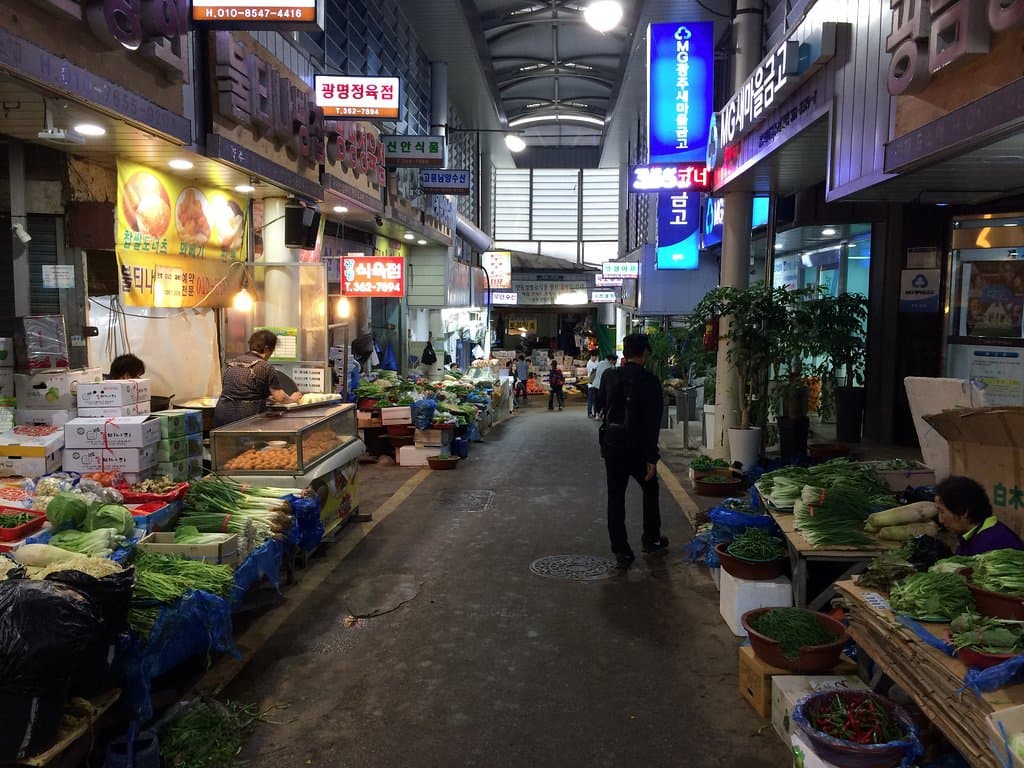
Step back in time at Yangdong Market, a vibrant traditional Korean hub for fresh food, local goods, and authentic cultural immersion.
Highlights
Must-see attractions

Social
From TikTok & Reddit
Best Time
Less crowded, peaceful exploration
Yangdong Market
Best Time
Less crowded, peaceful exploration
Highlights
Must-see attractions
Step back in time at Yangdong Market, a vibrant traditional Korean hub for fresh food, local goods, and authentic cultural immersion.
"This is a taste of traditional Korea, that's for sure! Smells and sights and food to buy."
🚶♂️ Explore the Core Alleys
Wander through the main alleyways for the most authentic experience; furniture areas are less compelling.
💰 Cheap & Cheerful Eats
Enjoy local food for around 10,000 won. Stand and eat like a local for the full experience!
Highlights
Discover the most iconic attractions and experiences
Seafood Spectacle
Fish Market Section
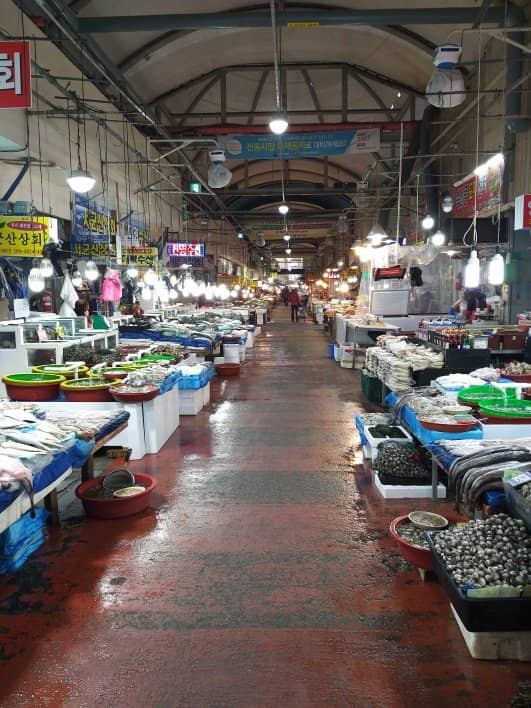
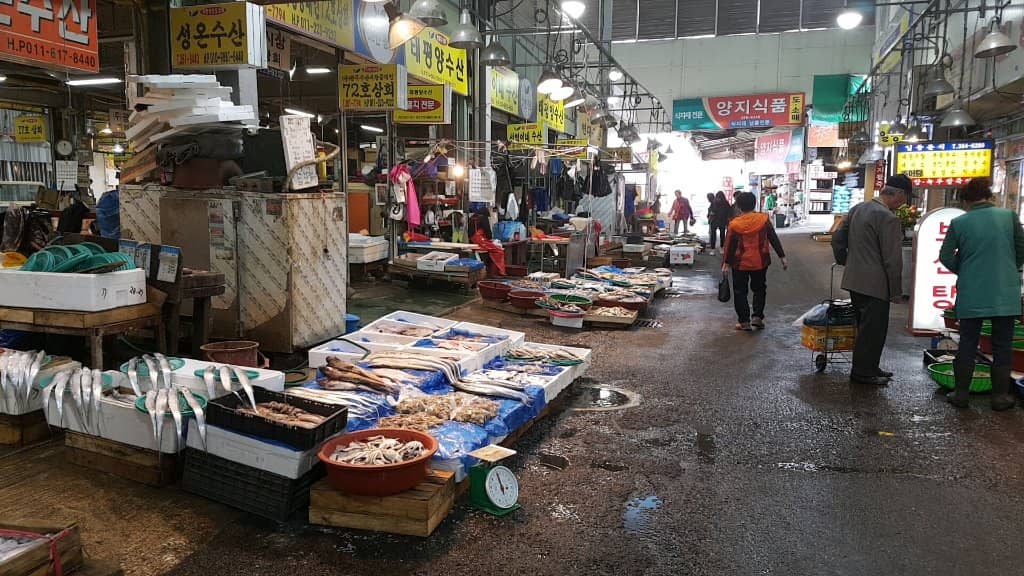
Witness a dazzling array of live octopus, shrimp, crabs, and various shellfish. Dried seafood like sardines and squid are also abundant.
Kimchi & Local Produce
Produce Stalls
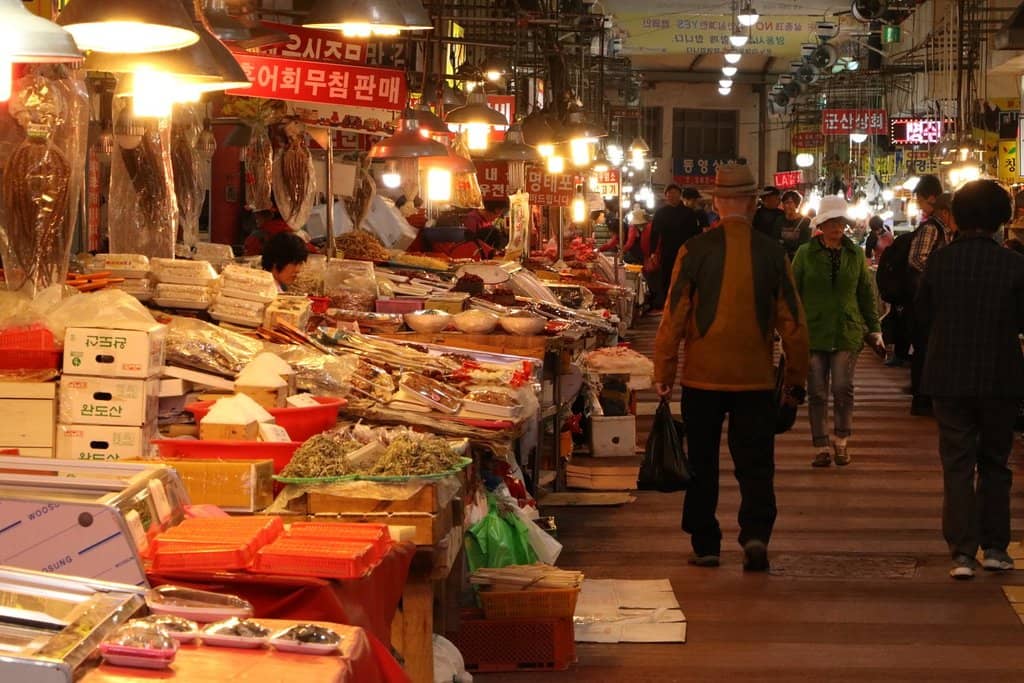
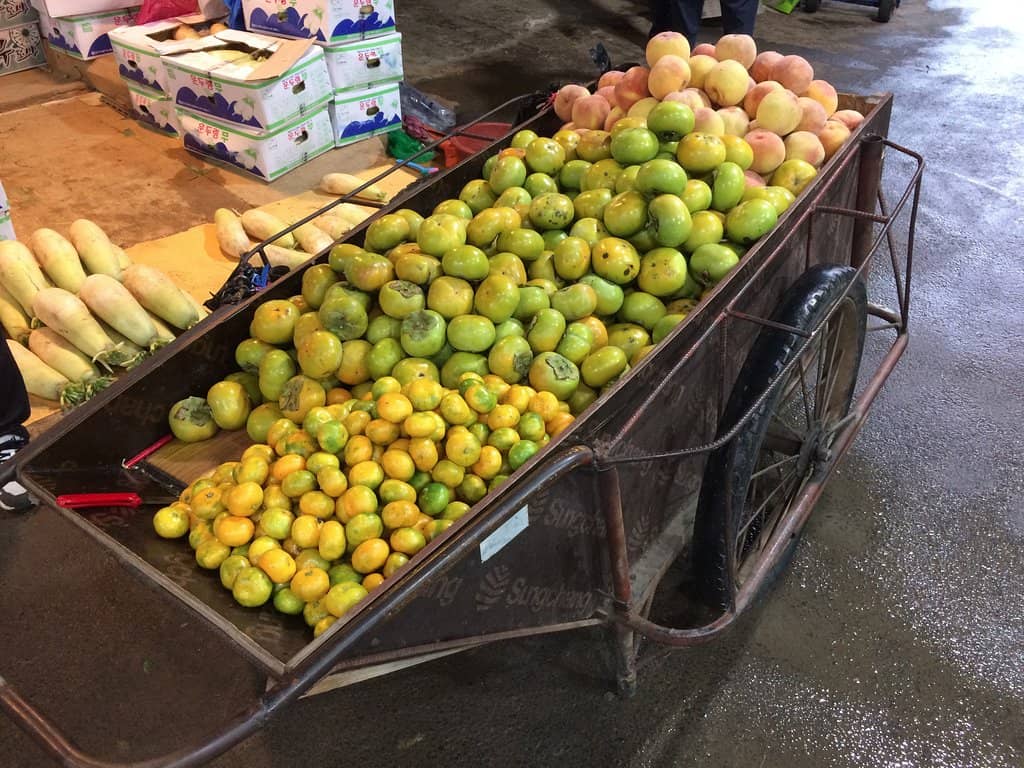
Explore mountains of freshly made kimchi and a colorful variety of meats, fruits, and vegetables. A true taste of Korean staples.
Street Food Delights
Food Stalls
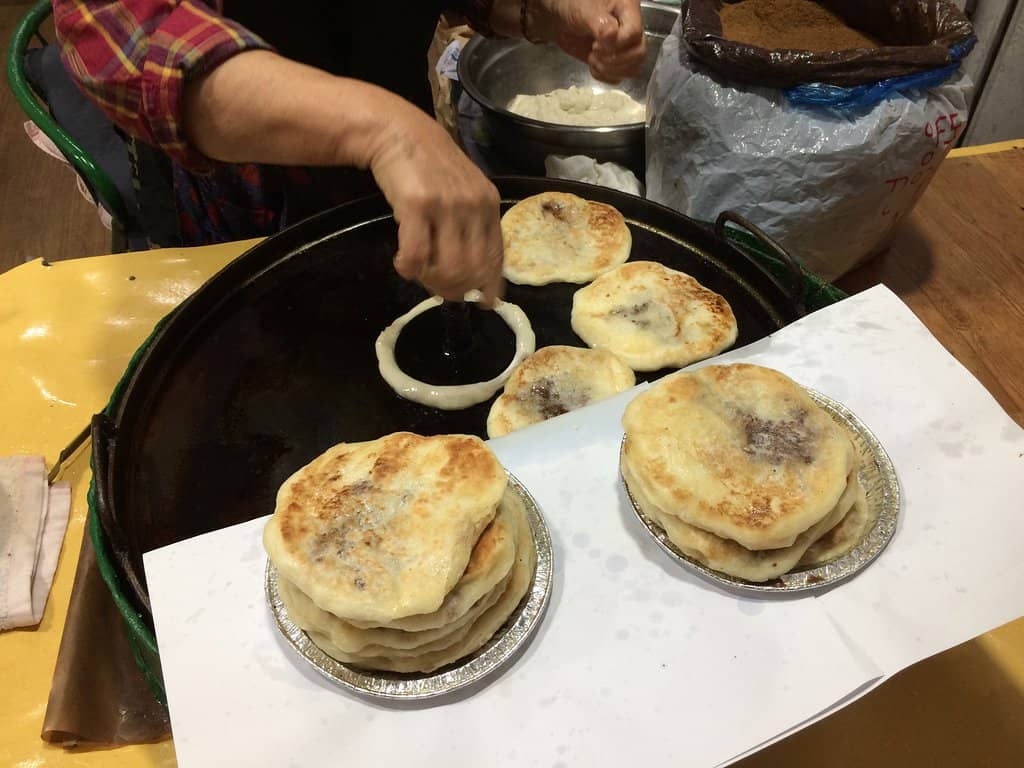
Savor cheap and delicious local eats like kimbap, steamed corn, and heoddeok. Perfect for a quick, authentic bite.
Nostalgic Finds
General Market Aisles
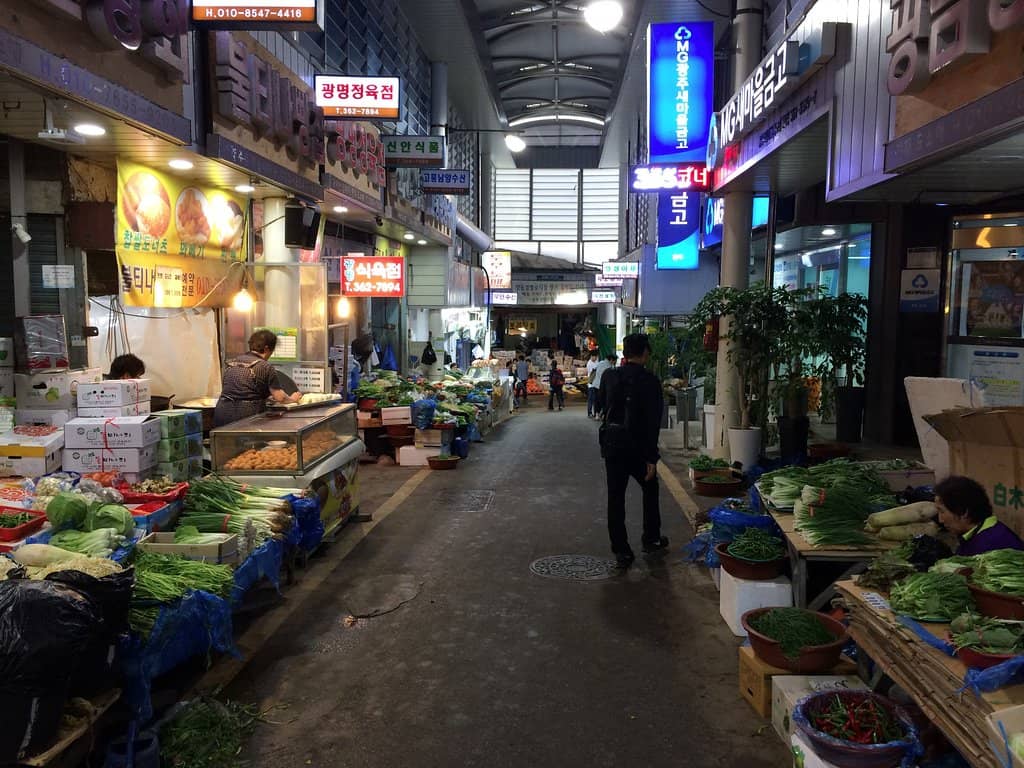
Discover a treasure trove of traditional items like pots, pans, baskets, and brooms, offering a unique glimpse into the past.
Plans like a pro.
Thinks like you
Planning Your Visit
Embrace the Authentic Atmosphere
Timing is Key for a Peaceful Visit
Best Times
Insider Tips
from TikTok, Instagram & Reddit
🚶♂️ Explore the Core Alleys
Wander through the main alleyways for the most authentic experience; furniture areas are less compelling.
💰 Cheap & Cheerful Eats
Enjoy local food for around 10,000 won. Stand and eat like a local for the full experience!
🕰️ Step Back in Time
Embrace the 'time warp' feel; parts of the market are run-down, offering a bittersweet glimpse of the past.
🛍️ Beyond the Food
Don't miss the clothes market across from the food stalls for hanbok and bedding.
Tips
from all over the internet
🚶♂️ Explore the Core Alleys
Wander through the main alleyways for the most authentic experience; furniture areas are less compelling.
💰 Cheap & Cheerful Eats
Enjoy local food for around 10,000 won. Stand and eat like a local for the full experience!
🕰️ Step Back in Time
Embrace the 'time warp' feel; parts of the market are run-down, offering a bittersweet glimpse of the past.
🛍️ Beyond the Food
Don't miss the clothes market across from the food stalls for hanbok and bedding.
👀 Cultural Insights
Be prepared for cultural differences, like seeing live animals, which can be an eye-opener.
What Travellers Say
Reviews Summary
Yangdong Market offers a deeply authentic and traditional Korean market experience, praised for its vibrant atmosphere, fresh seafood, and delicious, affordable street food. Visitors appreciate the glimpse into the past and the wide variety of goods available. Some find the market a bit run-down and note that vendors can sometimes be overly assertive in approaching customers.
"This is a taste if traditional Korea, that's for sure! Smells and sights and food to buy. I've only ever gone on a Saturday morning, when more people are likely to be there, but it's not overly crowded until after noon. In fact, around 10 am, it should be fairly peaceful.
You will see and smell the fishmarket, with live octopus, shrimp, crabs and varieties of shell fish. See dried sardines, shrimp, squid and pollack. Loads of freshly made kimchi and all manner of meats and fruit and vegetables can be found.
You can also buy food at stalls such as kimbab, steamed corn, heoddeok, and in winter, 붕어빵(fish-shaped bread filled with sweet bean paste). Prices are quite cheap and you can enjoy lots of local food for 10,000 won.
However, this seems to be a shopping focused market and there are not really places to sit and eat there. There are some cafes, and a street food stalls where there may be a table or two. But it's common for people to stand at the stall and eat fish or rice cakes and various fried foods as a sort of buffet.
As a foreigner, however, you might not feel comfortable doing this (unless you want the experience, of course).
Across from the food market, there is the clothes market, where you can see hanbok and boots and bed clothes. On the upper floors you can see curtains and find the bathrooms.
As with all traditional markets, you will feel a sense of time warp, like stepping back 20 or 30 years into the past. Yangdong market is fairly run-down, and parts of it feel very sad.
Seeing the collections of pots and pans and baskets and brooms crammed into a small space will make you wonder how long they've been there and who needs or wants such things anymore. These are remnants of a byegone era. And it's bittersweet. But it's a good experience if you have the chance."
Lisa Casaus
"Everything you need is here - including international grocery store, kitchen, furniture and all your cooking needs from vegetables to meat to side items(barchans) as well as live animals.
The place is bit old and you get that vibe. Saw live chicken, ducks, goose in a cage - bit of cultural shock - something I haven't seen since I left Korea in the 80's but definitely an eye opener. I would recommend you walk around within the core alley ways of the market, the furniture areas weren't worth exploring."
Jason C
"Can not be missed! You’ll find here the best food in Seoul . Known for the Netflix series do try other vendors , they are equally good 👍🏻"
Ioana Chereji
What People Like
What People Dislike
Frequently Asked Questions
🚇 🗺️ Getting There
Yangdong Market is accessible via public transportation. You can take various local buses that stop near the market. It's recommended to use a navigation app for real-time bus information and routes from your starting point in Gwangju.
No, Yangdong Market is located in Gwangju, South Korea, not Seoul. While some TikToks mention Gwangju in relation to other Korean cities, Yangdong Market itself is a distinct destination in Gwangju.
Gwangju has a monorail system and a comprehensive bus network. For exploring areas like Yangdong Market, local buses are a convenient option. +1
Yes, taxis are readily available in Gwangju and can take you directly to Yangdong Market. It's a convenient option if you prefer not to navigate public transport.
This depends on your accommodation's location. If you are staying in central Gwangju, it might be a walkable distance, but it's best to check a map or use a navigation app.
🎫 🎫 Tickets & Entry
No, Yangdong Market is a traditional public market, and there is no admission fee to enter. You can freely explore its various sections.
Traditional markets like Yangdong typically open early in the morning and close in the late afternoon or early evening. Specific hours can vary by stall, but generally, it's best to visit during daylight hours.
Yes, Yangdong Market is generally open on weekends, with Saturdays often being a popular day for locals and visitors alike.
While most stalls operate daily, some smaller vendors might have specific closing days. It's rare for the entire market to close, but it's always good to check if you're planning a visit on a major holiday.
While there might not be official 'tours' in the traditional sense, local guides or travel agencies might offer market tours as part of a Gwangju city exploration. You can also explore independently.
🎫 🧭 Onsite Experience
You'll find a wide variety of food, including fresh seafood (live octopus, shrimp, crab), dried fish, kimchi, fresh produce, kimbap, steamed corn, heoddeok, and in winter, fish-shaped bread.
There are limited seating options. While some street food stalls might have a table or two, it's common for people to stand and eat. Cafes are also available.
Yes, you can stand and eat at the stalls for an authentic experience. If you're comfortable with it, it's a great way to try various local foods.
Besides food, you can find clothing (hanbok, boots), bedding, curtains, kitchenware, furniture, and general household items.
Surprisingly, bargaining is not as common as in some other traditional markets. Sellers tend to have fixed prices, though it might be worth a polite inquiry.
📸 📸 Photography
Yes, photography is generally allowed. However, always be respectful of vendors and ask permission before taking close-up photos of individuals or their products.
Capture the vibrant displays of fresh seafood, colorful produce, bustling street food scenes, and the unique traditional items. The overall atmosphere of the market is very photogenic.
Morning hours, especially on a Saturday before noon, offer good natural light and fewer crowds, making it ideal for photography.
The fish market section with its live seafood and the produce stalls with their abundant offerings are excellent for vibrant photos.
It's best to avoid using flash, especially when photographing people, as it can be intrusive. Natural light is usually sufficient and creates a more authentic feel.
For Different Travelers
Tailored advice for your travel style
👨👩👧 Families with Kids
Consider visiting on a Saturday morning to avoid the peak crowds, making it easier to navigate with little ones.
💰 Budget Travelers
Navigating the market using public transport like buses is also cost-effective.
Deep Dives
In-depth insights and expert knowledge
A Taste of Traditional Korea
The market is a treasure trove of goods, catering to almost every need. From fresh produce, meats, and side dishes (banchan) to live animals, kitchenware, and even furniture, Yangdong Market has it all.
While the market is primarily a shopping destination, the food stalls offer a delightful culinary adventure. You can enjoy affordable local treats like kimbap, steamed corn, and heoddeok.
Navigating the Market's Offerings
The market is also a prime spot for kimchi enthusiasts. You'll encounter stalls piled high with freshly made kimchi in numerous varieties, a staple of Korean cuisine.
Beyond the core food sections, Yangdong Market extends to a clothing market across the street, where you can find items like hanbok (traditional Korean clothing), boots, and bedding.

Social
from TikTok, Instagram & Reddit