Seoul Museum of Traditional Korean Tea Utensils
A serene tea house in Insadong showcasing traditional Korean pottery and monk-crafted teas. A peaceful escape for art and culture lovers.
Highlights
Must-see attractions

Social
From TikTok & Reddit
Best Time
Fewer crowds, more peaceful
Seoul Museum of Traditional Korean Tea Utensils
Best Time
Fewer crowds, more peaceful
Highlights
Must-see attractions
A serene tea house in Insadong showcasing traditional Korean pottery and monk-crafted teas. A peaceful escape for art and culture lovers.
"A good cosy place for tea lovers. A good spot to stop over and have a rest."
🎯 Find the Hidden Entrance
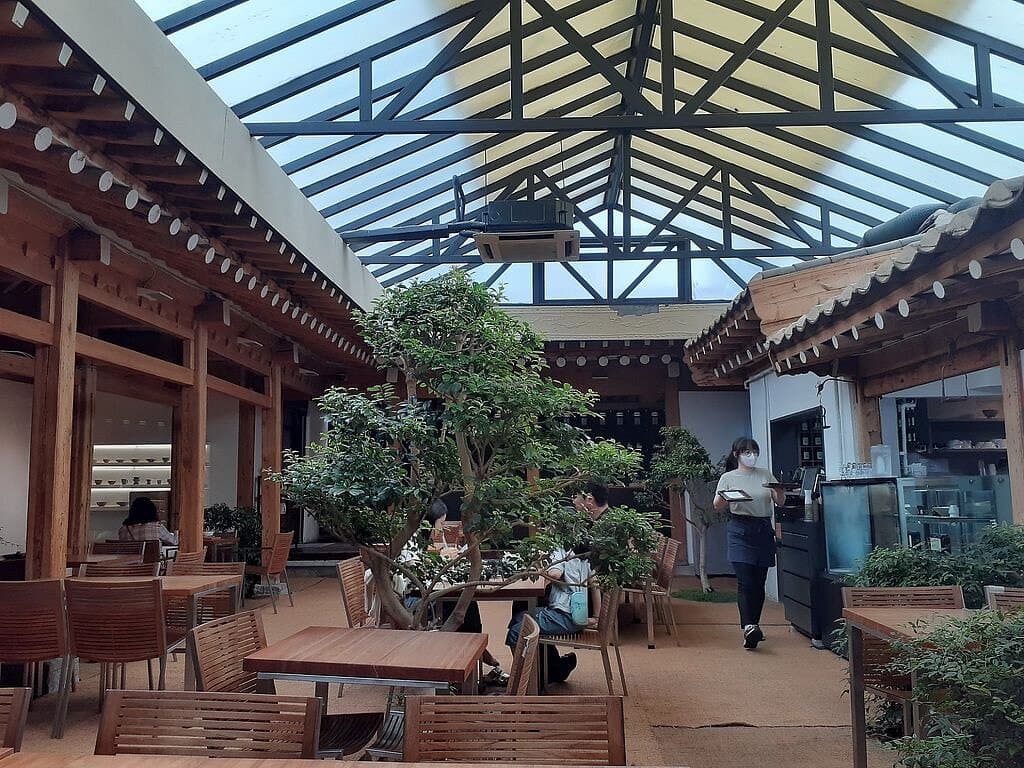
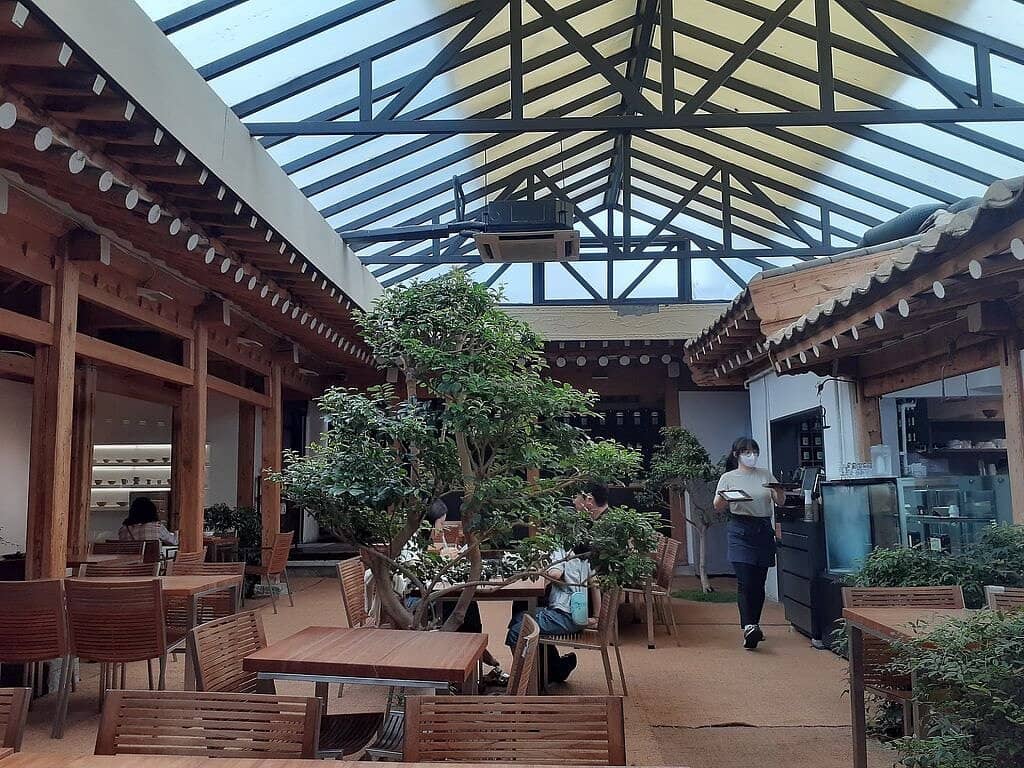
It's tucked away in Insadong! Look for the charming hanok courtyard. :housewithgarden:
🍵 Savor the Monk-Crafted Teas
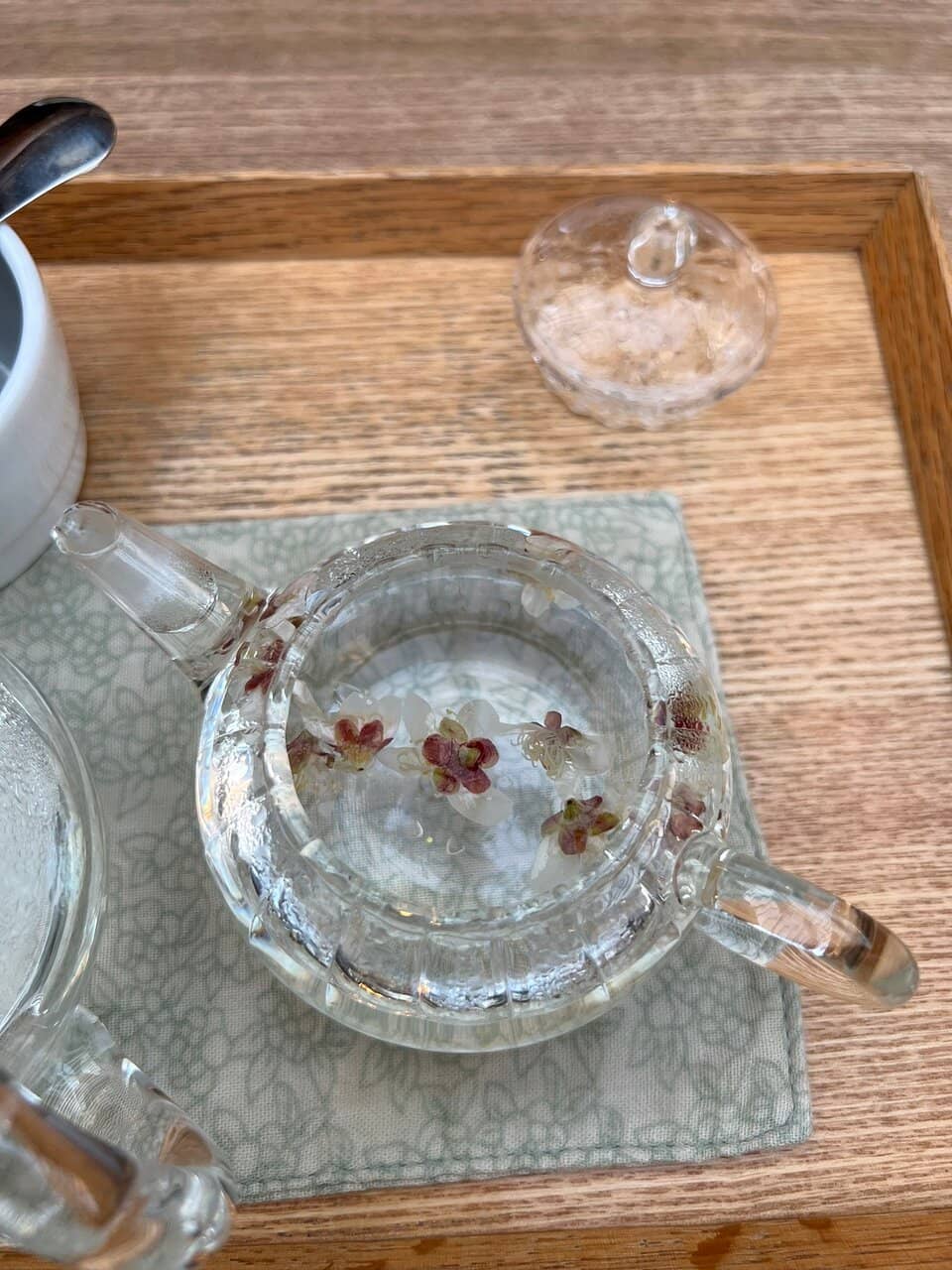
Experience unique flavors from herbs and plants, a truly special offering. :tea:
Highlights
Discover the most iconic attractions and experiences
Traditional Korean Tea Experience
Tea House Area
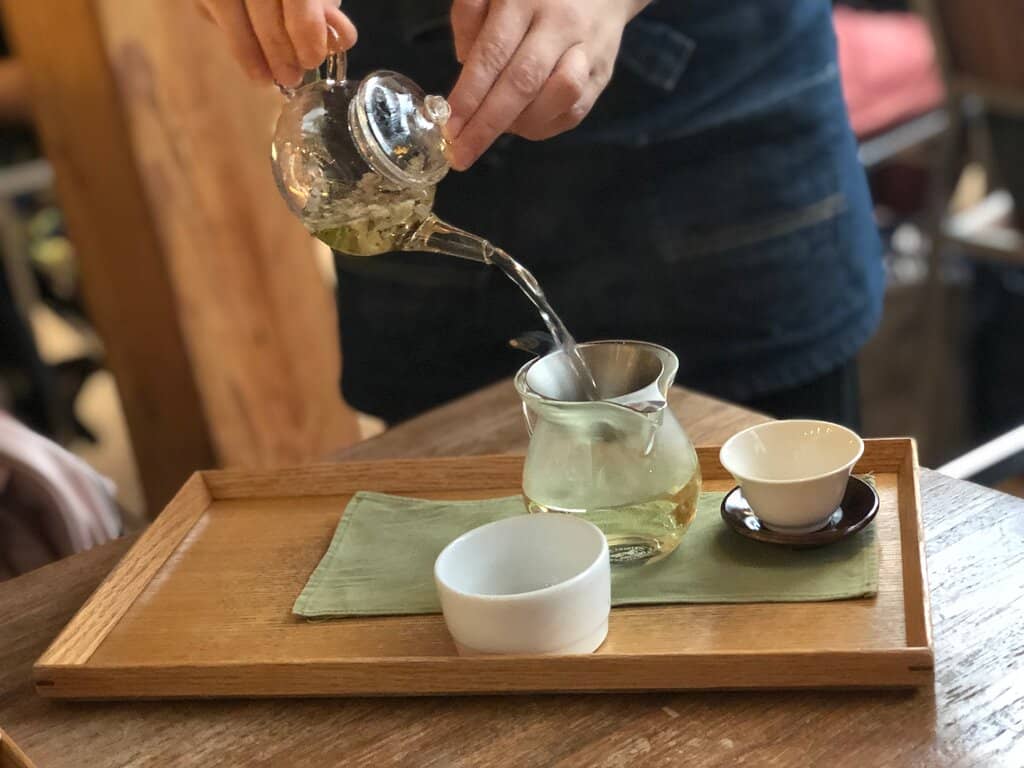
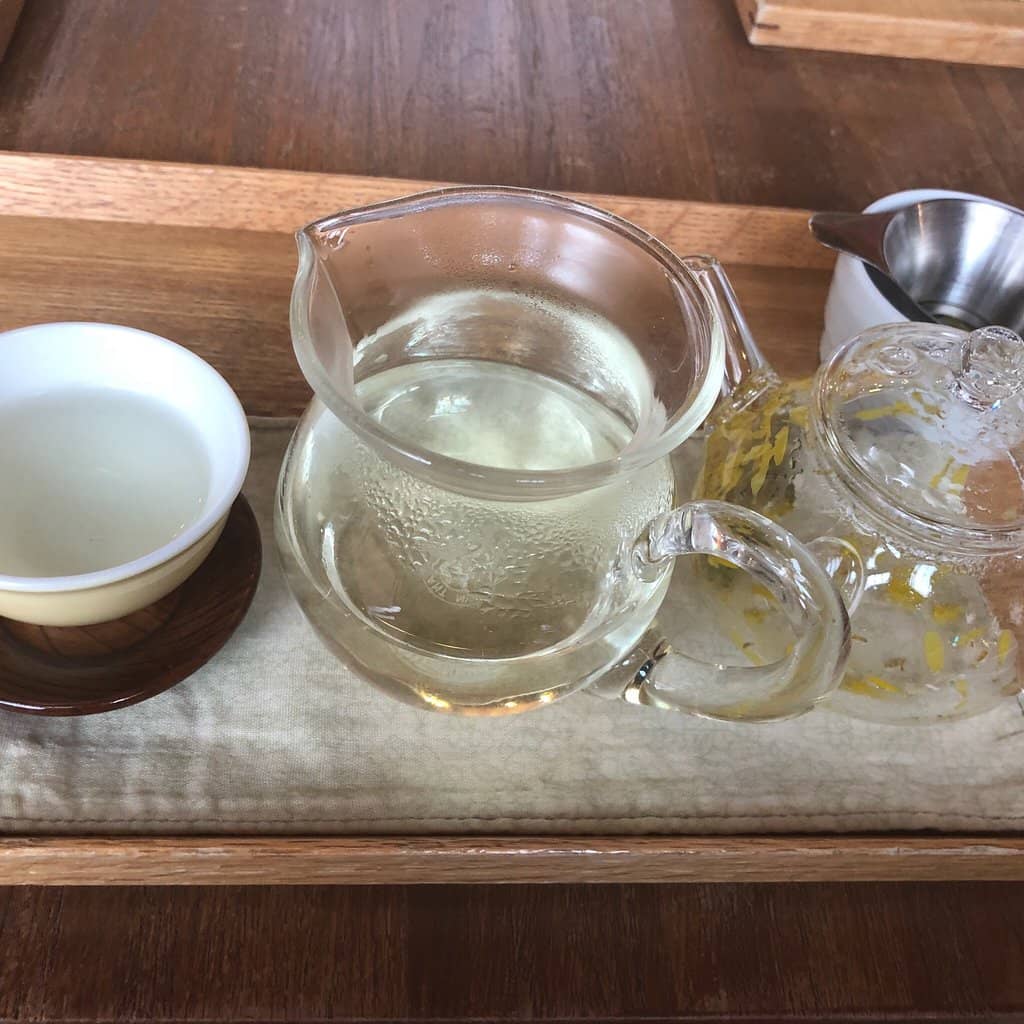
Sip handcrafted teas made by monks, a truly authentic and calming experience. 🩷
Exquisite Earthenware Collection
Display Area
Admire beautiful Korean pottery, including the iconic moon jars from the Joseon era. 🌕
Artistic Local Displays
Gallery Space
Features rotating exhibits by local artists, adding a contemporary touch to the traditional setting. 🎨
Plans like a pro.
Thinks like you
Planning Your Visit
Embrace the Serenity of Insadong
Discover Hidden Earthenware Gems
Best Times
Insider Tips
from TikTok, Instagram & Reddit
🎯 Find the Hidden Entrance
It's tucked away in Insadong! Look for the charming hanok courtyard. :housewithgarden:
🍵 Savor the Monk-Crafted Teas
Experience unique flavors from herbs and plants, a truly special offering. :tea:
🏺 Admire the Moon Jars
Don't miss the beautiful Joseon-era porcelain, a highlight for art lovers. :sparkles:
❄️ Try the Bingsu (Seasonal)
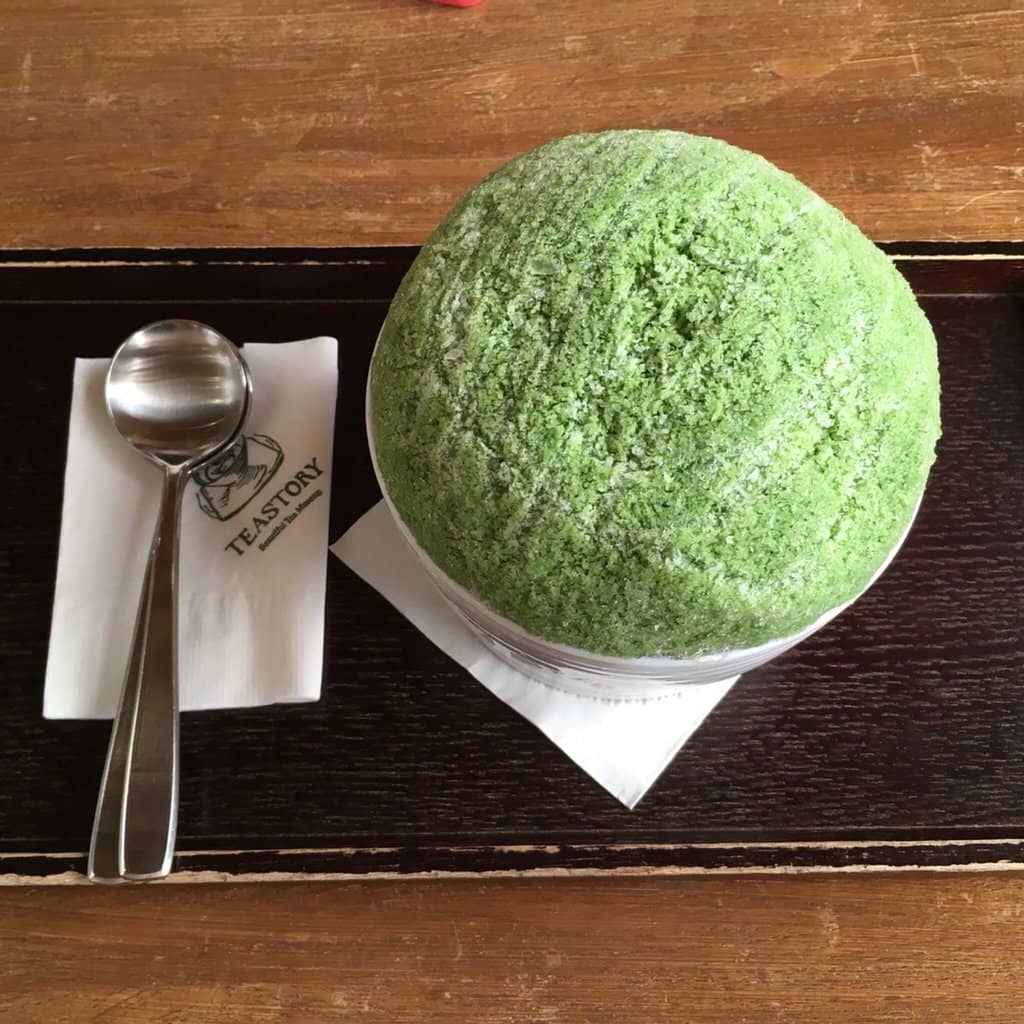
Even in cooler months, the matcha bingsu is a delightful treat! :ice_cream:
Tips
from all over the internet
🎯 Find the Hidden Entrance
It's tucked away in Insadong! Look for the charming hanok courtyard. :housewithgarden:
🍵 Savor the Monk-Crafted Teas
Experience unique flavors from herbs and plants, a truly special offering. :tea:
🏺 Admire the Moon Jars
Don't miss the beautiful Joseon-era porcelain, a highlight for art lovers. :sparkles:
❄️ Try the Bingsu (Seasonal)
Even in cooler months, the matcha bingsu is a delightful treat! :ice_cream:
What Travellers Say
Reviews Summary
Visitors rave about the serene atmosphere and authentic Korean tea experience, often highlighting the beautiful pottery displays, especially the moon jars. It's considered a peaceful escape in bustling Insadong, though some note it's more of a tea house with exhibits than a traditional museum.
"Awesome tea place to visit with family and friends, especially if you happen to be in Insa-dong.
Place is very spacious with lots of tea leaves and snacks to choose from. Atmosphere is also relaxed and cozy, and there is a display of earthenware right beside the tea-drinking spot."
B. Razote
"A good cosy place for tea lovers. A good spot to stop over and have a rest."
Jeffrey Ong
"As a long-time admirer of Korean tea culture, I was delighted to find that this traditional tea house—one of the few remaining in Insa-dong—still preserves its authentic charm (my last visit was in 2010). The selection of green teas is impressive, and what makes this place truly special is that the teas are handcrafted by monks using dried herbs and plants.
The atmosphere is serene and deeply calming, perfect for quiet reflection or simply enjoying a cup of tea without distractions. If you’re looking for an authentic Korean tea experience in a peaceful setting, I highly recommend this hidden gem."
hundreddragons
What People Like
What People Dislike
Frequently Asked Questions
🚇 🗺️ Getting There
The museum is located in the Insadong area. Take Seoul Subway Line 3 to Anguk Station (Exit 6) and walk for about 5-10 minutes. It's a bit hidden, so keep an eye out for signs pointing to traditional tea houses.
It can be a little tricky as it's nestled within the charming alleys of Insadong. Look for traditional hanok-style buildings and follow signs for tea houses.
The subway is highly recommended. Anguk Station is the closest, but Jonggak Station (Line 1) is also a walkable option. Taxis are available but can be affected by traffic.
🎫 🎫 Tickets & Entry
While it's often referred to as a museum, it functions primarily as a tea house with displays. There might be an admission fee or a minimum spend for tea. Check their latest information for specifics.
Opening hours can vary, but it's generally open during daytime hours, often until early evening. It's best to check their official website or recent visitor posts for the most current times.
Some visitors mention it's more of a tea house experience with displays, implying a potential minimum spend on tea rather than a strict entrance ticket.
While they offer a traditional tea experience, specific formal tea ceremonies might need to be inquired about in advance. The focus is on enjoying handcrafted teas.
🎫 ☕ Onsite Experience
They offer a wide variety of traditional Korean teas, including green teas, herbal teas, and teas handcrafted by monks using natural ingredients.
Many teas are handcrafted by monks, using dried herbs and plants, offering a unique and authentic taste. The atmosphere is also very serene and calming.
Yes, the museum features displays of beautiful Korean earthenware, including the famous moon jars, and often showcases local artists' work.
Absolutely! Visitors consistently describe the atmosphere as serene, calming, relaxed, and cozy, making it a perfect spot to unwind. +1
While the focus is on the experience, it's possible to inquire about purchasing some of the teas or pottery items, especially if they are part of the featured artist's collection.
🍽️ 🍽️ Food & Dining
You can enjoy traditional Korean snacks like green tea rice cakes and, seasonally, delicious bingsu (shaved ice dessert). +1
Yes, visitors have praised the bingsu, especially the matcha, nut, and azuki bean combination, even in cooler weather.
The focus is on tea and traditional snacks. Green tea rice cakes are generally vegetarian. For specific dietary needs, it's best to inquire directly.
📸 📸 Photography
Photography is generally allowed for personal use, especially to capture the beautiful tea ware and pottery. Be mindful of other visitors and avoid flash photography that might disturb the serene atmosphere.
The displays of earthenware, the tea sets, and the charming hanok courtyard offer great photo opportunities. The intricate details of the pottery are particularly photogenic.
You can capture the presentation of the tea, but the preparation itself might be behind a counter. Focus on the beautiful tea ware and the final pour.
For Different Travelers
Tailored advice for your travel style
👨👩👧 Families with Kids
Tips for families:
* Engage their curiosity: Talk about the shapes and colors of the pottery, especially the moon jars.
* Order a simple tea: Opt for milder teas or even a sweet rice cake for younger ones.
* Keep it calm: Encourage quiet observation to respect the peaceful ambiance.
🍵 Tea Enthusiasts & Culture Buffs
This is more than just a tasting; it's an immersion. The serene environment allows for thoughtful appreciation of the nuances of each tea and the craftsmanship of the pottery. It’s a chance to experience an authentic slice of Korean heritage that is increasingly rare.
📸 Photographers & Art Lovers
Art lovers will appreciate the rotating exhibits by local artists, adding a contemporary dimension to the traditional setting. The intricate details of the tea ware and the historical significance of the earthenware collection offer a rich subject for artistic appreciation and documentation.
Deep Dives
In-depth insights and expert knowledge
The Art of Korean Tea Utensils
The museum's collection often highlights the elegance and simplicity that characterize Korean design. You'll find pieces that embody the philosophy of 'son-mat', the subtle yet profound taste and texture that good craftsmanship imparts. The displays are thoughtfully arranged, allowing visitors to appreciate the form, glaze, and historical context of each piece. It’s a chance to understand how the vessel itself can enhance the tea-drinking experience, turning a simple beverage into a ritual.
Many visitors are particularly drawn to the iconic Korean moon jars, large, white porcelain vessels known for their rounded forms and subtle imperfections that lend them a unique charm. These jars, often dating back to the Joseon Dynasty, are a testament to the skill and artistic vision of Korean potters. Seeing them up close provides a deeper appreciation for the heritage and artistry preserved within this museum.
A Tranquil Tea Experience in Insadong
The tea house aspect is central to the experience. Here, you can savor a variety of traditional Korean teas, many of which are handcrafted by monks. This dedication to authentic preparation means you're tasting teas made from natural herbs and plants, offering a pure and nuanced flavor profile. The experience is enhanced by the beautiful setting, often featuring a hanok-style courtyard, creating an immersive cultural encounter.
Beyond the tea itself, the ambiance plays a crucial role. The gentle murmur of conversation, the aesthetic appeal of the tea ware, and the quiet contemplation encouraged by the space all contribute to a deeply relaxing experience. It’s a place where you can slow down, appreciate the moment, and connect with a significant aspect of Korean culture.
Social
from TikTok, Instagram & Reddit