Noryangjin Underground Sewer
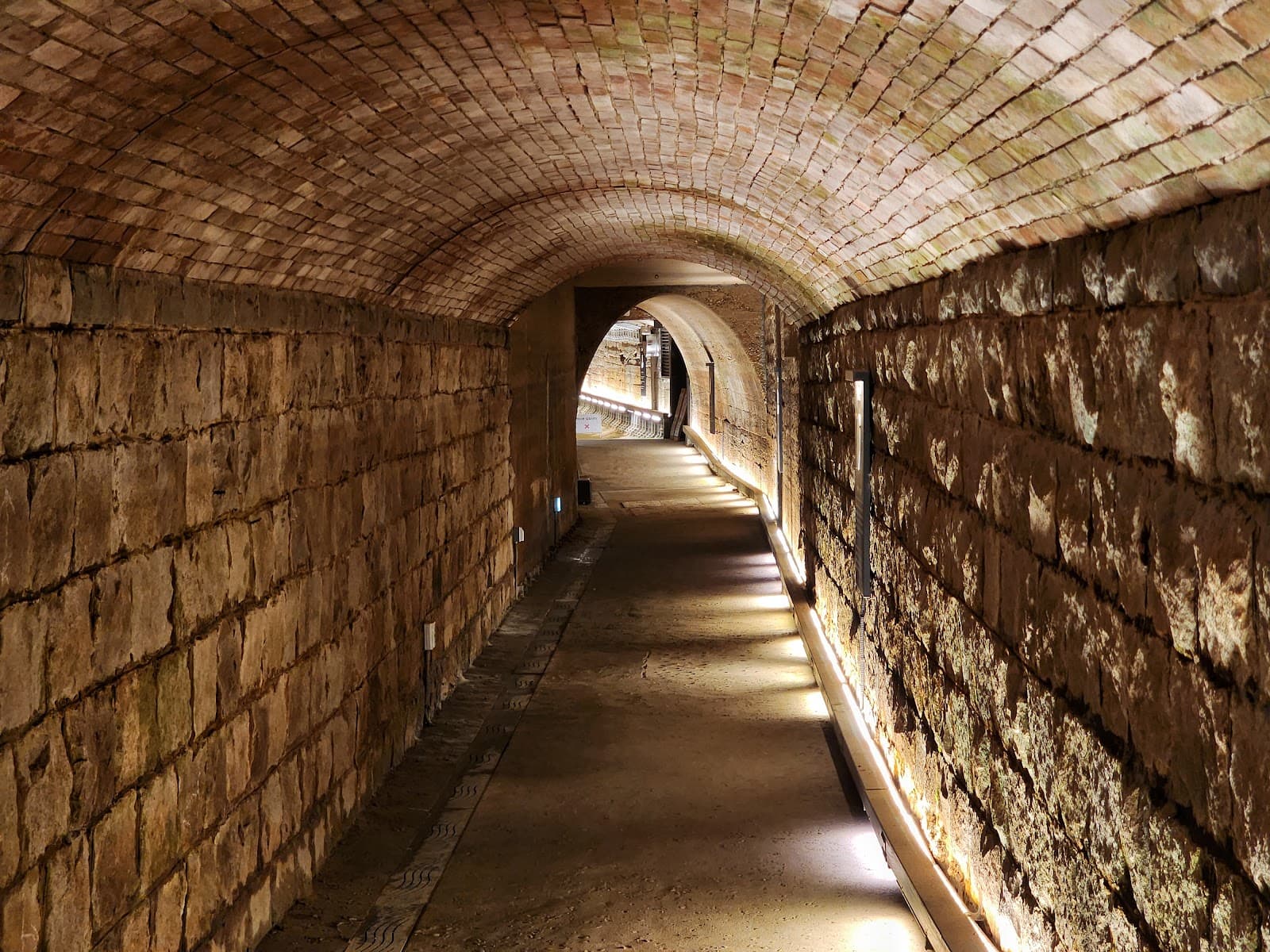
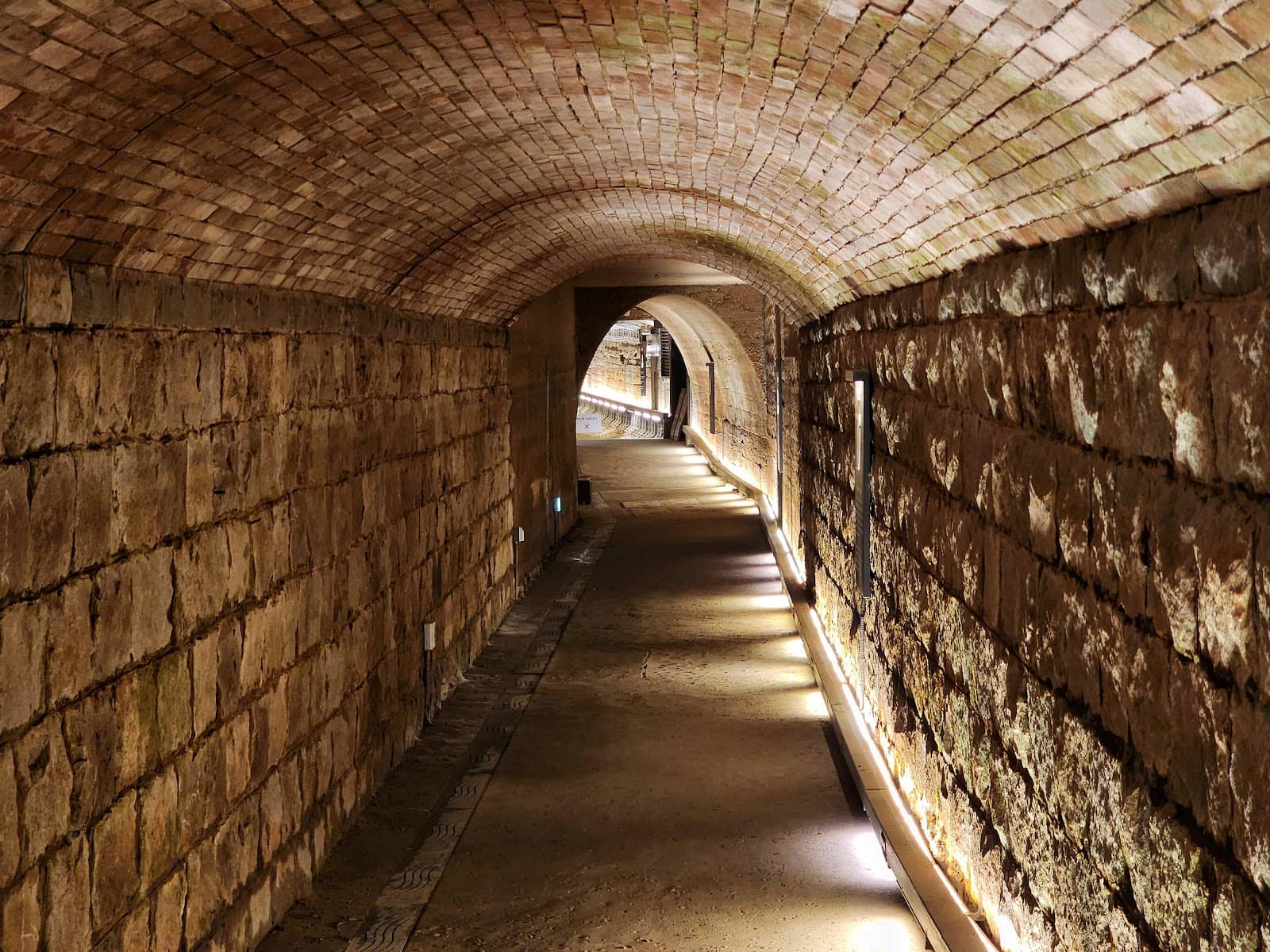
Explore Seoul's hidden history in a 92m underground sewer, showcasing civil engineering from the 1890s to the 1960s.
Highlights
Must-see attractions

Social
From TikTok & Reddit
Best Time
Fewer crowds, better exploration
Noryangjin Underground Sewer
Best Time
Fewer crowds, better exploration
Highlights
Must-see attractions
Explore Seoul's hidden history in a 92m underground sewer, showcasing civil engineering from the 1890s to the 1960s.
"A unique historical journey beneath Seoul, connecting past engineering with present-day vibrancy. "
👟 Wear Comfortable Shoes
You'll be walking underground, so sturdy, comfortable footwear is essential for exploring the different sections.
🔦 Bring a Flashlight
While some areas might be lit, a flashlight can help you see the intricate details of the older sections more clearly.
Highlights
Discover the most iconic attractions and experiences
Five Sections of History
Underground, Noryangjin-ro
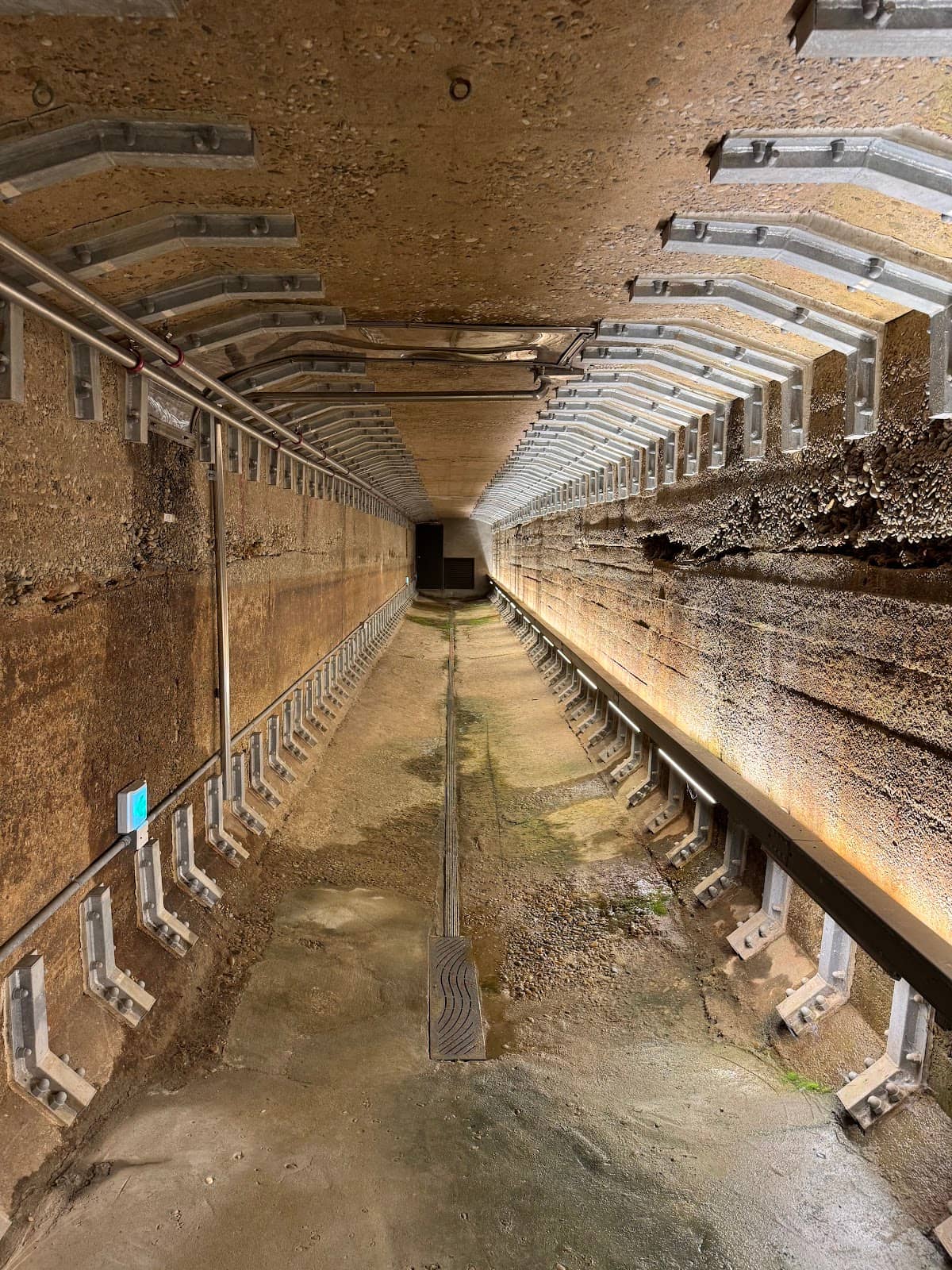
Discover five distinct sections, each showcasing different civil engineering technologies from the 1890s to the 1960s.
1890s Civil Engineering
Section 1
Witness the oldest part of the sewer, built before Korea's first railway, offering a rare look at early urban infrastructure.
Hidden Passage to Fish Market
Near Noryangjin Fish Market
Explore the unique underground passage that connects to the bustling Noryangjin Fish Market, a surprising urban discovery.
Plans like a pro.
Thinks like you
Planning Your Visit
Uncover Seoul's Hidden History
Accessing the Underground
Best Times
Insider Tips
from TikTok, Instagram & Reddit
👟 Wear Comfortable Shoes
You'll be walking underground, so sturdy, comfortable footwear is essential for exploring the different sections.
🔦 Bring a Flashlight
While some areas might be lit, a flashlight can help you see the intricate details of the older sections more clearly.
🗺️ Combine with Fish Market
Many visitors explore the sewer as a prelude to the vibrant Noryangjin Fish Market. +1
🧐 Appreciate the History
This isn't just a sewer; it's a historical record of Seoul's urban development and engineering.
Tips
from all over the internet
👟 Wear Comfortable Shoes
You'll be walking underground, so sturdy, comfortable footwear is essential for exploring the different sections.
🔦 Bring a Flashlight
While some areas might be lit, a flashlight can help you see the intricate details of the older sections more clearly.
🗺️ Combine with Fish Market
Many visitors explore the sewer as a prelude to the vibrant Noryangjin Fish Market. +1
🧐 Appreciate the History
This isn't just a sewer; it's a historical record of Seoul's urban development and engineering.
What Travellers Say
Reviews Summary
Visitors find the Noryangjin Underground Sewer a surprisingly fascinating historical site, offering a unique glimpse into Seoul's engineering past. Its connection to the bustling Noryangjin Fish Market adds a dynamic element, though some note it's a niche attraction for those interested in urban history.
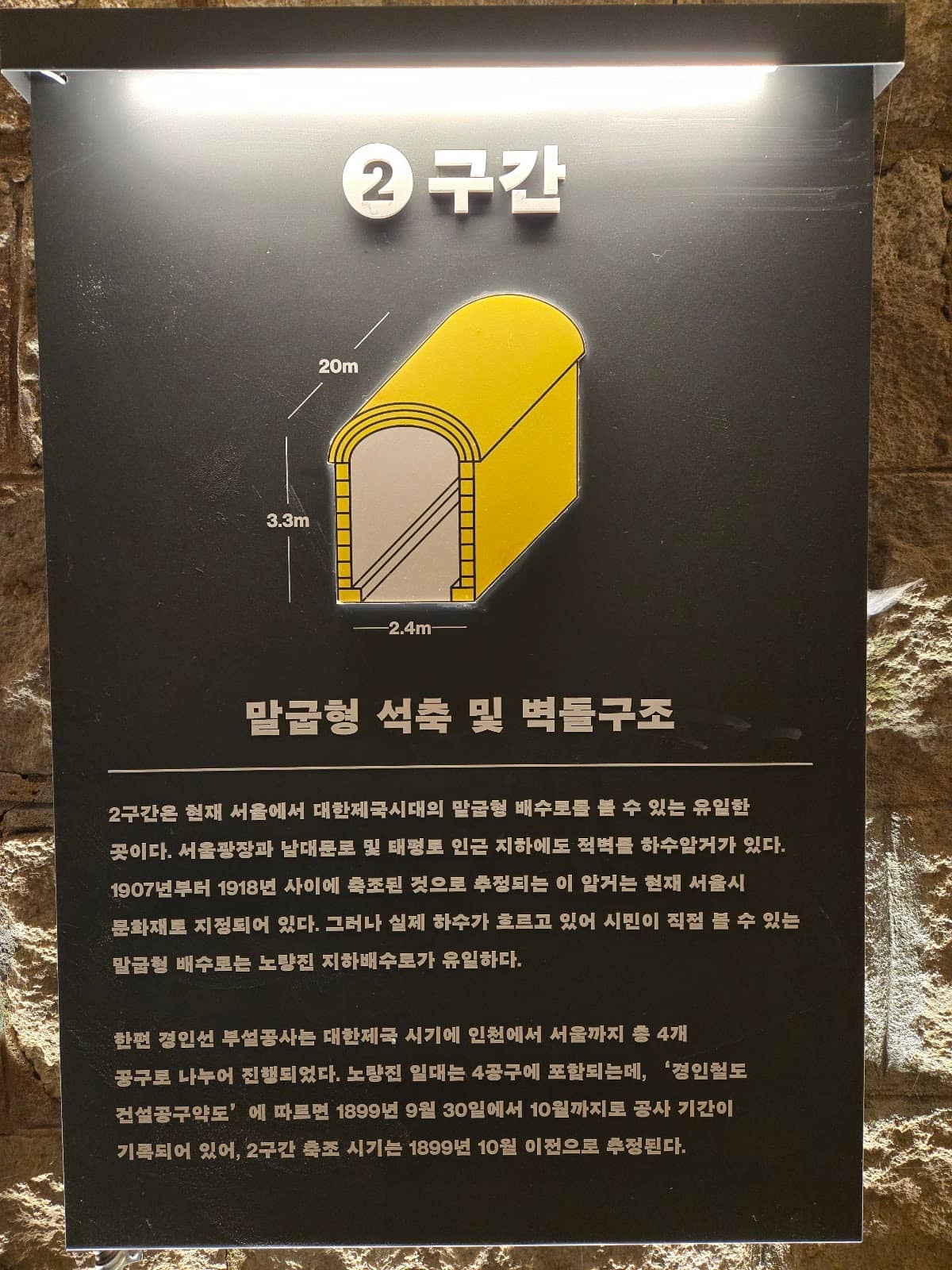
"The Noryangjin Underground Sewer is a total of 92m (0.06 miles) long and is located from under Noryangjin-ro to under the Gyeongbu Line 1 railroad site. The underground drainage channel, which is connected by a single passage, is divided into five sections. The unique feature here is that each section has a different cross-sectional structure. Each cross-sectional structure contains the technology and form of each era from the section first built in the 1890s to the section installed in the 1960s, allowing us to see the flow of the modern sewer system."
Christian Cho
"Good"
johwi Park
"Built in the 1890s, before the opening of Korea's first railway, the Gyeongin Line, it is known as one of Seoul's oldest drainage channels. This historic site offers a glimpse into civil engineering technology and urban transformations from the late Korean Empire to the Japanese colonial period and beyond."
손뻐꾸기
What People Like
What People Dislike
Frequently Asked Questions
🚇 🗺️ Getting There
The Noryangjin Underground Sewer is located near Noryangjin Station. You can take the Seoul Subway Line 1 or Line 9 to Noryangjin Station and follow signs towards the Noryangjin Fish Market. The entrance to the sewer is often described as a hidden passage.
Parking is available near the Noryangjin Fish Market, but it can be busy. It's generally recommended to use public transportation to reach the area.
Seoul Subway Line 1 and Line 9 both serve Noryangjin Station, making it easily accessible from various parts of the city.
Yes, Noryangjin Station is very close to the Noryangjin Fish Market and the underground sewer. It's a short walk from the station exit.
While not a standard tourist attraction with official tours, some local walking tours might include this unique site. It's best to check with local tour operators.
🎫 🎫 Tickets & Entry
No, typically there is no admission fee to enter the Noryangjin Underground Sewer. It's considered an accessible historical site.
As it's an underground passage, there are no official opening hours. However, it's best to visit during daylight hours for safety and visibility.
While generally safe, it's an underground passage. Visitors should be cautious, wear appropriate footwear, and consider visiting with a companion.
Access to all five sections may depend on current maintenance or safety regulations. It's advisable to check locally if specific sections are closed.
There are no official age restrictions, but it's recommended for visitors who can navigate uneven surfaces and potentially damp conditions.
🎫 🧐 Onsite Experience
It's a 92-meter long underground drainage channel divided into five sections, each showcasing different construction techniques from the late 1890s to the 1960s. It offers a unique historical perspective on Seoul's infrastructure.
Its uniqueness lies in its historical depth, with sections dating back to the late 19th century, and its connection to the development of Seoul's modern sewer system.
Yes, photography is generally allowed. However, ensure you have adequate lighting, as it can be dark in some sections.
Due to its underground nature and historical construction, it may not be fully accessible for individuals with mobility issues.
Wear comfortable, closed-toe shoes suitable for walking on potentially uneven surfaces. Layers are also recommended as underground temperatures can vary.
🍽️ 🍽️ Food & Dining
Absolutely! The Noryangjin Fish Market is right next door, offering an incredible array of fresh seafood and local eateries. +2
You can find a vast selection of fresh seafood, from raw fish (hoe) to grilled fish and various Korean stews and side dishes.
Yes, that's a popular experience at Noryangjin Fish Market. You can purchase your seafood and take it to a nearby restaurant to have it prepared for you.
While seafood is the main draw, the surrounding Noryangjin area has various restaurants offering other Korean dishes and international cuisine.
Prices can vary, but it's generally considered a good value for fresh seafood, especially if you're dining with a group.
📸 📸 Photography
Focus on the unique cross-sectional structures of each section and the historical brickwork. The contrast between the old and new engineering is visually striking.
Use a wider aperture to let in more light and a higher ISO if needed. A tripod can be helpful for sharper images in low light conditions.
Generally, no. However, be mindful of other visitors and avoid using flash if it might disturb them.
Drone usage is highly unlikely to be permitted inside an underground structure due to safety and space constraints.
The varying architectural styles of each section, the textures of the old brick and concrete, and the sense of hidden history make it a unique subject.
For Different Travelers
Tailored advice for your travel style
👨👩👧 Families with Kids
Tips for Families:
* Wear sturdy shoes: Kids will be walking, so comfort is key.
* Bring a flashlight: It can add to the adventure and help them see details.
* Combine with the Fish Market: The excitement of the market can be a great reward after exploring the sewer.
🚶♀️ Solo Adventurers & Urban Explorers
Tips for Solo Explorers:
* Go during off-peak hours: Enjoy the solitude and better photo opportunities.
* Be aware of your surroundings: As with any underground exploration, stay alert.
* Document your findings: The unique architecture and historical context make for compelling photos and stories.
foodie travelers
Foodie Experience:
* Explore the market: Witness the incredible variety of fresh seafood.
* Dine on-site: Purchase your catch and have it prepared at a local restaurant.
* Taste authentic Korean flavors: Beyond seafood, discover other local delicacies.
Deep Dives
In-depth insights and expert knowledge
A Journey Through Seoul's Infrastructure History
As you explore, you'll notice the evolution in construction techniques from the initial brickwork to more modern concrete structures installed up to the 1960s. This progression reflects the city's growth and its adaptation to changing urban needs. The sewer's rediscovery during flood relief projects in the early 2000s brought this hidden history to light, transforming it from a functional utility into a site of historical interest.
Many visitors find the sewer fascinating because it offers a unique perspective on the unseen layers of a bustling metropolis. It's a reminder of the continuous effort and innovation that goes into building and maintaining a city. The fact that it's connected to the vibrant Noryangjin Fish Market adds another layer of intrigue, blending the historical with the everyday.
Connecting the Past to the Present: The Noryangjin Fish Market Link
The underground passage itself is often described as a 'hidden passage' leading to or from the market, adding an element of discovery. This connection highlights how urban infrastructure, both old and new, intertwines to shape the city's landscape. It's a perfect example of how historical sites can be integrated into modern urban life, offering a richer understanding of Seoul's past and present.
Visiting the sewer before or after a seafood feast at the market provides a well-rounded experience. It allows you to appreciate the historical engineering that underpins the city while also indulging in its vibrant contemporary culture and cuisine. This combination is frequently highlighted by visitors as a memorable aspect of their trip.
Social
from TikTok, Instagram & Reddit