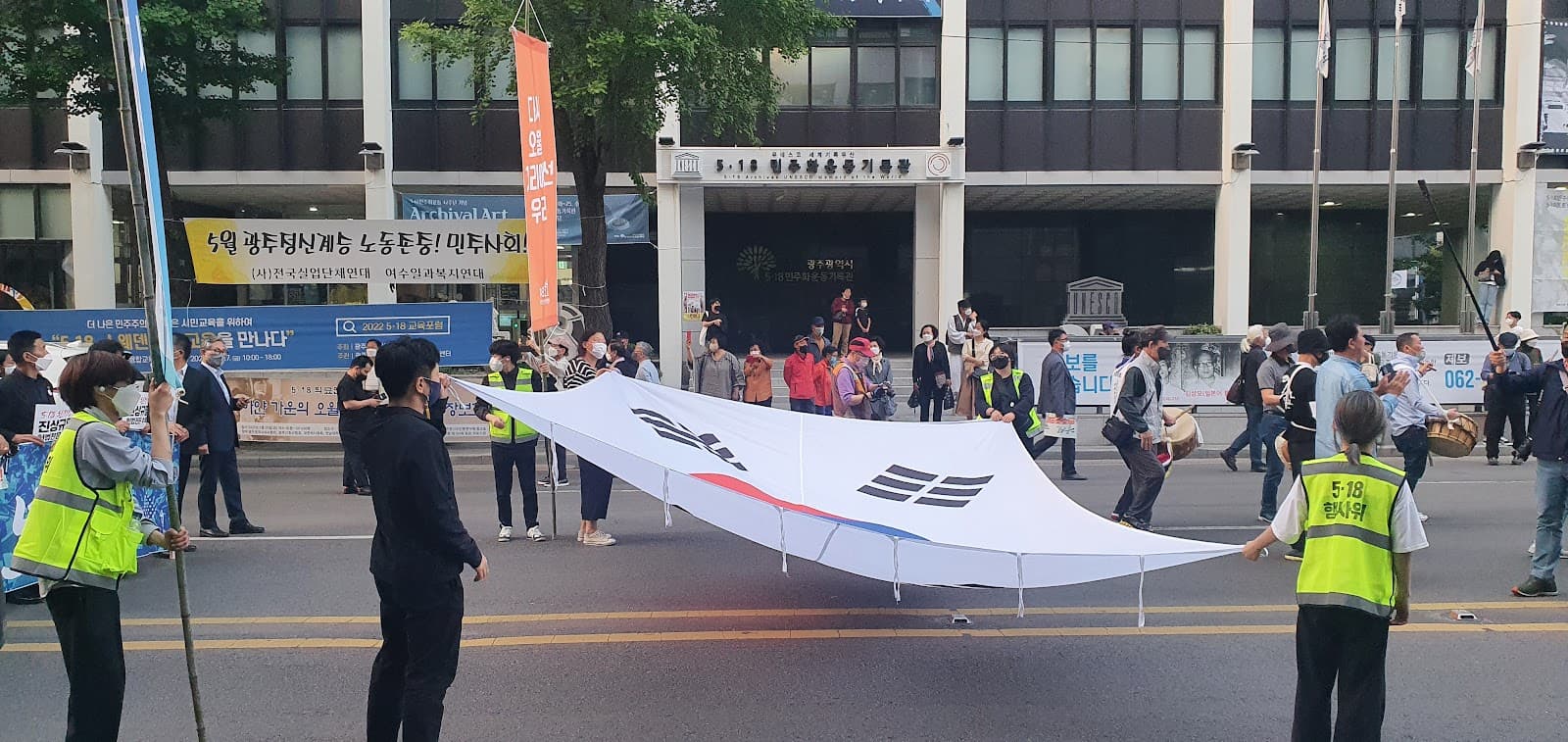
May 18 Archives Gwangju
Commemorating the courageous Gwangju Uprising, a pivotal moment in South Korea's fight for democracy and human rights.
Highlights
Must-see attractions

Social
From TikTok & Reddit
Best Time
Commemorative events
May 18 Archives Gwangju
Best Time
Commemorative events
Highlights
Must-see attractions
Commemorating the courageous Gwangju Uprising, a pivotal moment in South Korea's fight for democracy and human rights.
"It was a meaningful time to learn more about the May 18th Democratization Movement, something I'd only seen in movies."

Allocate ample time
The exhibits are deeply moving; give yourself enough time to absorb the history.
Prepare for emotional impact
This is a place of remembrance for a tragic event. Be ready for a profound emotional experience.

Highlights
Discover the most iconic attractions and experiences
May 18 Democratization Movement Exhibits
Main Exhibition Halls
Immerse yourself in the powerful narrative of the Gwangju Uprising through compelling exhibits and artifacts.
UNESCO Memory of the World
Special Exhibition Area
Explore the international recognition of the Gwangju Uprising's historical significance and its global impact.

Bu-Ma Struggle Exhibition
Special Exhibition Area
Gain a broader understanding of South Korea's democratic journey by examining related historical movements.
Plans like a pro.
Thinks like you
Planning Your Visit
Understand the Significance
Timing is Key for Reflection
Best Times
Insider Tips
from TikTok, Instagram & Reddit
Allocate ample time
The exhibits are deeply moving; give yourself enough time to absorb the history.
Prepare for emotional impact
This is a place of remembrance for a tragic event. Be ready for a profound emotional experience.
Consider a guided tour
Guides offer excellent explanations that enrich the learning experience.
Check for special events
Commemorative events, especially around May 18th, add depth to your visit.
Tips
from all over the internet
Allocate ample time
The exhibits are deeply moving; give yourself enough time to absorb the history.
Prepare for emotional impact
This is a place of remembrance for a tragic event. Be ready for a profound emotional experience.
Consider a guided tour
Guides offer excellent explanations that enrich the learning experience.
Check for special events
Commemorative events, especially around May 18th, add depth to your visit.
Wear comfortable shoes
You'll be doing a lot of walking and standing to explore the exhibits. :athletic_shoe:
What Travellers Say
Reviews Summary
Visitors find the May 18 Archives a deeply meaningful and educational experience, offering profound insights into the Gwangju Uprising and South Korea's fight for democracy. The excellent explanations and chronological order are highly praised, though some note the potential for crowds and limited parking. The emotional impact of the historical tragedy is a recurring theme.
"It was a meaningful time to learn more about the May 18th Democratization Movement, something I'd only seen in movies, and the guide's explanations were excellent.
I was heartbroken by this historical tragedy that should never happen again.
The ongoing exhibition related to the Bu-Ma Struggle was a valuable opportunity to better understand the flow of history. I also enjoyed the section showcasing tragic histories from around the world. And, seeing Tuo Sleng in Cambodia, where I'd previously visited, brought back memories of those past struggles!"
Zen Chanrakkhun
"The chronological order was perfect for a pleasant viewing experience. I wanted to experience the painful history of that day on Gwangju's Geumnam-ro with my whole body, but I didn't have time to, as the buildings were overflowing with cars and people, and the place was too crowded. The parking lot at the archives was too small. I was told to park in the Geumnam parking lot behind the building, but the owner there was incredibly rude. The archives themselves are clean, and the staff are friendly and well-maintained."
ᄂᄈ
"5, 18 eve event"
정인호
What People Like
What People Dislike
Frequently Asked Questions
🚇 🗺️ Getting There
The May 18 Archives are accessible via public transportation in Gwangju. You can take local buses to reach the vicinity. Many visitors recommend using navigation apps for real-time bus information.
Parking at the archives can be limited, especially during peak times. Some visitors have noted the parking lot is small and suggest alternative parking options nearby, though one reviewer mentioned a negative experience with a rude attendant at a nearby lot.
While buses are available, consider using ride-sharing apps or taxis for convenience, especially if you plan to visit multiple sites related to the May 18th movement like 5.18 Memorial Park and Jeonil Building 245.
🎫 🎫 Tickets & Entry
Admission to the May 18 Archives is generally free, making it an accessible site for everyone to learn about this important history.
Opening hours can vary, so it's advisable to check the official website or local listings before your visit. Many visitors find weekday mornings to be less crowded.
As admission is typically free, advance booking is usually not required. However, for special events or exhibitions, it's best to check for any specific ticketing procedures.
Yes, the archives often host special exhibitions and commemorative events, particularly around May 18th. These events offer deeper insights into the Gwangju Uprising and related historical struggles.
🎫 🧭 Onsite Experience
You can expect to see exhibits detailing the May 18th Democratization Movement, including historical documents, photographs, and personal accounts. There are also sections on related struggles like the Bu-Ma Struggle and global human rights histories.
The archives cover a sensitive historical event. While educational, parents should consider the maturity level of their children when visiting. The content is serious and deals with themes of conflict and sacrifice.
To fully appreciate the exhibits and reflect on the history, plan for at least 2-3 hours. Some visitors wish they had more time due to the depth of the content and potential crowds.
The archives often incorporate various media to tell the story, which can include multimedia presentations and displays that offer an engaging way to learn about the Gwangju Uprising.
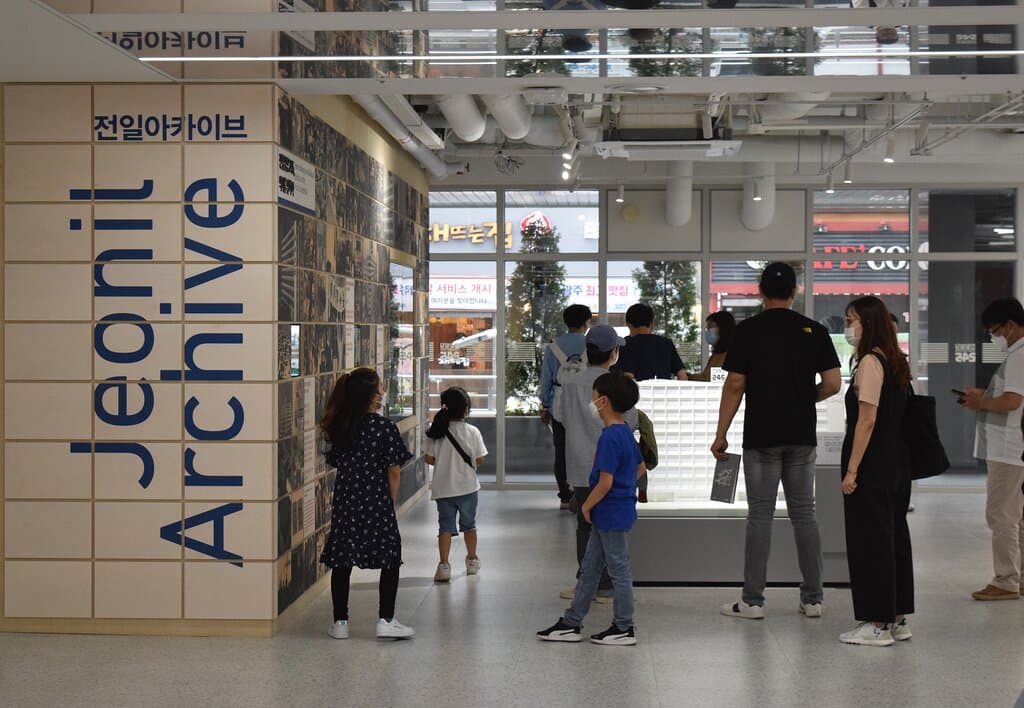
Jeonil Building 245 is another significant site related to the Gwangju Uprising, often visited in conjunction with the archives. It offers a tangible connection to the events of May 1980. +1
📸 📸 Photography
Photography policies can vary within different sections of the archives. It's best to look for signage or ask staff regarding restrictions, especially in areas with sensitive exhibits.
While respecting any restrictions, the exterior architecture and any designated photo areas can be good for capturing the atmosphere. The surrounding parks like 5.18 Memorial Park also offer scenic opportunities.
The archives themselves are the primary focus for understanding the uprising. For visual storytelling, consider capturing the solemnity of the memorial sites and the historical context of Gwangju.
For Different Travelers
Tailored advice for your travel style
👨👩👧 Families with Kids
Consider focusing on the broader themes of courage, the fight for rights, and the importance of remembering history. Visiting nearby sites like 5.18 Memorial Park might offer a more accessible introduction to the historical context for younger visitors, with open spaces and monuments that can be less overwhelming than detailed archival exhibits.
📚 History Enthusiasts & Students
Beyond the archives, exploring related sites like Jeonil Building 245 and engaging with resources like the book 'Human Acts' by Han Kang (mentioned in TikToks) can provide further depth and context.
Deep Dives
In-depth insights and expert knowledge
The Gwangju Uprising: A Fight for Democracy
Despite the violent crackdown, the Gwangju Uprising became a powerful symbol of resistance against authoritarianism and a crucial catalyst for South Korea's eventual transition to democracy. The courage and sacrifice of the people of Gwangju are remembered as a testament to the enduring fight for freedom and human rights.
The May 18 Archives serve as a central repository for the history of this movement, preserving its memory and educating future generations about its importance. The archives aim to ensure that such tragedies are never repeated and that the lessons learned from Gwangju continue to inspire democratic values globally.
Visiting the May 18 Archives and Related Sites
Beyond the archives, several other sites in Gwangju are deeply connected to the May 18th movement. 5.18 Memorial Park and 5.18 Liberty Park offer spaces for reflection and remembrance, often featuring monuments and educational displays. Jeonil Building 245 is another significant location, providing a tangible link to the historical events and the spirit of the democratization struggle.
Many visitors recommend combining a visit to the archives with these other sites to gain a comprehensive and emotionally resonant experience of Gwangju's democratic heritage. This allows for a deeper appreciation of the sacrifices made and the ongoing legacy of the Gwangju Uprising.


Social
from TikTok, Instagram & Reddit