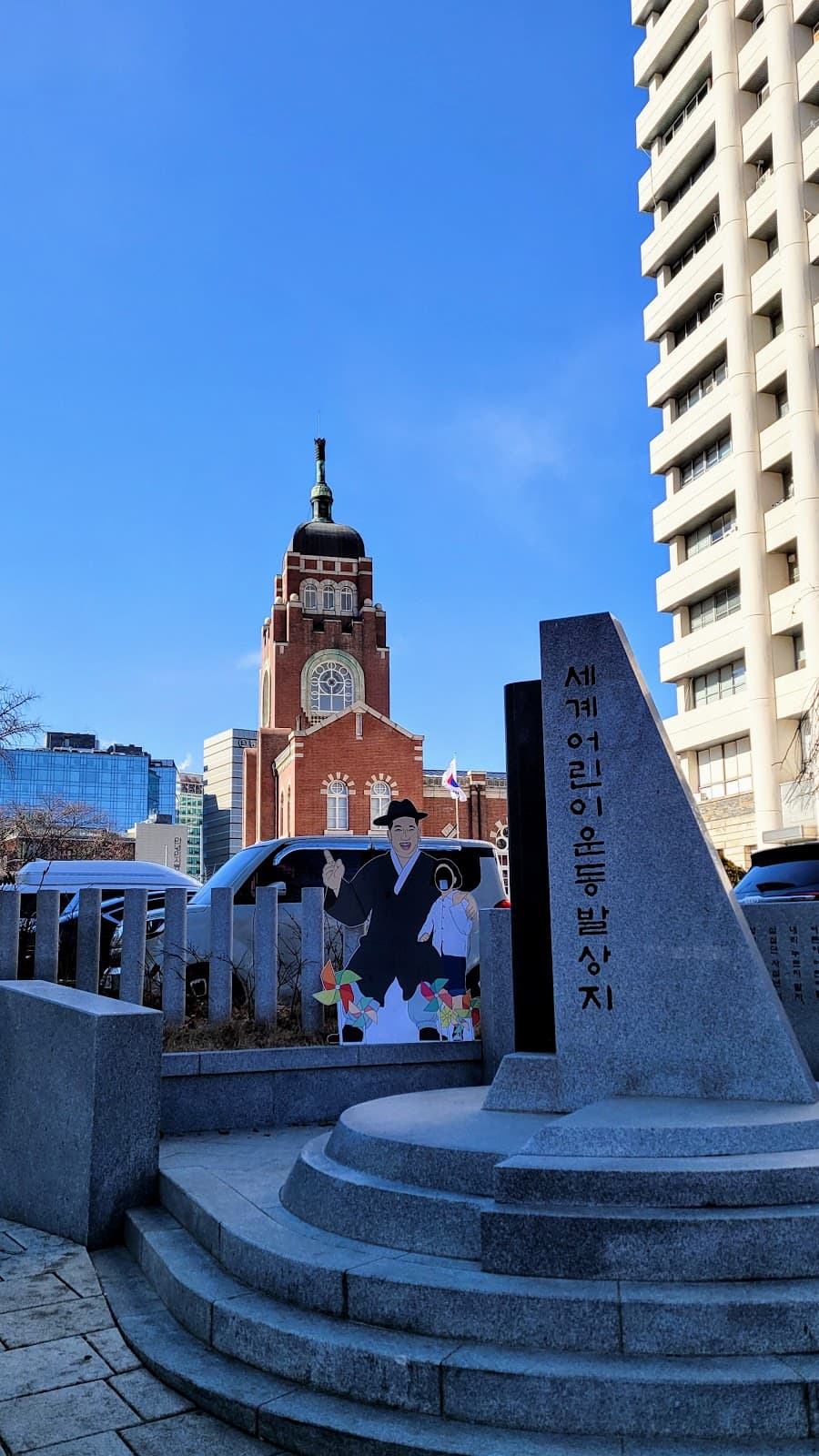
Jongno Seoul
Seoul's historic heart, blending ancient palaces, traditional villages, and a buzzing nightlife.
Highlights
Must-see attractions

Social
From TikTok & Reddit
Best Time
Experience vibrant pocha culture
Jongno Seoul
Best Time
Experience vibrant pocha culture
Highlights
Must-see attractions
Seoul's historic heart, blending ancient palaces, traditional villages, and a buzzing nightlife.
"Jongno 3-ga pocha street: where the neon lights glow, and sizzling street food steals the night."
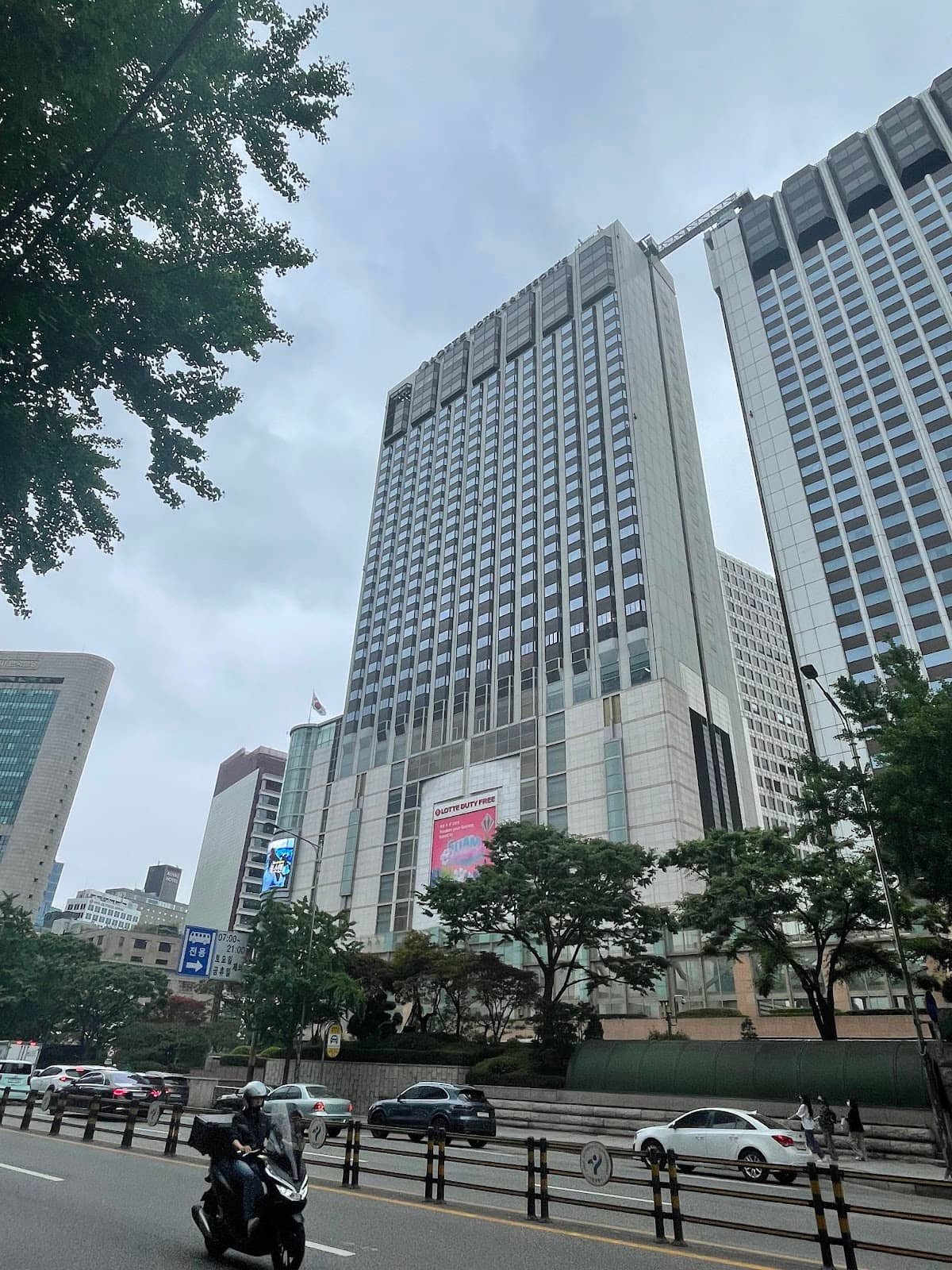
🚶♀️ Explore Hanok Villages
Wander through Bukchon Hanok Village for stunning traditional architecture and photo ops.
🍜 Savor Pocha Delights
Jongno 3-ga's pocha alley is a must for authentic street food and K-drama vibes.
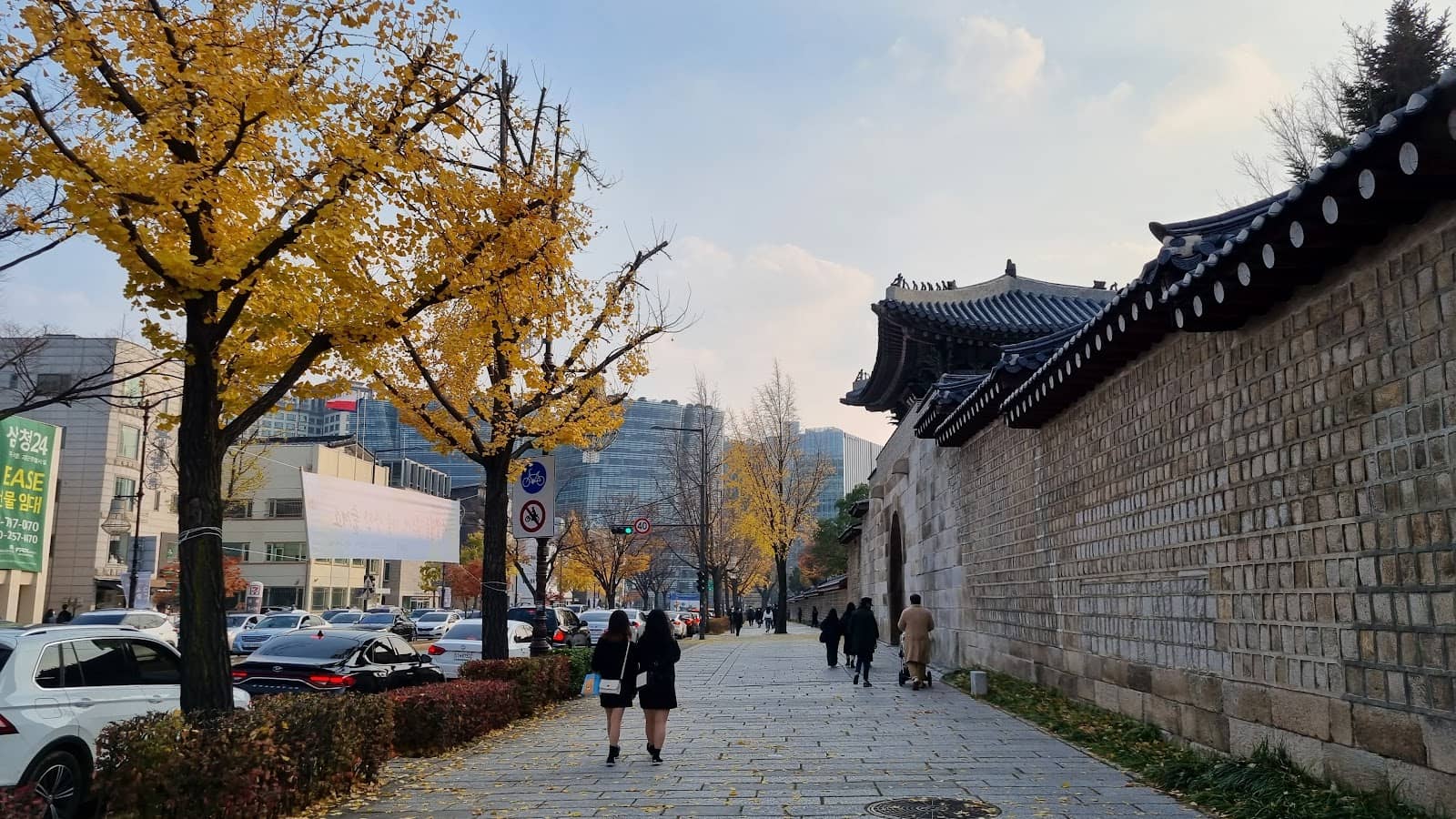
Highlights
Discover the most iconic attractions and experiences
Gyeongbokgung Palace
161 Sajik-ro, Jongno-gu
The grandest of Seoul's five royal palaces, offering a glimpse into Joseon Dynasty splendor.
Bukchon Hanok Village
37 Gayasan-ro, Jongno-gu
Wander through charming traditional Korean houses (hanok) with picturesque alleyways.
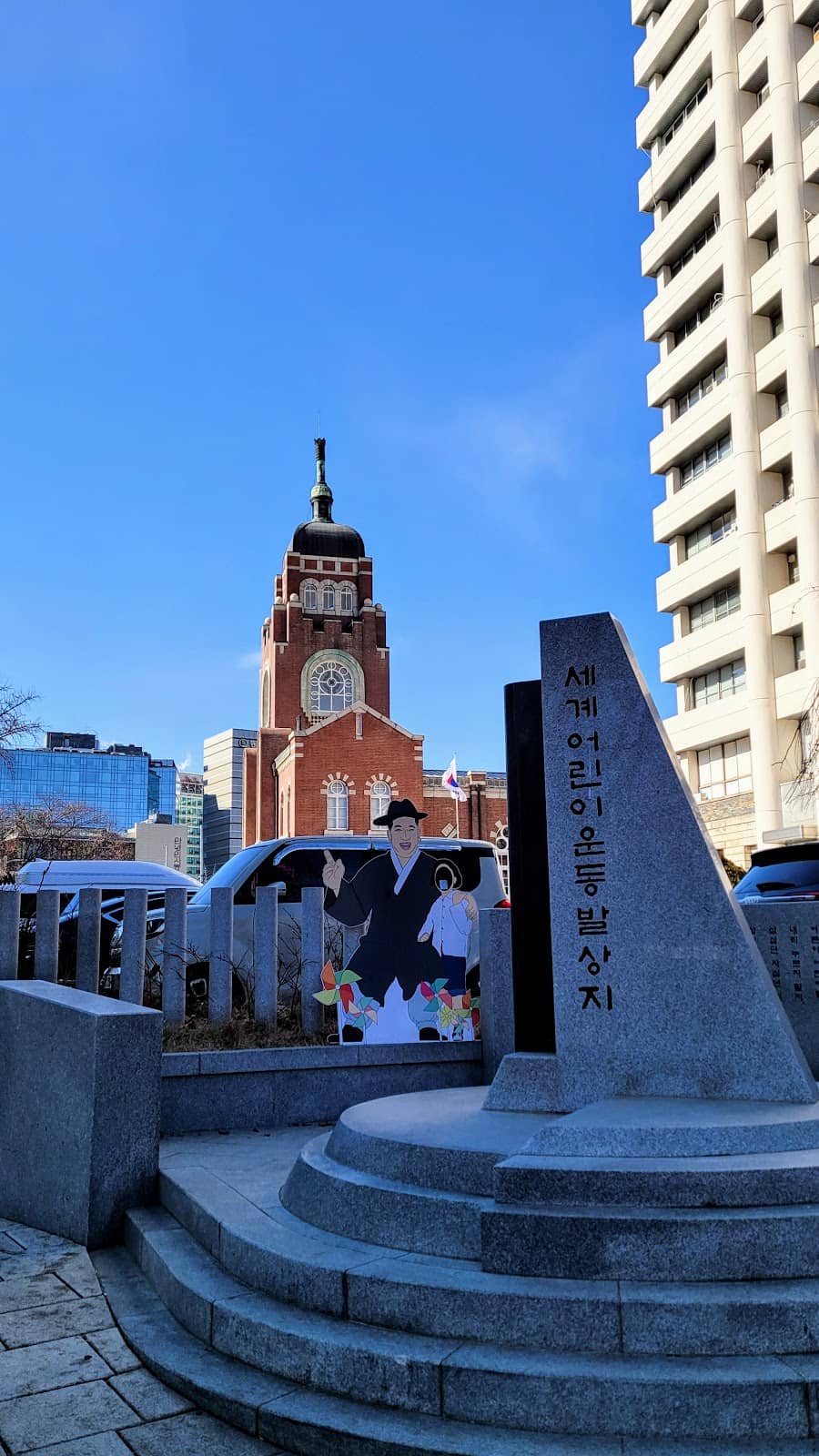
Jongno 3-ga Pocha Alley
Jongno 3-ga Station area
Experience Seoul's vibrant nightlife with countless street food stalls and local pubs.
Insadong Cultural Street
Insadong-gil, Jongno-gu
A bustling street filled with traditional crafts, tea houses, art galleries, and street performances.
Plans like a pro.
Thinks like you
Planning Your Visit
Embrace the Traditional Heartbeat
Nightlife & Culinary Adventures
Best Times
Insider Tips
from TikTok, Instagram & Reddit
🚶♀️ Explore Hanok Villages
Wander through Bukchon Hanok Village for stunning traditional architecture and photo ops.
🍜 Savor Pocha Delights
Jongno 3-ga's pocha alley is a must for authentic street food and K-drama vibes. +1
☕️ Relax at Hanok Cafes
Enjoy unique coffee experiences in traditional hanok-style cafes like Cafe Onion. +1
🛍️ Shop in Insadong
Find traditional crafts, souvenirs, and unique Korean goods along Insadong's pedestrian streets.
Tips
from all over the internet
🚶♀️ Explore Hanok Villages
Wander through Bukchon Hanok Village for stunning traditional architecture and photo ops.
🍜 Savor Pocha Delights
Jongno 3-ga's pocha alley is a must for authentic street food and K-drama vibes. +1
☕️ Relax at Hanok Cafes
Enjoy unique coffee experiences in traditional hanok-style cafes like Cafe Onion. +1
🛍️ Shop in Insadong
Find traditional crafts, souvenirs, and unique Korean goods along Insadong's pedestrian streets.
🚇 Use Public Transport
Jongno is well-connected by subway, making it easy to navigate between attractions.
What Travellers Say
Reviews Summary
Jongno is celebrated for its rich historical sites and vibrant cultural experiences, particularly its traditional hanok villages and grand palaces. Visitors rave about the lively atmosphere of Jongno 3-ga's pocha alley, offering authentic street food and a glimpse into local nightlife. Some find the area can be crowded, especially during peak tourist seasons.
What People Like
What People Dislike
Frequently Asked Questions
🚇 🗺️ Getting There
You can easily reach Jongno from Myeongdong by taking the subway. Line 4 from Myeongdong Station will take you to Chungmuro Station, where you can transfer to Line 3 towards Gyeongbokgung or Anguk Station, both within Jongno. The journey is typically around 15-20 minutes. +1
Jongno 3-ga Station is a major hub and a great starting point for exploring many attractions, including the pocha alley. Other useful stations include Anguk Station for Bukchon Hanok Village and Gyeongbokgung Palace, and Jongno 5-ga Station for market areas. +1
Yes, taxis are readily available in Jongno. However, during peak hours or for popular areas like the pocha alley, traffic can be heavy, making the subway a more reliable option for timely arrival.
Many attractions in Jongno are within walking distance of each other, especially if you're interested in palaces and traditional villages. For example, Gyeongbokgung Palace, Bukchon Hanok Village, and Insadong are relatively close. +1
Jongno 3-ga Pocha Alley is best accessed via Jongno 3-ga Station (Lines 1, 3, and 5). Exit 4 is frequently mentioned for direct access to the lively street food scene.
🎫 🎫 Tickets & Entry
Yes, an admission fee is required for Gyeongbokgung Palace. However, if you wear a Hanbok (traditional Korean clothing), you can often enter for free. Check the official palace website for the most current pricing and policies.
Bukchon Hanok Village itself is a residential area and does not have an entrance fee. However, some of the traditional houses may offer tours or experiences that require a fee. Please be respectful of residents.
Food prices at Jongno 3-ga Pocha Alley are generally affordable, with dishes ranging from ₩10,000 to ₩20,000. Soju and other drinks are also reasonably priced. +1
Yes, exploring Bukchon Hanok Village, walking through Insadong's streets, and experiencing the atmosphere of Jongno 3-ga Pocha Alley (without purchasing food) are free activities. +1
Palace hours vary seasonally and are typically closed on Mondays. Hanok villages are accessible anytime, but shops and cafes have their own hours. Pocha Alley comes alive at night. Insadong shops generally open around 10 AM and close by 9 PM.
🍽️ 🍽️ Food & Dining
Jongno is famous for its street food in pocha alleys, including tteokbokki, grilled squid, and various skewers. You can also find traditional Korean soups like dwaejigukbap (pork soup) and delicious ramen. +2
While not as common, some restaurants in Jongno offer halal options. TikTok creators have highlighted halal ramen spots, so it's worth searching for specific recommendations.
Absolutely! Jongno boasts charming hanok cafes, like Cafe Onion, offering a unique blend of traditional ambiance and modern coffee culture. There are also many cafes along smaller alleys. +1
A 'pocha' (pojangmacha) is a casual Korean street food tent or pub, often found in alleys. They are popular for late-night dining, drinks, and a lively, local atmosphere, famously depicted in K-dramas. +2
For a Michelin-recommended experience, Niroumianguan is a highly-rated option. For traditional Korean comfort food, Eom Yong-baek Dwaejigukbap is a popular choice for its pork soup. +1
📸 📸 Photography
Bukchon Hanok Village offers picturesque traditional alleyways. Gyeongbokgung Palace provides grand architectural shots. The neon-lit Jongno 3-ga Pocha Alley is fantastic for vibrant night photography. +2
Early morning or late afternoon offers softer light and fewer crowds, making for more serene and photogenic shots of Gyeongbokgung Palace. Consider wearing a Hanbok for enhanced photos.
Generally, photography is allowed in public areas. However, be mindful of private residences in Bukchon Hanok Village and respect any posted signs. Professional photography shoots might require permits.
A versatile lens (like a 24-70mm) is great for palaces and street scenes. For the pocha alley at night, a lens with good low-light performance (wide aperture) and a tripod can be very helpful. +1
While you can photograph the general atmosphere of the pocha alley, it's polite to ask permission before taking close-up photos of vendors or other patrons. +1
For Different Travelers
Tailored advice for your travel style
👨👩👧 Families with Kids
Bukchon Hanok Village can be a charming walk, but keep in mind it's a residential area, so encourage quiet exploration. For a more interactive experience, look for craft workshops or traditional performances often found in areas like Insadong. While Jongno 3-ga Pocha Alley is lively, it might be more suited for older teens due to the late hours and drinking culture.
🍜 Foodie Explorers
Beyond the pochas, explore traditional Korean restaurants for hearty dishes like dwaejigukbap (pork soup) at places like Eom Yong-baek.
📸 Photography Enthusiasts
For a completely different vibe, the Jongno 3-ga Pocha Alley at night is a spectacle of neon lights and bustling activity, perfect for capturing the vibrant energy of Seoul after dark.
Deep Dives
In-depth insights and expert knowledge
The Historic Heart of Seoul: Palaces and Villages
Beyond the palaces, Bukchon Hanok Village provides a living museum of traditional Korean houses. Wandering through its narrow, winding alleys, you'll encounter beautifully preserved hanok with their distinctive tiled roofs and wooden structures. It's a popular spot for photography and experiencing a bygone era. Remember to be respectful of residents as it is a living neighborhood.
For those seeking a more modern yet still traditional vibe, Ikseon-dong offers a unique blend of renovated hanoks transformed into trendy cafes, boutiques, and restaurants. It's a charming area that captures the essence of old Seoul with a contemporary twist.
Jongno's Electric Nightlife: The Pocha Experience
'Pocha' (pojangmacha) are casual, open-air street food tents that pop up after dark, offering a lively atmosphere with locals and tourists alike. Here, you can indulge in a wide array of delicious Korean street food, from spicy tteokbokki (rice cakes) and grilled seafood to various skewers and savory pancakes. Pair your meal with a bottle of soju or makgeolli (rice wine) for the full experience.
The energy of Jongno 3-ga is infectious, with the clinking of glasses, laughter, and the sizzle of food creating a memorable sensory experience. It's a place to mingle, relax, and truly immerse yourself in the local culture.
Shopping and Cultural Immersion in Insadong
The street is lined with numerous shops, art galleries, and tea houses, offering a delightful browsing experience. You can also find street performers and artists showcasing their talents, adding to the vibrant atmosphere. Don't miss the opportunity to try traditional Korean tea in one of the many charming tea houses.
Insadong also serves as a gateway to other cultural sites, making it a convenient starting point for exploring more of Jongno's historical offerings. It's a place where tradition meets commerce, offering a rich cultural tapestry for visitors to explore.
Social
from TikTok, Instagram & Reddit