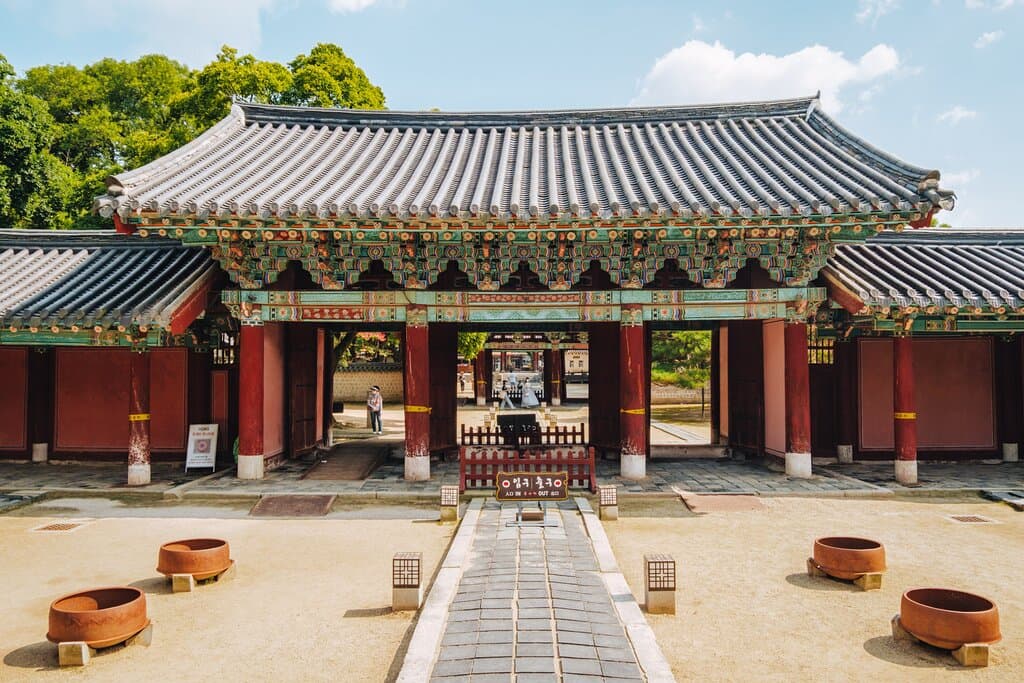
Gyeonggijeon Stone Wall Road Jeonju
Historic Joseon Dynasty shrine housing royal portraits, surrounded by serene gardens and traditional architecture.
Highlights
Must-see attractions

Social
From TikTok & Reddit
Best Time
Stunning fall colors
Gyeonggijeon Stone Wall Road Jeonju
Best Time
Stunning fall colors
Highlights
Must-see attractions
Historic Joseon Dynasty shrine housing royal portraits, surrounded by serene gardens and traditional architecture.
"The autumn colors here were amazing, especially the vibrant yellow ginkgo trees. Worth every penny!"
🍁 Embrace Autumn Colors
Visit in fall for stunning yellow ginkgo trees and vibrant foliage. Truly worth the entrance fee!
🚶♀️ Peaceful Strolls
The grounds are serene and well-maintained, perfect for relaxed walks and photos.
Highlights
Discover the most iconic attractions and experiences
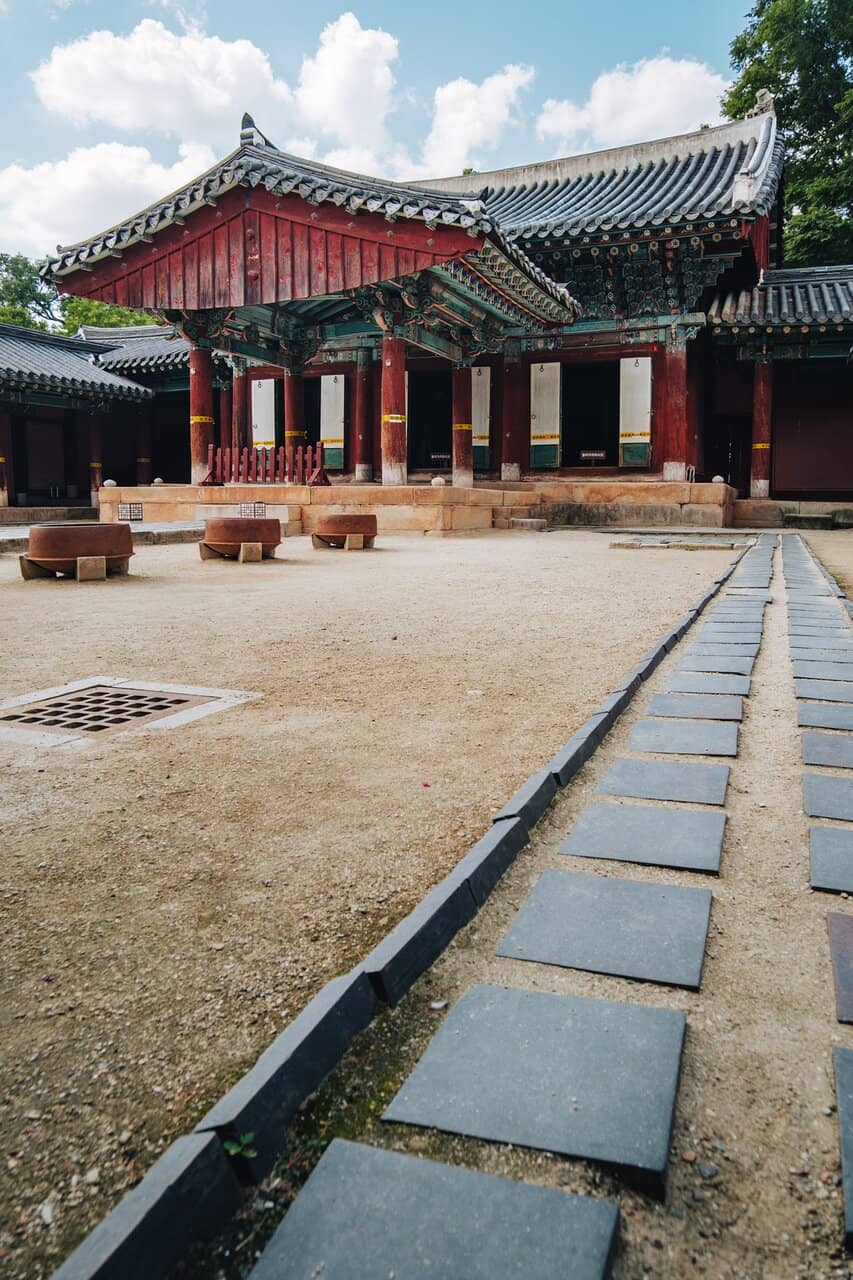
Gyeonggijeon Shrine
Main complex
A historic shrine housing royal portraits, offering a glimpse into Korea's past.
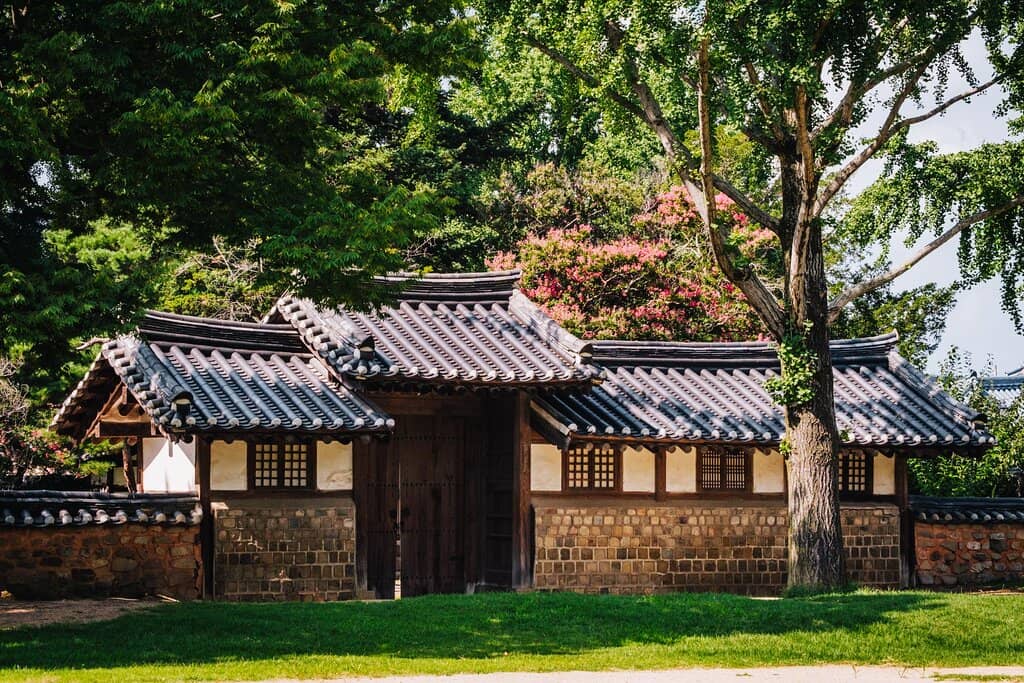
Autumn Foliage
Surrounding grounds
Vibrant yellow ginkgo trees and colorful leaves create a breathtaking autumn spectacle.
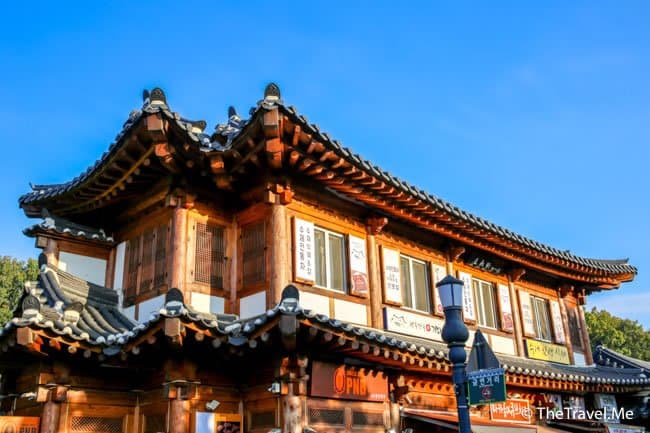
Hanok Village Ambiance
Adjacent to the shrine
Stroll through traditional Korean houses and soak in the charming historical atmosphere.
Plans like a pro.
Thinks like you
Planning Your Visit
Timing is Key for Tranquility
Cash is King Here
Best Times
Insider Tips
from TikTok, Instagram & Reddit
Jeonju Itinerary
🍁 Embrace Autumn Colors
Visit in fall for stunning yellow ginkgo trees and vibrant foliage. Truly worth the entrance fee!
🚶♀️ Peaceful Strolls
The grounds are serene and well-maintained, perfect for relaxed walks and photos.
Places to Visit at Jeonju (Info in the Comments!!)
Recommendations for Jeonju!
💰 Bring Cash for Entry
Credit cards may not be accepted for the entrance fee. Carry Korean Won for a smooth experience.
📸 Photo Ops Galore
Beautiful traditional architecture and gardens offer great photo opportunities.
Tips
from all over the internet
🍁 Embrace Autumn Colors
Visit in fall for stunning yellow ginkgo trees and vibrant foliage. Truly worth the entrance fee!
🚶♀️ Peaceful Strolls
The grounds are serene and well-maintained, perfect for relaxed walks and photos.
💰 Bring Cash for Entry
Credit cards may not be accepted for the entrance fee. Carry Korean Won for a smooth experience.
📸 Photo Ops Galore
Beautiful traditional architecture and gardens offer great photo opportunities.
🧒 Kid-Friendly Museum
The museum within the complex has interesting exhibits and activities for children.
What Travellers Say
Reviews Summary
Visitors praise Gyeonggijeon for its serene atmosphere, well-maintained historical grounds, and especially its stunning autumn foliage. The traditional architecture and peaceful walking paths are frequently highlighted as positives. However, some find the entrance fee a bit high for the offerings, and a notable drawback is the limited acceptance of credit cards for payment.
"Visited early November. The autumn colours here were amazing esp the vibrant yellow ginkgo trees. This required a small entrance fee, but trust me, worth every penny. The surrounding worth walking both day and night, great place to stroll around and take in the hanok vibes."
Pei
"Our visit here was peaceful and relaxed. It turned out to be a far more serene setting than expected and our visit was further enhanced by a chance opportunity to witness part of an annual eagle worship ceremony held only once a year."
Reginald Williams
"It was quite nice, but I expected more.
The entrance fee was 3,000 won. Compared to other attractions, that's quite a lot for what it offers.
We tried three Western credit cards, but none were accepted. That's a bit low for such a touristy place.
June 2025"
O. K.
What People Like
What People Dislike
Frequently Asked Questions
🚇 🗺️ Getting There
Gyeonggijeon is located within the Jeonju Hanok Village. You can reach the Hanok Village by taking a local bus from Jeonju Station or the intercity bus terminal. Once inside the village, Gyeonggijeon is a prominent landmark and easily accessible on foot.
Yes, the Jeonju Hanok Village, where Gyeonggijeon is situated, is well-served by local buses. Many visitors find it convenient to take a bus to the village and then explore on foot.
While you can drive to the vicinity of the Jeonju Hanok Village, parking within the village itself can be challenging due to narrow streets. It's often recommended to park at designated public parking lots outside the village and walk in.
The best way to explore Gyeonggijeon and the surrounding Hanok Village is by walking. The area is pedestrian-friendly, and walking allows you to fully appreciate the traditional architecture and atmosphere.
The closest major transportation hubs are Jeonju Station (for trains) and Jeonju Intercity Bus Terminal. From these points, you can take a local bus or a taxi to reach the Jeonju Hanok Village.
🎫 🎫 Tickets & Entry
The entrance fee for Gyeonggijeon is typically 3,000 KRW. While some visitors find it a bit high for what's offered, many agree the autumn colors and serene atmosphere make it worthwhile.
Unfortunately, some visitors have reported that credit cards are not accepted for the entrance fee, even for Western cards. It's highly recommended to bring cash (Korean Won) to avoid any issues.
Gyeonggijeon is generally open daily, but hours can vary seasonally. It's advisable to check the official operating hours before your visit, as some visitors have arrived close to closing time.
Some reviews suggest that photography inside the main shrine areas might be restricted. It's best to be mindful of any posted signs or staff instructions regarding photography.
Information on specific discounts is not widely available, but it's always worth inquiring at the ticket counter if you qualify for any special rates (e.g., for seniors or children).
🎫 🧭 Onsite Experience
Gyeonggijeon features a well-preserved historical shrine with royal portraits, beautiful gardens, and peaceful walking paths. There's also an interesting museum on-site with activities for kids.
Many visitors find Gyeonggijeon to be a peaceful and beautiful place, especially during autumn. While some expected more, the historical significance and serene ambiance are often highlighted as positives.
Visiting early in the morning or late in the afternoon can offer a more tranquil experience, allowing you to better appreciate the historical site and its surroundings. Weekdays are generally less crowded than weekends.
Information on official guided tours is not readily available. However, the site is well-maintained and easy to explore independently. You can also find information about the Hanok Village in general from local tourist information centers.
You can expect a peaceful and serene atmosphere, with traditional architecture, beautiful gardens, and historical significance. It's a great place to relax and immerse yourself in Korean history.
📸 📸 Photography
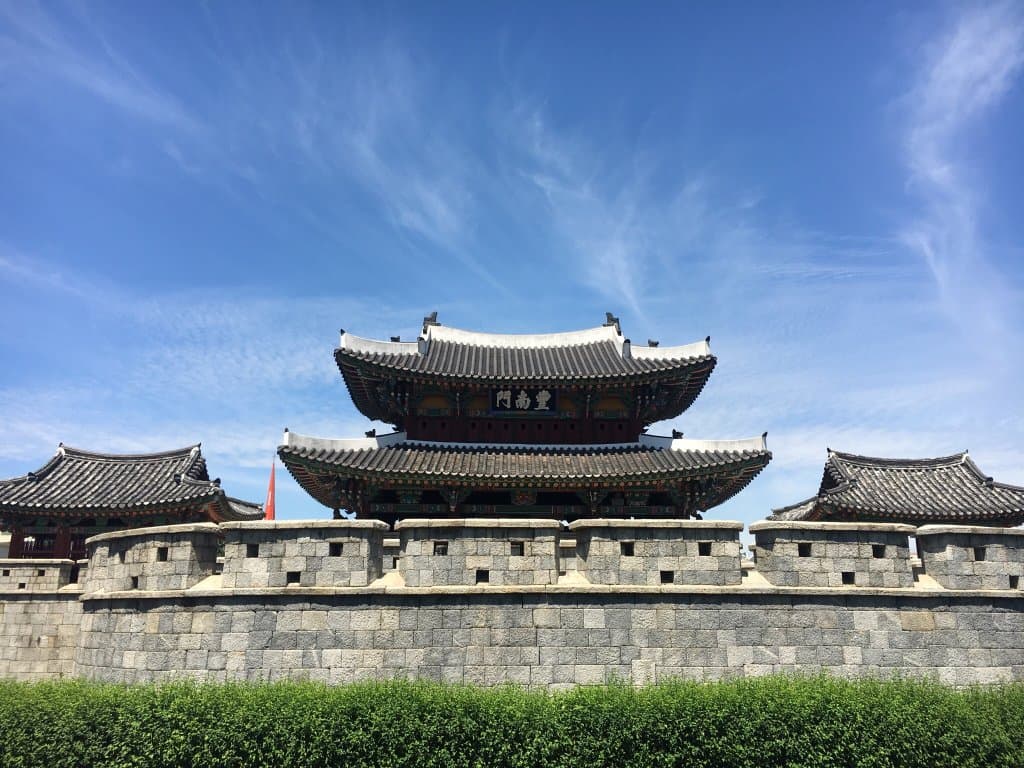
The stone walls, traditional buildings, and the surrounding gardens offer excellent photo opportunities. During autumn, the vibrant foliage provides a stunning backdrop.
Some reviews indicate that photography inside the main shrine areas might be restricted. Always be respectful of signage and staff instructions.
Early morning or late afternoon light can create beautiful, soft lighting for photography. The golden hour before sunset is particularly magical.
Drone usage is generally restricted in historical and cultural sites to preserve their integrity and for safety reasons. It's unlikely to be permitted at Gyeonggijeon.
A versatile lens like a 24-70mm is great for capturing both wide shots of the architecture and details. A prime lens can also be useful for portraits against the traditional backdrop.
For Different Travelers
Tailored advice for your travel style
👨👩👧 Families with Kids
While the historical aspects might require some explanation, the visual appeal of the traditional architecture and the vibrant colors, especially in autumn, can capture children's attention. It's a good opportunity to introduce them to Korean history and culture in a relaxed setting. Remember to bring cash for the entrance fee, as credit card acceptance can be limited.
📸 Photography Enthusiasts
The surrounding gardens are beautifully maintained and change with the seasons, offering diverse backdrops. Autumn, in particular, is a highlight, with the brilliant yellow of the ginkgo trees creating stunning contrasts against the historical buildings. Be mindful of potential photography restrictions within the main shrine areas and aim for the golden hours of early morning or late afternoon for the best light.
Deep Dives
In-depth insights and expert knowledge
The Historical Significance of Gyeonggijeon
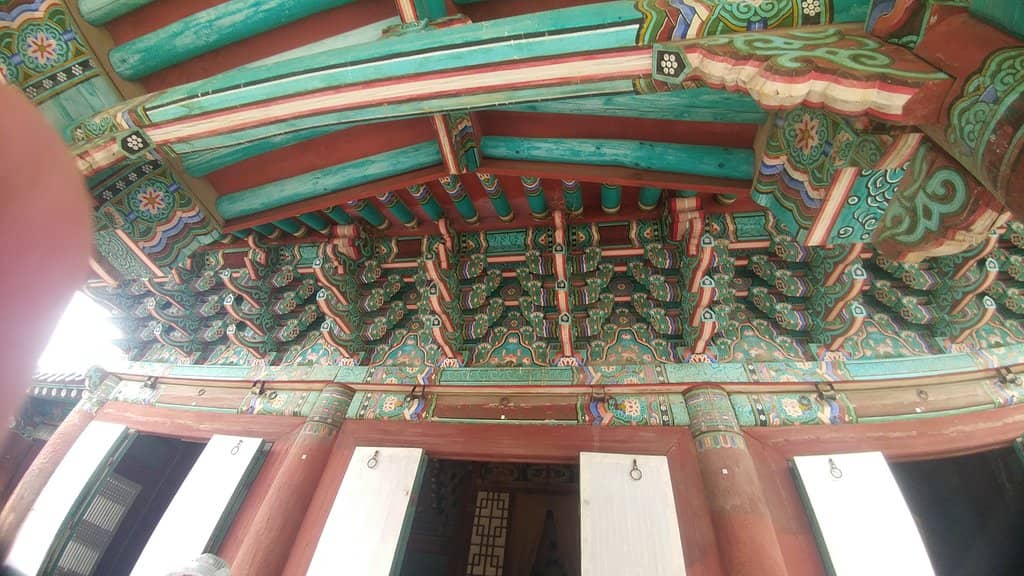
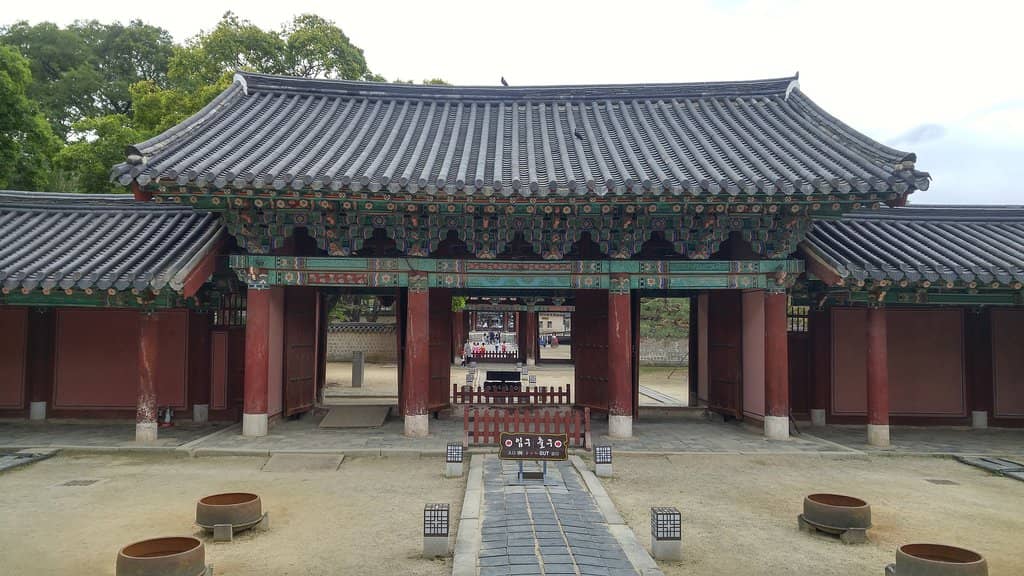
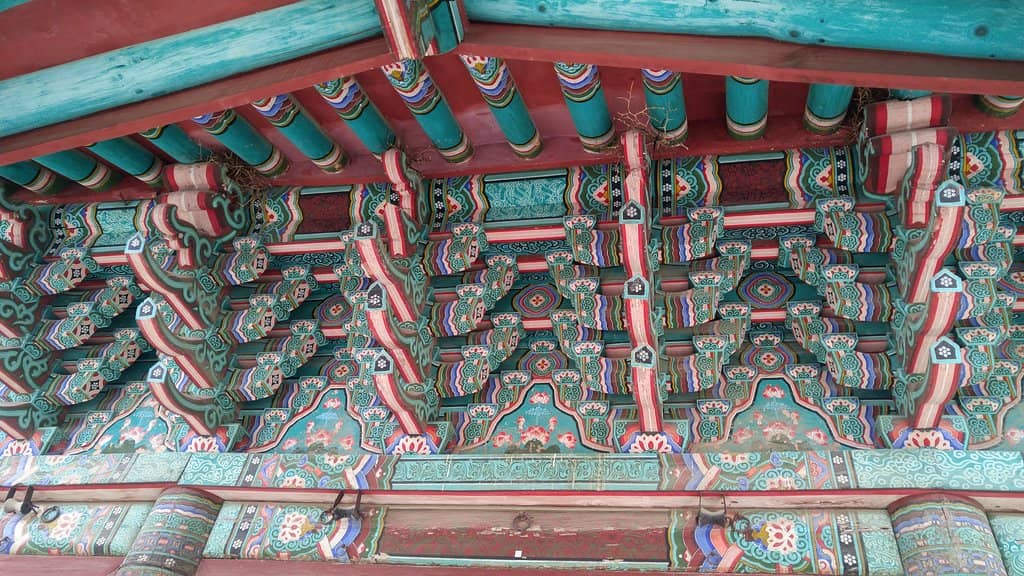
The architecture of Gyeonggijeon reflects the traditional Joseon style, characterized by its elegant wooden structures and harmonious integration with the natural landscape. The surrounding grounds are meticulously maintained, offering a peaceful environment for reflection and appreciation of historical Korean aesthetics. The museum within the complex further elaborates on the history and significance of the shrine and its contents.
Visitors often remark on the serene atmosphere, which allows for a deeper connection with the history. While some may find the entrance fee a bit steep, the well-preserved nature of the site and the opportunity to witness a unique cultural heritage are widely considered to be worth the cost.
Experiencing Autumn at Gyeonggijeon
Many visitors highlight the autumn foliage as a major draw, describing it as 'amazing' and 'worth every penny' of the entrance fee. The combination of historical architecture and the riot of fall colors offers a unique and memorable experience. It's a time when the serene environment of Gyeonggijeon is further enhanced by the natural beauty of the season.
To best enjoy the autumn spectacle, visiting during the peak fall months is recommended. Early mornings or late afternoons can provide softer light for photos and a more tranquil experience, allowing you to fully immerse yourself in the stunning autumnal landscape.
Social
from TikTok, Instagram & Reddit