
Samneung Valley Namsan
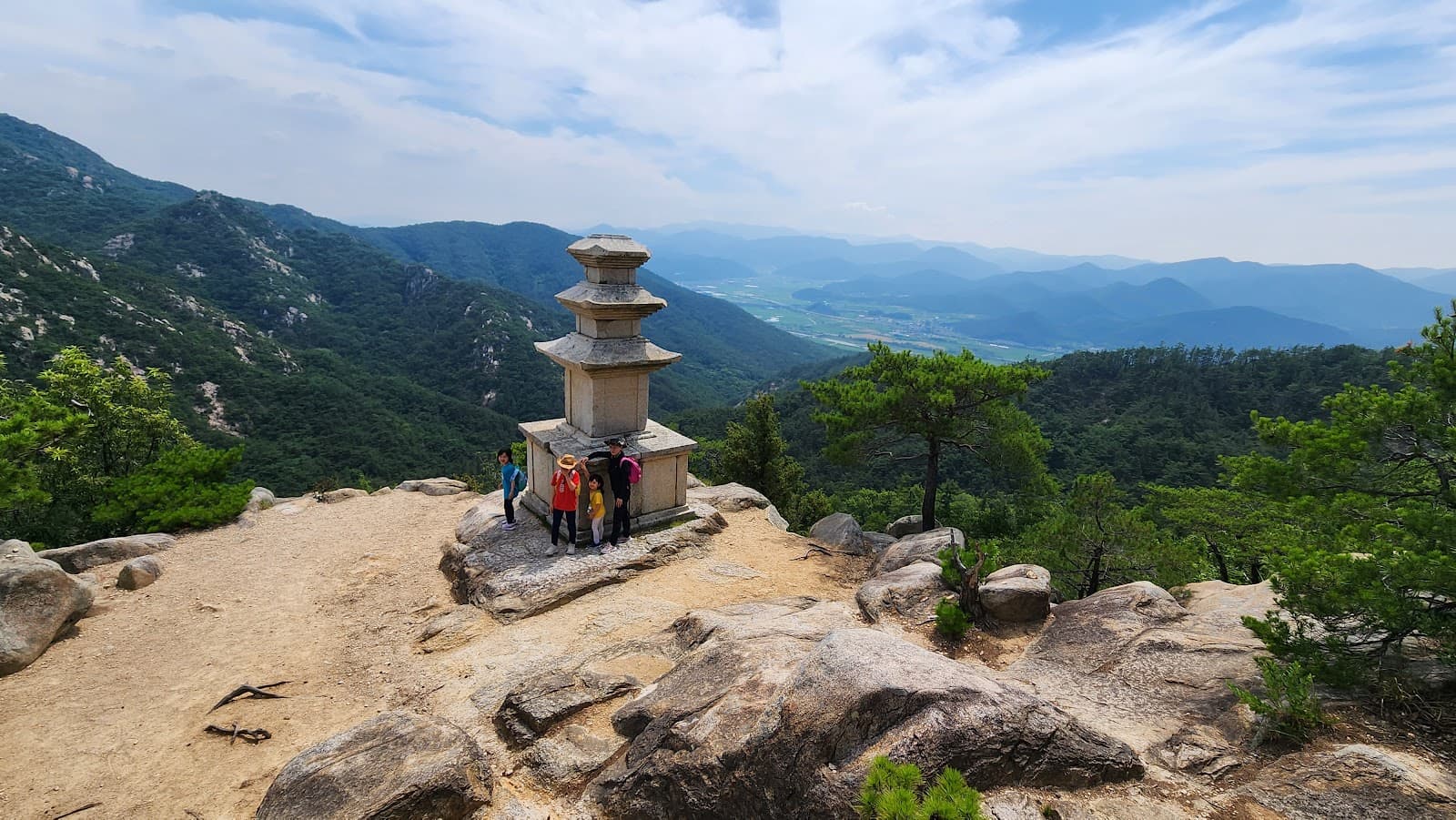
Discover ancient Silla artistry in Samneung Valley's rock-carved Buddhas and vibrant autumn pink muhly fields.
Highlights
Must-see attractions
Social
From TikTok & Reddit
Best Time
Pink muhly in full bloom
Samneung Valley Namsan
Best Time
Pink muhly in full bloom
Highlights
Must-see attractions
Discover ancient Silla artistry in Samneung Valley's rock-carved Buddhas and vibrant autumn pink muhly fields.
"A journey through history and natural beauty, Samneung Valley captivates with its ancient carvings and stunning seasonal landscapes."

👟 Wear Comfortable Shoes
Trails can be uneven; sturdy footwear is essential for exploring Samneung Valley comfortably.
🌅 Catch the Sunset
Visit Seorwoldang before sunset for the most magical views of the pink muhly fields.
Highlights
Discover the most iconic attractions and experiences
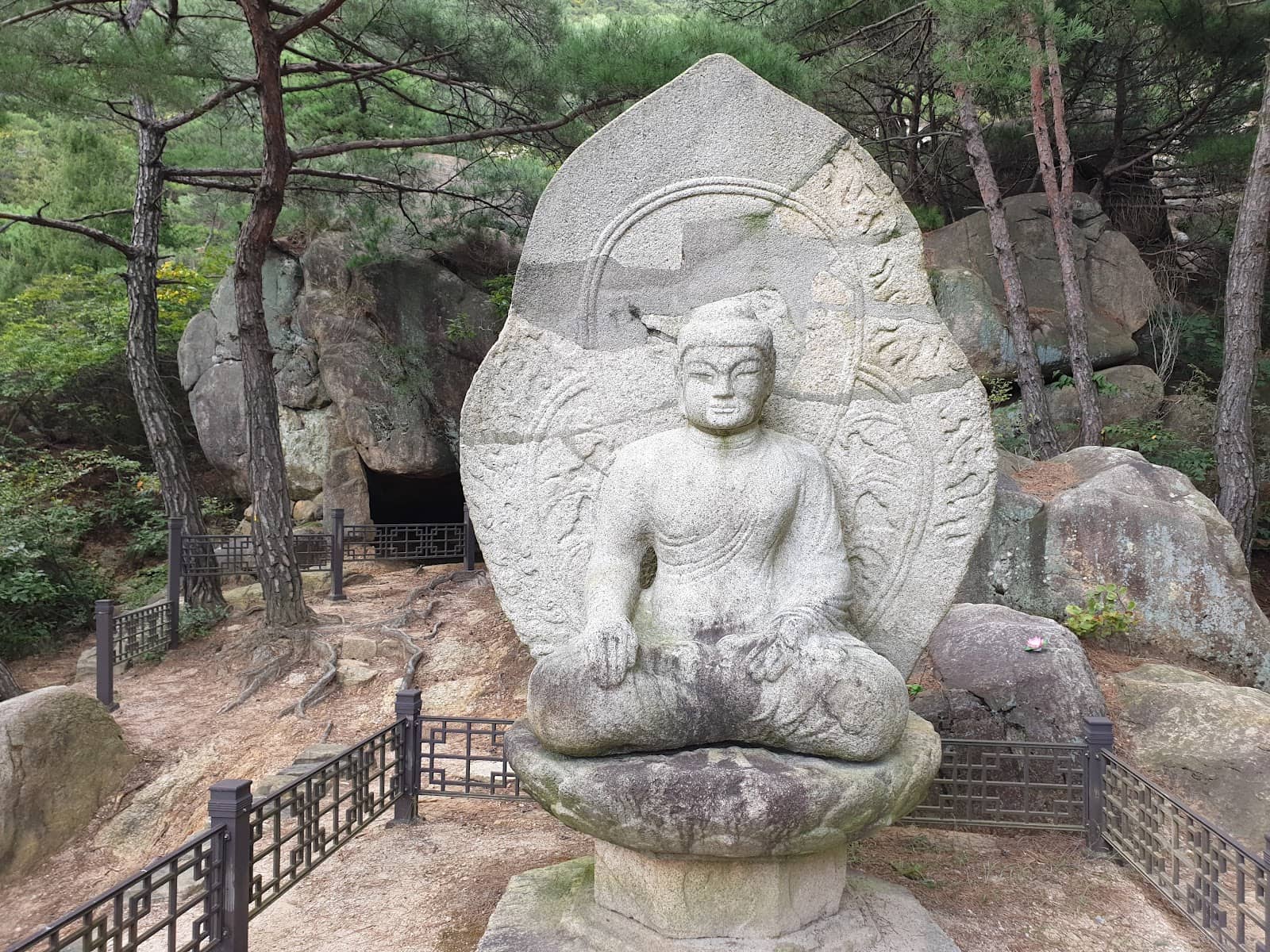
Samneung Valley Rock-Carved Buddhas
Samneung Valley
Exquisite Unified Silla period rock carvings of Buddha triads, a masterpiece of Korean stone art.
Seorwoldang Pink Muhly Field
Near Seorwoldang
Vibrant pink muhly grass fields that create a stunning, ethereal landscape, especially in autumn.

Traditional Korean Village Experience
Gyochon Traditional Village
Step back in time in this living museum of traditional Korean houses and culture.
Plans like a pro.
Thinks like you
Planning Your Visit
Timing is Key for Samneung Valley
Trekking Gear for Samneung Valley
Best Times
Insider Tips
from TikTok, Instagram & Reddit
👟 Wear Comfortable Shoes
Trails can be uneven; sturdy footwear is essential for exploring Samneung Valley comfortably.
🌅 Catch the Sunset
Visit Seorwoldang before sunset for the most magical views of the pink muhly fields.
💧 Stay Hydrated
Bring water, especially if hiking; there are limited facilities along the trails.
📸 Golden Hour Photography
The soft light during golden hour is perfect for capturing the beauty of the rock carvings.
Tips
from all over the internet
👟 Wear Comfortable Shoes
Trails can be uneven; sturdy footwear is essential for exploring Samneung Valley comfortably.
🌅 Catch the Sunset
Visit Seorwoldang before sunset for the most magical views of the pink muhly fields.
💧 Stay Hydrated
Bring water, especially if hiking; there are limited facilities along the trails.
📸 Golden Hour Photography
The soft light during golden hour is perfect for capturing the beauty of the rock carvings.
🕰️ Step Back in Time
Explore Gyochon Traditional Village for an immersive cultural experience.
What Travellers Say
Reviews Summary
Visitors praise the Samneung Valley for its significant historical rock-carved Buddhas, highlighting their exquisite craftsmanship and spiritual aura. The seasonal beauty of the pink muhly fields at Seorwoldang is another major draw, offering breathtaking photographic opportunities. While the natural beauty and cultural immersion are highly appreciated, some find the trails challenging and facilities limited.
"It is a six-carved rock-carved triad carved with lines on both the east and west walls of a natural rock wall. The carving technique is elaborate and excellent, and it is considered the best work among Korea's Seongak Rock-carved Buddhas.
The main idol of the three statues on the right is a seated Buddha, and the Bodhisattva statues on the left and right are standing facing the main idol with gentle expressions, stepping on lotus flowers. The main deity of the left triad is also a standing statue of Shakyamuni Buddha, and the Hyopsi Bodhisattva statues on both sides are kneeling on a lotus-patterned pedestal and making offerings to the main deity.
Although the exact period in which these two rock-carved triads were made or the sculptor are not known, they are generally presumed to have been from the Unified Silla period, and at the top of the rock wall on the right, traces remain of a shrine built at the time to preserve these Buddha statues."
간월천
"📍南山三陵溪 Section 3 Temple Area 塔部材
Namsan Samneunggye 3rd Temple Site Tower Member
📍三陵溪谷線刻六尊佛
Gyeongju Namsan Samneunggye Seongak Six Buddhas
The entrance to the six temples, the world of the three stars, the two mountains, the stone, and the entrance to the six temples. It is a new period in the world of Chinese culture, a Buddhist painting in the modern era, a Buddhist painting in the Korean peninsula. It's not easy to reach the top of the sky, it's all right in the middle of nowhere.
以中央佛立像為中心的左右The image of the three Buddhas is placed on the right side of the middle of the Buddha.
The left and right exits are limited to the upper part of the road, the second to the second, and the second to the left. On the right side of the body, on the right side of the body, on the right side of the body, on the Buddha's body. The view of the six sacred temples is like a flower in the shape of a flower.
The entrance to the Six Buddhist Temples, the entrance to the temple, and the entrance to the temple. It is difficult to change the shape of the water.
Gyeongju Namsan Samneunggye Seongak Six Buddhas
This Seongak Six Buddhas is a line drawing of six Buddhas and Bodhisattvas carved on the sides of two rocks in Samneung Valley. This is a representative work of the stone Buddha carved in the Unified Silla period in Korea, but it is closer to a painting than a sculpture because it is carved only with the lines of a dragon carving on a natural rock face.
The three statues, with a standing Buddha statue in the center and a seated Bodhisattva statue on the left and right, and the three statues with a seated Buddha statue on the left and right, are carved on separate rock faces to form a relic.
On the slightly protruding left rock face, two Bodhisattvas are kneeling and holding a tray with flowers. On the slightly recessed right rock face, two Bodhisattvas are standing with their bodies turned toward the central Buddha statue. The six statues of the ..."
林家妤
"This is the best Buddhist statue among the domestic stone carvings of the three Buddhas, which were not carved into the rock surface with a chisel but were drawn on the rock wall with a brush like a picture on a piece of paper.
If you go up the Samneung Valley from Samneung to Sangseonam for about 25 minutes, you can see the beauty of this place."
삼보공양회
What People Like
What People Dislike
Frequently Asked Questions
🚇 🗺️ Getting There
You can reach Samneung Valley by taking a local bus from Gyeongju city center. It's advisable to check local bus routes and schedules upon arrival. Some visitors opt for taxis for a more direct route, especially if traveling in a group.
Parking availability can vary, especially during peak seasons. It's recommended to arrive early or consider public transport to avoid parking hassles.
Yes, it's possible to visit Samneung Valley as a day trip from Seoul, but it will be a long day. You'll need to take an early KTX train to Singyeongju Station and then transfer to local transport.
Local buses are a common and affordable way to travel between Gyeongju's attractions. Taxis are also readily available. Renting a car can offer more flexibility if you plan to visit multiple sites.
While specific guided tours for Samneung Valley might be limited, many general Gyeongju tours include visits to its significant historical sites. Checking with local tour operators in Gyeongju is recommended.
🎫 🎫 Tickets & Entry
Samneung Valley itself, particularly the rock-carved Buddhas, is generally accessible without an entrance fee as it's part of the natural landscape. However, nearby attractions like Gyochon Traditional Village may have separate admission fees.
As a natural valley and historical site, Samneung Valley doesn't have strict opening hours and is typically accessible during daylight. However, it's best to visit during daylight hours for safety and visibility.
No advance booking is typically required for Samneung Valley itself, as it's an open natural site. For attractions like Gyochon Traditional Village, checking their specific ticketing policies is advised.
Gyeongju often offers combined tickets or passes for its major historical sites, which can be cost-effective if you plan to visit several locations. Inquire at the Gyeongju Tourist Information Center for current options.
The pink muhly fields, particularly around Seorwoldang, are most vibrant and beautiful during the autumn months, typically from September to October.
🎫 🏞️ Onsite Experience
Exploring the main rock-carved Buddhas and the surrounding valley can take about 1-2 hours, depending on your pace and interest. If you combine it with a visit to Gyochon Village, allocate at least half a day.
The rock-carved Buddhas themselves are stunning subjects. For the pink muhly fields, the entire expanse offers picturesque views, especially during golden hour. +1
Restroom facilities might be limited directly within the valley. It's advisable to use facilities before entering or at nearby attractions like Gyochon Traditional Village. Cafes are more common in the village area.
The trails can be uneven, so it requires supervision for young children. The cultural experience at Gyochon Village might be more engaging for kids.
The terrain includes natural trails, some rocky paths, and inclines. Comfortable walking shoes are highly recommended.
📸 📸 Photography
Early morning and late afternoon, during the golden hours, offer the most beautiful light for photographing the rock-carved Buddhas and the pink muhly fields.
Drone usage is often restricted in historical and natural sites to preserve the environment and visitor experience. It's best to check local regulations before flying a drone.
For the pink muhly, consider using a wider aperture to create a shallow depth of field and blur the background, making the pink hues pop. Experiment with different angles to capture the vastness.
Use a lens that allows for close-up shots to capture the intricate details of the carvings. Shooting during softer light can help reveal the texture and depth of the stone.
For the rock carvings, various angles offer unique perspectives. For the pink muhly, the entire field is a viewpoint, but elevated spots can provide a broader panorama. +1
For Different Travelers
Tailored advice for your travel style
👨👩👧 Families with Kids
For a more interactive experience, look for cultural activities or demonstrations that might be available in Gyochon Village. The pink muhly fields at Seorwoldang can also be a visually exciting spot for kids, offering a unique natural spectacle during autumn.
📸 Photography Enthusiasts
🚶♀️ History & Culture Buffs
Deep Dives
In-depth insights and expert knowledge
The Artistry of Samneung Valley's Rock-Carved Buddhas
The site features two main rock faces, each adorned with a triad of Buddhist figures. On one, a seated Buddha is flanked by standing Bodhisattvas, while on the other, a standing Buddha is central, with kneeling Bodhisattvas making offerings. The gentle expressions and delicate lines of the figures suggest a profound spiritual devotion. The presence of foundation stones and remains of a pavilion indicate that these sacred carvings were once housed and protected, underscoring their importance.
Visiting Samneung Valley offers a chance to connect with Korea's rich Buddhist heritage. The journey to reach these carvings, often described as being 'in the middle of nowhere,' adds to the sense of discovery and reverence. It's a place where history, art, and nature converge, offering a truly unique cultural experience.
Experiencing the Pink Muhly Season at Seorwoldang
The best time to witness the pink muhly in its full glory is typically from late September through October. Visiting before sunset is highly recommended, as the 'golden hour' light casts a warm glow over the fields, enhancing their vibrant colors and creating magical photo opportunities.
While the pink muhly fields are a seasonal spectacle, they offer a beautiful contrast to the historical sites in Gyeongju. It's a reminder of the diverse natural beauty that South Korea has to offer, providing a different kind of travel experience beyond ancient temples and royal tombs.
A Glimpse into Traditional Korean Life at Gyochon Village
This village is known for its cozy accommodations in traditional houses, offering a unique stay for travelers seeking an authentic experience. The warmth of the hosts and the charming presence of resident cats add to the welcoming ambiance. Exploring Gyochon Village is like walking through history, providing insights into the architecture, lifestyle, and customs of bygone eras.
Beyond the visual appeal, Gyochon Village is an excellent place to learn about Korean traditions. It serves as an open-air museum, allowing visitors to appreciate the historical significance and architectural beauty of these traditional structures. It’s a must-visit for anyone interested in Korean culture and history.


Social
from TikTok, Instagram & Reddit