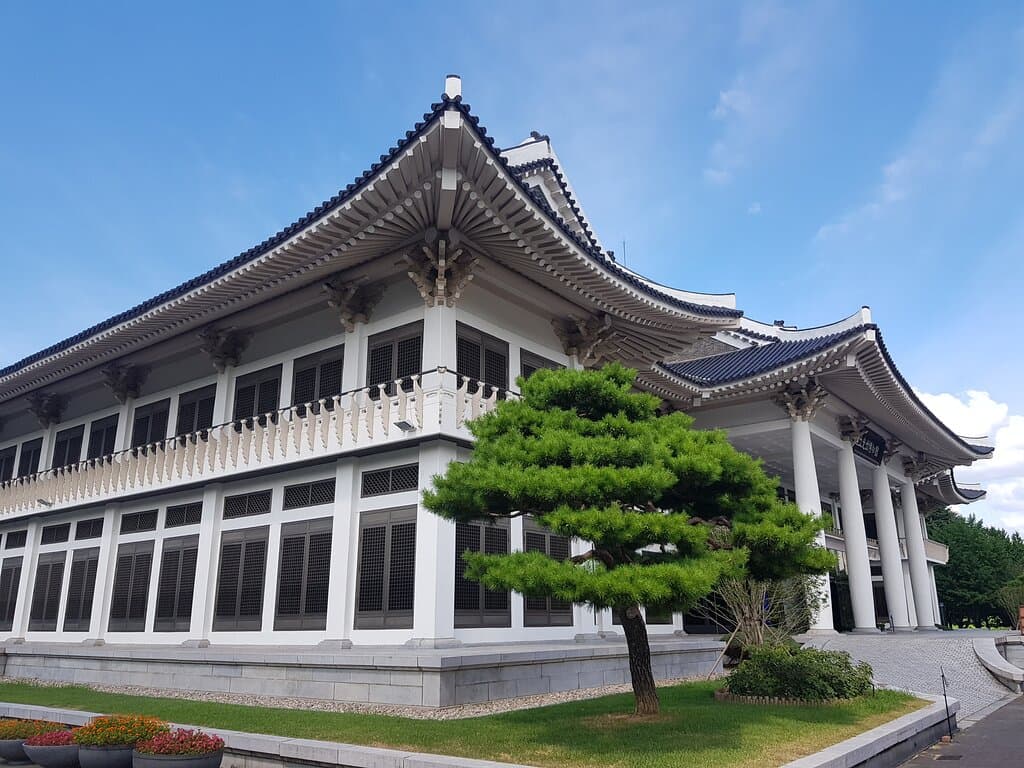
Chonnam National University Museum
Discover the rich history and art of the Jeolla region, featuring ancient relics, Buddhist art, and ceramics. Free entry!
Highlights
Must-see attractions

Social
From TikTok & Reddit
Best Time
Fewer school groups
Chonnam National University Museum
Best Time
Fewer school groups
Highlights
Must-see attractions
Discover the rich history and art of the Jeolla region, featuring ancient relics, Buddhist art, and ceramics. Free entry!
"Worth visiting if you’re into Buddhist art or ceramics. A fair bit of history about the surrounding area."
🎯 Free Admission!
Entry is completely free, making it an accessible cultural experience for everyone.
👟 Explore the Grounds
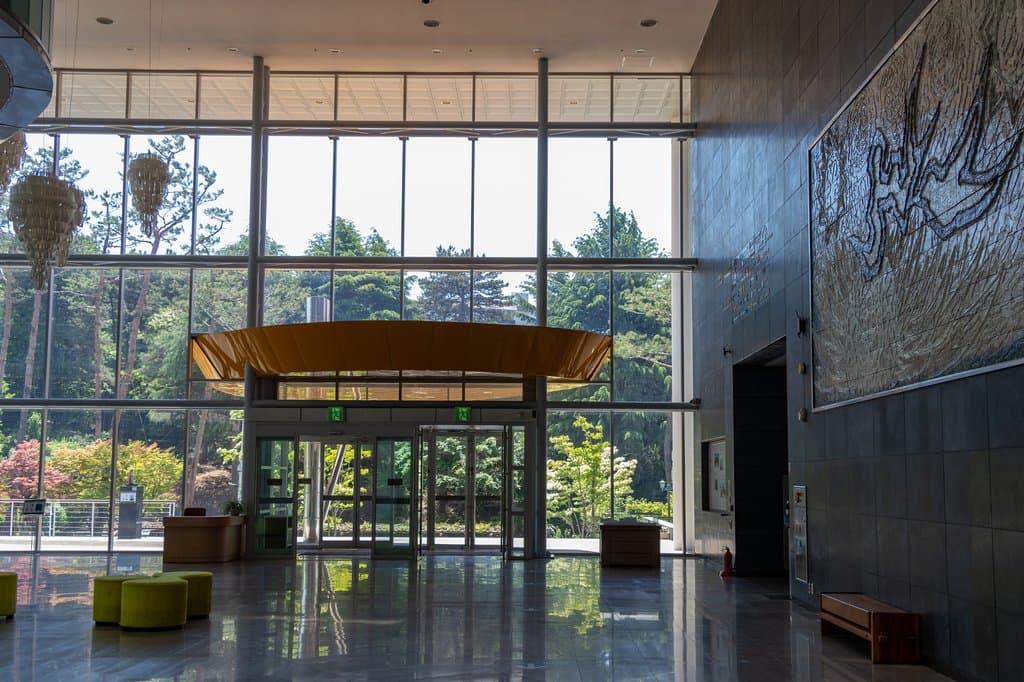
The museum boasts nice park-like grounds perfect for a leisurely stroll after your visit.
Highlights
Discover the most iconic attractions and experiences
Jeolla Region's Historical Findings
Permanent Exhibitions
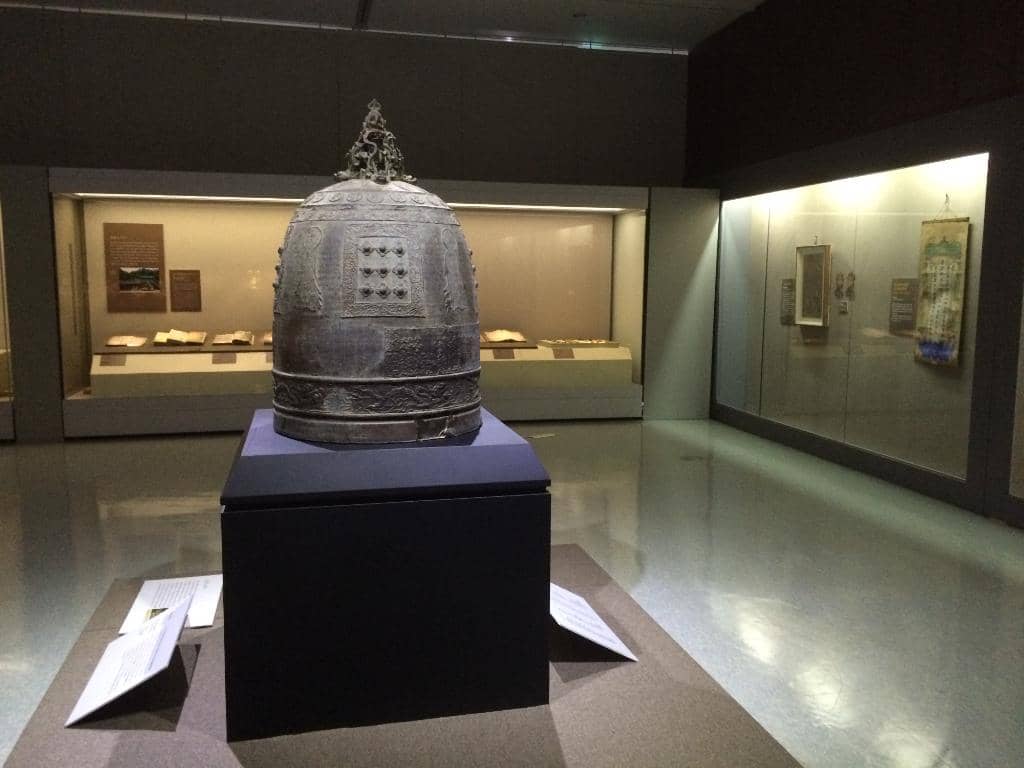
Explore well-documented artifacts showcasing the rich history of the Jeolla region during the Three Kingdoms period.
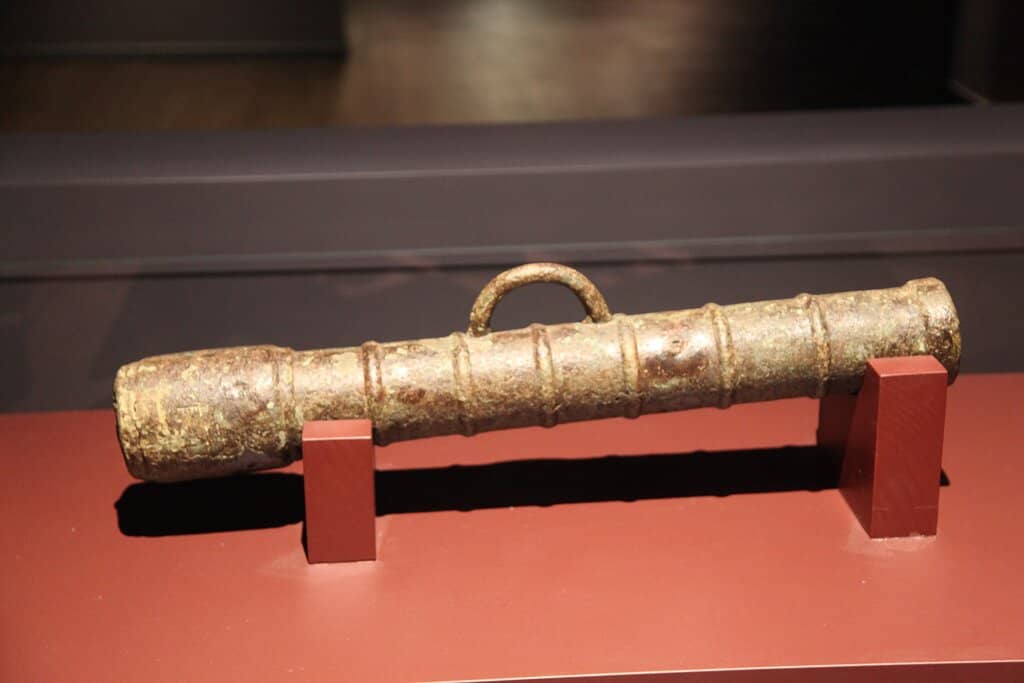
Ceramic Artistry
Exhibition Halls
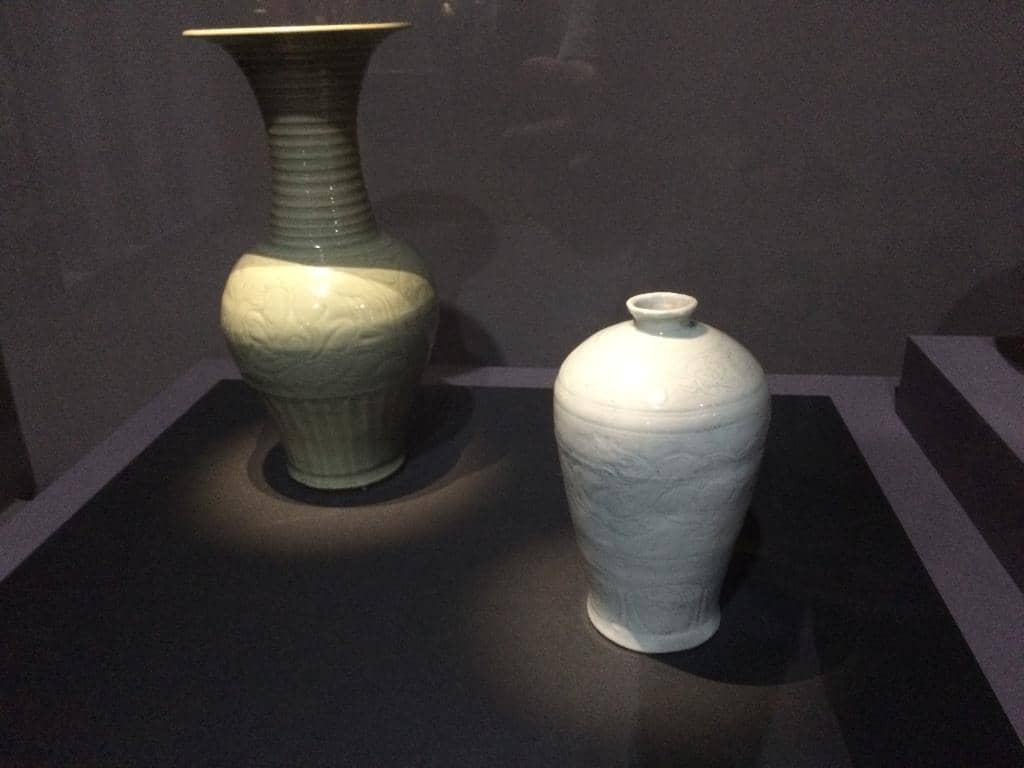
Admire a significant collection of ceramic works, from ancient relics to contemporary pieces, highlighting artistic traditions.
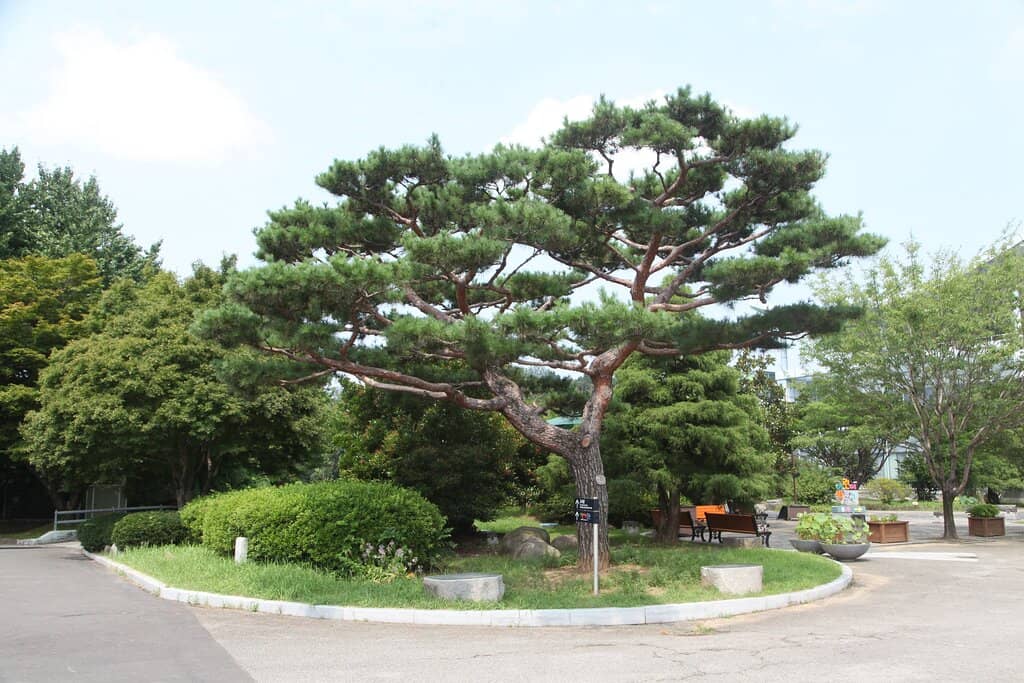
Burial Pods
Outdoor/Exhibition Area
Discover intriguing burial pods, offering a unique glimpse into ancient funerary practices and beliefs.
Plans like a pro.
Thinks like you
Planning Your Visit
Free Entry & Academic Focus
Combine with Nearby Attractions
Best Times
Insider Tips
from TikTok, Instagram & Reddit
🎯 Free Admission!
Entry is completely free, making it an accessible cultural experience for everyone.
👟 Explore the Grounds
The museum boasts nice park-like grounds perfect for a leisurely stroll after your visit.
⏱️ Quick Visit Possible
You can comfortably see the main exhibits in about an hour, perfect for a short cultural stop.
🚶♀️ Walk to Other Museums
Easily combine your visit with the nearby Folk Museum and Museum of Art via a short walk.
Tips
from all over the internet
🎯 Free Admission!
Entry is completely free, making it an accessible cultural experience for everyone.
👟 Explore the Grounds
The museum boasts nice park-like grounds perfect for a leisurely stroll after your visit.
⏱️ Quick Visit Possible
You can comfortably see the main exhibits in about an hour, perfect for a short cultural stop.
🚶♀️ Walk to Other Museums
Easily combine your visit with the nearby Folk Museum and Museum of Art via a short walk.
💡 Academic Atmosphere
Expect a more academic feel; great for history buffs, perhaps less so for those seeking pure entertainment.
What Travellers Say
Reviews Summary
Visitors find the museum to be a valuable and free resource for exploring the history and art of the Jeolla region, particularly its Buddhist art and ceramics. While some note its academic tone, many appreciate the insights into local history and the pleasant grounds. It's seen as a good option for a quick, enriching visit, especially when combined with nearby cultural sites.
"Worth visiting if you’re into Buddhist art or ceramics. A fair bit of history about the surrounding area and historical power struggles. Also some information on prehistory of the area. The museum is small and definitely has a more academic/teaching feel than entertaining, so probably better for older visitors. Free entry. Nice park like grounds to walk around."
Daryl Streat
"A well documented museum showcasing historical findings of jeolla region during three kingdom period."
Tapabrata Dam
"Beautiful place, learning about history of Gwangju and Korea.
Helpful staff.
Cheerful kindergarten and maybe high school attendance..."
Mohammad Muzakkiyafi
What People Like
What People Dislike
Frequently Asked Questions
🚇 🗺️ Getting There
The museum is accessible by public transport within Gwangju. Many visitors combine it with a walk from other cultural sites. A 10-15 minute walk from nearby attractions is common.
Information on specific parking availability can be limited, but it's generally recommended to use public transport or combine with nearby attractions accessible by foot.
Local buses are a convenient option. Check local transit apps for the most up-to-date routes and schedules.
🎫 🎫 Tickets & Entry
No, the museum offers free admission, making it a budget-friendly cultural experience.
Opening hours can vary, so it's best to check the official museum website or local listings before your visit.
As admission is free, advance booking is typically not required. However, for special exhibitions, it's advisable to check for any specific entry requirements.
While specific accessibility details should be confirmed, museums in South Korea are increasingly focusing on accessibility.
🎫 🧭 Onsite Experience
Expect a focus on ancient relics, regional cultural artifacts, Buddhist art, ceramics, and historical findings from the Jeolla region.
Most visitors find that one hour is sufficient to explore the main exhibits.
Some visitors have noted digital art and AR exhibits, suggesting a blend of traditional and modern displays.
The museum has a more academic feel, which might be better suited for older visitors or those with a keen interest in history. However, school groups, including kindergartens, are often seen.
Photography policies can vary. It's best to look for signage within the museum or ask staff if photography is permitted, especially for non-flash use.
🍽️ 🍽️ Food & Dining
Specific dining facilities within the museum are not widely mentioned. However, Gwangju city offers numerous restaurants and cafes nearby.
Generally, food and drinks are not allowed inside museum exhibition halls to protect the artifacts. Check for designated areas if available.
📸 📸 Photography
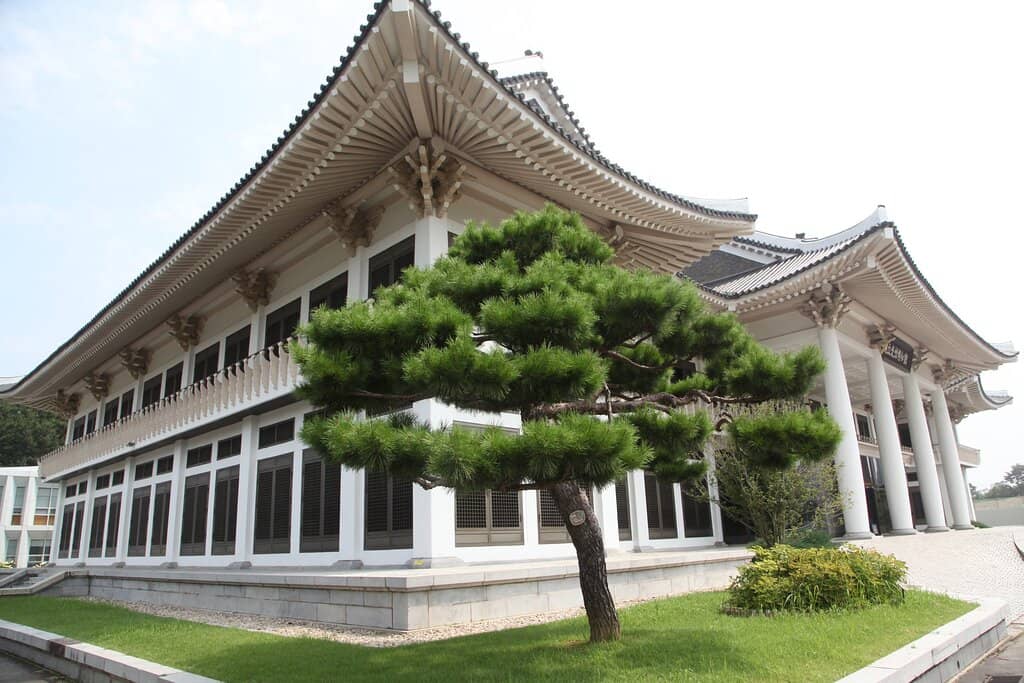
The museum's architecture, outdoor grounds, and specific artifacts like burial pods offer unique photographic subjects.
One TikTok video featured drone footage, suggesting that aerial views might be possible, but always check local regulations and permissions.
While general photography might be allowed, always be mindful of any posted signs regarding restrictions, especially for commercial use or sensitive exhibits.
For Different Travelers
Tailored advice for your travel style
👨👩👧 Families with Kids
To enhance the experience for families, pair your visit with the Gwangju Folk Museum and the Gwangju City Museum of Art, which are just a short walk away.
🏛️ History Buffs & Art Enthusiasts
Art enthusiasts will particularly appreciate the extensive ceramic collections, showcasing both historical craftsmanship and artistic evolution. Combine your visit with the Gwangju City Museum of Art to experience a broader spectrum of artistic expression, from traditional to contemporary.
Deep Dives
In-depth insights and expert knowledge
Exploring Gwangju's History
Beyond political history, the museum also highlights the cultural heritage of the area. This includes significant displays of Buddhist art, showcasing the region's spiritual and artistic development over centuries. The ceramic collections are particularly noteworthy, featuring both historical pieces and examples of traditional craftsmanship that have been passed down through generations.
For those interested in specific archaeological findings, the museum displays burial pods, which offer a unique perspective on ancient funerary customs and beliefs. The overall atmosphere is described as having a more academic and teaching feel, making it an enriching experience for those who appreciate in-depth historical context and scholarly presentation.
A Day of Culture in Gwangju
This cluster of museums offers a diverse range of exhibits. While the National University Museum focuses on historical artifacts and art, the Folk Museum provides insights into traditional Korean life, and the Museum of Art showcases contemporary and historical artistic expressions. This proximity and variety mean you can easily spend several hours exploring different facets of Gwangju's cultural landscape without extensive travel between locations.
For those looking to make the most of their visit, planning a route that includes these three institutions can be highly rewarding. It’s a great way to experience the depth of Gwangju's cultural offerings, from ancient history to modern art, all within a walkable distance.


Social
from TikTok, Instagram & Reddit