Junam Ecology Center
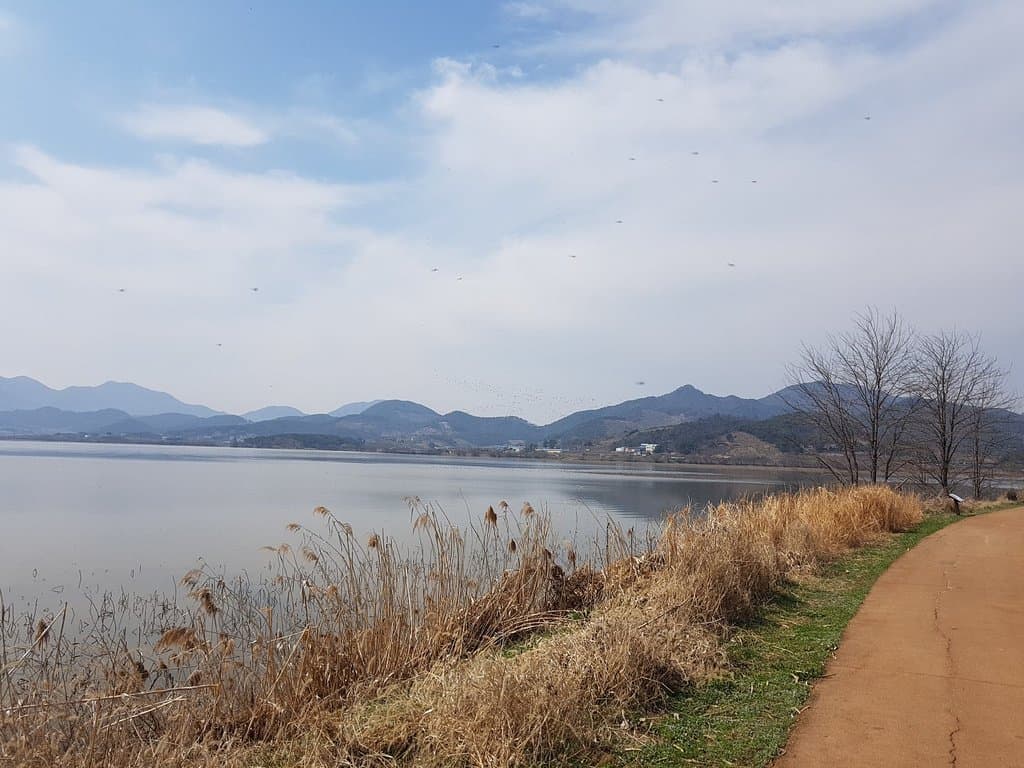
A vital wetland sanctuary renowned for its summer lotus blooms and winter migratory birds, offering serene landscapes and cycling paths.
Highlights
Must-see attractions

Social
From TikTok & Reddit
Best Time
Lotus flowers in full bloom
Junam Ecology Center
Best Time
Lotus flowers in full bloom
Highlights
Must-see attractions
A vital wetland sanctuary renowned for its summer lotus blooms and winter migratory birds, offering serene landscapes and cycling paths.
"Seeing the beautiful nature cleanses my heart."
🎯 Check AI Advisories
Avian flu can lead to closures. Always check for updates before visiting to avoid disappointment.
👟 Comfortable Footwear is Key
The area is large and best explored on foot or by bike. Wear comfortable shoes for walking the trails.
Highlights
Discover the most iconic attractions and experiences
Lotus Flower Fields
Junam Reservoir
Vibrant lotus flowers create a serene and picturesque landscape, offering a cool aura and good vibes during summer.
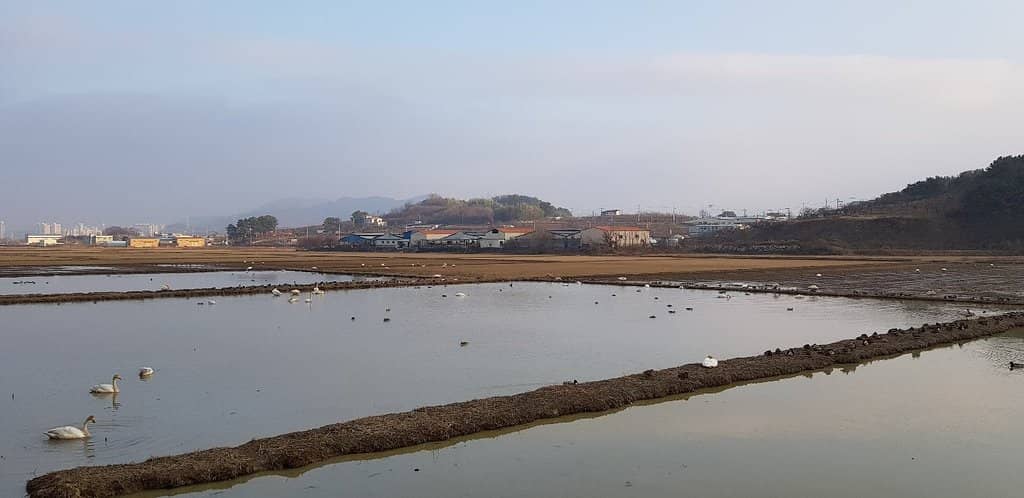
Migratory Bird Sanctuaries
Junam, Sannam, and Dongpan Reservoirs
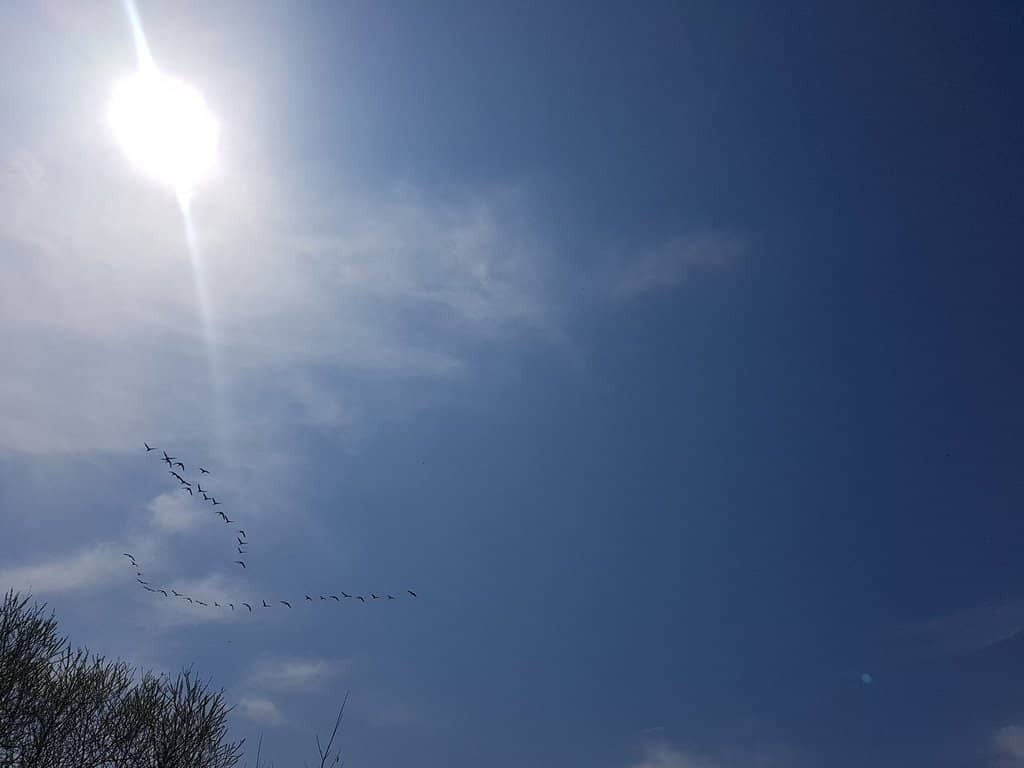
Witness thousands of migratory birds, including rare species, flocking to these vital wetland habitats.
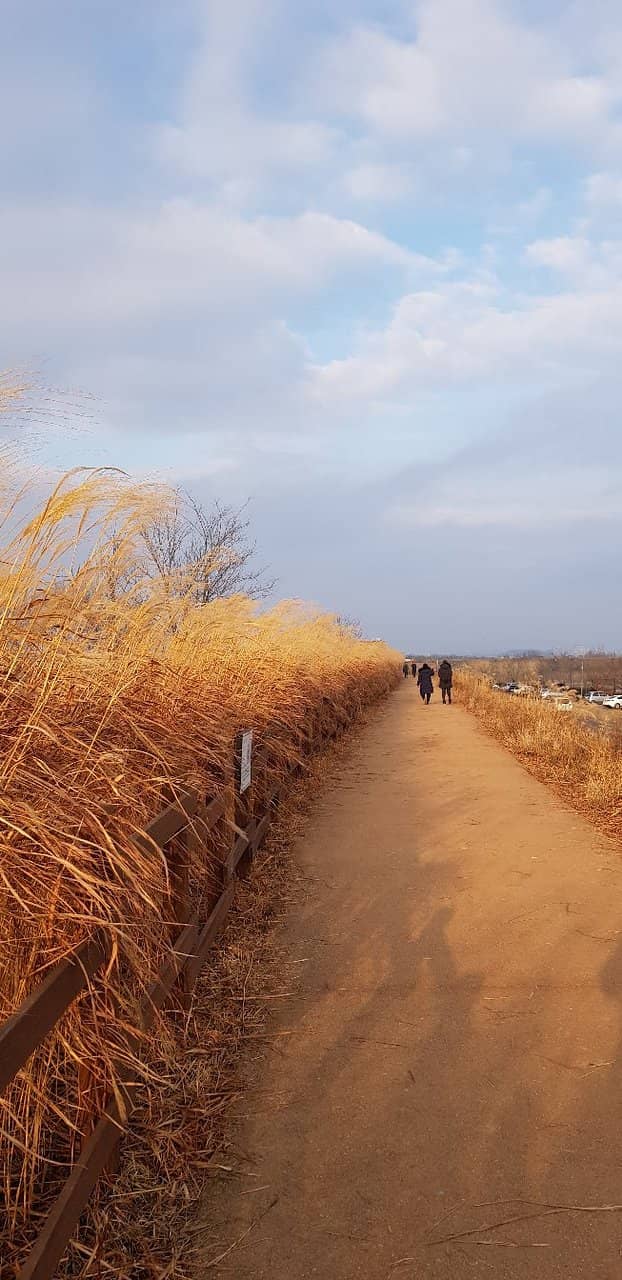
Scenic Cycling Trails
Around Junam Reservoir
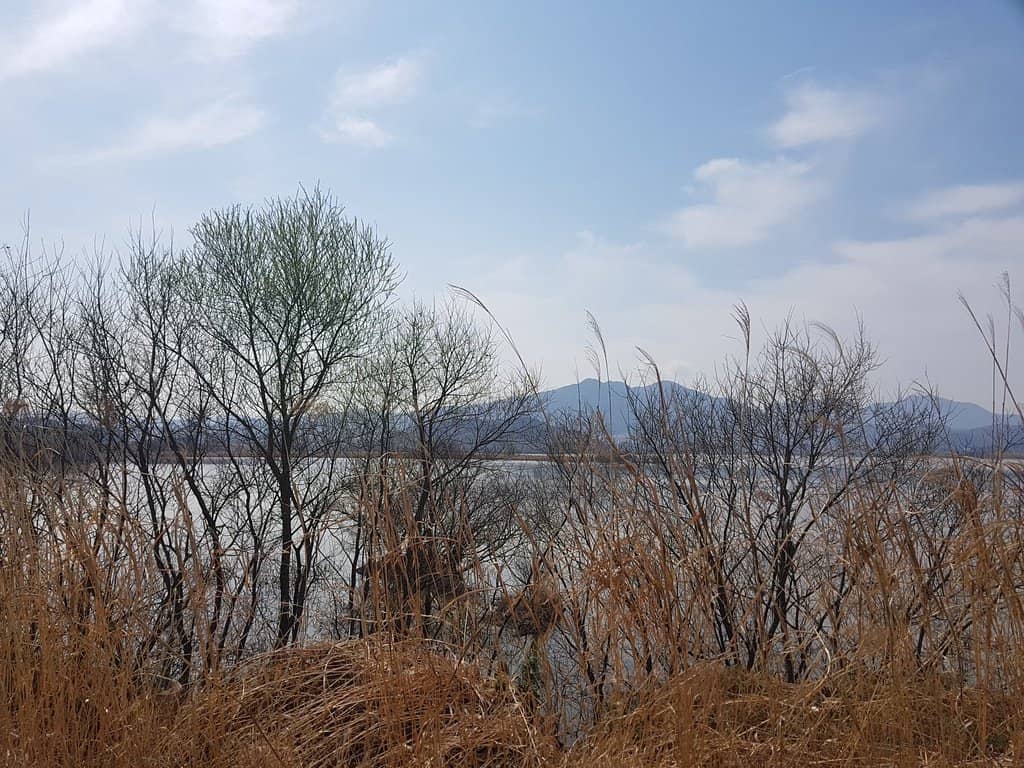
Enjoy a relaxing bike ride through beautiful scenery, especially captivating during sunset.
Plans like a pro.
Thinks like you
Planning Your Visit
Best Time for Birdwatching & Blooms
Getting Around & What to Bring
Best Times
Insider Tips
from TikTok, Instagram & Reddit
🎯 Check AI Advisories
Avian flu can lead to closures. Always check for updates before visiting to avoid disappointment.
👟 Comfortable Footwear is Key
The area is large and best explored on foot or by bike. Wear comfortable shoes for walking the trails.
📸 Capture the Sunset
The reservoir offers stunning sunset views, perfect for photography enthusiasts.
🔭 Bring Binoculars
Enhance your birdwatching experience by bringing binoculars to spot distant migratory birds.
Tips
from all over the internet
🎯 Check AI Advisories
Avian flu can lead to closures. Always check for updates before visiting to avoid disappointment.
👟 Comfortable Footwear is Key
The area is large and best explored on foot or by bike. Wear comfortable shoes for walking the trails.
📸 Capture the Sunset
The reservoir offers stunning sunset views, perfect for photography enthusiasts.
🔭 Bring Binoculars
Enhance your birdwatching experience by bringing binoculars to spot distant migratory birds.
🚴♀️ Cycling Paradise
Many visitors enjoy cycling around the reservoir, especially during the beautiful sunset hours.
What Travellers Say
Reviews Summary
Visitors praise Junam Reservoir for its stunning natural beauty, especially the vibrant lotus flowers in summer and the abundance of migratory birds in winter. The serene atmosphere and picturesque landscapes, particularly during sunset, are highly appreciated. However, some find the location a bit too far for frequent visits, and occasional faint wastewater odors from nearby farms have been noted.
"In summer, it's famous for its lotus flowers and common warblers, and in winter, it's a resting place for various migratory birds.
Seeing the beautiful nature cleanses my heart.
I'd love to visit often if it were closer, but it's too far away, which is a shame."
kihwan lee
"Located in Dong-eup, Uichang District, Changwon City, Gyeongsangnam-do, this reservoir consists of three reservoirs: Sannam, Junam (Yongsan), and Dongpan. These wetland lakes are renowned as winter sanctuaries for migratory birds, including the endangered Baikal Teal, the white-naped crane (a natural monument), the black-faced spoonbill, and the stork.
With a total area of 6.02㎢, it consists of Sannam Reservoir (0.75㎢), Junam (Yongsan) Reservoir (2.85㎢), and Dongpan Reservoir (2.42㎢). These wetland lakes were formed by the flooding of the Nakdong River. The term Junam Reservoir often refers to all three reservoirs: Sannam, Junam (Yongsan), and Dongpan. It is surrounded by Geumbyeongsan Mountain (271.8m) to the southeast, Bongnimsan Mountain (566.7m) to the south, Guryongsan Mountain (433.5m) to the southwest, and Baekwolsan Mountain (428m) to the northwest, and serves as a source of agricultural and industrial water and flood control for the surrounding area. Excerpt from Naver Encyclopedia."
Changho Hwang
"I have been to Junam Reservoir many times.
I have never seen a clear autumn sky like today,
and soft fluffy clouds,
and golden fields turning yellow,
and bundles of harvested rice,
and occasionally fish jumping into the river.
I fell in love with the clouds reflected on the clear river~~
and cheered at the beautiful nature~~
I finished the trail that was good for walking and turned around to come back, which was about 10km.
I am grateful for today, being healed~~"
Namsook Chung
What People Like
What People Dislike
Frequently Asked Questions
🚇 🗺️ Getting There
Junam Ecology Center is located in Dong-eup, Uichang-gu, Changwon City. While specific public transport details are scarce, cycling is a popular way to reach it from Changwon, especially for scenic routes. Many visitors find it a bit far for casual visits, suggesting it's best enjoyed as a dedicated trip.
Yes, Junam Reservoir is accessible by car. There are parking areas available, making it convenient for those who prefer to drive.
Junam Reservoir is comprised of three interconnected reservoirs: Sannam Reservoir, Junam (Yongsan) Reservoir, and Dongpan Reservoir. The term 'Junam Reservoir' often refers to the entire wetland complex.
Information regarding specific entrance fees for the Junam Ecology Center itself is not readily available. However, the surrounding natural areas are generally accessible for exploration.
Many visitors enjoy exploring Junam Reservoir by cycling, taking advantage of the scenic trails and beautiful views, especially during sunset. Walking is also a great option for appreciating the natural beauty.
🎫 🎫 Tickets & Entry
While the natural beauty of Junam Reservoir is accessible, specific observation facilities might have had closures due to avian influenza. It's advisable to check for any current access restrictions or fees before your visit.
Specific operating hours for the Junam Ecology Center are not widely published. However, the natural areas are generally accessible during daylight hours.
During avian influenza outbreaks, observation facilities at Junam Reservoir have been closed. It's crucial to check local advisories for the most up-to-date information on access and potential closures.
Generally, no advance booking is required for visiting Junam Reservoir as it's a natural area. However, if any specific events or observation decks are open, it's wise to check their individual booking policies.
The best way to stay updated on accessibility and potential closures at Junam Reservoir is to check local news sources or official Changwon City tourism websites, especially during migratory bird seasons or periods of concern like avian flu.
📸 📸 Photography
The lotus flower fields in summer offer stunning photographic opportunities. +1 The reservoir's reflections, especially during sunset, are also highly photogenic.
For birdwatchers, the areas around the reservoirs where migratory birds gather are prime photography locations.
A versatile camera with a good zoom lens is recommended for capturing both the expansive landscapes and the details of migratory birds. For landscape shots, a wide-angle lens can be beneficial. Don't forget a tripod for stable shots, especially during low light conditions like sunset.
The golden hour, just before sunset, provides beautiful lighting for photography, casting a warm glow over the landscape. Early mornings can also offer soft light and fewer crowds.
Information on drone usage at Junam Reservoir is not readily available. It's always best to check local regulations regarding drone operation in protected natural areas to avoid any issues.
Summer is incredibly photogenic with the blooming lotus flowers. +1 Autumn offers golden fields and clear skies, while winter is ideal for capturing migratory birds.
🍽️ 🍽️ Food & Dining
Yes, there are restaurants near Junam Reservoir. One highly recommended spot serves delicious pork cutlets made with Jirisan black pork, located conveniently by the reservoir.
You can find local Korean cuisine, including highly-rated pork cutlet dishes. The area also offers opportunities to enjoy the natural surroundings with a meal.
Specific information on vegetarian or vegan options is limited. It's advisable to inquire directly with restaurants about their menu offerings.
While not explicitly stated, picnic areas are common in natural parks. It's a good idea to bring your own food and enjoy a picnic amidst the beautiful scenery.
Due to potential water quality concerns and past advisories regarding avian influenza, it's generally recommended to consume food from reputable establishments rather than directly from the reservoir or surrounding farms without confirmation of safety.
For Different Travelers
Tailored advice for your travel style
👨👩👧 Families with Kids
📸 Photographers
🚴♀️ Cyclists and Outdoor Enthusiasts
Deep Dives
In-depth insights and expert knowledge
The Avian Wonders of Junam Reservoir
Seasonal Highlights:
- Winter: Peak season for migratory birds, offering unparalleled birdwatching opportunities.
- Summer: The lotus flowers bloom, creating a stunning visual spectacle.
It's important to note that avian influenza outbreaks have led to temporary closures of observation facilities in the past, so checking local advisories before your visit is highly recommended.
Cycling and Exploring the Reservoir
Beyond cycling, walking trails are also available, allowing for a more intimate exploration of the environment. The total area of the three reservoirs is significant, so comfortable footwear is essential for those who prefer to explore on foot.
The Ecology and Formation of Junam Reservoir
The surrounding geography, with mountains like Geumbyeongsan and Bongnimsan, contributes to the unique microclimate that supports the rich biodiversity.

Social
from TikTok, Instagram & Reddit