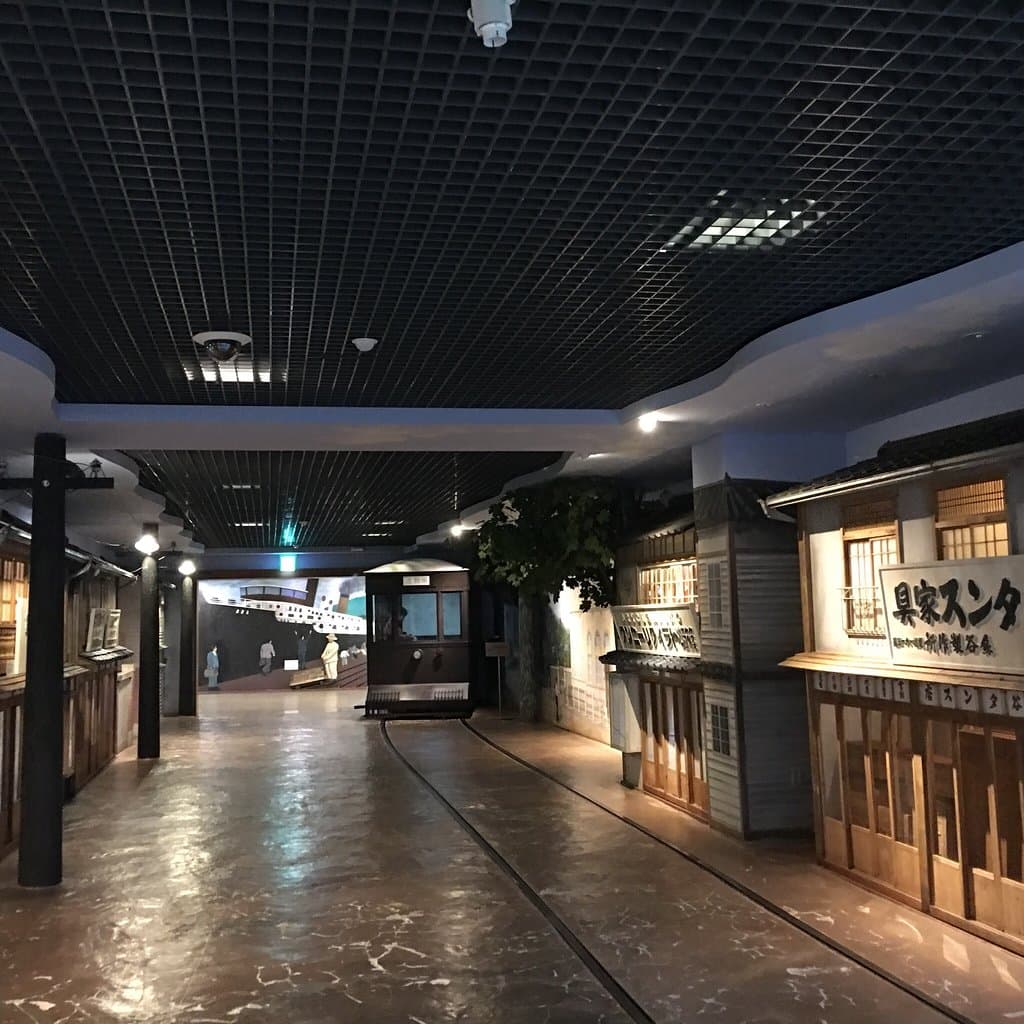
Busan Modern & Contemporary History Museum Busan
Explore Busan's pivotal history, from Japanese occupation to post-war recovery, through engaging exhibits and art.

Highlights
Must-see attractions
Social
From TikTok & Reddit
Best Time
Fewer crowds, more immersive
Busan Modern & Contemporary History Museum Busan
Best Time
Fewer crowds, more immersive
Highlights
Must-see attractions
Explore Busan's pivotal history, from Japanese occupation to post-war recovery, through engaging exhibits and art.
"Incredible free museum that details the history of Busan. Very high quality interactive exhibits."
Free Admission! :money_with_wings:
Enjoy a comprehensive historical journey through Busan's past without any entry fee.
Audio Guides Available :iphone:
Utilize QR codes for audio tours in English, Chinese, Japanese, and Korean.
Highlights
Discover the most iconic attractions and experiences
Wartime Capital Exhibits
Part 3: The Wartime Capital
Discover how Busan served as the temporary capital during the Korean War, showcasing government institutions and their resilience.
Refugee Life Recreations
Part 1: Site of Livelihood
Experience the challenging conditions of post-war refugees in areas like Ami-dong Tombstone Village.

Interactive Geographical Map
Basement Exhibition
Engage with a dynamic map that illuminates historical data and videos for selected locations in Busan.
Plans like a pro.
Thinks like you
Planning Your Visit
Understand Busan's Past
Explore Multiple Floors
Best Times
Insider Tips
from TikTok, Instagram & Reddit
Free Admission! :money_with_wings:
Enjoy a comprehensive historical journey through Busan's past without any entry fee.
Audio Guides Available :iphone:
Utilize QR codes for audio tours in English, Chinese, Japanese, and Korean.
Explore the Basement :arrow_down:
Don't miss the basement exhibition, which often features free additional displays.
Learn About Japanese Rule :flag-jp:
The museum offers a candid look at the Japanese colonization period.
Tips
from all over the internet
Free Admission! :money_with_wings:
Enjoy a comprehensive historical journey through Busan's past without any entry fee.
Audio Guides Available :iphone:
Utilize QR codes for audio tours in English, Chinese, Japanese, and Korean.
Explore the Basement :arrow_down:
Don't miss the basement exhibition, which often features free additional displays.
Learn About Japanese Rule :flag-jp:
The museum offers a candid look at the Japanese colonization period.
Combine with Coffee :coffee:
After your visit, relax with a coffee in a nearby cafe.
What Travellers Say
Reviews Summary
Visitors praise the Busan Modern & Contemporary History Museum for its free admission and high-quality, interactive exhibits that offer a deep dive into the city's past. The museum is commended for its candid portrayal of historical events, including the Japanese occupation and Korean War, with many appreciating the English translations and audio guides. Some visitors enjoy the added benefit of a basement exhibition and the opportunity to relax with coffee afterward.
"If you are ever in the second largest city in the Republic of Korea. This museum exhibition in Busan offers and captures an important time in the making of a Busan.
It gives a historical perspective of the industrious port city from in beginnings of LG, to it's shipbuilding industry, along with various other industries such as chemical, rubber, and textile.
The contemporary artwork includes: the historical pre-colonial Japanese occupation of Busan, the Korean liberation movement, Korean War, and post war refugee conditions and much more. It also provides audio in English, Japanese, and Chinese.
Learn about Busan!
This exhibition consists of three parts: Part 1: Site of Livelihood – Sustaining Life on Limited Land focuses on Ami-dong Tombstone Village and Uam-dong Cattle Shed Village, which were the representative residential areas for refugees, and Pier 1 of Busan Port, which was essential to the refugees’ livelihoods, when over a million war refugees sought shelter in the city’s limited space; Part 2: International Cooperation – Support and Sacrifice for Peace features ‘the U.S. Embassy and US Information Service (USIS),’ ‘the United Nations Memorial Cemetery,’ and ‘Camp Hialeah,’ which are related to the 1.75 million UN forces who manned the Nakdonggang River Defense Line and sacrificed themselves for peace of the Republic of Korea and the UN. These three sites are reconstructed by three artists; and Part 3: The Wartime Capital – The Continuity of the State and Government examines the three national institutions that represented the government, which remained in place for 1,023 days despite Busan being a temporary capital—the Temporary Presidential Residence, the Temporary Government Complex, and the Korea Meteorological Administration. All these are reinterpreted through the"
Oscar García
"It was an amazing place to learn about past Busan. And I saw a artworks in a basement for free. After then, I had a comfort time with a good coffee."
Jason Lim
"Incredible free museum that details the history of Busan. Very high quality interactive exhibits. Total of 4 floors including the basement. Lots of English translations. QR codes available to listen to audio tour in Korean, Chinese, Japanese and English. Beautiful and well organized."
Jon W
What People Like
What People Dislike
Frequently Asked Questions
🚇 🗺️ Getting There
The museum is accessible via public transportation. You can take a bus or subway to nearby stations. Check local transit apps for the most convenient route from your location. mentions a monorail in a nearby village, suggesting good public transport access in the area.
Information on dedicated parking for the museum is limited. It's generally recommended to use public transport in Busan. mentions free parking at Hwangryeongsan Mountain, which is a different location but indicates parking is available in some Busan attractions.
From Haeundae Beach, you can take the subway or a bus. The museum is centrally located, making it relatively easy to access from major tourist areas. 
The museum is generally well-signposted. Using a navigation app on your phone is recommended for precise directions. highlights that some cliffside locations can be tricky to find, so a map is useful.
Depending on your starting point, walking might be an option. However, Busan is a hilly city, so consider public transport for longer distances. describes a steep village with stairs, indicating walking can be challenging in some areas.
🎫 🎫 Tickets & Entry
Admission to the Busan Modern & Contemporary History Museum is free. This makes it an excellent option for budget-conscious travelers looking to explore Busan's history.
Opening hours can vary, so it's best to check the official museum website or local listings before your visit. Generally, museums in Korea are open during daytime hours. mentions an exhibition on September 20th, implying it's open on specific dates.
As admission is free, advance booking is typically not required for general entry. However, for special exhibitions or events, it's advisable to check for any reservation requirements. mentions an inquiry about a specific exhibition.
The museum hosts various exhibitions. A Reddit user inquired about an exhibition on traditional folk arts in September, indicating ongoing special events.
Since the museum offers free admission, there are no specific discounts for students or seniors. Everyone can enjoy the exhibits without charge.
🎫 🧭 Onsite Experience
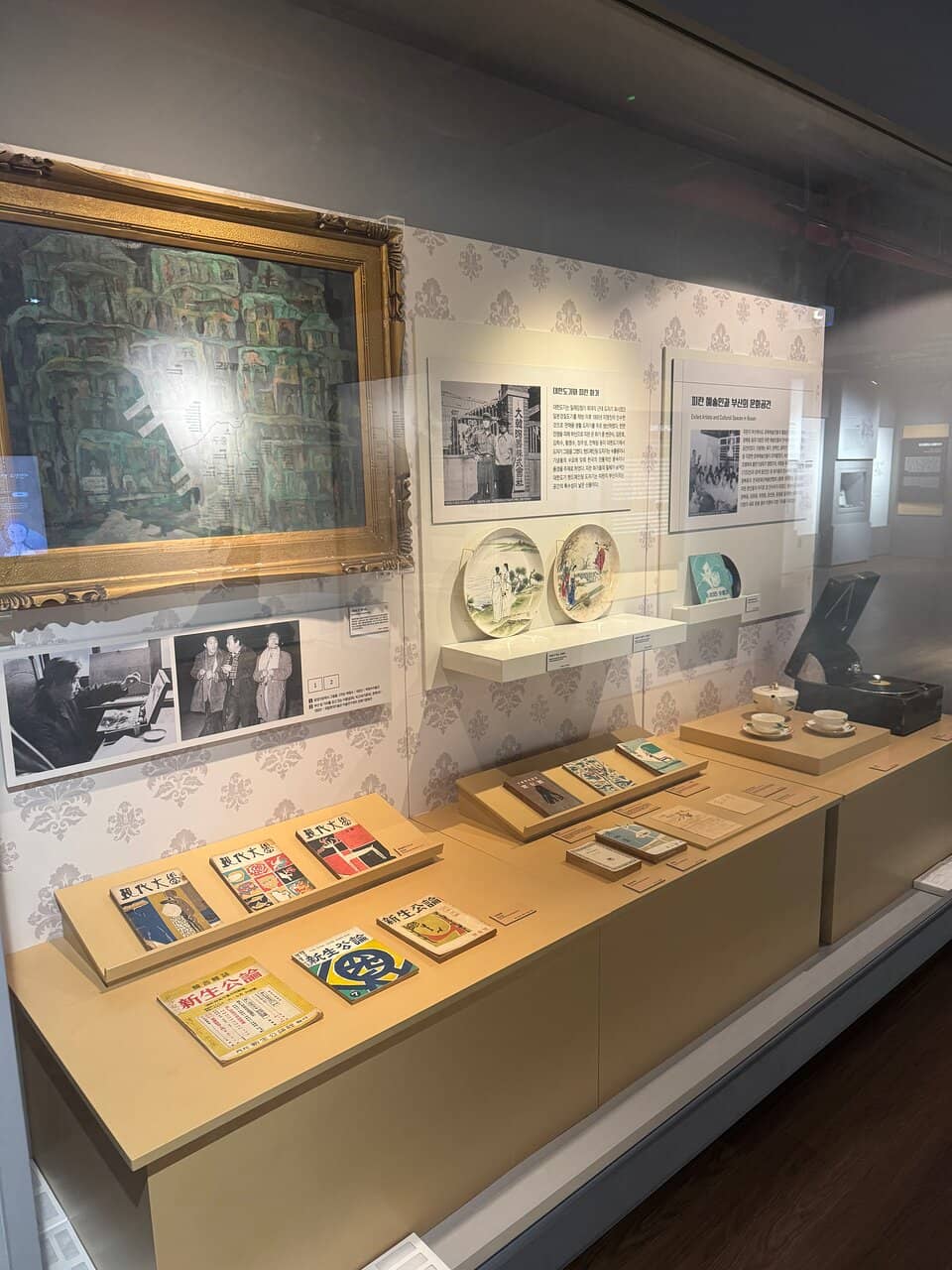
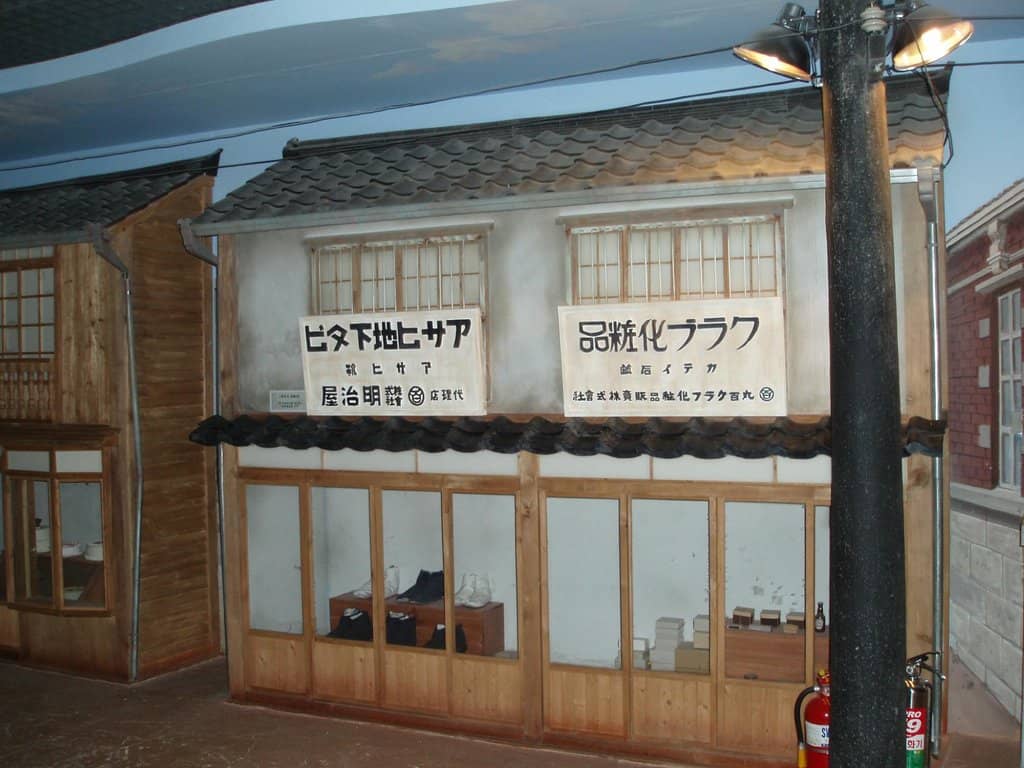
The museum showcases Busan's history from the 1850s to the present, covering its port city development, Japanese occupation, Korean War, and post-war recovery through interactive exhibits and contemporary art.
Yes, many exhibits at the museum feature English translations, making them accessible to international visitors.
Photography policies can vary. It's best to look for signage within the museum or ask staff if photography is permitted in specific areas. Some social media content shows people enjoying museums, but specific rules should be checked. shows general Busan attractions, not the museum itself.
To fully appreciate the four floors of exhibits, including the basement, it's recommended to allocate at least 1-2 hours for your visit.
The museum's interactive exhibits can be engaging for older children and teenagers interested in history. However, younger children might find some of the content less stimulating.
🍽️ 🍽️ Food & Dining
The museum itself does not typically have a restaurant. However, the surrounding area in Busan offers a wide variety of dining options. mentions having coffee after the visit.
You can find diverse Korean cuisine near the museum, from traditional dishes to modern cafes. Explore local eateries for an authentic taste of Busan. lists several food spots in Busan.
Yes, there are cafes in the vicinity where you can relax after your museum visit. specifically mentions enjoying a good coffee after exploring the free basement exhibition.
Generally, outside food and drinks are not allowed inside museums to preserve the exhibits. It's best to consume them before entering or after your visit. suggests enjoying coffee afterwards.
Busan is known for its fresh seafood, Dwaeji Gukbap (pork soup), and Ssiat Hotteok (sweet pancake). mentions Bonjeon Dwaeji Gukbap as a recommended spot.
📸 📸 Photography
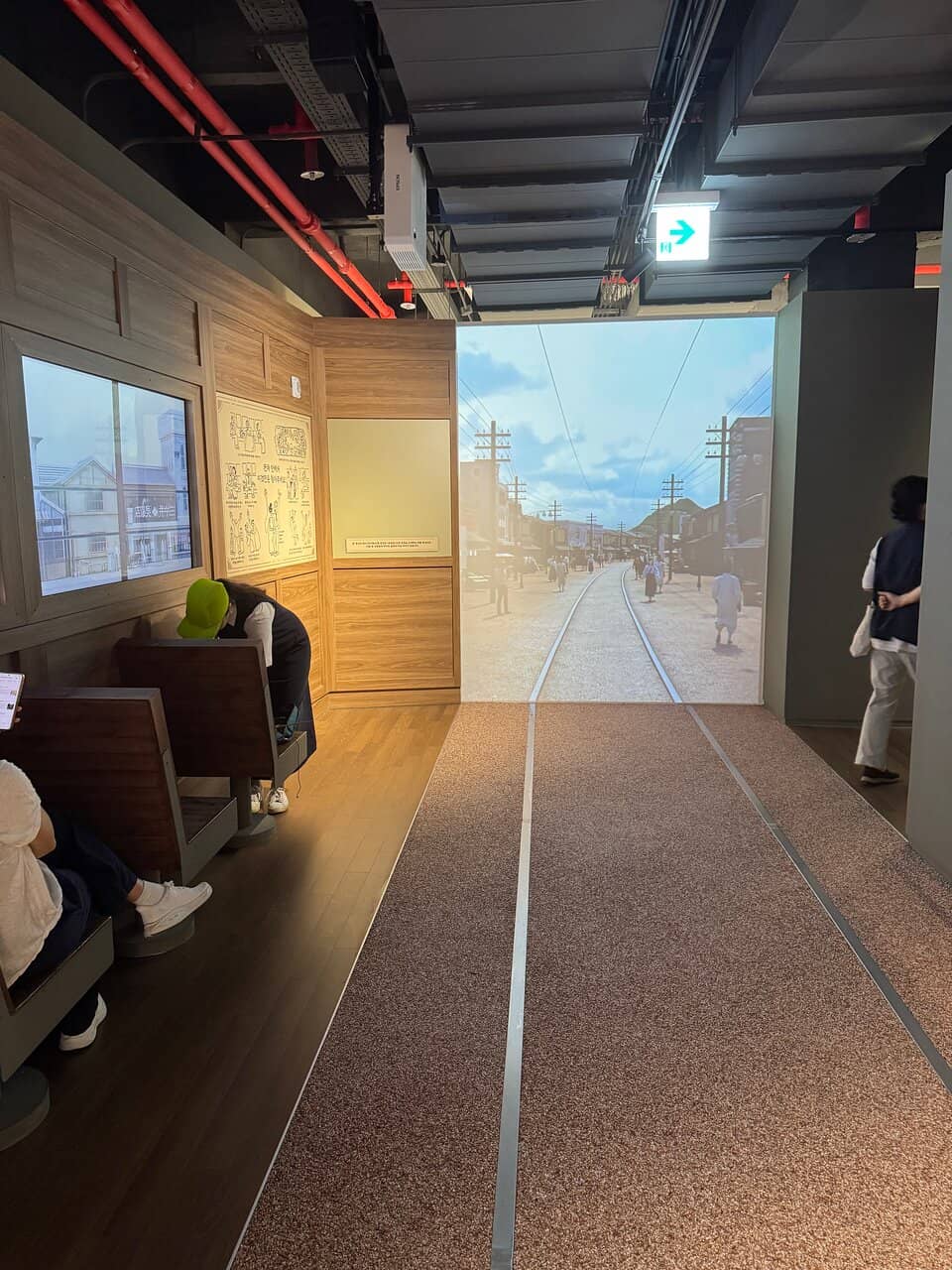
While the museum focuses on history, the interactive exhibits and well-designed displays can offer unique photographic opportunities. The geographical map and historical recreations are visually interesting.
Photography rules for art installations can vary. Check for signage or ask museum staff for guidance on whether you can photograph the contemporary artworks.
Historical exhibits may have stricter photography rules to protect artifacts. Always adhere to any posted restrictions.
The museum generally has good lighting for its exhibits, designed to showcase the historical artifacts and artwork effectively.
The museum's architecture might offer some exterior photo potential, but the primary focus is on the historical content within. shows scenic views from Hwangryeongsan Mountain, a different type of photo opportunity in Busan.
For Different Travelers
Tailored advice for your travel style
👨👩👧 Families with Kids
to balance the historical learning with more playful activities.Tip for families: Utilize the audio guides and English translations to make the exhibits more accessible. Plan your visit during weekday mornings to avoid larger crowds and allow children to explore at their own pace.
🏛️ History Buffs
The interactive geographical map and the reinterpretation of historical sites through contemporary art add depth to the historical narrative.
🚶♀️ Solo Travelers
After your visit, consider enjoying a relaxing coffee at a nearby cafe, as suggested by previous visitors, to reflect on what you've learned.
Deep Dives
In-depth insights and expert knowledge
Busan's Historical Significance
Furthermore, the museum provides a poignant look at Busan's role during the Korean War. It reconstructs the experiences of over a million refugees who sought shelter in the city, focusing on areas like Ami-dong Tombstone Village and Uam-dong Cattle Shed Village. The exhibits also detail the international cooperation and sacrifices made for peace, featuring sites related to UN forces.
This comprehensive approach allows visitors to grasp the resilience and transformation of Busan, from a port city grappling with occupation and war to its current status as a vibrant metropolis. The interactive elements and detailed narratives make this historical journey engaging and informative.
Interactive Exhibits and Art
The museum also showcases contemporary artwork that reinterprets historical events and themes. These artistic interpretations add another layer of understanding to the narratives presented. While the museum's primary focus is history, institutions like Museum 1 in Busan are known for modern media art, suggesting a broader appreciation for visual storytelling in the city.
With audio guides available in multiple languages (English, Chinese, Japanese, and Korean) and clear English translations on many displays, the museum ensures that a wide range of visitors can engage with its content. This commitment to accessibility enhances the overall visitor experience.
Exploring Busan's Neighborhoods
Busan is also renowned for its vibrant cultural villages, such as Gamcheon Culture Village, which has been transformed into an artistic hub with colorful houses and street art.
For those interested in scenic views, Hwangryeongsan Mountain provides the highest natural viewpoint in Busan, offering panoramic vistas of the city.


Social
from TikTok, Instagram & Reddit