
Domkrag Dam Addo Elephant National Park
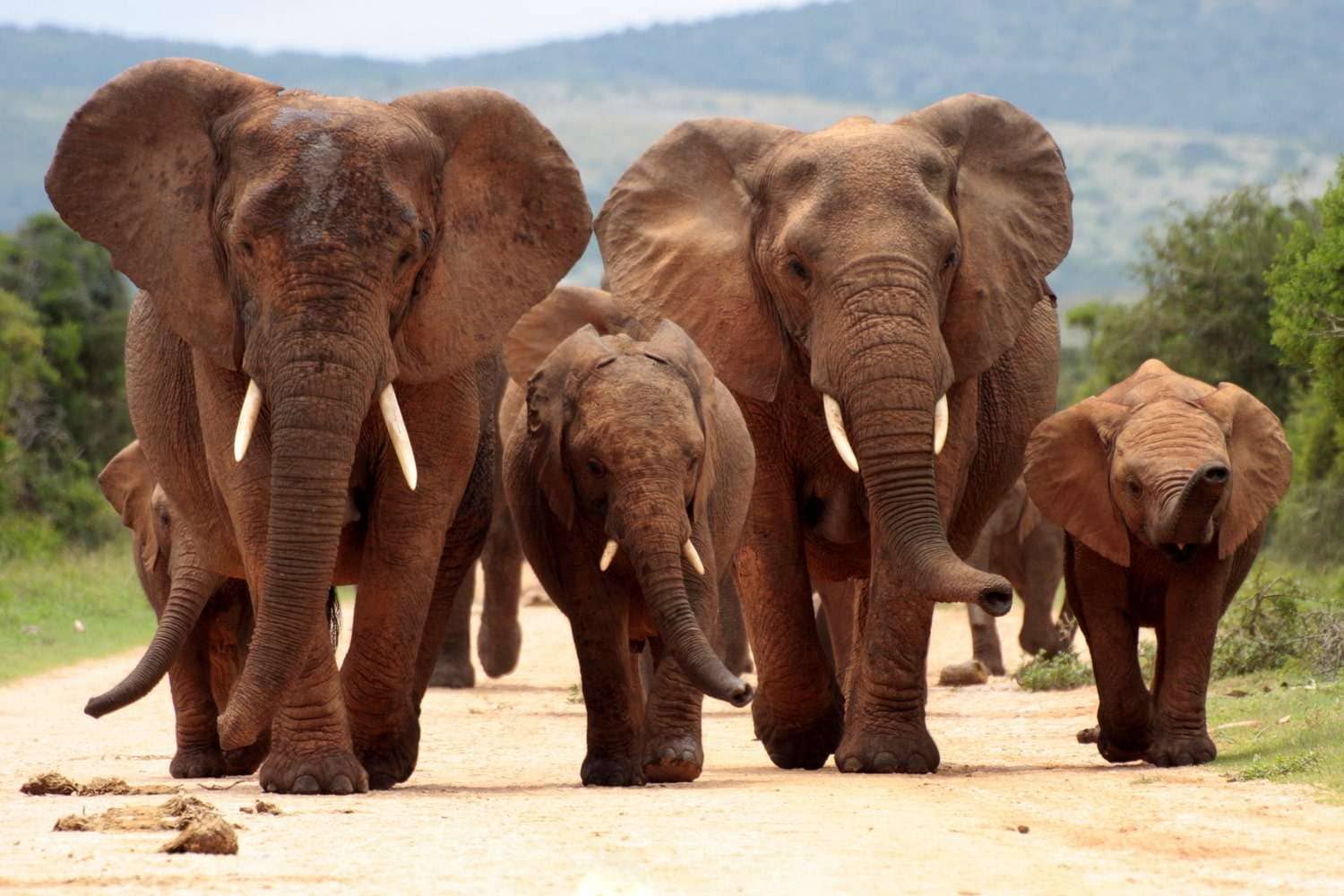
South Africa's premier elephant sanctuary, offering unparalleled wildlife viewing and a chance to see the Big Seven.
Highlights
Must-see attractions

Social
From TikTok & Reddit
Best Time
Peak animal activity
Domkrag Dam Addo Elephant National Park
Best Time
Peak animal activity
Highlights
Must-see attractions
South Africa's premier elephant sanctuary, offering unparalleled wildlife viewing and a chance to see the Big Seven.
"Addo is a must-visit for any wildlife lover, with elephants everywhere you look!"

Pack Binoculars! 🔭
Essential for spotting distant wildlife. Don't miss out on those subtle movements in the bush!
Self-drive for flexibility 🚗
Explore at your own pace. Download offline maps as reception can be spotty.

Highlights
Discover the most iconic attractions and experiences

The Mighty Elephant Herds
Throughout the park
Witness hundreds of elephants in their natural habitat. A truly awe-inspiring sight for any wildlife enthusiast.

The Big Seven
Coastal areas and land
Beyond the Big Five, spot whales and great white sharks in the marine section. A unique biodiversity hotspot.

Diverse Birdlife
Various waterholes and habitats
Over 400 bird species call Addo home. Keep an eye out for raptors, waterbirds, and endemic species.
Plans like a pro.
Thinks like you
Planning Your Visit
Best Time for Elephant Sightings
Self-Drive vs. Guided Safaris
Best Times
Insider Tips
from TikTok, Instagram & Reddit
Pack Binoculars! 🔭
Essential for spotting distant wildlife. Don't miss out on those subtle movements in the bush!
Self-drive for flexibility 🚗
Explore at your own pace. Download offline maps as reception can be spotty.
Book accommodation early 🏨
Especially during peak season. Options range from park rest camps to private lodges.
Stay in your car! 🚫
For safety, never exit your vehicle when wildlife is near. Observe from a distance.
Tips
from all over the internet
Pack Binoculars! 🔭
Essential for spotting distant wildlife. Don't miss out on those subtle movements in the bush!
Self-drive for flexibility 🚗
Explore at your own pace. Download offline maps as reception can be spotty.
Book accommodation early 🏨
Especially during peak season. Options range from park rest camps to private lodges.
Stay in your car! 🚫
For safety, never exit your vehicle when wildlife is near. Observe from a distance.
Bring snacks & water 💧
Limited facilities inside the park. Be prepared for longer game drives.
What Travellers Say
Reviews Summary
Visitors consistently praise Addo Elephant National Park for its incredible elephant sightings and the sheer abundance of wildlife. The park's conservation success and the opportunity to see the 'Big Seven' are major draws. While some find the park's infrastructure basic, most agree the wildlife viewing opportunities are exceptional.
What People Like
What People Dislike
Frequently Asked Questions
🚇 🗺️ Getting There
Addo Elephant National Park is located in the Eastern Cape of South Africa, about an hour's drive from Gqeberha (formerly Port Elizabeth). You can fly into Chief Dawid Stuurman International Airport (PLZ) in Gqeberha and then rent a car. The drive to the park is straightforward and well-signposted. Many visitors opt for a self-drive safari once they arrive.
Public transport options directly to the park are limited. It's highly recommended to rent a car from Gqeberha or arrange a transfer. Some tour operators offer packages that include transportation.
The most popular way to explore Addo is by self-driving on the park's network of roads. For a more in-depth experience, consider booking guided game drives offered by SANParks or private lodges.
Yes, there are entrance fees for Addo Elephant National Park. These fees vary for South African residents and international visitors. It's advisable to check the official SANParks website for the most current pricing.
Addo is quite a distance from Cape Town (approx. 12-hour drive) and Johannesburg (approx. 10-hour drive). Most visitors fly into Gqeberha and then drive to Addo.
🎫 🎫 Tickets & Entry
While not always mandatory, booking your park entry and accommodation in advance is highly recommended, especially during peak seasons and holidays, to avoid disappointment.
The park's gates typically open at sunrise and close at sunset. Specific times can vary seasonally, so it's best to check the official SANParks website for the most up-to-date opening and closing hours.
Yes, you can usually purchase entrance tickets at the park's main gates. However, booking online in advance is often more convenient and guarantees entry, especially if the park reaches its daily visitor capacity.
SANParks offers various permits, including daily conservation fees and multi-day permits. If you plan to stay within the park, your accommodation booking usually includes park access.
The conservation fee varies for South African citizens, residents, and international visitors. These fees contribute to the park's conservation efforts. Check the SANParks website for current rates.
🎫 🦁 Onsite Experience
Addo is famous for its large elephant population, but you can also spot lions, leopards, rhinos, buffalo, zebras, various antelope species, and over 400 bird species. The park is also home to the marine Big Seven (whales and great white sharks). 
Yes, Addo is considered very safe for self-driving. The roads are well-maintained, and there are designated rest areas. Always stay in your vehicle and maintain a safe distance from wildlife.
Waterholes are excellent spots for game viewing, as animals congregate there to drink. The main game viewing area around the Addo Rest Camp is particularly rich in wildlife. Explore different loops for varied sightings.
Yes, SANParks offers guided night drives, which are a fantastic way to see nocturnal animals that are rarely active during the day. Booking these in advance is recommended.
There are a few designated walking trails, particularly around the main rest camps, that allow you to experience the park on foot in a safe environment. Always check park regulations before venturing out.
🍽️ 🍽️ Food & Dining
Yes, the main Addo Rest Camp has a restaurant and a small shop selling essentials, snacks, and souvenirs. However, options are limited, so bringing your own food and drinks is a good idea.
There are designated picnic areas within the park where you can enjoy your own meals. These are great spots to take a break and soak in the surroundings.
The restaurant at Addo Rest Camp typically serves a variety of meals, often including local South African dishes. It's a convenient option for lunch or dinner if you're staying at the camp.
Some accommodation options within the park, like chalets or cottages, may have braai facilities. There are also communal braai areas available at certain picnic spots.
It's highly recommended to bring your own snacks, water, and even a packed lunch, especially if you plan on spending a full day exploring the park. This ensures you have refreshments readily available.
📸 📸 Photography
The 'golden hours' – shortly after sunrise and before sunset – offer the most beautiful light for wildlife photography. The soft, warm light enhances colors and creates dramatic shadows.
A telephoto lens (e.g., 300mm or more) is essential for capturing wildlife details. A sturdy tripod or monopod can help with stability, especially in low light. Don't forget extra batteries and memory cards!
Some lodges and tour operators offer specialized photography safaris led by experienced wildlife photographers. These tours often focus on optimal positioning and timing for the best shots.
Elephants are, of course, a prime subject. However, don't miss opportunities to photograph lions, rhinos, hyenas, warthogs, and the diverse birdlife. Every animal offers a unique photographic challenge and reward.
Be patient and observe their behavior. Look for interactions between mothers and calves, or the majestic sight of a bull elephant. Always maintain a safe distance and respect their space.
For Different Travelers
Tailored advice for your travel style
👨👩👧 Families with Kids
Consider staying at the main Addo Rest Camp, which offers family-friendly accommodation and amenities like a swimming pool and restaurant. The park's educational aspects, from interpretive signs to the sheer wonder of seeing so many animals, make it a memorable learning experience for children. Pack plenty of snacks and drinks, and ensure kids stay buckled up and quiet when wildlife is near.
📸 Photography Enthusiasts
+1Bring your longest telephoto lens (300mm+) to get close-up shots of the animals. Consider a beanbag for stable shots from your car window. Don't forget to capture the smaller details too – the textures of an elephant's skin, the intricate patterns on a bird's feather, or the determined look of a warthog. Specialized photography tours can offer expert guidance.
+1🚗 Budget Travelers
Pack your own food and drinks to save on restaurant expenses. While guided safaris offer value, focusing on self-drive game viewing can still provide an incredible wildlife experience without the added cost. Visiting during the shoulder or off-peak seasons can also lead to lower accommodation prices.
Deep Dives
In-depth insights and expert knowledge
The Elephant Capital of the World
+4These gentle giants are the park's main attraction, and their presence shapes the landscape and the behavior of other animals. Watching them interact, especially mothers with their calves, is a highlight for many visitors. The sheer scale of the herds can be overwhelming and deeply moving. Remember to always observe them from the safety of your vehicle and maintain a respectful distance.
+1Beyond the elephants, Addo is a testament to successful conservation efforts. It's one of the few places in the world where you can potentially see the 'Big Seven' – the Big Five (lion, leopard, rhino, buffalo, elephant) plus the southern right whale and great white shark in the marine protected area. This biodiversity makes Addo a crucial conservation hub in South Africa.
Navigating Addo: Self-Drive vs. Guided Safaris
However, guided safaris, offered by SANParks and private lodges, provide a different, often more insightful, experience. Guides are experts in animal behavior, tracking, and park lore. They can take you to less-visited areas and help you spot elusive animals that you might otherwise miss. Night drives, in particular, are a must-do for seeing nocturnal creatures.
Many visitors choose a combination of both. They might self-drive during the day to cover more ground and then opt for a guided game drive or night drive to gain deeper insights and potentially see different species. Consider your comfort level with navigation and your desire for expert interpretation when deciding which option, or combination, is best for your visit.
Conservation Success and Biodiversity
+1The park is a crucial sanctuary for the African elephant, but its conservation mandate extends far beyond. It plays a vital role in protecting the critically endangered black rhino and is one of the few places where you can encounter the 'Big Seven' – adding the southern right whale and great white shark to the traditional Big Five. This comprehensive approach to conservation highlights the interconnectedness of terrestrial and marine ecosystems.
Visitors contribute directly to these conservation efforts through their park fees. Understanding the park's history and its ongoing commitment to protecting its wildlife adds a deeper layer of appreciation to the safari experience. It's a place where tourism and conservation efforts work hand-in-hand to preserve natural heritage for future generations.
Social
from TikTok, Instagram & Reddit