Sukhumi Aquarium Ruins
Explore the hauntingly beautiful ruins of a 19th-century aquarium and the resilient Sukhumi Lighthouse.
Highlights
Must-see attractions

Social
From TikTok & Reddit
Best Time
Pleasant weather, fewer crowds
Sukhumi Aquarium Ruins
Best Time
Pleasant weather, fewer crowds
Highlights
Must-see attractions
Explore the hauntingly beautiful ruins of a 19th-century aquarium and the resilient Sukhumi Lighthouse.
"A place where history crumbles beautifully, crowned by an enduring lighthouse."
Wear Sturdy Shoes
Paths can be uneven and overgrown. Comfortable, closed-toe shoes are a must for exploring the ruins. :athletic_shoe:
Bring Insect Repellent
The area can be prone to mosquitoes, especially during warmer months. Protect yourself for a more enjoyable visit. :bug:
Quick Facts
Highlights
Discover the most iconic attractions and experiences
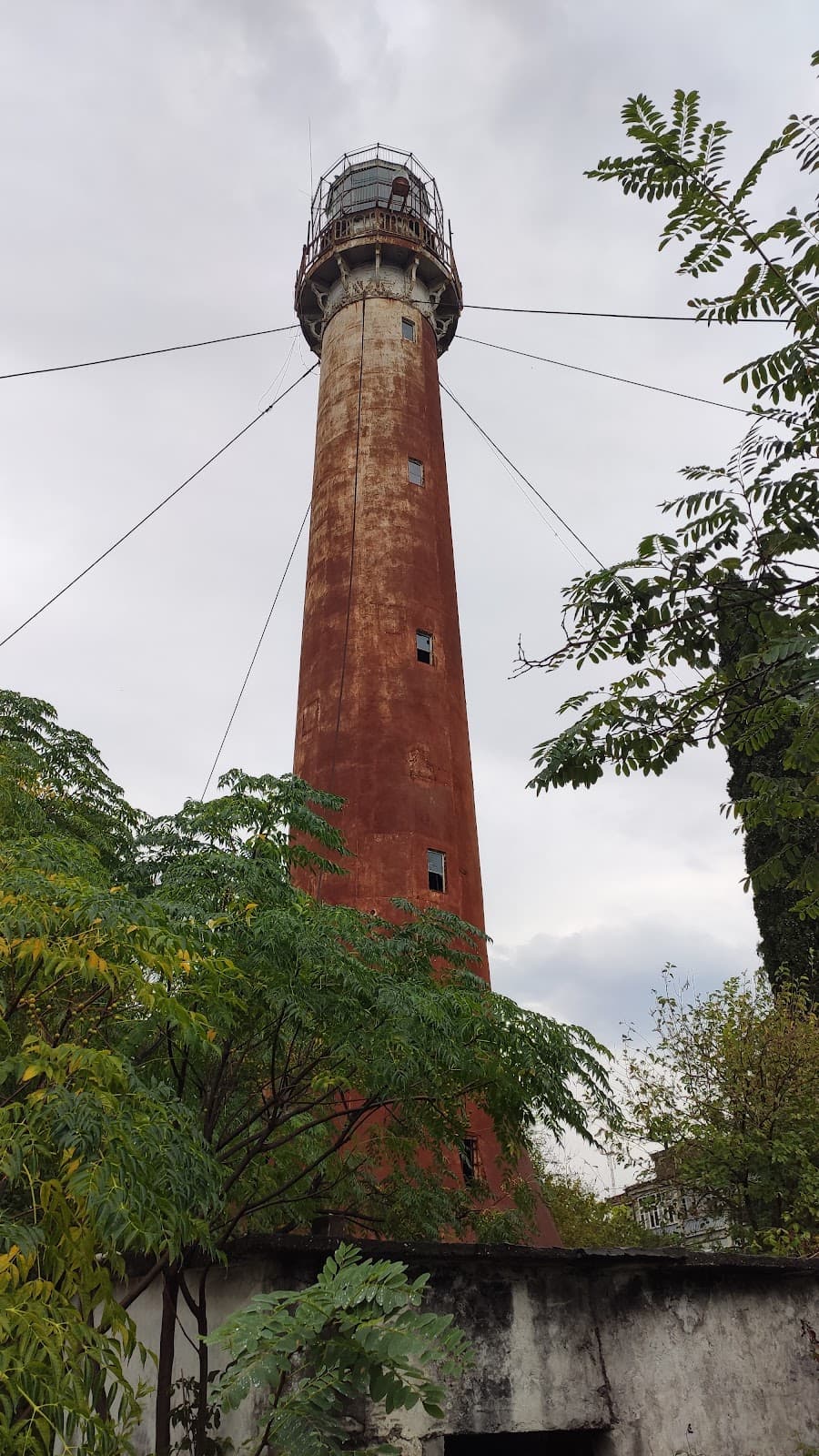
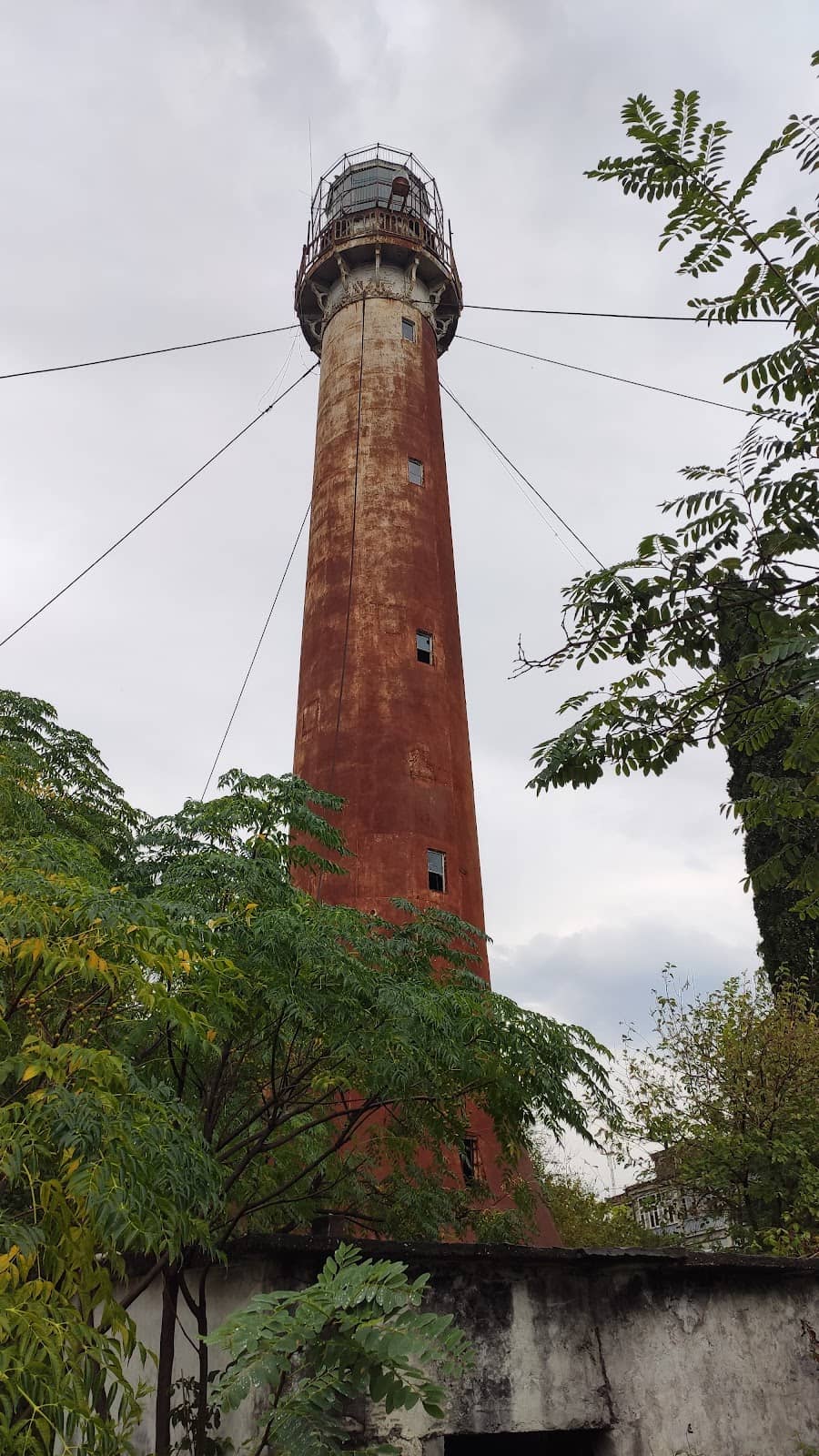
Sukhumi Lighthouse
Cape near Gumista River
A 37m tall iron lighthouse, a 19th-century engineering feat with 147 steps to the top.
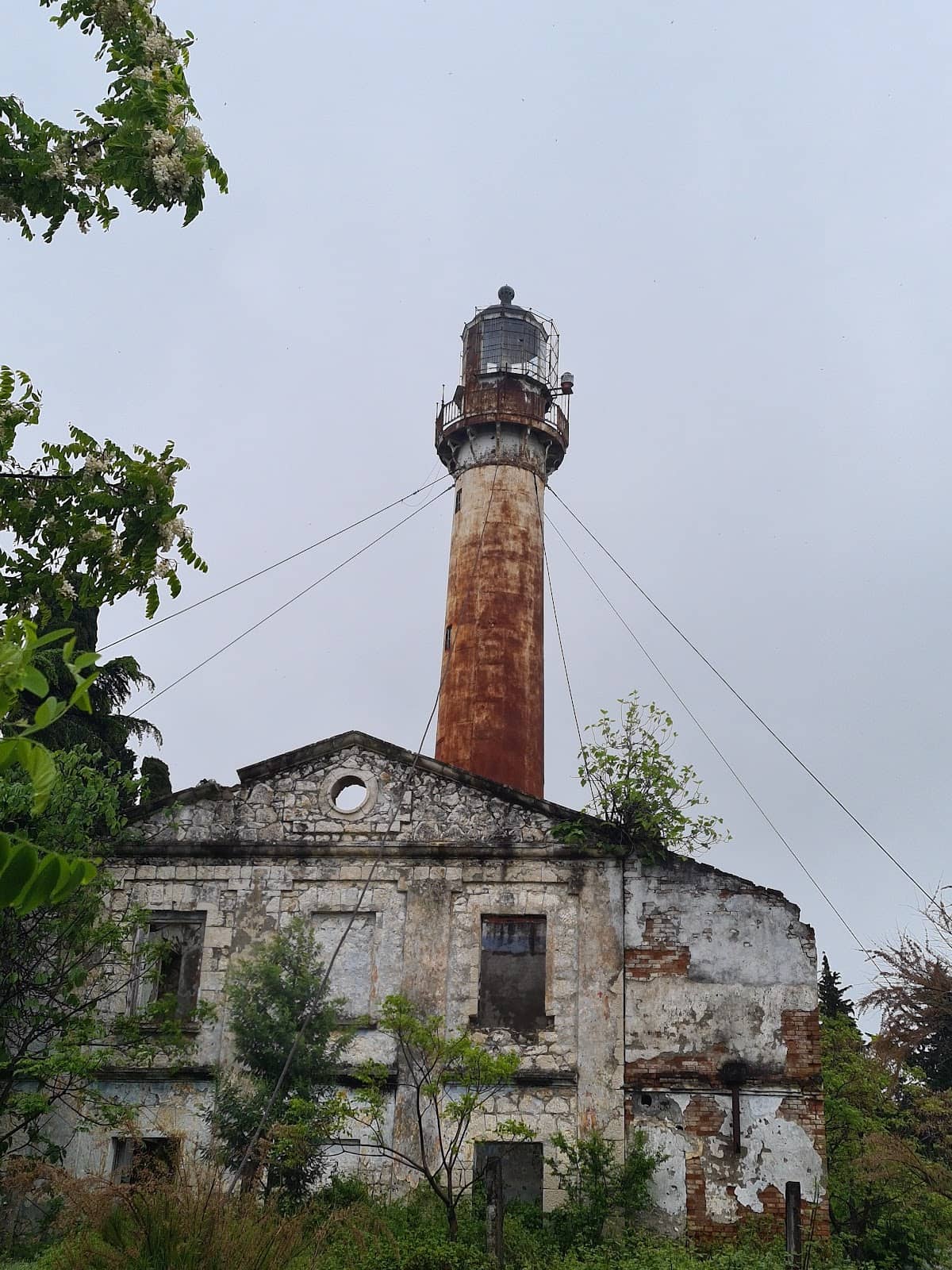
Aquarium Ruins
Adjacent to the lighthouse
Eerie, overgrown remnants of a once-grand aquarium, offering a glimpse into a bygone era.
Coastal Views
From the lighthouse tower
Panoramic vistas of Sukhumi and New Athos, showcasing the Black Sea coastline.
Plans like a pro.
Thinks like you
Planning Your Visit
Embrace the Ruins
Lighthouse Legacy
Best Times
Insider Tips
from TikTok, Instagram & Reddit
Wear Sturdy Shoes
Paths can be uneven and overgrown. Comfortable, closed-toe shoes are a must for exploring the ruins. :athletic_shoe:
Bring Insect Repellent
The area can be prone to mosquitoes, especially during warmer months. Protect yourself for a more enjoyable visit. :bug:
Check Lighthouse Status
While the ruins are always accessible, the lighthouse's operational status can vary. Inquire locally if seeing it lit is a priority.
Capture the Atmosphere
The juxtaposition of decaying structures and nature is incredibly photogenic. Allow time for photography. :camerawithflash:
Tips
from all over the internet
Wear Sturdy Shoes
Paths can be uneven and overgrown. Comfortable, closed-toe shoes are a must for exploring the ruins. :athletic_shoe:
Bring Insect Repellent
The area can be prone to mosquitoes, especially during warmer months. Protect yourself for a more enjoyable visit. :bug:
Check Lighthouse Status
While the ruins are always accessible, the lighthouse's operational status can vary. Inquire locally if seeing it lit is a priority.
Capture the Atmosphere
The juxtaposition of decaying structures and nature is incredibly photogenic. Allow time for photography. :camerawithflash:
What Travellers Say
Reviews Summary
Visitors find the Sukhumi Aquarium Ruins and Lighthouse to be atmospheric and historically significant, despite the decay. The lighthouse is a particular draw, admired for its engineering and resilience. The ruins offer a haunting beauty, though some note the lack of maintenance.
"Squirtwart got me crunk cuh u feel me? 👌🔥🔥🔥☄️"
Da Train Man
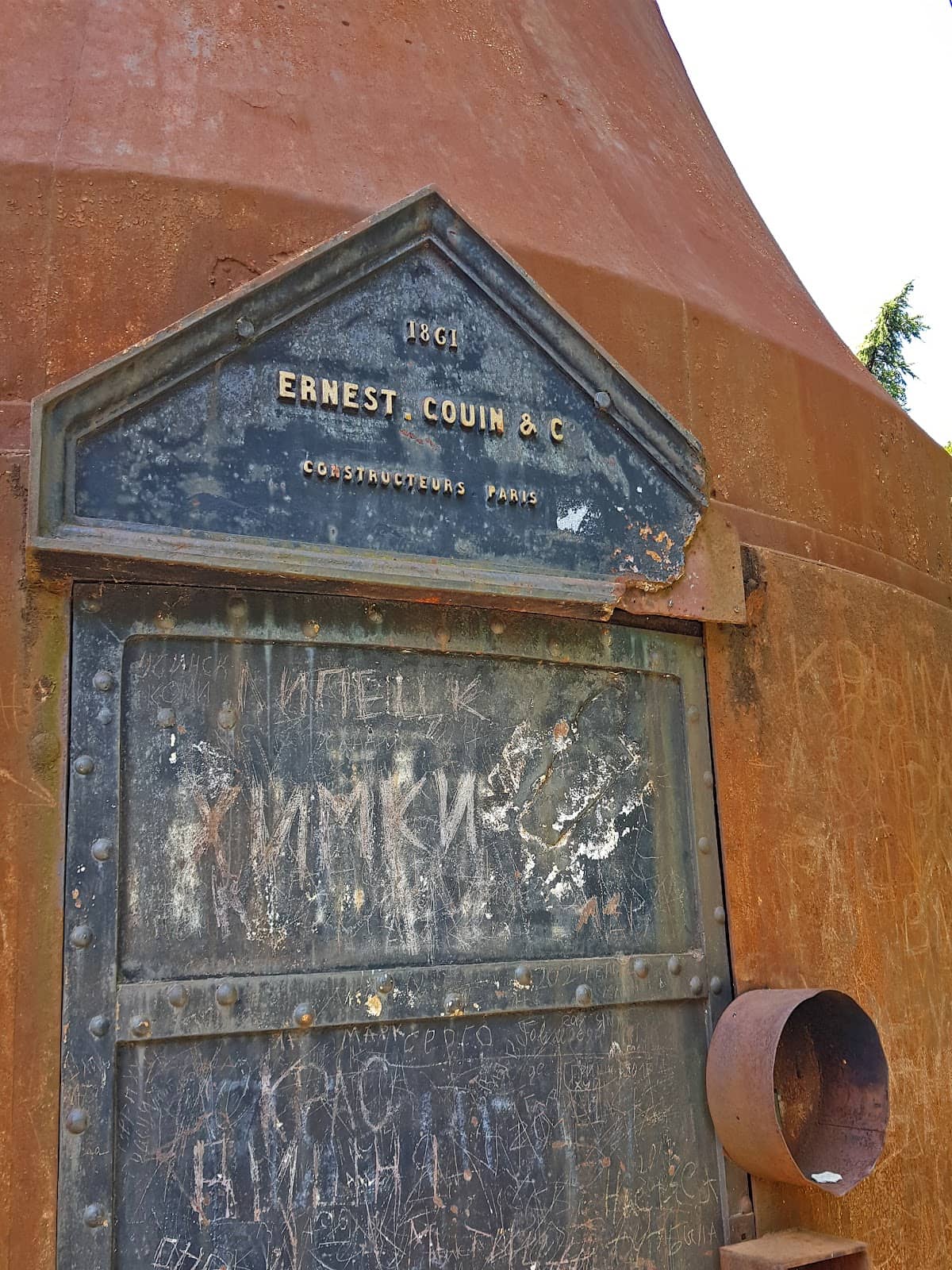
"An old lighthouse built by a French company in 1861. Ruined buildings and overgrown... But I like it. Now it has started shining again."
Semenov LIFE
"The Sukhumi Lighthouse.
An iron masterpiece by the renowned French engineer and designer Ernest Goüin, founder of the Ernest Goüin et Compagnie company and one of the creators of the Eiffel Tower.
.
The lighthouse was assembled in France in 1861 and delivered to Sukhumi the same year. Construction took five long months, but it was completed by the end of the year. Screw piles, reaching nearly twenty meters into the ground, were used for its construction.
.
The Sukhumi Lighthouse is 37 meters tall, and a spiral staircase of 147 steps leads to the top.
.
An oil lamp once stood at the top. Due to strong winds, the lighthouse tower swayed violently, causing oil to periodically spill out.
To prevent this, the lighthouse was reinforced with a system of cables that prevented it from swaying. The lighthouse was later converted to an electric lighthouse, but the cables remain to this day.
.
In its more than 150 years of existence, the lighthouse has only gone out three times.
Even during World War II, it continued to operate. The longest pause in the Sukhumi lighthouse's operation lasted from 2000 to 2008.
.
During this time, there was a lack of funds to maintain the lighthouse. In 2008, the lighthouse was restored. Today, engineers and the leadership of Abkhazia are discussing options for converting the lighthouse to a fully autonomous mode.
.
According to legend, after visiting Sukhumi and the lighthouse in the summer of 1901, Vladimir Mayakovsky wrote a poem for children, "This is my little book about the seas and the lighthouse."
.
This is my little book about the seas and the lighthouse.
Steamships cut through the waters with their bows,
and sail to sea. The winds blow fiercely,
driving the sailboats.
In the evening,
and also at night,
navigation at sea is very difficult.
Everything is covered with rocks,
large rocks.
Closer to land,
even during the day, one can barely avoid the shallows.
The captain takes his binoculars,
but the binoculars are of no help.
The captain is so upset—he can't even see the shore.
The waves will swirl,
and there goes the shipwreck.
Suddenly—the sailor is overjoyed:
the lighthouse lights up.
Just in the darkness,
a red eye appeared.
He blinked—and then disappeared,
and then the light came on again.
Here, it's quiet—
all ships,
sail in here.
The storm beats against the walls and howls.
Every evening, towards nightfall, a worker goes up the spiral staircase to the lighthouse. Above, a lantern—bright as a conflagration.
It's visible across the seas; there's no lantern brighter.
To be seen by all,
it even spins.
It's a great labor for the worker—he has to stand there all night.
To keep the flame from going out,
he pours oil into the lamp.
And cleans the exclusive magnifying glass.
It shows everyone the light—whether it's dangerous here or not.
Steamboats,
ships—puffed and rowed.
The waves,
however much they roar now—all who sailed are in a quiet bay.
There are no waves,
no water,
no thunder;
the children are dry,
the children are at home.
My little book cries out:
— Children,
be like a lighthouse! To all
who cannot swim at night,
light the way with fire,
To tell you about this,
the words of this little book
and the sketches of the drawings
were made by Uncle
Mayakovsky."
Jeany witch
What People Like
What People Dislike
Frequently Asked Questions
🚇 🗺️ Getting There
The ruins are located on a cape near the Gumista River, a short distance from Sukhumi city center. You can take a taxi or a local bus towards the lighthouse area. Walking from the city is also an option for those who enjoy a stroll along the coast.
Limited parking may be available near the lighthouse, but it's not a formal lot. If arriving by car, be prepared to find a suitable spot on the roadside.
Yes, local buses that run along the coast towards the lighthouse area can be used. Check with locals for the most current routes and schedules.
The prominent Sukhumi Lighthouse serves as a good landmark. Follow signs or ask locals for directions to the lighthouse, and the ruins are nearby.
A taxi is the most convenient option, offering direct access. Alternatively, a scenic walk along the coast or a local bus are more budget-friendly choices.
🎫 🎫 Tickets & Entry
No, entry to the Sukhumi Aquarium Ruins and the lighthouse grounds is generally free. It's an open historical site.
The ruins are accessible at any time, as it's an outdoor historical site. The lighthouse itself may have specific visiting hours if you wish to climb it, though this is not always guaranteed.
Typically, there is no admission fee to view the lighthouse from the outside or explore the surrounding area. Climbing the lighthouse might incur a small fee or be subject to availability.
While the site is technically accessible, visiting at night is not recommended due to safety concerns and lack of lighting. Stick to daylight hours for exploration.
Be respectful of the historical site. Avoid climbing on unstable structures and take all your trash with you.
🎫 🧭 Onsite Experience
The main attractions are the atmospheric ruins of the old aquarium and the historic Sukhumi Lighthouse, a 19th-century iron structure. You can also enjoy coastal views.
Climbing the lighthouse is sometimes possible, offering great views. It has 147 steps. However, access may be restricted or depend on local arrangements.
Allow at least 1-2 hours to explore the ruins, admire the lighthouse, and take photos. If you plan to climb the lighthouse, add extra time.
There are no dedicated facilities like restrooms or cafes directly at the ruins. It's advisable to use facilities in Sukhumi city before your visit.
The area is generally considered safe during daylight hours. However, as with any historical site, exercise caution and be aware of your surroundings.
📸 📸 Photography
The juxtaposition of the decaying aquarium structures against the sea and the imposing lighthouse creates dramatic photo opportunities. Capture the textures of the ruins and the lighthouse's silhouette.
Golden hour, during sunrise or sunset, offers beautiful light that enhances the atmosphere of the ruins and the lighthouse. Midday can be harsh but still offers good contrast.
Drone regulations can be complex and vary by region. It's best to check local laws and obtain any necessary permits before flying a drone.
Wide-angle shots to capture the scale of the lighthouse and ruins, close-ups of interesting architectural details, and shots incorporating the sea and sky are highly recommended.
A wide-angle lens is useful for capturing the expansive views. A tripod can be beneficial for low-light photography during golden hour.
Social
from TikTok, Instagram & Reddit