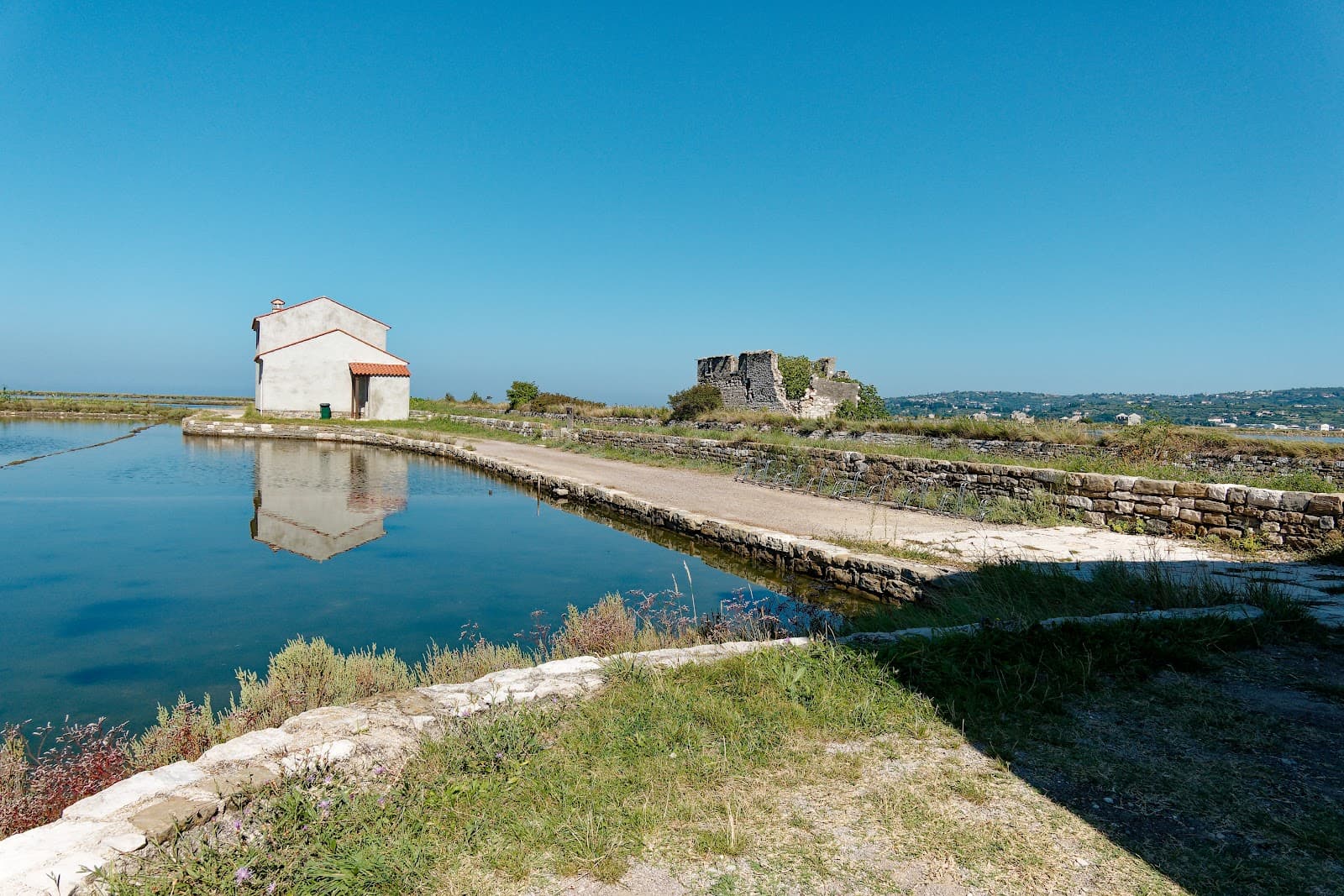
Fontanigge Salt-Making Museum
Discover traditional salt making and abundant birdlife at this unique museum, accessed via a border crossing and scenic bike ride.
Highlights
Must-see attractions

Social
From TikTok & Reddit
Best Time
Fewer crowds, unique experience
Fontanigge Salt-Making Museum
Best Time
Fewer crowds, unique experience
Highlights
Must-see attractions
Discover traditional salt making and abundant birdlife at this unique museum, accessed via a border crossing and scenic bike ride.
"A magic place with a unique border access, offering a personal encounter with salt history and nature."

🛂 Border Crossing Ready
Always carry your passport or ID for border access.
🚲 Free Bike Access
A free bike is provided for the 3km ride to the museum.
Quick Facts
Hours
Rating
4.4 · 66 reviews
Type
Museum
Highlights
Discover the most iconic attractions and experiences
Traditional Salt Pans
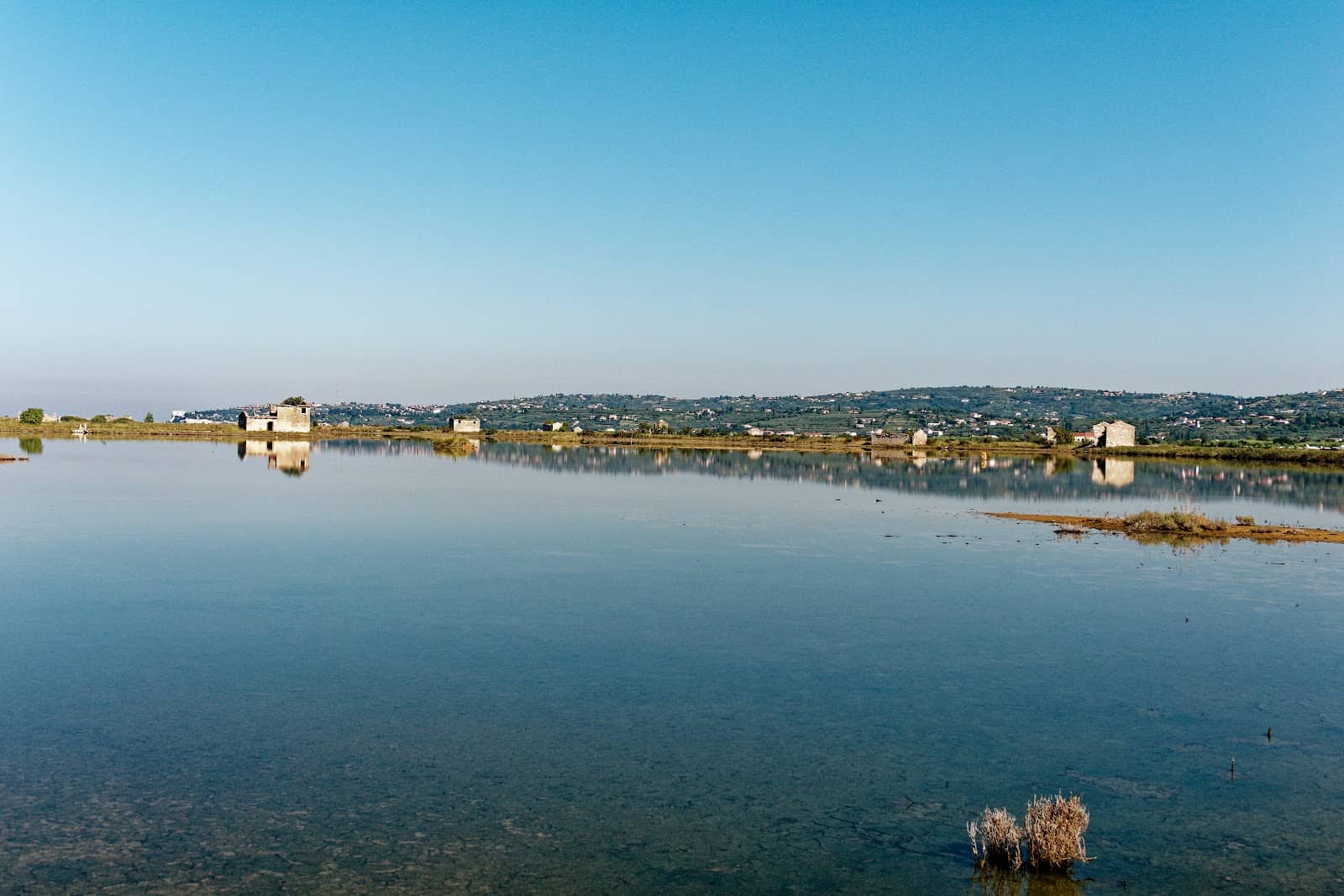
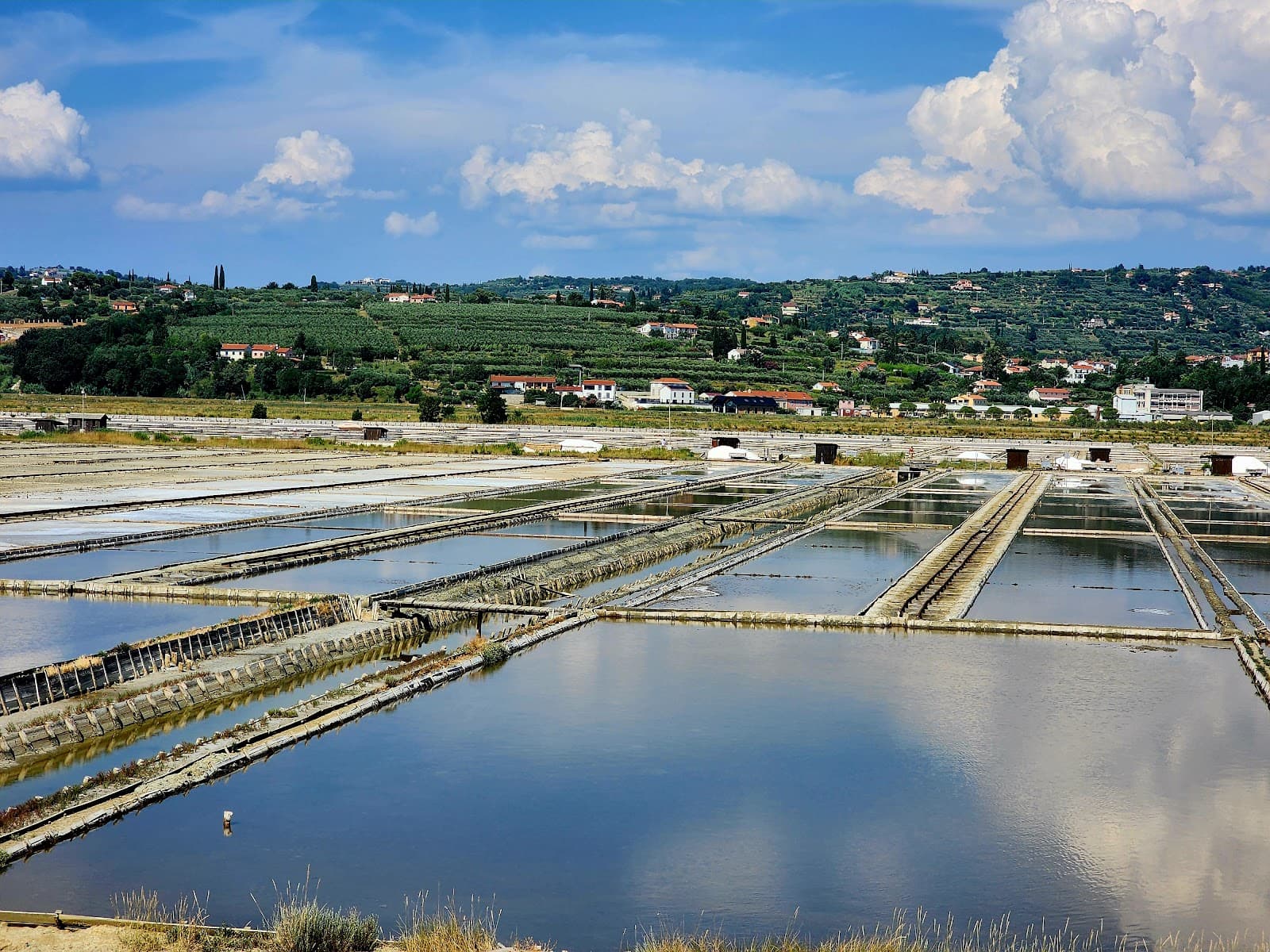
Salt fields surrounding the museum
Witness the ancient art of sea salt harvesting in picturesque salt fields. A truly immersive experience in nature's bounty.
Salt-Making Museum
Main museum building
Discover the history and methods of traditional sea salt production. Learn about this vital local industry.

Birdwatching Haven
Surrounding wetlands
Observe hundreds of protected bird species in their natural habitat. A delight for any ornithology enthusiast.
Plans like a pro.
Thinks like you
Planning Your Visit
Border Crossing Essentials
Nature Lover's Paradise
Best Times
Insider Tips
from TikTok, Instagram & Reddit
🛂 Border Crossing Ready
Always carry your passport or ID for border access.
🚲 Free Bike Access
A free bike is provided for the 3km ride to the museum.
🧂 Taste the Salt
Buy traditional or premium sea salt flower. Delicious!
🥪 Pack a Picnic
Enjoy a leisurely day with your own sandwiches.
Tips
from all over the internet
🛂 Border Crossing Ready
Always carry your passport or ID for border access.
🚲 Free Bike Access
A free bike is provided for the 3km ride to the museum.
🧂 Taste the Salt
Buy traditional or premium sea salt flower. Delicious!
🥪 Pack a Picnic
Enjoy a leisurely day with your own sandwiches.
🐦 Birdwatcher's Delight
Bring binoculars for hundreds of protected birds.
What Travellers Say
Reviews Summary
Visitors praise the Fontanigge Salt-Making Museum for its unique access via border crossing and the peaceful, uncrowded experience. The traditional salt-making history and the rich birdlife in the surrounding wetlands are significant highlights. Some note that the appeal is limited if one isn't interested in nature or salt production.
"A very interesting museum which can only be access from the road between the Slovenian and Croatian border posts; so take your passport or ID card with you. If you are not interested in turtles, birds, salt making, marsh plants etc then do not waste you time. I could spend all day wandering around to so long as I took some sandwiches!"
Brian C Rolfe
"It’s famous and magic place. This part if Solines is accessible only from the location in the middle between Slovenian and Croatian borders. You have to cross it Slovenian border out of the county. Therefore this place is empty. It is nobody there. You will get a bike Nad drive for 3km on the bike to the center of these solines where the local museum is just for you and no one else. Such big difference between these and the main part of solinas accessible from Portorog."
Jan Hendrych
"Superb way to spend a few hours in the sunny seaside nature and learn something about traditional production of sea salt - harvesting the sea in the salt fields. Great museum of sea salt harvesting. Buy some traditional sea salt, or more expensive, but richer sea salt flower. Its delicious.
If you're a bird lower, you will enjoy the company of hundreds of protected birds that live in the area."
Gregor Ojstersek
What People Like
What People Dislike
Frequently Asked Questions
🚇 🗺️ Getting There
The museum is uniquely located between the Slovenian and Croatian border posts. You'll need to cross the Slovenian border, so ensure you have your passport or ID. From the border, you can cycle approximately 3km on a flat path to reach the museum. +1
Access involves a border crossing and a short, easy bike ride. Many visitors find the journey part of the unique charm, especially as it leads to a less crowded experience compared to other parts of Soline.
The museum itself is accessed via a bike path from the border crossing point. Driving directly to the museum building is not typically possible, as the area is designed for a more natural, less intrusive experience.
This section of Soline, where the Fontanigge museum is located, is accessible only from the border crossing and is often empty, offering a private experience. The main part of Soline accessible from Portoroz tends to be busier.
While you need identification for the border crossing, no special pass is typically required for entry into the salt-making area itself, beyond what's needed for border transit.
🎫 🎫 Tickets & Entry
Information on specific ticket prices is not widely detailed, but the experience is often described as including a free bike rental for the journey to the museum, suggesting a low entry cost or a focus on the overall experience.
Specific opening hours are not consistently mentioned, but the remote location and lack of crowds suggest it's best visited during daylight hours when the nature and salt pans are most enjoyable. +1
Given the typically low visitor numbers, booking in advance is likely not necessary. The unique access via border crossing also contributes to a more spontaneous visit.
While the museum itself might have a small fee, the surrounding salt pans are part of the natural landscape. The primary 'cost' is often the journey and the experience.
No specific discount information is readily available, but the overall experience is considered very worthwhile for its unique nature and educational value.
🎫 🧭 Onsite Experience
You can explore the museum dedicated to traditional salt making, wander through the active salt pans, and enjoy the surrounding natural environment, which is a haven for birds and marsh plants. +1
While the museum focuses on salt making, the area is rich in nature. If you're not interested in turtles, birds, or marsh plants, you might find the experience less engaging, though the historical aspect of salt production is still present.
Yes, you can purchase traditional sea salt or the more expensive, but richer, sea salt flower directly from the museum shop.
Many visitors find they can spend a few hours exploring the museum and the surrounding nature, especially if they bring a picnic to enjoy the peaceful environment.
The bike ride to the museum is on a flat path, which is generally accessible. However, the museum building and the salt pan areas might have uneven terrain. It's advisable to check specific accessibility details if needed.
🍽️ 🍽️ Food & Dining
There are no restaurants or cafes mentioned at the museum. Visitors are advised to bring their own sandwiches and snacks to enjoy the natural surroundings.
Given its remote location between borders, dining options directly at the museum are non-existent. You would need to travel back towards Portoroz or other nearby towns for more extensive food choices.
Absolutely! Bringing a picnic is highly recommended to fully enjoy the serene natural environment and make a leisurely day of your visit.
While you can buy salt products, there are no indications of other food items being sold. It's best to come prepared with your own provisions.
The primary local product you can sample and purchase is the traditional sea salt. For a wider range of local delicacies, you'd need to explore restaurants in nearby coastal towns.
📸 📸 Photography
The salt pans with their geometric patterns, the diverse birdlife, and the unique border-crossing access point offer fantastic photographic subjects. The natural light on the salt crystals can be stunning. +1
Yes, it's an excellent spot for birdwatching and wildlife photography, with hundreds of protected bird species inhabiting the wetlands.
Early morning or late afternoon light can create beautiful, soft lighting over the salt pans, enhancing their textures and colors.
No specific restrictions are mentioned, but as with any natural or historical site, it's good practice to be respectful of the environment and any local guidelines.
Drone usage regulations can vary by country and specific protected areas. It's advisable to check local drone laws before flying in the vicinity.


Social
from TikTok, Instagram & Reddit