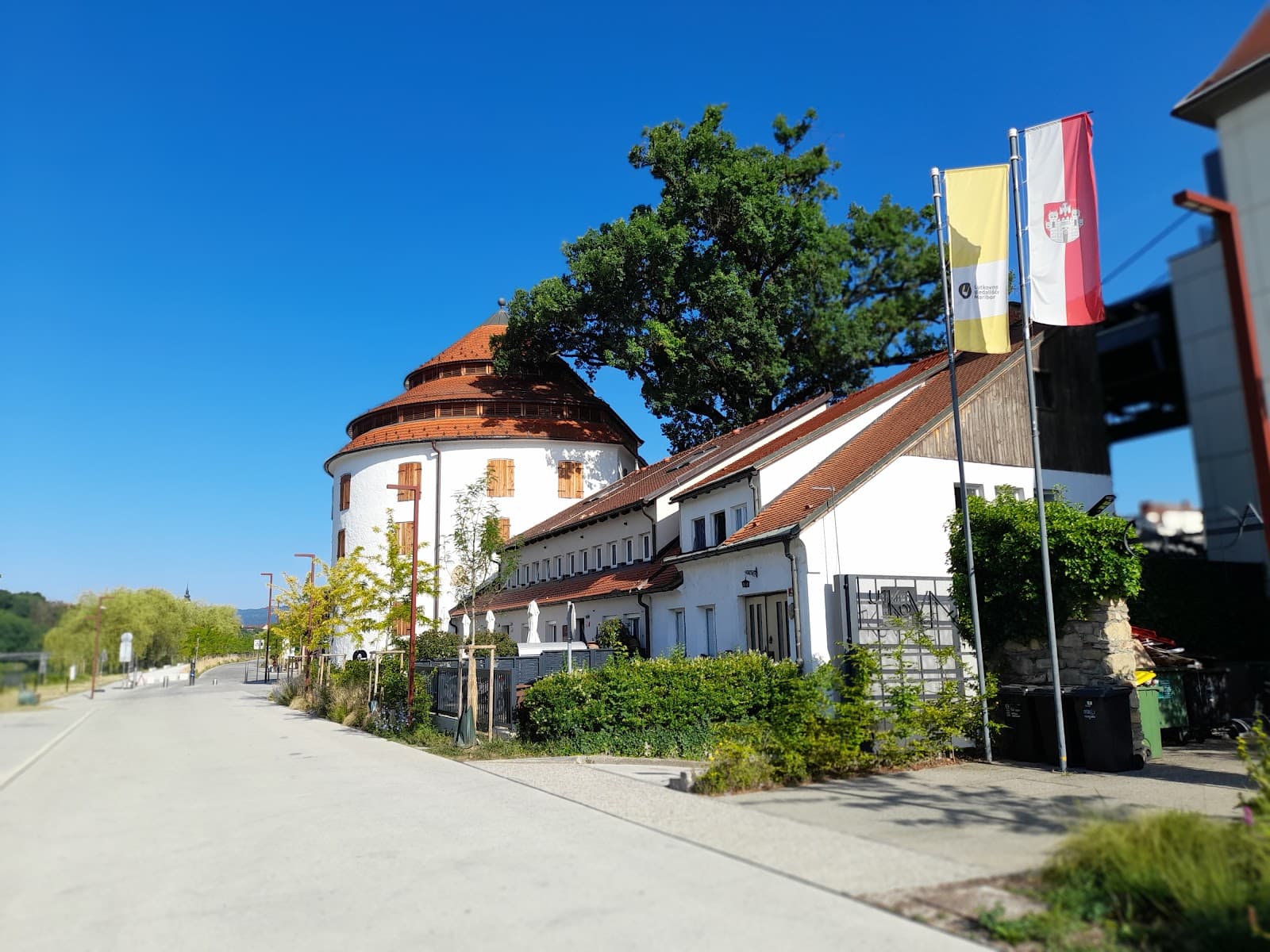
Minorite Monastery
Step into centuries of history at the Minorite Monastery, a sanctuary of Gothic architecture, medieval art, and serene contemplation.
Highlights
Must-see attractions

Social
From TikTok & Reddit
Best Time
Fewer crowds, more peace
Minorite Monastery
Best Time
Fewer crowds, more peace
Highlights
Must-see attractions
Step into centuries of history at the Minorite Monastery, a sanctuary of Gothic architecture, medieval art, and serene contemplation.
"Beautiful view, peaceful and comfortable."
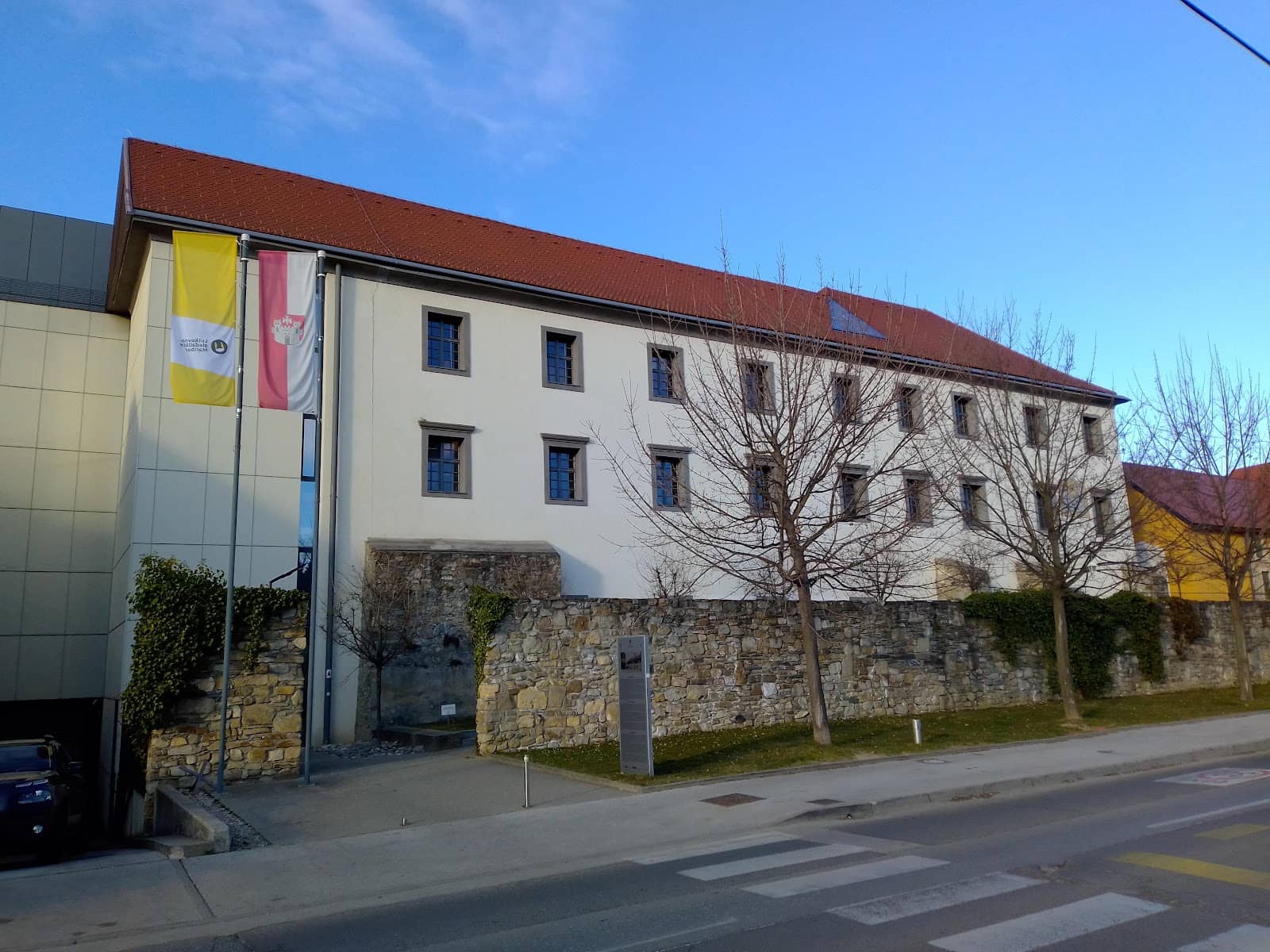
Check for Exhibitions
Many monasteries host unique exhibitions, like crown jewels or art installations.
Attend a Concert
Experience the acoustics with a classical music concert in a historic setting.

Highlights
Discover the most iconic attractions and experiences
Gothic Cloister
Courtyard
Step back in time in the 14th-century Gothic cloister, a rare fully preserved walk in the region.

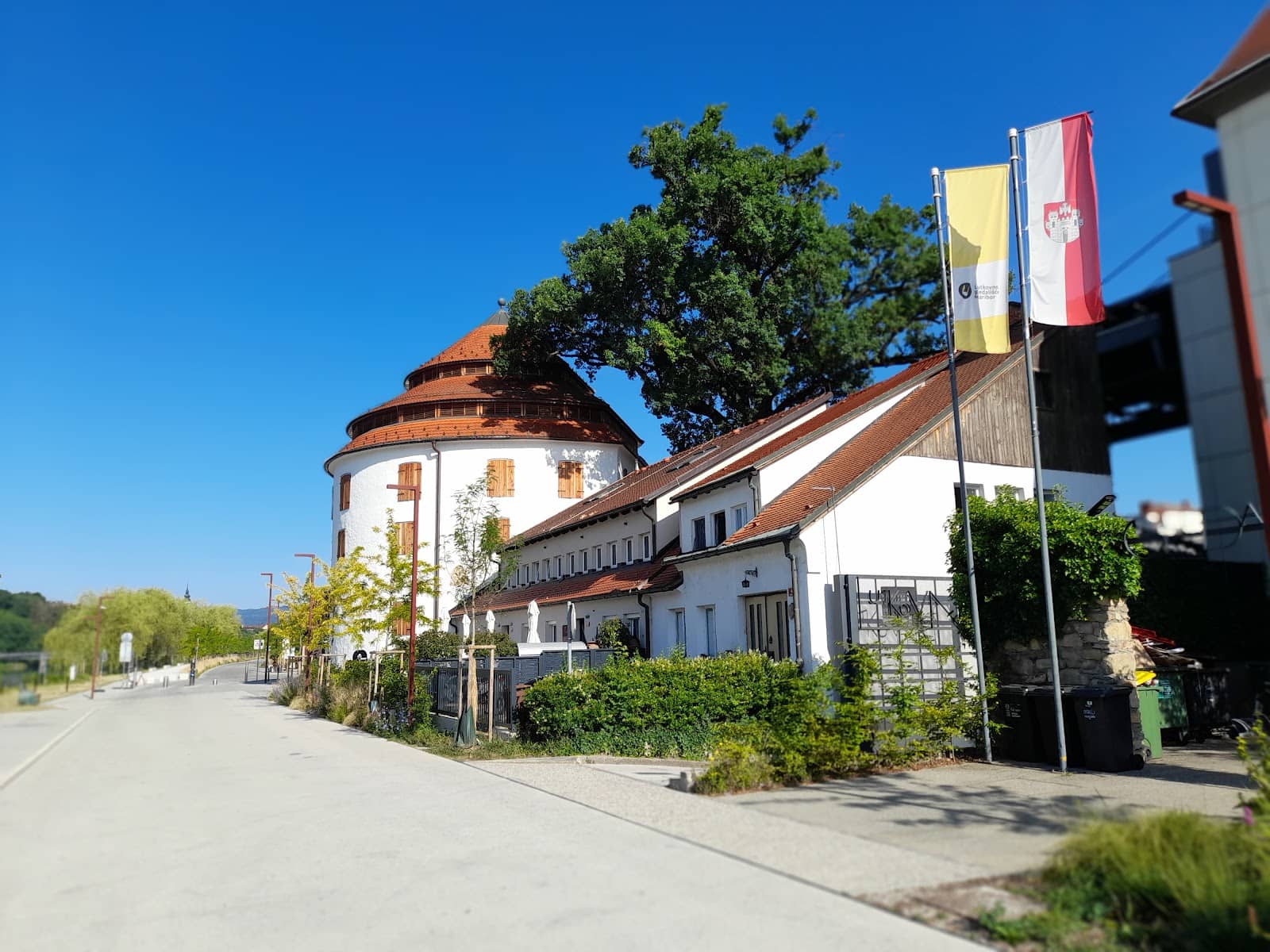
Medieval Frescoes
Monastery Church
Discover centuries of silent prayer and intricate medieval frescoes adorning the monastery walls.
Peaceful Courtyard
Central Courtyard
Experience the quietude of the monastery's courtyard, a perfect spot for reflection and historical immersion.
Plans like a pro.
Thinks like you
Planning Your Visit
Timing Your Visit for Tranquility
Understanding Monastery Etiquette
+1Best Times
Insider Tips
from TikTok, Instagram & Reddit
Check for Exhibitions
Many monasteries host unique exhibitions, like crown jewels or art installations.
Attend a Concert
Experience the acoustics with a classical music concert in a historic setting.
Respectful Attire
Dress modestly out of respect for the sacred and historical nature of the site.
Explore Local History
Learn about the founding monks and the monastery's role in local history.
Tips
from all over the internet
Check for Exhibitions
Many monasteries host unique exhibitions, like crown jewels or art installations.
Attend a Concert
Experience the acoustics with a classical music concert in a historic setting.
Respectful Attire
Dress modestly out of respect for the sacred and historical nature of the site.
Explore Local History
Learn about the founding monks and the monastery's role in local history.
What Travellers Say
Reviews Summary
Visitors consistently praise the Minorite Monastery for its beautiful architecture and peaceful atmosphere, offering a serene escape into history. While generally well-received, some find the lack of extensive amenities or specific exhibition details can be a minor drawback.
"Beautiful view, peaceful and comfortable"
Goran Fundak
What People Like
What People Dislike
Frequently Asked Questions
🚇 🗺️ Getting There
The Minorite Monastery in Piran is centrally located and easily accessible on foot within the old town. If arriving by car, park in one of the designated public parking areas outside the pedestrian zone and enjoy a short walk.
The Old Minorite Monastery in Levoča is a prominent landmark. It's typically reached by walking from the town center, as it's a key part of the historic city.
Yes, the Minorite Monastery in Prague is accessible via public transport. Several tram and metro lines stop near the monastery complex, making it convenient to reach.
Parking availability varies by location. In historic towns like Piran or Levoča, parking is often outside the old town. Prague has paid parking garages nearby. Always check local advisories.
Cycling is a great option in many European towns. Check local regulations regarding cycling within historic centers and monastery grounds.
🎫 🎫 Tickets & Entry
Entry policies can vary. While some areas might be free to wander, special exhibitions or specific sections may require a ticket. It's best to check the official website or inquire locally.
Opening hours differ significantly by location and season. Monasteries often have specific hours for visiting the church, cloister, and any ongoing exhibitions. Always verify current times before your visit.
Some locations offer guided tours, providing deeper insights into the history and architecture. Inquire at the monastery or check their website for tour availability and booking.
Often, the monastery church itself is free to enter, but donations are welcomed. However, specific events or exhibitions held within the church may have separate admission fees.
The cloister is a significant feature and is usually accessible to visitors, often as part of a general entry or a specific tour. Its preservation is key, so access might be managed.
🎫 🏛️ Onsite Experience
Expect to see stunning Gothic architecture, medieval frescoes, peaceful courtyards, and cloisters. Some locations also host art installations and historical exhibitions.
Yes, the architectural beauty and historical ambiance make it a photographer's dream. However, always be mindful of any restrictions on photography, especially inside churches.
Many Minorite Monasteries host cultural events like concerts, art exhibitions, and festivals throughout the year. Checking their schedules can add a unique dimension to your visit.
These monasteries were often centers of learning and spirituality, founded by mendicant orders like the Franciscans. They played a crucial role in medieval European history and culture.
Many active monasteries hold regular religious services. Visitors are often welcome to attend, provided they observe the solemnity of the occasion.
🍽️ 🍽️ Food & Dining
Typically, monasteries do not have on-site restaurants. However, you'll usually find plenty of dining options in the surrounding towns or cities where the monasteries are located.
The cuisine will depend on the region. Expect local specialties, from traditional Czech dishes near Prague to seafood along the Slovenian coast.
Cafes are usually abundant in the vicinity of popular tourist attractions like monasteries, offering coffee, pastries, and light snacks.
Picnicking is generally not permitted within the sacred or historical areas of a monastery. It's best to enjoy your meals at designated public spaces or cafes nearby.
Most European towns offer a range of dining choices. Look for restaurants advertising vegetarian or vegan menus, which are increasingly common.
📸 📸 Photography
The Gothic cloister, medieval frescoes, and serene courtyards offer fantastic photo opportunities. The exterior architecture and surrounding historic townscapes are also picturesque.
Photography is usually allowed in public areas like courtyards and cloisters, but often restricted inside churches or during services to maintain reverence. Always look for signage.
Tripods are frequently prohibited inside churches and sensitive historical areas to prevent damage and avoid obstructing other visitors. Check specific rules.
Early morning or late afternoon light can create beautiful, dramatic shots. The 'golden hour' can enhance the textures of the stone and the atmosphere.
Drone usage is almost always prohibited over historical sites, religious buildings, and densely populated areas due to privacy and safety regulations.
For Different Travelers
Tailored advice for your travel style
👨👩👧 Families with Kids
+1Consider looking for interactive exhibits if available, or framing the visit as a 'treasure hunt' for historical details. Keep visits concise to maintain younger children's attention, and be sure to explain the importance of quiet and respectful behavior in these sacred spaces.
🏛️ History Buffs
+1Pay close attention to the Gothic architectural elements, the stories behind the medieval frescoes, and the monastery's role during significant historical periods. Many monasteries have survived fires, wars, and secularization, each event adding layers to their historical narrative.
+1🎶 Art & Music Lovers
+1Don't miss the opportunity to attend a classical music concert. The acoustics within these ancient churches and cloisters are exceptional, providing a magical setting for performances of sacred and secular music.
+1Deep Dives
In-depth insights and expert knowledge
Architectural Marvels of the Minorite Monastery
+1Many monasteries also showcase medieval frescoes that offer a glimpse into the artistic and religious life of centuries past. These vibrant murals often depict biblical scenes, lives of saints, or symbolic imagery. The peaceful courtyards serve as central gathering spaces, connecting different parts of the monastic complex and offering a serene escape from the outside world.
+1Beyond their religious function, these buildings have often served as centers of learning and community. Their enduring structures are a testament to medieval craftsmanship and architectural ingenuity, making them invaluable historical and cultural sites.
+1Cultural Events and Artistic Expressions
+2For instance, the Minorite Monastery in Piran has a long tradition of hosting chamber music festivals, drawing both local and international artists. Similarly, monasteries in places like Prague have featured exhibitions showcasing historical artifacts, such as royal crowns, or contemporary art installations that interact with the sacred spaces.
+2Attending an event at a Minorite Monastery offers a unique way to engage with the site, blending historical appreciation with artistic enjoyment. It's a chance to see these ancient buildings come alive with sound and creativity, offering a different perspective than a typical historical visit.
+1
Social
from TikTok, Instagram & Reddit