Fontanigge Salt Museum
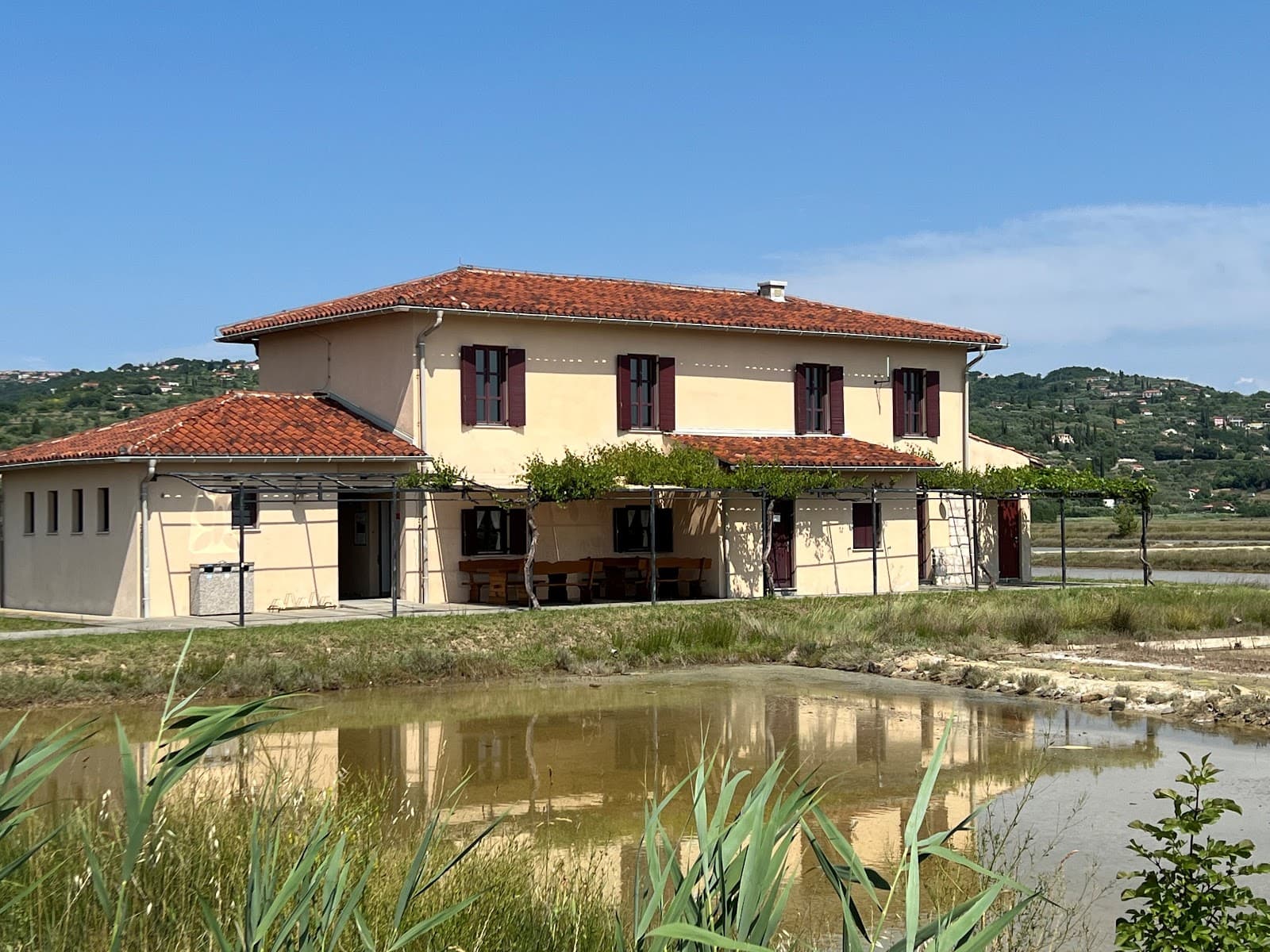
Explore the fascinating history of salt making at Fontanigge, a unique museum set near the stunning salt flats.
Highlights
Must-see attractions

Social
From TikTok & Reddit
Best Time
Enjoy the salt flats scenery
Fontanigge Salt Museum
Best Time
Enjoy the salt flats scenery
Highlights
Must-see attractions
Explore the fascinating history of salt making at Fontanigge, a unique museum set near the stunning salt flats.
"The history of salt making was amazing, but be prepared for the lack of amenities!"

🚲 Bike Check
Inspect the available bikes before your 3.2km ride; they might need some TLC!
💧 Pack Water & Snacks
The museum has no water or restrooms, so bring your own essentials.

Highlights
Discover the most iconic attractions and experiences
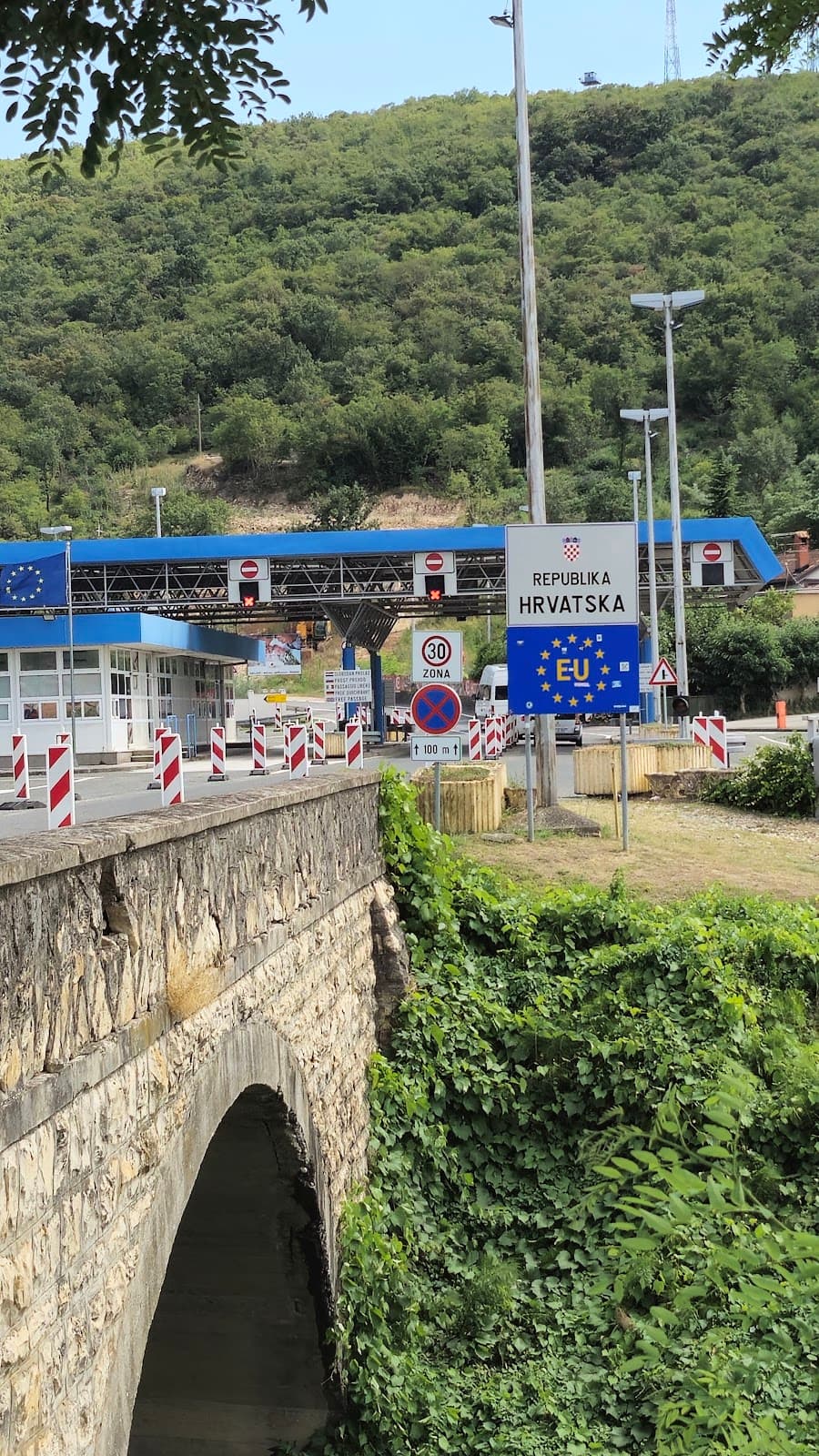
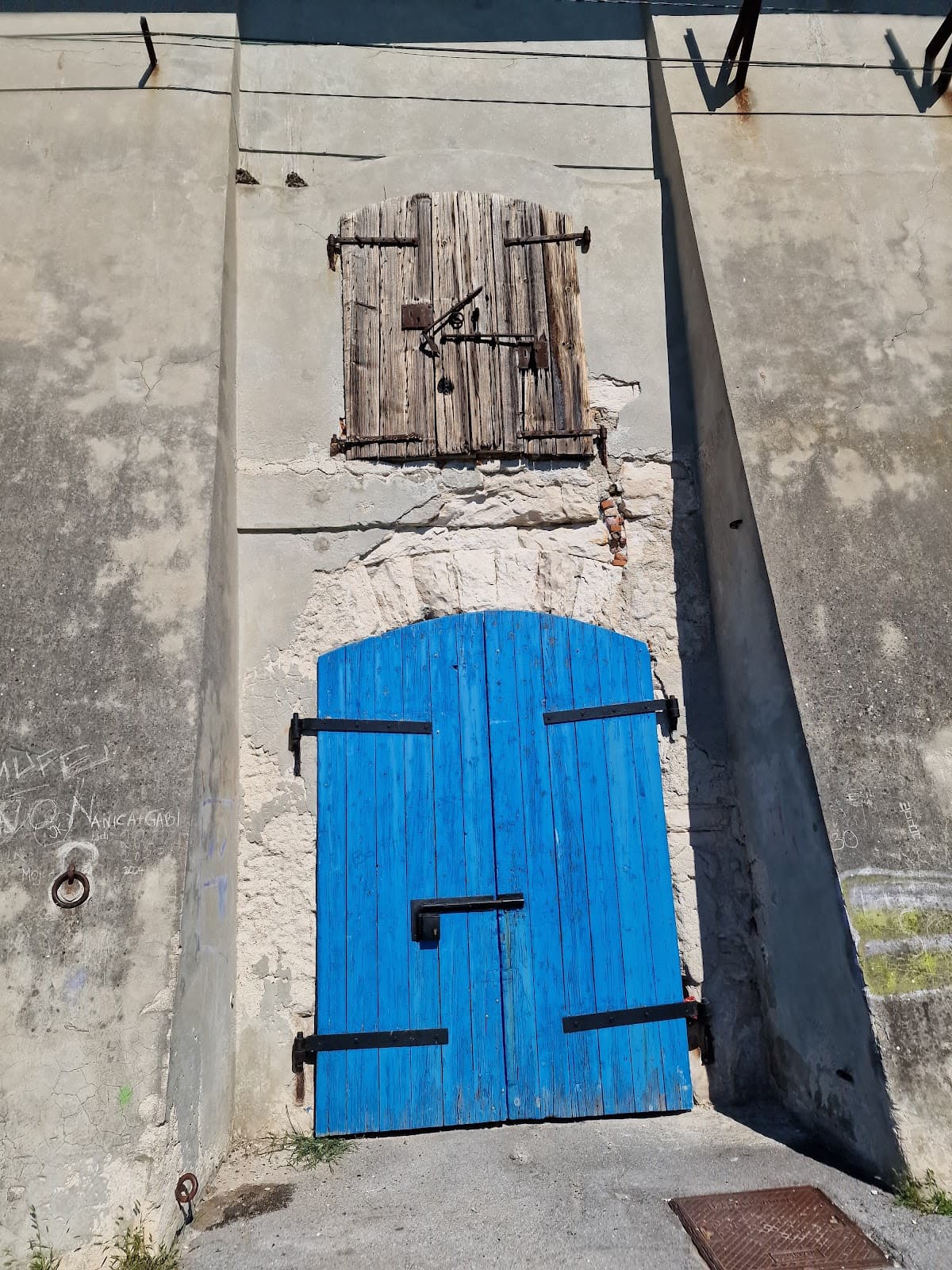
Salt Flats Entrance
Near Croatian border
The gateway to the unique salt flats, offering a glimpse into the region's saline landscape.

History of Salt Making
Museum interior
Discover the fascinating historical methods and significance of salt production in this region.
Bicycle Ride
Road to the museum
A short, scenic ride on available bikes connects the salt flats entrance to the museum itself.
Plans like a pro.
Thinks like you
Planning Your Visit
Getting to the Museum
Essential Amenities
Best Times
Insider Tips
from TikTok, Instagram & Reddit
🚲 Bike Check
Inspect the available bikes before your 3.2km ride; they might need some TLC!
💧 Pack Water & Snacks
The museum has no water or restrooms, so bring your own essentials.
🗺️ Border Crossing Access
A gravel road near the border crossings leads to the national park entrance.
🏛️ Two-Part Museum
The museum experience is split, with one part located right on the Croatian border.
Tips
from all over the internet
🚲 Bike Check
Inspect the available bikes before your 3.2km ride; they might need some TLC!
💧 Pack Water & Snacks
The museum has no water or restrooms, so bring your own essentials.
🗺️ Border Crossing Access
A gravel road near the border crossings leads to the national park entrance.
🏛️ Two-Part Museum
The museum experience is split, with one part located right on the Croatian border.
What Travellers Say
Reviews Summary
Visitors find the Fontanigge Salt Museum an interesting place, particularly appreciating the history of salt making. However, the experience is somewhat marred by practical issues, such as the condition of the rental bikes and the complete lack of water and restrooms at the museum itself. Planning ahead for these amenities is crucial for a more enjoyable visit.
"Very interesting place. They bikes were not great but it's only a few mile ride so they worked well enough for that. The history of salt making was amazing. I recommend it"
Kevin Runolfson
"I am very salty that i visited here"
Owen C
"This is the entrance to the salt flats.
The museum is 3.2 km away. The lady at the entrance the day I was there forgot to tell me that there are bicycles available to get to the museum. She also failed to mention that the museum has no water or restrooms."
Elisa Tormes
What People Like
What People Dislike
Frequently Asked Questions
🚇 🗺️ Getting There
The museum is located 3.2 km from the salt flats entrance. You can cycle there using the provided bicycles, which are available at the entrance. The road is gravel.
While not explicitly mentioned, parking is likely available near the border crossings where the gravel road begins.
Yes, it's a 3.2 km walk, but cycling is recommended for a quicker and potentially more enjoyable experience.
The road is described as a gravel road, so be prepared for uneven terrain.
The museum is situated on the Croatian border, suggesting access points near border crossings.
🎫 🎫 Tickets & Entry
Information on separate tickets for the salt flats entrance is not provided, but the museum itself likely requires admission.
Specific opening hours are not detailed in the provided information. It's best to check locally or on their official website if available.
While not explicitly stated, it's standard for museums to have an admission fee.
There is no mention of online ticket purchasing. It's advisable to assume tickets are purchased on-site.
No information regarding discounts for students, seniors, or groups is available.
🎫 🧭 Onsite Experience
The museum focuses on the amazing history of salt making in the region.
No, the museum does not have restrooms. Visitors are advised to bring their own supplies.
The museum does not offer water or restrooms, implying no food or drink services are available either.
Visiting the museum and understanding the history of salt making is a key part of the experience.
While the history might be interesting, the lack of amenities like restrooms could make it challenging for families with very young children.
📸 📸 Photography
The salt flats themselves offer unique photographic potential, especially with the historical context of salt making.
Early morning or late afternoon light can enhance the visual appeal of the salt flats.
Photography policies inside museums can vary. It's best to check for signage or ask staff upon arrival.
Expect shots of the vast salt flats, the historical salt-making equipment (if displayed), and the surrounding landscape.
Drone regulations can be strict, especially near borders. It's essential to check local laws before flying a drone.
For Different Travelers
Tailored advice for your travel style
👨👩👧 Families with Kids
Parents should pack plenty of water and snacks, and ensure children use facilities before leaving the salt flats entrance. The historical aspect of salt making could be engaging for curious minds, but the lack of facilities might make it a shorter visit for very young children. Consider the practicalities before you go to ensure a smoother experience.
🚶 Budget Travelers
Remember to factor in the cost of bringing your own water and snacks, as there are no services available at the museum. This self-sufficiency aligns well with a budget travel approach, allowing you to control your spending while still enjoying the historical insights and the natural beauty of the salt flats.
Deep Dives
In-depth insights and expert knowledge
The Journey to the Museum
This gravel road is accessible via a route between the two border crossings, leading directly to the national park's entrance. The ride, though short, offers a chance to appreciate the unique landscape surrounding the salt pans. It's a practical solution for accessing the museum, but visitors should be prepared for the terrain and ensure the bikes are functional enough for the trip.
Understanding the Salt History
While the specific exhibits are not detailed, the emphasis on history suggests displays of old tools, techniques, and perhaps the evolution of salt harvesting. For those interested in industrial history or the cultural significance of resources, this museum provides a focused and informative experience. It's a chance to connect with the past and understand the enduring legacy of salt.
Visitor Amenities: What to Expect
This means that before embarking on the 3.2 km journey from the salt flats entrance, and certainly before entering the museum, visitors should ensure they have adequate water and have used restroom facilities. This lack of on-site amenities is a practical consideration that can impact the comfort and enjoyment of the visit, especially for families or those planning a longer stay.

Social
from TikTok, Instagram & Reddit