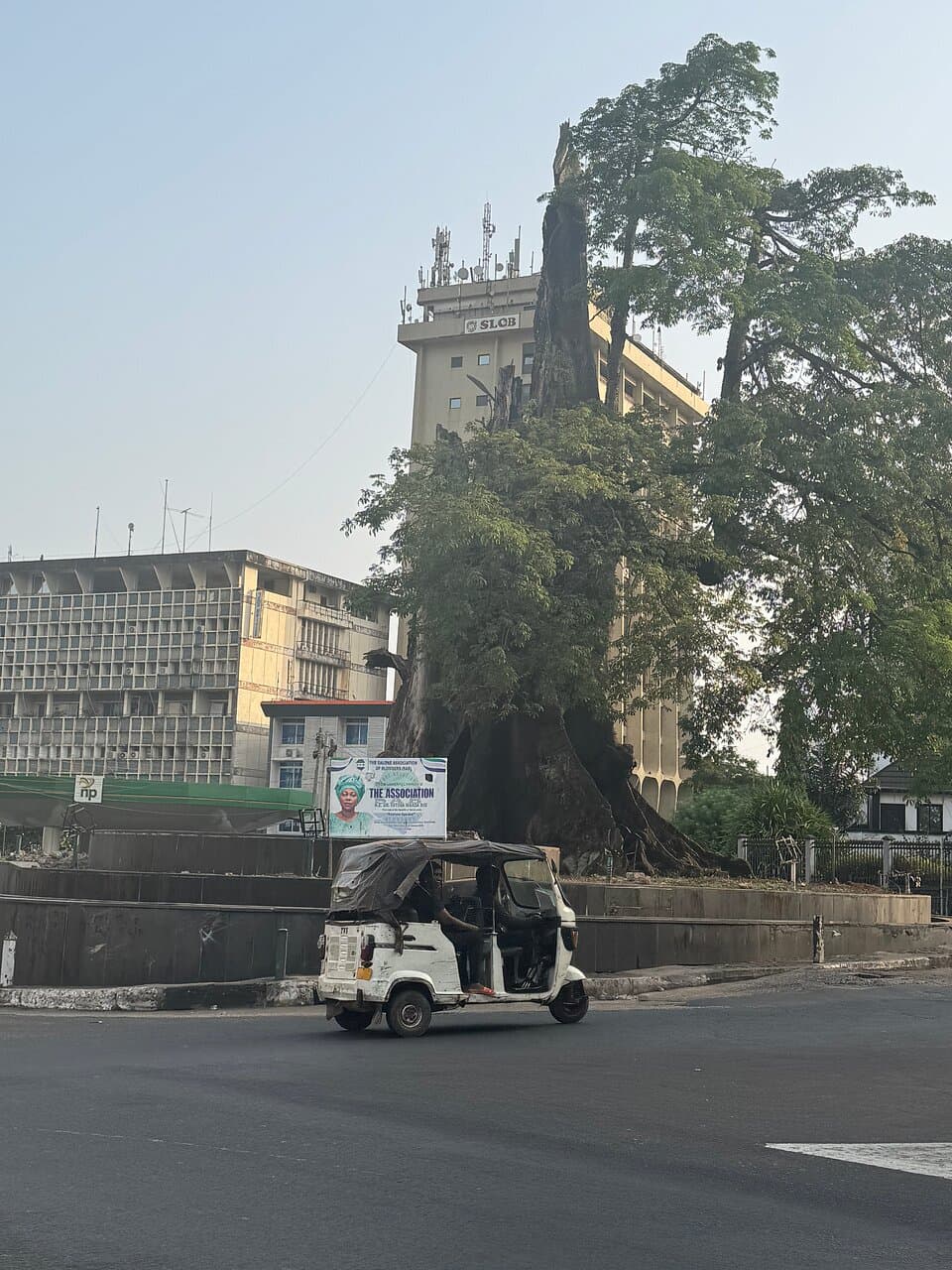
Cotton Tree Site
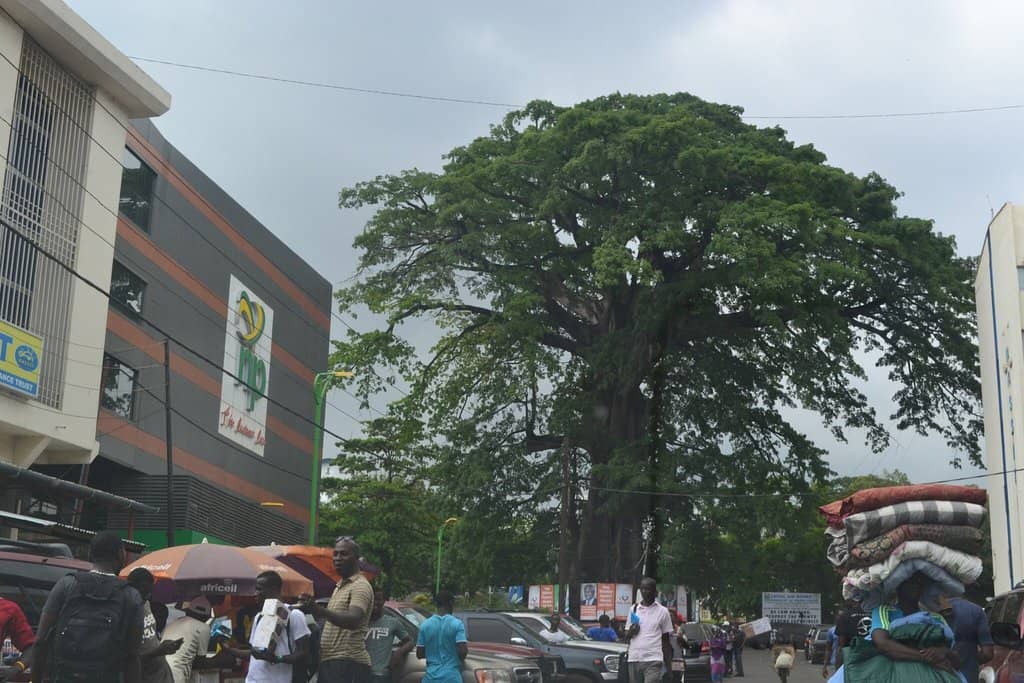
A historic symbol of Freetown and Sierra Leone's freedom, this ancient Cotton Tree stood for over 230 years before its recent fall.
Highlights
Must-see attractions

Social
From TikTok & Reddit
Best Time
A historical site, always accessible.
Cotton Tree Site
Best Time
A historical site, always accessible.
Highlights
Must-see attractions
A historic symbol of Freetown and Sierra Leone's freedom, this ancient Cotton Tree stood for over 230 years before its recent fall.
"This huge Kapok tree is a symbol of the unity of Sierra Leone, and was damaged May 24, 2023 by severe rains."
📸 Capture the Memory
Even though fallen, visit to pay respects and learn about its history. Take photos of the site.
📚 Learn the History
Understand its significance as a symbol of freedom for freed slaves and a national monument.
Highlights
Discover the most iconic attractions and experiences
The Fallen Giant
Though no longer standing, the immense presence and historical weight of the Cotton Tree are palpable. Its story is deeply woven into Freetown's identity.
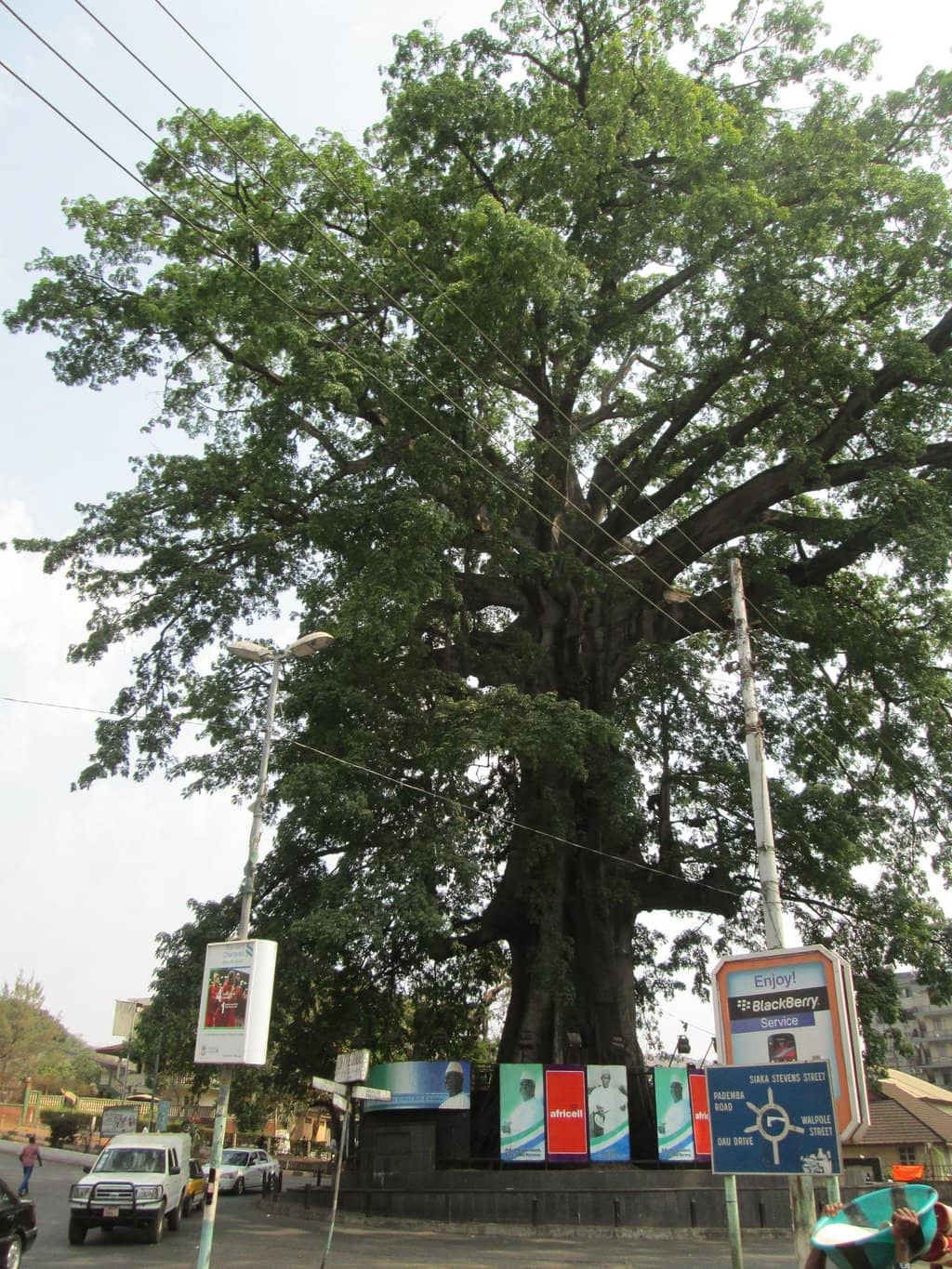
A Symbol of Resilience
The tree's fall is a somber event, but its legacy as a symbol of freedom and unity for Sierra Leone endures.
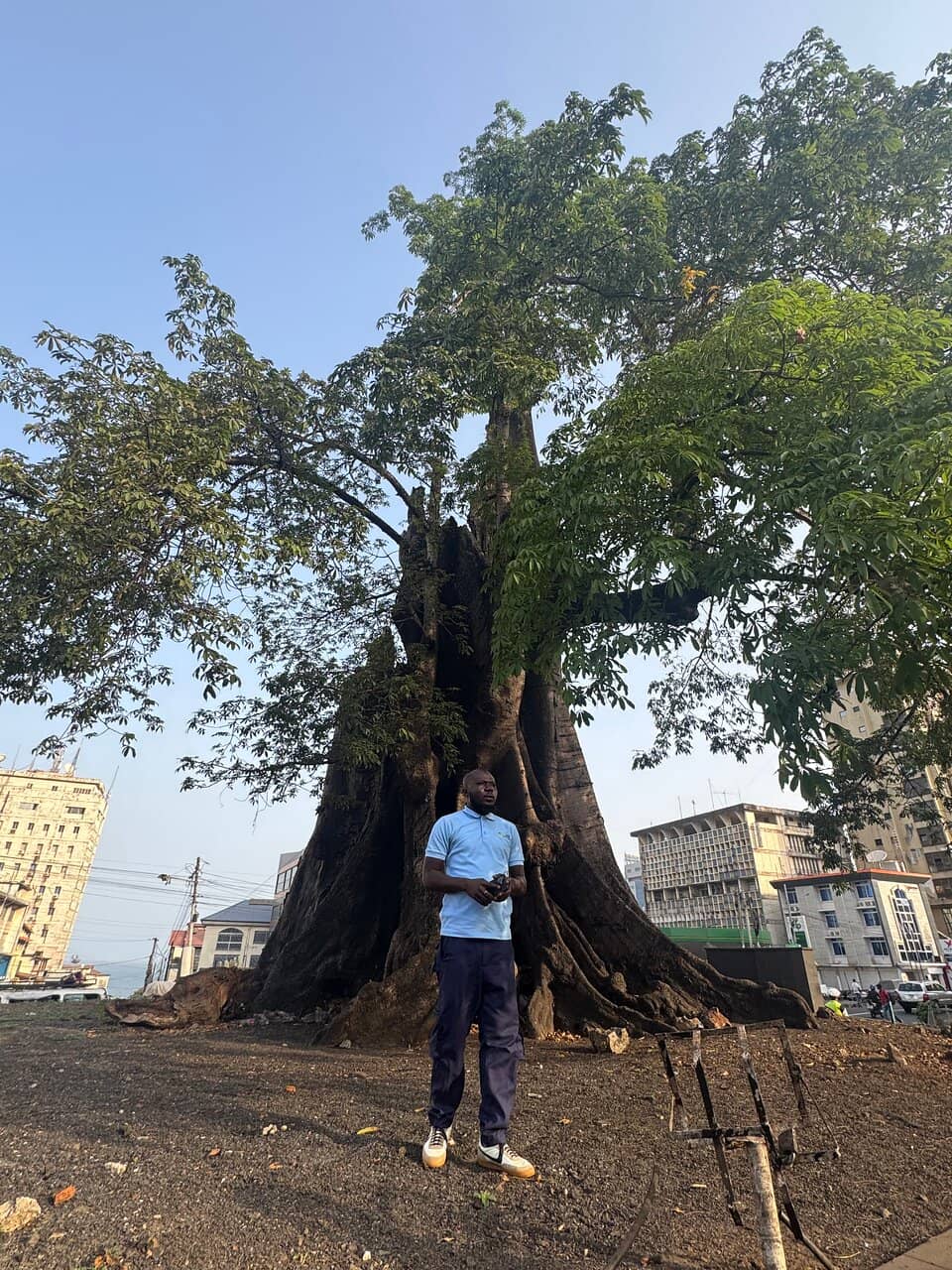
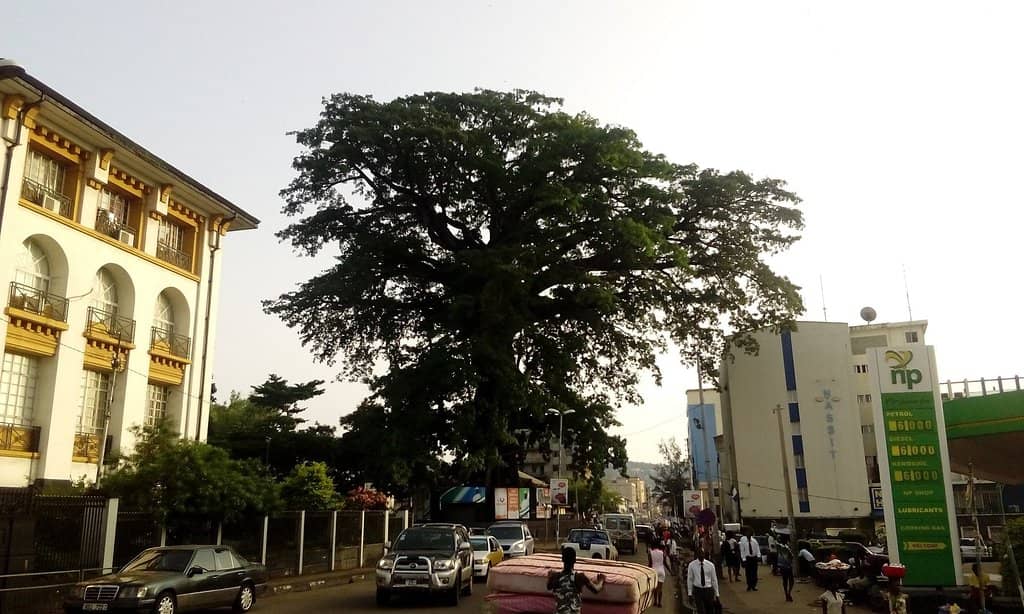
Freetown's Central Landmark
Once a towering centerpiece, it served as a natural orientation point in the heart of Freetown's governmental quarter.
Plans like a pro.
Thinks like you
Planning Your Visit
A Symbol of Freedom, Now a Memory
Understanding Its Historical Significance
Best Times
Insider Tips
from TikTok, Instagram & Reddit
📸 Capture the Memory
Even though fallen, visit to pay respects and learn about its history. Take photos of the site.
📚 Learn the History
Understand its significance as a symbol of freedom for freed slaves and a national monument.
📍 Central Location
The tree was in the heart of Freetown, near the governmental quarter, making it easy to find.
😔 A Somber Visit
Be prepared for a poignant experience, reflecting on the loss of a significant natural and historical monument.
Tips
from all over the internet
📸 Capture the Memory
Even though fallen, visit to pay respects and learn about its history. Take photos of the site.
📚 Learn the History
Understand its significance as a symbol of freedom for freed slaves and a national monument.
📍 Central Location
The tree was in the heart of Freetown, near the governmental quarter, making it easy to find.
😔 A Somber Visit
Be prepared for a poignant experience, reflecting on the loss of a significant natural and historical monument.
What Travellers Say
Reviews Summary
The Cotton Tree was a beloved and iconic symbol of Freetown, deeply cherished for its historical significance as a monument to freedom and unity. Its recent fall has been met with widespread sadness, marking the loss of a natural and national treasure that stood for centuries. While no longer standing, its legacy as a foundational element of Sierra Leone's history endures.
"This huge Kapok tree is a symbol of the unity of Sierra Leone, and was damaged May 24, 2023 by severe rains. Walk or drive by to appreciate. This tree became the symbol of freedom of returned slaves by the Black Nova Scotians who earned their freedom by fighting for the British in the American Revolutionary War. They then relocated to found Sierra Leone in 1792."
Toni Thompson
"A natural, national monument. A towering centre piece of Freetown.
Such a huge part of Salone's history and national identity.
So heartbreaking to see its recent destruction."
D
"The historic Freetown cotton tree is fallen. I also captured a bit of freetown life in these shots."
Emmanuel Feyisetan
What People Like
What People Dislike
Frequently Asked Questions
🚇 🗺️ Getting There
The Cotton Tree was located in the central roundabout of Freetown, near the governmental quarter. You can reach it by taxi or by walking if you are in the city center.
While the tree itself has fallen, the site remains a place of historical significance. Visitors can still go to the location to learn about its past and pay their respects.
Taxis are readily available for getting around Freetown. For a more immersive experience, consider walking in the city center to see various landmarks and local life.
🎫 🎫 Tickets & Entry
No, there are no tickets required to visit the Cotton Tree Site. It was a public landmark accessible to everyone.
As a public space, the Cotton Tree Site was always accessible. However, due to its current state, it's best visited during daylight hours for safety and visibility.
🎫 🧭 Onsite Experience
You can see the remnants of the fallen tree and the roundabout where it once stood. It's a place to reflect on its historical importance and the stories of freed slaves.
The site is in a central, populated area of Freetown. Exercise standard travel precautions, especially when visiting at night.
The Cotton Tree was a symbol of freedom for freed slaves who settled Freetown in 1792. It represented unity and resilience for Sierra Leone. +1
The Cotton Tree was in the heart of Freetown, close to governmental buildings. You can explore other historical sites and local markets in the vicinity.
📸 📸 Photography
While the tree has fallen, you can still capture the scale of the site and the surrounding Freetown cityscape. Consider photos that evoke the tree's past grandeur.
Yes, photography is generally allowed in public spaces in Freetown. Be mindful of local customs and avoid photographing people without permission.
For Different Travelers
Tailored advice for your travel style
👨👩👧 Families with Kids
Visiting the central Freetown area where the tree was located can also offer a glimpse into daily life. You can point out other historical buildings and discuss how cities grow and change over time. It's a simple yet meaningful way to engage young minds with the past.
📚 History Enthusiasts
Researching the 'founding Freetown' narratives before your visit can greatly enhance the experience. Consider the tree as a physical anchor to these historical accounts, a place where significant events unfolded. The site offers a tangible connection to the past that textbooks alone cannot provide.
Deep Dives
In-depth insights and expert knowledge
The Fall of a National Icon
This tree was not just a natural wonder; it was intrinsically linked to the nation's founding narrative. It is said that freed slaves, who had fought for the British in the American Revolutionary War, gathered under its branches to pray and give thanks upon their arrival in 1792, establishing the settlement that would become Freetown. This history cemented its status as a monument to freedom and resilience.
While the physical tree is gone, its legacy continues. The site remains a place of historical reflection, and its story is a vital part of understanding Sierra Leone's past. Many visitors still come to the location to connect with this significant piece of national heritage.
Historical Significance and Symbolism
This historical connection made the tree a central point of national identity. It was a landmark that locals and visitors alike recognized as intrinsically tied to Sierra Leone's story. The tree's fall, therefore, was not just the loss of a tree, but the loss of a tangible link to the nation's foundational history and the struggles for liberty.
Understanding this context is crucial for appreciating the emotional impact of its demise. The Cotton Tree site, even in its current state, serves as a reminder of the enduring spirit of resilience and the deep historical roots of Freetown.

Social
from TikTok, Instagram & Reddit