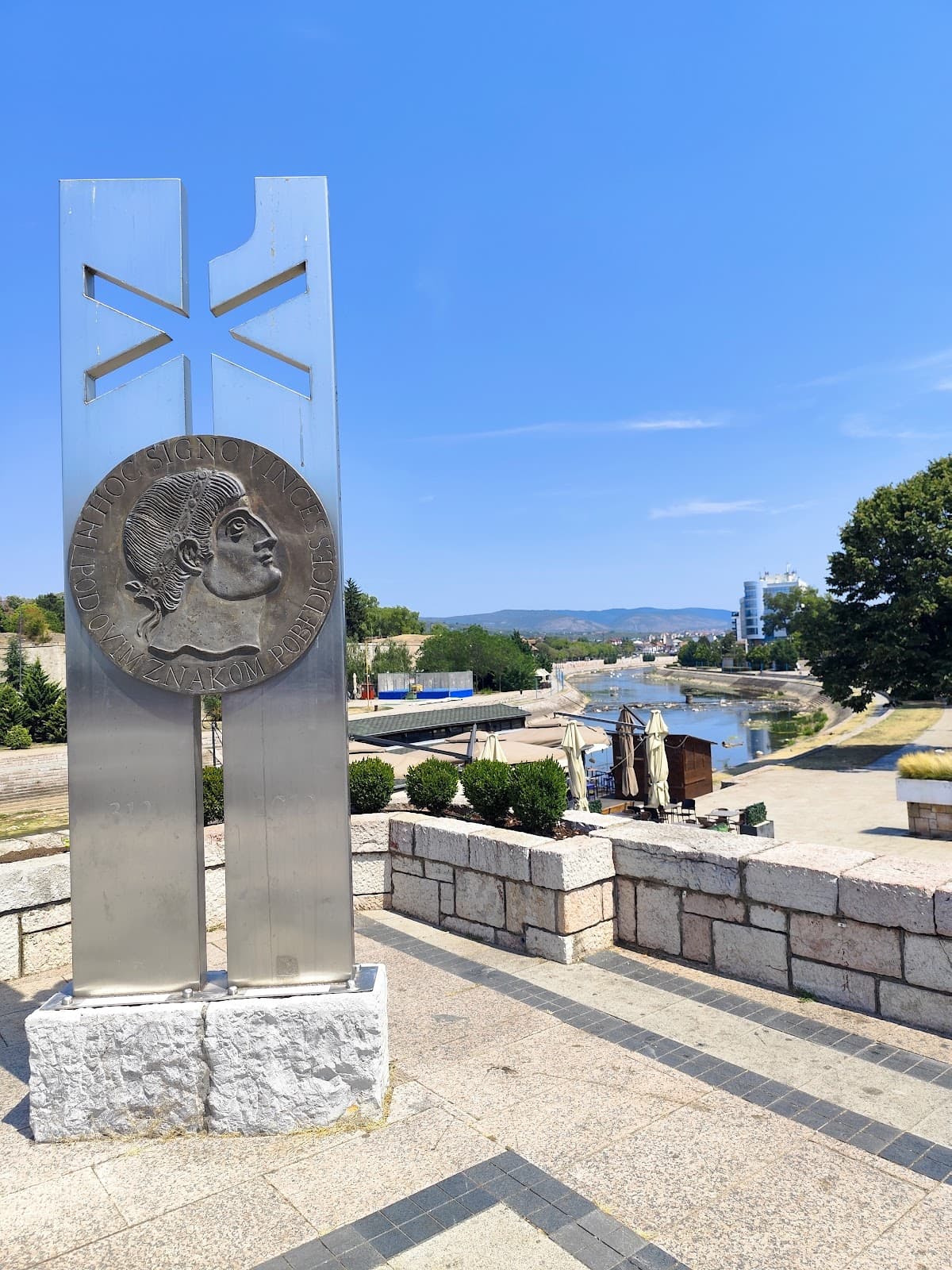
Statue of Constantine the Great
A colossal tribute to Emperor Constantine the Great, from monumental Roman reconstructions to historical markers in York and Niš.
Highlights
Must-see attractions

Social
From TikTok & Reddit
Best Time
Fewer crowds, better photos
Statue of Constantine the Great
Best Time
Fewer crowds, better photos
Highlights
Must-see attractions
A colossal tribute to Emperor Constantine the Great, from monumental Roman reconstructions to historical markers in York and Niš.
"Standing before the reconstructed Colossus of Constantine truly transports you back to the grandeur of ancient Rome."
📸 Capture the Scale
Get a wide-angle shot to truly convey the immense size of the reconstructed statues. :camerawithflash:
🏛️ Seek Out Original Fragments
Don't miss the chance to see the actual pieces of the ancient Colossus in museums. :museum:

Highlights
Discover the most iconic attractions and experiences
Reconstructed Colossus of Constantine
Capitoline Museums, Rome
A monumental reconstruction of the original colossal statue, offering a breathtaking sense of ancient Roman grandeur.
Original Fragments of the Colossus
Capitoline Museums, Rome
See the actual marble pieces of the original 4th-century statue, including its iconic head and hands.

Statue of Constantine the Great, York
Minster Yard, York, UK
A striking bronze depiction of Emperor Constantine seated, commemorating his accession outside York Minster.
Constantine the Great Statue, Niš
Niš, Serbia
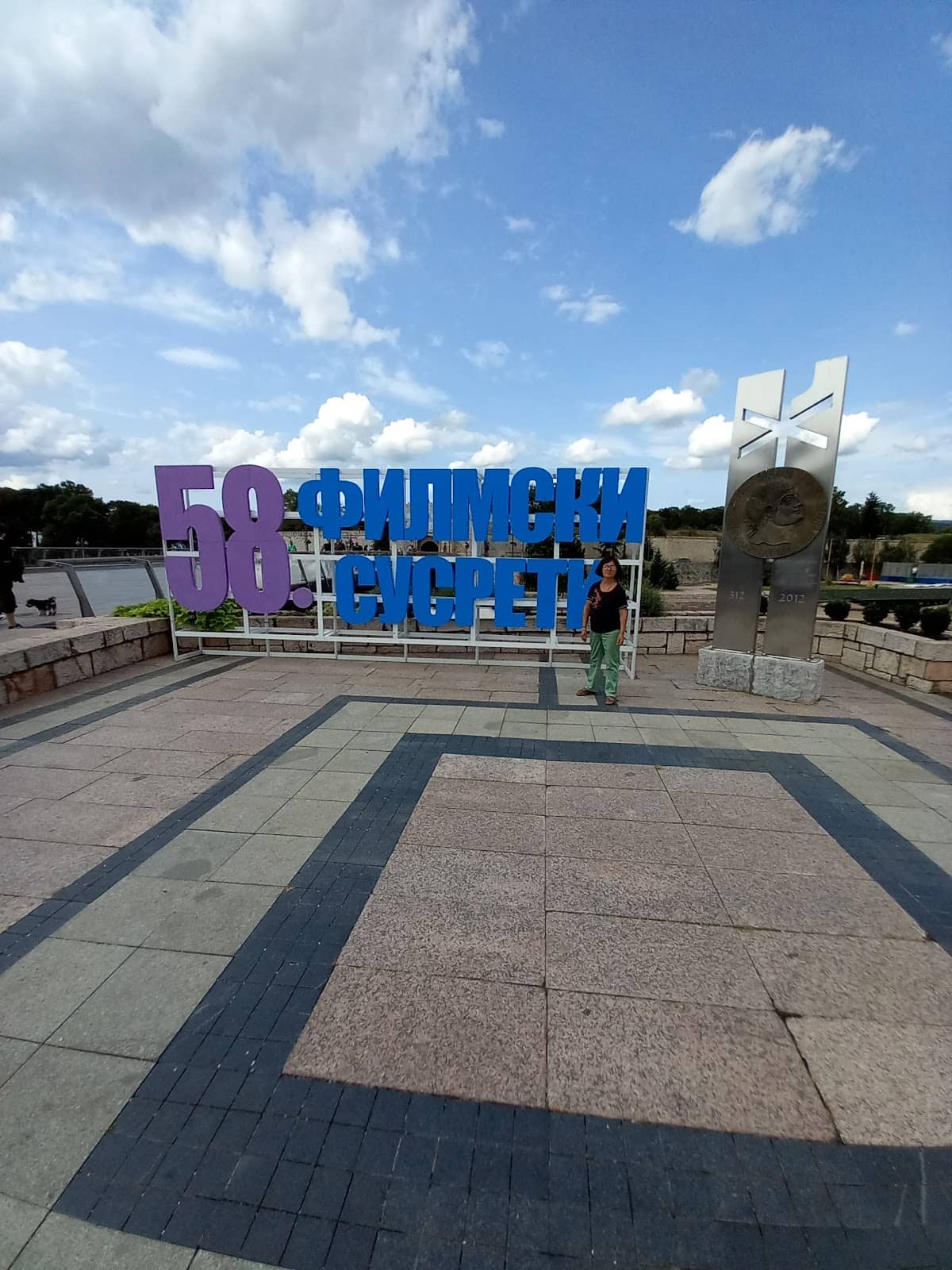
A modern monument celebrating the 1700th anniversary of the Edict of Milan, located by the Nišava River.
Plans like a pro.
Thinks like you
Planning Your Visit
Timing Your Visit to Avoid Crowds
Understanding the 'Colossus'
Best Times
Insider Tips
from TikTok, Instagram & Reddit
📸 Capture the Scale
Get a wide-angle shot to truly convey the immense size of the reconstructed statues. :camerawithflash:
🏛️ Seek Out Original Fragments
Don't miss the chance to see the actual pieces of the ancient Colossus in museums. :museum:
🚶♀️ Explore the Surroundings
The statues are often in scenic locations; take time to enjoy the area around them. :park:
💡 Understand the History
Research Constantine's significance before visiting for a richer appreciation. :books:
Tips
from all over the internet
📸 Capture the Scale
Get a wide-angle shot to truly convey the immense size of the reconstructed statues. :camerawithflash:
🏛️ Seek Out Original Fragments
Don't miss the chance to see the actual pieces of the ancient Colossus in museums. :museum:
🚶♀️ Explore the Surroundings
The statues are often in scenic locations; take time to enjoy the area around them. :park:
💡 Understand the History
Research Constantine's significance before visiting for a richer appreciation. :books:
📍 Check Multiple Locations
Remember there are statues commemorating Constantine in different cities! :world_map:
What Travellers Say
Reviews Summary
Visitors are impressed by the sheer scale and historical significance of the Statue of Constantine the Great, particularly the reconstructed colossus in Rome and the original fragments. The statues serve as powerful reminders of Roman imperial might and historical turning points. Some find the modern statues in places like Niš to be inspiring commemorations.
"Cool Little Monument to Roman Emperor Constantine the Great. The monument is directly in front of the Nišava River and across from the Fortress."
Matthew McDonald
"This statute was erected to commemmorate Milan edict, 1700 years of the proclamation of Christianity in Byzantium. It is just next to the bridge going to the fortress near the Nisava river."
Hagop Kevorkian
"Nice place to take a photo on your way up to the fortress."
Ana Stancic
What People Like
What People Dislike
Frequently Asked Questions
🚇 🗺️ Getting There
The reconstructed statue is located in the courtyard of the Capitoline Museums on Capitoline Hill. You can reach it via public transport (bus lines stop nearby) or a pleasant walk from the Colosseum area. Many visitors find it an easy addition to a Rome itinerary.
Yes, the bronze statue is prominently situated on Minster Yard, directly outside the magnificent York Minster, making it very accessible for visitors exploring the city center.
The statue is located near the Nišava River, close to the fortress and the bridge leading to it. It's easily accessible on foot if you are exploring the city center or visiting the fortress.
The reconstructed statue in Rome's Capitoline Museums courtyard is often accessible for free, though entry to the museums themselves requires a ticket. The statues in York and Niš are typically public art and free to view.
Taxis are readily available in Rome, York, and Niš. They can drop you off near the respective statue locations, especially if you're short on time or prefer direct transport.
🎫 🎫 Tickets & Entry
While the courtyard area where the large reconstructed statue stands is often freely accessible, to see the original fragments of the Colossus of Constantine, you will need an admission ticket to the Capitoline Museums.
The statues in public spaces like York and Niš are accessible 24/7. For the reconstructed statue and original fragments in Rome, check the specific opening hours of the Capitoline Museums, which typically vary by season.
Guided tours are often available for the Capitoline Museums in Rome, which would include information about the Constantine statue and its fragments. In York and Niš, self-guided exploration is common, though local walking tours might cover the statues.
Yes, booking tickets for the Capitoline Museums online in advance is highly recommended, especially during peak tourist seasons, to avoid long queues and secure your preferred entry time.
Visiting during weekdays and earlier in the morning or later in the afternoon can help you avoid the largest crowds and get better photos. The 'golden hour' light in the late afternoon can also be beautiful.
🎫 🏛️ Onsite Experience
The Colossus of Constantine was an enormous early 4th-century statue of Emperor Constantine the Great, originally placed in the Basilica of Maxentius in Rome. It was made of marble and gilded bronze, standing about 12 meters tall. Only fragments remain today. 
You'll see a large, impressive reconstruction of the colossal statue, giving you a sense of its original scale. You can also view the surviving original marble fragments, including the famous head, hands, and feet.
The bronze statue in York commemorates Constantine's accession as Roman Emperor, which occurred in the city in 306 AD. It's a key historical marker for York's Roman past.
This modern statue commemorates the 1700th anniversary of the Edict of Milan, which granted religious tolerance throughout the Roman Empire, a pivotal moment for Christianity.
Absolutely! The sheer scale of the reconstructed statues and the historical context make them fantastic subjects for photography. The York statue is also a popular photo spot.
📸 📸 Photography Tips
For the reconstructed statues, try to get a wide shot to show the scale. For the original fragments, focus on the detail and craftsmanship. Experiment with different perspectives to capture the grandeur.
Photography is generally allowed inside the Capitoline Museums, but flash photography is usually prohibited to protect the artifacts. Always check for specific signage.
Early morning or late afternoon often provides softer light and fewer crowds, leading to better photographic opportunities. The 'golden hour' can create dramatic effects.
In public spaces like York and Niš, there are generally no restrictions. Inside museums, follow their specific rules regarding flash and tripods.
Use hashtags like #StatueOfConstantine, #ConstantineTheGreat, #AncientRome, #RomanEmpire, #CapitolineMuseums, #YorkMinster, #History, and location-specific tags.
For Different Travelers
Tailored advice for your travel style
👨👩👧 Families with Kids
+1In York, the statue outside the Minster provides a great photo opportunity and a talking point about Roman Britain. For younger children, focus on the 'emperor' aspect and the impressive scale. Visiting these statues can be a fun and educational addition to a family trip, sparking curiosity about history in an engaging way.
🏛️ History Buffs & Art Enthusiasts
+1 The Capitoline Museums offer a deep dive into Roman artifacts, with the Constantine pieces being a highlight. Exploring the Statue of Constantine in York provides insight into the Roman Empire's reach and the specific events that shaped its leadership. Comparing the different representations of Constantine across various locations—from monumental reconstructions to commemorative public art—offers a rich understanding of his enduring historical significance.
📸 Photographers
+1 Consider visiting during the 'golden hour' for warm, evocative lighting. The original marble fragments in the Capitoline Museums offer opportunities for detailed shots, capturing the texture and artistry of ancient carving.
The statue in York is also a popular subject, often framed against the backdrop of York Minster, creating a compelling historical juxtaposition. Remember to check museum policies regarding flash photography to ensure you can capture the best images without issue. Deep Dives
In-depth insights and expert knowledge
The Colossus of Constantine: A Monumental Legacy
Today, only fragments of this colossal masterpiece survive, primarily housed in the Capitoline Museums in Rome. These surviving pieces, including a monumental marble head over 8 feet tall and massive hands and feet, offer a tangible connection to the past. Modern reconstructions, like the one found in the Capitoline Museums' courtyard, use these fragments and historical knowledge to recreate the statue's imposing presence, allowing visitors to imagine the sheer scale of ancient Roman imperial art and architecture.
+3Visiting these sites provides a unique opportunity to appreciate the engineering and artistic prowess of the Roman Empire. The Statue of Constantine the Great in York and the monument in Niš, Serbia, further highlight Constantine's enduring impact on history, commemorating his accession and the pivotal Edict of Milan, respectively. These different manifestations of his legacy offer varied perspectives on his reign and influence.
Constantine's Impact: From Rome to York
Constantine's influence extended geographically. His proclamation as Emperor by his troops occurred in York, England, in 306 AD, a fact commemorated by the bronze statue there. This makes the York statue a significant historical marker for both the city and the Roman Empire's presence in Britain.
The statue in Niš, Serbia, also celebrates the 1700th anniversary of the Edict of Milan, underscoring the lasting global impact of his religious policies. The Statue of Constantine the Great in its various forms serves as a powerful reminder of his multifaceted legacy – as a military leader, an emperor who reshaped religious landscapes, and a figure whose reign had profound and lasting consequences across the vast Roman world.
Social
from TikTok, Instagram & Reddit