Al-Andalus
Al-Andalus: A historical region in Iberia renowned for its rich Islamic heritage, art, science, and architecture.
Highlights
Must-see attractions

Social
From TikTok & Reddit
Best Time
Pleasant weather, blooming gardens
Al-Andalus
Best Time
Pleasant weather, blooming gardens
Highlights
Must-see attractions
Al-Andalus: A historical region in Iberia renowned for its rich Islamic heritage, art, science, and architecture. 
"A golden age of art, science, and faith where Muslims, Christians, and Jews lived side by side.
Book Alhambra tickets early
Tickets for the Alhambra sell out months in advance. Book online ASAP! :ticket:
Wear comfortable shoes
You'll be doing a lot of walking on historical cobblestone streets. :athletic_shoe:
Highlights
Discover the most iconic attractions and experiences
The Alhambra
Granada, Spain
A breathtaking palace and fortress complex, showcasing exquisite Islamic art and architecture.
+1Mezquita-Cathedral of Cordoba
Cordoba, Spain
A unique architectural marvel, originally a grand mosque, now a cathedral, reflecting centuries of history.
Moorish Architecture
Various cities in Andalusia
Intricate tilework, horseshoe arches, and serene courtyards are hallmarks of this influential style.
+1Plans like a pro.
Thinks like you
Planning Your Visit
Understand the Historical Context
+1Explore Key Cities and Sites
+1Best Times
Insider Tips
from TikTok, Instagram & Reddit
Book Alhambra tickets early
Tickets for the Alhambra sell out months in advance. Book online ASAP! :ticket:
Wear comfortable shoes
You'll be doing a lot of walking on historical cobblestone streets. :athletic_shoe:
Learn some history
Understanding the context enriches the experience of Al-Andalus's legacy. :books:
Explore local markets
Discover traditional crafts and local flavors in historic market areas. :shopping_bags:
Tips
from all over the internet
Book Alhambra tickets early
Tickets for the Alhambra sell out months in advance. Book online ASAP! :ticket:
Wear comfortable shoes
You'll be doing a lot of walking on historical cobblestone streets. :athletic_shoe:
Learn some history
Understanding the context enriches the experience of Al-Andalus's legacy. :books:
Explore local markets
Discover traditional crafts and local flavors in historic market areas. :shopping_bags:
What Travellers Say
Reviews Summary
Visitors are consistently awestruck by the breathtaking beauty and historical depth of Al-Andalus sites, particularly the Alhambra and Mezquita. The intricate architecture, serene gardens, and the palpable sense of history are frequently praised. However, some find the sheer volume of tourists overwhelming, and booking tickets well in advance is a recurring necessity.
What People Like
What People Dislike
Frequently Asked Questions
🚇 🗺️ Getting There
High-speed trains connect major cities like Seville, Cordoba, and Granada, offering a convenient way to explore. Buses are also a good option for smaller towns. Renting a car provides flexibility for rural exploration.
Granada has an airport with connections to major Spanish cities. Alternatively, you can take a train or bus from Seville or Cordoba, which are well-connected.
Yes, numerous guided tours are available in cities like Granada, Cordoba, and Seville, offering in-depth historical insights. Many offer specialized tours focusing on Islamic history.
Most major historical sites are well-signposted. Using GPS on your phone or a local map can be helpful, especially in the winding streets of old towns.
Absolutely! Historically, parts of Portugal were also under Muslim rule (Al-Gharb al-Andalus). Cities like Lisbon and the Algarve region have significant historical connections.
🎫 🎫 Tickets & Entry
It's highly recommended to book Alhambra tickets at least 3-6 months in advance, especially for peak season. They sell out very quickly.
While not always a single ticket, look for city passes or combined entry options for attractions like the Mezquita and Alcázar of Cordoba to save money.
The Mezquita generally opens early in the morning and closes in the late afternoon. It's best to check the official website for the most current hours, as they can vary.
For smaller mosques, palaces, or museums, booking in advance is usually not necessary, but it's always wise to check their official websites for any specific requirements or closures.
Some sites might offer limited free entry periods, often on specific days or times. Researching this in advance can help budget-conscious travelers.
🎫 🏛️ Onsite Experience
Don't miss the Nasrid Palaces (requires timed entry), the Generalife gardens, the Alcazaba fortress, and the Palace of Charles V.
The horseshoe arch is a defining feature of Moorish architecture, symbolizing the region's unique blend of Islamic and Iberian influences. It creates a sense of grandeur and elegance.
Expect a blend of awe-inspiring beauty, historical depth, and a sense of tranquility, especially in the gardens and courtyards.
While many sites have accessible routes, some older areas with uneven terrain can be challenging. It's advisable to check accessibility information for specific locations beforehand.
Themes often include nature, love, spirituality, and the passage of time. Poetry was highly valued, with poets like Lisan ad-Din al-Khatib being prominent figures.
🍽️ 🍽️ Food & Dining
Savor tapas, gazpacho, salmorejo, jamón ibérico, and fresh seafood. Many dishes reflect the region's Moorish culinary heritage.
Yes, most major sites have numerous restaurants and cafes nearby, ranging from casual tapas bars to more formal dining establishments.
Enjoy local wines, sherry, and refreshing sangria. Mint tea is also a popular beverage, reflecting North African influences.
While traditional cuisine is meat-heavy, you can find vegetarian and vegan options, especially in larger cities. Look for dishes featuring vegetables, legumes, and olive oil.
Tapas are often enjoyed standing at bars or at small tables. Meals are typically later in the day, with dinner often starting around 9 PM.
📸 📸 Photography
Capture the intricate details of the Nasrid Palaces, the reflective pools in the courtyards, the views from the Alcazaba, and the lush Generalife gardens.
Drones are generally prohibited at historical sites and within city centers due to preservation and privacy concerns. Always check local regulations.
Golden hour (early morning and late afternoon) offers beautiful light for capturing the textures and colors of Moorish architecture. Midday can be harsh.
Photography is usually allowed in most areas of the Mezquita, but be respectful of ongoing religious services and other visitors.
A versatile lens (e.g., 24-70mm) is useful for capturing both wide architectural shots and details. A wide-angle lens is great for interiors and grand vistas.
For Different Travelers
Tailored advice for your travel style
👨👩👧 Families with Kids
Consider interactive tours or audio guides designed for younger audiences. Focusing on the 'story' of the palaces, the legends, and the beautiful tilework can make history come alive. Pack plenty of snacks and water, and plan for breaks, as historical sites can be extensive.
🏛️ History Buffs
+1Visit the Mezquita of Cordoba to understand its layered history, explore the Alcázar of Seville for its Mudéjar architecture, and spend ample time at the Alhambra to grasp its significance. Reading up on key figures like Averroes, Maimonides, and Lisan ad-Din al-Khatib before your visit will greatly enhance your appreciation.
+1📸 Photography Enthusiasts
Focus on capturing the essence of Moorish design: geometric patterns, horseshoe arches, and serene water features. Early mornings and late afternoons provide the best light for architectural photography. Don't forget to look for unique perspectives and details that tell the story of this rich heritage.
+1Deep Dives
In-depth insights and expert knowledge
The Legacy of Al-Andalus
+2This era left an indelible mark on the Iberian Peninsula, evident in its stunning architecture, sophisticated irrigation systems, advancements in medicine, astronomy, and philosophy. The Umayyad Caliphate of Cordoba, in particular, was a beacon of civilization, renowned for its libraries and scholars.
+1Exploring sites like the Alhambra in Granada and the Mezquita in Cordoba allows visitors to witness firsthand the enduring beauty and complexity of this historical period. The intricate geometric patterns, delicate calligraphy, and serene courtyards speak volumes about the refined aesthetics and intellectual pursuits of Al-Andalus.
+2Moorish Architecture: A Visual Feast
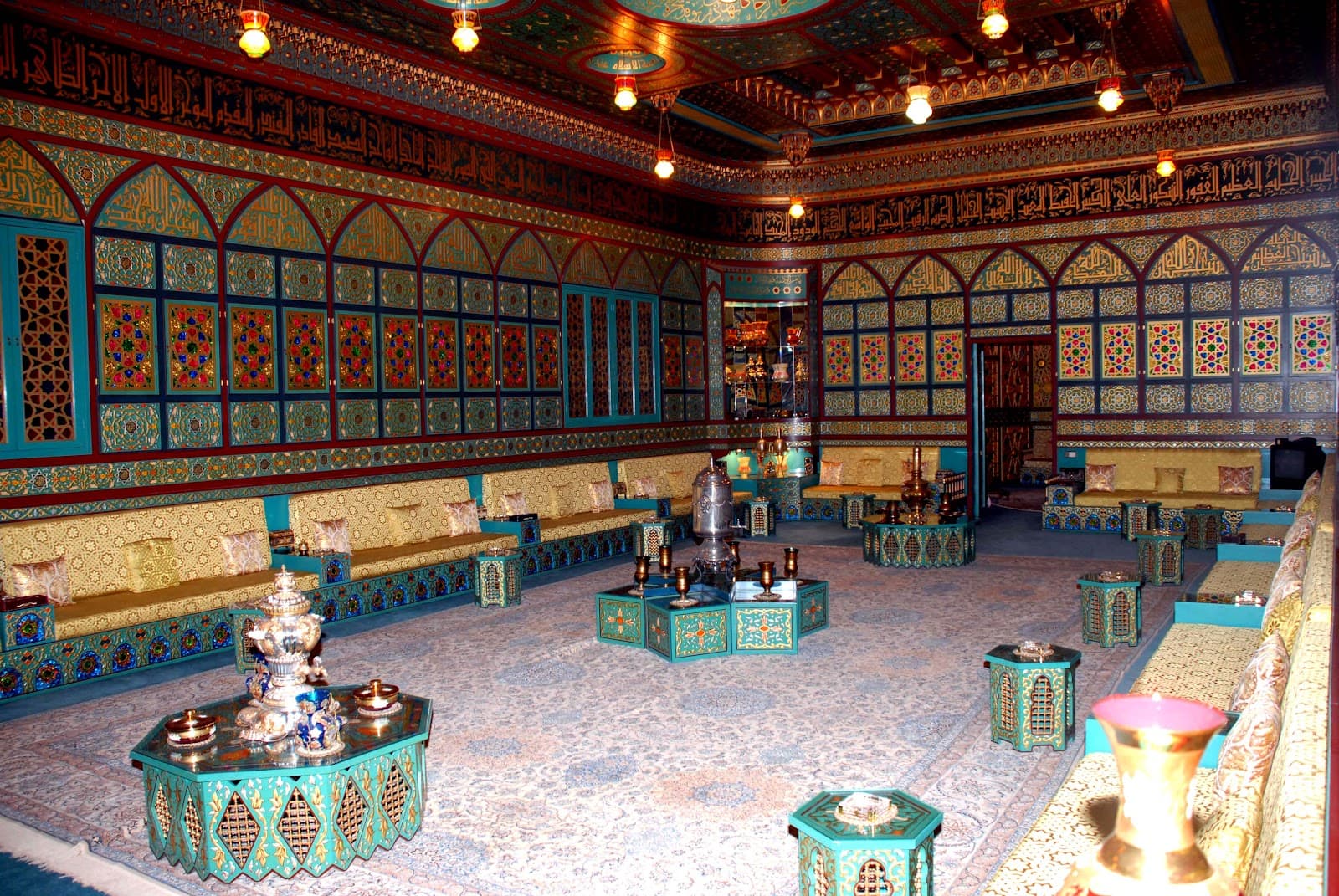
+1Visitors will also notice the extensive use of geometric patterns, known as arabesques, and zellij (mosaic tilework), which adorn walls, floors, and ceilings, creating mesmerizing visual tapestries. Courtyards with tranquil fountains and reflective pools are central to the design, offering spaces for contemplation and respite from the heat.
+1Famous examples like the Alhambra showcase the peak of this architectural achievement, with its delicate stucco work, muqarnas (stalactite vaulting), and poetic inscriptions integrated into the design. These structures are not just buildings but works of art that tell stories of a rich and sophisticated civilization.
+1Cultural and Scientific Contributions
+1In medicine, figures like Averroes and Maimonides made groundbreaking discoveries, while advancements in astronomy led to improved navigational tools and calendars. Agriculture also saw significant development with new crops and sophisticated irrigation techniques introduced.
The region was also a hub for literature and music, with poetry flourishing and musical instruments evolving. This intellectual and artistic legacy profoundly influenced European thought and culture, shaping the course of history.
+1


Social
from TikTok, Instagram & Reddit