Notre-Dame des Laves
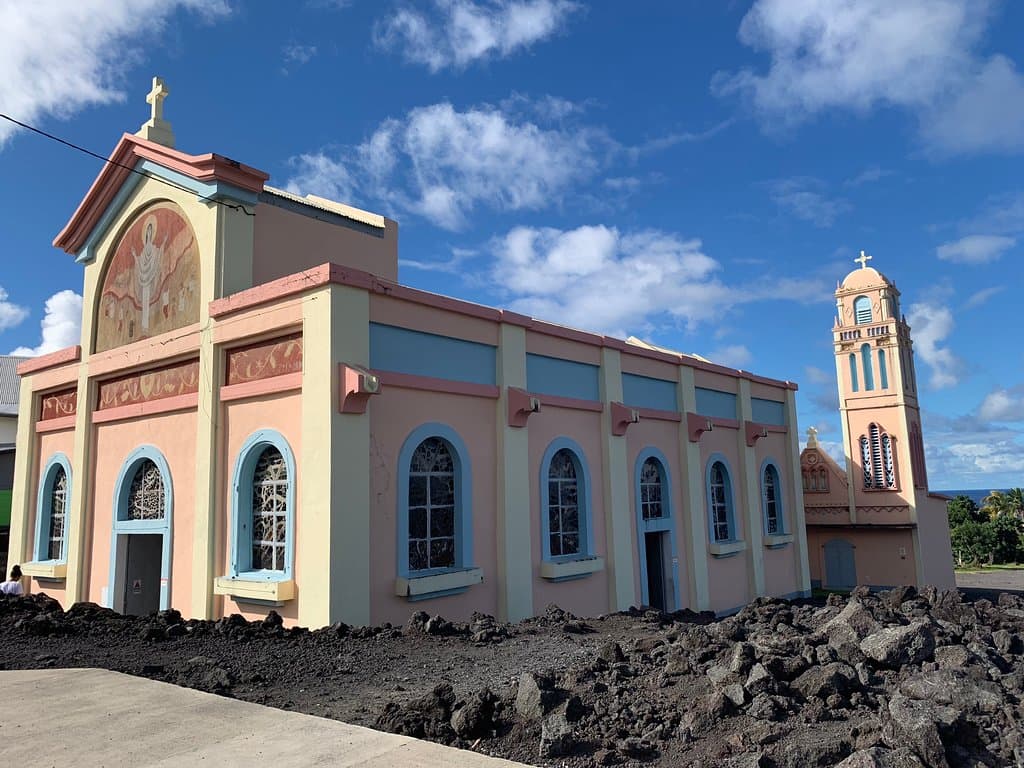
A church miraculously spared by lava flows in 1977, now a symbol of resilience surrounded by solidified volcanic rock.
Highlights
Must-see attractions

Social
From TikTok & Reddit
Best Time
Best light for lava fields
Notre-Dame des Laves
Best Time
Best light for lava fields
Highlights
Must-see attractions
A church miraculously spared by lava flows in 1977, now a symbol of resilience surrounded by solidified volcanic rock.
"You don't have to be a believer to appreciate how special a building standing in the middle of a river of lava is."
🚗 Ample Parking Available
Plenty of parking is conveniently located next to the church for easy access.
📖 Learn the Story Inside
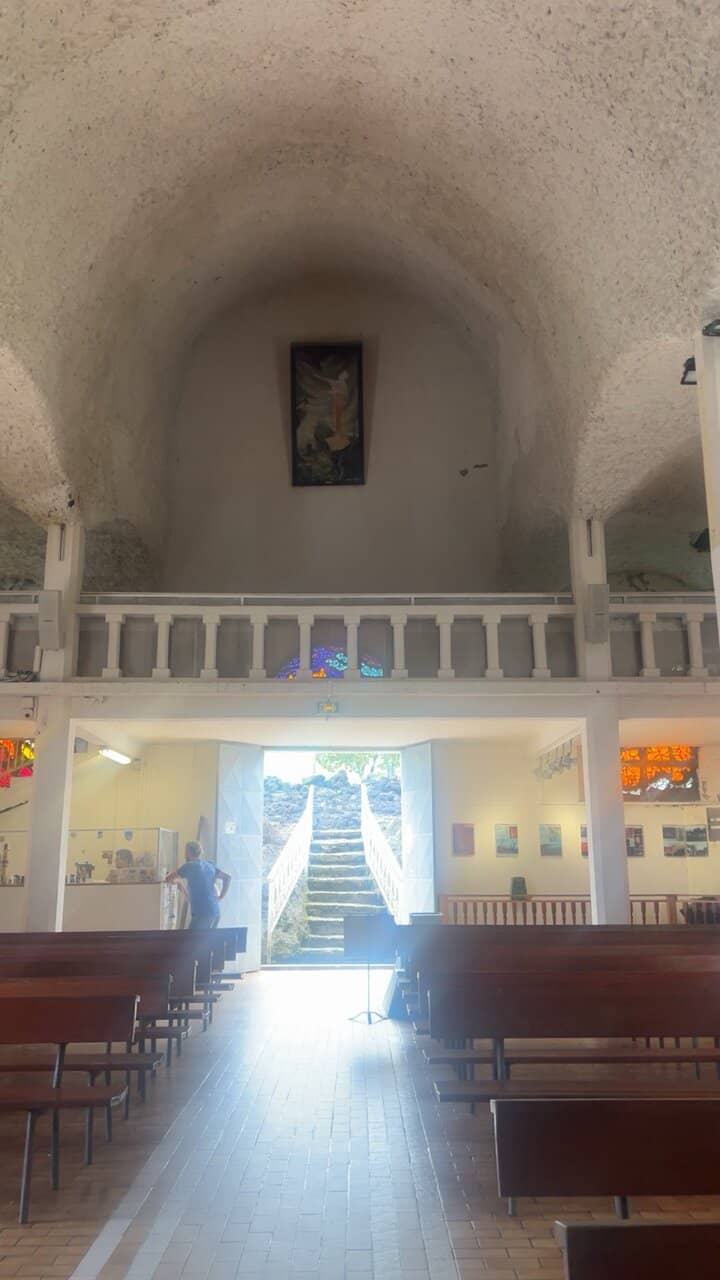
Inside, find newspaper clippings and information detailing the 1977 lava flow event.
Highlights
Discover the most iconic attractions and experiences
The Miraculous Church
Sainte-Rose
A church miraculously untouched by lava flows in 1977, now surrounded by hardened volcanic rock.
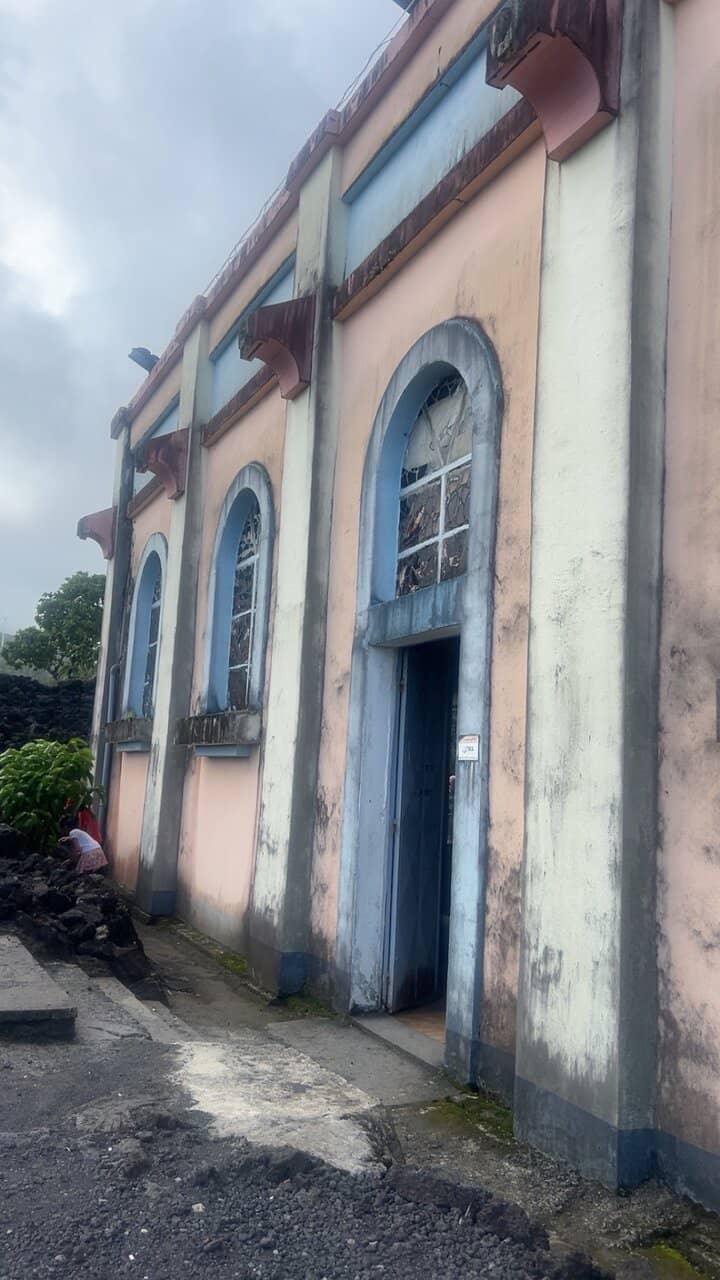
The Lava Fields
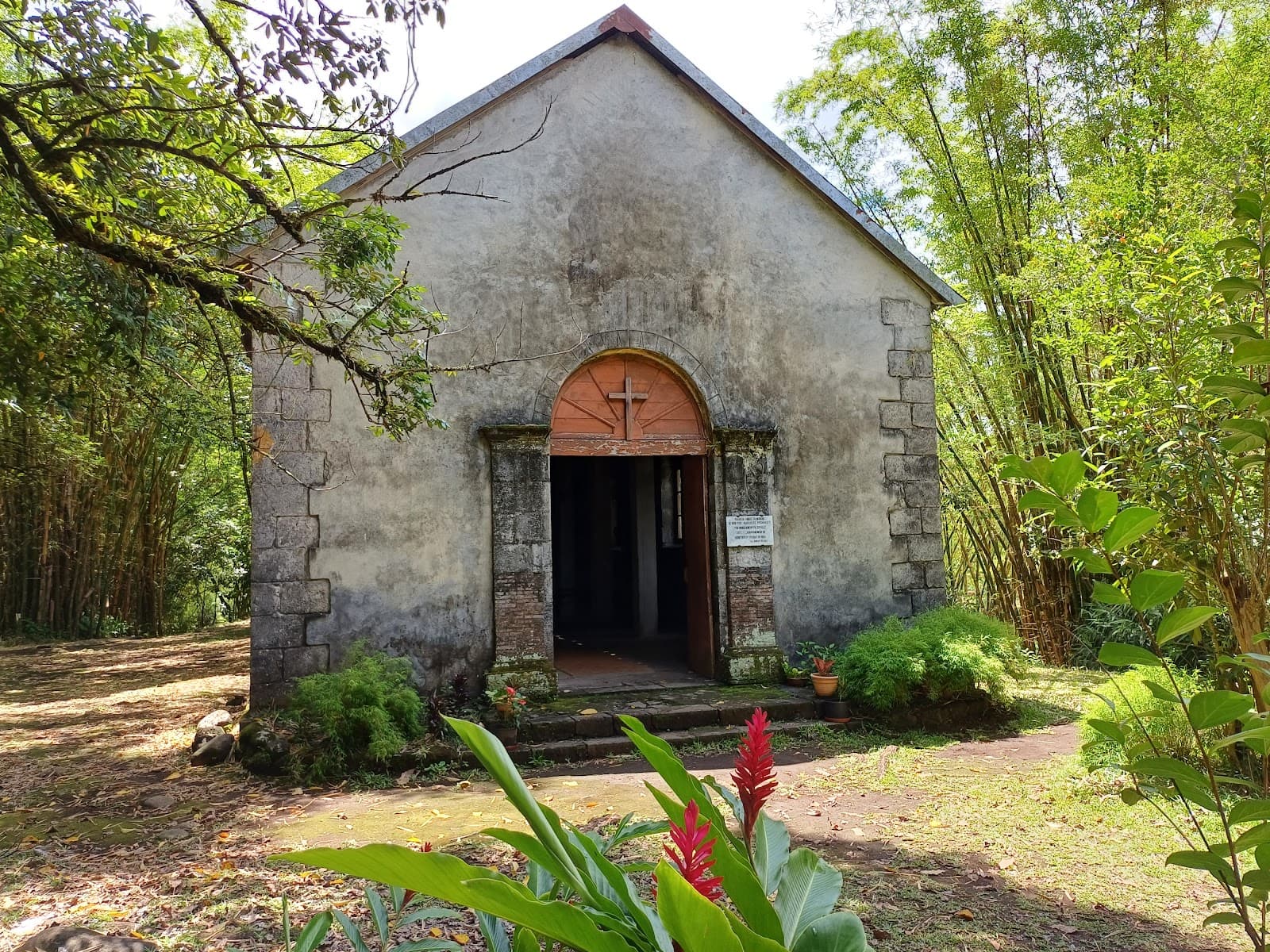
Exterior of the church
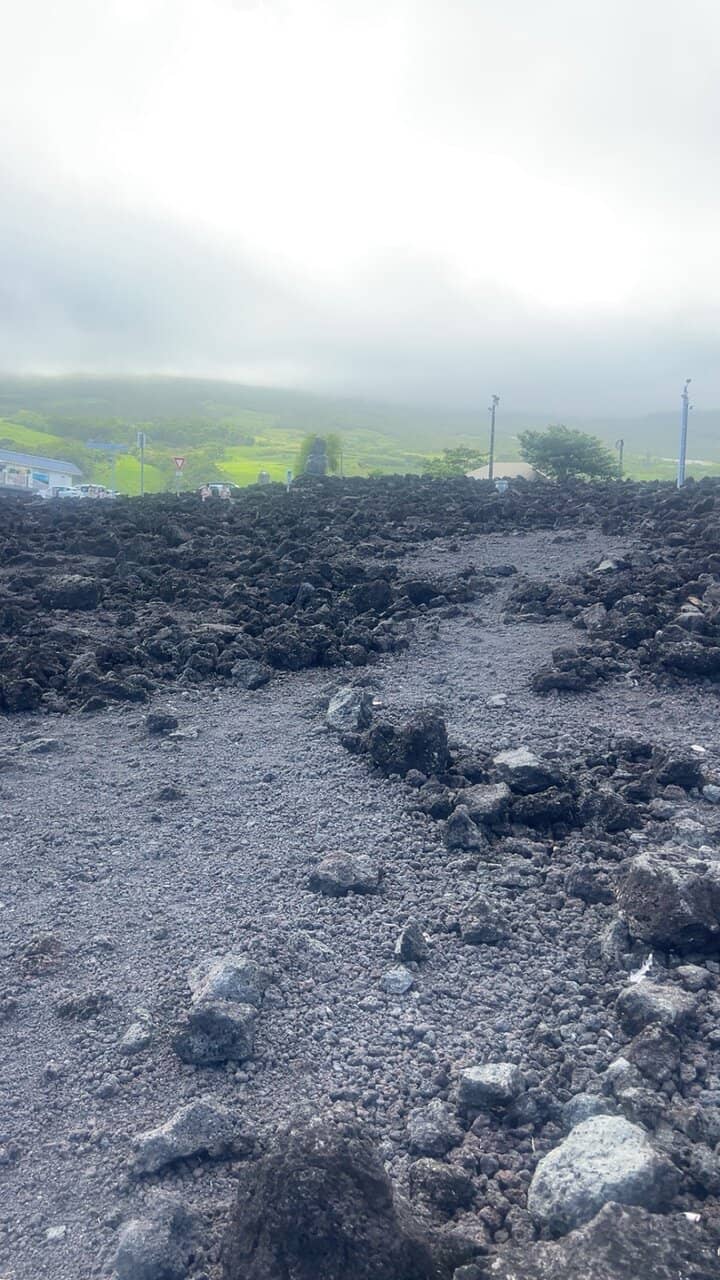
Explore the stark, solidified lava that encircles the church, a dramatic reminder of the 1977 eruption.
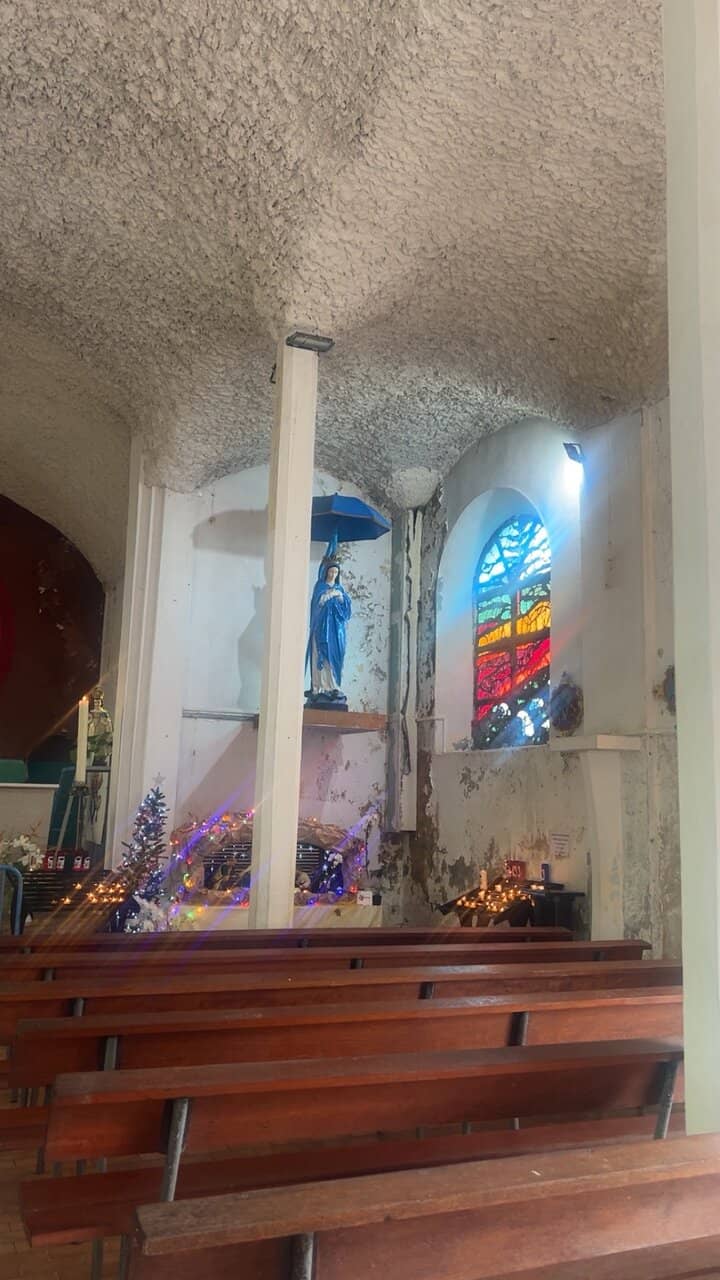
Inside the Sanctuary
Interior of the church
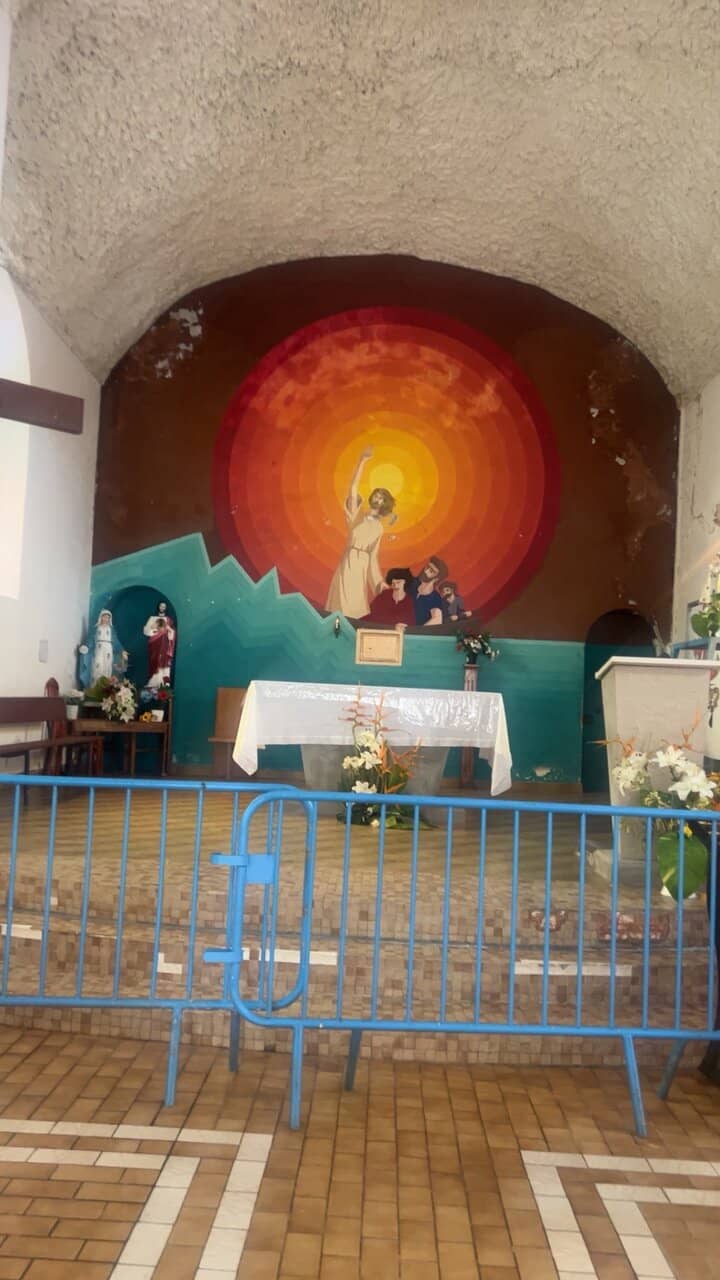
Discover beautiful stained glass windows and historical newspaper clippings detailing the miraculous event.
Plans like a pro.
Thinks like you
Planning Your Visit
Witness a Volcanic Miracle
Embrace the Lava Road
Best Times
Insider Tips
from TikTok, Instagram & Reddit
🚗 Ample Parking Available
Plenty of parking is conveniently located next to the church for easy access.
📖 Learn the Story Inside
Inside, find newspaper clippings and information detailing the 1977 lava flow event.
🚶♀️ Explore the Lava Road
Combine your visit with a drive along the 'Route des Laves' to see more volcanic landscapes.
🙏 Respectful Visit
It's a place of worship; maintain a respectful demeanor during your visit.
Tips
from all over the internet
🚗 Ample Parking Available
Plenty of parking is conveniently located next to the church for easy access.
📖 Learn the Story Inside
Inside, find newspaper clippings and information detailing the 1977 lava flow event.
🚶♀️ Explore the Lava Road
Combine your visit with a drive along the 'Route des Laves' to see more volcanic landscapes.
🙏 Respectful Visit
It's a place of worship; maintain a respectful demeanor during your visit.
📸 Capture the Contrast
The juxtaposition of the church against the black lava is incredibly photogenic.
What Travellers Say
Reviews Summary
Visitors are consistently awestruck by Notre Dame des Laves, marveling at its miraculous survival amidst the 1977 lava flows. The stark contrast between the church and the surrounding solidified lava is described as both ominous and fascinating, regardless of religious belief. It's considered a worthwhile stop for its unique story and visual impact.
"As an agnostic you can’t help but question your own convictions: right in front of a church of all places the lava flows split and spared it in a seemingly miraculous way. Ominous and fascinating at the same time."
Martin K.
"You don't have to be a believer to appreciate how special a building standing in the middle of a river of lava is. Pretty little place inside and some newspaper clips and other info at the back of the church. No guide on site. Free of charge and plenty of parking available next door. The extend of the miracle is obviously evident on the outside Across the road is a tourist trap where you can get junk food. From our limited knowledge of French it looks like there is also a museum in that complex, closed when we were there on a Friday. From here drive south towards St Philippe on the "Lava Road" to appreciate the full destructive power of a volcano."
Mel Klos
"It really brings home the power of the lava flow and how miraculous it is that this church still stands....
Beautiful stained glass windows and newspaper articles on your left as you enter - depicts the series of events as they unfolded on that fateful period in 1977"
Karen Engelbrecht
What People Like
What People Dislike
Frequently Asked Questions
🚇 🗺️ Getting There
Notre Dame des Laves is located in Sainte-Rose on Reunion Island. It's easily accessible by car, especially if you're driving along the scenic 'Route des Laves' (Lava Road). There is ample parking available next to the church.
Yes, visitors consistently report that there is plenty of parking available right next to the church, making it very convenient.
The 'Route des Laves' is a scenic coastal road on Reunion Island that passes through areas dramatically shaped by past volcanic lava flows. Notre Dame des Laves is a significant landmark along this route.
Absolutely! It's a perfect stop on a day trip exploring the eastern coast of Reunion Island, especially when combined with the Route des Laves.
Public transport options might be limited and infrequent in this area. Renting a car is generally the most convenient way to explore Notre Dame des Laves and the surrounding volcanic landscapes.
🎫 🎫 Tickets & Entry
No, entry to Notre Dame des Laves is free of charge. It is an active place of worship and a historical site open for visitors to appreciate its story.
The church is generally open to visitors during daylight hours. As it is a place of worship, it's advisable to be mindful of any services or events that might be taking place.
There is no entrance fee to visit Notre Dame des Laves. It's a freely accessible site for all visitors.
Yes, visitors are welcome to go inside the church to see the stained glass windows and read about the history of the lava flow.
While there isn't a formal museum within the church itself, there are informative displays inside with newspaper clippings and historical context about the 1977 eruption.
📸 📸 Photography
The most striking photo opportunities involve capturing the church surrounded by the stark, black lava fields. The contrast between the sacred building and the raw power of nature is visually dramatic.
Photography is generally permitted inside the church, but it's always best to be discreet and respectful, especially if a service is in progress. Focus on the stained glass and historical displays.
Drone regulations can vary and are subject to local laws. It's advisable to check current drone usage policies for Reunion Island before flying near protected sites or places of worship.
Daytime offers the best natural light to capture the textures of the lava and the details of the church. Early morning or late afternoon can provide softer light and fewer crowds.
Popular hashtags include #notredamedeslaves, #reunionisland, #lareunion, #sainterose, #routedeslaves, and #volcano. 
🎫 🌋 Volcanic History
The church gained its name after the 1977 eruption of Piton de la Fournaise. Lava flows surrounded the church, but miraculously, the building itself was spared from destruction.
The significant lava flow that surrounded Notre Dame des Laves occurred during the eruption of the Piton de la Fournaise volcano in 1977.
The exact geological reasons are debated, but visually, the lava flow appears to have split into two streams, flowing around the church and leaving it standing amidst the hardened rock.
The 'miracle' refers to the church's survival despite being completely encircled by molten lava during the 1977 eruption, leading many to believe it was divinely protected.
Outside the church, you can see the extensive fields of solidified, black volcanic rock that the lava flow left behind, demonstrating the immense power of the eruption.
For Different Travelers
Tailored advice for your travel style
👨👩👧 Families with Kids
Inside the church, the historical newspaper clippings can serve as visual aids to explain the event. Consider making it part of a larger road trip along the 'Route des Laves' to show children the broader impact of volcanic activity on the island's landscape. Remember to keep the visit respectful, as it is an active place of worship.
🚗 Road Trippers & Scenic Drivers
+1Plan your route to include this site, perhaps as part of a journey exploring the eastern coast. The ample parking makes it an easy and worthwhile detour. Combine it with stops at other viewpoints along the Route des Laves to fully appreciate the island's volcanic heritage.
🤔 Curious Travelers & History Buffs
Take time to read the displays inside the church to understand the historical context of the 1977 eruption. The surrounding lava fields offer a tangible connection to the immense power of the Piton de la Fournaise volcano, making it a site of both historical and geological significance.
Deep Dives
In-depth insights and expert knowledge
The Miracle of Notre Dame des Laves
Visitors can witness this incredible phenomenon firsthand. The church now stands as an island in a sea of solidified black lava, a stark and powerful visual reminder of nature's destructive force and the seemingly inexplicable preservation of this sacred site. Inside, you can find newspaper clippings and historical accounts that detail the dramatic events of that period, offering a deeper understanding of the 'miracle.'
Whether you are religious or not, the sight of Notre Dame des Laves is profoundly moving. It prompts reflection on the power of nature and the stories that emerge from such dramatic events. It's a place that sparks awe and encourages contemplation, making it a must-visit on Reunion Island.
Exploring the Route des Laves
The road itself is an experience, winding through coastal villages and offering breathtaking views of the ocean meeting the rugged, volcanic terrain. Along the way, you can stop at various points to observe the geological formations, learn about the island's volcanic history, and appreciate the resilience of life that has managed to reclaim parts of the lava fields.
Visiting Notre Dame des Laves provides the perfect context for exploring the rest of the Route des Laves. It’s recommended to drive south from the church towards Saint Philippe to fully grasp the destructive extent of the lava flows and the unique beauty that has emerged from this volcanic activity.

Social
from TikTok, Instagram & Reddit